53.7 F
San Francisco
Thursday, May 7, 2026
Home Blog Page 831

Biden Interview Audio Reveals New Details of 2023 Meeting

0

Key Takeaways:

  • The long-awaited audio of Rob Hur’s interview with Joe Biden is now public.
  • The nearly six-hour recording offers audible context to the already released transcript.
  • The recording was made during Biden and Hur’s October 8-9, 2023, discussions.
  • The Biden White House and Democrats tried to keep the audio secret during the 2024 campaign.
  • The audio is now circulating online and has been obtained independently.

New Audio Sheds Light on Biden-Hur Interview

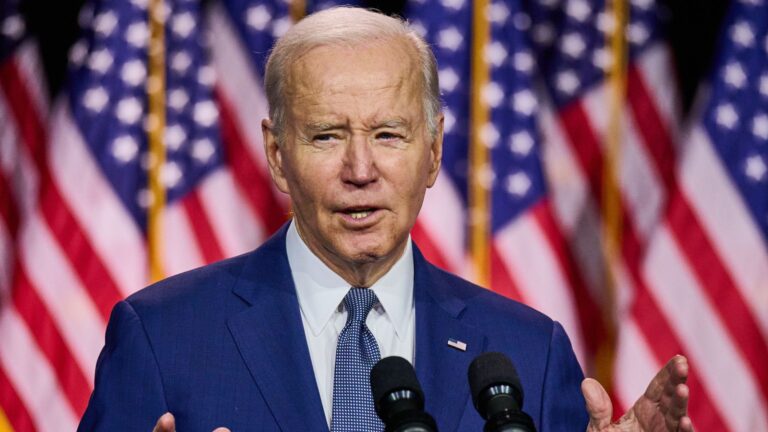
A recording of a high-profile interview between then-President Joe Biden and special counsel Rob Hur has finally been made public. The nearly six-hour audio provides fresh insight into their discussions, which took place over two days in early October 2023. While a written transcript of the conversation was already released, the audio adds a new layer of understanding to the exchange.

The audio, which has been circulating online, was obtained independently. Its release has sparked significant interest, especially as it comes during a heated political climate ahead of the 2024 elections. The Biden White House and Democratic supporters had previously tried to keep the recording under wraps, but it is now accessible to the public.


Why This Audio Matters

The interview between Biden and Hur has been a topic of discussion since it took place. Hur, who served as special counsel, was investigating certain matters involving the president. The transcript of their talk was released, but the audio offers a more personal and emotional context to the conversation.

Listening to the audio allows people to hear the tone, pauses, and emphasis in Biden and Hur’s dialogue. This can reveal nuances that are harder to detect in written form. For example, how Biden responded to tough questions or how Hur phrased his inquiries.

The timing of the audio’s release is also important. With the 2024 elections approaching, political campaigns are in full swing. Both Democratic and Republican strategists are likely analyzing the recording to see if it contains any information that could influence voters.


What Happened in the Interview?

The transcript already provided details about what Biden and Hur discussed. However, the audio gives a clearer picture of how the conversation unfolded. It includes the back-and-forth between the two men, their reactions to certain topics, and the overall atmosphere of the meeting.

One key aspect of the interview was Biden’s demeanor. Did he sound confident and composed, or were there moments of hesitation? The audio can help answer these questions. Similarly, Hur’s tone could indicate whether he was pressing Biden hard or conducting the interview in a more neutral manner.

The content of the discussion itself is also crucial. Topics likely covered during the interview could relate to the investigations Hur was overseeing. These may include questions about Biden’s actions during his presidency or other matters of public interest.


Public Reaction to the Audio

The release of the audio has caused a stir in political circles. Supporters of Biden argue that the recording confirms his transparency and cooperation with the investigation. On the other hand, critics believe the audio could contain damaging information that was not evident from the transcript alone.

Social media has been flooded with reactions. Some users are analyzing clips from the audio, pointing out specific moments they find significant. Others are debating whether the recording will impact Biden’s popularity or his chances in the 2024 election.

Meanwhile, political analysts are weighing in on what the audio could mean for the upcoming elections. They are also speculating about whether other similar recordings could surface in the future.


What’s Next?

Now that the audio is public, it is likely to be a major talking point in the weeks and months ahead. Political campaigns will use it to shape their messaging, either to defend Biden or to criticize him. Meanwhile, news outlets will continue to analyze the recording, looking for any hidden details or clues.

The release of the audio also raises questions about transparency in government. Should such recordings be made public, or should they remain confidential? This debate is likely to continue as more information comes to light.

In the meantime, the public will have to decide how much weight to give this audio. Will it change their opinion of Biden, or will it reinforce their existing views? Only time will tell.

Trump’s Big Bill Clears Major Hurdle in the House

0

Key Takeaways:

  • President Trump’s bill passed a crucial vote in the House Budget Committee.
  • The bill survived after a rebellion by four conservative lawmakers last Friday.
  • The next step is a full House vote later this week.

Trump’s Bill Moves Forward After Late-Night Vote

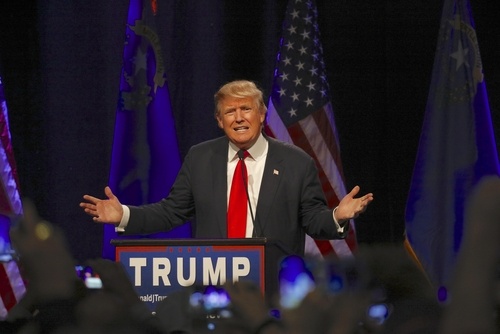
In a dramatic turn of events, President Donald Trump’s major bill took a big step forward in the House of Representatives. After facing a setback last Friday, the bill was revived during a late-night vote on Sunday. This brings it closer to a final vote by the entire House later this week.

The Initial Setback

Last Friday, four conservative lawmakers shocked everyone by opposing the bill. Their unexpected rebellion forced Republican leaders to delay the vote. This was a significant blow to Trump’s plan, which he has called “one big, beautiful bill.”

But the delay didn’t last long. Lawmakers were called back to Washington on Sunday night for an emergency meeting. At 10 p.m., the House Budget Committee held a new vote. This time, the bill passed with a near-party-line vote of 17 to 14.

The Late-Night Comeback

The late-night vote showed how determined Republican leaders were to keep the bill alive. By summoning lawmakers back to Washington, they ensured the bill wouldn’t stall. The pressure paid off, and the bill cleared the Budget Committee.

Now, the bill heads to the full House for a vote. If it passes there, it will move to the Senate, where it faces another tough battle.

What’s Next?

The full House vote is expected later this week. This will be a major test for Trump’s bill. Republicans are hoping to unite their members and avoid another rebellion. If the bill passes, it will be a significant win for Trump and his party.

A Divided House

The close vote in the Budget Committee highlights how divided the House is. Democrats mostly opposed the bill, while Republicans stuck together to push it through. The final vote in the House will depend on whether Republicans can keep their members in line.

Stay tuned for more updates as this story continues to unfold.

Trump Admin Admits Americans Pay for Tariffs: What It Means for You

0

Key Takeaways:

  • The Trump administration now admits Americans, not foreign countries, pay for tariffs.
  • This changes Trump’s long-standing claim that other nations bore the cost.
  • Tariffs are raising prices for businesses and consumers alike.
  • This shift in policy understanding affects trade deals and economic strategies.

Trump Admin Admits Americans Pay for Tariffs: What It Means for You

For years, the Trump administration argued that tariffs—taxes on imported goods—were paid by foreign countries. However, they recently acknowledged that Americans ultimately foot the bill. This admission changes how we view trade policies and their impact on everyday life.

Understanding Tariffs and Trade Wars

Tariffs are taxes on imported goods, aiming to protect domestic industries. When the U.S. imposes tariffs on Chinese goods, for example, China doesn’t pay them; American companies importing those goods do. These costs are often passed to consumers through higher prices.

Trump’s administration long claimed that China and other countries would cover these costs, but economists and evidence show that U.S. consumers and businesses bear the burden. This realization affects how the administration approaches future trade deals.

Why This Matters

Acknowledging that Americans pay for tariffs is a significant shift. It means everyday products, from electronics to clothing, may cost more. This affects both businesses and individual consumers, impacting purchasing power and business profitability.

The Impact on Everyday Americans

Higher tariffs lead to increased prices for various goods. For example, importing toys from China becomes more expensive for U.S. retailers, who might pass these costs to consumers. This can lead to higher prices in stores, affecting household budgets.

Businesses Feel the Pinch

Small and large businesses importing goods face higher costs due to tariffs. These expenses can lead to reduced profits, forcing companies to either raise prices or absorb the loss, which can affect their competitiveness.

A Change in Rhetoric

The administration’s admission is a departure from previous claims. This shift could influence future trade negotiations, as policymakers now recognize the domestic impact of tariffs. Understanding who bears the cost is crucial for forming effective trade policies that benefit the economy and consumers.

What This Means for the Future

Recognizing that tariffs affect Americans changes how the government approaches trade. Future policies might focus more on strategies that minimize consumer impact while protecting industries. This could involve more targeted tariffs or seeking alternative solutions.

Conclusion

The Trump administration’s acknowledgment that Americans pay for tariffs is a significant policy shift. It highlights the complexity of trade wars and their everyday effects. As trade policies evolve, understanding their impact will be crucial for shaping a fair and effective economic strategy.

This admission marks a turning point in how tariffs are viewed and handled, potentially influencing future trade negotiations and economic decisions. Stay informed as the administration navigates this new understanding and its implications for the economy.

Trump Suggests Pope Mediate Putin-Ukraine Peace Talks

0

Key Takeaways:

  • President Trump spoke with Putin about ending the Ukraine war, pushing for peace.
  • He suggested the Pope as a mediator.
  • The war has caused huge loss and displacement in Ukraine.
  • The Pope’s neutrality might help in peace talks.

Trump and Putin Discuss Ukraine Peace

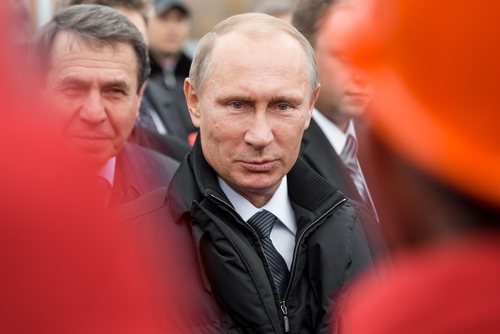
In a recent call, Trump and Putin talked about ending the Ukraine war. Trump expressed optimism about their discussion, highlighting the potential for peace. He suggested involving the Pope as a mediator, which is an interesting idea given the Pope’s neutral standing.

The Call’s Focus

During their conversation, Trump and Putin focused on stopping the fighting. Trump emphasized the need for peace and proposed the Vatican step in. The Vatican is seen as neutral, which could help bridge gaps between the two sides.

Ukraine’s Current Situation

The war has greatly affected Ukraine. many soldiers and civilians have lost their lives, and many have had to leave their homes. Both sides have suffered, making peace a pressing matter.

What’s Next?

The Pope’s involvement could bring a fresh perspective. He has helped in past conflicts, like Argentina and Chile. However, hope for the talks must be balanced with the difficulties of ending such a complex conflict. The Pope’s role will depend on both Ukraine and Russia accepting him as a mediator.

Reactions to the Proposal

Russia hasn’t shared their thoughts on Trump’s idea, but some think they might agree. Ukraine, on the other hand, hasn’t commented but may be open to mediated talks. Diplomats worldwide see the Pope’s involvement as a positive step but warn that challenges remain.

Expert Opinions

Experts say the Pope’s neutrality is a strength. They also note that success would require commitment. Little progress has been made in past talks, but involving the Vatican could change that.

Conclusion

Trump’s suggestion brings new hope. The Pope’s involvement might offer a path to peace. While challenges exist, this idea is worth exploring. The international community watches closely, hoping for a peaceful resolution.


This article informs readers clearly about the potential for the Pope’s mediation, structured to engage and educate.

Machine Gun Laws in the US: Separating Fact from Fiction

0

Key Takeaways:

  • Machine guns are not completely illegal in the United States.
  • A 1986 law restricts the sale of machine guns made after May 19, 1986, but older models can still be legally bought and sold.
  • Ownership depends on state laws and federal regulations.

In May 2025, a claim went viral stating that machine guns have been illegal in the U.S. since 1986. But is that really true? Let’s dive into the facts to set the record straight.

Understanding the Law

People often think machine guns are banned nationwide because of a law passed in 1986. The Firearm Owners Protection Act, or FOPA, did make some big changes to gun laws. One part of this law banned the sale of machine guns made after May 19, 1986. But here’s the twist: machine guns made before that date can still be bought and sold legally.

So, why do people think machine guns are illegal? It’s probably because they’re confused about what the law actually says. The 1986 law didn’t make all machine guns illegal—it just stopped factories from making new ones. If you want a machine gun today, you can still buy one, but only if it was made before May 19, 1986.

What Does the Law Really Say?

The Firearm Owners Protection Act is often misunderstood. It was designed to clarify and restrict certain parts of U.S. gun laws. When it comes to machine guns, the law says:

  • Machine guns made before May 19, 1986, can be legally bought, sold, and owned in some states.
  • Machine guns made after that date are illegal to sell or own, except for government agencies.

This means you won’t find new machine guns for sale at your local gun store. But if you’re interested in owning one, you can still purchase older models, as long as your state allows it.

How Do You Legally Own a Machine Gun?

Owning a machine gun is not as simple as walking into a store and buying one. There are strict rules you must follow:

  1. Age Requirement: You must be at least 21 years old to buy a machine gun.
  2. Background Check: You’ll need to pass a background check to ensure you don’t have a criminal record.
  3. State Laws: Some states completely ban machine guns, so you’ll need to check your local laws.
  4. Federal Registration: You must register the machine gun with the federal government and pay a fee.

Even with all these steps, buying a machine gun is still a rare and expensive process.

Why Is This Law Important?

The 1986 law was created to reduce the number of machine guns on the streets. Lawmakers were concerned about these weapons falling into the wrong hands. By stopping the production of new machine guns, they hoped to limit their availability over time.

However, the law doesn’t make all machine guns illegal. It’s more of a compromise between gun rights supporters and those who want stricter gun control.

If a machine gun was made before May 19, 1986, it’s legal to buy and sell in states that allow it. But if it was made after that date, it’s illegal for civilians to own.

For example, a machine gun made in 1985 is legal, but one made in 1987 is not. This creates a market for older machine guns, which are highly sought after by collectors.

Why Do People Think Machine Guns Are Illegal?

A lot of the confusion comes from the fact that machine guns are heavily regulated. People often assume that if something is regulated, it’s illegal. But that’s not the case. Machine guns are legal, but they’re just very hard to get.

Movies and TV shows also play a role in the confusion. When you see machine guns in action films, they’re often shown as easy to get and use. This can create the illusion that owning one is both simple and illegal.

Conclusion

The claim that machine guns have been illegal in the U.S. since 1986 is simply not true. While the law restricts the sale of machine guns made after 1986, older models are still legal in some states.

If you’re interested in owning a machine gun, do your research first. Check your state laws, understand the federal regulations, and be prepared for a lengthy and expensive process.

Machine guns are a hot topic in the debate over gun control. Whether you support or oppose their ownership, it’s important to know the facts. By understanding the law, you can make informed decisions and contribute to the conversation.

Joe Biden’s Surprise Call: A Look Into NATO’s Future

0

Key Takeaways:

  • Joe Biden called unexpectedly to discuss NATO’s future.
  • This call happened before his prostate health diagnosis.
  • He emphasized NATO’s importance and his plans for the alliance.

The Unexpected Call

Imagine you’re sitting at a restaurant with your family when your phone rings. You step outside to answer it, and on the other end is the President of the United States. That’s exactly what happened to me. Joe Biden was on the line, and he had something urgent on his mind.

“Mr. President, what’s up?” I asked, my curiosity piqued. He didn’t waste time with small talk. “I want to talk about the future of the NATO alliance,” he said. Even though it was just a few weeks before he’d undergo tests for a small nodule on his prostate, Biden was focused on bigger things.


A Focus on NATO’s Future

Biden’s call wasn’t just a random thought. He wanted to share his plans for NATO. The North Atlantic Treaty Organization, or NATO, is a group of countries that work together for security and peace. Biden believes in strengthening this alliance, especially during uncertain times.

Why was he thinking about NATO so much? Well, global challenges like Russia’s actions in Ukraine and rising tensions with China keep leaders up at night. NATO plays a big role in addressing these issues. Biden sees NATO as more than just a military alliance—it’s a symbol of democratic values and unity.


The President’s Vision

Biden wasn’t just calling to chat. He had a clear plan he wanted to discuss. He mentioned that he’s been thinking deeply about how to ensure NATO stays strong and relevant. This includes working closely with other leaders and making sure everyone is on the same page.

He also talked about the upcoming NATO summit in Vilnius, Lithuania. This meeting is crucial for setting the alliance’s direction. Biden wants to use this opportunity to push for more cooperation and innovation within NATO.

What Does This Mean? It means Biden is serious about leading NATO into the future. He’s not just focusing on today’s problems but also thinking about how the alliance can adapt to new challenges. This kind of forward-thinking is crucial for maintaining peace and stability.


A Leader’s Focus

The timing of the call was interesting. Just weeks later, Biden would face his own health challenges. But even with personal issues looming, he was focused on his responsibilities as a leader. This shows his commitment to the bigger picture.

Why does this matter? It matters because it shows the kind of leader Biden is. Even when facing personal challenges, he stays focused on his duties and the issues that affect millions of people.


Conclusion: A Commitment to Alliance

Biden’s surprise call was more than just a casual conversation. It was a glimpse into his priorities as a leader. Amid personal and global challenges, he remains dedicated to strengthening NATO and fostering international cooperation.

This call reminds us that leadership is about looking ahead, even when the road is uncertain. As the world faces new challenges, Biden’s vision for NATO could play a big role in shaping the future.

Biden’s 2028 Influence: How the Former President Could Shape the Next Election

0

Key Takeaways:

  • Joe Biden, despite not running in 2028, could still influence the election.
  • His political clout and experience may play a role in the race.
  • Biden’s legacy and network could impact candidates and voters.
  • His decision not to run opens the door for new Democratic leaders.

A Surprising Legacy: The Rise and Fall of Biden’s Presidential Ambitions

Forty years ago, Joe Biden first stepped onto the presidential stage in 1988, though his campaign was short-lived. Little did anyone know, this marked the beginning of a political journey that would see him become president decades later. Now, as the 2028 election approaches, Biden’s influence looms large, even though he won’t be on the ballot.

Biden’s 1988 Campaign: A Brief but Impactful Run

In 1988, Joe Biden was a young senator with big dreams. His first presidential campaign was full of promise but ended abruptly due to challenges he faced. Despite the setback, this moment laid the groundwork for his future success. Fast forward to 2028, and though Biden won’t run, his presence still matters.

Why Biden’s Influence Still Matters

Biden’s decision not to run in 2028 doesn’t mean he’s stepping out of the spotlight. His experience, policies, and connections could still shape the race. Here’s how:

  1. Legacy of Leadership: Biden’s time as president left a mark on the country. His policies and decisions could be central themes in the next election.
  2. Party Unity: As a respected Democrat, Biden’s support or endorsement could sway voters and energize the party.
  3. Experience and Insight: Biden has seen it all. His knowledge of politics and campaigns is invaluable for candidates seeking advice.

The 2028 Election: A New Chapter for Democrats

With Biden on the sidelines, the 2028 race offers a fresh start for Democratic hopefuls. This could be an opportunity for new leaders to emerge and define the party’s future. Candidates will need to balance honoring Biden’s legacy while carving out their own paths.

Biden’s 2028 Role: Behind the Scenes

While Biden won’t be a candidate, he’s likely to play a key role in the election. Here’s what to expect:

  • Endorsements: His support could boost a candidate’s chances.
  • Fundraising: Biden’s network could help raise funds for the Democratic nominee.
  • Mentorship: He might guide candidates, sharing his political wisdom.

The Road Ahead: Challenges and Opportunities

The 2028 election is full of possibilities. For Democrats, it’s a chance to build on Biden’s legacy while embracing new ideas. For Republicans, it’s an opportunity to regain power. The interplay between these forces will shape the race.

Looking Back: Biden’s Journey

From his early days in politics to the White House, Biden’s career has been remarkable. His influence in 2028 is another chapter in his story. Love him or not, Joe Biden continues to be a significant political figure in America.

Key Takeaways:

  • Biden’s legacy and experience will impact the 2028 race.
  • New Democratic candidates will emerge to lead the party.
  • The election will balance old and new political ideas.
  • Biden’s role, even from the sidelines, will be crucial.

In conclusion, Joe Biden’s journey from 1988 to 2028 is a testament to his enduring influence in American politics. While he won’t be on the ballot, his impact on the 2028 election is undeniable. As the race heats up, all eyes will be on how his legacy shapes the future of the Democratic Party and the country.

Trump Steps Back as Russia-Ukraine Talks Stall

0

Key Takeaways:

  • Ceasefire talks between Russia and Ukraine remain stalled after months of pressure.
  • President Donald Trump may be stepping away from the negotiations.
  • Little progress has been made despite public pleas from international leaders.
  • The situation leaves the conflict at a critical point with no clear resolution.

Russia-Ukraine Ceasefire Talks Hit a Deadlock

For months, the world has watched as Russia and Ukraine struggle to reach a ceasefire agreement. Despite efforts from international leaders, including President Donald Trump, the talks have made little progress. Now, it seems Trump may be walking away from the negotiations, leaving the fate of the conflict uncertain.

What’s Happening in the Talks?

The ceasefire negotiations between Russia and Ukraine have been challenging from the start. Both sides have dug in their heels, making it difficult to find common ground. Russia has demanded certain conditions that Ukraine is unwilling to meet, and Ukraine has asked for concessions that Russia refuses to consider.

The key issues include disputes over territory, security guarantees, and the involvement of other countries like NATO. Russia has made it clear that it will not back down on its core demands, while Ukraine insists it cannot compromise on its sovereignty.

Why Is Trump Stepping Back?

President Trump was one of the most prominent figures pushing for a ceasefire. He has been in contact with both Russian and Ukrainian leaders, trying to broker a deal. However, with the talks going nowhere, Trump may be losing patience.

Sources close to the negotiations suggest that Trump feels his efforts are not being taken seriously by either side. He has reportedly grown frustrated with the lack of progress and is considering stepping back from the talks altogether.

What Does This Mean for the Conflict?

If Trump steps away from the negotiations, it could have significant consequences. Without his involvement, the pressure on both sides to reach a deal might ease, leaving the conflict to drag on even longer.

The fighting in Ukraine has already caused immense suffering, with millions displaced and thousands killed. Without a ceasefire, the humanitarian crisis could worsen, and the risk of the conflict spreading to neighboring countries increases.

How Are Other Countries Reacting?

Other global leaders are growing concerned about the stalemate in the talks. European nations, particularly those bordering Ukraine, fear that the conflict could escalate and draw in more countries.

NATO has been providing military aid to Ukraine, but there is a growing sense that more needs to be done to pressure Russia. Some leaders are calling for tougher sanctions, while others argue for a more diplomatic approach.

What’s Next for the Negotiations?

With Trump potentially stepping back, the future of the ceasefire talks is unclear. Other countries may try to fill the gap, but it’s uncertain whether they can make progress where Trump failed.

One possibility is that Russia and Ukraine could try to negotiate directly, without international mediation. However, given their history and the deep mistrust between them, this seems unlikely to succeed.

Will the Conflict Ever End?

The question on everyone’s mind is whether the Russia-Ukraine conflict will ever come to an end. Without a ceasefire, the fighting could continue for years, causing even more devastation.

Some experts believe that a resolution is still possible, but it will require both sides to make difficult compromises. Others warn that the conflict could become a long-term stalemate, with no clear winner or loser.

What Can Be Done Now?

In the short term, the international community must continue to support Ukraine while applying pressure on Russia to return to the negotiating table. Humanitarian aid is also crucial to help those affected by the conflict.

In the long term, finding a sustainable solution will require patience, diplomacy, and a willingness to address the root causes of the conflict. It’s a challenging path, but without effort, the situation will only get worse.

Conclusion: A Critical Moment

The Russia-Ukraine conflict has reached a critical point. With President Trump stepping back from the negotiations, the world watches anxiously to see what will happen next.

The lack of progress in the talks is a reminder of how difficult it is to end conflicts once they begin. It also highlights the importance of diplomacy and the need for global leaders to work together to find solutions.

As the situation unfolds, one thing is clear: the path to peace in Ukraine will not be easy, but it’s a journey that must continue. The question now is, who will lead the way?

Trump Administration Agrees to $5M Settlement with Ashli Babbitt’s Family

0

Key Takeaways:

  • The Trump administration will pay nearly $5 million to Ashli Babbitt’s family to settle a lawsuit.
  • Babbitt, a Trump supporter and Air Force veteran, was fatally shot during the January 6, 2021, Capitol riot.
  • The settlement does not admit wrongdoing by the government or the officer involved.
  • Babbitt’s family and lawyers have expressed mixed reactions to the agreement.

The Settlement Explained

The Trump administration has agreed to pay $5 million to the family of Ashli Babbitt, who died during the Capitol riot on January 6, 2021. This decision comes after her estate filed a lawsuit seeking justice for her death. The settlement marks a significant step in resolving the legal battle, though it does not assign blame to the government or the officer who shot her.

Who Was Ashli Babbitt?

Ashli Babbitt was a 35-year-old woman who served in the U.S. Air Force. She was also a vocal supporter of former President Donald Trump. On January 6, 2021, she joined a crowd of protesters who stormed the U.S. Capitol in an attempt to overturn the results of the 2020 presidential election.

During the chaos, Babbitt tried to climb through a barricaded doorway near the House Speaker’s Lobby. A Capitol Police officer shot her, and she later died from her injuries. Her death became a rallying point for some Trump supporters, who argued that the shooting was unjustified.

What Led to the Settlement?

The lawsuit filed by Babbitt’s estate accused the Capitol Police officer and the federal government of wrongful death. The family’s lawyers argued that the shooting was excessive and that Babbitt posed no immediate threat at the time.

However, the settlement reached between the two parties does not admit liability. This means the government and the officer involved are not legally responsible for Babbitt’s death. The payment is likely intended to avoid further legal action and bring closure to the case.

Family’s Reaction to the Settlement

Babbitt’s family and lawyers have shared mixed feelings about the settlement. While the $5 million payout acknowledges the loss they have endured, some feel it does not fully address their concerns about accountability.

In a statement, Babbitt’s husband, Aaron Babbitt, expressed frustration. He said, “No amount of money can bring Ashli back, but we hope this settlement brings some measure of justice.”

Public Reaction and Debate

The settlement has sparked debates across the country. Some view it as a step toward accountability, while others criticize it as a taxpayer-funded payout to ease political tensions.

Supporters of Babbitt argue that the shooting was unwarranted and that she was targeted for her political beliefs. They see the settlement as validation of their claims.

On the other hand, critics argue that the payment sets a dangerous precedent. They believe it could encourage similar lawsuits and undermine public trust in law enforcement.

What’s Next?

The settlement brings an end to the legal battle over Babbitt’s death, but the broader debate about the Capitol riot and its aftermath continues. Many questions remain unanswered, such as how to prevent similar events in the future and how to balance public safety with individual rights.

For now, the $5 million payout serves as a reminder of the high cost of that day’s violence and the complexities of seeking justice in such cases.

Final Thoughts

The agreement between the Trump administration and Ashli Babbitt’s family highlights the challenges of addressing deaths during political unrest. While the settlement provides financial compensation, it does not resolve the deeper issues surrounding the Capitol riot.

As the nation moves forward, this case serves as a reminder of the importance of transparency and accountability in upholding justice for all.

New Strategy Targets Illegal Immigration in Sanctuary Cities

0

Key Takeaways:

  • California is changing how it handles illegal immigration due to sanctuary laws.
  • U.S. Attorney Bill Essayli is issuing criminal warrants instead of detainers.
  • A task force involving ICE, FBI, and others is targeting illegal immigrants in local jails.
  • The goal is to bypass sanctuary city policies that ignore federal detainers.
  • This strategy could be used in other sanctuary locations across the U.S.

Sanctuary cities are places where local laws don’t enforce federal immigration rules. These cities often ignore requests from federal agencies to hold illegal immigrants for deportation. Instead, they release them back into the community. But in California, a new plan is being tested to tackle this issue.


What Are Sanctuary Cities?

Sanctuary cities are areas where local police and officials don’t cooperate with federal immigration authorities. Even if someone is in the U.S. illegally and commits a crime, they might still be released from jail without facing deportation. This has been a big debate in the U.S., with some saying it’s about protecting undocumented immigrants, while others argue it’s about enforcing the law.


A New Strategy Emerges

U.S. Attorney Bill Essayli in California is leading a new effort to address this problem. Instead of using detainers, which sanctuary cities often ignore, his office is issuing criminal warrants. These warrants require local police to arrest and hand over illegal immigrants who have committed federal crimes.


How It Works

Essayli’s team, called “Operation Guardian Angel,” includes agents from ICE, the FBI, and other federal agencies. They monitor local jails to find illegal immigrants who have committed serious crimes. Once identified, they file criminal charges and get warrants issued before the individuals are released.

Why This Matters

  • Bypassing Sanctuary Laws: By using criminal warrants, federal authorities can ensure that illegal immigrants are arrested and face charges, even if local police refuse to cooperate.
  • Safer Arrests: Arresting individuals while they are still in jail is safer for everyone involved. They are already in custody, and there’s no need for dangerous confrontations on the streets.
  • A Model for Other States: If this strategy works in California, it could be used in other sanctuary cities and states across the country.

The Impact So Far

In just the Los Angeles area, over 350 criminal warrants have already been filed. Essayli believes this approach will force local authorities to comply, as they can’t ignore criminal warrants. He also warned that if local officials interfere with federal agents doing their jobs, they could face consequences.


Why This Is Important

Illegal immigration has been a major issue in the U.S., especially with millions of people crossing the border under the Biden administration. While President Trump tightened border security, many illegal immigrants remain in the country. Some are involved in criminal activities, making it crucial to enforce the law and keep communities safe.


The Future of Immigration Enforcement

This new strategy in California could be a game-changer. It shows how federal authorities can work around sanctuary laws to enforce immigration rules. If successful, it could inspire similar actions in other states and cities, leading to a more unified approach to illegal immigration.


Conclusion

Sanctuary cities have long been a challenge for federal immigration enforcement. But with this new plan, California is taking a bold step to address the issue. By issuing criminal warrants, federal agents can ensure that illegal immigrants who break the law face justice, regardless of local policies. This could be the start of a new era in immigration enforcement.