53.7 F
San Francisco
Thursday, May 7, 2026
Home Blog Page 838

U.S.-India Deal: Boost for India, Bust for American Small Businesses?

0

U.S.-India Deal: Boost for India, Bust for American Small Businesses?

Key Takeaways:

  • The U.S. and India signed an agreement to help Indian SMEs expand globally.
  • The deal received little attention in U.S. media but was widely covered in India.
  • The agreement may harm U.S. businesses without protecting them.
  • American SMEs face closures while India gains advantages.

A New Partnership: What’s the Big Deal?

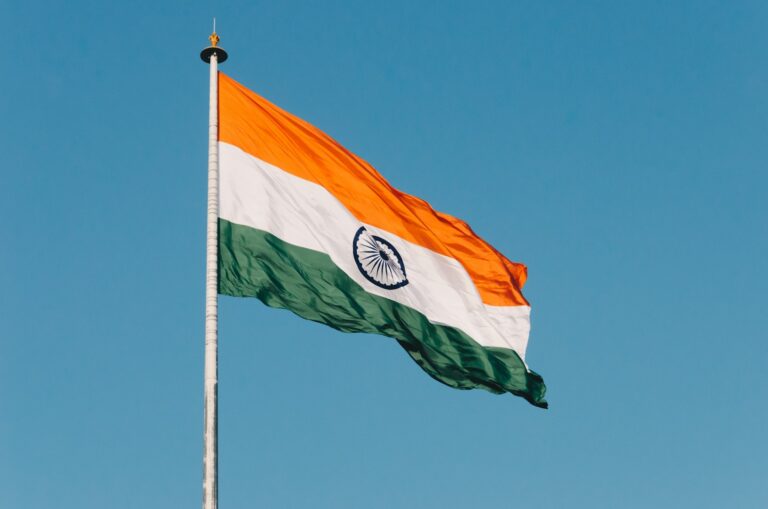
In August 2024, the U.S. Small Business Administration (SBA) teamed up with India in a five-year agreement aimed at boosting Indian small and medium enterprises (SMEs) on the global stage. This partnership includes digital tools, access to capital, and training in export finance and green technology.

Media Mystery: Why the Silence in the U.S.?

Interestingly, while Indian media highlighted the deal, major U.S. outlets like The New York Times and CNN barely mentioned it. The few U.S. comments came from blogs, suggesting the deal has little impact on American businesses.

What’s in the Agreement?

The deal includes digital matchmaking, akin to a business dating app, connecting Indian firms with U.S. companies. It also covers training in finance and technology. However, it lacks safeguards for U.S. businesses, such as labor standards, raising concerns about unfair competition.

Risks for U.S. Businesses: A Closer Look

The agreement opens U.S. markets to Indian firms, potentially threatening American jobs, especially in sectors like customer support and IT. With over $36 billion spent on Indian services in 2023, concerns about job displacement grow. Additionally, India’s record on intellectual property (IP) issues is troubling, despite SBA’s lack of protections.

India’s Gain, America’s Pain

While India celebrates the agreement as a boost for its economy, American businesses struggle. In 2024, over 600,000 U.S. SMEs closed, hit by inflation and supply issues. This stark contrast raises questions about the SBA’s priorities.

The SBA’s Shifting Focus: Supporting Whom?

The SBA’s move towards international partnerships, without protecting U.S. businesses, leaves many questioning its mission. American SMEs face tough times, yet the SBA’s focus seems elsewhere, fueling concerns about their support.

In conclusion, the U.S.-India agreement may offer India a global boost while potentially harming American businesses. As India thrives, the SBA’s role in supporting domestic SMEs is under scrutiny.


Should Courts Rule the Nation: Understanding Nationwide Injunctions

Title: Should Courts Rule the Nation: Understanding Nationwide Injunctions

Key Takeaways:

  • The Supreme Court debated whether federal judges can issue nationwide injunctions.
  • These injunctions can halt laws or executive orders across the entire U.S.
  • The discussion focused on judicial power and its limits under the Constitution.

The Case at Hand

Recently, the U.S. Supreme Court tackled a significant case, Trump v. CASA, Inc., which questioned whether federal judges can issue nationwide injunctions. This isn’t about whether children of undocumented immigrants should get citizenship but about the judicial system’s reach.

The Issue Explained

Nationwide injunctions allow a single judge to stop a law or executive order nationwide. This raises concerns about judicial overreach. The Constitution grants the judiciary power to decide cases, but should one judge’s ruling affect the entire country?

The Role of Judges in America

In the U.S., the Constitution limits judges’ power to specific cases. They can’t create laws; their role is to interpret them. The idea of self-governance means the people, through elected officials, should decide laws, not courts.

Historical Context: The Marbury v. Madison Case

A landmark case from 1803, Marbury v. Madison, established that courts can declare laws unconstitutional. However, this doesn’t mean judges can dictate laws for everyone. Their decisions should apply only to the cases before them.

Implications for America

If judges can issue nationwide injunctions, it challenges the balance of power. This could lead to a situation where courts, not the people, control major policies. The founding fathers opposed such concentration of power.

The Significance of This Case

This case isn’t just about Trump or immigration. It’s about whether courts can overrule the will of the people. The Supreme Court’s decision could shape how much power judges hold and ensure that the people remain in control of their laws.

Conclusion: A Balance of Power

The Supreme Court must decide if nationwide injunctions align with the Constitution. Their ruling will affect the balance of power in the U.S., ensuring that the judiciary doesn’t overstep its role. The outcome is crucial for maintaining self-governance and constitutional integrity.

Overhauling Defense Spending: A Push for Lethality

Key Takeaways:

  • The U.S. defense budget, despite being over a trillion dollars, isn’t effectively enhancing national security.
  • Current spending lacks focus on immediate lethal effects, leading to inefficiencies.
  • Proposed solutions include restructuring the budget process and eliminating redundancies.
  • The goal is to align every dollar spent with clear, strategic outcomes to deter adversaries.

Introduction: Each year, the U.S. invests over a trillion dollars in defense, aiming to ensure national security and global peace. However, there’s growing concern that this massive spending isn’t yielding the desired results. Secretary Hegseth is leading a charge to transform how defense funds are allocated, focusing on achieving immediate, impactful results to deter threats.

The Problem: A Legacy of Inefficiency

The U.S. defense budget faces a legacy of inefficiency, with funds spread thin across outdated programs. Traditional budgeting focuses on land, sea, and air, often ignoring innovative approaches like space and cyber capabilities. This results in:

  • $140 billion on RDTE with slow transitions to actual deployment.
  • $168 billion on acquisitions plagued by delays and cost overruns.
  • $300 billion on sustainment leading to lower mission readiness.

These issues highlight a system where funds aren’t effectively translated into enhanced security, leaving the military less prepared for modern threats.

Restructuring for Impact

The solution involves a fundamental shift in how budgets are structured and executed. By focusing on immediate lethal effects, the goal is to ensure every dollar contributes to deterring adversaries. This restructuring includes:

  • Zero-based budgeting to prioritize spending based on effectiveness.
  • Cross-service collaboration to reduce redundancy and enhance efficiency.

This approach aims to streamline operations, ensuring that resources are used where they matter most, whether through advanced technologies or strategic deterrence.

Aligning Dollars to Outcomes

The new strategy emphasizes aligning every budget dollar with clear outcomes. This means:

  • Prioritizing readiness in sustainment accounts to ensure prompt deployment of capabilities.
  • Optimizing infrastructure and workforce roles to support lethality and deterrence.

By focusing on these areas, the defense system can achieve a more agile and responsive approach to security threats.

Driving Innovation and Efficiency

Innovation is key to maintaining a strategic edge. By engaging with the commercial sector and prioritizing results, the military can avoid costly, lengthy developments. This means rewarding quick deployments and canceling underperforming projects, similar to past decisions like the F-22 and Littoral Combat Ships.

Conclusion: A New Era of Deterrence

The proposed changes aim to transform the defense budget into a tool for peace through strength. By ensuring every dollar is spent strategically, the U.S. can deter adversaries more effectively. This overhaul isn’t just about cutting costs but about maximizing impact, ensuring the nation’s security and global stability. The urgency is clear: aligning defense spending with immediate, lethal effects is crucial in today’s evolving security landscape.

Montana Law Shields Foster Families’ Religious Rights

Key Takeaways:

  • Montana’s HB 655 protects foster and adoptive families from religious discrimination.
  • The bill responds to other states’ policies that clashed with some families’ beliefs.
  • Supporters believe it increases the number of available foster homes.

New Law Safeguards Religious Freedom in Foster Care

Montana Governor Greg Gianforte recently signed HB 655, a bill designed to protect families from religious discrimination when fostering or adopting. This law ensures that potential foster or adoptive families aren’t denied based on their religious beliefs.

Why Was This Law Created?

The bill was introduced after some states implemented policies requiring foster families to follow specific training or rules that might conflict with their religious values. For instance, an Oregon woman faced rejection when she applied to adopt because she wouldn’t use certain pronouns or allow medical treatments she believed went against her Christian faith. This incident highlighted the need for such protective legislation.

Support for the New Law

Groups like the Montana Family Foundation backed the bill, citing cases where foster families were asked to undergo LGBTQ training that conflicted with their beliefs. Greg Chafuen from the Alliance Defending Freedom praised the law, emphasizing that it prioritizes children’s well-being by allowing more agencies, including faith-based ones, to participate.

What Does the Law Say?

HB 655 ensures the state doesn’t discriminate against individuals or groups providing foster or adoptive services based on their religious beliefs. It aims to maintain a diverse network of care providers, benefiting children in need.

The Debate Around the Law

While supporters view this as a win for religious freedom and increased foster care options, critics worry it might allow discrimination against LGBTQ+ individuals. They argue that such laws could potentially harm vulnerable children.

How Does This Impact Montana and Beyond?

The law not only affects Montana but could influence other states considering similar legislation. It underscores the balance between religious rights and ensuring all children receive fair treatment.

By expanding the range of foster care providers, Montana aims to offer more loving homes for children, reflecting a broader national conversation on religious freedom and child welfare. This approach could set a precedent for other states navigating similar issues.

Showdown Brewing Between Musk-Backed Task Force and Congress Watchdog

Showdown Brewing Between Musk-Backed Task Force and Congress Watchdog

Key Takeaways:

  • A conflict is escalating between DOGE and GAO over federal downsizing efforts.
  • GAO claims independence from DOGE’s authority as a legislative agency.
  • DOGE, backed by Elon Musk, has targeted executive branch agencies but now aims at GAO.
  • GAO employees are assured protection against DOGE’s potential interference.

What’s Happening?

A tense standoff is emerging between two powerful government groups: the Department of Government Efficiency (DOGE) and the Government Accountability Office (GAO). DOGE, led by tech mogul Elon Musk, aims to shrink the federal government by cutting costs and staff. Until now, DOGE has focused on executive branch agencies, but it’s now setting its sights on GAO, a watchdog that operates under Congress.

Role of DOGE and GAO

DOGE, now targeting non-executive agencies like GAO, asserts its authority over federal cost-cutting. However, GAO, a congressional agency tasked with identifying government waste, contends it operates outside DOGE’s reach.

The Conflict Intensifies

GAO leaders have rallied their team, stating they are not subject to DOGE’s directives and plan to resist any interference. They aim to protect their independence and staff from DOGE’s actions, which include mass firings and buyouts in other agencies.

Implications of the Showdown

This conflict raises important questions about authority boundaries and the role of oversight in government. If DOGE succeeds in influencing GAO, it could set a precedent for executive branch control over legislative agencies, reshaping government dynamics.

Conclusion

The clash between DOGE and GAO highlights the challenges of balancing cost-cutting initiatives with institutional independence. As this unfolds, the outcome could significantly impact government operations and oversight.

NRA Challenges Florida Gun Ban at Supreme Court

NRA Challenges Florida Gun Ban at Supreme Court

  • The NRA is appealing to the U.S. Supreme Court against Florida’s ban on firearm purchases by under-21s.
  • The law, enacted after the Parkland shooting in 2018, prohibits 18-to-20-year-olds from buying long guns.
  • While a Florida House bill aims to lower the age to 18, it has yet to pass the Senate.
  • The NRA argues that the ban is unconstitutional, citing the right to self-defense for young adults who can serve in the military.

Background of the Ban

In 2018, following the tragic Parkland school shooting where 17 lives were lost, Florida enacted a law banning individuals under 21 from purchasing long guns. This decision came as a response to the outcry for stricter gun control measures. The law was championed by then-Governor Rick Scott and the state legislature.

The NRA’s Challenge

The NRA swiftly opposed this law, initiating a legal battle that has now reached the nation’s highest court. In March, the 11th U.S. Circuit Court of Appeals upheld the ban, ruling it constitutional. Undeterred, the NRA argues that the law infringes upon the Second Amendment rights of young adults, asserting that those who can serve in the military should also be able to defend themselves and their families.

NRA’s Argument

Amy Uthmeier, an NRA spokesperson, emphasizes the validity of their stance, pointing out that other courts, such as the Fifth Circuit, have ruled similarly in support of young adults’ rights. She questions the logic of allowing 18-year-olds to enlist in the military while denying them the right to purchase firearms for self-defense.

Current Legislative Efforts

Meanwhile, the Florida House is making strides to lower the age limit. For three consecutive years, the House has passed a bill to reduce the purchasing age for shotguns and rifles from 21 to 18. However, the Senate has not progressed the proposal, leaving it in legislative limbo.

Broader Implications

The NRA’s appeal to the Supreme Court could have significant national implications. With differing rulings across appellate courts, the Supreme Court’s decision may set a precedent for other states considering similar age-based firearm restrictions. This case underscores the ongoing debate between gun rights advocates and those pushing for stricter controls in the wake of mass shootings.

Conclusion

The NRA’s challenge brings to light the complexities of balancing public safety with constitutional rights. As the nation awaits the Supreme Court’s decision, the debate over young adults’ access to firearms continues, reflecting deeper divisions on gun control and personal freedoms. The outcome could shape the future of firearm laws across the country.

Trump Asks Supreme Court to Let Him Fire More Federal Workers

Title: Trump Asks Supreme Court to Let Him Fire More Federal Workers

Key Takeaways:

  • President Trump wants the Supreme Court to let him continue firing federal workers.
  • A federal judge in San Francisco stopped him from doing this temporarily.
  • Cities and labor groups are fighting Trump’s plan to cut the federal workforce.
  • Trump’s administration has been trying to reduce government jobs for years.
  • Some firings caused problems, forcing Trump to rehire workers.

Trump Asks Supreme Court to Let Him Fire More Federal Workers

President Donald Trump is asking the Supreme Court to lift a lower court’s order that stopped him from firing federal workers. This comes after a federal judge in San Francisco put Trump’s firing plans on hold.

For months, Trump has been trying to slash the number of federal workers across the country. His administration, supported by tech billionaire Elon Musk’s Department of Government Efficiency task force, has been pushing to reduce the federal workforce. However, these firings have faced legal challenges and backlash from labor groups and cities.

A recent ruling by U.S. District Judge Susan Illston, who was appointed by former President Bill Clinton, raised concerns about the legality of Trump’s actions. She ordered federal agencies to stop following Trump’s executive order from February, which aimed to cut government jobs. The judge’s order will expire soon, but the legal battle continues.


Who Is Fighting Trump’s Plan?

Several groups are challenging Trump’s efforts to fire federal workers. These include:

  1. Cities: San Francisco, Chicago, and Baltimore are fighting the plan.
  2. Labor Groups: The American Federation of Government Employees is leading the charge.
  3. Nonprofit Organizations: Groups like the Alliance for Retired Americans and the Coalition to Protect America’s National Parks are also involved.

These groups argue that Trump’s actions are unlawful and harmful to the country. They fear that cutting government jobs will weaken essential services and disrupt critical functions.


What Happens If Trump Wins?

If the Supreme Court sides with Trump, he could continue firing federal workers across the country. This has already caused problems in the past. For example, Trump fired hundreds of workers at the National Nuclear Safety Administration, disrupting important work. Many of those workers had to be rehired later.

This pattern shows that while Trump wants to reduce the federal workforce, doing so has often led to chaos. Critical jobs cannot easily be replaced, and firing employees has caused delays and issues in key government projects.


Why Is This Important?

This legal battle is not just about jobs—it’s about how the government operates. Trump’s push to cut the federal workforce reflects his broader goal of shrinking the size of the government. However, critics argue that reducing staff harms public services and national security.

The Supreme Court’s decision could set a precedent for future presidents. If Trump wins, it could give more power to presidents to fire federal workers without facing legal challenges.

For now, the lower court’s order remains in place, but the outcome of Trump’s Supreme Court appeal will determine whether he can continue his efforts to reduce the federal workforce.


This legal fight highlights the ongoing tension between Trump’s policies and the groups fighting to protect federal jobs. The case is a reminder of how politics and the courts can shape the way the government operates.

Ohio Attorney General Dave Yost drops out of the governor’s race

0

Key Takeaways:

  • Ohio Attorney General Dave Yost drops out of the governor’s race.
  • Yost admits the race became too tough to win.
  • He plans to keep serving Ohio as attorney general.
  • Republican candidate Vivek Ramaswamy gains momentum.
  • The Democratic candidate is ready to challenge for the governor’s seat.

Yost Ends His Bid for Governor

Dave Yost, Ohio’s current attorney general, has decided to step back from running for governor. In a recent statement, Yost shared that traveling the state and meeting Ohioans has been a rewarding experience. However, he admitted that the race for the Republican nomination has become too challenging.

Yost compared the race to climbing a vertical cliff, saying it’s just too steep. He also humbly stated, “I am simply not that important,” suggesting he doesn’t see himself as the center of attention in this election.

Even though Yost is dropping out of the governor’s race, he made it clear that his work in Ohio isn’t over. His term as attorney general runs until January 2027, and he plans to keep fighting for Ohioans. Yost hinted that this might not be the end of his political journey, saying, “I suspect that this is not my final chapter.”

Ramaswamy Gains Strength in the Race

Yost’s exit from the race leaves the Republican field more open for Vivek Ramaswamy, a businessman who recently received the Ohio Republican Party’s endorsement for governor. Ramaswamy, who previously worked alongside Elon Musk, has been gaining momentum in the race.

Yost’s decision to step aside could make it easier for Ramaswamy to win the Republican nomination. However, the race is still competitive, and other candidates might step forward to challenge Ramaswamy.

A Time to Unite, Not Divide

In his statement, Yost emphasized that this is a critical moment for Ohio. He urged Republicans to avoid internal conflicts and come together to support a strong candidate. Yost said, “This is a time to protect Ohio, not a time for a family squabble.” His message highlights the importance of unity within the party as the election approaches.

Democrats Are Ready to Challenge

On the Democratic side, a candidate has already entered the race for governor. This sets the stage for a heated competition between the Republican nominee and the Democratic challenger. With Yost out of the race, all eyes are on how Ramaswamy will handle the responsibilities of being the frontrunner.

What’s Next for Yost?

Although Yost is no longer running for governor, he remains committed to his role as attorney general. He plans to focus on his current job and continue advocating for Ohioans. Yost’s decision to step back from the governor’s race doesn’t necessarily mean he’s leaving politics forever. He hinted that he might return to the political stage in the future, leaving room for speculation about his next move.

A Shifting Political Landscape

Yost’s withdrawal from the race and Ramaswamy’s endorsement have changed the dynamics of the Ohio governor’s race. As the election approaches, voters will be watching closely to see how these developments shape the competition.

For now, Ramaswamy is in a strong position as the endorsed Republican candidate, but the Democratic challenger is ready to put up a fight. Ohioans can expect an exciting and intense race as the candidates battle for the governor’s seat.

Stay Tuned for More Updates

The race for Ohio’s governor is heating up, and there’s more to come as the election nears. Stay informed about the latest developments and how they might impact the future of the state.

Judge Blocks Trump Admin from Cutting $11 Billion in Health Funds


Key Takeaways:

  • A federal judge has blocked the Trump administration from cutting nearly $11 billion in public health grants.
  • The grants fund programs for infectious diseases, mental health, substance abuse, and vaccine access.
  • 24 states and D.C. sued the administration, calling the cuts sudden and without valid explanation.
  • The judge ruled the cuts would harm healthcare programs and Public Health Safety.

The Court’s Decision

A federal judge has stepped in to stop the Trump administration from cutting nearly $11 billion in public health grants. These grants support critical programs across the U.S., including efforts to fight infectious diseases, provide mental health care, and supply vaccines to children, the elderly, and rural communities.

On Friday, U.S. District Court Judge Mary S. McElroy granted a preliminary injunction to block the cuts. She agreed with attorneys general from 24 states and the District of Columbia, who sued the administration last month. They claimed the cuts were sudden and lacked proper legal justification.

In her ruling, Judge McElroy wrote that slashing the funding would “constrain infectious disease research, hurt treatment for mental health and addiction, and reduce vaccine availability.” She also warned that the cuts would immediately harm healthcare programs and endanger public safety.


The Impact of the Cuts

The money at stake funds a wide range of essential health services. For example:

  • Infectious disease research: Scientists use these grants to study and track diseases like COVID-19, flu, and others. Cutting funds could slow down research and progress.
  • Mental health and addiction treatment: Many programs rely on this money to help people struggling with mental health issues or substance abuse.
  • Vaccines for vulnerable groups: Children, seniors, and rural residents often depend on these funds to access life-saving vaccines.

Judge McElroy emphasized that the states rely heavily on this funding. She said Congress intended for the money to stay in place, and the states have counted on it for their healthcare programs.


Reactions to the Ruling

Rhode Island Attorney General Peter Neronha praised the judge’s decision. He called the budget cuts a “hacksaw approach to government reduction” and said they would have left states scrambling to fill the financial gap.

“This is a critical win for public health,” Neronha said. “If we don’t have our health, we don’t have anything.”

Meanwhile, the U.S. Department of Health and Human Services (HHS), which oversee these grants, declined to comment on the ruling.


What Happens Next?

The preliminary injunction is a temporary victory for the states. It stops the cuts for now, but the legal battle isn’t over. The case will continue in court, and HHS could try to appeal the decision.

For now, the $11 billion in grants remains intact, ensuring that healthcare programs can continue uninterrupted. However, the long-term fate of these funds still hangs in the balance.


The Bigger Picture

This case highlights a growing tension between state governments and the federal administration over funding for public health programs. States argue that sudden budget cuts threaten their ability to protect residents’ health, especially during crises like the COVID-19 pandemic.

Judge McElroy’s ruling reaffirms the importance of stable funding for healthcare. But with legal challenges still ahead, the future of these programs remains uncertain. For now, millions of Americans who rely on these services can breathe a sigh of relief.


Let us know what you think about this story in the comments! Stay tuned for updates as this case develops.

Trump Slams Supreme Court Over Immigration Ruling, Sparks Debate


Key Takeaways:

  • President Trump criticizes the Supreme Court for blocking his deportation plans.
  • The ruling delays deportations of individuals accused of gang ties under an old law.
  • Truck expresses frustration over the lengthy legal process.
  • Another case involves a mother suing over an ICE incident.

Trump’s Frustration with the Supreme Court Grows

President Trump recently spoke out against the Supreme Court after a decision hindered his plans to quickly deport certain immigrants. On his Truth Social platform, Trump expressed his displeasure, arguing the ruling allows criminals to stay longer in the U.S., potentially causing harm.

What the Decision Means

The case centers on the Alien Enemies Act of 1798, which Trump used to justify quick deportations. The Supreme Court didn’t end the practice but paused it while lower courts review the case further. This means those accused of gang ties can’t be deported expediently for now.

Trump’s Response and Biden’s Policies

Trump took aim at the court, saying it’s stopping him from doing his job. He criticized President Biden for not controlling the border effectively, leading to more illegal entries. Trump also thanked Justices Alito and Thomas for their support.

Impact on Immigration and Safety

The ruling could slow deportations, worrying supporters of stricter immigration policies. It may also encourage more illegal crossings, as the legal process becomes more complex. Critics argue Trump’s approach was too harsh, while supporters fear increased crime.

A Closer Look at the Alien Enemies Act

Enacted in 1798, the law allows the president to deport nationals during wartime. Trump used it for gang-linked individuals, but courts are now examining its application. This case tests how old laws apply to modern immigration issues.

Another Angle: A Mother’s Legal Challenge

In a separate case, a U.S. citizen breastfeeding mother sued Kristi Noem after an ICE incident. This highlights broader immigration enforcement challenges, where even those with citizen children face detention.

Public Reaction and Debate

The ruling sparked debate on immigration’s future. Supporters of stricter policies worry about crime, while others see it as a fairness issue. The outcome may influence upcoming elections as immigration remains a hot topic.

Conclusion: Uncertain Future for Immigration Policy

The Supreme Court’s decision affects Trump’s deportation strategies. While the legal battle continues, the case reflects ongoing debates about justice, safety, and rights. As the U.S. grapples with these issues, the ruling’s impact will be closely watched.