53.7 F
San Francisco
Friday, May 8, 2026
Home Blog Page 851

ICE Arrests 422 in Houston Operation, Targets Dangerous Criminals

0

Key Takeaways:

  • ICE arrests 422 suspected illegal immigrants in Houston.
  • Targets include dangerous criminals like a murder suspect from Colombia.
  • Operation aims to enhance public safety by deporting high-risk individuals.
  • Highlights ICE’s role in enforcing immigration laws with care.

Introduction: In a significant operation, ICE arrested 422 suspected illegal immigrants in Houston. This effort targeted dangerous criminals, including a man wanted for murder in Colombia. Fox News joined ICE for part of the operation, providing insight into these enforcement actions.

Who is ICE? ICE stands for Immigration and Customs Enforcement. Part of the U.S. Department of Homeland Security, ICE enforces immigration laws and ensures national security. They target people who are in the U.S. without proper authorization, especially those posing a threat. This operation in Houston is part of their broader mission to protect the community.

Operation Details: Over a week, ICE officers in Houston arrested 422 people. The focus was on dangerous criminals, such as those with serious criminal records. One notable case involved a man wanted for murder in Colombia. ICE works with international agencies to identify and deport such individuals, ensuring justice and safety.

Fox News Exclusive: Fox News spent 10 hours with ICE, observing the arrest of the Colombian suspect. This provided a firsthand look at ICE operations. The suspect was arrested at his apartment without resistance, showing how ICE efficiently handles dangerous situations.

Why the Operation? The main goals were public safety and law enforcement. ICE aims to remove threats, focusing on individuals with criminal histories. They emphasize that not all undocumented immigrants are targeted, prioritizing those who pose risks.

Reaction: The operation drew mixed responses. Supporters praised ICE for keeping communities safe, while critics raised concerns about family separations and enforcement methods. This reflects the ongoing debate on immigration and enforcement.

Conclusion: This operation highlights ICE’s role in addressing illegal immigration, focusing on dangerous individuals. While effective, it also sparks discussions on balancing enforcement with compassion. ICE continues to play a key role in immigration debates.

ICE’s actions in Houston demonstrate their strategy to deport dangerous criminals, aiming to protect communities while handling complex social issues.

Trump Arrives in Saudi Arabia for Major Investment Push

0

Key Takeaways:

  • President Donald Trump lands in Saudi Arabia for a four-day visit.
  • This is his first major overseas trip in his second term.
  • The trip aims to secure $1 trillion in investments for the U.S. economy.
  • Trump was greeted by Crown Prince Mohammed bin Salman in Riyadh.

A Historic Visit Begins

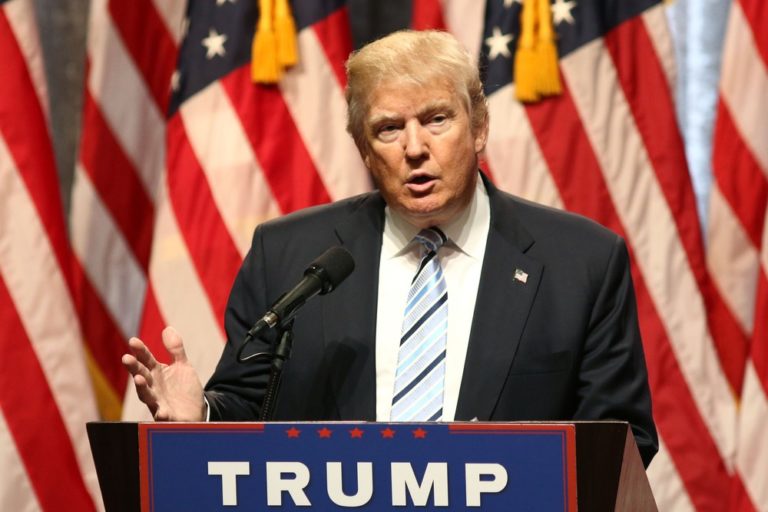
President Donald Trump arrived in Saudi Arabia on Tuesday, marking the start of a four-day visit to the Middle East. This trip is his first major overseas journey since beginning his second term. The primary goal of this visit is to secure investments worth up to $1 trillion for the U.S. economy.

A Warm Welcome in Riyadh

Upon landing in Riyadh, Saudi Arabia’s capital, Trump was greeted by Crown Prince Mohammed bin Salman. The two leaders attended an arrival ceremony at the airport, joined by U.S. Secretary of State. The event was a sign of strong ties between the two nations.

Why Is This Visit Important?

This trip is crucial for Trump’s agenda. He hopes to attract massive investments from Saudi Arabia and other Middle Eastern countries. These funds could boost key sectors in the U.S., such as energy, technology, and infrastructure.

What’s Next?

During his stay, Trump will meet with regional leaders to discuss economic partnerships, security, and shared challenges. The trip also aims to strengthen U.S. influence in the Middle East.

A Busy Schedule Ahead

Trump’s four-day itinerary is packed. He will engage in diplomatic meetings, attend strategic discussions, and promote American business interests. The success of this trip could have long-lasting effects on the U.S. economy and global politics.

Stay Tuned for More Updates

As Trump’s visit unfolds, Digital Chew will keep you updated on the latest developments. Follow us for in-depth coverage of this historic trip and its implications for the U.S. and the world.

FDA Plans to Phase Out Fluoride Supplements for Kids

0

Key Takeaways:

  • U.S. health regulators plan to stop the use of fluoride supplements for children.
  • The FDA will review these products by late October to decide their fate.
  • This move is part of Health Secretary Robert F. Kennedy Jr.’s push against fluoride in dental care.

The U.S. government is taking a closer look at fluoride supplements for kids. These supplements are often given to children to make their teeth stronger and prevent cavities. But now, the FDA wants to stop their use.

What’s Happening?

The FDA announced that it will review fluoride supplements by late October. After the review, they might remove these products from the market. Right now, it’s not clear if the agency will ban them completely or just limit their use.

This move is part of a bigger effort by Health Secretary Robert F. Kennedy Jr. to challenge the use of fluoride in dental care. Kennedy has been vocal about his concerns regarding fluoride, calling it a potential health risk.

Why Is This Happening?

Fluoride has been a big part of dental care for decades. It’s found in toothpaste, water, and supplements. The idea is that fluoride helps make teeth stronger and prevents decay.

But some people, including Kennedy, worry that too much fluoride could be harmful. They point to studies that suggest high levels of fluoride might have negative effects on health, especially for children.

What Do Experts Say?

Dentists and health experts have mixed opinions about this decision. Some agree that too much fluoride can be a problem. They say it might lead to issues like white spots on teeth or other health concerns.

However, others argue that fluoride is safe and important for keeping teeth healthy. They worry that removing these supplements could lead to more cavities and dental problems for kids.

What Does This Mean for Parents?

If the FDA decides to remove fluoride supplements, parents might need to find other ways to help their kids have healthy teeth. Dentists recommend brushing teeth twice a day with fluoride toothpaste and eating a healthy diet.

Parents should also talk to their pediatricians or dentists about the best way to protect their children’s teeth.

What’s Next?

The FDA will spend the next few months studying fluoride supplements. They will look at how safe they are and whether they should still be available.

By late October, we’ll know more about what will happen to these products. Until then, parents can keep using fluoride supplements if their doctors recommend them.

Final Thoughts

The decision to phase out fluoride supplements is a big deal. It could change how we approach dental care for kids. While some people think it’s a good idea, others are worried about the consequences.

For now, the best thing to do is stay informed and talk to your child’s doctor or dentist. They can help you make the best choices for your family.

As the FDA continues its review, we’ll learn more about whether fluoride supplements will stay or go. Until then, keeping your kids’ teeth healthy remains the top priority.

GOP’s Budget Talk: Big Promises, Little Progress

0

Key Takeaways:

  • Republicans claim to focus on cutting spending and reducing the national debt.
  • Despite the rhetoric, federal spending and debt continue to rise.
  • Experts warn that current policies may not fix the growing deficit.

Republicans Say They’re Cutting Spending. Are They Really?

If you listen to Republicans in Washington, you might think the U.S. is on the path to financial discipline. GOP leaders like House Speaker Mike Johnson and former President Donald Trump often talk about the need to cut spending and reduce the nation’s $36 trillion debt. But is this just talk, or are they taking real action?

Big Talk, Little Action

Johnson and other conservatives argue that cutting spending is a core part of their values. “Fiscal responsibility is what we do as conservatives,” Johnson said recently. He and others have pointed to the massive federal debt as a top concern. But critics say their actions don’t match their words. While they talk about being responsible with taxpayer money, the government continues to spend billions.

What’s Really Happening with Federal Spending?

The federal budget has grown under both Republican and Democratic leadership. Even when Republicans controlled the White House and Congress, spending increased. For example, under Trump’s presidency, the national debt rose by nearly $8 trillion. Now, with President Joe Biden in office, spending continues to climb. The U.S. government is running a large deficit, and the debt keeps growing.

Why Is the Debt Still Rising?

One reason the debt is increasing is because politicians often agree to spending plans that include more money for various programs. Even when there’s talk of cutting costs, lawmakers struggle to agree on where to cut. For instance, Republicans and Democrats alike support spending on popular programs like defense, healthcare, and infrastructure. These decisions make it hard to balance the budget.

What Do Experts Say?

Experts warn that the growing debt could create problems in the future. Higher interest payments on the debt, for example, will take up a bigger chunk of the federal budget. If the economy grows slower than expected, it could become harder to pay back what’s owed. But for now, the focus in Washington seems to be on political messaging rather than making tough decisions.

Why Does This Matter to Voters?

The debate over spending and debt is important for voters because it affects the economy and future generations. If the government can’t manage its finances, it could lead to higher taxes, fewer services, or even economic instability. But so far, there’s little sign that leaders are willing to make the sacrifices needed to fix the problem.

The Bottom Line

Republicans are loud about their commitment to fiscal responsibility, but the numbers tell a different story. Spending and debt keep rising, and there’s no clear plan to fix it. As the 2024 elections approach, voters will hear more about this issue. But will politicians finally take action, or will it remain just talk?

Pride Events Diminish: Funding Drops

Title: Key Takeaways:

  • Pride Month events are scaling back due to reduced funding.
  • Organizers attribute this to ‘the Trump effect,’ impacting policies and support.
  • Events are becoming smaller or virtual, relying on grassroots efforts.
  • Community resilience is key in maintaining Pride’s spirit despite challenges.

The Trump Effect and Pride Funding

This year, Pride Month in the U.S. is less vibrant than usual, with organizers linking the change to what they call ‘the Trump effect.’ This term suggests that policy shifts during Trump’s presidency influenced funding for LGBT events. These changes might include altered corporate sponsorships or reduced government grants, affecting the scale of Pride celebrations.

Changes in Pride Events

Pride events are traditionally colorful and large, but many are now smaller. Parades may be shorter, and some festivities could be limited. Organizers are turning to virtual events, which, while inclusive, lack the excitement of in-person gatherings. This shift reflects the financial constraints faced by LGBT organizations.

Why Funding is Down

Funding for Pride events has dropped, causing organizers to rethink their plans. Corporate sponsorships, once a mainstay, have decreased. Additionally, changes in government policies may have reduced financial support for such events. These factors highlight how political changes can impact cultural celebrations.

Community Response and Resilience

Despite these challenges, the LGBT community remains resilient. Grassroots efforts are gaining momentum, with local businesses and individuals stepping up to support Pride. Virtual events offer an alternative way to celebrate, ensuring inclusivity and reach. These actions underscore the community’s strength and determination.

The Future of Pride

Pride Month’s future may see a blend of traditional and virtual events, fostering innovation and accessibility. The community’s adaptability shows that Pride is more than just events—it’s a spirit of resilience and unity. As organizers move forward, they are focusing on sustaining Pride’s message of equality and joy, ensuring its continuation for years to come.

In conclusion, while Pride celebrations may be smaller this year, the community’s determination ensures that the spirit of Pride remains strong. The focus on resilience and adaptation highlights the enduring importance of Pride Month.

Inflation Sees a Slight Uptick in April Amid Trade Policy Uncertainty

0

Key Takeaways:

  • Consumer prices rose 0.2% in April, matching economist expectations.
  • This growth reverses March’s 0.1% decline in prices.
  • Year-over-year inflation dropped to 2.3%, signaling cooling price growth.
  • Businesses faced challenges adapting to President Trump’s unpredictable trade policies.

The U.S. economy saw a small increase in inflation last month, as prices for everyday goods and services edged higher. This comes as businesses struggled to navigate President Trump’s unpredictable trade policies, which have created uncertainty in the market.

Understanding April’s Inflation Data

The Labor Department reported that the consumer-price index (CPI) increased by 0.2% in April compared to the previous month. This growth aligns with what economists had predicted, offering a sense of stability after March’s 0.1% decline in prices.

Meanwhile, year-over-year inflation cooled slightly to 2.3%. This suggests that while prices are rising, the pace of growth is slowing down. For consumers, this means that the cost of living isn’t increasing as rapidly as it was in previous months.

Why Does This Matter?

Inflation is a key indicator of economic health. When prices rise too quickly, it can strain household budgets. On the flip side, too little inflation can signal slower economic growth. April’s numbers show that inflation is still within a moderate range, which is generally good news for the economy.

Business Challenges Amid Trade Uncertainty

The bigger story here is how businesses are coping with President Trump’s trade policies. Companies have been dealing with a rollercoaster of changes, from tariffs on imported goods to shifting trade agreements. This unpredictability makes it hard for businesses to plan for the future.

When trade policies change suddenly, companies may face higher costs for imported materials or uncertainty about future tariffs. These challenges can lead to higher prices for consumers or slower production.

What’s Next for the Economy?

As the economy continues to grow, all eyes will be on inflation. If prices rise too quickly, the Federal Reserve may step in to cool things down. For now, though, April’s data suggests that inflation is under control.

For businesses, the hope is that trade policies will become more stable. Until then, companies will need to stay flexible and adapt to changing conditions.

Wrapping It Up

April’s inflation data shows that prices are rising, but at a slower pace. While this is a positive sign for the economy, businesses are still grappling with the challenges of unpredictable trade policies. As the market continues to evolve, keeping an eye on inflation will remain crucial for understanding the economic landscape.

Ticketmaster Now Shows All Fees Upfront: Here’s What You Need to Know

0

Key Takeaways:

  • Ticketmaster now displays all fees upfront when buying tickets.
  • This change follows a new Federal Trade Commission (FTC) rule requiring clear pricing.
  • The rule aims to stop hidden fees in industries like ticketing, hotels, and vacation rentals.
  • Customers will see the total cost immediately, avoiding surprises at checkout.

What’s Changed?

If you’ve bought tickets on Ticketmaster recently, you might have noticed something different. The website now shows all fees upfront, right when you’re browsing tickets. Before, you’d only see the total cost at checkout. Now, everything is clear from the start.

This change isn’t just Ticketmaster being nice. It’s actually because of a new rule from the FTC. The FTC wants companies to be more transparent about pricing. No more hidden fees!


Why Did Ticketmaster Make This Change?

The FTC’s new rule applies to businesses that charge extra fees for services like ticket sales, hotels, and vacation rentals. The goal is to make pricing clearer for consumers.

Before this rule, ticket buyers often faced sticker shock at checkout. The face value of a ticket might be $50, but by the time fees were added, the total could jump to $75 or more. Now, you’ll see the total price from the beginning.

Ticketmaster has announced that they’re following this rule. They’ll now include all fees in the price you see when you’re browsing tickets. This means no surprise charges when you’re ready to pay.


How Does This Affect You?

This change is great news for customers. Here’s why:

  1. No More Hidden Fees: You’ll see the total cost upfront, so you can decide if it’s worth the price.
  2. Easier Budgeting: You don’t have to guess how much extra fees will add to your ticket cost.
  3. Transparency: Companies can’t surprise you with extra charges at checkout.

For example, imagine you’re buying a concert ticket. The face value is $70, but fees might add $20. Now, you’ll see $90 right away.


What Other Industries Are Affected?

The FTC’s rule isn’t just for ticket sales. It also applies to hotels and vacation rentals.

For instance, when booking a hotel, you might have seen extra fees for things like parking or resort charges. These fees are often added at checkout. Now, hotels and rental platforms will have to include those costs upfront.


The Big Picture: Why Transparency Matters

Hidden fees can be frustrating. They make it hard to compare prices and plan your budget. The FTC’s rule is designed to fix that.

In the past, companies might have added fees to make their initial prices look lower. Now, they have to be upfront about the total cost.

This change is part of a larger effort to protect consumers. The FTC wants to ensure that businesses are fair and honest in how they present prices.


What’s Next?

Ticketmaster isn’t the only company making changes. Expect other businesses in the ticketing, travel, and hospitality industries to follow suit.

For now, the biggest change for ticket buyers is seeing clear, upfront pricing. This should make shopping for tickets easier and less stressful.


Final Thoughts

The FTC’s new rule is a win for consumers. It stops hidden fees and makes pricing clearer. Ticketmaster’s change is just the beginning. Soon, other industries will follow, making it easier for you to know exactly what you’re paying for.

So the next time you’re buying tickets or booking a hotel, you’ll see the total cost upfront. No more surprises at checkout!

Gaza Journalists Risk Everything to Report the Truth

0

Key Takeaways:

  • Palestinian journalists face extreme danger reporting from Gaza, with over 200 killed.
  • International journalists are barred from Gaza, limiting firsthand reporting.
  • Aid organizations provide crucial insights into the crisis despite challenges.
  • Civilians, especially women and children, suffer greatly under harsh conditions.
  • These journalists’ work is vital for global awareness and advocacy.

Imagine Being a Journalist in Gaza

Picture this: you’re in Gaza, where every day is a struggle for survival. As a journalist, your job is to share the stories of those suffering, but each report could be your last. This is the reality Palestinian journalists face daily.


The High Cost of Reporting in Gaza

Reporting from Gaza is dangerous. Over 200 Palestinian journalists have lost their lives doing their job. They risk death to inform the world about the crisis. Their work is crucial, showing the human side of the conflict that might otherwise go unseen.

Despite the dangers, these journalists continue their work. They know the risks but believe their stories can bring change. Their bravery is a testament to the power of journalism.


Why International Journalists Can’t Report from Gaza

Israel doesn’t allow international journalists into Gaza, making it hard to get firsthand reports. This restriction means we rely on Palestinian journalists and aid groups for information. Without their work, the world might not see the full picture.

This lack of access affects how the story is told. It’s harder for international journalists to provide detailed, unbiased reports, leaving a gap in our understanding.


Aid Organizations Step In

With limited access, aid organizations fill the information gap. Groups like the United Nations and Red Cross provide reports on Gaza’s situation. These reports highlight the humanitarian crisis, showing the impact on civilians.

Aid workers face challenges too. They struggle to deliver help due to blocked supplies and dangerous conditions. Despite these obstacles, they continue their vital work, ensuring people get the aid they need.


The Human Cost of the Crisis

The crisis in Gaza affects everyone, especially women and children. Many face poverty, hunger, and poor living conditions. Families live in fear of violence, unsure of their future.

These stories are often overlooked. Without brave journalists and aid workers, the world wouldn’t know the full extent of the suffering.


Why This Reporting Matters

The work of Palestinian journalists and aid organizations is crucial. They provide a window into Gaza’s reality, highlighting the need for peace and justice. Their efforts bring attention to the crisis, pushing for change.

Their stories humanize the conflict, showing the real people affected. This reporting sparks empathy and action, essential for creating a better future.


Honoring the Journalists Who Risk It All

It’s important to honor these journalists and aid workers. They sacrifice so much to share vital stories. Their work reminds us of journalism’s power to inform and inspire change.

We must support their efforts and advocate for peace. By staying informed and raising awareness, we can help bring justice to those suffering.


In conclusion, Palestinian journalists in Gaza face immense risks to tell their stories, aided by organizations highlighting the crisis. Their bravery and dedication are essential for global understanding and advocates for peace. Let’s honor their work by supporting their cause and striving for a better future.

Trump’s Big Bill: Tax Cuts, Border Security, and Major Changes Ahead

0

Key Takeaways:

  • A new Republican bill proposes tax cuts and increased border security spending.
  • It cuts funding for social safety net programs and climate change efforts.
  • Student loan limits and other changes could impact everyday Americans.
  • If passed, the bill would undo many of President Biden’s policies.
  • The plan aims to reshape the U.S. government and economy in a big way.

What’s in the Bill?

President Donald Trump and Republicans in Congress are pushing a massive new bill that could change a lot about how the U.S. government works. If it becomes law, it will cut taxes, spend more on border security, and make big changes to programs that help people in need. Here’s what you need to know.


Tax Cuts for Some

The bill includes big tax cuts, which Republicans say will help businesses and middle-class families. Lower taxes could mean more money in people’s pockets, but critics worry it might mostly benefit the wealthy.


Border Security Gets a Boost

Border security is a top priority in this plan. Republicans want to spend more on border walls, technology, and law enforcement to tighten control over immigration. Supporters say it’s needed for safety, but others argue it doesn’t address the root causes of immigration.


Cuts to Social Programs

The bill cuts funding for social safety net programs, like food stamps, healthcare, and housing assistance. These programs help millions of Americans, especially the poor and elderly. Critics warn these cuts could hurt vulnerable communities.


Climate Change Takes a Hit

Investing in climate change is also on the chopping block. The bill reduces funding for clean energy projects and initiatives to fight global warming. Environmentalists are worried this will slow progress in reducing carbon emissions.


Student Loan Limits

The plan introduces stricter rules for student loans. This could make it harder for some students to afford college or pay back their debt. While supporters say it prevents abuse, opponents argue it limits opportunities for young people.


Why Is This Happening Now?

Republicans are moving fast to pass this bill because they want to reverse many of President Joe Biden’s policies. They see this as a chance to leave a lasting mark on the country and cement Trump’s legacy.


How Will This Impact the Economy?

Experts are split on what this bill could mean for the economy. On one hand, tax cuts and deregulation might boost businesses and create jobs. On the other hand, cutting social programs and climate investments could hurt growth and lead to bigger deficits.


The Race to Pass the Bill

The Republican majority in Congress is trying to pass this bill quickly. If it becomes law, it will reshape the federal government and the economy in a big way. But Democrats and other critics are pushing back hard, saying the bill favors the rich and hurts vulnerable Americans.


This bill is just the start of a bigger fight over what kind of country the U.S. should be. Stay tuned as this story continues to unfold.

Gavin Newsom Pushes California Cities to Ban Homeless Encampments

0

Key Takeaways:

  • Gov. Gavin Newsom has asked California cities to ban homeless encampments.
  • He provided a template policy for cities to adopt.
  • Funding is not tied to whether cities follow this policy.
  • This reflects a tougher approach to homelessness, aligning with voter sentiment and a Supreme Court ruling.

Introduction California Governor Gavin Newsom recently urged cities across the state to ban homeless encampments. He shared a template policy to help cities enforce this ban but did not make funding dependent on whether they adopt the policy. This move highlights Newsom’s stronger stance on homelessness, a issue that has gained significant attention ahead of his potential presidential run in 2028.

Why This Matters Newsom’s call for banning homeless encampments is part of a growing trend to address homelessness more aggressively. Voters in California and across the U.S. have shown increasing support for stricter policies. A Supreme Court ruling last year also gave cities more freedom to enforce such bans.

Homelessness remains one of California’s most pressing challenges. While some cities have already started clearing encampments, others are hesitant. Newsom’s template aims to provide a consistent approach. However, critics argue that banning encampments without providing alternative housing solutions could worsen the crisis.

What’s in the Template? The template policy offers cities a framework to:

  1. Ban encampments in public spaces.
  2. Enforce rules more strictly.
  3. Provide support services to displaced individuals.

Cities are encouraged to adopt the policy but are not required to do so. Newsom hopes this will encourage more uniform action across the state.

Reactions and Concerns Supporters of the policy argue that it will improve public safety and reduce the visibility of homelessness. However, advocates for the homeless say this approach could leave people without shelter and fail to address the root causes of homelessness, such as affordable housing shortages.

Looking Ahead If cities adopt the policy, California could see a significant shift in how homelessness is managed. More encampments may be cleared, but without enough housing or support services, many fear the homelessness crisis could persist.

This move by Newsom is part of a larger debate on how to balance public safety concerns with compassionate solutions for those in need. Only time will tell if this approach leads to meaningful change.