61.4 F
San Francisco
Tuesday, May 5, 2026
Home Blog Page 856

American Pope Leo XIV: A Brother’s Emotional Journey

Key Takeaways:

  • Robert Francis Prevost, a Chicago native, becomes the first American pope, Pope Leo XIV.
  • His brother Louis shares childhood memories of Robert’s passion for priesthood.
  • Louis expresses joy and concerns about their future relationship.
  • The family hopes Robert’s papacy will bring unity and peace globally.

A Childhood Dream Realized

Robert Francis Prevost, now known as Pope Leo XIV, has made history as the first American pope. His brother Louis recalls their childhood, revealing Robert’s early dedication to faith.


Growing Up with a Future Pope

Louis, 73, remembers Robert’s fascination with priesthood. “He’d play priest, using candy wafers as communion for our friends,” Louis shared with a smile.


An Emotional Reaction

When Robert was named pope, Louis was overwhelmed. “I thought, ‘My brother’s the Pope? You’re kidding me!’ It was crazy and exciting,” he admitted.


Concerns About the Future

Louis now worries about their relationship. “We can’t just call him; it’s now formal. Will we ever see him again?”


A Symbol of Hope

Despite concerns, the family believes Robert’s papacy will unite the Church and bring peace. “He can make warring sides agree in minutes,” Louis said proudly.


Revitalizing the Church

As an American pope, Robert may renew the Church’s influence in the U.S. “He speaks English, making his message relatable,” Louis noted.


Conclusion

Pope Leo XIV’s journey from Chicago to the Vatican inspires hope. His brother’s story reminds us of the power of faith and family.

Trump’s Tax Threats Could Backfire on Conservatives, Says GOP Lawyer

0

Key Takeaways:

  • Trump Warns of Tax Revoke for Political Foes: He targets Harvard and Wikipedia.
  • Claybourn’s Warning: Republicans might regret this move.
  • Dangerous Precedent: Could lead to future administrations targeting others.
  • Past Example: Obama’s IRS issue with the Tea Party.
  • Trump’s Scale: Larger and more direct than past actions.
  • Legal Issues: Likely to face backlash and court challenges.

Introduction:

President Trump has been vocal about stripping tax-exempt status from institutions he sees as against him, like Harvard and Wikipedia. But a Republican lawyer, Joshua Claybourn, warns this could harm conservatives in the long run.

What’s Happening?

Trump wants to use tax laws against his critics. While some Republicans agree, Claybourn sees it as risky. He fears this tactic could be used against conservatives by future Democratic leaders.

Why It’s a Problem

Claybourn explains, “If a Republican can target liberal groups today, a Democrat might go after churches tomorrow.” This sets a dangerous example where political power can be misused.

Excerpt:

“Unchecked power rarely goes away on its own,” Claybourn warns. He points to Obama targeting Tea Party groups but notes Trump’s approach is broader and more direct.

Potential Consequences

This could lead to a cycle of retaliation. Each administration might target the other’s supporters, creating ongoing political battles.

Is It Legal?

Experts doubt Trump’s actions will hold up in court. They argue this misuse of power could face strong legal challenges and public backlash.

Conclusion

Claybourn urges caution, reminding Republicans they might regret supporting such tactics if the political tide turns. The backlash has already begun, signaling potential trouble ahead.

Summary

Trump’s tax threats, while aimed at foes, could empower future leaders to target conservatives. Claybourn’s warning highlights the risks of political power misuse and the need for caution.

Newark Mayor Ras Baraka Arrested After ICE Protest, Claims Innocence

0

Key Takeaways:

  • Newark Mayor Ras Baraka was arrested near an ICE facility, sparking a chaotic scene.
  • He claims he was supporting Congress members, not protesting, and was wrongfully targeted.
  • Baraka faces a federal trespassing charge but shows no regret, stating he’d act similarly again.
  • He argues the facility is private property, defending his presence there.

What Happened at the ICE Facility:

Mayor Ras Baraka of Newark found himself at the center of a chaotic scene outside an ICE facility. The incident involved protesters and members of Congress, leading to his arrest. Baraka, currently a candidate for New York governor, quickly defended his actions, asserting he was there in support and not to protest.


Baraka Speaks Out:

Speaking on CNN shortly after his release, Baraka expressed his experience as humiliating and painful. He emphasized his presence was to support Congress members and fulfill his mayoral duties, not to protest. He believes he was unfairly targeted and wrongfully arrested.


No Regrets from the Mayor:

Despite facing a federal charge, Baraka remains resolute. He stated he has no regrets and would take the same actions again. He highlighted that his presence was on private property, owned by GEO, a private company, thus defending his right to be there.


The Larger Picture:

Baraka’s arrest underscores broader debates on immigration and detention policies. As a gubernatorial candidate, this incident could impact his campaign, shaping public perception of his stance on justice and authority.

Pope Leo XIV: A New Era for US Politics?

0

Key Takeaways:

  • Pope Leo XIV is the first American pope, marking a significant shift in Vatican communication.
  • His direct communication may challenge US politicians aligned with Catholic ideology.
  • Pope Leo’s focus on human rights could impact political strategies.
  • The US must consider whether it is ready to listen to the pope’s messages.

The First American Pope: A New Era

The election of Pope Leo XIV as the first American pope opens a new chapter in Vatican history. This milestone could significantly influence US politics, especially for leaders like Vice President JD Vance, who often aligns with Catholic teachings. Mollie Wilson O’Reilly, in her recent op-ed, highlights how Pope Leo’s direct communication may challenge these politicians.

Direct Communication: A Game Changer

Pope Leo’s ability to speak English fluently removes past language barriers. Unlike previous popes, his messages will be direct and immediate, leaving no room for interpretation. This clarity could force politicians to address his statements directly, potentially contradicting their policies.

Challenges for Politicians

Politicians who use Catholic teachings to support their agendas may face challenges. Pope Leo’s direct communication could expose inconsistencies between their policies and church doctrine, especially on human rights issues. This might lead to a shift in how politicians align with religious teachings.

A Strategic Approach to US Politics

Pope Leo is expected to approach US politics with strategy, speaking only when necessary. His focus on human rights and moral issues could prompt him to address US policies, challenging politicians to respond thoughtfully.

The Future of Church and State

The relationship between the Catholic Church and US politics may evolve. Pope Leo’s influence could lead to a more active role for the church in political discourse, potentially altering how politicians engage with religious issues.

Conclusion: Are We Ready to Listen?

As Pope Leo XIV begins his tenure, the question arises: Is the US ready to listen to his direct messages? His leadership may prompt a reevaluation of how politics and religion intersect, challenging the nation to consider the church’s role in public life.

Trump’s Immigration Crackdown Sparks Police State Fears

0

Key Takeaways:

  • President Trump’s immigration policies may be used to target political opponents, experts warn.
  • ICE recently arrested a mayor and a judge, raising concerns about constitutional limits.
  • Legal analysts suggest this trend could lead to a police state-like environment.
  • The First Amendment is under threat as critics face arrest for speaking out.

A New Level of Enforcement

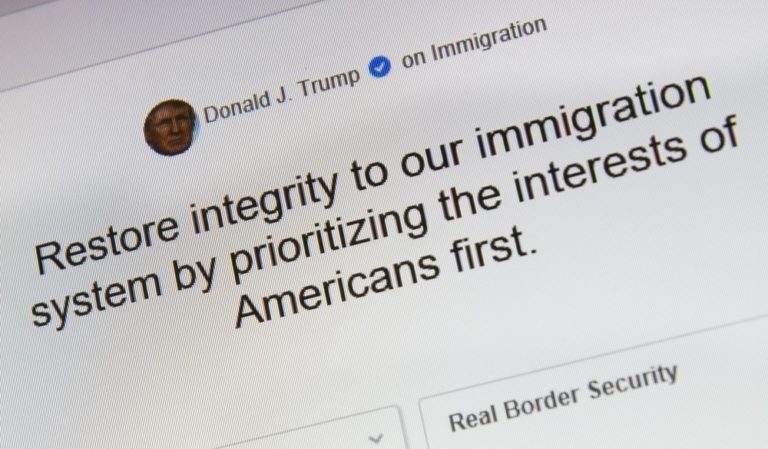
President Donald Trump’s tough stance on immigration is raising alarms. Legal experts like Leah Litman claim it’s not just about enforcing immigration laws—it’s about creating a system that can silence political opponents. This fear comes after ICE agents made shocking arrests in New Jersey and Wisconsin.

A Mayor Arrested for Protesting

In New Jersey, ICE arrested the mayor of Newark during a protest against a private detention facility. This incident has raised questions about how far the government can go. Legal analysts point out that immigration law has historically given the government a lot of power. Now, some believe Trump is using that authority to target critics.

Judges and Mayors Aren’t Safe

MSNBC’s Chris Hayes highlighted another disturbing incident: a state judge in Wisconsin was escorted out of a courtroom by federal agents. These arrests send a chilling message—no one, not even elected officials or judges, is above the reach of federal agents.

A Pattern of Silencing Critics

Legal experts see a pattern. They argue that the Trump administration is using immigration enforcement to criminalize dissent. More than 100 lawsuits have been filed against the federal government over its actions. In one case, a breastfeeding mother of a U.S. citizen was detained by ICE. She is now suing South Dakota Governor Kristi Noem.

First Amendment Under Attack

The situation is even more concerning when it comes to free speech. Legal analyst Leah Litman explains that the administration seems to believe the First Amendment only protects Republican speech. Critics, including those who write opinions opposing Trump, are being targeted. For example, Secretary of State Marco Rubio used an old law to label certain individuals as threats based on their opinions.

What’s Next?

The legal battles are far from over. Many of these cases are heading to court, with judges already stepping in to limit ICE’s actions. For instance, a federal court recently ordered the release of Rümeysa Öztürk, a grad student from Tufts University, after her detention was ruled unlawful.

A Warning for All Americans

These incidents are a wake-up call. If the government can arrest mayors, judges, and ordinary citizens for speaking out, it sets a dangerous precedent. The line between immigration enforcement and political repression is blurring. As Chris Hayes said, this is about pushing the limits of constitutional power—and who might be next.

What Can You Do?

Stay informed. Share this story with others. And remember, your voice matters. The First Amendment protects everyone, regardless of political views. Let’s ensure it remains that way.

Trump’s Low Attendance at Intelligence Briefings Sparks Concern

0

Key Takeaways:

  • President Donald Trump has attended only 12 intelligence briefings since his inauguration in January.
  • This is a significant drop compared to his first term, when he attended briefings twice a week.
  • The low attendance has raised concerns among intelligence officials and experts.
  • Trump’s aides insist he stays informed, but critics worry this could leave the U.S. vulnerable to threats.

Trump’s Attendance at Intelligence Briefings Drops Sharply

Since becoming president again in January, Donald Trump has attended just 12 intelligence briefings. These briefings, known as the President’s Daily Brief (PDB), are crucial for updating the president on major national security issues. The sharp decline in attendance compared to his first term has sparked concerns among intelligence officials and experts.

During his first term, Trump attended these briefings twice a week. This time, however, the number has dropped significantly. The PDB provides presidents with a summary of key national security challenges, giving them the information they need to make informed decisions.


Concerns Grow Over National Security Implications

Many in the intelligence community are worried about the potential risks of Trump’s low attendance. A former CIA analyst explained, “The point of having an $80 billion intelligence service is to inform the president and prevent strategic surprises.” Without regular briefings, some fear the U.S. could be caught off guard by major threats.

Sen. Mark Warner (D-Va.) criticized Trump’s approach, saying, “It’s sadly clear that President Trump doesn’t value the expertise of our intelligence professionals. This leaves the American people increasingly vulnerable to threats we ought to see coming.”


Senior Aides Still Attend Briefings

While Trump has missed many briefings, his senior national security aides have continued to attend. This ensures that key information still reaches the administration. Cabinet officials also receive separate briefings from intelligence officials.

A White House spokesperson, Davis Ingle, defended Trump’s approach. “The president is constantly apprised of classified briefings and regularly in touch with his national security team,” Ingle said. However, he did not explain why Trump has attended so few in-person briefings.


Trump’s Leadership and National Security Challenges

Despite the concerns over briefings, Trump has been actively involved in major foreign policy efforts. These include trying to facilitate peace in Gaza and Ukraine, as well as restarting nuclear negotiations with Iran. At the same time, the U.S. faces growing threats from competitors like Russia and China.


How Trump’s Briefing Style Compares to Past Presidents

Every president has their own way of handling intelligence briefings. Some prefer detailed, in-person meetings, while others rely on written reports. Trump’s approach, however, has raised eyebrows. He is known for not reading “the book,” a detailed document prepared by intelligence analysts. This document is delivered to the president and his advisers five days a week.

Trump’s preference for oral briefings instead of written reports has led to concerns that he may miss critical details. Intelligence analysts spend significant time creating these reports to ensure the president has all the information needed to make informed decisions.


The Importance of Intelligence Briefings

Intelligence briefings are a key part of a president’s job. They help leaders stay ahead of threats and make decisions that protect the country. While Trump’s aides argue that he is still informed, the lack of in-person briefings has raised questions about how much he engages with the material.

As the U.S. faces complex challenges on the global stage, the debate over Trump’s approach to intelligence briefings is likely to continue. Whether his strategy works remains to be seen, but one thing is clear: the stakes couldn’t be higher.

Trump’s Middle East Trip: Seeking Deals Amid Tensions

0

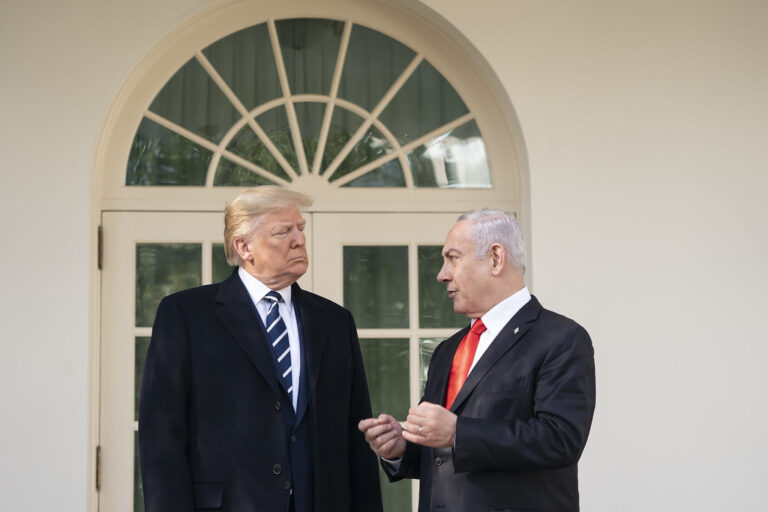
President Trump is heading to Saudi Arabia, Qatar, and the UAE to secure major deals and discuss regional conflicts. His visit aims to boost business ties and address issues like the war in Gaza and Iran’s nuclear program.

Key Takeaways:

  • Business Focus: The trip targets big deals in defense, energy, and tech.
  • Regional Tensions: Gaza, Iran, and Middle East conflicts top the agenda.
  • Geopolitical Shift: Gulf states gain importance as a global power hub.
  • Personal Interests: Trump’s past and future business ties are highlighted.

A Historic Visit

President Trump’s return to the Middle East is seen as a strategic move to strengthen economic ties and tackle pressing issues. His choice reflects the Gulf states’ rising geopolitical influence and their pivotal role in global diplomacy.

Why the Gulf?

The Gulf states’ wealth and strategic importance make them a focal point for Trump’s visit. They are anticipated to extend a warm welcome, blending grandeur with substantial deal-making opportunities.

Big Deals on the Table

Expected discussions include defense, aviation, and energy solutions. These talks align with Trump’s vision of fostering commerce and cultural exchange over extremism.

Challenges Trump Can’t Ignore

Despite focusing on business, Trump must address critical regional issues. The ongoing conflict in Gaza, Yemen’s instability, and Syria’s uncertain future loom large, requiring delicate diplomacy.

Iran’s Nuclear Standoff

Indirect talks between the US and Iran will occur in Oman. Trump’s recent comments about renaming the Persian Gulf have sparked tensions, adding complexity to discussions.

Business Connections

The Trump family’s business ventures in the region, including real estate deals in Qatar and Dubai, highlight potential personal interests. However, the White House dismisses claims of personal gain, emphasizing the trip’s diplomatic goals.

Conclusion

Trump’s Middle East visit balances business opportunities with tough diplomatic challenges. As the Gulf states’ importance grows, this trip may set the tone for future US engagement in the region.

Surprise! New Hampshire is America’s Pizza Capital

0

Key Takeaways:

  • New Hampshire is the top destination for pizza in the U.S.
  • It beats New York and Chicago with its high concentration of top-rated pizzerias.
  • Offers unique pizza styles and a vibrant pizza culture.

New Hampshire: The Unexpected Pizza Champion

When thinking of the best pizza in America, cities like New York and Chicago often come to mind. But surprisingly, New Hampshire has claimed the top spot. This small state is making big waves in the pizza world, and here’s why.


Why New Hampshire?

A Hub of Pizzerias

New Hampshire boasts an impressive number of top-rated pizzerias. Whether you’re in the mood for classic slices or gourmet pies, the state offers a variety that satisfies every craving. Each spot brings its own unique flavor, making it a paradise for pizza lovers.

Unique Pizza Styles

The state isn’t just about quantity; it’s also about quality. From traditional Neapolitan to innovative creations, New Hampshire’s pizza scene is diverse. This variety ensures there’s something for everyone, setting it apart from other states.

High Ratings and Rave Reviews

Pizza places in New Hampshire consistently receive high ratings. Reviewers praise the fresh ingredients, perfect crusts, and creative toppings. This consistent excellence has earned the state its top ranking.


What About New York and Chicago?

While New York and Chicago are famous for their pizza, they don’t quite match New Hampshire’s concentration of top spots. New York’s classic slices and Chicago’s deep-dish are iconic, but New Hampshire’s passionate pizza community and higher average ratings give it the edge.


Fun Facts About New Hampshire’s Pizza Scene

  • Pizza Festivals: New Hampshire hosts annual pizza festivals that draw crowds from across the country.
  • Pizza Records: The state holds records for pizza-eating contests, showcasing its love for the dish.

Conclusion

New Hampshire’s rise to the top of the pizza scene is well-deserved. With its concentration of excellent pizzerias, unique styles, and passionate community, it’s a must-visit for any pizza enthusiast. So, plan your trip and taste the difference for yourself!

ICE Raids DC Restaurants Owned by Political Figures Spark Debate

0

Key Takeaways:

  • ICE agents raided nine restaurants in Washington, D.C., targeting spots tied to notable political figures.
  • Restaurants include Chef Geoff’s, owned by CBS anchor Norah O’Donnell’s husband, and others linked to ex-Biden officials.
  • Critics claim the Trump administration is politicizing law enforcement by targeting opponents.
  • Supporters argue enforcement must apply equally, regardless of who’s in power.

ICE Raids High-Profile Restaurants in DC

In a move that’s sparked heated debate, U.S. Immigration and Customs Enforcement (ICE) agents recently raided nine restaurants in Washington, D.C. The raids were part of an operation to ensure businesses comply with immigration laws. What’s making headlines, though, isn’t the raids themselves— it’s who owns the restaurants.

One of the raided restaurants, Chef Geoff’s, is owned by Geoff Tracy, husband of CBS News anchor Norah O’Donnell. Another is linked to Jeff Zients, former White House Chief of Staff under President Biden. A third is tied to Jose Andres, a well-known chef and left-wing activist. These connections have raised questions: Were these raids politically motivated?


The Debate: Political Motives or Just Enforcement?

Critics argue that the Trump administration is using ICE to target its critics and political foes. They claim the raids are an attempt to intimidate opponents and gain an upper hand in the political arena. Supporters, however, insist the raids are lawful and necessary to enforce immigration policies, regardless of who’s involved.

The debate isn’t new. Over the years, both political parties have accused each other of weaponizing law enforcement for political gain. Whether it’s the Obama-era IRS targeting conservative groups or the Biden administration’s crackdown on pro-life activists, the perception of politicized law enforcement has been a recurring issue.


Why Some Don’t Care About the Raids

For many Americans, the raids barely register as news. After years of seeing law enforcement actions intertwined with politics, some people are jaded. Why? Because similar concerns about politicized law enforcement have been raised before, but outrage often depends on who’s in power.

For example, when the Obama administration targeted conservative groups or when the Biden administration prosecuted Trump allies, critics of those actions were often dismissed or ignored. Now, the tables have turned, and some are calling out the Trump administration for doing the same.


A Call for Equality in Enforcement

The underlying issue is clear: Law enforcement should be impartial, applying the same rules to everyone, regardless of political beliefs or connections. Yet, the reality is far from that ideal. The perception that the powerful and politically connected are above the law fuels public distrust in the system.

Some argue that the raids are a step toward equality. If high-profile figures are held accountable, it sends a message that no one is above the law. However, this approach risks escalating tensions, making politics even more divisive.


The Bigger Picture: Politicized Law Enforcement

The raids are just the latest chapter in a long-running story of politicized law enforcement in the U.S. The Obama and Biden administrations were accused of targeting their opponents, and now the Trump administration is facing similar accusations. This pattern highlights a broader problem: When law enforcement becomes a tool for political battles, trust in the system erodes.

Restoring trust requires more than paperwork or policies. It demands a cultural shift, where both parties acknowledge the damage politicized enforcement causes and work toward a balanced approach. Until then, the cycle of accusations and retaliation will continue, leaving the public increasingly cynical.


How to Move Forward

The solution isn’t simple. One approach is adopting the concept of “mutually assured destruction,” where both sides recognize the risks of escalation. This mindset could deter excessive politicization, as neither side wants to escalate the conflict further. However, this requires a willingness to de-escalate and prioritize fairness.

In the end, the goal should be a system where law enforcement operates without regard to political ties or agendas. Until then, debates like the one over the DC restaurant raids will persist, leaving the public divided and distrustful.

What do you think? Should law enforcement be above politics, or is this just the reality of modern governance? Let us know your thoughts.

Louisiana Purchase: The Land Deal That Changed America

0

Key Takeaways:

  • The Louisiana Purchase occurred on April 30, 1803, for $16 million.
  • It more than doubled U.S. territory, adding land from the Mississippi River to the Rocky Mountains.
  • The purchase included New Orleans, crucial for trade.
  • Negotiated by Robert Livingston and James Monroe, exceeding their original mandate.
  • Jefferson faced constitutional concerns but prioritized national interest.
  • The treaty was ratified by the Senate and funded by Congress within six months.
  • This purchase set the stage for U.S. westward expansion.

The Louisiana Purchase: A Historic Land Deal

In 1803, the United States made a groundbreaking deal with France, purchasing a vast territory known as the Louisiana Purchase. This acquisition, finalized on April 30, 1803, for $15 million, more than doubled the country’s size. The land stretched from the Mississippi River to the Rocky Mountains, including the vital port of New Orleans. This deal was pivotal, shaping America’s future and its westward expansion.


Why New Orleans Mattered

New Orleans was a strategic prize, controlling access to the Mississippi River, a lifeline for trade. President Thomas Jefferson knew its importance for American commerce. However, the purchase wasn’t just about the port; it was about expanding U.S. territory, aligning with Jefferson’s vision of an agrarian society.


Jefferson’s Dilemma: Constitution vs. Opportunity

Jefferson faced a constitutional quandary. He believed in limited government but saw the purchase as a once-in-a-lifetime opportunity. He considered a constitutional amendment but faced a six-month deadline. Ultimately, pragmatism won, and he moved forward, trusting Congress to approve.


A Rushed but Necessary Decision

With Napoleon’s hesitations and a looming deadline, Jefferson acted swiftly. The Senate ratified the treaty in October 1803, and Congress funded it, ensuring the deal’s success. This decision showcased Jefferson’s pragmatic side, balancing strict constitutional views with national needs.


From Strict to Flexible: Jefferson’s Evolution

Critics accused Jefferson of hypocrisy, given his past stance against broad executive power. However, his actions reflected a leader adapting to circumstances. He sought retroactive approval, ensuring constitutional alignment, demonstrating that flexibility can be a leadership strength.


Legacy of the Louisiana Purchase

The Louisiana Purchase was more than a land deal; it was a foundation for U.S. expansion. It set precedents for executive authority and national growth. Today, it’s remembered as a defining moment in American history, showcasing the balance between principle and pragmatism.


Conclusion

The Louisiana Purchase was a transformative event, driven by strategic foresight and pragmatic leadership. It expanded U.S. territory, influenced westward expansion, and highlighted Jefferson’s evolving approach to presidential power. This deal’s impact remains a cornerstone of American history.