55.4 F
San Francisco
Wednesday, May 6, 2026
Home Blog Page 867

TikTok Tests Horizontal Full-Screen Video Mode: What Users Need to Know

0


Key Takeaways:

  • TikTok is testing a new horizontal full-screen video mode.
  • This feature aims to improve user experience on larger screens.
  • The update could help TikTok compete with YouTube and Instagram Reels.
  • Users may see the feature in early 2024 if successful.

TikTok, the popular social media app, is always experimenting with new ways to make your experience better. This time, they’re trying out something big: a horizontal full-screen video mode. Let’s break it down.

What’s the Big Deal?

Smartphones are designed to be used vertically, and most TikTok videos are made that way. But TikTok is thinking about how you might watch videos on a larger screen, like a tablet or even a TV. A horizontal mode could make those videos look better and feel more natural on bigger devices.

Imagine watching your favorite TikTok videos on your tablet without seeing black bars on the sides. That’s what this new feature could offer. It’s a small change, but it could make a big difference in how you enjoy content.


Why Is TikTok Doing This?

TikTok wants to stay ahead of the game. Platforms like YouTube and Instagram Reels are already popular for longer, high-quality videos. By offering a better experience on larger screens, TikTok hopes to keep users engaged longer and attract people who like watching videos on tablets or TVs.

This move could also help creators. If TikTok supports horizontal videos, creators might start making content specifically for that format. It could open up new ways for them to tell stories and entertain their fans.


What Do Users Think?

Some users are excited about the idea. They think it’s a great way to enjoy TikTok on bigger screens. Others are worried it might change the app’s feel and make vertical videos look weird. For now, it’s just a test, so we’ll have to wait and see how people react.


When Can We Expect It?

TikTok is still testing this feature, so it’s not available to everyone yet. If the tests go well, we might see it roll out in early 2024. Keep an eye out for updates!


The Future of TikTok

TikTok is always changing to stay relevant. From new filters to longer video limits, they’re experimenting with ways to keep the app fun and fresh. This horizontal mode is just the latest idea they’re trying out.

Only time will tell if this feature sticks around. But one thing’s for sure: TikTok is serious about giving users the best experience possible, no matter how they choose to watch.


Let us know in the comments what you think about TikTok’s new idea. Are you excited to try horizontal mode, or do you prefer things the way they are? Stay tuned for more updates!

Iranian Student Leaves U.S. After Detention Despite Charges Dropped

0

Key Takeaways:

  • An Iranian student at the University of Alabama has chosen to leave the U.S.
  • He spent six weeks in a Louisiana detention center.
  • The initial charge against him was dropped.
  • His decision to self-deport was confirmed by his lawyer and fiancée.

Who is the Iranian Student?

The student, a mechanical engineering major, had been pursuing his education at the University of Alabama. His journey took an unexpected turn when he was detained, leading to a life-changing decision.

Why Did He Decide to Leave?

Despite the dropped charge, the student’s experience in detention profoundly impacted his decision. The harsh conditions and uncertainty he faced during his six weeks in detention influenced his choice to leave the U.S., highlighting the challenges faced by international students in such situations.

His Experience in Detention

During his detention, the student endured difficult conditions. This period of confinement likely affected his mental and emotional well-being, contributing to his decision to self-deport despite the charge being dropped.

What Does This Mean for Other Students?

This situation underscores the vulnerabilities international students may face, even when charges are dismissed. It raises questions about the treatment of detainees and the lasting impact on their lives and futures.

Conclusion

The case of this Iranian student illustrates the complex issues surrounding immigration and detention. While his decision to leave offers him a path forward, it also brings attention to the broader implications for international students and the need for support and understanding.

Exciting Discovery Unveils New Tech Frontier


Key Takeaways:

  • Breakthrough in sustainable energy storage revealed.
  • Innovative solution addresses global energy crisis.
  • Potential to revolutionize renewable energy sector.

Breaking the Energy Barrier: A New Era Dawns

In an electrifying leap forward, scientists have unveiled a groundbreaking innovation in sustainable energy storage. This development promises to tackle the pressing issue of energy scarcity, offering a beacon of hope for a greener future.

A Glimpse into the Future

Imagine a world where energy is not only abundant but also clean. The latest discovery brings us closer to this reality by enhancing how we store renewable energy. This advancement could significantly impact how we power our homes, schools, and industries, ensuring a reliable energy supply while minimizing environmental impact.

The Science Behind the Scenes

The new technology focuses on improving energy storage efficiency and longevity. By harnessing cutting-edge materials and smart engineering, the solution aims to make renewable energy more accessible and reliable. This could mean fewer power outages and a reduced carbon footprint, making it a game-changer in the fight against climate change.

Global Implications

The ripple effect of this discovery extends far beyond the lab. It has the potential to empower communities worldwide, especially in regions where access to reliable energy is a challenge. This innovation could also pave the way for new industries and job opportunities, fostering economic growth and sustainability.

A Brighter Tomorrow

As the world grapples with energy demands, this breakthrough offers a promising solution. By addressing energy storage challenges, it paves the way for a future where clean energy is the norm. This discovery is a testament to human ingenuity and the relentless pursuit of a sustainable tomorrow.

Controversial Deportations Under Trump: What You Need to Know

0

Key Takeaways:

  • Legal U.S. residents face deportation under the Trump administration for various reasons, including free speech and alleged affiliations.
  • Cases like Kilmar Abrego Garcia highlight issues of due process.
  • The situation sparks debate on immigration policies and civil liberties.

A Growing Issue

Recent news shows that some legal U.S. residents are being deported. Reasons vary, from speaking out against Israel to supposed gang ties or simple mistakes. This has led to accusations that the Trump administration is limiting free speech.


What’s Happening?

Imagine a student expelled without explanation. That’s how some feel when deported. Kilmar Abrego Garcia, a legal resident, was deported abruptly. Others, like Beckham, remain in limbo, unable to work or travel.


Meet the Affected Individuals

  1. Kilmar Abrego Garcia: A legal resident with a deportation order for alleged gang ties, though he denies it.
  2. Rumeysa Öztürk: A student detained for anti-Israel comments, raising free speech concerns.
  3. Mahmoud Khalil: An American citizen deported, leaving his family in shock.

In the U.S. but Not Free

Some, like Beckham, are stuck in the U.S. but can’t work or leave, in legal limbo.


Public Reaction

Critics argue this stifles free speech, harming democracy. Others support strict enforcement.


What’s Next?

As debates continue, the future of U.S. immigration policies remains uncertain. Stay tuned for updates.


Conclusion

The deportations under Trump raise questions about due process and civil rights. The outcome may shape the U.S. immigration landscape.

AI in Healthcare: A New Era

Key Takeaways:

  • AI is revolutionizing the healthcare industry with advanced tools.
  • Improves diagnosis accuracy and speeds up processes.
  • Enables personalized treatment plans for patients.
  • Accelerates drug discovery and development.
  • Raises concerns about data privacy and job displacement.
  • Ethical and regulatory challenges need addressing.

Introduction: Transforming Medicine with AI

Imagine a world where doctors can diagnose diseases more accurately and quickly than ever before. Welcome to the era where Artificial Intelligence (AI) is transforming healthcare. From detecting illnesses early to creating tailored treatment plans, AI is making waves in medicine, offering hope for better patient outcomes.


What’s New in AI for Healthcare?

AI is making significant strides in healthcare, offering tools that enhance how doctors work. One of the most exciting areas is in diagnostics. AI can analyze medical images, like X-rays and MRIs, with remarkable precision. For instance, AI systems can spot early signs of diseases such as cancer or diabetes more efficiently than human eyes. This not only saves time but also reduces the chance of human error, leading to earlier interventions and better patient care.

Another breakthrough is in personalized medicine. AI analyzes vast amounts of data, including genetic information, to tailor treatments specifically for each patient. This approach ensures that patients receive the most effective therapies, minimizing side effects and improving outcomes.

Moreover, AI is streamlining the drug development process. Traditionally, creating a new drug takes over a decade and billions of dollars. AI accelerates this by predicting how compounds will behave in the body, identifying potential candidates, and optimizing clinical trials. This means new treatments could reach patients faster than ever before.


The Benefits of AI in Healthcare

The integration of AI into healthcare brings numerous benefits. AI assists doctors by handling routine tasks, allowing them to focus more on patient care. It also helps in remote areas where access to specialists is limited, providing essential diagnostic support.

For patients, AI means more precise diagnoses and treatment plans. This personalization can lead to fewer side effects and better recovery rates. Additionally, AI’s ability to analyze large datasets can uncover patterns that humans might miss, leading to new insights into diseases and their treatments.

Moreover, AI can enhance preventive care by predicting health risks before symptoms appear, encouraging earlier interventions and healthier lifestyles.


Challenges and Concerns

While AI offers immense potential, it also presents challenges. One major concern is data privacy. Handling sensitive patient information requires strict security measures to prevent breaches. Ensuring that AI systems are transparent and explainable is crucial for building trust among patients and healthcare providers.

Another issue is the ethical use of AI. As machines make more decisions, questions arise about accountability and fairness. For example, biases in AI algorithms can lead to unequal treatment of certain patient groups. Addressing these biases is essential to ensure equitable care.

The impact on jobs is another worry. While AI enhances healthcare, it might also reduce the need for some roles, potentially displacing workers. However, AI is more likely to augment rather than replace human healthcare professionals, freeing them to focus on more complex and caring aspects of their jobs.


The Future of AI in Healthcare

Looking ahead, the potential for AI in healthcare is vast. Continued advancements promise even more sophisticated tools, improving patient outcomes and enhancing the efficiency of healthcare systems. Collaboration between tech developers, medical professionals, and policymakers is key to harnessing AI’s benefits responsibly.

To maximize the advantages, it’s crucial to address ethical, privacy, and safety concerns proactively. By doing so, we can ensure that AI serves as a powerful ally in the pursuit of better global health.


AI is undeniably transforming healthcare, offering groundbreaking opportunities to enhance patient care and medical discoveries. As we embrace this new era, the focus must be on responsible innovation, balancing progress with ethical considerations to create a future where AI and humanity work together for better health outcomes worldwide.

Trump’s Tax Hike Suggestion Sparks Republican Backlash

0


Key Takeaways:

  • Donald Trump’s new tax plan is causing big problems.
  • Republicans are fighting over Medicaid cuts and taxes.
  • Trump suggested taxing millionaires more, but many doubt it.
  • The bill’s fate is shaky as Republicans disagree.
  • The plan mainly benefits the wealthy, not everyday people.

Introduction: Donald Trump’s latest tax plan is in hot water. Republicans are at odds over several issues like Medicaid cuts, tax deductions for state and local taxes (SALT), and the child tax credit. But why is the plan causing so much trouble?

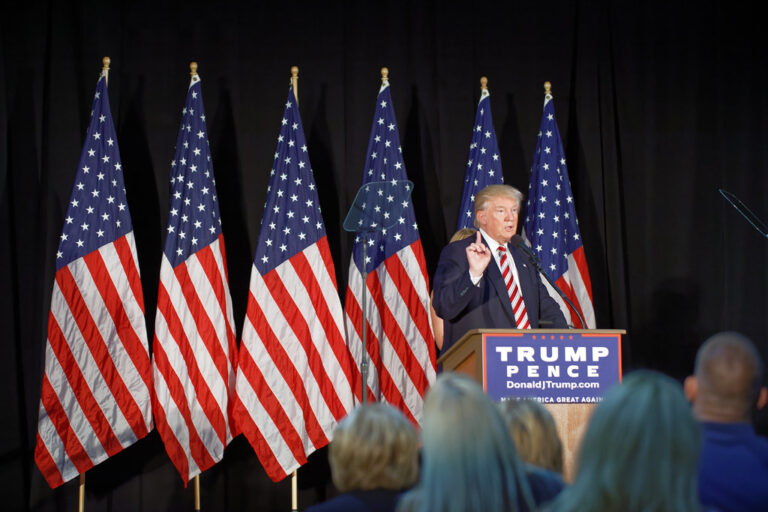
Trump’s suggestion: Tax millionaires more. Trump mentioned creating a new tax bracket for millionaires. On Truth Social, he wrote, “A tiny tax increase on the rich would help lower and middle-income workers.” But this idea hasn’t made it into the bill. If Trump really wanted it, it would be there. So, many say he’s just politicking.

Republicans Divided Republicans are deeply divided on this tax plan. Some want cuts for the wealthy, others oppose any tax raises. This split is making it hard to pass the bill. Trump’s suggestion of taxing the rich seems like a move to calm critics. But both parties are skeptical.

The Politics Behind the Plan Why is the tax plan in trouble? Because it’s mostly about cutting taxes for the rich. To pay for these cuts, the plan reduces spending on Medicaid and food assistance, which hurts many Americans. Democrats won’t support it because it doesn’t help ordinary people. They’d rather see the wealthy pay more, but this plan doesn’t do that.

A Weak Plan? Experts say the tax plan is unstable. Its main goal is to extend tax cuts from 2017, which mostly help the wealthy. To fund these cuts, the plan cuts crucial programs like Medicaid, healthcare, and food stamps. Republicans claim these cuts are necessary, but many see it as unfair to average Americans.

The Future of the Bill The bill’s future is uncertain. With so much infighting among Republicans, it’s hard to say if it will pass. If Trump is serious about taxing millionaires, he would include it in the plan. Until then, many see his suggestion as just a political move.

Conclusion: Trump’s tax plan is causing chaos in the Republican Party. Whether it survives depends on if Republicans can agree. For now, it’s a shaky proposal that seems to mostly benefit the wealthy, leaving many worried about the impact on everyday people.

Why Pope Leo XIV’s Name Matters

0


Key Takeaways:

  • Pope Robert Prevost chose the name Leo XIV, last used in 1878.
  • Bishop Robert Barron sees this name as a signal for engaging with modernity.
  • The choice reflects a nuanced approach, similar to Leo XIII’s response to 19th-century changes.

A Name with a Rich History

Pope Robert Prevost’s decision to become Pope Leo XIV has sparked interest. This name was last used by Leo XIII over 140 years ago. Bishop Robert Barron, who grew up near the new pope, finds the choice intriguing. He initially doubted an American could become pope but now sees the name as a significant clue to Leo XIV’s vision.

What Does the Name Change Mean?

Choosing Leo XIV instead of Francis II or John Paul III suggests a departure from recent traditions. Leo XIII is remembered for addressing modernity creatively during a time of change. He engaged with ideas like Marxism and political reforms, offering a balanced response—affirming yet challenging.

A New Approach to Modern Challenges

By choosing Leo XIV, the pope may signal a similar approach. Barron notes that Leo XIII’s nuanced responses could set a tone for intelligent engagement with today’s world. This choice might indicate the church’s readiness to embrace modernity thoughtfully.

Bishop Barron’s Reaction

Barron shared his excitement, recounting his initial skepticism about an American pope. The name choice kept him awake, reflecting on its implications. His personal connection adds a human element to the story, highlighting the emotional impact of this historic event.

Conclusion

Pope Leo XIV’s name choice is more than symbolic—it hints at a strategic engagement with modernity. As the church navigates current issues, this name reflects a thoughtful approach, drawing from history to guide future actions.

Trump Administration Invokes State Secrets in Deported Man’s Case

0

Key Takeaways:

  • The Trump administration used the state secrets privilege to withhold documents in a legal case involving a man mistakenly deported to El Salvador.
  • Kilmar Abrego Garcia was deported despite having legal status in the U.S.
  • The state secrets privilege allows the government to keep information secret for national security.
  • This case highlights concerns about government transparency and accountability.

What Happened to Kilmar Abrego Garcia?

Kilmar Abrego Garcia, a man with legal status in the U.S., was mistakenly deported to El Salvador. This error has led to a legal battle, with the Trump administration now invoking the state secrets privilege to avoid releasing documents related to the case. This privilege is typically used to protect sensitive information that could harm national security if disclosed.

What is the State Secrets Privilege?

The state secrets privilege is a legal tool that allows the government to keep certain information confidential. It is often used in court cases where national security might be at risk. However, critics argue that it can be misused to avoid accountability.

The Legal Battle and Its Significance

The legal battle over Kilmar’s case is significant because it raises questions about the government’s power to withhold information. By invoking state secrets, the administration is preventing the release of documents that could explain why Kilmar was deported and how such a mistake occurred. This has implications for transparency and the ability of individuals to seek justice when errors happen.

Implications for Transparency and Accountability

The use of the state secrets privilege in this case concerns advocates for government transparency. They argue that such actions can prevent the public from understanding government mistakes and holding officials accountable. This case may set a precedent for future situations where the government withholds information, potentially affecting many people.

Conclusion

The Trump administration’s decision to invoke the state secrets privilege in Kilmar Abrego Garcia’s case underscores the tension between national security and government transparency. As the legal battle continues, it remains to be seen how this will impact Kilmar’s situation and broader issues of accountability. This case is a reminder of the challenges in balancing security concerns with the public’s right to know.

Big Tech in the Crosshairs: Gail Slater Takes Charge at the DOJ


Key Takeaways:

  • Gail Slater, President Trump’s new assistant attorney general for antitrust, aims to take on Big Tech over censorship and market power.
  • Democrats, including former Yelp executive Luther Lowe, are surprisingly happy about her appointment.
  • Slater has inherited major antitrust cases from the Biden administration, including lawsuits against Apple and Google.
  • Both political sides hope she can unite efforts to regulate tech giants.

A New Era for Big Tech Regulation

The tech world is buzzing with the appointment of Gail Slater as the new assistant attorney general for antitrust. Slater, chosen by President Trump, is set to take on Big Tech companies over issues like censorship and market dominance. Surprisingly, Democrats are celebrating her arrival, especially because of her stance on Google.

Why Democrats Are Cheering

Luther Lowe, a former executive at Yelp, is one of the Democrats thrilled about Slater’s new role. He believes she’s willing to take on Google, a company many accuse of abusing its power. “I’m a Democrat,” Lowe said, “but I couldn’t be happier about someone being in a position to make a difference.” Lowe has long pushed for antitrust enforcers in the U.S. and abroad to act against Google.

A Shared Concern About Censorship

Slater has expressed worries about the power of a few big platforms. “With just a handful of major platforms online,” she said, “someone can be disappeared from the internet quite easily.” This concern echoes complaints often heard on the right but also resonates with others who believe any viewpoint can be suppressed when big companies wield too much power.

A Bipartisan Hope for Change

Slater’s confirmation was smooth, with the Senate voting 78 to 19 in her favor. Allies like Roger Alford, her second-in-command at the DOJ, dismiss concerns about politics influencing antitrust decisions. “Claims of politicization are nothing new,” Alford said, “but courts have always rejected those allegations.” He added that censorship is often the result of monopoly power.

The Cases on Her Desk

Slater has inherited several big cases from the Biden administration. One notable case is against Apple, accused of using tricks to keep customers from switching to competitors. For example, Apple allegedly blurred videos sent from Android devices to iPhones, making it harder for users to consider other options.

But the biggest challenges are two cases against Google. These lawsuits accuse the tech giant of violating antitrust laws. Many see these cases as crucial for determining how much power Big Tech should have.

Can Slater Bring People Together?

Some on the right, like Steve Bannon, believe Slater can help unite people from both political sides to tackle Big Tech. “We’re in an uneasy coalition,” Bannon said. Lina Khan, who led the FTC during the Biden administration, agrees. “Gail Slater is key to that,” she said.

What’s Next?

As Slater takes on these high-profile cases, all eyes are on her. Will she be able to balance pleasing both Democrats and Republicans? Can she make a real difference in how Big Tech operates? One thing is clear: Gail Slater’s work will shape the future of the internet and freedom of expression online.


Conclusion

Gail Slater’s appointment marks a new chapter in the fight against Big Tech’s power. With her focus on censorship and market dominance, she has the support of both political sides—though for different reasons. As she dives into major antitrust cases, the world watches to see if she can deliver on her promises and bring real change to the tech landscape.

Trump’s Tax Plan Hits Roadblocks as GOP Leaders Scale Back Ambitions

0

Key Takeaways:

  • Republican leaders are reducing the scope of President Trump’s tax cuts due to budget concerns.
  • Permanent extensions of the 2017 tax cuts and senior tax relief may be cut to meet spending targets.
  • GOP lawmakers are pushing back on certain proposals, like raising state and local tax deductions.
  • The White House is hopeful moderate Republicans will influence the final outcome.

Trump’s Tax Plan Hits a Snag

President Donald Trump’s push for sweeping tax cuts is running into trouble. Republican leaders are dialing back their ambitions after deficit hawks warned they won’t support the costly plan. The original goal was a $4.5 trillion tax cut, but that’s now been scaled back to $4 trillion—still a massive number, but not enough to make all the 2017 tax cuts permanent.

One major casualty could be Trump’s promise of tax relief for seniors and tips and overtime pay. These provisions are on the chopping block as lawmakers struggle to hit their $2 trillion spending cut target to offset the lost revenue.


What’s at Stake?

  • Senior Tax Relief: Trump vowed to help seniors by cutting taxes on Social Security benefits. But with the current budget crunch, this promise might not survive.
  • Overtime and Tips: Workers who earn tips or overtime pay could lose out on proposed tax breaks.
  • 2017 Tax Cuts: The permanent extension of Trump’s 2017 tax cuts is now uncertain. Some provisions may become temporary or disappear altogether.

GOP Leaders Face Tough Decisions

House Speaker Mike Johnson is pushing key committees to vote on their parts of the tax bill next week. But even if the House approves it, the Senate will likely make changes. The budget is tight, and lawmakers must make difficult choices.

One idea on the table is raising income taxes for the wealthiest Americans—to 39.6%, up from the current 37%. This could free up money for Trump’s other priorities, like cutting taxes on Social Security and tips. But not everyone is on board.


Blue-State Republicans Push Back

A plan to raise the cap on state and local tax (SALT) deductions from $10,000 to $30,000 was shot down by blue-state Republicans. They argued it would raise more revenue to fund Trump’s tax cuts, but others opposed it.

Rep. Nick LaLota of New York summed it up: “We were on the 25-yard line with 75 yards to go. We got sacked at that meeting. We probably lost five to ten yards.”


The White House Holds Its Breath

The scaled-back tax cuts are seen as a setback for Trump’s agenda, but the White House is staying optimistic. Two sources close to the administration say they’re relieved that Republicans are no longer pushing for deep cuts to safety net programs like Medicaid.

Privately, the White House hopes moderate Republicans will win out over budget hard-liners. If Trump weighs in publicly, it could sway the debate in their favor.


What’s Next?

The coming weeks will be crucial. With key committees set to vote on their parts of the bill, the pressure is on to find a compromise. Will Trump’s tax plan survive in some form, or will it shrink even further? Only time will tell.

One thing is clear: Republicans are learning that big promises are easy to make but hard to keep, especially when budgets are tight.