65.6 F
San Francisco
Tuesday, June 30, 2026
Home Blog Page 871

Congress Stock Trades Spark Controversy Amid Tariff Chaos

0

Key Takeaways:

  • Lawmakers and their families made over 700 stock trades during a major trade policy shift.
  • These trades happened right after President Trump announced tariffs in early April.
  • Critics say this practice raises questions about fairness and ethics in politics.
  • Some lawmakers want to ban elected officials from trading stocks entirely.

What Happened?

In early April, President Trump announced sweeping tariffs, which are taxes on imported goods, in what he called “Liberation Day.” This decision sent shockwaves through the stock market, causing it to drop significantly. But while markets were tumbling, some members of Congress and their families were busy making hundreds of stock trades.

From April 2, when Trump announced the tariffs, to April 8, when he paused many of them, more than a dozen House lawmakers and their family members made over 700 stock trades. This timing has raised eyebrows, as it appears some lawmakers might have used their inside knowledge of the tariff announcement to make informed investment decisions.


Why Is This a Big Deal?

The ability of lawmakers to trade stocks based on information that isn’t available to the public has long been a topic of debate. Critics argue that this creates an unfair advantage for those in power. If politicians can profit from decisions they help shape, it undermines trust in the government and raises ethical concerns.

For example, imagine you’re a lawmaker who knows a major policy change is about to happen. You could use that information to buy or sell stocks before the change is announced, potentially making a lot of money. This is exactly the kind of behavior that some lawmakers are trying to stop.


Who Made These Trades?

While the exact identities of the lawmakers and their family members involved in these trades weren’t disclosed, the sheer number of transactions—over 700 in just six days—suggests that multiple people in power took advantage of the situation.

Some of these trades involved stocks in industries directly affected by the tariffs, such as technology and manufacturing. This has led to questions about whether these lawmakers used their knowledge of the impending tariffs to make smarter investment choices.


The Push for Reform

This isn’t the first time lawmakers have faced criticism for their stock trading practices. In recent years, several high-profile cases have sparked calls for stricter rules. Some lawmakers have even proposed banning elected officials from trading stocks altogether while they’re in office.

One argument for this ban is that it would eliminate any appearance of impropriety. If lawmakers can’t trade stocks, they can’t be accused of using their positions for personal gain. This would help restore public trust in the government.

On the other hand, some argue that banning stock trading is too restrictive. They say lawmakers should be allowed to manage their own finances, as long as they follow disclosure rules and avoid clear conflicts of interest.


What Do People Think?

Public reaction to this news has been mixed. Some people are outraged, saying it’s unacceptable for lawmakers to potentially profit from policies they create. Others argue that as long as the trades are disclosed and don’t involve insider information, there’s nothing wrong with it.

One thing is clear: this issue highlights the need for greater transparency in how lawmakers handle their personal finances. If the public doesn’t trust elected officials to act fairly, it can lead to widespread cynicism and disengagement from politics.


The Bigger Picture

The controversy over lawmakers trading stocks during a major policy shift is part of a larger debate about ethics in government. Questions about how much influence elected officials should have over their own financial dealings are complex and don’t have easy answers.

As this story continues to unfold, it’s likely to reignite calls for stronger rules to prevent conflicts of interest. Whether these calls lead to actual reform remains to be seen. One thing is certain, though: the public will be watching closely to see how lawmakers respond to these concerns.
GOP Senator Pushes for $15 Minimum Wage in Surprising Move

0

Key Takeaways:

  • A Republican senator is proposing a federal $15 minimum wage hike.
  • This move aligns a conservative lawmaker with liberal counterparts.
  • The plan includes inflation adjustments after 2026.

Senator Josh Hawley, a conservative Republican from Missouri, is introducing a bill to raise the federal minimum wage to $15 an hour—a stance that surprisingly aligns him with some of the most progressive lawmakers in Congress.

Hawley’s proposed legislation, called the Higher Wages for American Workers Act, aims to boost the federal minimum wage starting in 2026. Additionally, it plans to adjust the wage annually to keep up with inflation. This move is unexpected, as it places one of the Senate’s most conservative members on the same side of an issue as liberal Democrats who have long advocated for a $15 minimum wage.


Why Raise the Minimum Wage Now?

Hawley and supporters argue that raising the minimum wage will help American workers keep up with rising costs of living. The senator believes this change will support low-income families and encourage businesses to pay workers fairly. However, not everyone agrees. Critics worry that a higher minimum wage could lead to job losses, especially for small businesses already struggling to stay afloat.


What’s Next for the Proposal?

This legislation is making waves in Washington, but its path forward is unclear. While some Democrats are surprised by Hawley’s stance, others are skeptical about its chances of passing in a divided Congress. The bill will need bipartisan support to succeed, and many lawmakers are waiting to see how the public reacts.


A Rare Moment of Agreement

Hawley’s push for a $15 minimum wage highlights a rare moment of consensus in a deeply divided Washington. Whether this proposal succeeds or fails, it shows that even in a polarized political climate, unexpected alliances can form around key issues. For now, all eyes are on Capitol Hill to see how this story unfolds.

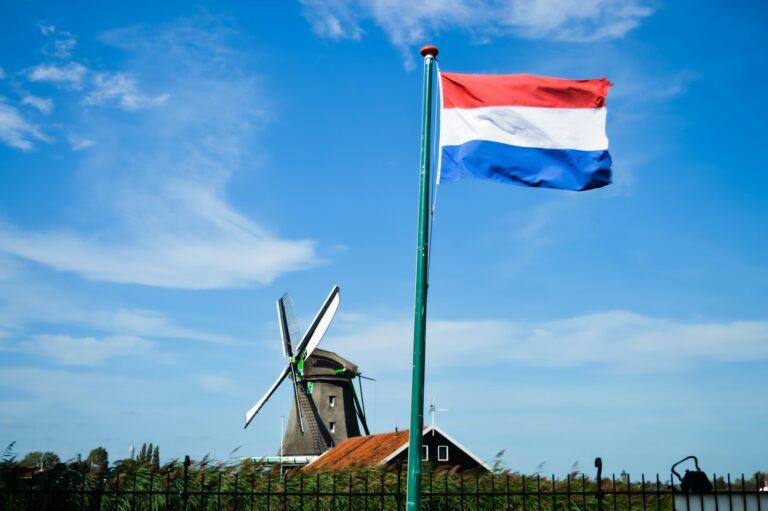
Dutch Government Collapses: Geert Wilders Stands Firm on Principles

0

Key Takeaways:

  • The Dutch coalition government collapsed due to political tensions.
  • Geert Wilders, leader of the Party for Freedom (PVV), prioritized principles over political power.
  • The collapse highlights the growing divide in Dutch politics.
  • Wilders’ stance could reshape the political landscape in the Netherlands.

A Government Falls: What Happened?

The Dutch government recently collapsed, and it wasn’t just another political mishap. This fallout happened because Geert Wilders, a politician known for his strong beliefs, stood his ground. In a world where many politicians bend their principles to stay in power, Wilders chose to fight for what he believes in, even if it meant causing a crisis.

Who is Geert Wilders?

Geert Wilders leads the Party for Freedom (PVV), a group known for its bold ideas. In 2023, the PVV won the most seats in the Dutch parliament, showing how popular Wilders’ views were. However, his party didn’t join the government because other parties didn’t agree with his radical stance, especially on immigration and European Union policies.

A Coalition in Crisis

In 2023, a coalition government was formed without the PVV. But by 2024, tensions rose. The ruling parties struggled to agree on key issues, and Wilders saw an opportunity to challenge them. He made it clear he wouldn’t back down, even if it meant the government falling apart.

Why Does This Matter?

The collapse of the government isn’t just a political drama. It shows a deeper divide in Dutch politics. Wilders’ bold move could change the face of the Netherlands’ political scene and set the stage for future elections.

What’s Next?

With the government gone, new elections seem likely. Wilders’ actions have sparked debates about leadership and the role of politicians. His decisions could influence future political strategies and shape the Netherlands’ stance on key issues.

Conclusion

Geert Wilders’ stand on principle over power has shaken Dutch politics. The government’s collapse is more than a crisis—it’s a turning point. As the Netherlands moves forward, the lessons learned from Wilders’ bold move will surely leave a lasting impact on the country’s political landscape.

Marines Deployed to LA Amid Violent Protests: Here’s What You Need to Know

0

Key Takeaways:

  • Marines were sent to Los Angeles to protect federal officials and property amid violent protests.
  • The deployment was authorized by President Trump to support National Guard troops.
  • Protests began Friday, with activists clashing with sheriff’s deputies.
  • Border czar Tom Homan defended the move, saying it was necessary to maintain order.

Marines Step In to Protect LA Amid Unrest Violence erupted in Los Angeles as protesters clashed with law enforcement, leading to the deployment of Marines to restore calm. President Trump sent the troops to support National Guard forces already on the ground. The situation escalated after activists confronted sheriff’s deputies, prompting a stronger response to safeguard federal property and personnel.

Who Is Tom Homan, and Why Does He Support This Move? Tom Homan, a former Border Patrol chief, has backed the decision to deploy Marines. He believes the move is crucial to protecting federal workers and maintaining order. Homan emphasized that the safety of officials and public property must be a priority during such disturbances. His stance reflects a broader debate on how to handle protests that turn violent.

What’s Happening in Los Angeles? Protests in LA began Friday, with demonstrators taking to the streets. Tensions rose as activists faced off with sheriff’s deputies, leading to clashes. The situation worsened over the weekend, prompting President Trump to act swiftly. By Monday, Marines were deployed to reinforce the National Guard, signaling a firm resolve to quell the unrest.

Why Were Marines Deployed? The deployment of Marines was a direct response to the growing violence. Federal officials and property were at risk, necessitating additional security. The National Guard was already on site, but the situation required more resources. Marines brought the necessary manpower and training to secure key areas and prevent further escalation.

Reactions to the Deployment Opinions on the deployment vary widely. Supporters argue that the move was necessary to protect lives and property. Critics, however, worry about the militarization of law enforcement and potential rights violations. The debate underscores the challenges of balancing public safety with civil liberties during protests.

What’s Next for Los Angeles? As the city works to restore calm, authorities are assessing the situation. The presence of Marines is a temporary measure to ensure stability. Longer-term solutions will likely involve dialogue and addressing the underlying issues that sparked the protests. For now, the focus remains on safety and order.

Conclusion The deployment of Marines to Los Angeles highlights the complexities of managing violent protests. While the move aims to protect federal assets, it also raises questions about the role of the military in domestic affairs. As the city moves forward, finding a balance between security and civil rights will be crucial.

Russia Steps Up Attacks on Ukraine: Key Updates

0

Key Takeaways:

  • Russia has launched major airstrikes in Kyiv and Odesa, killing at least three people.
  • A maternity ward in Odesa was hit, causing significant damage.
  • These attacks are the largest in Kyiv in over three years.
  • They follow Russia’s biggest drone attack on Ukraine this week.
  • Russia claims these strikes are in retaliation for Ukrainian actions.

Russia Intensifies Attacks on Ukraine

The war in Ukraine took a dangerous turn this week as Russia carried out some of its most intense airstrikes in three years. Two major cities, Kyiv and Odesa, were targeted in overnight attacks. At least three people were killed, and many more were injured.

In one of the most shocking incidents, a maternity ward in Odesa was hit. This attack has sparked outrage around the world. The strikes came just a day after Russia launched its biggest drone assault on Ukraine since the war began.


Why Is This Happening?

Russia says these attacks are in response to actions by Ukrainian forces. Moscow claims Ukraine has been attacking Russian targets, and now they are striking back. However, Ukraine and its allies argue that Russia is escalating the war with no justification.

The situation is getting more violent by the day. Both sides are accusing each other of starting the latest round of violence. Meanwhile, civilians are caught in the middle, suffering the most.


The Human Cost

The attack on the maternity ward in Odesa is especially alarming. Hospitals and places where civilians gather are supposed to be safe zones, even in war. Hitting such a place has drawn strong criticism from around the world.

In Kyiv, the capital city, the airstrikes caused widespread damage. Many people were forced to take shelter as alarms sounded throughout the night. The city, which has been relatively quiet in recent months, is once again under threat.

This escalation is putting even more strain on Ukraine’s people. Families are being torn apart, and basic services are being disrupted. The humanitarian crisis is getting worse, and aid groups are struggling to keep up.


What’s Next?

The world is watching as the conflict escalates. Leaders from other countries are meeting to discuss how to respond. Some are calling for tougher sanctions on Russia, while others are pushing for more military aid to Ukraine.

For now, the fighting shows no signs of slowing down. Both sides are digging in, and the toll on civilians continues to rise. The international community is urging calm, but it’s unclear if that will happen anytime soon.


Global Reaction

The attacks have sparked widespread condemnation. World leaders are calling for an immediate end to the violence. Many are pointing out that targeting civilians, especially in places like hospitals, is a clear violation of international law.

The United Nations and other organizations are urging both sides to work toward peace. However, diplomats warn that the situation is increasingly complicated. With neither side willing to back down, finding a solution seems difficult.

As the war drags on, the focus remains on protecting civilians. Aid groups are working tirelessly to provide food, shelter, and medical care to those affected. But with the fighting getting worse, their efforts are becoming even more challenging.


Conclusion

The latest attacks on Kyiv and Odesa are a grim reminder of how dangerous the situation in Ukraine has become. With strikes hitting maternity wards and civilian areas, the human cost of the war is growing.

The international community is calling for peace, but both sides are holding firm. For now, the people of Ukraine will continue to suffer as the conflict rages on. The world can only hope for a resolution before more lives are lost.

Fed Leader Jerome Powell and His Impact on the U.S. Economy

0

Key Takeaways:

  • Jerome Powell leads the Federal Reserve, a key U.S. financial institution.
  • Appointed by President Trump, Powell’s policies have sometimes clashed with Trump’s goals.
  • Powell’s decisions have significant effects on the economy and political landscape.
  • His actions are under scrutiny as the 2024 election approaches.

Jerome Powell: Who Is He? Jerome Powell is the Federal Reserve Chairman, overseeing the nation’s money supply and banking system. This role makes him a major player in the U.S. economy. Even though he was appointed by President Trump, his decisions haven’t always aligned with Trump’s objectives.

Powell’s Actions and Their Effects Powell’s decisions, such as raising interest rates, can slow down the economy. Critics argue these actions, like reducing stimulus programs, have hurt economic growth, which could affect Trump’s popularity. However, Powell maintains that controlling inflation is crucial for long-term economic health.

Critics and Supporters Some people believe Powell is undermining Trump’s economic plans to weaken his political standing. Others see Powell as a guardian of economic stability, making tough choices for the nation’s future. This tension creates a debate over the Fed’s role in politics.

The 2024 Election Connection As the 2024 election nears, the economy’s health will be a key issue. Powell’s policies could influence voter opinions on Trump’s performance. Both political sides are watching closely, knowing the Fed’s decisions can sway election outcomes.

Conclusion Jerome Powell’s role is pivotal, balancing economic stability with political pressures. The Federal Reserve’s decisions have widespread impacts, shaping the nation’s financial future and political climate. As the election approaches, Powell’s actions will remain under close scrutiny.

Rioters Hurt Their Own Cause: Why Protesting Trump’s Policies Turned Ugly

0

Key Takeaways:

  • Rioting against the government is never a good idea and often backfires.
  • Protesters against Trump’s immigration policies crossed the line into violence.
  • Rioting distracts from the cause and creates more problems.
  • Peaceful protests are more effective and respected.

Rioting Is Never the Answer

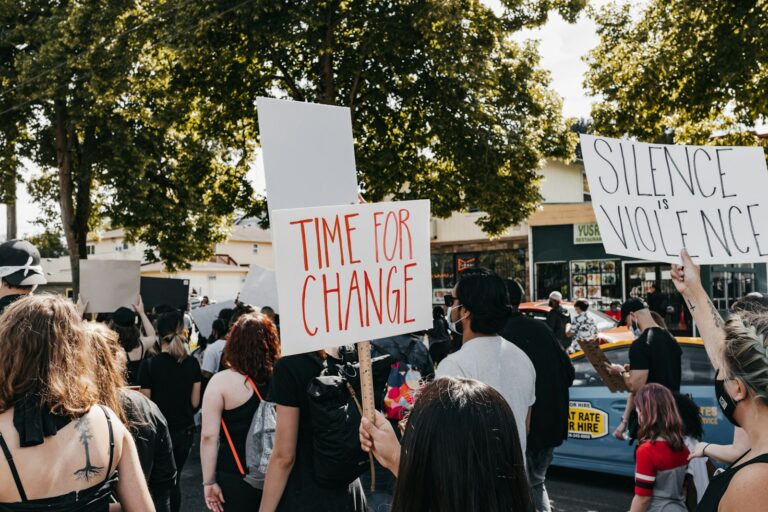
Protesting against government policies is a right in a democracy, but turning violent is not. Rioting only makes things worse. It hurts the very cause the protesters are fighting for. This happened recently when some people protesting Trump’s immigration and deportation policies decided to riot. Instead of gaining support, they alienated people and gave the government an excuse to crack down harder.

Rioters often act without thinking about the consequences. They might enjoy the chaos or feel empowered by breaking the rules. But in the end, they harm the people they claim to care about.


Rioters Are Their Own Worst Enemies

People who riot usually fall into two groups. The first group are troublemakers who love mischief for its own sake. They don’t care about the cause. They just want to smash things, burn property, and cause fear. The second group are extremists who believe violence is the only way to bring change. They think they’re revolutionaries, but they often end up hurting innocent people and undermining their own movement.

Both groups share one thing in common: they don’t think about the bigger picture. They don’t realize that rioting gives the government an excuse to act harshly. It also turns public opinion against the cause.


The Current Climate Makes Things Worse

The U.S. is already divided. People have strong opinions about Trump’s policies, especially when it comes to immigration. Some agree with stricter rules, while others think they’re unfair and cruel. This tension creates a powder keg of emotions, ready to explode into violence.

When protesters turn violent, they play right into the hands of those who want to silence them. The government can then label all protesters as dangerous, even the peaceful ones. This makes it easier to ignore their concerns or even arrest them.


Why This Protest Failed

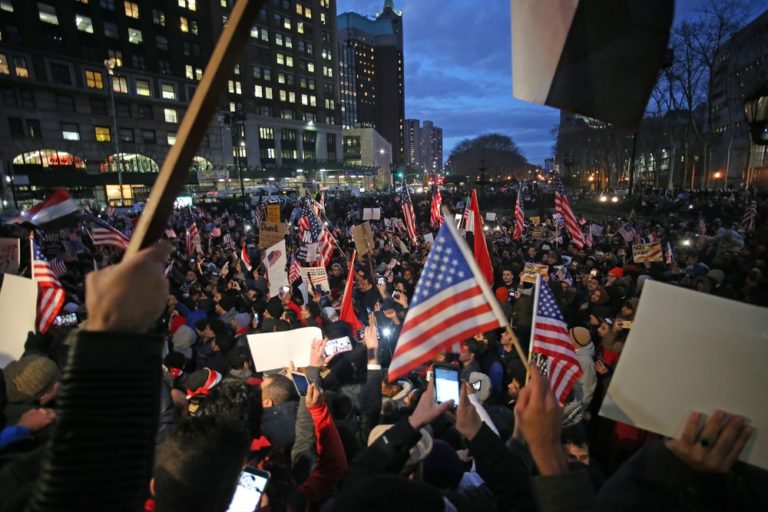
The recent protests against Trump’s policies started peacefully. People gathered to voice their opposition to immigration and deportation rules. But things took a dark turn when some protesters decided to riot. They broke windows, set fires, and clashed with police. This violence overshadowed the peaceful protest and shifted the focus away from the real issues.

The media started covering the riots instead of the message. Politicians used the violence to justify tougher laws. And the public, who might have supported the cause, began to see the protesters as criminals. This is why rioting is so dangerous. It doesn’t solve anything. It only makes the situation worse.


Rioters Misunderstand Revolution

Some rioters think they’re part of a revolution. They believe that by causing chaos, they’re bringing about change. But real revolutions are built on unity, sacrifice, and a clear vision of the future. Rioting is just mindless destruction. It doesn’t inspire people to join the cause. Instead, it scares them away.

Revolutionaries like Martin Luther King Jr. and Mahatma Gandhi achieved great things without violence. They used peaceful protests, speeches, and nonviolent resistance. They showed that change can happen through courage and determination, not through riots.


The Solution: Peaceful Protest

Peaceful protest is the most effective way to bring about change. When people gather calmly and respectfully, they show that they’re serious and dignified. They earn the respect of the public and the media. They also force the government to listen to their demands.

Peaceful protests have changed history. They ended segregation, gave women the right to vote, and stopped wars. They work because they unite people and focus attention on the real issues. Rioting, on the other hand, divides people and distracts from the cause.


Conclusion: Learn from Mistakes

The protesters who rioted against Trump’s policies made a mistake. They let their emotions control their actions, and now their cause is suffering. They should learn from this and focus on peaceful, respectful protests. Only then can they truly make a difference and bring about real change.

Peaceful protest is not just a right—it’s a responsibility. Use it wisely.

Army Pilot Denied Promotion After Vaccine Hesitation

0

Key Takeaways:

  • An Army pilot faced reprimand for hesitating over the COVID-19 vaccine.
  • Despite vaccination, the pilot is denied promotion and faces possible military separation.
  • The situation highlights tension between personal choice and military orders.

Army Pilot Denied Promotion Despite COVID Vaccine

Imagine working hard for a promotion, only to be denied it even after following the rules. That’s what’s happening to an Army pilot who hesitated over the COVID-19 vaccine. Here’s the full story.

A Soldier’s Dilemma: The Pilot’s Story

The Army pilot, whose name hasn’t been released, originally hesitated to get the COVID-19 vaccine. This was early in the vaccine rollout, a time of uncertainty for many. After some time, the pilot decided to get vaccinated, thinking it would resolve the issue. However, the hesitation led to a reprimand, a formal disciplinary action.

Why Is This Happening?

Now, despite being vaccinated, the pilot is facing consequences. The main issue seems to be the initial hesitation. The Army has strict rules, and disobeying orders, even briefly, can have serious effects. The pilot’s hesitation, even though temporary, went against military orders, leading to the reprimand.

What’s Next for the Pilot?

The situation is serious. The pilot was up for a promotion but was denied because of the reprimand. Without the promotion, the pilot might be separated from the military in September. This means the pilot could face discharge, affecting their career and future opportunities.

The Broader Implications

This case raises questions about discipline and personal choice in the military. While the pilot followed orders eventually, the initial hesitation had lasting impacts. It shows how important it is to follow orders without delay in the military, even when personal beliefs are involved.

Conclusion: A Tough Lesson

This story highlights the consequences of hesitation in the military. The pilot’s experience serves as a reminder of the importance of following orders promptly, even when it’s hard. It also sparks conversations about fairness and understanding in military decisions.

FAQs

  • Why did the pilot hesitate? The pilot, like many others, had concerns about the vaccine early on.
  • Can the pilot appeal? It’s unclear if the pilot can appeal the decision.
  • What happens next? The pilot may face separation in September without the promotion.

Final Thought

This story shows the challenges military members face, balancing personal beliefs with duty. It’s a tough situation that raises questions about fairness and understanding in the military.

Trump Faces GOP Pressure Over Iran Deal and Possible Attack

0

Key Takeaways:

  • A group of GOP hawks wants Trump to abandon Iran nuclear talks.
  • They urge him to support an Israeli attack on Iran.
  • Trump allies are fighting to keep diplomatic efforts alive.
  • The situation is causing tension within the administration.

A Growing Divide in GOP Over Iran Policy

A powerful group of Republican hawks is pushing President Trump to take a tough stance on Iran. They want him to stop pursuing a nuclear deal and instead back an Israeli attack on Tehran. This effort has sparked a heated debate within Trump’s circle, with some allies trying to keep diplomacy on track.

What’s Happening Behind the Scenes?

During a private lunch at the White House, conservative talk show host Mark Levin urged Trump to abandon the nuclear talks. Levin and others argue that Iran can’t be trusted and that a deal would only help Tehran build more weapons.

But not everyone agrees. Trump’s team is pushing back, saying diplomacy is the best way to prevent Iran from getting a nuclear bomb. They believe a deal could stabilize the Middle East and avoid another costly war.

Why Is This a Big Deal?

This lobbying effort shows a deep split in the GOP. Some Republicans want to take a hardline approach, while others think diplomacy is the way to go. The outcome could shape Trump’s foreign policy legacy and impact global security for years.

What’s Next?

As the debate rages on, Trump faces tough decisions. Will he stick with diplomacy or take a more aggressive approach? The pressure from both sides is intense, and the stakes are high. The coming weeks will be crucial in determining the path forward.

How Does This Affect the Rest of the World?

A U.S.-backed Israeli attack on Iran could lead to a regional war, driving up oil prices and creating more instability. On the other hand, a successful nuclear deal could ease tensions and limit Iran’s nuclear ambitions. The world is watching closely as Trump decides his next move.

A Delicate Balance

Trump’s advisors are working hard to keep diplomacy alive. They’re meeting with foreign leaders and negotiating behind the scenes. But the hawks aren’t giving up. They’re using every chance to push their agenda, even going public with their concerns.

The Bottom Line

The battle over Iran policy is far from over. Trump’s choice will have far-reaching consequences, both at home and abroad. As the pressure mounts, one thing is clear: the road ahead will be anything but smooth.

Breaking News: Tunnel Discovery Unveils Grim Secrets in Gaza

0

Key Takeaways:

• A tunnel beneath a Gaza hospital was found with five bodies, including a key figure.

• Israeli airstrikes caused the tunnel collapse on May 13.

• The tunnel was accessed nearly a month later.

• The discovery happened near the European Hospital in Khan Younis.

• Muhammad Sinwar’s body was identified on June 8.


A Hidden Tunnel and Its Dark Secret

The air was thick with the smell of decay. Deep beneath the ground, a narrow tunnel lay hidden. It was a place few knew existed. But on May 13, Israeli airstrikes changed everything. Rubble-blocked sections of the tunnel became a grim tomb for those trapped inside.

Weeks later, Israeli troops reached the entrance. It was located at the European Hospital in Khan Younis, a major city in southern Gaza. The hospital, a lifeline for many, held a secret. Beneath its emergency ward was a small underground room.

Inside this room, five bodies were found. The conditions were dire. Decay had taken its toll. But one body was identified. It belonged to Muhammad Sinwar, a name that carries weight in the region.


What Happened in the Tunnel?

The tunnel’s existence was no secret to some. It was part of a network used for various purposes. But its location beneath a hospital made it unique. The airstrikes on May 13 blocked parts of the tunnel. The rubble made it impossible to access for nearly a month.

When Israeli troops finally reached the entrance, the scene was grim. The smell of decay filled the air. Troops carefully made their way through the rubble. What they found was shocking.

In a small room beneath the hospital’s emergency ward, five bodies lay. The room was cramped, with little space to move. The conditions were brutal. Identification was difficult due to the state of the bodies.


Muhammad Sinwar: A Key Figure

One body stood out. On June 8, it was identified as Muhammad Sinwar. His identity sent shockwaves. Sinwar was no ordinary person. He was a prominent figure in Gaza. His presence in the tunnel raised questions.

Why was he there? What was he doing in the tunnel? These are questions that may never be fully answered. The discovery of his body added another layer to the story.

Sinwar’s death is a significant event. It highlights the human cost of conflict. His identity also raises questions about the tunnel’s purpose. Was it a hiding place? A route for movement? The answers may lie buried with him.


The Hospital’s Role

The European Hospital in Khan Younis is a vital facility. It serves thousands in southern Gaza. Its emergency ward is a lifeline for those injured in conflicts. But now, it’s at the center of a darker story.

The discovery of the tunnel beneath the hospital has sparked debate. Was the hospital aware of the tunnel’s existence? How did the tunnel go unnoticed for so long? These questions are yet to be answered.

The hospital’s role in the conflict is complex. It’s a place of healing, but also a potential target. The tunnel’s discovery adds another layer of complexity. It shows how deeply embedded the conflict is in everyday life.


The Bigger Picture

The discovery of the tunnel and the bodies is part of a larger story. It’s a story of conflict, loss, and survival. Gaza has seen decades of violence. Tunnels have become a part of life for many. They are used for protection, transport, and even attack.

The airstrikes on May 13 were part of a broader escalation. They caused widespread destruction. The tunnel’s collapse trapped those inside, leading to a grim outcome. The delay in accessing the tunnel highlights the challenges faced in such situations.

The identification of Muhammad Sinwar’s body adds urgency to the story. His prominence makes this more than just a tale of loss. It’s a story of how conflict impacts even the most influential figures.


Conclusion

The tunnel beneath the European Hospital in Khan Younis holds many secrets. The discovery of five bodies, including Muhammad Sinwar, reveals the harsh reality of life in Gaza. Conflict, loss, and resilience are intertwined in this story.

As the dust settles, questions remain unanswered. What was the tunnel’s purpose? How did the bodies go undiscovered for so long? The answers may never fully surface. But one thing is clear: this is a story of human tragedy amidst ongoing conflict.

The tunnel may be closed, but its legacy lives on. It reminds us of the complexities of war and the lives lost in the shadows of conflict.


This story is a small part of a much larger narrative. It’s a reminder of the human cost of conflict and the resilience of those caught in the crossfire. As the situation in Gaza continues to unfold, stories like this will shape our understanding of the region’s struggles and hopes.