Overview
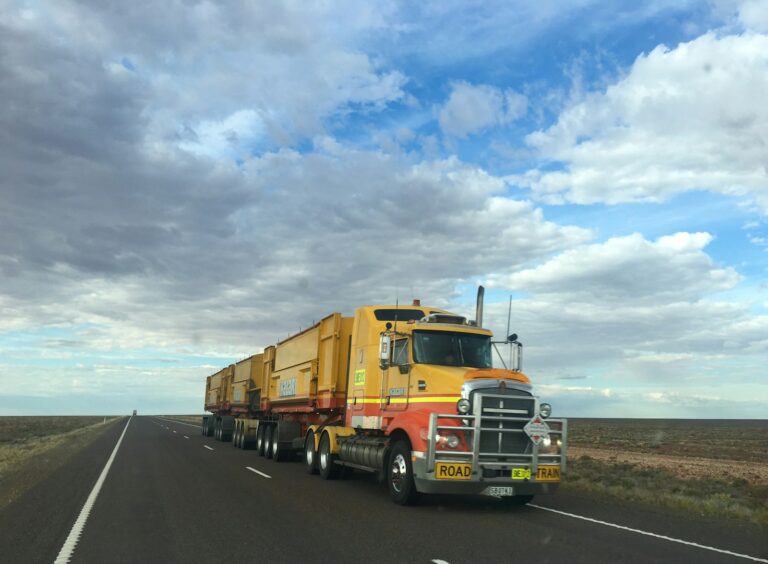
MTV is launching a new series that celebrates American road culture. The show will feature real truck driving scenes. This brings life and authenticity to the show. The makers want truck drivers to appear on camera. They look for truck drivers who own a box truck, semi, or sleeper. The talent must live in Atlanta. This opportunity can help truck drivers join the entertainment world.
About the Show
The series will focus on the spirit of the American road. The storyline stays a mystery for now. However, the show promises exciting scenes filled with real truck visuals. The production team wants to capture everyday road life. They mix drama with real scenes from the road. The show will have both scripted scenes and background shots. Real truck drivers will enrich these authentic scenes. Directors believe that genuine images build trust with viewers. As a result, the show will feel more real and engaging.
Casting and Production Team
Casting for the series is managed by a known industry group. They have a strong reputation for finding fresh talent. The casting team seeks trucks that have no visible logos or cars that can be covered. They keep the focus on the talent and the truck. Casting is happening in Atlanta. This city is now a hub for major film and TV projects. The team works closely with local talent. They aim to make the casting process fast and effective. The selection is based on clear photos and reliable information. Casting occurs in real time, so eligibility is decided quickly.
Filming Location in Atlanta
Atlanta is a top destination for film makers. The city offers many benefits to TV and film productions. Atlanta has modern filming studios and experienced crews. These factors help the team create a high-quality show. The city has a vibrant entertainment industry. Many famous shows have been filmed here. Atlanta also provides attractive filming incentives. As a result, directors and producers choose Atlanta regularly. This makes filming on location both exciting and efficient. The local community enjoys a boost from these projects.
Opportunity for Truck Drivers
Truck drivers who own a box truck, semi, or sleeper are the target for this casting call. They have a unique chance to take a television role. The responsibility is more than just driving on set. Truck drivers add realism to the scenes. Their real-life experiences help create quality television. The role is ideal for those who want portfolio exposure in entertainment. By joining the cast, drivers can explore a new career path. They can also experience the fun and energy of the set. The opportunity may open doors to repeat work. This is attractive for truck drivers seeking extra income.
How to Apply
Truck drivers should visit the official casting website now. They need to fill out an application. Applicants must upload clear photos of themselves and their truck. It is important to show that the truck is neat and ready for filming. If logos are visible, confirm that the vehicle can be covered on set. Accuracy in the application is key. One must include up-to-date contact details. Fast responses can increase the chance of being selected. Once chosen, drivers will receive further details. They will learn about the schedule and filming location. The process is straightforward and user-friendly.
Compensation Overview
Truck drivers earn 300 dollars per day. This payment covers up to eight hours of work. If the shooting day exceeds eight hours, overtime payment applies. Gas expenses are reimbursed for the days of filming. The project plans to offer repeat work if trucks match future roles. The rates are set to compensate truck drivers fairly. The payment structure reflects the value of authenticity and professionalism. Every detail is meant to help the set run smoothly. The payment plan also respects the skill and time of every driver.
What the Production Team Expects
The casting team has clear criteria for casting truck drivers. They need a truck that is ready and appealing. The truck should look clean and professional. Drivers are expected to be on time on set. Punctuality is very important in a busy production schedule. The casting team looks for responsiveness. Quick replies to emails and calls can boost your chances. They also admire flexibility. Many shooting schedules change unexpectedly, so being open helps. Additionally, the crew expects drivers to follow safety and set guidelines. This ensures a smooth work day for everyone involved.
Steps to Prepare for Your Audition
Before applying, get your truck cleaned and organized. It is vital to present your truck well. Take clear and recent photos of your vehicle. Make sure the truck is free of distracting logos. If logos exist, know that they must be covered. Next, gather your personal photo and contact details. Check that your application is complete before submission. Once the application is submitted, wait for a call from the team. They will contact you for scheduling details. It is best to have your calendar ready. This way, you can commit to the filming days. Preparation helps you stand out from many applicants.
What to Expect on the Set
If you are picked, you will work closely with the film crew. You will play a part in creating authentic TV scenes. You may be asked to drive your truck on set. The crew will direct you as needed. They will ensure that the scenes come out perfectly. The set follows a strict schedule and looks neat every day. In addition to being a visible presence, truck drivers add a natural feel. The production values your professional experience behind the wheel. You will interact with talented actors and crew members. This back-and-forth builds a fun set atmosphere.
Benefits of Being in a TV Series
Joining a TV series can boost your career. Truck drivers get a chance to be on TV. This brings excitement and a unique experience. Even if you are a background actor, you gain exposure. Working on the set can lead to more opportunities. You may get invited to other high-profile projects. The project pays well and credits your skill set. Through this experience, you also get to learn new production skills. The exposure might help you develop a future in entertainment. Many crew members look for reliable talent because of these benefits.
Stories from the Road
Many truck drivers have fascinating stories. They have road tales filled with adventure. The series will highlight these real-life experiences. These stories add depth and emotion to the TV series. Viewers enjoy authenticity and raw emotion. Your story on the road matters. Being on set lets you share a piece of your life. This can make your role unforgettable for many viewers. Your participation brings an element of the real world into television. Therefore, the series gains a grounded and heartfelt vibe.
Working with New Talent
The show will feature a mix of acting and real-life roles. Many fresh actors will join the production. You could work alongside them and learn new skills. The blend of talent creates a warm and exciting set. Even if you are just a background driver, you can observe and absorb high-level acting skills. This can boost your confidence. You might find inspiration and learn the tricks of the trade. The dynamic work environment can change your perspective on your job. It is a chance to network with creative professionals. These experiences add value to your career.
Staying Flexible and Professional
The production team values flexibility. The shooting schedule can shift unexpectedly. You must be ready for changes at any moment. Adaptability is a key quality for success on set. It shows that you can handle new challenges. Being professional and courteous makes you a favored choice for future projects. Always answer communication quickly. Your friendly and reliable attitude will be noticed. In TV, every minute counts, so prompt responses are essential.
Meeting the Casting Director’s Expectations
The casting director looks for talent with dedication. They search for professionalism and readiness. The truck drivers must be prepared to work long days. The team admires those who come prepared to shoot. They love it when talents follow set etiquette. Courtesy and attention to detail are highly valued. You must listen carefully to instructions. This practice helps prevent any mistakes. It also shows that you respect the production process. The casting director appreciates every person who brings true energy to the set.
Tech Tips for a Smooth Application
When you prepare your application, check your photos. They must be clear and bright. Use a good camera or phone. Make sure the background is neat. You can ask a friend for help if needed. Use natural light for the best shots. Also, check the details on your truck. Make sure all essential features look tidy. The application process needs clear information. Check that your phone number and email are current. Simple technical checks can make a big difference. These steps help the casting team review your application faster.
Commitment and Reliability on the Job
The production demands reliability. You need to show up early. This habit makes a great impression on the crew. Always check your schedules and be ready on set. This is important in every filming day. The project counts on your presence, so avoid any delays. Even if the day extends beyond eight hours, stay prepared. Overtime is compensated, so extra effort will be rewarded. They seek talents who are dependable and ready to perform. This builds trust among team members. It is a good habit to drive safely and follow directions. Being punctual means you respect your fellow cast members.
Earning While Enjoying the Ride
This TV opportunity helps you earn a steady income. The pay is 300 dollars daily for standard hours. Extra work is paid with overtime. Gas expenses are reimbursed, which eases your journey. You come to the set with your truck, adding to your daily earnings. For truck drivers looking to boost their income, this is a chance to shine. You earn while you work in an exciting new field. The series offers a unique blend of entertainment and practicality. It lets you keep doing what you do best. With each new day, you could be on TV. It is a rewarding and fun experience.
Building a Reputation in the Entertainment World
Stepping into the TV world may seem daunting at first. Many people try new roles in their careers. By taking this opportunity, you add a special credit to your resume. This credit shows that you have a unique skill set. It shows that you can bring authenticity to a TV series. Your work as a truck driver becomes part of a major production. It will open doors for more creative projects. The reputation you build stays with you for a long time. Future employers will see your versatility and readiness to join dynamic productions. This role may be your first step into a broader career.
Sharing Your Road Experience
Being in a TV series allows you to share what you love about road life. Your days on the highway become part of the narrative. You show viewers how real life unfolds on the road. Through your participation, the show builds a better connection with the audience. The scenes featuring your truck drive home the reality of life on the road. It is not just a role but a story shared with millions of viewers. Each driver has a story worth hearing. With a simple role, you add flavor to the show. This results in a richer and more authentic series.
A Bright Future on Television
The series is already filming, and casting happens every day. This means that you must act quickly if you are interested. The chance to become part of television is near and special. MTV is known for breakthrough series that raise careers. Joining this project gives you a chance to see your future on screen. Future opportunities might also be waiting on set. As the show grows, there could be more roles for talented drivers. The early days on show set may lead to lasting relationships in the industry. Enter this chance with an open mind and a ready attitude.
Communication and Set Etiquette
On set, communication plays a big role. You must listen to crew instructions at all times. A clear conversation helps avoid confusion. It is important to ask questions if something is unclear. Respect and courtesy toward the crew go a long way. Following set etiquette builds trust throughout the day. This means using friendly language and taking team direction well. Every person on set works together to create a great show. Your cooperation is essential for smooth filming. Reliable communication helps the production run without a hitch.
Networking and Learning Opportunities
Being part of a TV production lets you network with different professionals. You will meet directors, actors, and crew members. Networking is a small step toward learning how entertainment works. This network might help you land more roles. Building relationships on set is very useful. Your reliability and skill can prompt repeat work. Each day on set is a new chance to learn something fresh. The experience also builds your social and professional skills. Networking often leads to surprising and rewarding opportunities. Meeting new people can inspire your career in many ways.
Final Thoughts
This new MTV series offers a great chance for truck drivers. It combines real-life experience with the excitement of TV. If you own a box truck, semi, or sleeper, this is your time to shine. The pay and benefits are competitive and fair. You get to embrace a new adventure on set. The experience may open future opportunities in entertainment. The production values every detail you bring to set. With authentic truck visuals and a strong production crew, the show promises realism and heart. Your participation helps create a captivating narrative filled with true road life.
Each step in the process is simple. Prepare your truck, fill out the application, and respond quickly. With clear photos and good communication, you increase your chances to be selected. The new MTV series has begun filming in Atlanta. Don’t miss this opportunity to cross paths with a new TV sensation. If you are ready to join a series that mixes storytelling with real-life experience, apply immediately. The show is already capturing the spirit of the American road, and you can be a part of it.
Stay reliable, stay professional, and enjoy the journey. Your truck and your experience can make a big difference on screen. This opportunity is exciting and accessible, even if you are new to the TV world. Remember that every background actor matters in building quality television content. Every moment on set can lead to future success. Enjoy the creative energy of the set and use each day as a learning experience. This is real television that blends passion for the road and the art of production.
Take the chance to see your truck on prime time television and become part of a powerful narrative. The show welcomes those who bring their passion for driving and their unique story. It celebrates hard work and the everyday heroism of truck drivers. Now is the time to step into the spotlight. Apply quickly, and make sure your truck is camera-ready. The casting team is eager to work with you. Your next adventure might start with this exciting TV series. Embrace this moment and drive your way into the world of entertainment.
In conclusion, the new MTV series offers a unique chance for truck drivers in Atlanta. It is a blend of authenticity and high production quality. Every truck driver who joins adds value and realness to the series. The process is simple and fast. You get a competitive pay and extras like overtime and gas reimbursement. The production is ongoing, which makes acting promptly very important. This project turns everyday driving into a celebrated role on television. With fresh talent and a well-planned cast, the series is set to make a strong impression on viewers.
Apply now and become part of this amazing journey. This is your chance to show that life on the road has a vibrant story to tell. The combination of real truck driving and professional filming creates a memorable experience. Truck drivers will now have the opportunity to shape the scenes with their everyday expertise. Enjoy the ride and let your passion drive you on screen. By taking part, you contribute to a project that values authenticity, dedication, and real-life experience.
Step forward with confidence. Let your truck and your story do the talking. This is the road to a new career in entertainment. MTV welcomes your unique style and talent. Do not miss a chance to be seen in a groundbreaking series. Your presence on set adds depth and authenticity. This is the time to drive toward your dreams and join an exciting production. Apply today and start a new chapter that blends your daily work with a creative television experience.Check the full story on https://projectcasting.com/blog/casting-calls-acting-auditions/mtv-series-now-casting-truck-drivers-in-atlanta