61 F
San Francisco
Saturday, May 9, 2026
Home Blog Page 889

Mayor Bowser and NFL Leaders Used as Props in Trump’s Latest Stunt

0

Key Takeaways:

  • Mayor Muriel Bowser appeared at a White House event with Trump, NFL Commissioner Roger Goodell, and team owner Josh Harris.
  • They were present during the announcement of the NFL draft location in 2027.
  • Columnist Candace Buckner criticized them for being silent while Trump made misleading statements.
  • Buckner argued their presence implied support for Trump’s controversial remarks.
  • The event turned into a platform for Trump despite its intended purpose of celebration.

Introduction:

Washington D.C. Mayor Muriel Bowser recently stood beside President Trump, NFL Commissioner Roger Goodell, and Washington Commanders owner Josh Harris during an event at the White House. The occasion was meant to celebrate the announcement of the NFL draft location on the National Mall in 2027. However, the event took an unexpected turn when Trump used the platform to spread false information about immigrants. Columnist Candace Buckner expressed embarrassment for Bowser, noting that all three figures became unwitting props in Trump’s narrative.


The Event Announcing the NFL Draft:

The event was intended to highlight a significant moment for the nation’s capital and football fans. The NFL draft, a major event in American sports, was set to take place in Washington D.C. in 2027. The announcement brought together key figures from the world of sports and politics, aiming to promote unity and excitement. However, the atmosphere shifted as Trump began discussing immigrants in a negative light, making false claims about them being involved in crime.


Used as Props for Political Gain:

Columnist Candace Buckner criticized Bowser, Goodell, and Harris for their silence during Trump’s controversial remarks. By standing behind the President, they appeared to support his statements, even when they were misleading. This silence was seen as a passive endorsement of Trump’s views, despite their personal beliefs. For instance, Goodell laughed at a joke about an AI image of Trump as the pope, while Bowser stood awkwardly, showing discomfort but not speaking out.


The Columnist’s Criticism:

Buckner’s column highlighted the implications of their actions. She argued that their presence and silence gave Trump’s words unintended credibility. The event, meant to celebrate sports and the capital, instead became a platform for Trump’s political agenda. Goodell and Harris were seen as actively engaging with Trump, which further legitimized his narrative. Meanwhile, Bowser’s silent discomfort was not enough to challenge Trump’s remarks, leaving her and others open to criticism for not standing up against misinformation.


Conclusion:

The event showcased how political figures can be drawn into controversial situations. While the intention was to celebrate, the outcome highlighted the challenges of public figures navigating political landscapes. The columnist’s critique serves as a reminder of the importance of speaking out against false information, even in uncomfortable situations. The episode reflects the complexities of public figures in balancing their roles and the expectations of their positions.
Ford’s Profits Plummet 65% as Tariffs Take a Toll

0
  • Ford’s first-quarter profits dropped by 65% to $471 million due to new vehicle launches and tariff impacts.
  • The company withdrew its full-year forecast due to uncertainty over tariffs.
  • Ford estimates tariffs will cut its adjusted operating earnings by $1.5 billion this year.
  • The automaker is adjusting its supply chain to reduce tariff-related losses.
  • Ford’s electric vehicle division saw smaller losses, but profits fell in other areas.
  • The company is suspending its guidance due to risks like supply chain disruptions and policy changes.

Ford is feeling the heat as tariffs and new vehicle launches take a big bite out of its profits. The company reported a sharp 65% drop in first-quarter earnings, down to $471 million. While this still beat what analysts expected, it’s clear the auto giant is facing some serious challenges.

Tariffs: The Big Problem

Tariffs, or taxes on imported goods, are a major issue for Ford. President Trump’s recent tariff actions have added $1.5 billion in unexpected costs for the year. Ford says these tariffs are hitting its business hard, especially on imported vehicles, steel, aluminum, and parts.

But Ford isn’t sitting still. The company has made some smart moves to limit the damage. For example, it’s changing how it ships vehicles from Mexico to Canada to avoid triggering U.S. tariffs. It’s also avoiding tariffs on parts that just pass through the U.S. without being used here. These steps have saved Ford $1 billion in tariff-related costs, but the total hit is still a whopping $2.5 billion.

New Vehicle Launches Slow Sales

Another reason for the profit drop is Ford’s new vehicle launches. The company is rolling out updated versions of the Ford Expedition and Lincoln Navigator, which takes time and slows down production. This led to a 7% drop in wholesale units sold compared to last year.

Despite this, Ford says its underlying business is strong. Without the tariff mess, the company would have been on track to meet its earlier profit forecast of $7 to $8.5 billion for the year.

Electric Vehicles Show Promise

While profits fell in some areas, Ford’s electric vehicle division saw smaller losses. This is a positive sign as the company invests heavily in electrification. However, divisions like Ford Pro, which focuses on business sales, and Ford Blue, which handles traditional gas-powered cars, saw profits decline.

Uncertainty Ahead

Ford is pulling its full-year forecast because of too many unknowns. Tariffs, supply chain disruptions, and potential policy changes in Washington are all adding to the uncertainty. The company is also keeping an eye on China’s restrictions on rare earth minerals, which are critical for manufacturing.

What’s Next?

Ford’s CEO, Jim Farley, says the company will stay aggressive in pursuing customers. For example, it’s extending a promotion that offers employee pricing on some models, which boosted sales in April. But executives warn that prices may rise later in 2025 as tariffs continue to ripple through the economy.

For now, Ford is in a wait-and-see mode. The hope is that the White House will ease tariffs on finished vehicles, but so far, no relief is in sight. Meanwhile, Ford is working hard to adapt and keep its business strong despite the challenges.

Only time will tell how Ford weathers this storm, but one thing is clear: tariffs and new vehicle launches are making life tough for the auto giant right now.

Trump’s Crypto Controversy: How the Former President Is Cashing In on Meme Coins

0

Key Takeaways:

  • Trump’s Crypto Play:
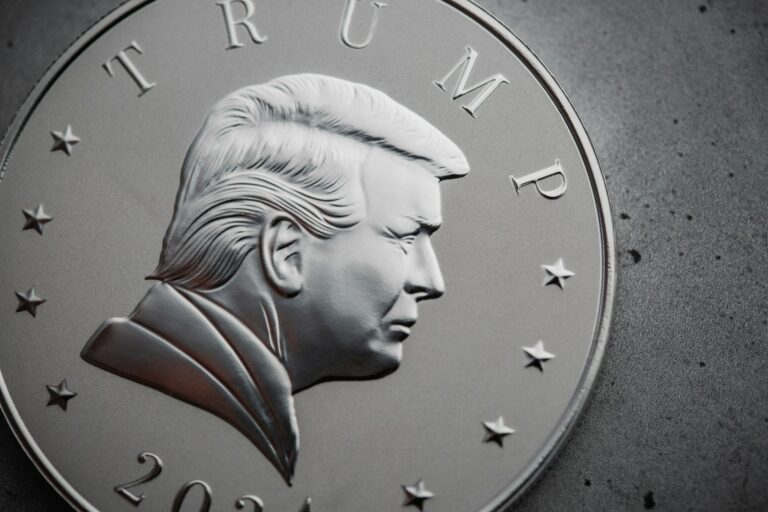
  • Donald Trump has launched his own cryptocurrency, $TRUMP, a meme coin with no inherent value but massive profit potential.
  • Raking in Millions:
  • Trump made over $100 million in trading fees from the coin. Buyers remain anonymous, raising concerns about foreign influence.
  • Exclusive Perks:
  • Top coin holders get perks like a White House tour and a private dinner with Trump. The coin’s value jumped 50% after the announcement.
  • Legal Pushback:
  • Senator Chris Murphy introduced The MEME Act to stop politicians from exploiting digital assets for personal gain.

What’s Going On? President Donald Trump recently jumped into the cryptocurrency market with a meme coin called $TRUMP. This move has raised eyebrows because it seems like a recipe for trouble. Ethics experts warned this could lead to big problems, and it looks like those fears are coming true.

*Trump’s Meme Coin: A Timeline On January 17th, three days before his inauguration, Trump launched $TRUMP. The coin started off worth just a few cents but quickly exploded in value after its limited release. At one point, it boosted Trump’s net worth above $50 billion.

Here’s how it works: Every time someone trades $TRUMP, Trump earns money from trading fees. So far, he and his family have made over $100 million from these fees. The catch? We don’t know who’s buying the coin. This secrecy leaves the door open for wealthy individuals, Russian oligarchs, or Saudi princes to buy the coin and directly pay Trump, possibly to gain political favor.

It gets worse. Last month, Trump’s team announced that the top 220 holders of $TRUMP would get an exclusive dinner with the president. The top 25 would even get a “Special VIP Tour” of the White House. After this announcement, the coin’s price jumped over 50%, and its market value hit $2.7 billion. In just two days, Trump and his allies made nearly $900,000 in trading fees alone.

A Blatant Abuse of Power? This isn’t just about making money. It’s about using Trump’s position as president to enrich himself and his family. Critics say this is a clear misuse of power for personal gain. Senator Chris Murphy is now pushing for a new law called The MEME Act to put a stop to this kind of exploitation.

The MEME Act would crack down on politicians using digital assets like meme coins for personal profit. It’s a direct response to Trump’s actions and aims to prevent future presidents from doing the same.

What’s Next? Trump’s foray into the crypto world has sparked outrage and concern. While his supporters see it as a clever way to make money, critics warn it’s a dangerous mixing of politics and personal gain. Whether the MEME Act will pass and how it will impact Trump’s dealings remains to be seen.

Meanwhile, the $TRUMP coin continues to trade, making Trump richer with every sale. The bigger question is: Will this kind of exploitation ever be fully stopped?

Markets Tumble Amid Trade and Oil Woes

0

The global market saw significant shifts recently, driven by political and economic decisions. Here’s a quick rundown of the key events:

  • US Film Stocks Drop: Shares in major film studios fell after President Trump threatened 100% tariffs on foreign-made films.
  • Oil Prices Plummet: OPEC+ announced an increase in oil production, causing prices to drop below $60 a barrel.
  • Global Markets See Mixed Results: While some regions saw gains, others declined, with many markets closed for holidays.
  • Buffett’s Retirement Shakes Markets: Berkshire Hathaway shares dipped following Warren Buffett’s retirement announcement.

Film Industry Faces Tariff Threat

President Trump’s threat of 100% tariffs on foreign-made films sent shockwaves through Hollywood. Studios like Lionsgate and Netflix, which rely on international productions, saw their shares drop. Netflix, known for popular global content, was down by 2%, while Lionsgate fell over 5%. This move could significantly impact the industry, making it harder for studios to produce films abroad.

Oil Prices Plummet on OPEC Decision

Oil prices tumbled after OPEC+ announced a production hike, despite concerns about oversupply. Brent crude dipped below $60, its lowest since 2020. Analysts are puzzled by this move, speculating it could be to punish non-compliant members, affect Russian finances, or gain market share. The global economy’s slowdown, fueled by trade tensions, adds to the uncertainty.

Stocks See Volatile Trading

Wall Street had a mixed day, with the Dow rising slightly but the S&P 500 dropping, ending a nine-day winning streak. Previous gains were driven by strong jobs data and optimism on US-China trade talks. However, the recent tariff threats and oil price drops have introduced new volatility.

Buffett’s Retirement Shakes Markets

Warren Buffett’s retirement from Berkshire Hathaway sent shares down by 5%. Buffett, a legendary investor, built the firm into a trillion-dollar conglomerate. His departure raises questions about the company’s future direction and leadership.

Global Markets Await Central Bank Decisions

Investors are bracing for central bank decisions on interest rates. The US Federal Reserve and Bank of England are set to meet, with expectations of steady rates. The dollar weakened against other major currencies as markets remained cautious.

Theories Behind OPEC’s Move

Analysts are theorizing about OPEC+’s motivations. Some believe it’s to punish members who didn’t cut production, while others think it’s to Influence global politics or gain market share. The exact reason remains unclear, adding to market uncertainty.

Conclusion

The global economy is at a crossroads, with markets reacting to political and economic shifts. As central banks decide on rates and trade tensions linger, the road ahead is filled with challenges. Stay tuned for more updates as these stories unfold.

Trump’s Foreign Film Tariffs: A White House Flip-Flop

0

Key Takeaways:

  • President Trump announced tariffs on foreign-made movies entering the U.S.
  • The White House later clarified no final decisions have been made.
  • The tariffs aim to address competition but raise implementation questions.

The President’s Plan On Sunday, President Trump revealed a plan to impose 100% tariffs on foreign films. He stated that other countries lure filmmakers with incentives, harming U.S. industries. Trump called this a national security threat, emphasizing the need to protect domestic film production.

Backtracking the Next Day However, on Monday, the White House toned down Trump’s announcement. A spokesperson said no final decisions on tariffs have been made, adding confusion. This backtrack left many unsure about the policy’s future.

Confusion and Questions Details about the tariffs remain unclear. It’s uncertain if they apply to streaming services or theaters, and how they’ll be calculated. Studios represented by the Motion Picture Association haven’t commented, adding to the ambiguity.

What’s Next? The situation is uncertain, with the White House possibly reassessing the tariffs. The film industry waits anxiously for clarity. Meanwhile, the tariffs’ impact on streaming and cinema remains a big question. As confusion lingers, the future of foreign films in the U.S. hangs in the balance.

Conclusion Trump’s tariff announcement followed by a backtrack has sparked confusion. With no clear path, the film industry faces uncertainty. The White House’s next moves will determine the tariffs’ fate, affecting how we watch movies. Stay tuned for more updates on this evolving story.

Greene Warns Republicans: Keep Promises or Lose Midterms

0

Key Takeaways:

  • Rep. Marjorie Taylor Greene warns Republicans may lose the 2026 midterms if they don’t fulfill campaign promises.
  • She emphasizes issues like COVID vaccine schedules, tax policies, and executive orders as critical.
  • Greene believes focusing solely on preventing Trump’s impeachment isn’t enough for a winning strategy.

Introduction: In a recent interview with Steve Bannon, Rep. Marjorie Taylor Greene expressed concerns about the Republican party’s strategy for the 2026 midterms. She stressed the importance of keeping campaign promises made by former President Donald Trump to maintain voter support. Greene argued that neglecting key issues could lead to losing control of the House.

Critical Issues at Stake:

COVID Vaccine Concerns: Greene highlighted the importance of listening to parents upset about COVID vaccines being added to childhood schedules. She believes ignoring this issue could alienate a significant portion of their base, potentially leading to election losses.

Taxes and Social Security: Another crucial issue is tax policies. Greene pointed out that voters expect Republicans to deliver on no new taxes on tips, overtime, and Social Security. Failing to act on these promises could lead to dissatisfaction and low voter turnout.

Executive Orders: She also emphasized the need to continue supporting Trump’s executive orders, which she believes are widely popular. Ignoring these could disengage supporters who expect immediate and tangible results.

Election Strategy:

Greene warned that the impeachment of Trump should not be the sole focus. She argued that voters have already seen this play out and may not be swayed by it in 2026. Instead, the party needs a deeper strategy that addresses everyday concerns.

Conclusion: Greene’s message is clear: deliver on promises or risk losing power. She urges Republicans to focus on the issues that matter most to their base. If they fail, the consequences could be significant. This strategy isn’t just about politics; it’s about earning the trust of the people.

Trump’s Second Term Sparks Democratic Pushback as Authoritarian Fears Rise

0

Key Takeaways:

  • Trump’s second term sees a shift towards authoritarianism without previous guardrails.
  • Democratic response gains momentum, despite a slow start.
  • Key Democrats like JB Pritzker and Alexandria Ocasio-Cortez lead the resistance.
  • Public demonstrations are crucial for preserving democracy.
  • The future hinges on ongoing public efforts against authoritarian trends.

Trump’s Second Term: A Shift Towards Authoritarianism

Donald Trump’s second term has marked a significant shift towards authoritarianism, with the previous guardrails that once restrained his actions now absent. Analysts note that Trump’s behavior has become more unchecked, leading to concerns about a drift towards a more authoritarian governance style.

The absence of these guardrails has allowed Trump to embrace what some describe as a more imperialist and nationalist approach, leading to fears of a kleptocratic oligarchy resembling Putin’s Russia. This shift has raised alarms among Democrats and democracy advocates.

Democrats Slow to Respond, But Gaining Momentum

Despite a sluggish start, the Democratic resistance is finding its footing. Early hesitancy has given way to more assertive actions, with prominent figures stepping up to challenge Trump’s agenda.

Key Democrats like Illinois Governor JB Pritzker, Senator Cory Booker, and Representative Alexandria Ocasio-Cortez are leading the charge. Their efforts highlight the urgency of countering Trump’s moves, emphasizing the need for a united front against authoritarian tendencies.

The Road Ahead: Public Action Crucial

While elected officials play a vital role, the preservation of democracy may heavily depend on public involvement. Analysts stress that occasional protests are insufficient; sustained, ongoing efforts are necessary to counter the authoritarian spiral.

The future of democracy, they argue, lies in the hands of millions of Americans willing to voice their dissent and demand accountability. This collective action is seen as essential to restoring checks on power and safeguarding democratic norms.

Conclusion: Hope and Action

Despite the daunting challenges, there is hope. The emergence of strong Democratic leadership and the growing public movement signal a resilient opposition. The path ahead requires both political resolve and sustained public engagement.

As the nation navigates this critical juncture, the message is clear: democracy’s survival depends on active citizen involvement and unwavering commitment to its principles. The coming months will be pivotal in shaping America’s future.

Trump Responds to AI-Generated Pope Meme: ‘It’s Just a Joke!’

Key Takeaways:

  • Trump dismisses criticism over an AI-generated meme of himself as the Pope.
  • He claims the meme was just a joke and the media is overreacting.
  • Trump jokes about not being married to Melania if he were Pope.

Introduction: In a recent White House event, former President Donald Trump found himself at the center of attention due to an unconventional meme. The AI-generated image depicted Trump dressed as the Pope, sparking a wave of reactions across various platforms. Critics questioned whether such content diminishes the gravity of official communications from the White House.

What Happened: During a press conference, Trump was questioned about the meme, which was shared on the White House’s official account. The image, created using AI technology, showed Trump in Pope attire, generating both amusement and criticism. This led to a discussion on whether such casual content affects the seriousness of official communications.

Trump’s Response: When asked about the meme, Trump defended it as a harmless joke. He suggested that the criticism stemmed from the media rather than the Catholic community, emphasizing that the public enjoyed it. Trump humorously added that being Pope would mean he couldn’t be married to Melania, highlighting the personal aspects of such a role.

Media and Public Reaction: The meme sparked varied reactions. While some found it amusing and a reflection of modern political communication, others criticized it for being inappropriate. The debate highlighted the fine line between humor and professionalism in official channels.

Broader Implications: The incident underscores the growing role of AI in political communication, raising questions about the balance between engagement and decorum. It reflects how leaders use humor and relatability to connect with the public, yet risks overshadowing serious issues.

Conclusion: The meme of Trump as Pope serves as a reminder of the evolving landscape of political communication, where humor and technology intersect. While it may not have diminished the White House’s credibility for many, it does ignite a conversation about the role of such content in shaping public perception.

White House Press Room Welcomes Influencers, Sparks Controversy

0

Key Takeaways:

  • The White House press room now includes new media personalities with controversial backgrounds.
  • These individuals are known for posing softball questions and spreading conspiracy theories.
  • Critics argue their presence undermines journalistic integrity and promotes propaganda.

Introduction: The White House press room, traditionally a hub for hard-hitting journalism, has seen a shift with the entry of new media personalities. These individuals, known for controversial practices, are raising eyebrows. A recent report highlights concerns over their influence and the nature of their questions, suggesting a potential shift in how news isreported from the White House.

Tim Pool: A Far-Right Influencer with Russian Ties Tim Pool, a well-known podcast host, recently joined the press room. His background includes promoting Russian interests, having received significant funding for content supporting Moscow’s agenda. During a briefing, Pool criticized other media outlets, prompting Press Secretary Karoline Leavitt to state that all viewpoints are welcome. Critics view this as a soft approach to media scrutiny.

Dominick McGee: Spreading Conspiracy Theories Dominick McGee, or Dom Lucre, another pro-Trump influencer, has also gained access. Known for promoting conspiracy theories, including the stolen election narrative, McGee used his platform to suggest investigating former leaders like Obama and Clinton. Leavitt found his question refreshing, furthering concerns about the administration’s stance on such issues.

Link Lauren: Softball Questions and Celebrity Culture Link Lauren, a TikTok creator, brought a lighthearted question about balancing work and family. While Leavitt declined to offer advice, the moment showcased a shift towards softer, celebrity-focused inquiries. This has led to discussions about the trivialization of press briefings.

Implications for Journalism and Democracy The inclusion of these personalities raises questions about the future of White House press briefings. Critics worry about the erosion of journalistic standards and the spread of misinformation. The administration’s stance on welcoming diverse viewpoints, while inclusive, has sparked debates on the balance between media access and credibility.

Conclusion: The White House press room’s evolution reflects broader changes in media consumption. While diverse voices can enrich discussions, maintaining journalistic integrity remains crucial. The challenge lies in ensuring that press briefings serve the public interest without compromising their informative role. As new personalities continue to emerge, their impact on the media landscape will be closely watched.

Judge Blocks Trump’s Retaliation Against Law Firms

0

Key Takeaways:

  • Judge Beryl Howell stops Trump from retaliating against law firm Perkins Coie.
  • Trump limited access to government buildings and canceled contracts.
  • Judge used Trump’s own words as evidence.
  • Perkins Coie is one of six firms targeted over politics or probes.
  • Trump’s deals and boasts were key in the judge’s decision.

Judge’s Decision: A Closer Look

A U.S. judge has stepped in to stop former President Donald Trump from taking revenge on a law firm. Judge Beryl Howell issued a permanent order to prevent Trump from retaliating against Perkins Coie. This move came after Trump tried to restrict access to government buildings, revoke security clearances, and end contracts with the firm.

Why Perkins Coie?

Perkins Coie was one of six law firms targeted by Trump. These firms either represented his political rivals or were involved in investigations during his presidency. The judge found that Trump’s actions were meant to punish these firms for opposing him politically.

How Did the Judge Decide?

Judge Howell did something unusual by using Trump’s own words against him. She referenced his boasts about deals with other law firms. For instance, at an event, Trump mentioned that firms were paying him millions despite doing nothing wrong. He also noted that these payments were significant, expecting to reach almost a billion dollars.

What About Trump’s Advisor?

Stephen Miller, Trump’s advisor, mentioned that they were close to a billion dollars from these deals. This indicated that Trump was targeting firms that didn’t agree to his terms, showing clear signs of revenge.

The Bigger Picture

This ruling is significant as it stops Trump from using government power against his opponents. It highlights the importance of fairness and justice, even for those in power.

In conclusion, Judge Howell’s decision emphasizes that no one is above the law. Her use of Trump’s own words shows that actions have consequences, especially when they involve government power and personal vendettas.