61 F
San Francisco
Saturday, May 9, 2026
Home Blog Page 891

Trump’s Tariffs Spark Layoffs and Economic Crisis

0

Key Takeaways:

  • UPS lays off 20,000 workers, closes 73 sites due to reduced Amazon orders caused by tariffs.
  • Trump’s tariffs lead to economic downturn, with him blaming Biden despite strong prior economic performance.
  • China cancels U.S. orders, putting farmers in crisis.
  • Trump defies Supreme Court on Garcia case, instructs media to shift blame.

UPS and Amazon Hit Hard

UPS is cutting 20,000 jobs and closing 73 buildings due to lower shipping volumes from Amazon, triggered by Trump’s tariffs. Amazon once considered revealing the added costs of these tariffs to consumers, but Trump’s intervention stopped them. Jeff Bezos assured Trump that Amazon would not disclose these costs, avoiding a potential clash.


Economic Numbers Show Crisis

The economy under Trump is struggling. The GDP fell by 0.3% in the first quarter, contrasting sharply with Biden’s 2.4% growth in his last quarter. Wall Street highlights the worst stock market start in decades, yet Trump insists it’s Biden’s fault. However, data from the Commerce Department indicate otherwise, showing Biden’s strong economic legacy.


Blaming Biden

Trump claims to be fixing Biden’s economic mess, but reality differs. Under Biden, the economy added 16 million jobs, unemployment hit a 54-year low, and wages rose. Biden’s leadership steered the U.S. to a robust recovery, earning global envy.


Teaching Media to Lie

Trump instructs right-wing media to attribute future economic downturns to Biden. In a recent interview, Trump falsely claimed a photoshopped image was real, attacking the media’s credibility when challenged.


Farmers in Crisis

China halted imports of U.S. goods, pushing American farmers into crisis. Trump remains optimistic, claiming he can convince the public of the tariffs’ benefits, despite growing skepticism.


Conclusion

Trump’s policies are worsening the economy, with layoffs and trade issues mounting. His strategy of deception and blame-shifting, aided by media allies, may deepen the crisis. The economy’s health under Trump’s leadership remains a pressing concern.
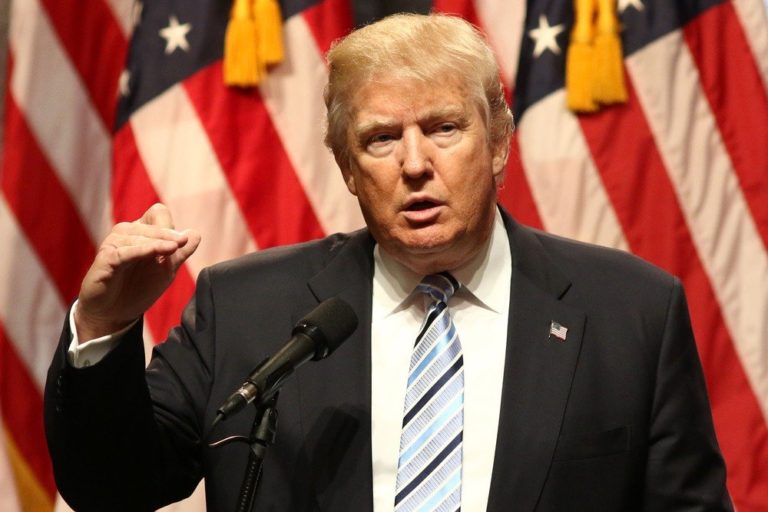
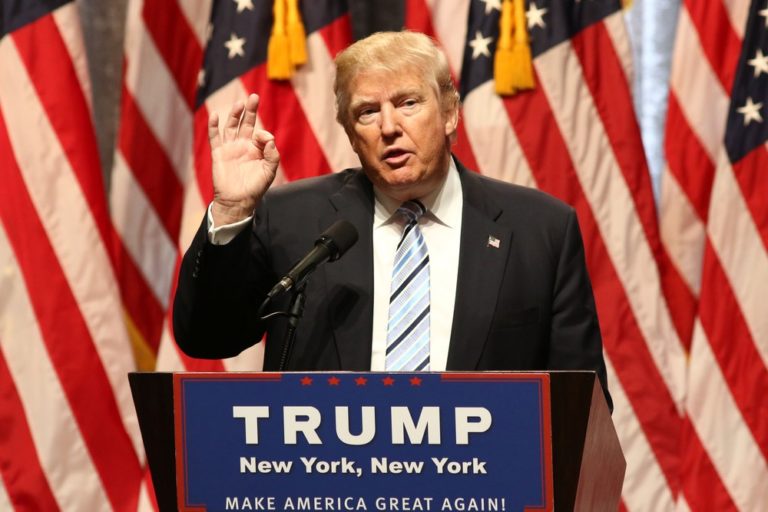
Trump’s Impact: How His Unpopularity Is Sinking Conservatives Worldwide

0

Key Takeaways:

  • Donald Trump’s unpopularity is costing conservatives elections globally.
  • Left-leaning parties won major victories in Canada and Australia.
  • Trump’s trade wars and policies are blamed for rising costs of living.
  • Global voters are rejecting far-right politics, shifting toward centrist or left-wing leaders.
  • This trend could spell trouble for Republicans in upcoming U.S. elections.

Donald Trump’s influence isn’t just felt in the United States. His unpopularity is now affecting elections thousands of miles away, leaving conservatives in countries like Canada and Australia stunned and defeated.

Recent elections in both nations saw liberal parties pull off shocking victories, defying expectations. In Canada, the Liberal Party, led by Mark Carney, won a landslide victory despite trailing in polls just months before. Meanwhile, in Australia, Anthony Albanese’s Labor Party secured a massive win over conservatives.

So, what’s behind these surprising outcomes? Many point to Donald Trump as the unlikely culprit.


How Trump’s Actions Hurt Conservatives Abroad

Trump’s recent actions, like his clash with Ukrainian leader Volodymyr Zelenskyy and his “Liberation Day” tariffs, caused waves internationally. These moves didn’t just make headlines—they also impacted global markets and worsened the cost of living for people around the world.

In Canada and Australia, voters prioritized economic issues over cultural debates. Conservatives in these countries paid the price as Trump’s policies exacerbated inflation and trade tensions.

The numbers tell the story. In Canada, conservative leader Pierre Poilievre was ahead by 25 percentage points in late 2024. Yet, he lost the election and even his own seat. Similarly, in Australia, Albanese’s Labor Party surged in polls after Trump’s policies made headlines, overturning expectations of a close race.

For voters, the message was clear: if conservatives couldn’t deliver economic stability, they didn’t deserve power.


A Global Shift Away from Far-Right Politics

Less than a year ago, far-right movements were gaining momentum worldwide. From Europe to South America, conservative leaders were winning elections by focusing on controversial cultural issues.

But Trump has changed the game. His policies, particularly his trade wars, have driven up costs for everyday people. As a result, voters are turning away from far-right politics and embracing centrist or left-wing leaders who promise economic relief.

The trend is spreading fast. If Trump’s actions are driving conservative losses abroad, what does this mean for Republicans in the U.S.?


What’s Next for Republicans in the U.S.?

The lessons from Canada and Australia are clear: voters care most about their wallets. If Trump’s policies are causing economic pain globally, the backlash could hit Republicans hard in the next U.S. elections.

In the U.S., conservatives are already facing challenges. Inflation remains a top concern, and Trump’s divisive rhetoric isn’t helping. If voters blame Republicans for economic struggles, the party could suffer losses similar to those seen in Canada and Australia.

The stakes are high. As the 2024 elections approach, Republicans must distance themselves from Trump’s policies if they hope to win. But with Trump still influential in the party, it’s unclear if they can shift direction in time.


The Rise of a Liberal Wave?

For now, the momentum is on the left. Liberal and centrist parties are capitalizing on Trump’s unpopularity, winning elections they were once expected to lose.

This trend could grow into a global movement, with voters rejecting far-right leaders in favor of those who focus on economic solutions. If this continues, the world may witness a liberal wave sweeping across nations in the coming years.

One thing is certain: Donald Trump’s impact on global politics is undeniable. As voters weigh their options, the question remains—will Republicans in the U.S. be next to feel the fallout?

NBC Cuts Trump Interview Segment, Fueling Mental Health Speculation

0

Key Takeaways:

  • NBC’s Meet The Press aired a portion of an interview with Donald Trump but cut a segment that raised concerns about his mental state.
  • The cut segment showed Trump discussing the economy, the 2020 election, and his ongoing claims of election fraud.
  • Viewers are left wondering why NBC chose to omit this part of the interview.

What Happened During the Interview?

In a recent interview with Meet The Press, former President Donald Trump discussed his views on the economy and the 2020 election. While the broadcast version of the interview focused on topics like a potential recession, NBC left out a key section that has sparked curiosity and debate.

During the unaired part of the interview, Trump spoke at length about his four years in office, highlighting the stock market’s performance despite the challenges of the COVID-19 pandemic. He claimed that when he left office, the market was higher than before the pandemic began. Trump also reiterated his unsubstantiated claims that the 2020 election was rigged, stating, “The facts are in. And it’s still being litigated.”

When Kristen Welker, the interviewer, tried to steer the conversation toward the present, Trump persisted in discussing the 2020 election. He seemed unwilling to move past the topic, even as Welker attempted to shift the focus to current economic concerns.

What Was Cut From the Broadcast?

The segment that didn’t air included a tense exchange where Trump dismissed Welker’s questions about the economy. Instead, he focused on his claims of election fraud, repeating that the election was “rigged” and that the courts were still involved. Welker pointed out that Trump’s legal challenges had not succeeded, but he responded by claiming he had won “a lot of court cases.”

The unaired portion ended with Welker finally pressing Trump about the possibility of a recession. This abrupt shift in the conversation made it seem like Trump struggled to stay on topic.

Why Was This Segment Cut?

NBC has not officially explained why this part of the interview was omitted. However, speculation abounds. Some believe the network chose to avoid airing Trump’s repetitive and unproven claims about the 2020 election, as they have been widely debunked. Others suggest that the segment may have been cut for time or to focus on more pressing issues, such as the economy.

But the decision to leave out this portion has raised questions about whether NBC was trying to shield Trump from further scrutiny. Critics argue that airing the full interview would have provided viewers with a clearer picture of Trump’s current mindset and behavior.

The Bigger Picture

This incident comes at a time when questions about Trump’s mental and emotional state are becoming more frequent. Critics and even some allies have raised concerns about his ability to lead, citing his erratic behavior and repetitive statements.

By cutting this segment, NBC may have inadvertently fueled more speculation. Viewers are now wondering what else was left out of the interview and why those particular moments were chosen for omission.

What’s Next?

As the debate over Trump’s mental state continues, this incident serves as a reminder of the challenges media outlets face in covering high-profile figures. Balancing fairness, accuracy, and audience interest is no easy task, especially when dealing with polarizing figures like Trump.

For now, the mystery of why NBC cut this segment remains unsolved. But one thing is clear: the conversation about Trump’s behavior and fitness for office is far from over.

Trump Fires Advisor Over Iran Stance: Here’s Why

0

Key Takeaways:

  • President Trump fired his national security adviser, Mike Waltz.
  • Waltz pushed for a tough approach on Iran.
  • Waltz worked closely with Israel’s Prime Minister Netanyahu.
  • Trump grew frustrated with Waltz’s hawkish ideas.
  • The firing highlights tensions over Iran’s nuclear program.

Trump Drops Hawkish Adviser Over Iran Policy Rift

President Trump recently fired his national security adviser, Mike Waltz, due to disagreements over how to handle Iran. Reports suggest Waltz’s aggressive stance on Iran and his close coordination with Israeli Prime Minister Benjamin Netanyahu annoyed Trump.

Why Trump Fired Waltz

Trump’s frustration with Waltz had been building up for some time. Waltz was a strong advocate for taking military action against Iran’s nuclear program. He also worked closely with Netanyahu, who shares his tough approach on Iran.

Trump Didn’t Like Waltz’s Hawkish Ideas

Waltz’s aggressive strategy towards Iran didn’t sit well with Trump. The president reportedly felt Waltz was pushing him into a corner, making it harder to negotiate with Tehran. Trump prefers a more flexible approach to dealing with Iran, even though he’s been critical of the nuclear deal.

The Fallout of Waltz’s Dismissal

Waltz’s firing has sparked debate about Trump’s Iran policy. Some say it shows Trump wants to avoid a military conflict with Iran. Others believe it could weaken the U.S. position in the region.

Netanyahu’s Role in the Drama

Waltz and Netanyahu were in constant contact, discussing ways to counter Iran’s nuclear ambitions. Their collaboration reportedly made Trump uncomfortable. He felt Waltz was acting more like an ally to Netanyahu than a loyal adviser.

What’s Next for Trump’s Iran Policy?

Trump’s decision to fire Waltz suggests he may be looking for a different approach to Iran. However, with Iran’s nuclear program still a major concern, there’s uncertainty about how Trump will handle the situation moving forward.

Conclusion

Trump’s firing of Mike Waltz highlights the challenges of managing complex foreign policy issues. Whether this move helps or hurts Trump’s Iran strategy remains to be seen. For now, it’s clear that Trump wants advisers who share his vision, not those who push for actions he’s not comfortable with.

Court Blocks Trump Administration’s Latest Move Against VOA Employees

0

Key Takeaways:

  • A federal appeals court has blocked a ruling that required the Trump administration to reinstate over 1,000 Voice of America (VOA) employees.
  • The original ruling by U.S. District Judge Royce Lamberth ordered the administration to restore workers and resume operations.
  • The decision impacts VOA’s ability to broadcast news and distribute grants.

What Happened?

In a recent legal battle, a federal appeals court stepped in to halt a ruling that demanded the Trump administration bring back more than 1,000 workers at Voice of America, a U.S.-funded news service.

On April 22, U.S. District Judge Royce Lamberth had ordered the administration to take immediate action to restore these employees and contractors to their jobs. The ruling also required the resumption of VOA’s radio, television, and online broadcasts, as well as certain grant programs.

However, the federal appeals court’s decision on Saturday temporarily blocked this order, leaving the employees in limbo.


What Does This Mean for VOA Employees?

For now, the employees and contractors affected by this decision remain sidelined. Many of these workers were likely expecting to return to their jobs following Judge Lamberth’s ruling. The appeals court’s intervention, however, has delayed their potential return to work.

VOA, which operates as a U.S.-funded international broadcaster, delivers news to millions of people worldwide. Its mission is to provide accurate and unbiased information, promoting American values globally. But the recent legal battle has raised concerns about the organization’s operations.

The temporary halt on Judge Lamberth’s ruling could also impact VOA’s ability to broadcast news and fund critical programs. This adds uncertainty to the future of the organization and its workforce.


The Bigger Picture

The legal dispute highlights ongoing tensions between the Trump administration and Voice of America. The administration has faced accusations of attempting to influence VOA’s editorial independence, with some critics arguing that political interference could undermine the organization’s credibility.

Judge Lamberth’s original ruling was seen as a significant step in protecting VOA’s autonomy and ensuring that its employees could continue their work without political pressure. The appeals court’s decision, however, has questioned the enforceability of that order.

As the case unfolds, many are watching closely to see how it will impact VOA’s operations and the broader landscape of U.S.-funded media.


What’s Next?

The appeals court’s decision is not the final word in this case. Legal experts anticipate further proceedings as the two sides present their arguments. It remains unclear whether VOA employees will ultimately be reinstated or if the administration’s actions will stand.

In the meantime, the situation leaves VOA’s workforce and operations in a state of uncertainty. With the court battle ongoing, the future of the organization hangs in the balance.

Civic Crisis: Are We Losing Our History?

0

Key Takeaways:

  • The U.S. has shifted focus from humanities to STEM, causing a decline in civic literacy.
  • Many Americans lack basic knowledge of history, leading to poor civic engagement.
  • Top colleges have dropped American history requirements, worsening the problem.
  • Surveys show shocking gaps in historical and civic understanding among students.
  • Experts warn that this crisis threatens democracy and calls for urgent action.

The United States is facing a growing crisis: millions of Americans, especially younger generations, lack basic knowledge of history, government, and civics. This gap in understanding is not just about forgetting dates or events—it’s about losing the foundation of what it means to be an informed citizen. Without this knowledge, democracy itself is at risk.

A Shift in Education Focus

In the 1950s, the launch of Sputnik, the first satellite, changed everything. The U.S. suddenly felt behind in science and technology, so schools began prioritizing STEM (science, technology, engineering, and math) over the humanities, which include history, literature, and philosophy. While investments in STEM have brought many benefits, the humanities were pushed aside, and American history took a hit.

Over the decades, this imbalance has led to a concerning trend: fewer students are learning about their country’s history, government, and civic responsibilities. For example, only 18% of colleges now require history and government courses as part of their general education programs. This means most students graduate without a solid understanding of America’s founding principles, Constitution, or civic duties.

The Consequences of Civic Illiteracy

The results of this education gap are alarming. Surveys show that many Americans don’t know basic facts about their country:

  • In 2011, most 8th graders couldn’t name a key belief of the U.S., such as democracy, and instead thought the government should guarantee jobs.
  • In 2015, 10% of college graduates believed TV’s “Judge Judy” was on the Supreme Court.
  • In 2019, many adults confused Alexandria Ocasio-Cortez with the creator of the New Deal (it was President Franklin D. Roosevelt) and thought Brett Kavanaugh or Antonin Scalia was the Chief Justice of the Supreme Court (they aren’t or weren’t).
  • Only 12% knew the 13th Amendment ended slavery, and 30% believed the Equal Rights Amendment gave women the right to vote (it doesn’t).

These aren’t just minor mistakes—they show a deep misunderstanding of American history and government. This lack of knowledge affects how people engage with democracy. For example, many Americans don’t vote in local, state, or national elections because they don’t understand their rights or how the system works.

Colleges Drop American History Requirements

The problem starts in higher education. Many top colleges and universities no longer require students to study American history. For instance:

  • Columbia University’s history major doesn’t require courses on American history. Students can graduate without ever studying the founding documents or key events in U.S. history.
  • Colgate University allows history majors to focus on topics like environmental history or race and racism without covering American history.
  • Even elite liberal arts colleges like Amherst and Swarthmore have dropped American history requirements.

This trend is widespread. In 2020, only 7 out of the top 25 public universities and 1 out of the top 25 national universities required a broad American history course for history majors.

Why This Matters

The decline of American history education has real-life consequences. When people don’t understand their country’s past, they can’t fully participate in its future. As Bruce Cole, former chairman of the National Endowment for the Humanities, said, “Democracy is not self-perpetuating. History and values must be passed down to each new generation.”

Without this knowledge, misinformation spreads, and civic engagement suffers. For example:

  • In 2024, 60% of college students didn’t know the term lengths for members of Congress.
  • 68% didn’t know Congress has the power to declare war.
  • 71% were unaware when 18-year-olds gained the right to vote.

These findings are based on multiple-choice questions, making the results even more concerning. If students can’t answer basic questions about their government, how can they make informed decisions at the polls?

A Call to Action

The solution starts with education. Colleges and universities must take responsibility by restoring American history and civics to their core curricula. By ensuring students graduate with a strong understanding of their country’s history and government, we can rebuild a more informed and engaged citizenry.

This isn’t just about academics—it’s about the future of democracy. As the surveys show, the consequences of inaction are severe. We must act now to address this civic education crisis and ensure that the next generation is prepared to lead.

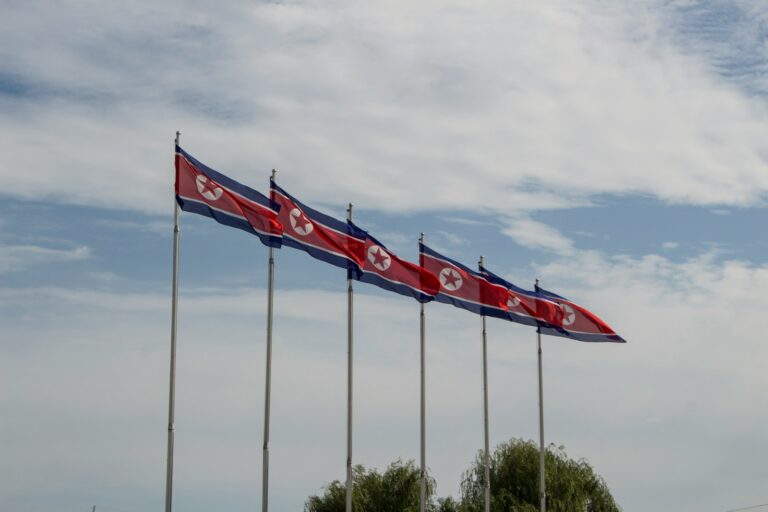
North Korea Unveils Powerful New Warship, Rattles Regional Security

0

Key Takeaways:

  • North Korea’s Choe Hyon-class destroyer signals a shift from coastal defense to broader naval power.
  • The destroyer is larger, with a longer operational range and potential for nuclear missiles.
  • This development threatens regional security and could spark an arms race.
  • Experts recommend a comprehensive response beyond military expansion.

North Korea’s New Destroyer: A Strategic Shift

North Korea has introduced the Choe Hyon-class destroyer, marking a significant shift in its naval strategy. This advanced warship moves beyond the country’s traditional focus on coastal defense, aiming for broader maritime influence.

The Choe Hyon-Class: A New Era for North Korea

The Choe Hyon-class is unlike North Korea’s usual small, agile boats. Weighing 5,000 tons, it boasts a longer range and advanced features like a vertical launch system (VLS), which could potentially fire nuclear missiles. This capability poses a direct threat to key maritime routes and neighboring countries’ security.

Regional Implications: A Threat to Maritime Security

The destroyer’s presence extends North Korea’s naval reach, challenging South Korea, Japan, and the U.S. This could disrupt crucial trade routes and create instability in the region, pushing neighboring countries to enhance their defenses.

Nuclear Possibilities: A Game Changer

If equipped with nuclear missiles, the destroyer becomes a potent threat. Additionally, North Korea’s pursuit of nuclear submarines could revolutionize their deterrent capabilities, making their navy more elusive and dangerous.

Expert Insights: Understanding the Threat

Jihoon Yu, a defense expert, highlights the destroyer’s strategic significance. It reflects North Korea’s ambition to project power and adopt a more offensive maritime strategy, potentially imposing restrictions on allied naval operations.

Response Needed: Beyond Military Build-Up

To counter this threat, experts suggest a comprehensive approach. This includes enhancing surveillance, improving alliance cooperation, and developing robust missile defenses. South Korea is urged to consider nuclear-powered submarines to boost its deterrence.

Conclusion: The Need for Action

The Choe Hyon-class destroyer symbolizes North Korea’s evolving ambitions, signaling a new era in regional security dynamics. A coordinated response is crucial to maintain stability and deterrence, ensuring peace in the Indo-Pacific region.

Breaking News: Uncertainty Grips Columbia University Amid Protests and Administrative Shifts

0

Key Takeaways:

  • Pulitzer Hall at Columbia University was abruptly closed on April 28, a year after student solidarity protests.
  • The closure is part of broader security measures, affecting campus life and free expression.
  • Recent upheavals include a $400 million funding cut, a student’s arrest, and centralization of university control.
  • Faculty and students express concerns over governance and shared decision-making.

Unexpected Closure at Pulitzer Hall

The familiar late-night routine at Pulitzer Hall, home to Columbia’s Journalism School, was disrupted on April 28. A security officer instructed students to leave, citing a new policy from Public Safety. This unexpected closure, near the anniversary of the Hamilton Hall occupation, marked a shift in campus access.


Broader Changes at Columbia

The closure is one of many changes following significant events:

  • Student Arrest and Funding Cut: In March, Mahmoud Khalil’s arrest by DHS and a $400 million funding cut by the Trump administration sparked administrative changes.
  • Governance Shifts: Acting President Claire Shipman announced a review of the university senate, part of broader efforts to centralize control, raising concerns among faculty and students.

The Sundial Report and Governance Concerns

The Sundial Report, a 335-page document, criticizes the university’s actions from 2023 to 2024, highlighting impacts on academic freedom and shared governance. Faculty members like Professor Joseph Howley question the transparency of these changes, suggesting they may silence dissent.


Increased Security Measures

Columbia has tightened campus security, erecting metal fences before protests and barricading gates after student demonstrations. These measures, following protests over trustee involvement in Khalil’s disappearance, reflect a broader effort to control campus spaces.


Conclusion: A Campus in Crisis

Columbia University faces ongoing challenges, with students and faculty concerned about governance and free expression. The closure of Pulitzer Hall and increased security measures symbolize a shift towards centralized control, leaving the community questioning the future of their institution.

This story captures the tension and uncertainty at Columbia, highlighting the implications of recent events on campus life and governance.

Powell Wrong: Tariffs Don’t Drive Inflation

0

Key Takeaways:

  • Tariffs may raise prices but do not cause inflation on their own.
  • Money supply growth, not trade policies, drives inflation.
  • The U.S. faces a monetary problem, not a tariff problem.
  • Tariffs are not the main cause of inflation, as history shows.

Understanding Inflation: It’s Not Just About Tariffs

Federal Reserve Chairman Jerome Powell recently claimed that President Trump’s tariffs could lead to higher inflation. This idea has sparked a lot of debate. But is it true? Let’s break it down.

Inflation is when prices for goods and services go up over time. But what causes it? Classic economics explains that inflation happens when there’s more money in circulation than the goods and services being produced. This is very different from price increases caused by tariffs or taxes.

For example, imagine you have $100 to spend on 10 apples. Each apple costs $10. But if suddenly there’s $200 to spend on the same 10 apples, each apple might now cost $20. This is inflation—the money supply grew, but the number of apples didn’t.

Tariffs, on the other hand, are taxes on imported goods. They can make some products more expensive, but this isn’t the same as inflation. Price increases from tariffs are usually temporary and can be offset by other economic factors.


The Money Supply Problem

The U.S. has a monetary problem, not a tariff problem. In just two years, the money supply grew from $4.1 trillion to nearly $9 trillion. This massive increase in money circulating in the economy, without a matching rise in goods and services, is what drove inflation to 9.1% in 2022.

The Federal Reserve, led by Powell, played a big role in this by expanding its balance sheet through large asset purchases. This practice, often called “printing money,” adds more dollars to the economy without producing more goods. The result? Higher prices.


Fiscal Policy and Debt

The U.S. also has a growing national debt, which affects the economy. When governments spend more than they earn, they often borrow money, which can lead to more money being printed. This is another way inflation happens.

For instance, during the COVID-19 pandemic, the U.S. economy slowed down, and the government spent heavily to support businesses and workers. While necessary, this spending added trillions to the national debt. Combined with the Fed’s money printing, it created the perfect storm for inflation.


Powell’s Claim: Does It Hold Up?

Chairman Powell warned that tariffs could lead to inflation, especially if the economy slows down. But this isn’t supported by economic history. Inflation is primarily driven by the money supply, not tariffs.

Tariffs can make imported goods more expensive, but these price increases aren’t the same as inflation. For example, if a tariff raises the price of a foreign-made TV, Americans might buy fewer imports or switch to domestic products. This adjusts the market without causing broader inflation.

Moreover, history shows that tariffs don’t inherently cause inflation. In fact, some economists argue that tariffs can even help certain industries grow, creating jobs and boosting the economy.


Trump’s Tariff Strategy: A Closer Look

President Trump’s tariffs are part of a broader effort to strengthen the U.S. economy and address unfair trade practices, especially with China. While some critics argue that tariffs hurt American consumers, others see them as a tool to protect domestic industries and workers.

The key point is this: tariffs are not the main driver of inflation. If the U.S. wants to control inflation, it should focus on stabilizing the money supply and reducing debt, not just blaming trade policies.


Conclusion: Tariffs Aren’t the Inflation Culprit

Chairman Powell’s claim that tariffs cause inflation doesn’t hold up under scrutiny. Inflation is a monetary issue, not a trade policy issue. The U.S. should focus on controlling the money supply and managing its debt, rather than scapegoating tariffs.

Tariffs may have their downsides, but blaming them for inflation is a misunderstanding of how economics works. History shows that inflation is primarily driven by too much money chasing too few goods, not by taxes on imports.

So, the next time someone says tariffs are causing inflation, remind them: it’s the money supply, not the tariffs, that’s the real issue.

James Austin Johnson’s Spot-On Trump Impersonation Steals the Spotlight on SNL

Key Takeaways:

  • James Austin Johnson shines as Donald Trump on Saturday Night Live (SNL).
  • His performance airs on May 3, 2025, and fans love his accuracy.
  • Johnson’s portrayal highlights his talent for capturing Trump’s voice and mannerisms.
  • This appearance boosts his career and cements his place as a rising star in comedy.

James Austin Johnson’s Career-Defining Trump Impersonation

James Austin Johnson’s impression of Donald Trump on Saturday Night Live is making waves. His performance on May 3, 2025, is proving why he’s a fan favorite. Johnson’s ability to mimic Trump’s voice, expressions, and even his confidence is uncanny.

Fans praise how he nails Trump’s speaking style, from the pauses to the way he emphasizes certain words. Johnson’s hard work shines in every scene.

This isn’t Johnson’s first time playing Trump on SNL. However, this particular episode stands out for its sharp humor and timely commentary.


A Rising Star in Comedy

James Austin Johnson isn’t just known for his Trump impersonation. He’s also a talented stand-up comedian and impressionist. His ability to mimic famous voices has made him a standout performer.

Born and raised in Tennessee, Johnson started his career in comedy at a young age. He gained fame on social media for his hilarious impressions.

His rise to fame shows how talent and dedication can take someone from small-town beginnings to the big stage.


What Makes Johnson’s Trump Impersonation Special?

Johnson’s Trump impersonation is more than just funny. It’s also a clever critique of the former president’s personality.

He captures Trump’s confidence, his way of speaking, and even his hand gestures. Every detail is spot-on, making the impersonation both believable and entertaining.

Johnson’s performance reminds us why SNL remains a powerful platform for political satire.


How Johnson Prepared for the Role

Playing Trump isn’t easy. Johnson says he spent hours studying Trump’s speeches, interviews, and even his body language.

He practices Trump’s iconic phrases, like “tremendous” and “folks,” to get the tone just right.

Johnson also watches old videos of Trump to perfect his mannerisms.

This level of preparation is why his impersonation feels so authentic.


Johnson’s Trump vs. Other Impersonators

Over the years, many comedians have played Trump on SNL. But Johnson’s version has a unique twist.

His Trump is both funny and relatable. He captures the essence of the man without crossing into caricature.

Johnson’s performance is a reminder of why SNL remains a go-to show for political humor.


Why Johnson’s Trump Matters

Impersonations like Johnson’s are more than just entertainment. They also reflect how people see public figures.

His Trump reminds us why satire is such a powerful tool. It can make us laugh while also making us think.

Johnson’s performance is a testament to the enduring appeal of SNL.


What’s Next for James Austin Johnson?

With his standout performance on SNL, James Austin Johnson is becoming a household name. Fans are eager to see what he does next.

Whether he’s playing Trump or trying out new impressions, Johnson’s talent is undeniable.

One thing is certain: James Austin Johnson’s future in comedy is bright.


The Broader Impact of SNL

Saturday Night Live has always been a cultural phenomenon. It blends comedy with current events, making it a must-watch for millions.

Shows like this remind us of the power of humor in shaping how we see the world.

Johnson’s performance is just one example of why SNL continues to be so influential.


James Austin Johnson’s portrayal of Donald Trump on Saturday Night Live is a must-watch. His talent, preparation, and dedication shine in every moment. With this performance, he cements his place as one of the most exciting comedians of his generation.

The future of comedy is in good hands with talented performers like James Austin Johnson.