
56.2 F
San Francisco
Wednesday, June 10, 2026
Home Blog Page 9

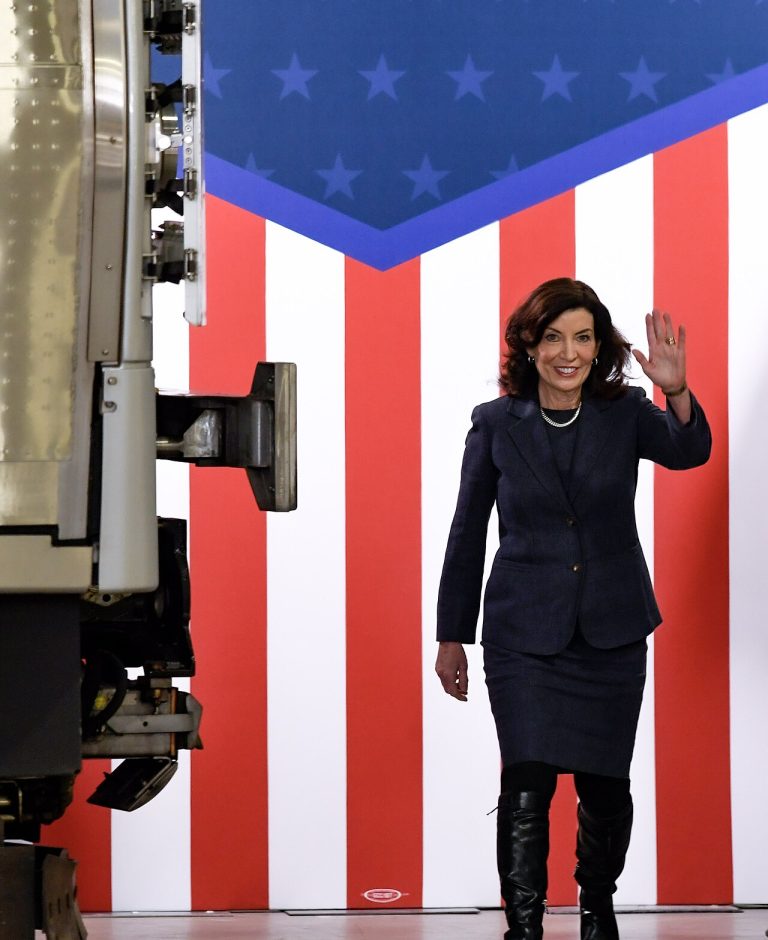
Governor Hochul Expands Empire State Service Corps to Meet Surging Demand

0

Quick Summary: Governor Hochul Expands Empire State Service Corps to Meet Surging Demand

  • Governor Kathy Hochul has announced the expansion of the Empire State Service Corps from 500 to 1,000 students, driven by high demand.
  • The program, launched in 2025, is New York State’s largest AmeriCorps initiative, with applications outpacing available slots by four-to-one.
  • The expansion is backed by a $2.8 million budget increase, aiming to address both student affordability and public-sector staffing gaps.
  • SUNY Chancellor John B. King Jr. confirmed the expansion, highlighting its role in workforce development and community service.
  • The program’s rapid growth raises questions about maintaining quality and measurable outcomes across more than 50 campuses.

In a bold move to address both educational affordability and public service needs, Governor Kathy Hochul has announced a significant expansion of the Empire State Service Corps. This initiative will see the number of participating students double from 500 to 1,000 by Fall 2026, a decision driven by an overwhelming demand that saw four applicants for every available spot.

Launched in 2025, the Empire State Service Corps has quickly become New York State’s largest AmeriCorps program. The recent state budget deal, which secured a $2.8 million increase, underscores the program’s importance as both a workforce development tool and a civic engagement platform. SUNY Chancellor John B. King Jr. emphasized the dual benefits, stating that it provides real-world service opportunities that benefit both students and communities.

This expansion comes with its own set of challenges. As the program spreads across more than 50 campuses, questions arise about maintaining the quality and effectiveness of the services provided. Critics may question whether such rapid growth can sustain consistent supervision and measurable outcomes, but supporters see it as a proof of concept.

The names driving the story are Governor Kathy Hochul, who made the expansion part of her 2026 agenda; Chancellor John B. ” That matters because the program only launched in fall 2025 with 500 corps members, and officials are already treating it as one of the system’s marquee workforce-and-civics initiatives.

SUNY describes it as New York State’s largest AmeriCorps program, and Plattsburgh’s reporting says 2026–27 members who meet eligibility rules “will be expected to apply for AmeriCorps” as part of participation. The corps was founded in 2024, launched with its first full cohort in fall 2025, and by June 2026 SUNY is already presenting the expansion as settled policy.

What happens next is straightforward but important: SUNY has already opened applications for the 2026–27 academic year, the new larger cohort is expected to start in Fall 2026, and the real test will be whether SUNY can fill all 1,000 spots and show that the enlarged corps still delivers measurable results in areas like tutoring, food access, mental health, and disaster response. The biggest new turn in New York’s experiment with paying SUNY students for public service is that Albany has now locked in budget money to double the Empire State Service Corps from 500 students to 1,000 in Fall 2026, a rapid expansion that officials say was driven by demand running four applicants for every available slot.

8 million to double participation from 500 to 1,000 students. Participants are paid for 300 hours of service over an academic year, and SUNY’s current program page says compensation is $17 an hour in New York City, Long Island, and Westchester, with other rates tied to regional minimum wage rules.

said this week that more than 500 students each year have already served in paid roles ranging from K-12 tutoring to peer mental health and sustainability. In the last seven days, the timeline is tight: the FY2026-27 budget passed last week, NBC5 reported the doubled funding two days ago, and King formally announced on June 3 that the corps will reach 1,000 students this fall.

The names driving the story are Governor Kathy Hochul, who made the expansion part of her 2026 agenda; Chancellor John B. The program, launched in 2025, is New York State’s largest AmeriCorps initiative, with applications outpacing available slots by four-to-one.

Launched in 2025, the Empire State Service Corps has quickly become New York State’s largest AmeriCorps program. SUNY describes it as New York State’s largest AmeriCorps program, and Plattsburgh’s reporting says 2026–27 members who meet eligibility rules “will be expected to apply for AmeriCorps” as part of participation.

The corps was founded in 2024, launched with its first full cohort in fall 2025, and by June 2026 SUNY is already presenting the expansion as settled policy. What happens next is straightforward but important: SUNY has already opened applications for the 2026–27 academic year, the new larger cohort is expected to start in Fall 2026, and the real test will be whether SUNY can fill all 1,000 spots and show that the enlarged corps still delivers measurable results in areas like tutoring, food access, mental health, and disaster response.

8 million increase, underscores the program’s importance as both a workforce development tool and a civic engagement platform. The biggest new turn in New York’s experiment with paying SUNY students for public service is that Albany has now locked in budget money to double the Empire State Service Corps from 500 students to 1,000 in Fall 2026, a rapid expansion that officials say was driven by demand running four applicants for every available slot.

The scale and speed of this development has caught many observers off guard. Each new update adds another dimension to a story that is still unfolding, and the full picture will only become clear as more verified details emerge from the people and institutions directly involved.

Analysts who have tracked this issue closely say the current moment represents a genuine turning point. The decisions made in the coming weeks are expected to set the direction for months ahead, with ripple effects likely to extend well beyond the immediate actors in the story.

For those directly affected, the practical impact is already visible. People navigating this fast-changing situation are dealing with real consequences while new information continues to reshape what is known and what remains open to interpretation.

Historical parallels offer some context, though experts caution against drawing too close a comparison. Similar situations have played out before, but the specific combination of pressures, personalities, and timing here makes this moment distinct in ways that matter for how it ultimately resolves.

The political and economic dimensions of this story are deeply intertwined. What appears as a single event on the surface is in practice the convergence of multiple pressures that have been building quietly over a longer period than most public reporting has captured.
Read more on Digital Chew

England Win Over New Zealand Exposes Tactical Concerns for Tuchel

Quick Summary: England Win Over New Zealand Exposes Tactical Concerns for Tuchel

  • England’s 1-0 win over New Zealand raised tactical concerns, despite 14 shots to 2 in the first half.
  • Harry Kane scored the only goal in stoppage time, highlighting England’s struggle to break through.
  • Thomas Tuchel criticized England’s lack of positional discipline and reliance on long balls.
  • Tuchel made 11 half-time changes, indicating the match was a tactical test and acclimatization exercise.
  • Youngster Rio Ngumoha impressed on debut, but senior players were missing due to prior commitments.

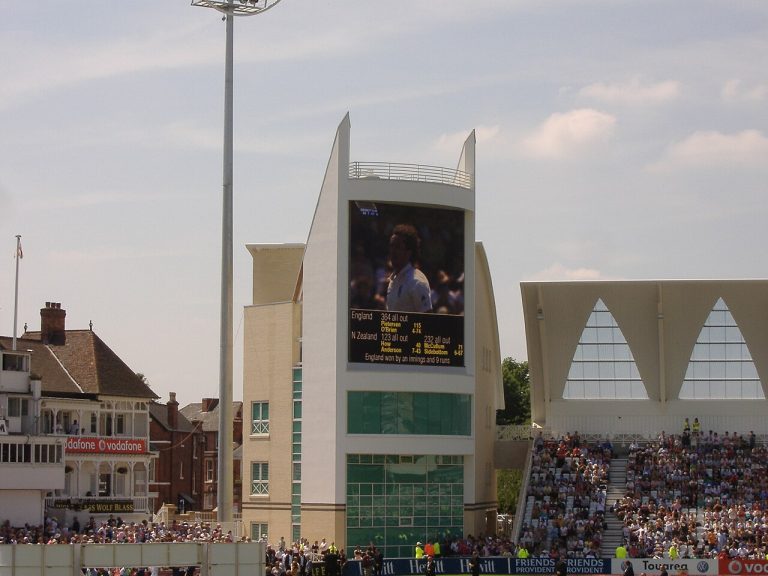
Thomas Tuchel’s sharp critique of England’s performance against New Zealand wasn’t about the narrow 1-0 victory but rather the tactical indiscipline that marred the match. Despite dominating possession and shots, England struggled to break down the world’s 85th-ranked team, relying on Harry Kane’s late header to secure the win.

Tuchel didn’t mince words, pointing out England’s positional lapses and over-reliance on long balls, which deviated from the training focus. This public rebuke, so close to the World Cup, signals Tuchel’s frustration with the team’s tactical obedience. The match, held in Florida’s sweltering heat, was as much about acclimatization as it was a tactical test, with Tuchel making 11 half-time changes.

Despite the criticism, there were positives, such as the debut of 17-year-old Rio Ngumoha, who shone in the second half. However, the absence of key players like Bukayo Saka and Declan Rice, due to prior commitments, was felt. As England prepares for their final warm-up against Costa Rica, Tuchel’s comments serve as a stern warning: tactical discipline must improve if England hopes to succeed in the World Cup.

Sky Sports reported England had 14 shots to New Zealand’s two in the first half alone, yet still needed Kane’s late header from Djed Spence’s cross to break through. He said England were “out of positions,” lacked width, “narrow[ed] ourselves down,” and made life harder for their own counterpress by attacking from the wrong areas.

The central tension in the coverage is whether this was just a low-risk conditioning drill in oppressive weather or a genuine warning sign about England’s tactical obedience under Tuchel. He said he liked the second period “more than the first half” because England “played more from our positions” and therefore with “more speed” and “a bit more bite” without the ball.

The real significance of this story is that Tuchel has effectively used a win to issue a warning: if England keep “freestyling” against New Zealand-level opposition, they will not be ready for Croatia a week and a half later. England won only 1-0 at Raymond James Stadium in Tampa, with Harry Kane scoring in first-half stoppage time, 45+3′, for his 79th England goal, but Tuchel’s criticism focused on structure rather than the result.

TNT Sports described New Zealand as the world’s 85th-ranked side, while Sky called them the World Cup’s lowest-ranked team, making the narrow margin even more glaring given the mismatch. Tuchel also made 11 half-time changes in 32C heat, underlining that the game was part tactical test and part acclimatisation exercise in Florida.

Rio Ngumoha, a 17-year-old Liverpool winger on the standby list, made his debut and was singled out by multiple reports as a bright spark in the second half. ” At the same time, Tuchel had missing senior options: Bukayo Saka, Declan Rice, Eberechi Eze and Noni Madueke were unavailable for New Zealand after their Champions League final involvement, but were reported to have joined the squad and be available for the next game.

Despite the criticism, there were positives, such as the debut of 17-year-old Rio Ngumoha, who shone in the second half. Sky Sports reported England had 14 shots to New Zealand’s two in the first half alone, yet still needed Kane’s late header from Djed Spence’s cross to break through.

As England prepares for their final warm-up against Costa Rica, Tuchel’s comments serve as a stern warning: tactical discipline must improve if England hopes to succeed in the World Cup. He said England were “out of positions,” lacked width, “narrow[ed] ourselves down,” and made life harder for their own counterpress by attacking from the wrong areas.

He said he liked the second period “more than the first half” because England “played more from our positions” and therefore with “more speed” and “a bit more bite” without the ball. Quick Summary: England Raised Tactical Concerns England’s 1-0 win over New Zealand raised tactical concerns, despite 14 shots to 2 in the first half.

Tuchel made 11 half-time changes, indicating the match was a tactical test and acclimatization exercise. Thomas Tuchel’s sharp critique of this topic’s performance against New Zealand wasn’t about the narrow 1-0 victory but rather the tactical indiscipline that marred the match.

Despite dominating possession and shots, this topic struggled to break down the world’s 85th-ranked team, relying on Harry Kane’s late header to secure the win. The match, held in Florida’s sweltering heat, was as much about acclimatization as it was a tactical test, with Tuchel making 11 half-time changes.

The scale and speed of this development has caught many observers off guard. Each new update adds another dimension to a story that is still unfolding, and the full picture will only become clear as more verified details emerge from the people and institutions directly involved.

Analysts who have tracked this issue closely say the current moment represents a genuine turning point. The decisions made in the coming weeks are expected to set the direction for months ahead, with ripple effects likely to extend well beyond the immediate actors in the story.

For those directly affected, the practical impact is already visible. People navigating this fast-changing situation are dealing with real consequences while new information continues to reshape what is known and what remains open to interpretation.

Historical parallels offer some context, though experts caution against drawing too close a comparison. Similar situations have played out before, but the specific combination of pressures, personalities, and timing here makes this moment distinct in ways that matter for how it ultimately resolves.

The political and economic dimensions of this story are deeply intertwined. What appears as a single event on the surface is in practice the convergence of multiple pressures that have been building quietly over a longer period than most public reporting has captured.
Read more on Digital Chew

Xavier Becerra Gains Edge in Tight California Governor Race Amid Steyer’s $200m Campaign

Quick Summary: Xavier Becerra Gains Edge in Tight California Governor Race Amid Steyer’s $200m Campaign

  • Xavier Becerra, Tom Steyer, and Steve Hilton are locked in a tight race for California governor, reflecting deep political fragmentation.
  • Tom Steyer has poured over $200 million into his campaign, while Steve Hilton gains momentum from Trump’s endorsement.
  • The crowded field of 61 candidates sees frontrunners struggling to surpass 20% in polls, highlighting the race’s instability.
  • Eric Swalwell’s campaign suspension amid allegations has shifted dynamics, benefiting Becerra’s surge in the race.
  • California’s primary election results are dominated by early and mail-in voting, with final outcomes still pending.

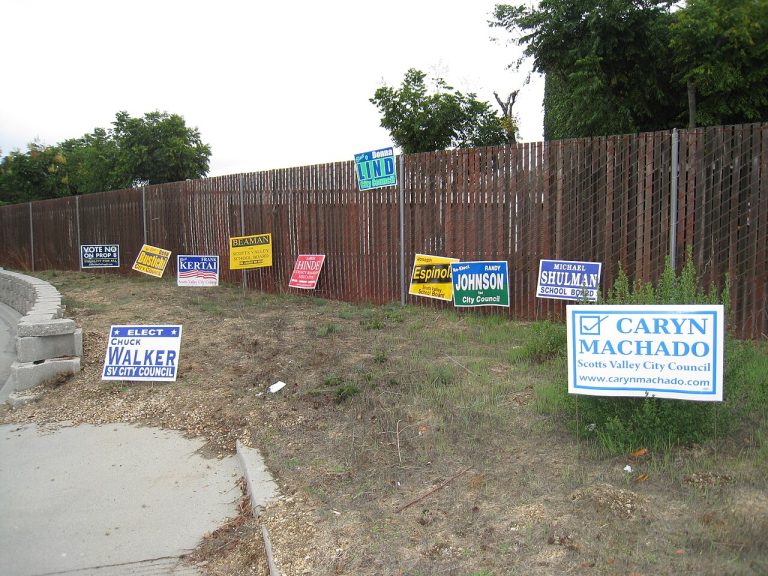
California’s gubernatorial race is a spectacle of political chaos, with Xavier Becerra, Tom Steyer, and Steve Hilton embroiled in a tight contest that underscores the state’s fragmented political landscape. As the primary election unfolds, the stakes are higher than ever.

Tom Steyer’s unprecedented $200 million campaign investment and Steve Hilton’s endorsement from Donald Trump have intensified the race. Yet, despite their efforts, both candidates struggle to break the 20% threshold in polls, a testament to the race’s volatility. Meanwhile, Xavier Becerra’s campaign has gained unexpected momentum following Eric Swalwell’s withdrawal amid controversy.

With 61 candidates vying for the governorship, California’s political scene is more fractured than ever. The primary election, dominated by early and mail-in voting, has yet to yield a definitive outcome, leaving the state’s political future hanging in the balance.

This chaotic election is not just about who will lead California but also a reflection of the broader political fragmentation affecting the state. As the votes are counted and the dust settles, the real question remains: who will emerge to unify this divided political landscape?

The same roundup said polling pointed to a three-way governor’s race among Democrat Xavier Becerra, Democrat Tom Steyer and Republican Steve Hilton, with Steyer having put more than $200 million into his campaign and Hilton benefiting from Donald Trump’s endorsement. In a May 18 Sacramento Bee preview, the field was pegged at 61 candidates, and even the apparent frontrunners, Steve Hilton and Xavier Becerra, were said to be struggling to clear 20%, a striking sign of fragmentation in the state’s top race.

The Bee’s June 1 reporting said he coached the Kings from 1998 to 2006 and compiled a 395-229 record over eight seasons, numbers that explain why current remembrance has become one of the city’s dominant sports conversations this week. Adelman, who died on June 1, was identified by the Bee as a former Sacramento Kings coach whose players remembered him for “trust and humanity,” with Tony Delk, Scot Pollard and Lawrence Funderburke specifically cited among those paying tribute.

The biggest live development tied to AOL’s June 2 Sacramento roundup is that what looked that day like a tight, volatile California primary for governor has now moved from speculation to consequences, while Rick Adelman’s death at 79 has also become a major Sacramento sports obituary story that players and former staff are still expanding with personal recollections. One caveat is important: I found current live web reporting on the Sacramento Bee source that AOL was summarizing, but not substantial fresh, independent reporting from AOL beyond that syndicated roundup.

Pacific on June 2, and the Bee’s framing was clear: the two most newsworthy Sacramento threads that day were California’s primary election and the outpouring over former Kings coach Rick Adelman. on June 2 and reporting results to the state starting two hours later, with early counts dominated by vote-by-mail and early-voting ballots.

The Bee reported that Becerra had surged after former Rep. The second major thread from the June 2 roundup has intensified emotionally rather than politically.

Tom Steyer has poured over $200 million into his campaign, while Steve Hilton gains momentum from Trump’s endorsement. Tom Steyer’s unprecedented $200 million campaign investment and Steve Hilton’s endorsement from Donald Trump have intensified the race.

Yet, despite their efforts, both candidates struggle to break the 20% threshold in polls, a testament to the race’s volatility. Adelman, who died on June 1, was identified by the Bee as a former Sacramento Kings coach whose players remembered him for “trust and humanity,” with Tony Delk, Scot Pollard and Lawrence Funderburke specifically cited among those paying tribute.

As the votes are counted and the dust settles, the real question remains: who will emerge to unify this divided political landscape? The biggest live development tied to AOL’s June 2 Sacramento roundup is that what looked that day like a tight, volatile California primary for governor has now moved from speculation to consequences, while Rick Adelman’s death at 79 has also become a major Sacramento sports obituary story that players and former staff are still expanding with personal recollections.

The scale and speed of this development has caught many observers off guard. Each new update adds another dimension to a story that is still unfolding, and the full picture will only become clear as more verified details emerge from the people and institutions directly involved.

Analysts who have tracked this issue closely say the current moment represents a genuine turning point. The decisions made in the coming weeks are expected to set the direction for months ahead, with ripple effects likely to extend well beyond the immediate actors in the story.

For those directly affected, the practical impact is already visible. People navigating this fast-changing situation are dealing with real consequences while new information continues to reshape what is known and what remains open to interpretation.

Historical parallels offer some context, though experts caution against drawing too close a comparison. Similar situations have played out before, but the specific combination of pressures, personalities, and timing here makes this moment distinct in ways that matter for how it ultimately resolves.

The political and economic dimensions of this story are deeply intertwined. What appears as a single event on the surface is in practice the convergence of multiple pressures that have been building quietly over a longer period than most public reporting has captured.

Read more on Digital Chew

Trump Drops $10 Billion IRS Suit and Secures Audit Protection

Quick Summary: Trump Drops $10 Billion IRS Suit and Secures Audit Protection

  • Trump dropped a $10 billion IRS lawsuit, securing protection from future audits.
  • The settlement included a $1.776 billion fund, symbolically linked to 1776.
  • Critics argue the settlement offers Trump unusual personal protection.
  • The DOJ stated the fund is not moving forward amid political backlash.
  • Congressional scrutiny continues over the settlement’s implications.

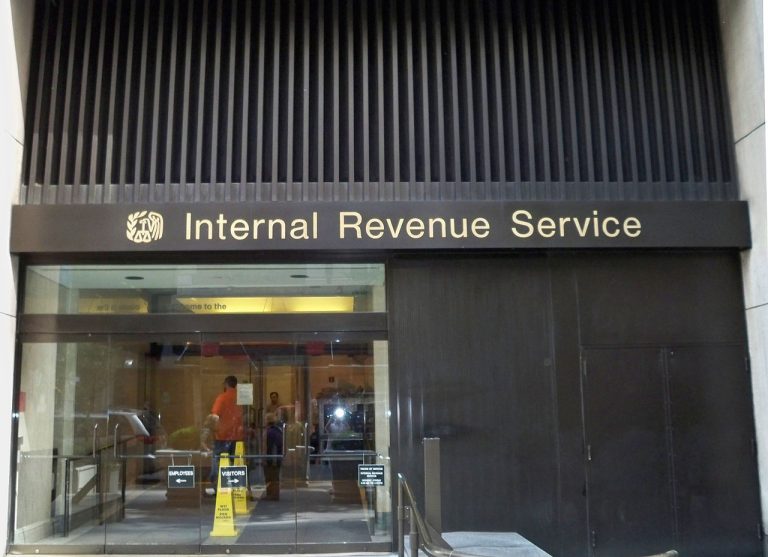
In a move that has sent shockwaves through Washington, former President Donald Trump has dropped his $10 billion lawsuit against the IRS, securing a controversial settlement that shields him from future audits. The settlement, which includes a $1.776 billion fund, has sparked intense debate over its implications and the unusual protections it affords Trump and his family.

The settlement’s most contentious aspect is a provision that prevents the IRS from continuing existing audits of Trump-related entities. Critics argue this provision represents an unprecedented use of power, with Trump effectively negotiating a deal with a government he once led. The backlash has been swift, with both Democrats and Republicans questioning the ethical and constitutional implications of the settlement.

The Justice Department’s decision to halt the fund amid political pressure has only added fuel to the fire. While the fund itself may be collapsing, the broader protections granted to Trump remain a point of contention. As congressional scrutiny intensifies, questions persist about the settlement’s legality and the motivations behind its creation.

As the June 12 court hearing approaches, the focus will be on whether the settlement’s audit protections will withstand legal challenges. Meanwhile, the political ramifications of the deal continue to unfold, with lawmakers on both sides of the aisle demanding transparency and accountability.

776 billion, an apparent symbolic reference to 1776, and Trump had agreed to drop not only the $10 billion IRS suit but also two additional civil claims totaling about $230 million tied to the Russia investigation and the 2022 Mar-a-Lago search, according to ABC News. 776 billion fund for people claiming they were targeted by “weaponized” government action.

8 billion fund may be collapsing; it is that the most consequential benefit of the settlement may have been hidden in the fine print and may still be standing. 776 billion “anti-weaponization” fund at the center of this settlement is “already not going forward,” even as the most controversial part of the deal appears to remain alive: a special provision shielding Trump, his family and affiliated businesses from existing IRS action.

District Judge Leonie Brinkema in Alexandria temporarily blocked the government from moving money into the fund and set a June 12 hearing on whether the pause should continue. On June 1, the Justice Department said it would comply with that order, and the same day Axios and AP reported the administration was reconsidering or planning to drop the fund altogether amid a Republican revolt.

But follow-up reporting from Axios, ABC, CBS and others found that an addendum dated May 19 expanded the settlement in a far more extraordinary way, stating the IRS was barred from continuing existing audits or related actions involving Trump, his family and their companies. ” ABC reported that DOJ later insisted the addendum referred to existing audits, not future ones, but that clarification did little to calm critics because most presidents cannot simply order the IRS to stop scrutinizing them.

Former officials and Democratic lawmakers have called the arrangement a constitutional and ethical breach, while some Senate Republicans have also balked at the lack of oversight and the prospect that Jan. ” Senate Majority Leader John Thune said he is “not a big fan” of the fund, and Sen.

776 billion “anti-weaponization” fund at the center of this settlement is “already not going forward,” even as the most controversial part of the deal appears to remain alive: a special provision shielding Trump, his family and affiliated businesses from existing IRS action. On June 1, the Justice Department said it would comply with that order, and the same day Axios and AP reported the administration was reconsidering or planning to drop the fund altogether amid a Republican revolt.

” Senate Majority Leader John Thune said he is “not a big fan” of the fund, and Sen. 776 billion fund, symbolically linked to 1776.

The scale and speed of this development has caught many observers off guard. Each new update adds another dimension to a story that is still unfolding, and the full picture will only become clear as more verified details emerge from the people and institutions directly involved.

Analysts who have tracked this issue closely say the current moment represents a genuine turning point. The decisions made in the coming weeks are expected to set the direction for months ahead, with ripple effects likely to extend well beyond the immediate actors in the story.

For those directly affected, the practical impact is already visible. People navigating this fast-changing situation are dealing with real consequences while new information continues to reshape what is known and what remains open to interpretation.

Historical parallels offer some context, though experts caution against drawing too close a comparison. Similar situations have played out before, but the specific combination of pressures, personalities, and timing here makes this moment distinct in ways that matter for how it ultimately resolves.

The political and economic dimensions of this story are deeply intertwined. What appears as a single event on the surface is in practice the convergence of multiple pressures that have been building quietly over a longer period than most public reporting has captured.
Read more on Digital Chew

South Korea’s NEC Rejects Revote Amid Protests Over Ballot Shortage

Quick Summary: South Korea’s NEC Rejects Revote Amid Protests Over Ballot Shortage

  • South Korea’s NEC denied a revote despite a ballot shortage in Seoul, sparking protests.
  • The ballot shortage affected 14 polling stations, leading to extended voting hours.
  • President Lee Jae Myung’s Democratic Party won 12 of 16 major local posts despite the controversy.
  • Protesters blocked entrances to vote-counting facilities, demanding a reelection.
  • NEC Secretary-General apologized for the inconvenience but maintained the election’s legality.

In a dramatic turn of events, South Korea’s National Election Commission (NEC) has firmly rejected calls for a revote following a ballot shortage scandal in Seoul. This decision comes amid growing protests led by young voters and conservatives, who have taken to the streets to express their discontent.

The controversy erupted when a ballot paper shortage at 14 polling stations, primarily in Songpa Ward, forced voting hours to be extended. Despite this, the national turnout reached 61%, the second-highest for local elections in South Korea. However, the administrative failure has given opposition forces a reason to question the election’s integrity.

While the ruling Democratic Party secured a landslide victory in most regions, the opposition retained control of Seoul, intensifying the scrutiny on the election process. Oh Se-hoon, the re-elected mayor of Seoul, acknowledged the broader implications of the election beyond his personal victory.

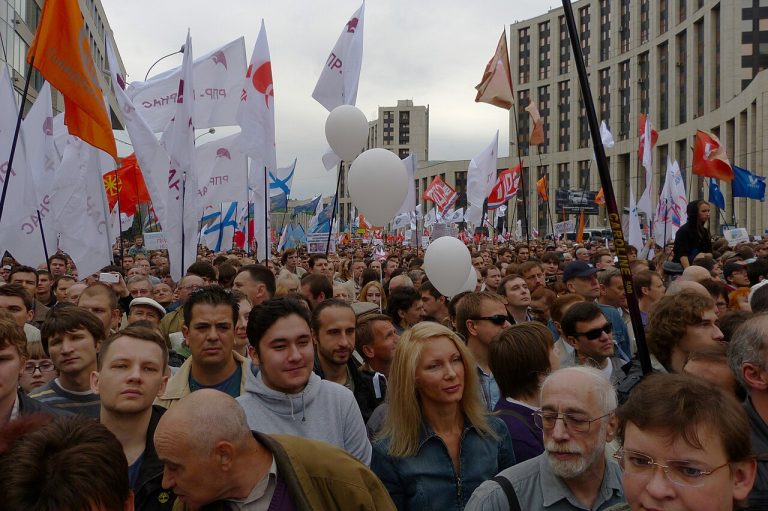
Protesters have physically obstructed the counting process, demanding a halt and a reelection. The NEC, however, remains steadfast in its decision, with Secretary-General Huh Chul-hoon apologizing for the procedural errors but upholding the election’s legality.

This incident has sparked a broader debate on election legitimacy in South Korea, with the potential for legal challenges and sustained protests. The coming weeks will likely see increased pressure on the NEC to provide a detailed explanation of the ballot shortage and address public concerns.

Korean-language reporting said the crowd outside the NEC headquarters in Gwacheon swelled to about 700 by daytime and at one point to roughly 1,000 to 1,200 people overnight, with police deploying around 260 personnel as tensions rose. The loudest public face of the protest movement was Jeon Han-gil, a former Korean history instructor turned right-wing YouTuber, who used the ballot shortage to push an outright fraud claim.

for people who had already been issued waiting tickets. He also said officials had determined that in Songpa only about 50 percent of the necessary ballots had been printed and vowed to determine exactly why.

Yonhap reported that demonstrators gathered outside a polling station in southeastern Seoul and blocked ballot boxes from being transported to a counting center, and then on June 5 angry voters blocked entrances to a vote-counting facility at the handball stadium in Olympic Park, preventing NEC officials, workers and some media from leaving. The National Election Commission, or NEC, said the shortage does not qualify under election law for postponing the vote or holding a new election, directly rejecting opposition demands for a do-over.

The most politically consequential number from the count is that the ruling Democratic Party won 12 of the 16 key mayoral and gubernatorial races, but lost the marquee Seoul mayor’s race, where incumbent Oh Se-hoon of the People Power Party secured reelection for a fifth term. Despite the uproar, President Lee Jae Myung’s Democratic Party still emerged with a landslide nationally, taking 12 of 16 major local posts and 9 of 14 parliamentary by-election seats, while the opposition salvaged symbolic momentum by holding Seoul.

Oh Se-hoon, in his victory speech, said, “I do not view this election as a personal victory for myself,” signaling he understands the result as larger than one mayoral race. What happens next is likely to center on whether the NEC releases a fuller explanation of the printing failure, whether the People Power Party or activist groups pursue legal challenges, and whether this Seoul dispute hardens into a sustained campaign to portray the June 3 result as procedurally tainted even though the official count stands.

President Lee Jae Myung’s Democratic Party won 12 of 16 major local posts despite the controversy. Protesters blocked entrances to vote-counting facilities, demanding a reelection.

In a dramatic turn of events, South Korea’s National Election Commission (NEC) has firmly rejected calls for a revote following a ballot shortage scandal in Seoul. The National Election Commission, or NEC, said the shortage does not qualify under election law for postponing the vote or holding a new election, directly rejecting opposition demands for a do-over.

Despite the uproar, President Lee Jae Myung’s Democratic Party still emerged with a landslide nationally, taking 12 of 16 major local posts and 9 of 14 parliamentary by-election seats, while the opposition salvaged symbolic momentum by holding Seoul. Oh Se-hoon, in his victory speech, said, “I do not view this election as a personal victory for myself,” signaling he understands the result as larger than one mayoral race.

The ballot shortage affected 14 polling stations, leading to extended voting hours. NEC Secretary-General apologized for the inconvenience but maintained the election’s legality.

The scale and speed of this development has caught many observers off guard. Each new update adds another dimension to a story that is still unfolding, and the full picture will only become clear as more verified details emerge from the people and institutions directly involved.

Analysts who have tracked this issue closely say the current moment represents a genuine turning point. The decisions made in the coming weeks are expected to set the direction for months ahead, with ripple effects likely to extend well beyond the immediate actors in the story.

For those directly affected, the practical impact is already visible. People navigating this fast-changing situation are dealing with real consequences while new information continues to reshape what is known and what remains open to interpretation.

Historical parallels offer some context, though experts caution against drawing too close a comparison. Similar situations have played out before, but the specific combination of pressures, personalities, and timing here makes this moment distinct in ways that matter for how it ultimately resolves.

The political and economic dimensions of this story are deeply intertwined. What appears as a single event on the surface is in practice the convergence of multiple pressures that have been building quietly over a longer period than most public reporting has captured.
Read more on Digital Chew

SON Warns of Rising Identity Scams Targeting Director – General in Nigeria

0

Quick Summary: SON Warns of Rising Identity Scams Targeting Director – General in Nigeria

  • SON issued a fraud alert warning the public about scammers impersonating its Director-General, signaling a rise in identity scams.
  • Punch reported that scammers use fake identities and cloned accounts to deceive victims, creating urgency with a “48-hour deadline.”.
  • The EFCC recently arraigned a suspect for posing as a presidential aide in a fraud case involving N25 million.
  • Fraudsters are not just copying names but mixing identities to appear credible, as seen in the Nigerian Army case.
  • The scams are becoming more sophisticated, with AI-generated content used to deceive the public.

The Standards Organisation of Nigeria (SON) has sounded the alarm on a new wave of impersonation scams targeting its Director-General. This isn’t just a minor inconvenience; it’s a significant threat that reflects a broader trend of identity fraud sweeping across Nigerian federal institutions.

Scammers are becoming increasingly bold, using fake identities and cloned accounts to lure unsuspecting victims. The urgency they create, often with a “48-hour deadline,” pressures individuals into handing over sensitive information. This tactic was highlighted in a recent Punch report, which also noted similar scams targeting other agencies.

What’s particularly alarming is the sophistication of these scams. Fraudsters are not merely copying names but mixing identities to appear credible, as seen in the Nigerian Army case where fake Facebook accounts were created. The use of AI-generated content adds another layer of complexity, making these scams harder to detect.

The SON fraud alert is part of a larger narrative of rising impersonation scams. As public institutions grapple with this issue, the focus is on moving from warnings to concrete actions like identifying suspects and making arrests. The question remains whether authorities can act swiftly enough to prevent further fraud.

On April 14, 2026, Punch reported that PenCom said scammers were creating false urgency with a “48-hour deadline” to pressure job seekers into handing over sensitive information through WhatsApp, emails, and phone calls. In another recent Punch story published on May 26, 2026, the EFCC arraigned a suspect accused of posing as a presidential aide in a fraud linked to N25 million.

In the SON case referenced by your query, the news value is the public warning itself, because it signals that impostors are using the name of the agency’s top official, the DG, to target Nigerians. Punch’s May 24, 2026 report on the Army said fraudsters created fake Facebook accounts impersonating Major General Raymond Utsaha while using Major General Bamidele Alabi’s photograph, an especially telling detail because it shows the scammers are not merely copying names but mixing identities to appear credible.

The key development is a fresh fraud alert from Nigeria’s Standards Organisation of Nigeria, which says scammers are actively impersonating its Director-General in what appears to be part of a broader, intensifying wave of official-identity scams now hitting multiple federal institutions. Based on the pattern in Punch’s recent scam reporting, the likely sequence is public denial, verification guidance, victim complaints, and then either arrest announcements or court filings if the fraud trail can be traced.

The central conflict driving this story is a trust battle between public institutions and increasingly sophisticated fraud networks exploiting official titles for financial gain. The Army said the accounts were created “with malicious intent to defraud individuals through false representations and unauthorised online engagements,” language that sharply echoes the broader warning climate surrounding the SON case.

As for what happens next, the immediate next step is likely not a vote, hearing, or court deadline tied specifically to the SON warning, but heightened public advisories and possibly referrals to law enforcement if victims come forward. The key names and institutions in the current reporting cluster are the Standards Organisation of Nigeria, its Director-General, Punch Newspapers, PenCom, the Nigerian Army, the EFCC, and, in adjacent fraud reporting, high-profile figures such as Tony Elumelu.

Punch’s May 24, 2026 report on the Army said fraudsters created fake Facebook accounts impersonating Major General Raymond Utsaha while using Major General Bamidele Alabi’s photograph, an especially telling detail because it shows the scammers are not merely copying names but mixing identities to appear credible. The key development is a fresh fraud alert from Nigeria’s Standards Organisation of Nigeria, which says scammers are actively impersonating its Director-General in what appears to be part of a broader, intensifying wave of official-identity scams now hitting multiple federal institutions.

This isn’t just a minor inconvenience; it’s a significant threat that reflects a broader trend of identity fraud sweeping across Nigerian federal institutions. Based on the pattern in Punch’s recent scam reporting, the likely sequence is public denial, verification guidance, victim complaints, and then either arrest announcements or court filings if the fraud trail can be traced.

The Army said the accounts were created “with malicious intent to defraud individuals through false representations and unauthorised online engagements,” language that sharply echoes the broader warning climate surrounding the SON case. As for what happens next, the immediate next step is likely not a vote, hearing, or court deadline tied specifically to the SON warning, but heightened public advisories and possibly referrals to law enforcement if victims come forward.

The scale and speed of this development has caught many observers off guard. Each new update adds another dimension to a story that is still unfolding, and the full picture will only become clear as more verified details emerge from the people and institutions directly involved.

Analysts who have tracked this issue closely say the current moment represents a genuine turning point. The decisions made in the coming weeks are expected to set the direction for months ahead, with ripple effects likely to extend well beyond the immediate actors in the story.

For those directly affected, the practical impact is already visible. People navigating this fast-changing situation are dealing with real consequences while new information continues to reshape what is known and what remains open to interpretation.

Historical parallels offer some context, though experts caution against drawing too close a comparison. Similar situations have played out before, but the specific combination of pressures, personalities, and timing here makes this moment distinct in ways that matter for how it ultimately resolves.

The political and economic dimensions of this story are deeply intertwined. What appears as a single event on the surface is in practice the convergence of multiple pressures that have been building quietly over a longer period than most public reporting has captured.
Read more on Digital Chew

De La Espriella’s Dollarization Proposal Sparks Heated Debate in Colombian Election

0

Quick Summary: De La Espriella’s Dollarization Proposal Sparks Heated Debate in Colombian Election

  • Abelardo de la Espriella proposed dollarizing Colombia, sparking a national debate and drawing criticism from President Gustavo Petro.
  • Petro dismissed the proposal as absurd, arguing the Colombian peso is stronger than the dollar.
  • De la Espriella’s proposal coincides with his lead in the presidential race, making it a significant campaign issue.
  • The debate has expanded beyond economics to include national sovereignty and electoral legitimacy.
  • International tensions rose after Petro accused Donald Trump of interfering in Colombian elections.

Abelardo de la Espriella’s call to dollarize Colombia has ignited a fierce political debate, transforming a mere campaign proposal into a central issue in the presidential runoff. His suggestion has not only provoked a sharp rebuke from President Gustavo Petro but has also shifted the focus of the election towards questions of economic sovereignty and national identity. Dollarization is at the center of this development.

De la Espriella, who emerged as the frontrunner in the first round of the presidential election, has proposed allowing Colombians to hold dollar accounts in the U.S. as a hedge against inflation. Petro quickly dismissed the idea, labeling it a ‘sovereign stupidity’ and arguing that the peso is stronger than the dollar. The clash has turned what could have been a technical economic discussion into a heated political battle.

The timing of De la Espriella’s proposal is crucial as it coincides with his consolidation as a leading candidate. This has forced the debate into the public sphere, where it has become intertwined with broader issues of electoral legitimacy and foreign influence, especially after Petro accused Donald Trump of meddling in Colombian politics.

The debate over dollarization is no longer just about monetary policy; it has become a symbol of the broader struggle over Colombia’s future. As the country heads towards the June 21 runoff, the outcome will hinge on whether De la Espriella can clarify his stance or if Petro will succeed in framing the proposal as a reckless threat to national sovereignty.

He is the hard-right candidate who finished first in Colombia’s May 31, 2026 first round with nearly 44% of the vote, while left-wing rival Iván Cepeda won less than 41%, setting up a June 21 runoff. ” In another message cited by El País, he accused the government of enabling “la mayor compra de votos en la historia de Colombia,” though the same reporting stressed there is no evidence for that claim.

Instead of being debated by economists alone, the issue has landed in the middle of a week already charged by Petro’s refusal to immediately accept the preliminary count, De la Espriella’s warnings about fraud and social unrest, and even international friction after Petro attacked Donald Trump for backing De la Espriella. Swissinfo, citing EFE on June 6, reported that Petro said Trump had broken an understanding not to intervene in Colombian elections.

Abelardo de la Espriella’s sudden call to dollarize Colombia has become far more than a stray campaign talking point this week: it has opened a fresh front in the presidential runoff, drawn an unusually personal rebuke from President Gustavo Petro, and sharpened the race into a fight over sovereignty, inflation and who gets to define Colombia’s economic future. If he retreats to the softer promise of access to dollar accounts, Petro will likely claim he exposed a bluff.

What makes the story stand out is that De la Espriella did not present full, formal dollarization as an easy first-day decree; he acknowledged it would be “un proceso muy complejo,” which suggests he is trying to float the concept politically while softening the operational risks. On May 31, De la Espriella led the first round and advanced to the runoff.

” By June 5 and June 6, the clash had widened internationally, with Petro denouncing Trump’s support for the right-wing candidate. What happens next is now tightly linked to the June 21 runoff and to whether De la Espriella is forced to clarify whether dollarization is a real governing plan, a long-range aspiration, or simply a symbolic swipe at Colombia’s economic establishment.

” In another message cited by El País, he accused the government of enabling “la mayor compra de votos en la historia de Colombia,” though the same reporting stressed there is no evidence for that claim. Instead of being debated by economists alone, the issue has landed in the middle of a week already charged by Petro’s refusal to immediately accept the preliminary count, De la Espriella’s warnings about fraud and social unrest, and even international friction after Petro attacked Donald Trump for backing De la Espriella.

Swissinfo, citing EFE on June 6, reported that Petro said Trump had broken an understanding not to intervene in Colombian elections. Abelardo de la Espriella’s sudden call to dollarize Colombia has become far more than a stray campaign talking point this week: it has opened a fresh front in the presidential runoff, drawn an unusually personal rebuke from President Gustavo Petro, and sharpened the race into a fight over sovereignty, inflation and who gets to define Colombia’s economic future.

On May 31, De la Espriella led the first round and advanced to the runoff. ” By June 5 and June 6, the clash had widened internationally, with Petro denouncing Trump’s support for the right-wing candidate.

The scale and speed of this development has caught many observers off guard. Each new update adds another dimension to a story that is still unfolding, and the full picture will only become clear as more verified details emerge from the people and institutions directly involved.

Analysts who have tracked this issue closely say the current moment represents a genuine turning point. The decisions made in the coming weeks are expected to set the direction for months ahead, with ripple effects likely to extend well beyond the immediate actors in the story.

For those directly affected, the practical impact is already visible. People navigating this fast-changing situation are dealing with real consequences while new information continues to reshape what is known and what remains open to interpretation.

Historical parallels offer some context, though experts caution against drawing too close a comparison. Similar situations have played out before, but the specific combination of pressures, personalities, and timing here makes this moment distinct in ways that matter for how it ultimately resolves.

The political and economic dimensions of this story are deeply intertwined. What appears as a single event on the surface is in practice the convergence of multiple pressures that have been building quietly over a longer period than most public reporting has captured.
Read more on Digital Chew

Argentina Defeated in a World Cup Warm – Up Match

Quick Summary: Argentina Defeated in a World Cup Warm – Up Match

  • Argentina defeated Honduras 2-0 in a World Cup warm-up match, with Lionel Messi absent due to muscle fatigue.
  • The absence of Messi shifted focus from the victory to concerns about his fitness ahead of the World Cup.
  • Argentina’s coach used the match to test squad depth, with four players making their debuts.
  • A controversial penalty in the match sparked debate despite Argentina’s comfortable win.
  • Argentina’s World Cup opener against Algeria is scheduled for June 16, intensifying focus on Messi’s recovery.

Argentina’s recent 2-0 victory over Honduras in a World Cup tune-up should have been a straightforward success story. Instead, it has become a narrative dominated by Lionel Messi’s absence due to muscle fatigue and a hamstring issue. This development has overshadowed the win and raised serious concerns about Argentina’s readiness for their World Cup opener against Algeria on June 16.

While the scoreline against Honduras was comfortable, the real story lies in the absence of Messi. His unavailability turned what was meant to be a routine friendly into a high-stakes fitness watch. The Argentine media and fans are now left questioning whether Messi’s rest was merely precautionary or indicative of a more serious issue that could impact their World Cup campaign.

Adding to the intrigue, Argentina’s coach took the opportunity to test the squad’s depth, giving four players their international debuts. This decision underscores the urgency of preparing for potential scenarios where Messi may not be fully fit. Meanwhile, a controversial penalty during the match has added another layer of discussion, highlighting the scrutiny that accompanies every aspect of Argentina’s World Cup preparations.

As the clock ticks down to the World Cup, Argentina faces a critical period of assessment and decision-making. The focus now is on Messi’s recovery and how the team can adapt if their talisman is not at his best. The upcoming days will be crucial in determining Argentina’s strategy and lineup for the tournament.

Argentina’s football federation said the win came “antes de la Copa del Mundo 2026,” while Argentine media framed it as the first successful rehearsal before the tournament begins in just 10 days. Argentina will use the remaining days before June 16 to evaluate Messi’s recovery and decide how much risk, if any, to take with him before the opener, while coaches and analysts parse what the Honduras match revealed about the team’s attacking options without him.

The official and media framing so far leans toward precaution rather than alarm, yet the timing is impossible to ignore because Argentina’s World Cup debut is scheduled for June 16, and this Honduras friendly was billed as one of the side’s final “true tests” before the tournament. UOL highlighted a “pênalti polêmico” in Argentina’s win, meaning a controversial penalty became part of the post-match conversation even in a game Argentina otherwise handled comfortably.

The latest Washington Post/AP report said Messi sat out while “managing muscle fatigue” and a hamstring strain concern, which immediately shifted attention from the scoreline to his condition less than two weeks before Argentina’s first World Cup match. TN reported that four players made their Argentina debuts against Honduras, a notable number for a final-stage warm-up, suggesting coach Lionel Scaloni used the match not just to sharpen the core XI but to test depth under real pressure.

TyC Sports likewise cast the night as Argentina “aprobó” its first pre-World Cup friendly, which is less about the 2-0 margin alone than about sorting the roster and confirming alternatives if Messi is limited. Honduras; the biggest development is that Argentina played the match on June 6 and beat Honduras 2-0 in its latest World Cup tune-up, with Lionel Messi held out because of muscle fatigue and a hamstring issue, turning what had been a simple TV-guide item into a far more consequential fitness watch ahead of Argentina’s June 16 World Cup opener against Algeria.

The result itself was straightforward but the team news was not: Argentina won 2-0, and multiple current reports describe the match as a controlled pre-World Cup test rather than a spectacle, with Lautaro Martínez among the headline performers and several fresh faces getting minutes. On June 6, Argentina played Honduras and won 2-0; on June 7, post-match coverage continued to center on Messi’s physical status and the usefulness of the test; and the next major date already on the horizon is June 16, when Argentina is set to open its World Cup against Algeria.

Meanwhile, a controversial penalty during the match has added another layer of discussion, highlighting the scrutiny that accompanies every aspect of Argentina’s World Cup preparations. UOL highlighted a “pênalti polêmico” in this topic’s win, meaning a controversial penalty became part of the post-match conversation even in a game this topic otherwise handled comfortably.

this topic’s recent 2-0 victory over Honduras in a World Cup tune-up should have been a straightforward success story. The latest Washington Post/AP report said Messi sat out while “managing muscle fatigue” and a hamstring strain concern, which immediately shifted attention from the scoreline to his condition less than two weeks before this topic’s first World Cup match.

The scale and speed of this development has caught many observers off guard. Each new update adds another dimension to a story that is still unfolding, and the full picture will only become clear as more verified details emerge from the people and institutions directly involved.

Analysts who have tracked this issue closely say the current moment represents a genuine turning point. The decisions made in the coming weeks are expected to set the direction for months ahead, with ripple effects likely to extend well beyond the immediate actors in the story.

For those directly affected, the practical impact is already visible. People navigating this fast-changing situation are dealing with real consequences while new information continues to reshape what is known and what remains open to interpretation.

Historical parallels offer some context, though experts caution against drawing too close a comparison. Similar situations have played out before, but the specific combination of pressures, personalities, and timing here makes this moment distinct in ways that matter for how it ultimately resolves.

The political and economic dimensions of this story are deeply intertwined. What appears as a single event on the surface is in practice the convergence of multiple pressures that have been building quietly over a longer period than most public reporting has captured.

Read more on Digital Chew

Argentina Enters Final Public Preparation Match Before the 2026 World Cup

Quick Summary: Argentina Enters Final Public Preparation Match Before the 2026 World Cup

  • Argentina enters the match on a five-game winning streak, showcasing their strong form ahead of the World Cup.
  • The friendly against Honduras is Argentina’s final public preparation match before the 2026 World Cup.
  • The match will be held at Kyle Field in College Station, Texas, a venue that previously hosted over 85,000 fans.
  • Lionel Messi is expected to be the focal point, as highlighted by NBC Sports and other outlets.
  • The game is broadcast on ESPN Deportes and available for streaming on ESPN+ in the U.S.

Argentina’s soccer juggernaut is rolling into Texas for a final showdown against Honduras, a match that serves as the last public warm-up before the 2026 World Cup. With a five-game winning streak under their belt, Argentina is not just testing its mettle but also fine-tuning its squad for the upcoming global stage.

Set against the backdrop of Kyle Field, a venue that once hosted a massive crowd for a Brazil match, this game is more than just a friendly—it’s a spectacle. Lionel Messi, the talismanic figure of the Argentine squad, is expected to lead the charge, with NBC Sports and others putting him front and center in their coverage.

For U.S. fans, the game is accessible via ESPN Deportes and streaming on ESPN+, turning this into a major broadcast event. The focus isn’t just on the game itself but also on the readiness and sharpness of Argentina’s squad as they prepare to defend their World Cup title.

As the clock ticks down to the World Cup, this match against Honduras isn’t just a test for Argentina; it’s a chance for the team to solidify its strategies and for fans to witness a final rehearsal before the main event. With Iceland looming as their next opponent, the pressure is on to make every moment count.

The statistical hook driving coverage is Argentina’s form and status: Yahoo Sports reported that Argentina entered the match on a five-game winning streak, while several outlets framed the team as the 2022 FIFA World Cup champion preparing to defend its title in the expanded 2026 tournament. There is no major political or executive controversy wrapped around this story, but there is a clear competitive tension in the reporting: Argentina is using Honduras as a final stress test before a title defense, while Honduras enters as an outsider that, according to one outlet, failed to qualify for the 2026 World Cup after being eliminated in the third round of CONCACAF qualifying.

Brazil in June 2024 drew 85,249 fans, a number that gives a sense of the scale organizers believe this Argentina appearance can reach in Texas. NBC Sports’ framing put Messi front and center, calling it “another key 2026 World Cup friendly,” while Sports Illustrated emphasized the scheduling pressure around Argentina’s preparation.

viewers and a live audition for lineup decisions just before the world champions open their 2026 campaign. broadcast event just days before the 2026 tournament gets underway.

Sports Illustrated reported that Argentina’s next warm-up comes quickly, with Iceland scheduled for June 9, meaning the Honduras match is part of a compressed three-day preparation window for Lionel Scaloni’s squad. On June 1, preview coverage began stressing the College Station venue and World Cup preparation angle.

how-to-watch pieces from World Soccer Talk, NBC Sports, Yahoo Sports, Fubo, and Sports Illustrated all landed within roughly a 24-hour window, signaling a coordinated surge in attention as kickoff arrived. The key new detail is simple and highly practical: World Soccer Talk’s latest report says Argentina vs.

The friendly against Honduras is Argentina’s final public preparation match before the 2026 World Cup. Argentina’s soccer juggernaut is rolling into Texas for a final showdown against Honduras, a match that serves as the last public warm-up before the 2026 World Cup.

On June 1, preview coverage began stressing the College Station venue and World Cup preparation angle. how-to-watch pieces from World Soccer Talk, NBC Sports, Yahoo Sports, Fubo, and Sports Illustrated all landed within roughly a 24-hour window, signaling a coordinated surge in attention as kickoff arrived.

The scale and speed of this development has caught many observers off guard. Each new update adds another dimension to a story that is still unfolding, and the full picture will only become clear as more verified details emerge from the people and institutions directly involved.

Analysts who have tracked this issue closely say the current moment represents a genuine turning point. The decisions made in the coming weeks are expected to set the direction for months ahead, with ripple effects likely to extend well beyond the immediate actors in the story.

For those directly affected, the practical impact is already visible. People navigating this fast-changing situation are dealing with real consequences while new information continues to reshape what is known and what remains open to interpretation.

Historical parallels offer some context, though experts caution against drawing too close a comparison. Similar situations have played out before, but the specific combination of pressures, personalities, and timing here makes this moment distinct in ways that matter for how it ultimately resolves.

The political and economic dimensions of this story are deeply intertwined. What appears as a single event on the surface is in practice the convergence of multiple pressures that have been building quietly over a longer period than most public reporting has captured.

Read more on Digital Chew

Brazil vs Egypt Warm-Up Frustrates Fans With Streaming Restrictions

Quick Summary: Brazil vs Egypt Warm-Up Frustrates Fans With Streaming Restrictions

  • Brazil’s final World Cup warm-up against Egypt was marketed as freely streamable but was limited to specific regions.
  • In the U.K. and France, the match was available for free on ITVX and L’Equipe, while U.S. viewers faced paid options.
  • Neymar’s surprise call-up and subsequent injury revelation added intrigue to Brazil’s squad dynamics.
  • The game was part of the ‘Road to 26’ series, with Brazil’s World Cup opener set for June 13 against Morocco.
  • Brazil entered the match after a 6-2 victory over Panama, while Egypt defeated Russia 1-0.

As Brazil faced Egypt in their final World Cup warm-up, the promise of ‘free live streaming’ turned out to be a mirage for many fans. While headlines boasted of no-cost viewing options, the reality was a patchwork of regional restrictions.

In the U.K. and France, fans could indeed watch the match for free on platforms like ITVX and L’Equipe. However, in the United States, viewers were directed towards paid services such as ESPN Deportes and fuboTV. This disparity left many fans frustrated, highlighting the complex landscape of broadcasting rights.

Neymar’s unexpected call-up to Brazil’s squad, followed by an injury revelation, added another layer of drama to the match. Despite Brazil’s recent strong performance, including a 6-2 win over Panama, their journey to the World Cup has been fraught with challenges, finishing behind Argentina in qualifiers.

The Brazil vs Egypt match, part of the ‘Road to 26’ series, was more than just a friendly—it was a critical test before the World Cup. As fans navigate the tangled web of streaming options, the broader issue of access and rights remains a contentious topic in the world of sports broadcasting.

Outlook described the game as part of the “Road to 26” series and called it a “final dress rehearsal” before Brazil’s World Cup opener, while Sports Illustrated said Brazil’s first group-stage game would come on June 13 against Morocco and Egypt’s on June 15 against Belgium. That injury twist, attached to one of the sport’s biggest names, is probably the most newsworthy revelation embedded in the latest watch-guide reporting.

Brazil entered after a 6–2 win over Panama on May 31, while Egypt came in off a 1–0 win over Russia on May 28. ” Those specific form lines explain why broadcasters and aggregators pushed the fixture so aggressively over the last 24 hours.

” The same report called Brazil’s rebuilding process bumpier than expected, noting they “lost six of their 18 fixtures” and finished “10 points behind Argentina” in CONMEBOL qualifying. The central tension in the current reporting is not political or legal but commercial and practical: fans searching for “free” access were being pointed toward legal streams that depended on region, broadcaster licensing, and in some cases TV-license rules or subscription authentication.

Sports Illustrated was more restrained, saying there were “no official broadcasters” in Canada or Mexico, underscoring how fragmented the availability picture was by market. The immediate timeline from the latest reporting was June 6 for Brazil vs.

access ran through ESPN and fubo-linked services instead. The key new detail is that the “free live streaming” angle around Brazil vs.

Neymar’s surprise call-up and subsequent injury revelation added intrigue to Brazil’s squad dynamics. Neymar’s unexpected call-up to Brazil’s squad, followed by an injury revelation, added another layer of drama to the match.

As fans navigate the tangled web of streaming options, the broader issue of access and rights remains a contentious topic in the world of sports broadcasting. That injury twist, attached to one of the sport’s biggest names, is probably the most newsworthy revelation embedded in the latest watch-guide reporting.

The game was part of the ‘Road to 26’ series, with Brazil’s World Cup opener set for June 13 against Morocco. Brazil entered the match after a 6-2 victory over Panama, while Egypt defeated Russia 1-0.

Despite Brazil’s recent strong performance, including a 6-2 win over Panama, their journey to the World Cup has been fraught with challenges, finishing behind Argentina in qualifiers. The Brazil vs Egypt match, part of the ‘Road to 26’ series, was more than just a friendly—it was a critical test before the World Cup.

The scale and speed of this development has caught many observers off guard. Each new update adds another dimension to a story that is still unfolding, and the full picture will only become clear as more verified details emerge from the people and institutions directly involved.

Analysts who have tracked this issue closely say the current moment represents a genuine turning point. The decisions made in the coming weeks are expected to set the direction for months ahead, with ripple effects likely to extend well beyond the immediate actors in the story.

For those directly affected, the practical impact is already visible. People navigating this fast-changing situation are dealing with real consequences while new information continues to reshape what is known and what remains open to interpretation.

Historical parallels offer some context, though experts caution against drawing too close a comparison. Similar situations have played out before, but the specific combination of pressures, personalities, and timing here makes this moment distinct in ways that matter for how it ultimately resolves.

The political and economic dimensions of this story are deeply intertwined. What appears as a single event on the surface is in practice the convergence of multiple pressures that have been building quietly over a longer period than most public reporting has captured.

Read more on Digital Chew