53.1 F
San Francisco
Sunday, May 10, 2026
Home Blog Page 903

Trump’s Economic Policies Hit Working-Class Voters Hard

0

Key Takeaways:

  • Republican pollster Sarah Longwell warns about the impact of Trump’s economic policies.
  • Many Trump voters are struggling financially, with high prices affecting their daily lives.
  • Working-class voters, once a key part of Trump’s base, are being hit the hardest.
  • Trump’s approval ratings on the economy are dropping, even though it was once his strongest issue.

Trump’s Economic Policies Are Hurting His Own Voters

Sarah Longwell, a Republican pollster and publisher of The Bulwark, has been speaking to focus groups of Trump voters. Many of these voters supported Joe Biden in 2020 but switched to Trump in 2024. Longwell says these voters are now feeling the strain of Trump’s economic policies, especially when it comes to everyday expenses.

She explained that Trump recently made a comment about families only being able to afford one or two toys for their kids during the holidays. Longwell says this comment highlights a bigger issue: many Trump voters can’t even afford those two toys.


Voters Blame Trump for Economic Struggles

Longwell noted that Trump’s poll numbers are dropping, especially when it comes to how he’s handling the economy. This is surprising because the economy was once Trump’s strongest area. She said voters are starting to connect Trump’s policies, like tariffs, to higher prices for everyday items.

For example, many voters in her focus groups believe the economy is Trump’s responsibility. They’re upset because he claimed the stock market is Joe Biden’s problem, but they don’t buy it. Instead, they blame Trump for rising costs.

Longwell said, “These voters are waiting to see if Trump’s policies will work, but they’re getting impatient. They wanted him to lower prices, not make things more expensive.”


Working-Class Voters Are the Hardest Hit

Longwell’s second point is about the makeup of Trump’s voter base. Many of his supporters are working-class or lower-income Americans. These voters were drawn to Trump because they believed he would fight for them and make their lives better. But now, they’re feeling the pinch of higher prices, and it’s affecting their trust in him.

She explained, “These aren’t people who could afford 30 toys to begin with. For them, even one toy was a big deal. Now, because of Trump’s tariffs, that one toy is becoming too expensive for many families.”

Working-class voters are hit harder by price increases because they don’t have much wiggle room in their budgets. While wealthier families can cut back on vacations or other luxuries, lower-income families don’t have that option.


Why This Matters for Trump

Longwell believes this economic frustration could hurt Trump’s support. Many voters who supported him because they wanted lower prices now feel betrayed. They’re starting to question whether Trump is really looking out for them.

She said, “These voters are saying, ‘I wanted you to lower prices, but instead, things are getting more expensive.’ They’re noticing the extra $10 or $20 they have to spend, and it’s making a big difference in their lives.”

Longwell thinks this discontent could cause some of Trump’s base to lose faith in him. She warned, “If these voters feel Trump isn’t delivering on the economy, his support could drop even further.”


The Bottom Line

Sarah Longwell’s insights show that Trump’s economic policies are backfiring with his own voters. Working-class Americans, who were once a key part of his coalition, are being hit the hardest by higher prices. As their financial struggles grow, so does their frustration with Trump.

This could be a turning point. If Trump doesn’t find a way to address these concerns, he might lose the very people who helped him win in the first place.

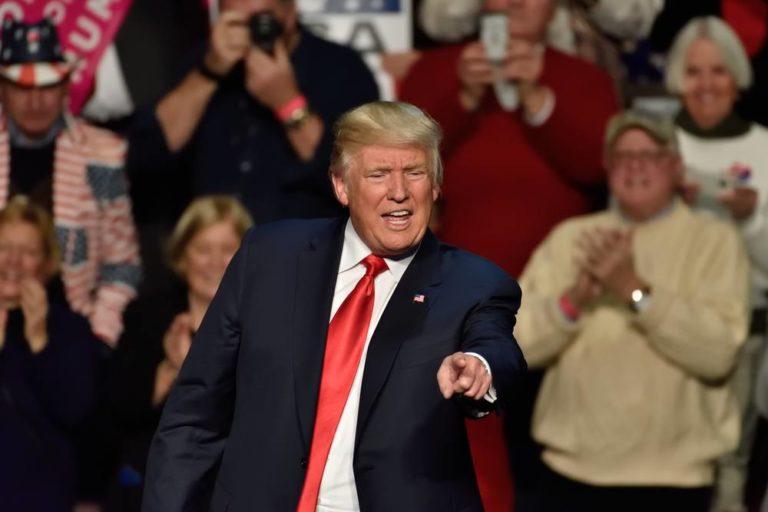
Stockpiling in the White House: Officials Prepare for Trade War Impact

0

Key Takeaways:

  • Trump administration officials and aides are stockpiling supplies like toilet paper and food.
  • Some officials are stashing cash despite supporting Trump’s trade policies.
  • Experts warn that stockpiling could worsen economic issues.
  • Consumer confidence has dropped to lows last seen during COVID-19.

Stockpiling in the White House: Officials Prepare for Trade War Impact

The ongoing trade war initiated by the Trump administration has sparked concerns even among its own members. Recent reports reveal that some officials and aides are stockpiling essential goods, reflecting growing anxiety over potential economic repercussions.

The Stockpiling Trend

While supporting President Trump’s tariffs, certain administration officials are taking precautions. They are buying bulk supplies of household items such as toilet paper and non-perishable food. One aide mentioned stashing cash at home to prepare for uncertain times. This trend suggests a quietpanic within Republican circles, as fears mount about the trade war’s impact on the economy and political standing ahead of the 2026 midterms.

Consumer Confidence Drops

The trade war’s escalation has led to a significant decline in consumer confidence, reaching levels not seen since the COVID-19 pandemic. This downturn indicates growing public concern, as higher prices and potential shortages loom, affecting everyday life.

Experts Warn of Risks

Experts caution that stockpiling might worsen the situation by creating artificial shortages and driving up prices. This behavior could backfire, leading to economic instability and undermining the administration’s goals.

Political Fallout

The irony of officials preparing for economic hardship while promoting policies aimed at strength highlights the internal conflicts within the administration. This preemptive stockpiling underscores the uncertainty and worry about the trade war’s outcomes.

Conclusion

As the trade war continues, actions within the administration reveal underlying fears about its impact. The blend of policy support and personal preparation among officials paints a complex picture of the situation’s seriousness. Whether these fears materialize remains to be seen, but the current climate of anxiety suggests challenging times ahead for the economy and politics.

Trump Issues Strong Warning on Iranian Oil Imports

Key Takeaways:

  • Trump warns countries against buying Iranian oil or petrochemicals, threatening secondary sanctions.
  • He states that any country or individual involved in such trade will face immediate penalties.
  • Reporters and experts highlight the potential huge economic and geopolitical impacts of this move.
  • Some criticize Trump for allowing Russia to continue supporting attacks in Ukraine while targeting Iran.
  • Questions arise about how this policy could affect U.S. relations with major trading partners like China.

Trump’s Latest Warning: A Global Economic Rollercoaster?

In a recent post, former President Donald Trump issued a strong warning to countries and individuals involved in purchasing Iranian oil or petrochemical products. He threatened to impose immediate secondary sanctions on anyone who defies this directive. Secondary sanctions mean that those who ignore this warning will not be allowed to do business with the United States in any way.

Trump’s message was direct and urgent: “All purchases of Iranian Oil, or Petrochemical products, must stop, NOW!” He emphasized that any country or person found buying even a small amount of these products from Iran will face serious consequences.

While much of the media focus has been on changes in the White House, this statement could have far-reaching impacts on global economics and politics. A reporter pointed out that this move could cause significant economic and geopolitical changes worldwide. It’s a reminder that Trump’s words still carry weight, even as other political developments unfold.


Reactions to Trump’s Warning

Trump’s announcement has sparked a variety of reactions. A reporter noted that the potential economic and geopolitical fallout of this move could be enormous. This means it could affect not just Iran but also many other countries that rely on Iranian oil.

Others have pointed out what they see as double standards in Trump’s approach. For example, one critic mentioned that while Trump is cracking down on Iranian oil, he seems fine with Russia providing military support to attack Ukraine. This has led to accusations of uneven enforcement of international policies.

Additionally, some are questioning how this policy could affect U.S. relations with major trading partners like China. Since China imports a large portion of Iran’s oil exports, this could create tension between the U.S. and China.


What Does This Mean for the U.S. and the World?

Trump’s warning is a clear signal that he intends to tighten the screws on Iran’s economy. By threatening secondary sanctions, he aims to isolate Iran and limit its ability to sell oil on the global market. This could have ripple effects across the world, especially for countries that rely heavily on Iranian oil.

The U.S. has long been critical of Iran’s policies and has imposed various sanctions over the years. However, this latest warning takes it a step further by directly targeting any country or individual that continues to do business with Iran.

For the U.S., this move could strengthen its position as a global leader in enforcing international sanctions. However, it could also lead to strained relationships with other nations that have different priorities and alliances.


A Changing Global Landscape

As the world continues to grapple with economic challenges and geopolitical tensions, Trump’s latest warning adds another layer of complexity. It’s a reminder that decisions made by leaders can have far-reaching consequences, impacting everything from energy supplies to international relations.

While it’s unclear how this policy will play out, one thing is certain: Trump’s words continue to shape conversations and policies, even as the political landscape evolves. Stay tuned for more updates as this story unfolds.

NYT Editorial Sparks Outrage Over Trump Comments

0

Key Takeaways:

  • A recent New York Times editorial has caused widespread criticism for its stance on Donald Trump’s potential second term.
  • Critics accuse the editorial of legitimizing Trump’s policies and lacking strong resistance strategies.
  • The editorial was criticized heavily on social media platforms like Bluesky and X.

Introduction: A recent editorial by The New York Times has stirred significant controversy. The piece, which discusses the potential dangers of Donald Trump’s second term, has drawn criticism for its perceived legitimization of Trump’s policies and its lack of a strong opposition strategy.

The Backlash Explained: The editorial warns of the damage a Trump second term could inflict on American democracy but has been accused of not taking a firm enough stance against him. Critics argue that the piece undermines resistance efforts by acknowledging Trump’s effectiveness.

What Critics Are Saying:

  • Podcaster David Roberts expressed shock, comparing the editorial to a parody of centrist views.
  • Investigative journalist Michael Hobbes questioned the approach, asking why a protest movement would acknowledge Trump’s legitimacy.
  • Lawyer Max Kennerly criticized the centrist perspective, advocating for stronger progressive measures.
  • Harvard Law professor Laurence Tribe called for a more aggressive approach, labeling the editorial’s strategy insufficient.
  • Writer Marshall Herskovitz dismissed the editorial’s solutions as inadequate.

The Broader Implications: The backlash highlights a deeper divide in political strategy. Critics believe that acknowledging Trump’s effectiveness legitimizes his controversial policies, potentially weakening opposition.

A Call for Stronger Resistance: Many are urging a more forceful approach to countering Trump, emphasizing the need for clear and decisive actions to protect democracy.

In conclusion, the controversy surrounding the editorial reinforces the challenges in addressing Trump’s impact, calling for a more robust resistance strategy to safeguard democratic values.

Trump’s Tariffs Threaten Fourth of July Fireworks

0

Key Takeaways:

  • Trump’s tariffs on Chinese goods could disrupt Fourth of July fireworks.
  • China supplies 75% of professional fireworks and nearly all consumer fireworks in the U.S.
  • Fireworks distributors are canceling shipments and halting Chinese production for next year.
  • Seasonal products like Christmas toys and Halloween costumes are at risk.
  • Trump claims there’s no issue, despite growing concerns from industries.

The Fourth of July is a time for celebration, but this year, President Trump’s tariffs might dampen the festive spirit. The tariffs have increased the cost of importing goods from China, affecting everything from fireworks to video games. Let’s dive into how these tariffs are impacting our favorite holiday traditions.

Why Are Fireworks at Risk?

Fireworks are a beloved part of Fourth of July celebrations. However, the tariffs have made them more expensive to import. China produces most of the fireworks used in the U.S., so the increased costs are causing significant disruptions. Fireworks distributors are canceling orders from China and even shutting down production for next year’s celebrations.

The Impact on Fireworks Distributors

Michael Ingram, who runs a fireworks distribution company in Missouri, expressed his concerns. He mentioned that the situation is urgent and serious, stating, “It would be a shame to have the skies go dark on the Fourth of July.” This highlights how critical the situation is for the fireworks industry.

Beyond Fireworks: The Broader Consequences

The effects of the tariffs aren’t limited to fireworks. Seasonal products like Christmas toys and Halloween costumes are also at risk. These items have tight production and import timelines, making them vulnerable to delays and increased costs. The tariffs could lead to shortages or higher prices for these seasonal goods.

Video Gamers Feel the Heat, Too

The tariffs are affecting other industries as well. For instance, Microsoft has raised the prices of Xbox consoles and games due to the tariffs. This shows how widespread the impact of the tariffs is, touching various aspects of American life.

Trump’s Stance on the Trade War

President Trump has downplayed the issue, claiming that ships coming into the U.S. are loaded with unnecessary goods. He also stated his intention to negotiate a “fair” trade deal with China. However, the specifics of such a deal and the progress made remain unclear.

What’s Next?

As the trade war with China continues, Americans may face more lifestyle changes. From Fourth of July fireworks to holiday toys and video games, the tariffs are reshaping the economy. Whether these changes are temporary or long-term remains to be seen.

In conclusion, the tariffs imposed by President Trump are casting a shadow over the Fourth of July and beyond. Only time will tell how these changes will affect our festive traditions and daily lives.

New Bill Aims to Eliminate Pennies, Could Save Millions

0

Key Takeaways:

  • A bipartisan bill proposes ending penny production to save over $85 million annually.
  • Pennies would remain legal tender despite production halt.
  • High production costs and material changes contribute to the expense.
  • Similar measures in countries like Canada have been successful.

Introduction: In a move to reduce costs, Senators Jeff Merkley (D-OR) and Mike Lee (R-UT) introduced a bill to stop minting pennies, aiming to save millions. Let’s explore the implications and rationale behind this proposal.

The Proposed Bill and Its Backers: The bill, introduced by Merkley and Lee, targets the costly production of pennies. Despite ceasing production, pennies will still be valid for use, ensuring no disruption to current transactions.

Why Pennies Are a Problem: Pennies, once made of copper, now consist mainly of zinc. This change, along with rising production costs, makes each penny expensive to produce, costing more than their face value.

The Cost of Making Pennies: In 2023, producing 3.2 billion pennies cost 20% more than the previous year. This expense, along with over $85 million in potential savings, highlights the economic benefits of ending production.

What If the Bill Passes? If passed, transactions would round to the nearest nickel, similar to Canada’s approach. This method has proven efficient, suggesting a smooth transition for the U.S.

How Other Countries Handle It: Canada ceased penny production in 2012, adopting rounding practices. Their success indicates that such a change is viable and viewer-friendly.

Current Penny Issues in the U.S.: Beyond production costs, millions of coins are wasted each year, with billions more hoarded. This inefficiency underscores the need for reform.

What’s Next? As the bill moves forward, its fate hinges on congressional support. Public opinion and lessons from other nations may influence its success. The potential savings and efficiency gains make this proposal a significant step toward fiscal responsibility.

In conclusion, the proposed bill aims to eliminate unnecessary expenses while maintaining financial stability, drawing inspiration from successful international models.

Texas Lawmaker’s Controversial Bill Sparks Debate Over School Policies

0

Key Takeaways:

  • A Texas Republican lawmaker is pushing a bill to stop schools from letting kids use litter boxes and identify as animals—a claim that’s been proven false.
  • A Democratic lawmaker called out the bill as a waste of time during a legislative hearing.
  • The idea behind the bill is based on a debunked conspiracy theory that’s gone viral on right-wing social media.
  • No evidence exists of schools allowing such practices, but the bill has sparked heated debate.

A heated debate erupted in the Texas Legislature over a bill that aims to stop schools from allowing students to use litter boxes and identify as animals. The proposal, called the Forbidding Unlawful Representation of Roleplaying In Educational Spaces (FURRIES) Act, has been met with criticism from Democrats who argue it’s based on a debunked conspiracy theory.

Republican lawmaker Stan Gerdes introduced the bill, claiming it’s needed to address concerns about students acting like animals in schools. However, Democratic Rep. James Talarico confronted Gerdes during a hearing, calling the bill “weird” and “a little creepy.” He also accused Gerdes of wasting the legislature’s time on a issue that has no evidence to support it.


The Confrontation

Talarico criticized Gerdes for focusing on a conspiracy theory instead of addressing real issues like student mental health or school closures. “I find it concerning that these types of debunked conspiracy theories are being used by politicians at the highest levels of our government,” Talarico said.

Gerdes struggled to provide examples of schools where students were allowed to use litter boxes or identify as animals. Even Texas Gov. Greg Abbott has promoted the idea, but no evidence exists to back it up.


The Hoax Behind the Bill

The idea of schools allowing kids to use litter boxes and act like animals has gone viral on right-wing social media. Many parents have expressed outrage over the claim, but it’s based on a misunderstanding of “furry culture,” a subculture where some adults dress up as animals as a hobby.

The closest thing to this happening in schools was a 2018 report from Colorado. Some schools there kept cat litter as part of emergency kits for students during lockdowns. However, this had nothing to do with kids identifying as animals.


Right-Wing Outrage Without Evidence

Despite the lack of evidence, the conspiracy theory has sparked outrage among some parents. Many believe schools are promoting “furry culture” and allowing students to use litter boxes. These claims have been repeatedly debunked, but they continue to spread online.

Educators and experts have dismissed the idea, calling it a distraction from real issues facing schools.


Lawmakers Divided

Talarico argued that the legislature should focus on more pressing issues, like improving mental health support for students or addressing school closures caused by budget cuts. “We are spending precious legislative time on a bill that has no basis in reality,” he said.

Gerdes, however, defended his bill, saying it’s needed to protect Texas students. He didn’t provide any evidence to support his claims, but he insisted the measure is necessary.


The Bigger Picture

The debate over the FURRIES Act highlights how conspiracy theories can influence politics. Even though the claims are baseless, they’ve sparked a heated discussion in the Texas Legislature. Critics like Talarico worry that focusing on such issues distracts from solving real problems in schools.

For now, the bill’s fate remains uncertain. Whether it will pass or be dismissed as a waste of time is still to be seen.

Trump’s Big Shake-Up: New Roles for Waltz and Rubio Spark Buzz

0

Key Takeaways:

  • President Trump has moved Mike Waltz from National Security Advisor to Ambassador to the United Nations.
  • Marco Rubio now holds two big roles: Secretary of State and National Security Advisor.
  • Waltz’s new job needs Senate approval, meaning he’ll face tough questions in Congress.
  • People are surprised and confused by Rubio taking on so much responsibility.

Trump Makes Major Changes to His Team

In a surprising move, President Donald Trump has rearranged his top team. Mike Waltz, who was the National Security Advisor, has been given a new job as Ambassador to the United Nations. Meanwhile, Marco Rubio, who is already the Secretary of State, has been handed an additional role as National Security Advisor.

This shake-up has caused a lot of buzz in political circles. Many are wondering why these changes happened and what they mean for the administration.


Waltz’s New Role Comes with Challenges

Mike Waltz’s move to Ambassador to the United Nations is a big deal. First, he needs to be confirmed by the Senate, which means he’ll have to answer questions in a public hearing. This could be tricky because of some scandals that have been in the news lately.

Jessica Taylor of the Cook Political Report commented on Waltz’s new role, saying, “Not a bad consolation prize at all.” This suggests that while the Ambassador position is important, it might not be as significant as his previous role.

John Bresnahan from Punchbowl News joked that Waltz might not face any tough questions about the scandals during his hearing. But it’s still unclear how the Senate will react to his nomination.


Rubio Takes On Even More Responsibility

Marco Rubio is now juggling two major jobs: Secretary of State and National Security Advisor. This has raised eyebrows across Washington.

Kyle Cheney, a legal reporter for Politico, noted that Rubio’s list of roles keeps growing. “Marco Rubio is now: Secretary of State, National Security Advisor, National Archivist,” he said. Some have even joked that Rubio might take on even more jobs, like running USAID or acting as a doctor!

Journalist John Harwood offered a different view, saying, “Which means he’s not much of anything.” This suggests that spreading oneself too thin might not be the best approach.


Why Are People Talking About Rubio?

The reaction to Rubio’s new roles has been mixed. Some find it surprising that he’s taking on so much. Others are worried about whether he can handle all these responsibilities effectively.

Garrett Haake of NBC News compared Rubio’s situation to the drummer in the movie This Is Spinal Tap, where drummers keep dying. He said, “This is like being the drummer for Spinal Tap.” It was a humorous way of pointing out that taking on too many roles might not end well.

Legal analyst Liz Dye joked, “Marco Rubio is Secretary of State, National Security Advisor, National Archivist, AND YOUR OBGYN.” This playful comment highlights how strange it seems for one person to have so many roles.


What Does This Mean for Trump’s Team?

The sudden reshuffling of roles has left many questioning Trump’s strategy. Some reporters noted that even Republican senators were caught off guard by Waltz’s removal. John Bresnahan said, “Several GOP senators said they had no advance notice on Michael Waltz’s ouster until they saw Mark Halperin post.” This lack of communication could cause tension within the party.

Marc Caputo of Axios pointed out two key takeaways from the situation:

  1. Waltz stayed loyal to Trump, and even though he has flaws, Trump still values him.
  2. Rubio’s influence in Trump’s eyes is growing, which could mean big things for his future in the administration.

Andrew Prokop on X added, “He wears as many hats as Bannon wears shirts,” referencing Steve Bannon’s famous penchant for layering shirts. This comment emphasizes Rubio’s many roles and how overwhelming it might seem.


Reactions Range from Jokes to Concern

The news has sparked a mix of funny comments and serious concerns. Some see Rubio’s rise as a sign of his importance to Trump. Others worry that giving one person too much power could lead to problems.

Law school professor Anthony Michael Kreis simply said, “April 1 was last month,” implying that the situation feels like a bad joke.

Astead Herndon of The New York Times quipped, “Gig economy,” comparing Rubio’s multiple roles to the modern trend of working multiple part-time jobs.


What Comes Next?

For now, Mike Waltz is waiting for Senate confirmation. If approved, he’ll be one step closer to becoming the Ambassador to the United Nations. Meanwhile, Rubio will continue to balance his dual roles, and all eyes will be on how he manages.

The bigger question is whether these changes will help or hurt the administration. Only time will tell.

Pentagon Expands Probe into Pete Hegseth’s Signal Use Amid Controversy

0

Key Takeaways:

  • The Pentagon inspector general has expanded its investigation into Defense Secretary Pete Hegseth’s use of the encrypted messaging app Signal.
  • The probe now includes a second Signal chat involving Hegseth, other top officials, his wife, and brother.
  • The investigation initially focused on whether Hegseth shared classified information with a reporter but now also examines how sensitive data may have been moved to his Signal app.
  • The controversy led to the removal of Mike Waltz as national security adviser, with Marco Rubio temporarily taking over the role.
  • While President Trump supports Hegseth, some Republican lawmakers are withholding judgment until the investigation concludes.

Pentagon Probe into Pete Hegseth’s Signal Use Grows

The Pentagon inspector general has expanded its investigation into Defense Secretary Pete Hegseth’s use of the encrypted messaging app Signal. This comes after a second Signal chat was discovered, involving Hegseth, other top administration officials, and even his wife and brother. The probe is now looking into whether classified information was improperly moved from a government system to Hegseth’s personal Signal app.

The investigation initially focused on whether Hegseth shared classified information with an Atlantic reporter. However, it now includes a deeper look into the second chat, which was revealed last month. The expansion of the probe increases the pressure on Hegseth, who has denied any wrongdoing. He claims the controversy is fueled by leaks from his opponents.


The Political Fallout

The controversy has already had significant consequences. Mike Waltz, the former national security adviser, was removed from his position. President Trump announced that Waltz would be nominated as the U.S. ambassador to the United Nations. In the meantime, Secretary of State Marco Rubio has stepped in as interim national security adviser.

The situation has sparked mixed reactions in Washington. While Trump has expressed support for Hegseth, some Republican lawmakers are reserving judgment. Sen. John Cornyn (R-TX) said, “I think the IG investigation into the Signal use is important. I will wait to see what they come up with.”

Sen. Thom Tillis (R-NC) was more critical, stating, “It is clearly, at best, a rookie mistake, at worst really bad judgment. I’m just trying to figure out which one it was.”


What’s at Stake for Hegseth?

The investigation is focused on two main issues: whether Hegseth shared classified information and how sensitive data may have been moved to his Signal app. The Pentagon inspector general is trying to determine who took classified information from a government system and put it into Hegseth’s personal Signal account.

Hegseth has denied posting classified information. He claims the controversy is being driven by political opponents who are leaking information to damage his reputation. However, the expansion of the investigation raises the stakes for him. If the probe finds wrongdoing, it could have serious consequences for his career.


What’s Next?

The outcome of the investigation will likely determine Hegseth’s future in the administration. While Trump has signaled support for him, Republican lawmakers are keeping a close eye on the developments. If the inspector general finds evidence of misconduct, it could lead to further political fallout and potentially even calls for Hegseth’s resignation.

For now, the focus remains on the investigation. As more details emerge, the situation could become even more complicated for Hegseth and the administration. Stay tuned for updates as this story continues to unfold.

Trump’s Net Worth Skyrockets to $5 Billion, Fueled by Crypto Deals

0

Key Takeaways:

  • Donald Trump’s net worth has surged to $5 billion, more than doubling in a year.
  • Cryptocurrency deals, involving Trump and his family, contribute significantly to this growth.
  • Crypto investors may have played a crucial role in the 2024 election, favoring Trump by a 24-point margin.

Donald Trump’s wealth has seen an explosive growth since his presidency, reaching an astonishing $5 billion. This significant surge is largely attributed to his ventures in the cryptocurrency industry, including ethically questionable deals, as revealed by CNN analyst Harry Enten.

The Crypto Boom Connection

Trump’s net worth skyrocketed from $2.3 billion to over $5 billion in just one year. This dramatic increase is not solely due to his business acumen but heavily influenced by his involvement in the cryptocurrency market. Enten highlighted that the Trump family, including Melania and Eric, has collectively amassed around $1 billion from crypto dealings alone. This staggering figure underscores the lucrative nature of their crypto investments.

Family Ties in Crypto Ventures

The Trump family’s diversification into cryptocurrency isn’t limited to Donald. Both Eric Trump and Melania Trump have ventured into the crypto space, contributing to the family’s substantial wealth accumulation. Their involvement in issuing cryptocurrency coins has drawn attention, raising ethical concerns but undeniably generating significant revenue.

Factors Behind the Wealth Surge

While crypto contributes a considerable portion, Trump’s wealth growth is also attributed to other ventures. Truth Social, his media platform, becoming public has added to his fortune. However, the broader economic context, including stock market instability due to tariffs, contrasts sharply with Trump’s success, as many Americans face challenges with their retirement savings.

Political Impact of Crypto Voters

The cryptocurrency community’s influence extends beyond economics into politics. Enten pointed out that crypto owners supported Trump by a 24-point higher margin compared to non-owners. This demographic, now accounting for over 10% of the electorate, may have been pivotal in the 2024 election outcome. Trump’s alignment with this group could be a strategic move to harness their growing political power.

Conclusion

Trump’s remarkable wealth surge, bolstered by crypto deals, highlights the lucrative potential of the digital currency market. While his strategies have yielded financial success, they also prompt discussions on ethical business practices and political influence. As the cryptocurrency sector evolves, its impact on both personal wealth and political landscapes continues to grow, offering a fascinating glimpse into the intersection of finance and politics.