57.4 F
San Francisco
Sunday, May 10, 2026
Home Blog Page 905

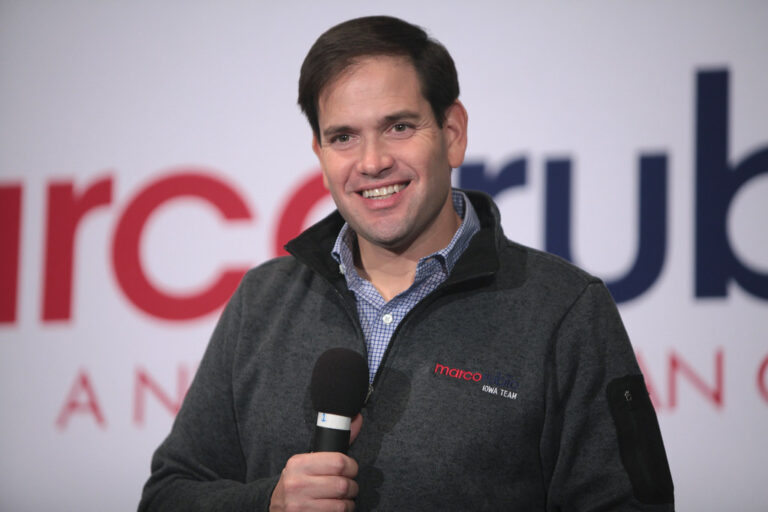
Trump Appoints Rubio as Temporary National Security Adviser

0

Key Takeaways:

  • President Trump appoints Marco Rubio as temporary National Security Adviser.
  • Mike Waltz and Alex Wong removed due to security breach.
  • Waltz accidentally included a journalist in a private chat about military plans.
  • Rubio’s role aims to bring stability to foreign policy team.

Introduction: In a significant move, President Trump has named Marco Rubio as the acting National Security Adviser following the ousting of Mike Waltz and his deputy. This change comes after Waltz inadvertently included a journalist in a private discussion, raising security concerns.

Waltz’s Exit Explained: Mike Waltz’s departure stems from an accidental invite of Jeffrey Goldberg to a Signal chat discussing U.S. military actions in Yemen. This mishap highlighted a lapse in security protocols, prompting quick action from the administration.

Rubio Steps In: Marco Rubio, known for his foreign policy expertise, assumes the role to stabilize the National Security Council. His experience in international relations is expected to bring steady leadership during this transition.

What This Means: Rubio’s temporary role underscores the administration’s focus on security and strategic communication. His involvement aims to maintain continuity in foreign policy and address recent challenges.

Rubio’s Background: With extensive experience in foreign affairs, Rubio is well-equipped to handle the responsibilities of National Security Adviser. His deep understanding of global issues promises informed decision-making.

Implications for the Administration: This shake-up reflects Trump’s emphasis on a tight-knit, reliable team. Rubio’s appointment may influence future policy directions, ensuring alignment with administration goals.

Conclusion: As Rubio takes on his new role, the administration seeks to move past recent setbacks. His leadership is expected to strengthen national security and restore confidence in the team’s ability to handle sensitive matters effectively.


Decoding Supreme Court Surprises: Why Judges Sometimes Defy Expectations

0

Key Takeaways:

  • Democratic-appointed justices often vote as their party expects.
  • Some Republican-appointed justices change their rulings over time.
  • Conservatives are frustrated when their justices don’t align with their views.
  • Justices’ independence and philosophy play a role in their decisions.
  • This leads to debates about the Court’s role in politics.

Introduction: Elon Musk recently wondered why Democratic justices consistently vote as their party expects, while Republican justices sometimes don’t. This curiosity touches on a broader issue in American politics—the unpredictable nature of Supreme Court rulings. Let’s explore why this happens and what it means for the Court’s role in society.

Why Democratic Justices Often Align with Party Expectations

Democratic justices usually vote in line with their party’s platform. This consistency is partly due to clear expectations from their appointing presidents and party leaders. These justices understand the political context of their nominations and often have a reputation for supporting liberal causes. As a result, their rulings typically align with Democratic priorities, whether it’s on healthcare, environmental regulations, or civil rights.

The Flip Side: Republican Justices Who Surprise

On the flip side, some Republican-appointed justices have surprised conservatives by supporting liberal-leaning decisions. This shift can frustrate conservatives who expected these justices to consistently uphold their principles. For example, Justice John Roberts, appointed by a Republican president, has voted with the Court’s liberal wing on key issues like healthcare. These unexpected rulings can lead to frustration among conservatives who feel their interests aren’t being represented.

Understanding the Disparity

Why do Democratic justices often stay the course while some Republican justices drift? One reason is the difference in judicial philosophy. Democratic appointees might have a more consistent view of the judiciary’s role in expanding rights and interpreting the law. Republican appointees, while also conservative, might approach cases with a more independent mindset, leading to surprising rulings.

Broader Implications for the Supreme Court

This phenomenon sparks debates about the Court’s role. While some argue justices should mirror the views of the president who appointed them, others believe the judiciary should remain strictly independent. This tension raises questions about the balance between political expectations and judicial independence, affecting public trust and the Court’s legitimacy.

Notable Cases and Justices

History shows several justices have evolved during their tenure. Justice Harry Blackmun, appointed by a Republican, became a liberal icon, while Justice Clarence Thomas remains steadfast in his conservative rulings. These examples highlight the complexity of judicial roles and the potential for change.

Conclusion: The Ongoing Debate

The Supreme Court’s role in American politics remains a hot topic. While Democratic justices often meet party expectations, the occasional shift by Republican justices adds uncertainty. This dynamic underscores the Court’s independence and its members’ autonomy. As the nation observes these shifts, the debate about the judiciary’s role continues, shaping the Court’s future and its impact on American law.

Tattoos Don’t Prove Gang Membership, Experts Say

0

Key Takeaways:

  • The Trump administration deported Kilmar Abrego Garcia to El Salvador, citing his tattoos as evidence of MS-13 membership.
  • Experts argue that tattoos alone do not prove gang affiliation.
  • This case highlights concerns about using body art as evidence, leading to potential wrongful deportations.

The Disputed Deportation

The Trump administration recently deported Kilmar Abrego Garcia to El Salvador, claiming that his tattoos link him to the MS-13 gang. Garcia’s tattoos include a cross, a skull, a smiley face, and a marijuana leaf. The administration believes these symbols are proof of his gang involvement. However, experts disagree, arguing that such evidence is insufficient and could lead to wrongful deportation.


What Do the Tattoos Mean?

Garcia’s tattoos are at the center of the debate. The cross could symbolize faith or personal loss, while the skull might represent power or a life challenge. The smiley face could signify happiness or irony, and the marijuana leaf might indicate a love for the plant or a rebellious attitude. These symbols, while striking, can have various meanings beyond gang affiliation.


Gang Experts Weigh In

Gang experts emphasize that tattoos alone do not confirm membership. MS-13 members do use specific symbols, but context matters.Symbols can vary in meaning depending on location and personal history. Experts stress the importance of deeper investigation beyond tattoos for accurate conclusions.


A Deeper Look into MS-13

MS-13, a notorious gang, often uses tattoos to signify membership. These symbols can include numbers, images, or specific designs. However, experts warn that merely having a tattoo doesn’t automatically make someone a gang member. Symbols can have different meanings or be worn for other reasons.


The Bigger Picture

This case raises significant concerns about using tattoos as evidence. Reliance on such methods can lead to wrongful deportations, disrupting lives and families. It highlights the need for thorough investigations to avoid such errors, ensuring fair treatment for individuals.


Final Thoughts

The debate over Garcia’s deportation underscores the complexity of using tattoos as evidence. While the administration stands by their decision, experts caution against hasty judgments. This case serves as a reminder of the importance of understanding and context in legal decisions.

Democrats Miss Chance to Repeal Trump Tariffs Due to Absences

0

Key Takeaways:

  • Senate Democrats failed to repeal Trump-era tariffs due to low attendance.
  • This was their second recent attempt to challenge GOP trade policies.
  • The absence of key members cost them a rare political victory.
  • Democrats are now left to regroup and plan their next move.

Why Do These Tariffs Matter?

Tariffs are like taxes on imported goods. They can make things more expensive for consumers. President Trump introduced these tariffs to protect American industries, but critics argue they hurt the economy.

Democrats wanted to remove these tariffs to ease economic pressures. This would have been their second win against GOP trade policies in recent weeks.


A Missed Opportunity

Democrats were close to winning the vote. However, some members were absent. Without their votes, the measure failed.

This setback has left many Democrats disappointed. They feel they missed a crucial chance to challenge Trump’s policies and help the economy.


What Happened Next

The failure has sparked discussions within the Democratic caucus. They are looking at what went wrong. They know they need to be united to succeed.

Some Democrats admit they need better communication. They must ensure everyone attends crucial votes. Without unity, they can’t win against the GOP.


Why Attendance Matters

In the Senate, every vote counts. A few absences can change the outcome. Democrats learned this the hard way.

Attendance issues are common in Congress. Senators often miss votes due to other commitments or personal reasons. But in close calls, absences can have big consequences.


The Bigger Picture

This vote was part of a larger fight over trade policy. Democrats and Republicans have different ideas on how to handle trade with other countries.

Democrats want to reduce tariffs to lower prices for consumers. Republicans argue tariffs protect American jobs. This debate isn’t over. Democrats will keep trying to repeal these tariffs.


What’s Next for Democrats?

Democrats are planning their next steps. They need to stay united and find new ways to challenge Trump’s tariffs. They also need to convince some Republicans to support their cause.

Republicans are happy with the outcome. They saw the Democratic absence as a chance to defend their policies. They believe keeping the tariffs is the right move for the economy.


A Growing Divide

The tariff debate shows a bigger divide in Washington. Democrats and Republicans have very different views on trade. This makes it hard to find common ground.

As the 2024 elections approach, these issues will likely become campaign topics. Trade policy could be a key issue for many voters.


Conclusion

Democrats missed a chance to repeal Trump’s tariffs, but they’re not giving up. They’ll keep fighting to change trade policy. For now, the tariffs remain, and the debate continues.

In the end, this episode reminds us how important it is for lawmakers to show up. Even one absence can change the course of history.

Migrant’s Desperate River Crossing Highlights Dangers of US Journey

0

Key Takeaways:

  • Mohammad, a migrant, faces a critical river crossing without knowing how to swim.
  • He has endured a grueling three-week journey across nine countries and 4,000 miles.
  • Suffering from hunger, dehydration, and illness, Mohammad’s situation is dire.
  • He has been robbed four times in Brazil and Colombia, highlighting the dangers migrants face.

A Grueling Journey: The Path to Desperation

Mohammad’s journey is a testament to the desperation driving many migrants toward the United States. Originating in a distant land, his journey spans nine countries and 4,000 miles, marked by immense hardship. The path through South America into Central America is notorious for its dangers, pushing migrants to their limits.

Mohammad’s story illustrates the perilous route many take, driven by hope for a better life. Each step is fraught with uncertainty, from treacherous terrains to unpredictable human encounters.


Facing the Unknown: ARiver of No Return

Now, in western Guatemala, Mohammad confronts a daunting challenge—a river he cannot cross. His inability to swim adds another layer of desperation to his already dire situation. Weakened by hunger and dehydration, his body also battles illness, with painful sores adding to his misery.

The river represents more than a physical barrier; it’s a potential end to his arduous journey. Without the ability to swim, Mohammad must decide: risk everything or turn back, a decision many migrants face daily.


A Deadly Path: Robberies and Extortion

Mohammad’s journey has been plagued by robberies in Brazil and Colombia, a stark reminder of the dangers migrants face. These incidents underscore the vulnerabilities they encounter, often at the mercy of criminals who prey on their desperation.

Each robbery strips migrants of their resources, worsening their plight. Beyond material loss, these encounters leave deep emotional scars, highlighting the brutality of their path.


The Broader Crisis: Understanding the Migrant Surge

Mohammad’s story is one of many in a larger crisis. Thousands embark on similar journeys each year, driven by poverty, violence, and climate change. The U.S. remains a beacon of hope, despite the perils involved.

This surge strains systems meant to manage migration, creating challenges for nations and institutions. It raises questions about safety, policy, and human rights, urging global action to address these issues.


Conclusion: The Human Cost of Migration

Mohammad’s situation paints a vivid picture of the human cost of migration. Each migrant has a unique story, yet they all share a common thread of resilience and determination. The river crossing is a critical moment in Mohammad’s journey, symbolizing the broader challenges faced by many.

Understanding this crisis requires empathy and awareness of the complexities involved. As the world grapples with migration, stories like Mohammad’s remind us of the human element at stake.

Tucker Carlson: Democrat Embracing Trump Economics Could Win 2028

0

Key Takeaways:

  • Tucker Carlson suggests a Democrat mirroring Trump’s economy could secure the 2028 presidency.
  • Gavin Newsom and Alexandria Ocasio-Cortez are mentioned as potential candidates.
  • The Democratic Party faces challenges in uniting behind a leader post-Trump.
  • Carlson highlights the party’s diversity policies as a significant issue.
  • Recent polls show low Democratic favorability and indecision on leaders.

A Democrat with Trump-like Economics?

Tucker Carlson recently shared his thoughts on the Democrats’ 2028 prospects, suggesting that a candidate echoing Trump’s economic policies could lead to victory. He discussed potential candidates like California Governor Gavin Newsom and Rep. Alexandria Ocasio-Cortez, noting their early interest in the nomination.

Internal Party Struggles

Carlson pointed out the Democratic Party’s struggle to unite since Trump’s 2024 win. He criticized the party’s diversity efforts, comparing them to past segregation, though he acknowledged this rhetoric’s strength.

Potential Candidates and Challenges

People speculate that Newsom and Ocasio-Cortez might run for president. Carlson praised Newsom’s intelligence but doubted his viability in a party he sees as anti-white. He also questioned Ocasio-Cortez’s discipline for a presidential campaign, noting her controversial stance on Israel could alienate donors and some Democrats.

Polls and Party Landscape

A recent poll shows low Democratic favorability at 29%. Many respondents couldn’t name a leader they support, with Ocasio-Cortez leading at 10%. Others mentioned Kamala Harris, Bernie Sanders, and Hakeem Jeffries. Carlson believes the party’s future hinges on a candidate with natural talent and populist appeal, similar to Trump’s approach.

Carlson’s Insights on Talent and Policies

Carlson emphasized the importance of talent in politics, even disagreeing with candidates like Bernie Sanders. He noted Sanders’ fraudulent actions but acknowledged his political skill. Carlson believes a left-wing populist could win by attacking issues like credit card companies and endless wars, similar to Trump’s strategy.

Implications for 2028

The Democratic Party faces a tough road ahead, with internal divisions and low morale. Carlson’s comments highlight the need for a candidate with the right mix of talent, discipline, and appeal to succeed in 2028. The party must find a leader who can unite its diverse base and counter Trump-like policies effectively.

In conclusion, while the Democratic Party struggles with unity and leadership, Carlson’s prediction suggests that a candidate embracing Trump’s economic approach could be their 2028 hope.

NY GOP Office Vandalized with Nazi Imagery Amid Rising Tensions

0

Key Takeaways:

  • The New York State Republican Party’s Albany headquarters was vandalized with Nazi imagery.
  • This follows previous attacks in New York and New Mexico.
  • The DOJ charged a suspect in the New Mexico arson attack.
  • Republican leaders condemn the acts and call for civility.

Vandalism in Albany

The New York State Republican Party’s office in Albany was recently targeted with Nazi imagery, marking the latest incident in a series of attacks on GOP locations. Swastikas and a threatening message were also found earlier, indicating a pattern of escalating violence.


Previous Attacks in New York

This isn’t the first incident in New York. Weeks earlier, swastikas and a sign challenging the party’s stance were left at the same location. These acts suggest a targeted effort to intimidate party members.


DOJ Charges in New Mexico

In a related case, the Department of Justice charged a suspect in the arson attack on a New Mexico GOP office. The individual, known for radical views, also targeted a Tesla dealership, highlighting the growing concern over political violence.


Leaders React

Rep. Elise Stefanik and Rep. Mike Lawler condemned the attacks, expressing concerns over rising political hostility. They emphasized the need for respect and dialogue in political discourse.


Calls for Civility

The incidents have sparked calls for bipartisanship. Leaders urge the public to stand against violence, promoting a respectful and decent political environment. The community is encouraged to embrace civil engagement over hostility.


This escalation in political violence underscores the need for unity and respect. As tensions rise, fostering dialogue and mutual understanding becomes crucial for a harmonious society.

Columbia Student and Activist Freed After Immigration Arrest

0

Key Takeaways:

  • A Columbia University student and Palestinian activist was arrested by US immigration authorities.
  • The student has now been released from custody.
  • The case has sparked attention online and among activist groups.

Columbia Student and Activist Freed After Immigration Arrest

A Columbia University student and Palestinian activist, who was recently arrested by US immigration authorities, has been released from custody. The arrest and subsequent release have drawn attention from activists and supporters across the country.

Who Is the Student?

The student, whose name has not been disclosed, is known for their activism in support of Palestinian rights. They have been involved in various campaigns and movements, both on campus and beyond. Their arrest caused concern among peers and advocates, who quickly took to social media to demand their release.

The Arrest

According to reports, the student was detained by US immigration authorities. The exact reason for the arrest remains unclear, but supporters believe it may be connected to their activism. Immigration arrests often spark debates about free speech, especially when they involve individuals advocating for social justice causes.

The Release

After a wave of public outcry and legal efforts, the student was freed. Supporters celebrated the news, calling it a victory for justice and free expression. While details of the release are still emerging, activists are hopeful that the incident will highlight the importance of standing up for individual rights.

The Reaction

News of the student’s release spread quickly online. Social media platforms were flooded with messages of support, with many users expressing relief. Activist groups also praised the efforts of those who worked tirelessly to secure the student’s freedom.

This event serves as a reminder of the challenges faced by activists and the power of community support. As more details emerge, the story continues to gain attention and spark conversations about immigration policies and activism.


Why It Matters

This case highlights the intersection of immigration policies and activism. It raises questions about whether activism can lead to targeted actions by authorities. The release of the student shows the impact of public pressure and legal advocacy in such situations.

For many, this story is about more than just one individual—it’s about the broader fight for justice and equality. The support the student received demonstrates how communities can come together to make a difference.


Next Steps

Now that the student has been released, attention turns to what happens next. Supporters are calling for greater transparency from authorities about the arrest. They also hope this incident will lead to reforms in how immigration policies are enforced.

The student’s release is seen as a step in the right direction, but activists are not letting up. They continue to advocate for the rights of immigrants and marginalized communities, knowing that challenges remain.


Conclusion

The arrest and release of this Columbia University student and Palestinian activist have sparked important conversations. While the immediate outcome is positive, the broader issues remain. As the story continues to unfold, it serves as a reminder of the power of activism and the importance of standing up for what is right.

For now, supporters are celebrating the student’s freedom while staying vigilant about the challenges ahead. The case is a testament to the strength of community and the enduring fight for justice.

Microsoft Won’t Fix Windows Remote Login Flaw

Key Takeaways:

  • Microsoft keeps a remote login feature that uses old passwords.
  • This stays even after you change your password.
  • It’s a design choice to stop users from getting locked out.
  • Users should update passwords on all devices regularly.

A Confusing Situation

Imagine you change your password because you think someone might know it. You expect that no one can use your old password anymore. But with Microsoft’s Remote Desktop, your old password might still work. This is confusing because people think they’re safe after changing their password.

What is Remote Desktop?

Remote Desktop is a tool for controlling a computer from another device. It’s built into Windows and is trusted for remote access. But here’s the catch: it might still accept an old password even after you’ve changed it.

Why is This Happening?

Microsoft says this is not a bug but a design choice. They want to make sure users aren’t locked out. If Remote Desktop stopped working suddenly, it could cause frustration and more calls to the help desk.

What Can You Do?

To stay safe, update all your devices with your new password, especially for Remote Desktop. Change the local account passwords on each machine and enable two-factor authentication for extra security.

What This Means for You

While this feature is convenient, it has security implications. Stay vigilant and proactive. Update your passwords and enable extra security steps to keep your information safe.

By following these tips, you can protect yourself even though Microsoft isn’t changing this feature right now.

Google CEO Testifies in Antitrust Case

The U.S. Department of Justice (DOJ) has finished presenting its case against Google in an ongoing antitrust trial. Now, it’s Google’s turn to defend itself. Today, Google’s CEO, Sundar Pichai, testified in court to address the government’s claims that Google is abusing its market power. This is a critical moment for Google as it fights to avoid being split up or heavily fined.

Key Takeaways:

  • Google CEO Sundar Pichai testified in court to counter the DOJ’s antitrust claims.
  • The DOJ wants Google to share its search technology and data with competitors.
  • Google argues that the DOJ’s proposed remedies are too harsh and unnecessary.
  • Pichai explained why he believes Google isn’t abusing its market position.
  • The trial could shape the future of the search engine industry.

What’s Happening in the Trial?

The DOJ accuses Google of using its dominance in the search engine market to unfairly block competitors. The government wants Google to make significant changes, like splitting off parts of its business, such as Chrome, or sharing its search technology with other companies. Google strongly disagrees with these demands.

In his testimony, Pichai pushed back against the DOJ’s claims. He argued that Google’s success is due to hard work and innovation, not unfair practices. “We’ve earned our position through relentless focus on improving our products,” Pichai said.

Why the DOJ Is Suing Google

The DOJ believes Google has too much control over the search market. It claims that Google’s size and technology give it an unfair advantage. For example, Google’s search index, which helps rank websites, is far better than what competitors have. The DOJ says this makes it hard for other search engines to compete.

The government also argues that Google’s access to vast amounts of user data gives it a huge edge. This data helps Google improve its search results and target ads more effectively. The DOJ wants Google to share this data with other companies to level the playing field.

Pichai’s Defense

Pichai explained that Google’s success is not about crushing competitors but about building better products. He said that users choose Google because it delivers the best results, not because of any unfair tactics. “People use Google because they find it helpful, not because they’re forced to,” Pichai said.

Pichai also warned that the DOJ’s proposals could harm Google and its users. For example, forcing Google to share its search index and technology with competitors might lower the quality of search results. “If we have to share our technology, it could slow down innovation,” Pichai argued.

The Debate Over Chrome

One of the DOJ’s demands is that Google spin off Chrome, its popular web browser. Google strongly opposes this idea. Pichai said that Chrome is a separate product and does not give Google an unfair advantage in the search market. He also pointed out that users have many browser choices, like Firefox and Safari.

What’s Next?

The trial is far from over. Google will continue to present its case in the coming days. If the court rules in favor of the DOJ, Google could face major changes, such as being forced to share its technology or split off parts of its business. If Google wins, it could continue to operate as usual, but the company will likely face more scrutiny from regulators in the future.

This case is important because it could shape the future of the tech industry. If the government succeeds in breaking up Google, it could set a precedent for other big tech companies. On the other hand, if Google wins, it could embolden other tech giants to grow even larger.

Conclusion

The battle between Google and the DOJ is heating up. Google’s CEO, Sundar Pichai, is making the case that his company is not a monopolist and that the government’s demands are too extreme. The outcome of this trial will have big consequences for Google and the tech industry as a whole. Stay tuned for more updates as this story unfolds.