53 F
San Francisco
Monday, May 11, 2026
Home Blog Page 916

Board Game Makers Struggle as Trump’s Tariffs Take Toll

0

Key Takeaways:

  • Trump’s tariffs on Chinese goods hit 145%, affecting the board game industry.
  • China retaliated with 125% tariffs on U.S. products.
  • Stonemaier Games faces a $1.5 million tariff burden.
  • The industry sued to overturn tariffs, seeking government incentives.
  • Future of board game publishers is at risk if tariffs persist.

How Trump’s Tariffs Affect Board Games

The board game industry is facing tough times due to President Trump’s tariffs on Chinese imports. Jamey Stegmaier of Stonemaier Games shared their struggles on CNN, explaining how tariffs are causing financial strain.

Why Tariffs Matter

Tariffs are taxes on imported goods. Trump increased these taxes on Chinese products to 145%, and China responded with higher taxes on U.S. goods. This trade war is hitting the board game industry hard, as most games are made in China.

Reliance on China

Stegmaier explained that China excels at producing game components like cards and boards. This expertise is crucial for creating high-quality board games, making China indispensable to the industry.

A Heavy Financial Burden

Stonemaier Games is paying $14.50 in tariffs for every $10 spent in China, leading to a potential $1.5 million cost. This expense is devastating for small companies, forcing them to reconsider production plans.

Seeking Solutions

The industry has sued to end the tariffs, while also urging the government to support diversifying manufacturing. They believe incentives, not punishment, would help in moving production elsewhere.

A Grim Future Ahead

Stegmaier warns that prolonged tariffs could end most board game publishers. The industry is seeking help to avoid this fate, emphasizing the need for reconsidering current policies.

In conclusion, the board game industry is calling for relief from tariffs to ensure their survival and continue bringing joy to players worldwide.

Trump’s Desperate Moves Spark Outrage, Maddow Warns

1

Key Takeaways:

  • President Donald Trump is threatening Republican senators over a tariffs bill.
  • His policies are highly unpopular, causing political fallout for Republicans.
  • Trump’s administration has taken extreme actions, with more drastic measures expected.

Introduction:

Rachel Maddow recently criticized President Trump’s latest tactics, highlighting his desperate measures to push his unpopular agenda. Trump threatens Republican senators to support his tariffs bill, which faces strong opposition.


Trump’s Tariff Threats and Political Fallout:

Maddow pointed out that Trump’s threats against senators are a sign of panic. His tariff policies are deeply unpopular, likened to things people despise. This unpopularity is pushing Republicans to distance themselves, fearing political repercussions.


Administration’s Extreme Actions:

The administration has already taken controversial steps, such as wrongly deporting citizens and arresting a judge. Maddow warns that more extreme actions are likely, aiming to shift public focus from Trump’s failing policies.


Maddow’s Warning for the Future:

Maddow’s analysis suggests that Trump’s team may resort to even more drastic measures to change the narrative. With his approval ratings dropping, the situation could become increasingly volatile.


Conclusion:

Maddow’s insights paint a concerning picture of Trump’s administration, urging vigilance as the political landscape continues to unfold.

Trump’s Immigration Woes: Support Drops Due to Harsh Policies

0

Key Takeaways:

  • Trump’s immigration approval ratings have dipped, with 53% disapproving.
  • John Heilemann highlights similarities to Trump’s first term decline.
  • Harsh immigration policies and personal stories are driving the disapproval.
  • The Kilmar Abergo Garcia case exemplifies the human impact of these policies.

A Sensitive Issue

President Trump is facing a decline in public support for his immigration policies, a crucial issue for his base. Recent polls show a shift in approval ratings, with 53% now disapproving, marking a significant change from previous months. This downturn is attributed to the administration’s stringent approach, which has sparked criticism and concern among voters.

History Repeats Itself

John Heilemann points out that this situation mirrors the decline in support during Trump’s first term. The controversial family separation policy led to a loss of public backing then, as voters began to see the human cost of such measures. Heilemann suggests that history is repeating itself, with the administration’s current policies causing similar outrage.

Human Stories Matter

The case of Kilmar Abergo Garcia, a legal U.S. resident mistakenly deported to El Salvador, has drawn attention to the personal impact of these policies. Stories like Garcia’s humanize the issue, making the consequences of strict immigration policies more relatable and empathy-inducing for the public.

A Warning for Trump

Heilemann warns that continuing down this path may further erode Trump’s support. While immigration has historically been a strong issue for Trump, the negative reactions to current policies threaten this advantage. The emotional toll of these stories resonates deeply with voters, potentially affecting Trump’s political future.

Conclusion

The decline in support for Trump’s immigration policies reflects a broader concern about their impact on real people. As the 2024 election approaches, the administration’s handling of immigration could be a pivotal issue, shaping public opinion and political outcomes.

Trump Targets Sanctuary Cities, Boosts Law Enforcement

0

Key Takeaways:

  • President Trump signs executive orders targeting sanctuary cities.
  • Threatens to cut federal funds to these cities.
  • DOJ sues Rochester, NY, over immigration policies.
  • Law enforcement gets legal support for their duties.
  • Sanctuary cities face scrutiny and potential funding cuts.

President Trump’s New Orders on Sanctuary Cities

President Trump recently signed two executive orders targeting sanctuary cities and enhancing support for law enforcement. These moves aim to tighten immigration enforcement and provide legal backing to officers.

Targeting Sanctuary Cities

The first order aims at sanctuary cities, which limit cooperation with federal immigration authorities. Trump’s administration views these cities as defiance against federal law. The order threatens to cut federal funds to these jurisdictions.

The Office of Management and Budget will review funds given to these cities, possibly cutting grants and contracts. This could significantly impact cities that rely on federal money for various programs.

Justice Department Takes Action

The Justice Department has already begun acting, suing Rochester, NY, for not assisting federal immigration officers. This case highlights the administration’s focus on cities that don’t comply with immigration enforcement.

In a recent hearing, mayors from Boston, Chicago, and Denver were questioned about their cities’ policies. These mayors defended their approaches, arguing they protect residents and uphold the law.

Impact on In-State Tuition

The executive order also targets state laws allowing undocumented students, including those with DACA, to receive in-state tuition. The administration argues such laws hinder federal enforcement.

Boosting Law Enforcement Support

The second order provides legal resources to law enforcement, especially for actions taken in the line of duty. This support aims to protect officers from legal expenses related to their work.

White House officials emphasize this order as a way to empower law enforcement to protect communities effectively.

Broader Implications

Trump’s moves reflect a broader strategy to enforce immigration laws and support law enforcement. These orders could lead to significant changes in how cities interact with federal authorities, impacting policies and funding nationwide.

In summary, Trump’s new orders signal a shift in immigration enforcement, with potential consequences for sanctuary cities and support for law enforcement. The impact on communities and policies will be closely watched as these orders are implemented.

Elon Musk Faces Roast, Blocks Replies on X

0

Key Takeaways:

  • Elon Musk posted a Diablo 4 video with limited comments.
  • He was mocked after sharing Path of Exile 2 gameplay.
  • Accusations of cheating and criticism of his gaming skills.
  • Responses from Asmongold and Hasan Piker highlight the backlash.
  • Musk is known for boasting about his gaming skills.

Introduction

Elon Musk, the billionaire CEO known for his ventures in tech and space, recently found himself in the spotlight for a different reason: his gaming skills. Musk, who often boasts about being a top-notch gamer, shared a video of himself playing Diablo 4 on X, but with a twist—he limited comments to only his closest followers. This move came after he faced a wave of criticism and jokes following his previous gaming post.

The Incident

In January, Musk shared his gameplay of Path of Exile 2, which quickly caught the attention of the gaming community. His high-level performance in the game raised eyebrows, leading many to question if he had achieved such skill on his own. The post was met with skepticism, as some users accused him of cheating, suggesting he might have used shortcuts to reach such a high level.

The Backlash

The backlash was swift and sharp. Prominent figures in the gaming community weighed in, offering their take on Musk’s gaming abilities. Asmongold, a well-known figure in the gaming world, directly challenged Musk’s claims, stating he didn’t believe Musk could reach such a high level without help. Hasan Piker, a political livestreamer, also chimed in, mocking Musk’s skills and suggesting he might have spent money to boost his character, just to appear cool.

Musk’s Response

Facing the heat, Musk didn’t stay silent. He fired back at his critics, particularly targeting Asmongold. Musk suggested that Asmongold wasn’t as independent as he seemed, hinting that he needed approval from his boss before speaking out. However, the main action Musk took was to limit comments on his Diablo 4 video to only his closest followers, a move seen by many as an attempt to shield himself from further criticism.

His Gaming Persona

Musk has always portrayed himself as a gifted gamer, often highlighting his skills on social media. His passion for gaming is evident, but this recent incident has sparked a broader conversation about authenticity in the gaming community. While some admire his enthusiasm, others question whether he genuinely earned his high level or took shortcuts.

Conclusion

The incident highlighting Musk’s gaming abilities has brought to light the challenges of being a public figure on social media. While Musk’s move to limit comments might protect him from immediate criticism, it could also signal a shift in how he engages online. This episode serves as a reminder of the scrutiny public figures face, especially when they venture into new territories like gaming. For now, it’s clear that Musk’s gaming adventures will continue to make headlines, whether he’s playing video games or managing his online image.

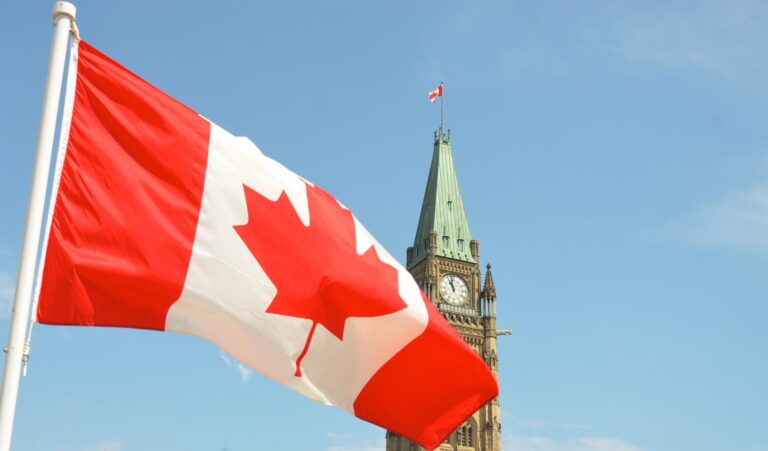
New Canadian PM Warns of U.S. Threat in Stirring Speech

0

Key Takeaways:

  1. New Leadership, New Challenges: Canada’s new Prime Minister Mark Carney issued a strong warning about potential threats from the U.S. during his victory speech.
  2. Threats from the South: Carney accused President Trump of wanting Canada’s land, resources, and water, labeling these threats as serious.
  3. A Leader Without Political Background: Like Trump, Carney entered politics from the banking world, positioning himself as the opposite of Trump.
  4. End of an Era: Carney stated that the close relationship between Canada and the U.S. is over, and the global trade system led by the U.S. has ended.
  5. A New Reality: Carney acknowledged the old system’s prosperity but emphasized adapting to a new reality without U.S. leadership.

Introduction: In a powerful victory speech, Canada’s new Prime Minister, Mark Carney, delivered a strong message, warning of threats from President Trump and outlining the end of past relations, signaling a shift in global dynamics.


Who is Mark Carney? Mark Carney, a 60-year-old former banker, has taken the reins as Canada’s Prime Minister, leading the Liberal Party. His background, like Trump’s, lacks prior political experience, yet he contrasts himself as Trump’s opposite.

The Warning Against Trump: Carney’s speech highlighted accusations against Trump, asserting that the U.S. seeks Canada’s resources. He vowed to protect Canada, emphasizing these threats are real and must be addressed.

Carney and Trump: Similar Paths: Both leaders entered politics from non-political fields—banking and business. Despite similar starts, their policies and ideologies diverge, with Carney positioning himself against Trump’s stance.

The End of an Era: Carney marked the end of a long-standing Canada-U.S. relationship, built on integration and trade since WWII. The global trade system, once led by the U.S., is crumbling, prompting a new direction for Canada.

What’s Next for Canada?: Carney’s leadership may steer Canada towards new alliances and policies, focusing on sovereignty and self-reliance, as the nation navigates a world without U.S. economic dominance.

In conclusion, Carney’s speech sets a new course for Canada, emphasizing resilience and adaptability in the face of changing global dynamics.

Abortion Pills Linked to Higher Health Risks

0

Key Takeaways:

  • A new study reveals that over 10% of women who use abortion pills face serious health issues, much higher than the 0.5% stated on drug labels.
  • Common complications include sepsis, heavy bleeding, and infections.
  • Over 2.8% of women later required surgical abortions after using the pills.
  • The data was collected from 865,727 prescriptions over six years.

Abortion Pills: Higher Complications Than Previously Thought

A groundbreaking study has uncovered shocking results about the risks of abortion pills. The research, which analyzed data from nearly 900,000 prescriptions, found that more than 10% of women experienced serious health problems after using mifepristone, a common abortion pill. This is far higher than the 0.5% risk stated on the drug’s warning label.


What the Study Found

The study looked at insurance claims from 2017 to 2023. It focused on women who were prescribed mifepristone, the most widely used abortion pill in the U.S. Within 45 days of taking the pill, about 11% of women needed medical treatment for complications such as:

  • Severe infections
  • Heavy bleeding (hemorrhaging)
  • Life-threatening sepsis

Additionally, nearly 3% of women had to undergo surgical abortions after using the pill. This suggests that the abortion pill does not always work as intended.


Why This Matters

The findings are significant because they challenge the widely held belief that abortion pills are safe and effective. While many women do not experience complications, the study shows that the risks are much higher than previously reported.

Experts say this information is crucial for women making informed decisions about their healthcare. “The real-world data is telling a different story than what is often claimed,” said one researcher.


What Causes These Complications?

Mifepristone works by blocking a hormone called progesterone, which is needed to continue a pregnancy. When used correctly, it can terminate a pregnancy in the early stages. However, like any medical treatment, it comes with risks.

In some cases, the pill may not complete the abortion, leading to incomplete termination of the pregnancy. This can result in heavy bleeding or infections. In rare but dangerous cases, women may develop sepsis, a life-threatening condition caused by infection.


The Gap in Warning Labels

The study highlights a concerning gap between the risks stated on drug labels and real-world outcomes. The current warning label for mifepristone states that serious complications occur in less than 0.5% of cases. However, the study found that over 10% of women experienced serious health issues.

This discrepancy raises questions about whether the warning labels accurately reflect the risks. Some experts argue that women deserve clearer information about potential complications to make informed decisions.


What’s Next?

The study’s findings could spark changes in how abortion pills are prescribed and regulated. It may also lead to updated warning labels to better reflect the actual risks.

In the meantime, women who are considering using abortion pills are encouraged to discuss the potential risks and benefits with their healthcare providers. It’s also important to follow all medical instructions carefully and seek immediate help if any symptoms of complications arise.


Understanding the risks and benefits of any medical treatment is essential for making informed decisions. This study sheds new light on the safety of abortion pills and could lead to important changes in women’s healthcare.

Liberals Win Big in Canada’s Federal Election: A Shocking Turnaround

0

Key Takeaways:

  • Canada’s Liberal Party secures a fourth consecutive victory.
  • Mark Carney leads the Liberals to a majority win.
  • U.S. President Donald Trump’s policies played a major role.
  • The election outcome surprised many political analysts.

Liberals Make History with Fourth Straight Win

In a stunning election result, Canada’s Liberal Party, led by Prime Minister Mark Carney, has secured a majority government. This marks the fourth consecutive victory for the Liberals, a rare feat in Canadian politics. As of late Monday, the Liberals won 161 seats in Parliament, solidifying their grip on power.


A Surprising Shift in Momentum

The Liberal Party’s win was not expected by many. Earlier this year, the party faced uncertainty when former Prime Minister Justin Trudeau resigned. However, under Mark Carney’s leadership, the Liberals managed to pull off a shocking turnaround.

What changed the game? U.S. President Donald Trump’s recent policies. Trump’s threats of annexation and steep tariffs on Canadian goods sparked widespread concern among voters. Many Canadians saw the Liberal Party as the best option to protect the country’s interests.


How Trump’s Policies Influenced the Election

President Trump’s actions had a direct impact on the election. His tariffs on Canadian products hurt businesses and raised fears about the economy. Additionally, his controversial remarks about annexation made Canadians nervous about their country’s sovereignty.

“We’re not just fighting for our economy; we’re fighting for our identity,” said one voter in Ontario. “The Liberals seemed like the only ones who could stand up to Trump.”


Mark Carney: The Leader Behind the Victory

Mark Carney, a former Bank of England governor, took over as Liberal leader after Justin Trudeau’s resignation. His calm demeanor and experience in economics resonated with voters. Carney’s message of stability and unity helped the Liberals regain trust.

Under Carney’s leadership, the Liberals focused on key issues like jobs, healthcare, and climate change. They also promised to strengthen Canada’s relationship with other countries while standing firm against Trump’s aggressive policies.


What This Means for Canada-U.S. Relations

The election outcome could lead to a challenging relationship between Canada and the United States. The Liberals’ victory shows that Canadians are opposed to Trump’s trade policies and want a government that will push back.

Experts predict that the Liberals will take a firmer stance in negotiations with the U.S. “Canada is not backing down,” said a political analyst. “The Liberals’ win is a clear message to Trump that his tactics won’t go unchallenged.”


The Road Ahead for the Liberals

With a majority government, the Liberals now have the power to pass their agenda without opposition support. Their priorities include rebuilding the economy, addressing climate change, and improving healthcare.

However, the Liberals also face challenges. They must navigate a divided political landscape and manage tensions with the U.S. Carney’s leadership will be tested as he works to keep Canada competitive on the world stage.


A New Chapter for Canada

Canada’s federal election has opened a new chapter for the country. The Liberal Party’s victory is a testament to the resilience of Canadian democracy. As the Liberals begin their fourth term, all eyes will be on how they handle the challenges ahead.

For now, one thing is clear: Canadians have chosen stability and experience in uncertain times. The question is, what will this mean for the future? Only time will tell.

New Era for Civil Rights: Dhillon Seeks Fresh Start

0

Key Takeaways:

  • Harmeet Dhillon leads the Civil Rights Division with a new vision.
  • She is recruiting energetic attorneys to drive her initiatives.
  • The division previously focused on specific groups and policies.
  • Dhillon aims to protect neglected rights like free speech and religious freedom.

Introduction: Harmeet Dhillon is now in charge of the Civil Rights Division and plans to change how it operates. She believes the division was used for political purposes in the past and wants to shift its focus to protecting rights that were overlooked.

The Past: Kristen Clarke’s Focus: Under Kristen Clarke, the division targeted pro-life activists and challenged state election laws. Some saw this as unfair, focusing on specific groups rather than broader rights issues.

The New Direction: Dhillon’s Vision: Dhillon wants to safeguard rights such as free speech and religious freedom. She is seeking passionate lawyers to help achieve this goal, aiming for a more balanced approach.

Why It Matters: This change could significantly impact court cases and policies, potentially leading to different outcomes. It reflects a shift in priorities that many are watching closely.

Conclusion: Harmeet Dhillon is set to bring change to the Civil Rights Division. As she begins her work, many are eager to see how her new approach will unfold.

Breaking: Canada Votes in Snap Federal Election Amid Trump Trade Threat

0

Key Takeaways:

  • Canadians vote in sudden federal election called by Prime Minister Mark Carney.
  • The election focuses on responses to US President Trump’s tariff threats and his suggestion to make Canada the 51st state.
  • Carney, leading the Liberal Party, wins against Conservative leader Pierre Poilievre.

Canada’s Election Showdown: What You Need to Know

Millions of Canadians went to the polls on Monday in a snap federal election. The vote was called by Prime Minister Mark Carney, who took over as Liberal Party leader in March after replacing Justin Trudeau. The election has been dominated by one major issue: how Canada should handle US President Donald Trump’s aggressive trade policies and his shocking suggestion that Canada become the 51st US state.


What Was At Stake?

President Trump’s recent threats of tariffs on Canadian goods have sent shockwaves through the economy. Many Canadians are worried about how these tariffs could hurt jobs, especially in industries like farming and manufacturing.

But the election wasn’t just about tariffs. Trump’s playful yet controversial comment about making Canada part of the United States sparked a national debate. For many, it raised questions about Canada’s independence and how the next leader would stand up to US pressure.


The Candidates’ Response

Prime Minister Mark Carney, a former banker, campaigned on his experience handling economic crises. He promised to negotiate strongly with Trump while keeping Canada’s economy stable. His message of calm leadership resonated with many voters.

Opposing him was Pierre Poilievre, leader of the Conservative Party. Poilievre took a tough stance, vowing to protect Canadian jobs andVALUES *without giving in to Trump’s demands. His campaign focused on Canadian sovereignty and pride.


Why This Election Mattered

This election was unique. Instead of focusing on usual issues like healthcare or climate change, the campaign centered on Canada’s relationship with its powerful neighbor. Voters were asked to choose a leader they trust to stand up to Trump and protect Canadian interests.

For many Canadians, this election was about more than just politics. It was about how the country would define itself in a world where the US is increasingly flexing its muscle.


How the Election Unfolded

Carney called the snap election in March, catching political opponents off guard. His decision to hold the vote now was seen as a strategy to gain an advantage before Trump’s policies could cause more economic harm.

The campaign was short but intense. Both Carney and Poilievre crisscrossed the country, making speeches and promising solutions to the challenges ahead. Voters turned out in large numbers, showing how much this election mattered to them.


Canada’s Path Forward

Now that Carney is projected to win, the focus will shift to how he delivers on his promises. His first challenge will be negotiating with Trump to avoid devastating tariffs. At the same time, he must reassure Canadians that their country’s independence is secure.

But Carney also faces challenges closer to home. With a divided parliament, he’ll need to work with other parties to pass legislation. Meanwhile, Poilievre and the Conservatives are expected to keep pushing for a stronger stance against Trump.


Conclusion

This federal election was about more than just choosing a leader. It was about how Canada will navigate its relationship with the US in uncertain times. With Carney’s victory, Canadians have signaled their trust in his ability to handle the challenges ahead.

As the country moves forward, one thing is clear: the next few years will be crucial for Canada’s economy, identity, and place in the world. Stay tuned for more updates as this story unfolds.