53 F
San Francisco
Monday, May 11, 2026
Home Blog Page 918

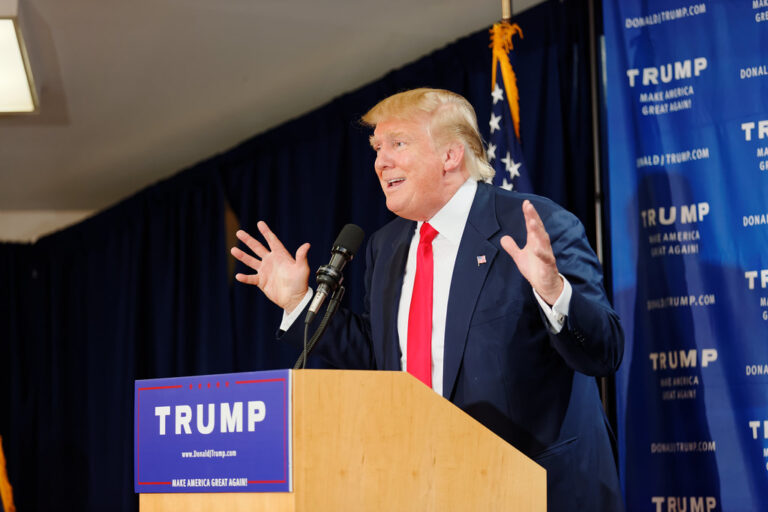
Trump Celebrates Eagles’ Super Bowl Win at White House

0

Title: Trump Celebrates Eagles’ Super Bowl Win at White House

Key Takeaways:

  • President Trump honored the Philadelphia Eagles for their Super Bowl win at the White House.
  • The event was a stark contrast to the tense 2018 incident when the Eagles’ invitation was rescinded.
  • Star player Saquon Barkley attended and received praise from Trump.
  • Eagles’ owner Jeffrey Lurie emphasized the significance of the White House tradition.
  • Trump also criticized the New York Giants for letting Barkley leave.

A Celebration of Champions

On a sunny day in Washington, President Donald Trump welcomed the Philadelphia Eagles to the White House. The team, fresh from their Super Bowl victory, was greeted with smiles and praise, marking a joyful celebration. This event was a stark contrast to the tension in 2018, when the Eagles’ visit was canceled due to disagreements over national anthem protests. This time, the mood was light and festive, with laughter echoing across the South Lawn.

A Different Tune from 2018

The 2018 incident saw the Eagles at the center of a national debate regarding player protests during the anthem. However, this year’s ceremony showed a shift in dynamics. Owner Jeffrey Lurie expressed the team’s decision to attend, respecting the traditional White House visit while allowing players to choose their participation. Lurie’s presence underscored the team’s commitment to unity and celebration.

Star Players Shine at the Event

Among the attendees was Saquon Barkley, the Eagles’ standout running back. Barkley not only joined the celebration but also spent time with Trump, golfing and flying on Air Force One. When questioned about his interaction with the President, Barkley emphasized respect for the office, stating it’s a simple yet important concept.

Trump Lauds Barkley’s Talent

President Trump was generous with his praise for Barkley, highlighting his remarkable first season with the Eagles. Trump also took a light jab at the New York Giants, humorously criticizing them for letting Barkley leave. His comments reflected both admiration for Barkley’s skills and a playful tease at the Giants’ decision-making.

A Ceremony of Unity and Celebration

The event was a time for the Eagles to bask in their hard-earned victory. Trump’s speech highlighted their achievements, applauding the team’s spirit and dedication. The gathering was not just a tribute to their success but also a moment of unity, setting aside past controversies.

Conclusion

This year’s White House visit painted a picture of reconciliation and joy, a far cry from the 2018 controversy. The Eagles’ celebration was a testament to the power of sports to unite and inspire, even in the face of political differences. As the team left the White House, they carried with them not just victory but a renewed sense of camaraderie and national pride.
Trump Eases Auto Tariffs to Soften Blow on Car Makers

0

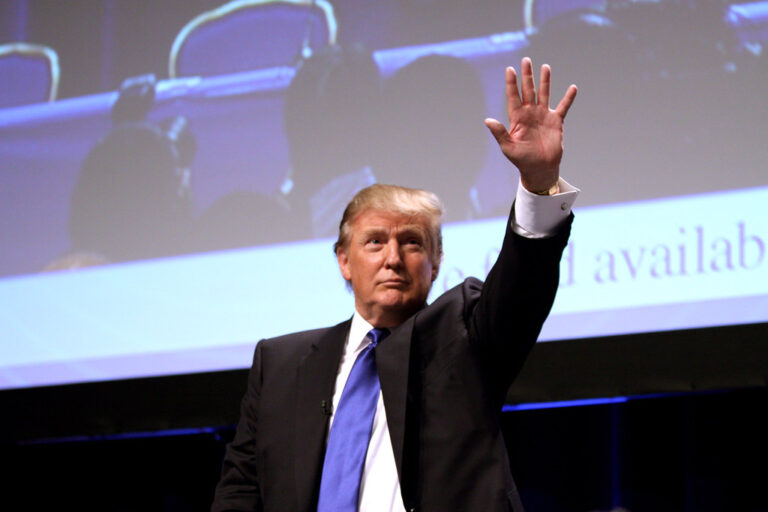
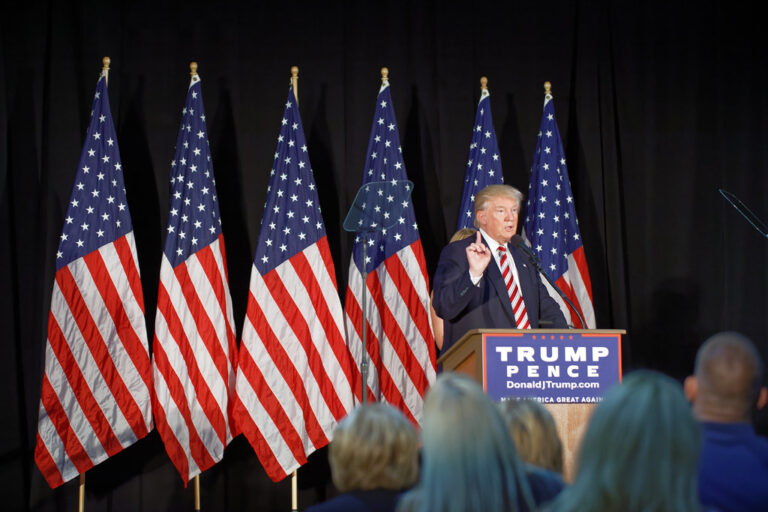
Trump Eases Auto Tariffs to Soften Blow on Car Makers

Key Takeaways:

  • Trump reduces impact of auto tariffs imposed this month.
  • Automakers won’t face extra duties on steel and aluminum.
  • Changes are retroactive, possibly reimbursing already paid tariffs.
  • This aims to prevent tariffs from piling up and aid car manufacturers.
  • The move is expected to boost automakers short-term.

Trump Eases Auto Tariffs: What You Need to Know

In a move to alleviate the financial strain on automakers, President Trump has announced a plan to ease recently imposed auto tariffs. These tariffs, which began earlier this month, have been a significant burden on car manufacturers importing vehicles and parts.

How Trump’s Tariff Plan Works

Imagine walking into a store and finding out your items have extra fees added at the checkout. That’s similar to what automakers face with tariffs—extra taxes on imported goods. Trump’s new plan aims to remove these extra fees on steel and aluminum, preventing them from piling up and easing the financial pressure on manufacturers.

According to recent reports, this change will not only apply moving forward but also retroactively. This means companies might get refunds for tariffs already paid, offering some relief.

What This Means for Automakers

The auto industry stands to benefit significantly from this change. By reducing additional tariffs, manufacturers can enjoy cost savings, which can be reinvested into innovation and growth. This support is crucial as the industry navigates other challenges like electric vehicle adoption and global competition.

However, the funding source for these reimbursements remains unclear. This detail is important for understanding the long-term feasibility of Trump’s plan and whether it will successfully provide the intended relief.

What’s Next?

As the auto industry applauds this short-term relief, questions linger about the broader implications and funding sources. Stay tuned for updates as this situation unfolds and shapes the future of the automotive sector.

Final Thought

Trump’s tariff easing is a welcome relief for automakers, offering a much-needed financial respite. While questions remain, this move signals a commitment to supporting the industry during challenging times.

Trump’s Tactics Compared to Latin Dictators: Alarming Similarities Emerge

0

Title: Trump’s Tactics Compared to Latin Dictators: Alarming Similarities Emerge

Key Takeaways:

  • Trump’s actions draw comparisons to Latin American dictators.
  • Forged disappearance and authoritarian tactics are key concerns.
  • Vulnerable groups like immigrants are targeted without legal recourse.
  • Similarities with paramilitary groups in authoritarian regimes exist.

How Trump’s Actions Compare to Dictators

Recent analysis highlights worrying parallels between President Trump’s strategies and those of Latin American dictators. The focus is on tactics like forced disappearance, where individuals are detained without disclosing their fate. This practice, common under regimes like Pinochet’s Chile and Maduro’s Venezuela, raises alarms about authoritarian trends in the U.S.

The Use of Forced Disappearance

Trump’s handling of Venezuelan migrants illustrates this tactic. Around 100 migrants were detained, denied legal challenges, and sent to El Salvador under an outdated emergency law. This mirrors actions of past dictators, where individuals vanish without legal recourse, echoing practices in banana republics.

Targeting Vulnerable Groups

Dictators often target groups lacking political power. Maduro targeted slum dwellers, while Trump focuses on immigrants. Both use a state of emergency to suspend civil rights, framing security as a key goal. This approach isolates vulnerable populations, eroding democratic safeguards.

The Role of Paramilitary Groups

Venezuela’s civilians, like colectivos, enforce state violence indirectly. Similarly, groups like the Proud Boys, encouraged by Trump, mirror these dynamics. Their actions, such as the Capitol assault, highlight a dangerous blend of state power and vigilantism.

Institutions Holding Back Autocracy

While the U.S. hasn’t become a dictatorship, institutions are under strain. The military hasn’t been used to quell dissent, but the potential looms. Maduro’s regime shows how democratic erosion can occur, emphasizing the need for vigilant defense of democratic norms.

The Future of American Democracy

The U.S. faces a crossroads. Its democratic identity is at risk, with authoritarian tactics testing institutional resilience. As the V-Dem Institute warns, the U.S. could rapidly autocratize without a coup. Maintaining checks on power is crucial to prevent further democratic erosion.

Conclusion: A Call to Action

Trump’s tactics, while not yet dictatorial, signal a concerning shift. Protecting democracy requires understanding these dangers and ensuring institutions remain strong. The parallels with authoritarian regimes offer a stark reminder of the fragility of freedom and the need for eternal vigilance.

Trump Faces New Impeachment Push as 2024 Heats Up

0

Trump Faces New Impeachment Push as 2024 Heats Up

Key Takeaways:

  • Congressman Shri Thanedar files seven articles of impeachment against President Donald Trump.
  • Charges include abuse of power, obstruction of justice, and violating the Constitution.
  • Trump is the only U.S. president to face impeachment twice, though he wasn’t removed either time.
  • Public support for impeachment is growing, with polls showing most voters disapprove of Trump’s performance.
  • Thanedar faces primary challengers as he pushes for Trump’s removal from office.

Congressman Shri Thanedar of Michigan made a bold move this week by filing seven articles of impeachment against President Donald Trump. This historic step comes as Trump faces growing criticism and public calls for his removal from office.

Why Impeachment Now? Thanedar, a Democrat, argues that Trump has repeatedly shown he is unfit to lead. He accuses Trump of violating the Constitution, abusing executive power, and putting personal interests above the nation’s well-being. The congressman’s resolution lists seven major charges against the president:

  1. Obstruction of Justice and Abuse of Power: This includes ignoring court orders, misusing the Department of Justice, and deporting people unlawfully.
  2. Usurpation of Appropriations Power: Trump allegedly dismantled agencies and withheld federal funds without congressional approval.
  3. Abuse of Trade Powers and International Aggression: He’s accused of imposing harmful tariffs and threatening military action against other countries.
  4. Violation of First Amendment Rights: Trump reportedly targeted critics, media, and attorneys for speaking out.
  5. Creation of an Unlawful Office: Thanedar claims Trump created an unconstitutional office, the Department of Government Efficiency (DOGE), and empowered Elon Musk to violate the Constitution.
  6. Bribery and Corruption: This includes allegations of dismissing criminal cases, accepting foreign gifts, and making unethical deals for personal gain.
  7. Tyrannical Overreach: Trump is accused of trying to grab unchecked power, erode civil liberties, and defy constitutional limits on his authority.

Thanedar has been a vocal critic of Trump for some time. Earlier this month, he called for Trump’s impeachment over the administration’s refusal to comply with a Supreme Court ruling regarding the return of a prisoner from El Salvador.

The Political Landscape This isn’t the first time Trump has faced impeachment. He was impeached twice during his first term but wasn’t removed by the Senate either time. Now, with Republicans controlling Congress, it’s unclear if Thanedar’s resolution will gain traction.

However, recent polls suggest public support for impeachment is growing. A majority of voters disapprove of Trump’s job performance and back efforts to remove him from office. Activist groups like Free Speech for People are also leading campaigns to impeach Trump again.

Primary Challengers and Political Pressure Thanedar’s impeachment push comes as he faces primary challengers in his own congressional district. Two Democrats—State Rep. Donavan McKinney and former State Sen. Adam Hollier—are vying for his seat in Michigan’s 13th District.

McKinney, backed by the progressive group Justice Democrats, argues that voters are tired of “do-nothing career politicians” and want leaders who will fight for working-class families. The impeachment resolution may be seen as Thanedar’s attempt to strengthen his position as a bold and proactive leader.

What’s Next? While it’s uncertain if Thanedar’s impeachment resolution will move forward, it highlights the growing tension in Washington. Other lawmakers, like Rep. Al Green of Texas, have also vowed to bring impeachment charges against Trump in the coming weeks.

For now, the political battle over Trump’s future continues to heat up. With the 2024 election approaching, this latest push for impeachment could play a significant role in shaping the national conversation. Stay tuned for more updates as this story unfolds.

Trump’s Plan to Cut Banking Regulators Halted Again

0

Trump’s Plan to Cut Banking Regulators Halted Again

Key Takeaways:

  • A federal appeals court in Washington, D.C. has reinstated a block on Trump’s plan to reduce banking regulators.
  • A judge appointed by Trump changed his vote, leading to this decision.
  • The Consumer Financial Protection Bureau (CFPB) was created to protect consumers after the 2008 financial crisis.
  • Trump aimed to shrink the CFPB, leading to a legal battle with a federal employees union.

Appeals Court Reverses Decision on Trump’s Banking Regulator Cuts

In a surprising move, a federal appeals court in Washington, D.C. has changed its mind, once again blocking President Donald Trump from reducing the number of banking regulators. This reversal highlights the ongoing legal battle over the future of the Consumer Financial Protection Bureau (CFPB).

The CFPB, established in 2011 after the 2008 financial crisis, aims to protect consumers from unfair banking practices. Trump, along with Republicans and supported by Elon Musk, has sought to reduce the agency’s power, viewing it as an overreach.

The Initial Ruling and Its Impact

In February, U.S. District Judge Amy Berman Jackson temporarily blocked Trump’s administration from firing more CFPB employees. This decision came after the National Treasury Employees Union sued, arguing that Trump’s actions disregarded Congress’s intent to protect consumers post-2008.

Jackson stated that Trump’s moves defied Congress’s decision to create the CFPB, which is crucial for safeguarding borrowers and financial consumers.

Appeals Court’s Initial Reversal

Earlier this month, a three-judge panel, including Trump appointees Gregory Katsas and Neomi Rao, lifted Jackson’s order. This allowed Trump to proceed with staff cuts. However, this decision was not on the case’s merits but aimed to give the court time to review the appeal.

A Sudden U-Turn in the Court’s Decision

After the order was lifted, Trump’s appointees at the CFPB swiftly moved to fire most of the workforce. This prompt action led the same three-judge panel to reinstate Jackson’s block. Notably, Judge Katsas, a Trump appointee, changed his vote, making the deciding factor in this U-turn.

Reactions and Implications

The National Treasury Employees Union welcomed the decision, expressing relief for CFPB employees. Conversely, Trump supporters argue that the CFPB oversteps its authority and that the president should have control over federal agencies.

Conclusion

This legal battle underscores the tug-of-war between the Trump administration and the judiciary over the CFPB’s role. The case emphasizes the importance of checks and balances in government, as the court ensures that presidential actions align with Congressional intent.

This decision is a significant setback for Trump’s efforts to reshape financial regulation, illustrating the judiciary’s crucial role in maintaining the balance of power.

GOP Rising Star: Is Josh Hawley the Future of Populist Politics?

0

Title: GOP Rising Star: Is Josh Hawley the Future of Populist Politics?

Key Takeaways:

  • Sen. Josh Hawley is a Missouri Republican painted as a working-class hero despite his elite background.
  • He opposes corporate power, supporting policies like payroll aid and anti-monopoly laws.
  • His actions include suing opioid companies and targeting Google for antitrust violations.
  • He faces criticism for extreme views on reproduction and his support for Christian nationalism.
  • Some compare his populism to 1970s Democrats, causing concern within the GOP.
  • Hawley may harbor presidential ambitions but trails behind Donald Trump.

The Rise of Josh Hawley: A Populist in the GOP

Who is Josh Hawley?

Josh Hawley, a Republican Senator from Missouri, is making waves in politics. Despite being born into a banker’s family and attending Yale, Hawley is seen as a champion for the working class. His actions against big corporations have set him apart in the MAGA movement.


Early Life and Education

Hawley’s background might seem elite. He’s the son of a banker and studied at Stanford and Yale. Yet, his political path has been different. He’s focused on issues affecting ordinary people, gaining him attention as a populist.


Taking on Corporations

Hawley hasn’t shied away from battling big businesses. In 2017, as Missouri’s Attorney General, he sued opioid manufacturers, helping states secure settlements. He also investigated Google for antitrust breaches, showing his willingness to confront corporate power.

In a 2019 Senate speech, Hawley criticized big banks, tech giants, and media, calling them self-serving elites. His message resonates with voters wary of corporate influence.


Pro-Worker Policies and Support

Hawley’s platform includes payroll support and anti-monopoly policies. Matt Stoller, a former Bernie Sanders aide, praises Hawley’s courage in taking on corporate greed, even if they disagree on other issues.


Criticisms and Contrroversies

While Hawley opposes Medicaid cuts and corporate power, he’s also known for conservative stances. His support for Christian nationalism and strict reproductive rights have drawn criticism, with some labeling him extreme.


GOP Reactions and Comparisons

Not everyone in the GOP is a fan. Rep. Don Bacon compares Hawley’s populism to 1970s Democrats, emphasizing protectionism and skepticism of law enforcement. Bacon worries this could isolate the party, reminiscent of the 1930s.


Aloofness and Relationships

Hawley’s distance from colleagues, even allies like Rep. Emanuel Cleaver, raises eyebrows. Despite working together on rural mail delivery, Cleaver notes Hawley’s limited involvement in Missouri’s delegation.


Christian Nationalism and Reproductive Rights

Hawley’s support for Christian nationalism and his hardline stance on abortion have sparked debates. His actions, like suing for stricter abortion laws, reflect his commitment to conservative values, balancing his anti-corporate agenda.


The Vision for the GOP

Hawley believes the GOP must be pro-worker to attract majority support. His approach, blending conservatism with anti-corporate rhetoric, aims to unify voters disillusioned with elitism.


Presidential Ambitions and Rivalries

Rumors swirl about Hawley’s presidential goals, but he lags behind Donald Trump in popularity. His path to the White House would require a shift in party dynamics and voter perception.


Conclusion

Josh Hawley’s unique stance as a populist Republican makes him a controversial figure. Whether he can lead the GOP toward a pro-worker agenda while navigating internal criticism and external challenges remains to be seen.

Federal Judge May Strike Down Trump’s Orders Targeting Law Firms

0

Federal Judge May Strike Down Trump’s Orders Targeting Law Firms

Key Takeaways:

  • A federal judge appointed by George W. Bush may overturn Trump’s executive orders targeting major law firms.
  • Four judges have already blocked parts of Trump’s orders, calling them likely unconstitutional.
  • The DOJ faced sharp criticism for defending the restrictions during a recent hearing.
  • Over 2,000 groups and legal experts oppose Trump’s orders, warning they threaten the independent legal system.

A Judge’s Warning: Trump’s Orders Under Fire

A federal judge appointed by former President George W. Bush is considering striking down President Donald Trump’s executive orders aimed at major law firms. These orders have already faced significant pushback from four separate federal judges, who have ruled parts of them likely unconstitutional. Now, U.S. District Judge John Bates seems ready to go even further, potentially dealing a major blow to Trump’s actions.

During a recent hearing, Judge Bates made his dissatisfaction clear. He sharply criticized the Justice Department’s attempts to defend the restrictions, which target law firms like Perkins Coie, Jenner & Block, WilmerHale, and Susman Godfrey. When DOJ attorneys tried to justify limiting Jenner & Block employees’ access to federal buildings, Bates responded with frustration: “Give me a break!”

The government argued that the restrictions were necessary to combat discrimination. However, Judge Bates and other legal experts have not been convinced by this reasoning.


DOJ’s Defense Under Fire

The DOJ’s argument has been called into question by more than just Judge Bates. During the hearing, an attorney for Jenner & Block compared the government’s reasoning to “a game of Twister, verbal gymnastics, to justify this architecture of retaliation based on speech.”

This criticism highlights what many see as the core issue: Trump’s orders appear to punish law firms for their political views or legal work, rather than addressing any legitimate concern. The orders have sparked widespread concern among legal experts, who argue that they threaten the independence of the legal profession.


The backlash against Trump’s orders is not just coming from judges. More than 2,000 groups and individuals have filed “friend-of-the-court briefs” to support the law firms targeted by the orders. These briefs argue that the orders are a dangerous overreach of presidential power and could have far-reaching consequences.

Among the high-profile opponents of Trump’s orders is Paul Clement, a well-respected conservative legal icon. Clement, who argued on behalf of WilmerHale, called the orders “a direct and lethal threat to the independent bar.” He warned that they could undermine the ability of lawyers to represent clients without fear of retaliation from the government.


Judges Agree: Retaliation Is Clear

Judge Bates is not the only judge to express concern about Trump’s orders. Senior U.S. District Judge Richard Leon, another appointee of George W. Bush, left no doubt about his view during a recent hearing. “It’s retaliatory,” Leon said. “There’s no question in my mind.”

This sentiment has been echoed by other judges who have reviewed the orders. Four federal judges have already blocked parts of Trump’s orders, ruling that they likely violate the Constitution. While none have struck down the orders entirely, the growing chorus of criticism suggests that the remaining parts of the orders may not survive legal scrutiny.


What’s at Stake?

The fight over Trump’s orders is about more than just four law firms. At stake is the principle of an independent legal system, where lawyers can represent clients without fear of political retaliation. Legal experts warn that if the orders are allowed to stand, they could set a dangerous precedent, allowing future presidents to target other groups or industries based on political disagreements.

As Judge Leon made clear, the issue is simple: “It’s retaliatory.” The question now is whether Judge Bates and other judges will take the next step and strike down the orders entirely. If they do, it could be a significant blow to Trump’s efforts to target major law firms and a major victory for those who believe the legal system must remain free from political interference.

Meet Nick Anderson: The Cartoonist Shaping Public Opinion

0

Meet Nick Anderson: The Cartoonist Shaping Public Opinion

Key Takeaways:

  • Nick Anderson is a Pulitzer Prize-winning editorial cartoonist.
  • His work sparks conversations on politics, social issues, and current events.
  • Anderson’s cartoons blend humor and sharp commentary.
  • He believes visual storytelling can inspire change.

Who Is Nick Anderson?

Nick Anderson is one of the most respected names in editorial cartooning. Born and raised in the United States, Anderson developed a passion for drawing at a young age. His talent and dedication led him to study art in college, where he discovered his love for editorial cartoons. These cartoons are more than just funny drawings—they’re meant to make people think about important issues.

After college, Anderson started his career as a cartoonist for newspapers. His big break came when he won the Pulitzer Prize for Editorial Cartooning in 2005. This award is one of the highest honors in journalism, and it cemented his reputation as a bold and influential voice in the industry.


What Makes His Cartoons Unique?

Anderson’s cartoons stand out because they’re both funny and thought-provoking. He uses humor and satire to tackle tough topics like politics, race, inequality, and environmental issues. His drawings are simple but powerful, often using exaggerated characters and clever symbols to make a point.

For example, during the COVID-19 pandemic, Anderson created cartoons that highlighted the struggles of everyday people. His work helped readers process the crisis and sparked important conversations about how society could respond.

Anderson’s approach to cartooning is deeply personal. He believes that art should challenge the status quo and push people to see things from different perspectives. “A good cartoon doesn’t just make you laugh,” he once said. “It makes you think.”


Why Do Editorial Cartoons Matter?

In today’s fast-paced world, where news cycles move quickly, editorial cartoons play a vital role. They distill complex issues into a single image, making them easy to understand. Anderson’s work proves that cartoons are not just for entertainment—they’re a powerful tool for journalism.

Anderson’s cartoons have been shared widely online, sparking debates and inspiring action. For instance, his cartoons about racial justice and climate change have gone viral, reaching audiences far beyond traditional newspaper readers.


How Does He Stay Relevant in the Digital Age?

The rise of social media and online news has changed how people consume information. Anderson has embraced this shift, sharing his cartoons on platforms like Twitter and Instagram. His ability to adapt to new technologies has kept his work fresh and accessible to younger audiences.

Anderson also collaborates with other artists and activists. He believes that collaboration is key to creating impactful work. By working together, he and his colleagues can amplify their messages and reach even more people.


What’s Next for Nick Anderson?

Nick Anderson continues to create cartoons that challenge and inspire. He recently launched a new project focused on environmental issues, using his art to highlight the urgent need for climate action.

Anderson is also mentoring young cartoonists, passing on the lessons he’s learned throughout his career. He hopes to inspire the next generation of artists to use their talents to make a difference.


The Legacy of Nick Anderson

Nick Anderson’s work shows how art can be a force for change. His cartoons are more than just drawings—they’re a way to engage with the world and spark meaningful conversations.

As journalism evolves, Anderson’s legacy reminds us that visual storytelling remains a powerful tool. Whether you agree with his views or not, there’s no denying the impact of his work.

Anderson’s story is a testament to the power of creativity and courage. He proves that even in a chaotic world, one person’s art can make a real difference.


Nick Anderson’s journey as a cartoonist is far from over. With his sharp wit, bold ideas, and commitment to social justice, he will continue to shape public opinion for years to come.

Trump’s Love for IQ Could Backfire as AI Takes Over, Says Historian

0

Title: Trump’s Love for IQ Could Backfire as AI Takes Over, Says Historian

Key Takeaways:

  • A Canadian historian argues that the U.S. focus on AI could make traditional IQ measures irrelevant.
  • Trump often uses IQ as a way to insult or praise people, especially in tech discussions.
  • The push for AI dominance might change how we value intelligence.
  • IQ became popular during the Industrial Revolution due to health concerns.
  • The 1990s saw a surge in IQ debates, influenced by controversial ideas about intelligence being fixed.
  • The future of IQ may depend on how AI reshapes our economy and education.

IQ, Trump, and the Rise of AI: What’s Really at Stake?

President Donald Trump often uses IQ as a way to judge people, calling others “low-IQ” as an insult or praising them as “high-IQ” if they agree with him, especially when talking about technology. But a Canadian historian, Quinn Slobodionn, has an interesting take on this. He believes that the U.S. push to dominate artificial intelligence (AI) could make the idea of IQ meaningless if their goals are achieved.

In a recent article, Slobodionn points out that Trump and his allies in Silicon Valley are obsessed with IQ. He says that calling someone “low-IQ” is one of Trump’s go-to insults, while praising people as “high-IQ” is a common compliment among tech fans. But here’s the twist: if the U.S. succeeds in its plan to lead the world in AI, the idea of IQ as we know it might lose its importance.


The Historical Roots of IQ

So, why does IQ matter so much in the first place? Slobodionn takes us back in history. During the Industrial Revolution, countries like the U.S. and the U.K. started worrying about the health of their populations. Recruitment for wars, like the Boer War and World War I, showed that many young men were less healthy than their parents. This raised fears that industrial work was causing people to “degenerate,” or get weaker over time. These concerns were even reflected in science fiction, like H.G. Wells’ The Time Machine, where the working class evolved into monstrous creatures called the Morlocks.

To address these fears, societies turned to IQ testing. The idea was to measure intelligence and identify who might struggle in the new industrial world. But over time, IQ tests became less about health and more about ranking people.


The Rise of IQ in Modern America

Fast forward to the 1980s and 1990s, when the U.S. shifted from factories to an information-based economy. Suddenly, intelligence became a hot topic again. This was partly because of a controversial book called The Bell Curve by Charles Murray and Richard Herrnstein. The book claimed that intelligence is mostly inherited and that government programs to improve education or reduce poverty wouldn’t make much difference. It also suggested that society should accept inequality because some people are just born smarter.

Slobodionn argues that this idea—that intelligence is fixed and unchangeable—gained traction in the ’90s. It fit with the growing belief that IQ tests could predict success in school and life. But he also points out that this vision of intelligence is narrow and ignores how much the world is changing.


What’s at Stake in the AI Era?

Now, with the U.S. investing heavily in AI—like the $500 billion Stargate project and plans to teach AI in schools starting from kindergarten—the idea of IQ might lose its relevance. Why? Because AI could change how we measure intelligence. If machines can perform tasks that were once considered signs of high intelligence, what does being “smart” even mean anymore?

Slobodionn says that if AI becomes the backbone of the economy, traditional measures like IQ tests might no longer matter. Instead of ranking people by their IQ scores, society might focus on how well they can work with machines or adapt to new technologies. In this future, being “intelligent” could mean something entirely different.


The Irony of Trump’s IQ Obsession

The irony here is that Trump and his supporters are pushing for a future where AI dominates, which could make their obsession with IQ obsolete. If the U.S. succeeds in its AI ambitions, the very idea of intelligence that they value so much might disappear. This could lead to a world where traditional measures of success no longer apply, and new ways of valuing people emerge.

But Slobodionn also warns that this shift could come with its own set of problems. If intelligence is redefined by how well we use technology, it could deepen inequality. Those who have access to AI tools and education might have a huge advantage over those who don’t.


The Future of Intelligence

So, what does this mean for the rest of us? If AI changes how we measure intelligence, it could also change how we educate our children, how we hire workers, and how we view success. It could challenge old beliefs about what it means to be smart and force us to rethink our values.

But Slobodionn isn’t saying that IQ will disappear overnight. Instead, he suggests that the push for AI dominance could slowly erode the importance of traditional intelligence measures. In the end, the U.S. quest for technological supremacy might accidentally undermine the very idea of IQ that Trump and others value so much.

As we move into an AI-driven world, it’s worth thinking about what we’re losing—and gaining—in the process.

CDC Layoffs Derail Foster Care Dreams for Dedicated Worker

0

Title: CDC Layoffs Derail Foster Care Dreams for Dedicated Worker

Key Takeaways:

  • Bree Danner, a CDC worker, loses her job just before fostering a child.
  • She had prepared for years to become a foster mom but faced unexpected layoffs.
  • The job loss left her unable to provide a stable home, forcing her to decline fostering.

A Dream Deferred

For Bree Danner, the journey to becoming a foster mom was a long and heartfelt one. As a dedicated worker at the U.S. Centers for Disease Control and Prevention (CDC) in Atlanta, she had always envisioned opening her home to a child in need. After years of preparation, the moment finally arrived. But in a twist of fate, her dream was shattered just as it began.

On that day, Bree received the exciting news that she could welcome a little girl into her home. It was the culmination of her hard work and determination. However, her joy was short-lived. Within an hour of this heartwarming phone call, Bree and her team learned about sweeping layoffs across the federal government. The Department of Health and Human Services (HHS) planned to cut thousands of jobs, including hers.

Bree’s world was turned upside down. She was among the probationary workers targeted due to a recent department change at the CDC, which temporarily placed her on probationary status. Despite her years of service collaborating with community organizations to combat substance abuse, her new status made her vulnerable to the layoffs.


Years of Preparing

Bree had always been driven by a desire to make a difference. Her work at the CDC involved helping community organizations secure grants to fight substance abuse, a cause close to her heart. However, her recent department change, part of her career growth, reset her status to probationary. Little did she know, this change would become the reason for her layoffs.

Meanwhile, Bree had been preparing emotionally and financially to take in a foster child. She knew it wouldn’t be easy, especially as a single woman without a large savings account. But she was determined to provide a loving home. The arrival of the foster care news filled her with hope and purpose.

But within an hour of that call, everything changed. The news of the layoffs struck fear in her heart. Bree realized her job, her stability, and her chance to become a foster mom were all at risk.


The Layoff

The message about the layoffs came swiftly. Bree and her team were informed that thousands of probationary workers, including her, would lose their jobs. The Trump administration’s decision to slash federal positions left many employees reeling. Bree’s concerns turned into reality as she faced the harsh truth: her career in public service was coming to an end.

As a single woman without substantial savings, Bree knew that losing her job would make it impossible to provide the stable environment a foster child deserved. With a heavy heart, she called the adoption worker back. “I couldn’t move the child into an unstable situation,” she explained. “I had to say no.”


The Ripple Effect

Bree’s decision weighed heavily on her. “I had a lot of guilt at not being able to take in that little girl,” she admitted. The loss of her job meant she couldn’t offer the security and support a foster child would need. For Bree, this was more than just a job loss; it was the shattered dream of making a difference in a child’s life.

The ripple effect of the layoffs extended far beyond Bree. Many other workers, like her, had dedicated their lives to public service. The sudden loss of their jobs left them uncertain about their futures. For Bree, the layoffs also meant she had to put her plans to foster on hold, leaving her heartbroken and questioning her future.


Moving Forward

As Bree navigates this difficult time, she is not alone. Across the federal government, workers are grappling with the impact of these sweeping layoffs. Many, like Bree, are facing uncertain futures after years of hard work and dedication. The layoffs have not only affected careers but also the personal goals and aspirations of those who lost their jobs.

For Bree, the journey continues. Though her chance to foster a child has been delayed, she hasn’t lost hope. She remains committed to her mission of helping others, even as she searches for new opportunities and stability. The lessons she learned from her years in public service will stay with her, guiding her as she rebuilds her life.


This story of Bree Danner is a reminder of the profound impact of policy decisions on individuals and their communities. It also highlights the resilience and determination of those who continue to strive for a better future, even in the face of adversity. As Bree looks ahead, she carries with her the hope of one day realizing her dream of fostering a child in need.