59 F
San Francisco
Tuesday, April 14, 2026
Home Blog Page 92

Muslim Mayor Makes History in New York

Key takeaways

  • Zohran Mamdani becomes New York’s first Muslim mayor.
  • His win reflects centuries of hidden Muslim contributions.
  • Enslaved Muslims kept their faith alive despite brutal suppression.
  • Muslim soldiers served in the Union Army during the Civil War.
  • Muhammad Ali showed America that Islam is part of its story.

Muslim mayor builds on centuries of hidden contributions

A debate from America’s founding

In 1788, some feared our new nation would let a Muslim govern. That worry came when North Carolina ratified the Constitution. Opponents warned that without a religious test, “Mahometans may take it.” Back then, there were no Muslim candidates. Yet many enslaved Africans practiced Islam in secret.

Hidden faith in early America

Between 5 and 20 percent of enslaved Africans in the colonies were Muslim. Many spoke Arabic and carried names like Fatima or Hassan. Their owners silenced prayers and cut their beards. However, memory held on. They passed prayers and words by whisper and song. Thus, Islam survived where few looked.

Muslim soldiers and the Civil War

During the Civil War, Muslim men fought for the Union. Mohammed Kahn joined a New York infantry unit. Nicholas Said, born Mohammed Ali ben Said, first fought for freedom in Nigeria. Later he served as a Union sergeant. Captain Moses Osman led troops in Illinois. Their names hint at a wider Muslim presence in blue coats.

Moreover, Islam shaped moral debates. Senator Charles Sumner, nearly beaten on the Senate floor, quoted the Quran to condemn slavery. Overseas, a Tunisian leader urged America to end slavery “in the name of humanity.” Thus, Islam’s call for justice entered global conversations about rights.

Muhammad Ali’s lasting impact

In the 20th century, Muhammad Ali made Islam visible to all Americans. He refused his birth name and chose Muhammad Ali. That act forced the nation to face its past and the power of names. He spoke openly of his faith and faced backlash for his antiwar stance. Yet his courage pushed the civil rights and antiwar movements forward.

Ali’s fights took place in Kinshasa, Manila, and Kuala Lumpur. They drew global attention to issues beyond sport. He also fed millions in Jakarta, Liberia, and Morocco. At home, he visited hospitals and schools to teach tolerance. Therefore, Ali showed America that Islam supports life, freedom, and helping the poor.

Zohran Mamdani’s historic day

On a cold January afternoon, Zohran Mamdani took the oath as New York’s mayor. He stood before City Hall, one hand up, the other on two books—his Quran and his mother’s family Bible. Roughly 4,000 people cheered his 25-minute speech. Yet he also swore in privately at the Old City Hall subway station just after midnight.

His victory traces a path from slavery to abolition, from the Civil War to civil rights. Born in Uganda to South Asian parents, Mamdani grew up in New York. He first became a U.S. citizen on Pearl Street. In his speech, he thanked “Mama and Baba” and his family from Kampala to Delhi.

He declared, “New York belongs to all who live in it.” Then he listed mosques, churches, temples, synagogues, and mandirs. He spoke of halal cart vendors, Black homeowners, and immigrant families. By doing so, he made visible what history had long kept hidden.

Challenges ahead for the new leader

Despite the excitement, challenges await our new Muslim mayor. As a human being, he will make mistakes. Critics and opponents will test his plans on housing, labor, and affordability. Yet his ideals echo those of earlier champions of justice.

Mamdani embraces democratic socialism and honors past mayors like La Guardia and Dinkins. His agenda builds on New Deal ideas and civil rights values. He urges collective action for a fair city. In this way, he situates himself in a long American tradition of caring for all.

Looking ahead, he faces hard choices on budgets, policing, and education. However, his core message remains inclusion. He reminded citizens that a Muslim kid can grow up eating bagels and lox on the same block. That hybridity is not an exception. It is our inheritance.

The ongoing journey

The inauguration of our first Muslim mayor did not happen overnight. It stands on the struggles of nameless Muslims in chains. It rests on voices that spoke against slavery. It honors fighters in blue, the moral witness of Muhammad Ali, and years of civic work.

Now, Islam is no longer a theory in this nation. It is lived. It is part of our civic fabric. America is not defined by a single faith or skin color. It belongs to all who share its principles. As Mamdani said, “New York follows the promise set by our founders.” His story reminds us that progress demands struggle—and that struggle brings us closer to our ideals.

FAQs

What makes Zohran Mamdani’s win historic?

His election marks the first time a Muslim leads New York. It shows long-fought progress for religious inclusion in American politics.

How did early Muslims influence America?

Enslaved Muslims preserved their faith in secret. Union soldiers with names like Ali and Hassan fought for freedom during the Civil War.

Why is Muhammad Ali important to this story?

Ali insisted on his Muslim identity. His global fame and humanitarian work helped Americans see Islam as part of their own story.

What challenges does the new mayor face?

He must tackle housing costs, public safety, and education. He also needs to unite a diverse city under shared ideals.

Why Greenland’s Premier Is Angry at Katie Miller’s Post

Key takeaways:

• Katie Miller shared a map of Greenland wrapped in the U.S. flag captioned “Soon.”
• Greenland’s Premier called the image disrespectful but said it changes nothing.
• The Premier emphasized Greenland’s democratic self-rule and strong institutions.
• He stressed that international respect and law guide relations between nations.
• Greenland will continue peaceful dialogue and protect its rights.

Last weekend, Katie Miller posted a single-word message about Greenland. She posted a map of the country colored like the U.S. flag and wrote “Soon.” However, Greenland’s leader saw the post as rude and out of place. He quickly made a public statement to clear the air and defend his nation’s status.

Background of the Post

On Saturday, Katie Miller, wife of a top White House official, shared a bold image on social media. The map showed Greenland fully covered in red, white, and blue, matching the U.S. flag. Below the map, she added just one word: “Soon.” That brief caption sparked a wave of reactions online. Some users found it playful, while others called it an “insane” and disrespectful gesture.

Moreover, many people saw Miller’s post as a hint that the United States planned to take over Greenland. That idea worries Greenlanders and international observers. Historically, Greenland has been part of Denmark, and it has its own self-government. In recent years, its leaders have warned against foreign powers eyeing their land for military or resource reasons. Therefore, when Miller’s image appeared, it felt more than just a harmless joke.

Greenland’s Response to the ‘Soon’ Post

Greenland’s Premier, Jens Frederik Nielsen, responded calmly yet firmly on Sunday. He began by telling everyone there was no need to panic. “There is neither reason for concern nor panic,” he wrote. “The image shared changes nothing whatsoever.”

He went on to make a clear point: Greenland is not for sale. The Premier stressed that his country makes decisions through free elections and strong democratic institutions. He added that Greenland’s future does not hinge on social media posts. Rather, it follows international law and binding agreements.

However, the Premier did take issue with Miller’s post. He called the image “disrespectful.” He pointed out that good relations between countries require mutual respect and adherence to international rules. “Relations are built on respect and law, not symbolic gestures that ignore our rights,” he said.

Why Respect Matters

First, respect helps build trust. When nations respect each other’s sovereignty, they create stable partnerships. Greenland has taken steps to develop its economy responsibly. For example, it seeks foreign investment in ways that respect its environment and people. Therefore, respect remains a top priority for its leaders.

Second, ignoring respect can lead to conflict. If a powerful country treats a smaller one carelessly, tensions can rise. Greenland’s Premier understands global power dynamics. He knows his nation sits on strategic land and valuable resources. Yet, he rejects notions that force or intimidation should decide Greenland’s fate.

Additionally, protecting Greenland’s rights upholds international law. Many countries count on these laws to guide peaceful cooperation. By speaking out, Greenland sends a message to all partners. It shows that no one should override its democratic process or ignore its agreements.

What Happens Next

Despite the heated reaction, life in Greenland goes on calmly. The government continues its usual work on self-rule and development. Leaders focus on issues like climate change, sustainable mining, and education. They plan to hold more talks with Denmark and other allies to strengthen ties.

Meanwhile, the U.S. administration has not commented on Miller’s post. For now, the incident remains a social media ripple. Yet, it offers a lesson in how small gestures can stir big debates. In the future, officials and their families may think twice before posting provocative images online.

Ultimately, Greenland’s Premier achieved his goal. He quashed any panic and reminded the world of his nation’s strong stance. He defended Greenland’s right to decide its own path. Moreover, he proved that respect and dialogue remain key in international affairs.

FAQs

Why did Greenland’s Premier say the image changes nothing?

He meant that a social media post cannot alter legal agreements or Greenland’s self-rule. Decisions come from democratic processes and international law.

Is Greenland part of the United States?

No. Greenland is an autonomous territory within the Kingdom of Denmark. It governs its own internal affairs and holds free elections.

What does “Soon” mean in Katie Miller’s post?

The exact meaning remains unclear. Many saw it as a suggestion of U.S. interest in Greenland. However, Miller did not explain her intent.

Could this incident affect U.S.-Greenland relations?

It may create momentary tension. Yet, both sides value cooperation on issues like climate and security. Dialogue will likely continue without major change.

Will Greenland ever change its status?

Any change would require wide agreement among Greenlanders, Denmark, and international partners. For now, Greenland’s focus remains on steady self-government and sustainable growth.

Trump’s Regime Change: What’s the Real Danger?

Key Takeaways

  • A former Trump official warns that the next steps are “very dangerous.”
  • President Trump said he would run Venezuela after seizing its leader.
  • Critics say he offered mixed messages with no clear plan.
  • Experts fear a slippery slope after this regime change.

Trump’s Regime Change Sparks Alarm

After US forces captured Venezuela’s leader, the president stunned many by promising to run that country. In fact, this shift from military action to nation building has drawn sharp criticism. Matthew Bartlett, a former Trump appointee at the State Department, called the decision “very dangerous.” He warned that good intentions can’t make up for a lack of planning. Moreover, Bartlett said that when a nation collapses, things get messy. Therefore, it is vital to prepare for what comes next.

Bartlett served in the region during the first term. He saw firsthand how quickly a country can fall apart. He remembered refugee flows that acted like an X-ray of Venezuela. People rushed out to find food and medicine. In chaotic moments, there is no neat path to stability. However, the sudden shift to regime change raises questions about who will pick up the pieces.

After Regime Change, What’s Next?

The key issue is not whether military action was right or wrong. Instead, it is the choice to govern a foreign nation without a clear roadmap. Bartlett said the press conference where the president assumed responsibility was “jaw-dropping.” He noted that even experts in development and reconstruction need time to build plans. Without that base, any effort risks failure. Additionally, a lack of clear goals can harm both the US and local people.

Donald Trump’s mixed messages made matters worse. One moment he praised the troops for their success. The next, he claimed he would form an interim government. Bartlett said it felt like a “fly-by-the-seat-of-your-pants” operation. He stressed that this style can lead to big problems. For instance, resources may end up misused, or local leaders might turn hostile.

Why Good Planning Matters

In conflicts and nation building, experts warn that details matter most. A successful intervention needs goals, timelines, and clear rules. Moreover, it must involve local voices from day one. Bartlett noted that no country wants outsiders making big decisions without input. He added that people on the ground often know what works best. Therefore, imposing plans from the top down can backfire.

In Venezuela’s case, lack of planning could worsen the refugee crisis. Already, millions have fled to neighboring states. If those numbers surge again, countries like Colombia and Brazil could face huge challenges. Bartlett said that regional stability depends on support for refugees and rebuilding trust in institutions. However, signs today point to more uncertainty, not less.

A Slippery Slope

Bartlett warned this is a slippery slope. He compared the current move to earlier US actions that promised quick fixes. He said history shows such steps can drag on for years. First, there is a rush to act. Next, there is a struggle over who should lead. Finally, there is a long road of reconstruction and aid. He fears that without a shared vision, this cycle will repeat.

Furthermore, Bartlett criticized the idea that one person can handle both military and governance tasks. He said those are very different skills. Military officers train for combat and security. Diplomats and development experts focus on law, education, and health. Mixing the two without proper roles can lead to confusion. As a result, people suffer when plans shift too often.

Moving Forward

Despite all concerns, Bartlett said it is not too late to make a plan. He urged the administration to bring together experts in foreign policy, economics, and human rights. He also called for clear benchmarks to measure progress. Those benchmarks might include restoring basic services, holding fair elections, and protecting free speech. By setting targets, the US can show real support for Venezuelans.

Moreover, Bartlett stressed the need to coordinate with allies. Many countries share an interest in a stable Venezuela. If the US works in isolation, it may face diplomatic backlash. On the other hand, a coalition can share costs and bring local legitimacy. Therefore, he urged a multilateral approach.

In the end, Bartlett believes that regime change without a follow-up plan is a recipe for chaos. He said that while kinetic action catches headlines, rebuilding lives matters more. He warned that America’s reputation is at stake. If this mission fails, it could harm US standing for years.

FAQs

Why is the lack of a plan dangerous after regime change?

A plan ensures resources, local support, and clear goals. Without it, actions can backfire and worsen the situation.

What does Bartlett mean by “slippery slope”?

He means that quick military wins often lead to long, messy nation building without clear success.

How can the US improve its next steps in Venezuela?

Bringing in experts, setting clear benchmarks, and working with allies can help guide reconstruction.

What role do local Venezuelans play in this process?

Locals know their needs best. Involving them builds trust and leads to more sustainable solutions.

Does the US Have Legal Authority to Run Venezuela?

Key Takeaways

• George Stephanopoulos pressed Secretary of State Marco Rubio on the US “legal authority” to run Venezuela.
• Rubio repeatedly dodged the question and cited vague “court orders.”
• The only related order is the US indictment of Nicolás Maduro, which does not authorize seizing a nation.
• Legal experts agree no court order can give the US power to take control of another country.
• The debate raises questions about executive overreach and respect for international law.

What Is the Legal Authority at Stake?

On Sunday, ABC News anchor George Stephanopoulos asked Secretary of State Marco Rubio a simple question. He wanted to know the US legal authority to run Venezuela. President Trump had declared the US would “run” Venezuela after a hostile takeover. Rubio avoided a clear answer. He spoke instead about stopping adversaries. Yet Stephanopoulos pressed him again. He asked, “What is the legal authority for the United States to be running Venezuela?” Rubio finally replied that they had “court orders.”

Stephanopoulos Questions Legal Authority

Stephanopoulos first asked Rubio, “Under what legal authority can the US control Venezuela?” Rubio shifted gears. He said the operation would stop Iran and Hezbollah from using Venezuela as a base. Stephanopoulos then repeated his question. He said, “Let me ask the question again—what is the legal authority?” Rubio defended his previous remarks. However, he still did not state a clear law or treaty.

Rubio Cites Court Orders as Legal Authority

Rubio answered, “As far as legal authority, it’s very simple. We have court orders!” He asked if courts were not a legal authority. Stephanopoulos paused but did not challenge further. Rubio claimed the “court orders” justified the US takeover. He implied that a US court could grant power to seize another nation. Yet the only known court order involves the US Department of Justice indictment of Maduro. That order only charges him with drug trafficking and corruption. It does not authorize military or political control.

Why Courts Don’t Authorize Nation Control

US courts lack the power to seize foreign governments. They can issue warrants or indictments. But they cannot grant executive power to rule other countries. Furthermore, US law requires Congress to approve military actions in many cases. The 1973 War Powers Resolution sets limits on presidential military moves. Therefore, no court order can override these rules. International law also forbids a nation from taking forceful control of another sovereign state.

What Experts Say About the “Legal Authority” Claim

Legal scholars find Rubio’s answer puzzling. They say indictment documents do not give permission to occupy a foreign nation. A constitutional law professor noted that courts can only punish crimes. They cannot authorize regime change. Another expert pointed out that only Congress or the United Nations can approve major military actions. Therefore, the idea of court orders as legal authority makes little sense. It may reflect political talking points, not actual law.

Implications of the Debate

This exchange highlights concerns over executive overreach. If the White House claims it can seize a nation under “court orders,” many worry about the rule of law. Critics say the administration risks setting a dangerous precedent. Meanwhile, allies and rivals watch closely. They will note how the US justifies bold foreign moves. The debate also matters to Venezuelans, who face severe hardship at home. They need clear plans for support, not legal confusion.

Why This Matters to You

First, the US decision on Venezuela could affect global stability. Second, it tests checks and balances at home. Third, it shapes America’s image abroad. Finally, it raises questions about what counts as “legal authority.” Citizens and lawmakers alike must stay informed. They should demand clear legal bases for any major action.

Conclusion

The back-and-forth on Sunday left one thing clear: Rubio could not point to a valid legal authority. His reference to “court orders” falls short under US or international law. As the US moves forward, it must ground its actions in transparent, recognized law. Otherwise, it risks undermining the very principles it claims to defend.

Frequently Asked Questions

What exactly did Marco Rubio say about legal authority?

He said the US had “court orders” that authorized running Venezuela. However, he did not specify which orders or how they granted such power.

Can a US court order allow the US to seize another country?

No. US courts can issue indictments, warrants, and judgments for crimes or civil matters. They cannot grant authority to occupy or govern a foreign nation.

Does the War Powers Resolution affect this situation?

Yes. The War Powers Resolution limits the president’s ability to use military force without congressional approval. It does not allow courts to override those limits.

What role does international law play in seizing Venezuela?

Under international law, no country may use force to take control of another sovereign state. Such an action would violate the United Nations Charter and customary international law.

Maduro arrest could spark bigger challenges

Key Takeaways

• U.S. Delta Forces carried out the Maduro arrest early Saturday.
• Trump says the U.S. will run Venezuela until a new government forms.
• A conservative analyst warns the administration lacks a plan for what follows.
• Regional leaders worry about legal backlash and political chaos.

The Maduro arrest made headlines around the world. U.S. Delta Forces captured President Nicolás Maduro and his wife in the Venezuelan palace. They flew the couple to the United States for prosecution on narco-terrorism and gun charges. Then the president announced the U.S. would “run” Venezuela until a new government forms. He even hinted at potential arrests of Mexico and Colombia’s leaders.

This stunning move thrilled many MAGA fans. However, legal experts immediately questioned its authority under U.S. and international law. Meanwhile, a leading conservative analyst warned of serious fallout.

Why the Maduro arrest is only the start

Rick Wilson, co-founder of the Lincoln Project, argued that snatching the bad guy is the easy part. In his new essay, he wrote that true danger kicks in once the cameras leave and speeches fade. He stressed that regime change needs more than military might. After all, he said, “a nation in Trump’s name and image isn’t selling anything that works.”

Wilson’s words hit home. Without a clear post-arrest plan, Venezuela could face a deep power vacuum. Violence could spike, and rival factions may fight for control. In addition, citizens who hoped for quick relief may feel betrayed.

What happened during the operation

Early Saturday, U.S. Delta Forces launched a precise raid on the presidential palace. They encountered minimal resistance. Within hours, Maduro and his wife boarded a military jet. U.S. officials say they held the couple on narco-terrorism and gun trafficking charges.

The White House justified the move by pointing to growing drug and arms shipments. Yet critics note that U.S. law limits military action against foreign leaders. Some fear the operation could breach the Constitution’s war powers. Others warn it may violate treaties on sovereignty.

Analyst warnings on the aftermath

Wilson’s essay lays out looming risks. First, he warns of governing challenges. Running a country requires experts in health, food, and security. Second, he flags public opinion. A nation run by a foreign power often breeds deep resentment. Third, he spotlights the longer fight. Displaced leaders or guerrilla forces could wage an insurgency.

Furthermore, Wilson says the Trump administration excels at winning news cycles. However, it often fails to deliver lasting solutions. Thus, he argues, the lack of a clear vision could undermine U.S. goals in Venezuela.

Regional risks and instability

Many Latin American leaders now question U.S. intentions. Mexico and Colombia fear they could be next. Trump’s hints at their arrest have already sparked diplomatic protests. This tension could damage trade and security cooperation.

Moreover, neighboring nations depend on Venezuela for energy and food. Disruptions in supply lines may drive prices higher across the region. Refugee flows could surge if civil unrest grows. In turn, countries in Central America might face added pressure.

Legal debates over U.S. authority

Legal experts argue both sides. Some say the president has broad powers to fight narco-terrorism abroad. Others counter that capturing a sitting leader breaks international norms. They cite the U.N. Charter and Vienna Convention on diplomatic immunity.

Domestically, Congress has not approved war against Venezuela. Critics call the raid an unauthorized military strike. They claim that only Congress can declare war or approve major military actions. Meanwhile, supporters insist the operation falls under counter-terrorism rules.

Steps needed after the arrest

First, the U.S. must present a clear plan for governing Venezuela. It needs experts to restore essential services. Citizens expect clean water, electricity, and medical care. Without reliable infrastructure, looting and violence could erupt.

Second, Washington should involve international partners. A coalition of regional powers could share the burden of rebuilding. This step could also ease legal concerns under international law. Third, the U.S. must set a timeline for restoring Venezuelan sovereignty. Otherwise, the mission may drag on for years.

Finally, the U.S. should work with local leaders who have the trust of Venezuelans. External rule rarely wins lasting support. Local voices must guide the transition to a new government.

What comes next for Venezuela

For now, Maduro and his wife face U.S. courts on serious charges. Yet the bigger story is what follows inside Venezuela. Will the Trump administration appoint a military governor? Or will it install a civilian interim council? Each choice shapes the nation’s future.

Meanwhile, rival factions in Venezuela prepare to vie for influence. Some may seek support from Russia or China. Others could turn to regional blocs like Mercosur. All this could delay elections and prolong suffering.

On the diplomatic front, U.S. allies will weigh in. The European Union and United Nations may push for a mediation process. This approach could legitimize a transition and limit violence. However, it might also slow down immediate relief efforts.

Conclusion

The Maduro arrest makes for dramatic headlines. Yet it also raises tough questions. What comes after snatching the bad guy? How will the U.S. manage a nation in crisis? And can it avoid a backlash across Latin America?

As Rick Wilson warns, winning a news cycle differs from winning a nation’s future. For Venezuela to heal, the U.S. and its partners need a clear, realistic plan. Otherwise, the empty seats left by Maduro may fill with chaos.

FAQs

What charges does Maduro face in U.S. courts?

He faces narco-terrorism and gun trafficking charges tied to drug shipments and armed groups.

Does the U.S. have legal authority for the raid?

Supporters cite counter-terrorism powers, but critics argue Congress must approve war-like actions.

How could the Maduro arrest affect regional relations?

It may strain ties with Mexico, Colombia, and other neighbors worried about U.S. intervention.

What must happen next to stabilize Venezuela?

The U.S. needs a clear plan for governance, local partnerships, and timelines for new elections.

Will the 2026 Economy Surprise Us?


Key Takeaways

  • Inflation cooled since 2022, but many households feel uneasy.
  • The Fed cut rates three times last year amid mixed jobs data.
  • AI investment may reshape markets, though debt risks are rising.
  • Housing costs remain steep, even as some rents finally ease.
  • Ongoing uncertainty will shape spending, jobs, and policy decisions.

2026 economy at a glance

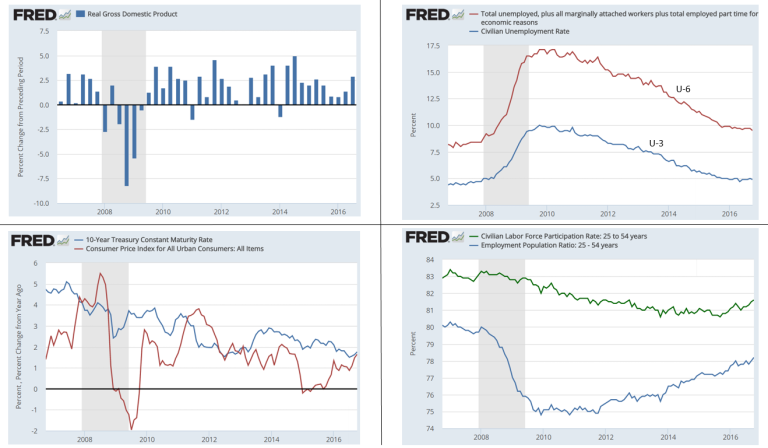
The U.S. economy enters 2026 in an odd spot. On one hand, price growth has fallen from its mid-2022 peak. On the other, many families still feel stretched. Growth held up better than experts guessed, yet surveys find everyday life feels shaky. Uncertainty is the watchword, especially as a big Supreme Court ruling on tariffs looms. To gauge what lies ahead, we checked in with two finance professors known for their accurate forecasts. Here’s what they see for 2026 and what it means for you.

2026 economy: how the Fed shapes rates

Late in 2025, the Federal Reserve cut its benchmark rate by a quarter point—the third drop in a year. This move split experts. Some say the easing cycle may end. Others worry slower hiring points to a recession. Unemployment is still low by historical standards, but it has crept higher since 2023. Entry-level workers feel more pressure now. History shows jobless rates can jump fast if things turn south. Yet so far, layoffs remain rare and pay gains persist. Even weaker job growth comes as no surprise outside of recessions.

Moreover, gross domestic product keeps growing above its pre-pandemic trend. However, recent federal data gaps may cloud the Fed’s view. Missing reports could lead to a policy misstep. Still, few experts see a downturn yet. They argue low unemployment matters more than tepid hiring. Meanwhile, consumers remain the main growth engine. They continue to spend, even as savings shrink and loan delinquencies tick up. A widening gap between wealthy and lower-income households now drives uneven strength. Overall, the Fed faces solid headline numbers but growing stress below the surface.

Is AI a bubble in the 2026 economy?

Talk of an AI bubble grows louder. Some compare today’s boom to the dot-com frenzy or railroad rush. Stock prices in top tech firms outpace their profits. That may reflect hopes for more rate cuts. It also fuels talks of hot new IPOs. To judge if AI is a true bubble, we look at past patterns. Economists split bubbles into two types. Inflection bubbles follow game-changing innovations. They transform industries, despite bubbles along the way. Think the internet or the railroad boom. Mean-reversion bubbles, by contrast, fizzle quickly. They leave little lasting impact.

If AI truly marks a major shift, we must watch how companies fund it. Debt makes sense for stable, cash-generating projects. Equity fits high-uncertainty bets. Private credit signals that banks shy away from risk. Lately, some big cloud and data firms have leaned heavily on bonds. That rises concerns about overextension. For now, caution is wise but panic is premature. Betting on a handful of high-risk AI names with little revenue remains dangerous. Yet broad investment in data centers or software may prove lasting. Ultimately, spreading bets across diverse firms can ease risk.

Why families struggle to pay for basics

Affordability, more than raw inflation, now weighs on many minds. Housing stands out as a top burden. For some buyers, home costs have doubled as a share of income. This shift forces many to delay purchases or take on extra risk. High housing bills also dent consumer confidence. On the plus side, rents have started to fall in cities that added new homes. Places such as Las Vegas, Atlanta and Austin see easing rent pressures. Still, local rules, land supply and job markets keep prices sticky in many areas.

Beyond homes, certain services remain pricey. Insurance premiums and health costs keep rising. Changes in immigration policy also matter. A bigger labor pool could ease wage pressures and cool prices over time. Yet demographic shifts and mounting public debt pose new challenges. Older populations need more retirement support, which may curb future spending.

Signs of hope and what to watch next

Despite these hurdles, a few bright spots stand out. First, equity gains are broadening past just mega-cap tech giants. Financial, consumer and industrial stocks have joined the rally. That may reflect better cost controls and brewing policy clarity. Second, AI costs keep falling as productivity ticks up. This could help inflation ease without huge job losses. Third, small rent declines can give families some breathing room.

Looking ahead, clarity on taxes, tariffs and regulations could unlock business investment. Some experts think the Fed expects this boost. If policy makers deliver more certainty, companies might finally spend on new projects. That spending would support jobs and growth. Nonetheless, major decisions at the Supreme Court and in Congress will shape trade and tax rules in 2026. Their outcomes could tip the balance toward a slowdown or another year of steady growth.

Staying prepared amid uncertainty

If there is one clear lesson for 2026, it’s this: uncertainty often exceeds expectations. In the words of a famous coach, “It’s tough to make predictions, especially about the future.” Yet by tracking unemployment, price trends, debt levels and policy moves, you can stay ready. Keep an eye on labor data, consumer spending and corporate debt. Also watch how quickly AI investment spreads beyond a few headline names. Finally, sending extra cash to savings can ease shocks if markets wobble.

The coming year may surprise us. Perhaps the expansion will last longer than anyone expects. Or maybe affordability pressures will finally ease enough for sentiment to catch up with data. Either way, staying informed and flexible can help you ride the ups and downs. 2026 holds both risks and opportunities. By watching key signals and planning ahead, you can face the year with more confidence.

FAQs

What does the Fed’s rate cut mean for my mortgage?

Lower benchmark rates often lead to cheaper borrowing costs. However, actual mortgage rates depend on bond markets and lender decisions.

How could AI impact my job?

AI may automate some routine tasks while creating demand for new skills. Learning digital tools and data analysis can help you adapt.

Is now a good time to buy a home?

Local market conditions vary. If rents stay high where you live, buying might help. Yet consider your job stability and interest rates before deciding.

How can I protect my savings from inflation?

Diversify your portfolio across cash, bonds and stocks. Consider low-cost index funds or short-term bonds to preserve value.

Why Venezuela Became a Target in Vance’s Explanation

Key takeaways

• JD Vance argued the U.S. struck Venezuela to stop fentanyl and other drugs.
• He admitted cocaine trafficking was also a concern.
• Critics say this was never about drugs but about oil and power.
• Observers warn this approach echoes old global power plays.

JD Vance took to social media to explain why the U.S. attacked Venezuela. He claimed the mission was to stop fentanyl, even though most fentanyl does not come from there. Then he added that cocaine is also dangerous. In simple terms, he said, “Fentanyl isn’t the only drug, and we still saw some fentanyl in Venezuela. Plus, cocaine is bad too.”

However, that answer confused many people. First, experts say only tiny amounts of fentanyl ever came from Venezuela. Second, calling out cocaine made it sound like a last-minute fix. As a result, critics quickly pounced on his remarks. They argued this story didn’t match real drug routes. More importantly, they insisted the strike had other motives.

Were Venezuela’s Drugs Really the Issue?

At first glance, Vance’s words suggest a straightforward mission against drugs. Yet no major reports point to Venezuela as a top source of fentanyl in the United States. Actually, most fentanyl comes from labs in other countries. Meanwhile, cocaine does leave Venezuela, but that trade was already a target in past enforcement efforts.

Moreover, Jennifer Jenkins, a U.S. Senate candidate, felt Vance admitted something important. She said she was tired of being lied to as an American. Jenkins insisted the operation was never about drugs. Instead, she bluntly accused the administration of focusing on oil. She warned against another “forever war” with a fresh label.

Critics Point to Oil and Power

In addition to Jenkins, other voices chimed in. David Clinch, an industry observer, saw a shift in America’s global position. He suggested the approach resembled old “great power” tactics. Clinch warned it risked handing advantage to rival nations. In his view, the U.S. seemed to retreat from its role as the world’s only true superpower.

Furthermore, Marcy Wheeler, a legal analyst, read Vance’s comments as a serious admission. She called them a confession of lies about attack missions on drug operations. Wheeler even questioned whether Vance would push for prosecutions against those who planned the strikes. Her point was clear: this explanation raised legal and moral issues.

Comparisons to Historical Power Plays

Even a literary editor saw echoes of history in Vance’s words. Eric Nelson compared a line from Vance to a famous quote by Mussolini. Vance had said that great powers must act when a communist steals resources in their own hemisphere. Nelson pointed out that Mussolini similarly linked power and war. He warned that such rhetoric often leads to conflict.

By making that link, Vance’s remarks stirred debate about whether the U.S. is shifting back to old styles of influence. Instead of open diplomacy or global partnerships, critics worry the nation will favor military action and control over resources like oil.

Why This Matters for Everyday People

Understanding these debates matters even if you’re not following politics closely. First, it shows how a few words from a public figure can spark big controversies. Second, it highlights how world events affect many of us—from gas prices to security concerns. Finally, it reminds us that official stories can shift when leaders feel pressure. Thus, staying informed helps people ask the right questions and hold leaders accountable.

Looking Ahead: What to Watch

Moving forward, keep an eye on a few areas:

  • Official responses: Will the administration clarify its motives?
  •  Congressional action: Will lawmakers demand detailed briefings?
  • Public opinion: Are more Americans tiring of overseas strikes sold as drug missions?
  • Expert reports: Will independent investigators confirm drug routes and motives?

Ultimately, this story is still unfolding. Each new statement or report can change how we see the strike on Venezuela. By paying attention, citizens can better understand how global moves tie back to everyday life.

Frequently Asked Questions

What did JD Vance say about Venezuela and drugs?

He claimed the U.S. attacked Venezuela to stop fentanyl trafficking and also pointed to cocaine as a problem. Critics say most fentanyl does not come from there.

Why do critics believe the strike was about oil?

Observers note that Venezuela holds vast oil reserves. They argue the drug story served as a cover for securing energy interests.

How did experts compare this move to past power strategies?

Some experts warned it resembled older “great power” tactics, shifting away from global leadership and closer to spheres of influence.

Will there be legal challenges over the strike?

Some analysts are calling for investigations and possible prosecutions, arguing that misleading explanations could break national and international law.

US Plans Venezuelan Oil Quarantine After Maduro Arrest

Key Takeaways

  • President Trump said the U.S. would “run” Venezuela after arresting Nicolás Maduro.
  • Secretary of State Rubio then spoke of a Venezuelan oil quarantine instead of an occupation.
  • The new plan uses economic pressure, not troops, to influence Venezuela’s oil sector.
  • Critics worry this move hurts America’s global credibility.
  • Observers say the shift raises legal and ethical questions.

What did President Trump say?

Last weekend, President Trump stunned many by vowing to “run” Venezuela. He spoke after Maduro’s arrest on narco-terrorism charges. Trump even hinted that U.S. troops might stay during a transition. His words sounded like a military takeover.

However, these comments drew swift criticism. Some saw them as reckless. Others feared an illegal occupation of a sovereign nation. The idea of “running” another country worried allies and foes alike.

Rubio’s Venezuelan oil quarantine plan

On Sunday, Secretary of State Marco Rubio tried to clear the air. He told CBS’s Face the Nation that the U.S. would impose a “quarantine” on Venezuelan oil. Rubio did not mention using troops or occupying cities. Instead, he focused on blocking oil shipments to cut off Maduro’s funds.

Rubio said the goal is to starve the regime of cash. Then, Venezuelans could choose new leaders in free elections. He offered no detailed timeline. Yet, he insisted America would not “run” the country.

Why Venezuelan oil matters

Venezuela sits on some of the world’s largest oil reserves. Its economy depends almost entirely on oil sales. Thus, a Venezuelan oil quarantine could hit the regime hard. Without export revenue, Maduro’s government would struggle to pay soldiers and agents.

Moreover, U.S. oil companies see a chance to invest in new fields. Rubio hinted they could step in once sanctions lift. Critics say this move skews policy toward corporate interests. They argue it treats Venezuelans like pawns in an energy game.

Expert reactions

Many experts reacted with shock. They questioned both the legality and the wisdom of the move.

Armand Domalewski, a left-leaning podcaster, noted the oddity. He said the U.S. is using military force to pressure Venezuela. Yet America’s oil firms might not invest enough to develop new wells.

Yaqui Wang, a democracy advocate, warned that U.S. credibility lies in tatters. She urged human rights groups in China to find strategies that don’t depend on U.S. power.

Tracy Westerman, who works on indigenous mental health, pointed to the human cost. She said bombing killed civilians. Now Venezuela can keep its regime if it opens oil to U.S. firms. She called this precedent “dangerous.”

Why this shift matters

First, the quarantine shows a move from direct military talk to economic tactics. Economic tools carry risks too. They can push countries closer to rival powers like Russia or China. These nations could step in as oil buyers.

Second, the plan tests the limits of international law. Can one nation unilaterally block another nation’s oil exports? Opponents say the move may violate trade rules.

Third, the plan could reshape U.S. foreign policy. Future presidents may prefer sanctions to boots on the ground. Yet sanctions often harm civilians more than leaders. Families scramble to afford food and medicine when income dries up.

Finally, U.S. oil companies stand to gain. They may pay less for fields if the regime bites the bullet. Critics see this as blending national security with corporate profit.

What happens next?

The administration will likely present a more detailed plan soon. Congress may debate the legality of the quarantine. International bodies could weigh in on trade implications.

Meanwhile, Maduro’s allies will scramble. They may seek new buyers in Asia or Europe. Russia and China could tighten ties and offer military support. The risk of wider conflict remains real.

At home, public opinion may split further. Some will cheer a tough stance on dictators. Others will condemn any action that seems to violate sovereignty.

Understanding the debate

It helps to know why oil is central. Oil drives economies and funds governments. Cutting off Venezuelan oil hits the regime’s wallet. Yet it also hits ordinary citizens.

In the past, sanctions led to severe shortages. Hospitals ran out of supplies. Schools closed for lack of heating. Critics fear history might repeat.

However, supporters argue that Maduro must face pressure. They say a strong signal from Washington could inspire opposition leaders in Venezuela.

Balancing pressure with protection

Policymakers face a dilemma. They want to weaken a dictator without harming his people. That balance is hard. Economic measures can strangle a regime but also traumatize the population.

To protect civilians, the U.S. might allow humanitarian exceptions. Food, medicine, and aid can move freely. Even so, critics say such provisions often fail in practice. Governments can still block supplies.

A roadmap for change

Some experts suggest a phased approach. First, tighten sanctions on top officials’ assets. Next, freeze oil revenue accounts abroad. Then, open talks for a transition. Finally, lift the quarantine when elections take place.

This staged path aims to limit harm to civilians while keeping pressure on leaders. However, it demands careful monitoring and strong international cooperation.

Conclusion

The shift from military talk to an oil quarantine marks a new chapter in U.S.-Venezuela relations. By targeting Venezuelan oil funds, the administration seeks to force political change. Yet the plan raises tough legal and ethical questions. As critics sound alarms, policymakers must find a way to press Maduro without deepening suffering.

FAQs

What is a Venezuelan oil quarantine?

A Venezuelan oil quarantine blocks oil shipments from Venezuela. It aims to cut revenue to Maduro’s regime without using troops.

Why did Rubio choose a quarantine over an occupation?

Rubio wanted to avoid troop deployments and legal risks. He believes economic pressure can force political change.

How could a Venezuelan oil quarantine affect global markets?

Blocking Venezuelan oil might tighten global supply. That could push oil prices higher for consumers worldwide.

Will U.S. companies profit from the quarantine?

Potentially, yes. If the quarantine ends and fields open, U.S. firms could invest. Critics worry this blends policy with profit.

Why the Calm After Maduro Arrest Alarms Experts

Key takeaways:

  • U.S. Delta Force agents detained Venezuelan leader Nicolas Maduro and his wife.
  • President Trump vowed the U.S. will run Venezuela until a new government forms.
  • Dr. Cristina Martín Jiménez highlights a surprising calm in Venezuela after the arrest.
  • That calm hints at hidden deals and power shifts behind closed doors.
  • Citizens may serve only as a pretext in planned transitions

When U.S. forces carried out the Maduro arrest on Saturday, many expected chaos. Yet, instead of riots or protests, Venezuela seemed eerily quiet. That silence has drawn sharp criticism. In fact, one foreign analyst called this calm the most unsettling part of the operation. She argues it reveals secret guarantees and planned power shifts far from public view.

What Happened Early Saturday

Early on Saturday, Delta Force troops arrived at the residence of President Nicolas Maduro and his wife, Cilia Flores. According to reports, agents took them into custody without resistance. Then they flew them directly to the United States. U.S. officials say both face charges of narco-terrorism and illegal arms possession. Attorney General Pam Bondi promised they would face “the full wrath of American justice” on U.S. soil.

President Trump backed the mission. He said the U.S. will manage Venezuela until new leaders emerge. He even mentioned sending troops on the ground if needed. This bold stance marked a drastic shift in U.S. policy toward Venezuela.

The Quiet After Maduro Arrest

After the Maduro arrest, Venezuela did not erupt. Streets remained calm. Government supporters did not flood the streets. Opposition groups did not cheer openly. Instead, people went about daily life under an unexpected peace. This strange calm disturbed Dr. Cristina Martín Jiménez, a communications expert.

She explained that no one stays calm in the eye of a storm without a safety net. In a post on social media, she wrote: “The truly unsettling detail isn’t a video or a leak. It’s the revealing calm.” She argued that this calm shows someone in power has secured guarantees. Therefore, the public stays quiet while private deals unfold.

Expert View on Power Shifts

Dr. Martín Jiménez warns that tutored transitions don’t free countries. Instead, they reorder power. A small group makes decisions behind closed doors. They change the narrative and shuffle power in secret. She added: “They whitewash some and sacrifice others. The citizen doesn’t enter the equation except as a pretext.” In other words, ordinary people become props in a power play.

Moreover, she noted that calm can mask tensions. People may choose silence to protect their safety. Or they may accept hidden deals that promise stability. However, such deals often exclude real political change.

What the Maduro Arrest Means Abroad

International reaction to the Maduro arrest varied. Some nations praised the U.S. for taking bold action. Others saw it as a sign of direct U.S. intervention in Latin America. Critics fear this move could set a precedent for similar actions elsewhere. After all, if the U.S. can seize a foreign leader on its soil, no one is safe.

Meanwhile, Venezuela’s neighbors watch closely. They worry about refugee flows and regional stability. They also wonder who will govern once the dust settles. These questions may take months to answer.

Looking Ahead in Venezuela

Now that the Maduro arrest is complete, attention turns to Venezuela’s future. President Trump wants an interim administration picked quickly. Yet, it’s unclear who will fill that role. Opposition groups have deep disagreements. Moreover, military leaders may not back the same candidates.

In fact, a key challenge lies in balancing U.S. interests with on-the-ground realities. Any new government must win support from Venezuelans. Otherwise, calm may give way to unrest once guarantees expire.

Signs of Hidden Deals

Observers point to the calm as a sign that hidden deals exist. Security forces seem to stand down. Political allies remain silent. Even state media shows fewer calls for resistance. This suggests some leaders may have negotiated terms. They may have traded loyalty or immunity for peace.

Furthermore, some analysts say guarantees might include financial incentives. Others suspect promises of future power-sharing. The exact terms remain secret, but the hush speaks volumes.

The Real Impact of the Maduro Arrest

Beyond headlines, the Maduro arrest will reshape Venezuela’s political landscape. Citizens may feel betrayed if they learn of secret bargains. They may also lose trust in opposition leaders. Meanwhile, U.S. credibility takes a hit in some circles. Allies worry about overreach. Critics label this move as imperialistic.

However, supporters say drastic times call for drastic measures. They argue that Maduro’s regime was beyond reform. Therefore, only bold action could end corruption and drug trafficking tied to his rule.

In any case, the calm after the Maduro arrest offers a warning. Transitions managed in private often leave citizens out. The real contest for power happens in secret rooms, not on public squares.

What Comes Next

For now, Venezuela waits. The world watches to see who will lead next. U.S. officials plan to push for fast elections. They aim to install a new government that follows democratic rules. Yet, many steps remain:

  • Rebuilding trust among Venezuelans
  • Managing security and the economy
  • Negotiating with military and political factions

If these go smoothly, the eerie calm may turn into stable progress. If not, hidden deals could collapse, sparking unrest.

Conclusion

The Maduro arrest shook global politics. But the lasting shock comes from the quiet it left behind. This calm, as Dr. Martín Jiménez warns, shows that power shifts happened out of sight. When leaders trade guarantees behind closed doors, citizens often lose. As Venezuela moves forward, people will ask if this quiet brought true freedom or just a new order shaped in secret.

Frequently Asked Questions

What led to the U.S. decision to arrest Maduro?

The U.S. cited charges of narco-terrorism and illegal arms possession. Officials argue that Maduro’s actions harmed both Venezuela and U.S. interests.

How did Venezuela react to the arrest?

Surprisingly, streets stayed calm. Supporters and opponents held back. Experts believe this calm signals hidden guarantees to key groups.

Could this tactic be used elsewhere?

Some worry it sets a global precedent. Directly detaining a foreign leader raises legal and diplomatic questions about sovereignty.

What challenges lie ahead for Venezuela?

Key challenges include rebuilding trust, managing security forces, and restoring the economy. Political unity will be critical for lasting change.

Trump’s Green Light Sparks China’s Taiwan Threat?


Key Takeaways:

  • The Trump administration sent troops to seize Venezuela’s president.
  • Critics say this move gave China a green light to invade Taiwan.
  • Experts warn U.S. credibility now risks global pushback.
  • Washington may struggle to deter future military aggression.

How Trump’s Green Light Shifted Global Rules

The Trump administration surprised many when it sent forces to capture Venezuela’s leader. They moved Nicholas Maduro from Caracas to New York. There, he now faces charges of narco-terrorism and gun possession. However, critics say this daring raid had unintended effects. In fact, they argue it set a new model for foreign powers.

The Venezuela Operation

First, the White House claimed legal grounds. They pointed to indictments against Maduro. Likewise, they argued he broke U.S. laws by trafficking drugs. Nevertheless, the mission crossed a clear line. U.S. policy long stressed non-intervention on foreign soil. Yet, the operation showed a willingness to act anyway.

Furthermore, Vice President Vance scrambled on social media. He tried to explain why the U.S. could abduct a sitting head of state. He argued the action matched America’s rules. But many found his case shaky. As a result, global audiences began to question U.S. motives and reach.

What Commentators Say

Political commentator Jo Carducci warned of a new era. He wrote that Trump gave “the green light Xi needed” to move on Taiwan. Meanwhile, academic Nader Heshemi said the same logic lets Russia snatch Ukraine’s leader. Both agreed Washington’s moral edge took a hit. Moreover, former host Mehdi Hasan asked how the U.S. could now object to any similar raid. He pointed out that critics must ask if American objections still hold weight.

U.S. Position on Taiwan

Officially, the United States practices “strategic ambiguity” on Taiwan’s status. This means it neither fully backs Taiwan’s independence nor accepts forced reunification. However, America holds strong economic interests in the island’s tech industry. Taiwan makes many computer parts that power global products. Thus, Washington has a stake in Taiwan’s freedom.

At the same time, China insists Taiwan belongs to the mainland. Beijing has not ruled out using force to reclaim the island. Many in Washington believe that threat keeps the peace. Yet now, Trump’s bold move in Venezuela could tip the balance. If Xi sees no penalty for seizing a neighbor’s leader, Taiwan might face real danger.

Is This Green Light for Taiwan Real?

Critics argue Trump’s Venezuela raid broke a vital taboo. In other words, the U.S. showed that it could violate sovereignty at will. Therefore, no country can claim sole moral or legal high ground. As a result, foreign leaders may feel emboldened. They may think, “If America can act this way, so can we.”

In fact, a green light of this scale could reshape global norms. Allies may now doubt U.S. promises to defend them. Adversaries might test America’s will. After all, deterrence depends on clear consequences. Without them, threats ring hollow. Consequently, Taiwan could become the next test case.

What Comes Next?

Now, Congress and the courts may weigh in on the Venezuela raid. Lawmakers could demand answers or impose checks on presidential power. Likewise, human rights groups might challenge the legality of kidnapping a head of state. Meanwhile, foreign capitals will watch closely. Many will update their threat assessments and war plans.

At home, the American public remains divided. Some praise the tough stance on drug trafficking and corruption. Others fear the president overstepped his authority. Polls may track whether voters trust the administration’s judgment. Furthermore, the debate will shape future decisions on global security.

Ultimately, the big question is how the U.S. will restore its moral sway. Can Washington still lead coalitions against aggression? Or will other powers see only weakness? Only time will tell if this green light dims or fuels a new wave of invasions.

Frequently Asked Questions

Why did the U.S. capture Venezuela’s president?

The administration accused him of running a narco-terror network and possessing machine guns. They used U.S. indictments to justify the operation.

How does this affect Taiwan’s security?

Critics say the raid shows America might not halt China’s use of force. That fear could encourage China to act on Taiwan.

What is “strategic ambiguity” on Taiwan?

It means the U.S. neither fully supports Taiwan’s formal independence nor accepts a forced takeover by China. It keeps rivals guessing about its response.

Could other countries mimic the U.S. raid?

Experts warn that legitimizing such raids could inspire similar missions worldwide. This could lead to more cross-border kidnappings or invasions.