54.3 F
San Francisco
Tuesday, May 12, 2026
Home Blog Page 934

Dick Durbin Retirement Sparks Praise and New Conversations

0

Key Takeaways:

  • Dick Durbin, a 20-year Senate veteran, announces his retirement.
  • Fellow Democrats celebrate his dedication to Illinois and progressive causes.
  • Younger Democrats praise his decision to step down, seeing it as an opportunity for fresh leadership.

The Retirement Decision That’s Making Waves

Dick Durbin, Illinois’ senior senator and a fixture in Democratic leadership, announced his retirement Wednesday. At 80 years old, Durbin has spent decades shaping policies and fighting for causes like immigration reform. His decision to step down has sparked two very different reactions within the Democratic Party.


Democrats Celebrate a Legacy of Service

For many Democrats, Durbin’s retirement is a moment to honor his decades of public service. He’s known for his dedication to Illinois and his role in Senate leadership. Durbin has been a vocal advocate for immigrants and progressive policies. His colleagues describe him as a steady hand in Congress, someone who fought hard for his state and its people.

But while older Democrats are praising Durbin’s long career, younger Democrats are focusing on what his retirement means for the future.


Why Some Democrats Are Cheering His Retirement

For a group of younger Democrats, Durbin’s decision to retire is what’s most impressive. They argue that knowing when to step aside is just as important as knowing when to lead. By retiring, Durbin is making room for new voices and fresh ideas in the party.

In recent years, there’s been growing talk about passing the torch to a younger generation of leaders. Durbin’s retirement is seen as a step in that direction. It’s a sign that even experienced leaders recognize when it’s time to let someone else take the reins.


The Bigger Picture: What Durbin’s Retirement Means

Dick Durbin’s retirement is about more than just one person. It’s part of a larger conversation happening in the Democratic Party about leadership and change. Younger Democrats are eager to see new faces in Congress, people who can bring modern perspectives to old challenges.

Durbin’s decision is seen as a model for other long-serving politicians. It shows that retirement can be a positive choice, one that clears the way for new leaders to step up.


What’s Next for Illinois and the Senate?

With Durbin retiring, Illinois will need to find a new senator to take his place. This could be a chance for the state to elect someone who represents a new direction for the party.

Durbin’s legacy will likely influence the race to replace him. Candidates may campaign on continuing his work while also bringing new energy to the role.


The Final Word: Balance Between Experience and Fresh Perspectives

Dick Durbin’s retirement is being celebrated for all the right reasons. It’s a tribute to his service and a nod to the future. For Democrats, it’s a reminder that leadership isn’t just about holding power—it’s also about knowing when to pass it on.

As the party looks ahead, Durbin’s retirement could be a turning point. It’s a chance to honor the past while embracing the future. And that’s something everyone can agree on.
Judge Orders Trump Administration to Bring Back Wrongly Deported Venezuelan Man

0

Key Takeaways:

  • A federal judge in Maryland has ordered the Trump administration to return a wrongly deported Venezuelan man.
  • The 20-year-old was mistakenly sent to El Salvador.
  • U.S. District Judge Stephanie Gallagher ruled the deportation violated a prior court settlement.
  • The case highlights issues with immigration enforcement under the Trump administration.
  • The judge, appointed by Trump, emphasized the importance of following legal agreements.

What Happened

A young Venezuelan man’s life was turned upside down when he was wrongly deported to El Salvador. Recently, a federal judge in Maryland, Stephanie Gallagher, stepped in, ordering the Trump administration to bring him back. This ruling came after it was discovered that his deportation broke a previous court agreement.

The man, only 20 years old, was sent to El Salvador, a country where he had never lived. This mistake has caused significant disruption to his life. Judge Gallagher, who was appointed by President Trump, made it clear that the administration must correct this error by returning the man to the United States.

Why It Matters

This case is more than just a mistake; it shows how important it is to follow legal agreements, especially in immigration cases. The U.S. government must ensure that everyone’s rights are respected, regardless of their nationality.

Judge Gallagher’s decision reminds us that courts play a crucial role in ensuring fairness, even when the government makes errors. This ruling not only affects the young man involved but also sets a precedent for how such cases should be handled in the future.

What’s Next

The Trump administration must now take immediate action to return the man to the U.S. This involves contacting immigration officials in El Salvador and arranging his safe return. The administration must also review its deportation processes to prevent such mistakes from happening again.

If the administration fails to comply with the judge’s order, they could face serious consequences, including contempt of court. The man’s lawyers will likely continue to monitor the situation to ensure the ruling is enforced.

Once back in the U.S., the Venezuelan man can pursue legal options to stay in the country, such as applying for asylum or exploring other immigration relief options. This case underscores the need for accountability and fairness in immigration enforcement.

In conclusion, the judge’s decision is a significant step toward righting a wrong and upholding the rule of law. It serves as a reminder of the importance of judicial oversight in immigration matters and the need for the government to adhere to legal agreements.

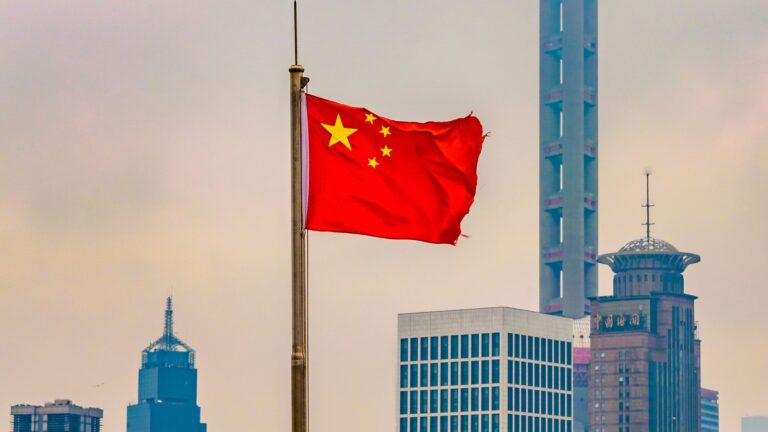
Trump Trades Hope and Doubt on China Trade War

0

Key Takeaways:

  • The Trump administration hints at easing the trade war with China but then tempers expectations.
  • Officials like the Treasury Secretary cool investor enthusiasm to avoid appearing weak.
  • The back-and-forth causes uncertainty in the stock market and economic decisions.
  • Balancing tough talk with diplomacy is tricky for Trump’s team.

Mixed Signals from the Trump Administration

The Trump administration has been sending mixed messages about the trade war with China. One day, they suggest things might calm down soon, and the next, they downplay it, leaving everyone confused.

What’s Going On?

The U.S.-China trade war has been ongoing, with both sides taxing each other’s goods. This affects prices, jobs, and business plans. Lately, Trump officials hinted at a possible truce, making investors hopeful. Stocks went up as people thought a deal was near. Then, officials like Treasury Secretary Scott Bessent said things might not change much, making investors nervous again.

Why the Mixed Messages?

So, why do officials send such conflicting signals? They probably don’t want to seem like they’re giving in. It’s like in a negotiation—if one side seems too eager to compromise, the other side might take advantage. Also, Trump’s campaign promised to be tough on China. If they seem to back down, it might look like they failed.

What Do These Mixed Signals Mean?

Investors are confused. Stocks go up on good news and down on bad. This makes it hard to decide what to do next. Imagine if you were investing money. You’d want to know what’s likely to happen. But with so much uncertainty, it’s hard to make smart choices.

The Bigger Picture:

The trade war isn’t just about the U.S. and China. It affects other countries too. If the two biggest economies in the world are fighting, it can slow down global trade. This makes it harder for businesses to predict the future and plan accordingly.

What’s Next?

It’s hard to say what will happen next. Both sides want a deal, but they’re both trying to get the best terms. The talks could go on for a long time. This uncertainty is stressful for everyone involved.

What Does This Mean for You?

If you’re not an investor or a business owner, why should you care? Well, trade wars can affect the prices of things you buy. If China puts tariffs on U.S. goods, the prices might go up. It can also affect jobs. If companies can’t sell as much, they might lay people off. So, even if you’re not directly involved, it can still impact your life.

Conclusion

The Trump administration is stuck. They want to end the trade war but don’t want to look weak. This back-and-forth makes it hard for investors and businesses to plan. It’s like being on a rollercoaster—you’re not sure when it will stop or where it will go next. Stay tuned as this story continues to unfold.

Palestinian Student’s Detention Continues as Case Evolves

0

Key Takeaways:

  • A Palestinian student at Columbia University, Mohsen Mahdawi, remains detained after a court hearing.
  • A judge ordered both sides to provide more documents before making a decision.
  • Supporters gathered outside the court in Vermont to show their solidarity.

What Happened So Far

Mohsen Mahdawi, a Palestinian student at Columbia University, was detained after an interview for U.S. citizenship. His lawyers and the Department of Justice recently presented arguments in a Vermont court. A large crowd of supporters showed up outside the courthouse in Burlington, Vermont, to stand with Mahdawi.

The judge, Geoffrey Crawford, decided he needs more information before ruling. He asked both Mahdawi’s team and the government to submit additional documents. This means Mahdawi will stay detained for now.


Why Is This Important?

The case has drawn attention because it raises questions about citizenship interviews and detention policies. Mahdawi’s situation highlights the challenges some individuals face when seeking citizenship, especially if they come from certain backgrounds.

Supporters believe Mahdawi’s detention is unfair and are pushing for his release. They argue that everyone deserves a fair chance to prove their eligibility for citizenship without facing unnecessary detention.


What’s Next?

The judge has asked for more briefing papers, which are detailed documents explaining each side’s arguments. Once these documents are submitted, the judge will review them and make a decision.

Mahdawi’s lawyers are likely to argue that his detention is unjust and that he should be allowed to continue his citizenship process freely. The government, on the other hand, may argue that his detention is necessary for certain reasons.

The court’s decision will impact not just Mahdawi but also others in similar situations. It could set a precedent for how citizenship interviews and detentions are handled in the future.


What Does This Mean for Others?

Cases like Mahdawi’s can influence policies and public opinion. If the court rules in his favor, it might lead to changes in how citizenship interviews are conducted and how detentions are handled.

For now, Mahdawi’s supporters are hopeful that the judge will rule in his favor. They continue to raise awareness about his case, calling for fairness and justice.


A Human Side to the Story

Behind the legal arguments, there’s a person whose life is on hold. Mahdawi is a student at a prestigious university, working toward his goals like many others. His detention has disrupted his life and education, and his future remains uncertain.

The crowd outside the courthouse showed that many people care about his case and believe in his right to fairness. Their presence sends a strong message about the importance of standing up for justice.


Final Thoughts

The case of Mohsen Mahdawi is still unfolding. The judge’s request for more documents shows that the decision is not yet clear. Supporters remain hopeful, but the outcome is uncertain.

As the legal process continues, the spotlight will stay on Mahdawi’s case, raising important questions about citizenship, detention, and fairness. For now, Mahdawi remains detained, waiting for the court’s final decision.

Trump’s Trade War Shift: Does He Listen to Wall Street Over Main Street?

0

Key Takeaways:

  • Trump claims his trade war helps American workers hurt by globalization.
  • Wall Street and big businesses have influenced Trump’s recent decisions.
  • Trump softened his hard stance on China and the Federal Reserve after market drops.
  • The Chamber of Commerce warned the White House about economic risks.

Trump’s Trade War: Bold Effort or Wall Street Favor?

President Donald Trump has always praised his trade war as a bold move to help American workers. He says it’s his way of keeping a promise to the working class, which he claims has been hurt by decades of globalization. But recent events show that Wall Street and big businesses might have more sway over his decisions than he lets on.

What Is a Trade War?

A trade war happens when countries impose tariffs ( taxes on imports) on each other’s goods. Trump started one with China to protect American jobs and industries. He believed this would make things fairer for U.S. workers.

However, not everyone agrees. Some say it’s hurt American farmers, manufacturers, and consumers who pay higher prices for imported goods.


Trump Softens His Tone

In recent days, Trump has toned down his tough talk toward China and Federal Reserve Chair Jerome Powell. This change came after the stock market dropped sharply on Monday. Investors were worried, and big businesses pressured Trump to ease up.

Why the Change?

Wall Street and major companies have made it clear they don’t like the uncertainty of the trade war. They want stability to keep profits high and markets calm. Trump, who often boasts about the strong economy, seems to be listening.

But some critics say Trump is shifting his focus from helping Main Street to pleasing Wall Street. They argue that large corporations and wealthy investors are benefiting more from his policies than average workers.


The Chamber of Commerce Warns the White House

The U.S. Chamber of Commerce, which represents many of the nation’s biggest businesses, has been warning the Trump administration about the risks of the trade war. They’ve expressed concerns about higher costs for consumers, disruptions to supply chains, and the impact on American jobs.

What Do Businesses Want?

Business leaders want Trump to find a balance. They urge him to protect American interests without sparking further conflict. They believe a middle ground could help both workers and businesses thrive.

But Trump’s supporters argue that the trade war is necessary to fix unfair trade practices. They say it’s a short-term pain for long-term gain.


What Does This Mean for Main Street?

Trump’s recent moves have left some of his supporters confused. They voted for him because he promised to stand up for the American worker. Now, they’re wondering if he’s catering too much to big businesses and Wall Street.

Is Trump Still Fighting for Workers?

Trump’s loyal base believes he’s still fighting for them. They say the trade war is a step toward fairness and that criticism from Wall Street is just noise.

Others aren’t so sure. They think Trump is backing down because he doesn’t want to upset investors. If the economy starts to slow, they worry Trump’s policies might hurt the very people he promised to help.


What’s Next?

The trade war with China is far from over. Trump’s softer tone might lead to a temporary truce, but tensions could rise again. Meanwhile, Wall Street will keep a close eye on Trump’s next moves.

Will Trump Stick to His Promises?

Only time will tell if Trump stays true to his original plan. One thing is clear: the pressure from Wall Street and big businesses is shaping his decisions. As the 2024 election approaches, Trump will need to convince voters he’s still the champion of the American worker.


Final Thoughts

Trump’s trade war has been a hot topic since he took office. While he says it’s all about helping Main Street, recent actions suggest Wall Street has his attention too. As the economy continues to shift, one question remains: who is Trump really fighting for?

Whether you agree with Trump or not, one thing is certain—his policies have sparked a lot of debate. What do you think? Should Trump focus more on helping workers, or is it time to listen to Wall Street? Let us know your thoughts!

Trump’s Approval Ratings Take a Hit, Polls Show

0

Key Takeaways:

  • President Trump’s approval ratings have dropped in his first 100 days.
  • Critics blame his handling of the economy and recent controversies.
  • He started his term with positive ratings but now faces a decline.
  • Polls show his approval is now below his disapproval.

Trump’s Approval Ratings Take a Hit, Polls Show

The first few months of Donald Trump’s presidency have been rocky, and new data shows his popularity is slipping. According to recent polls, more people now disapprove of his performance than approve of it. This shift comes as critics question his handling of the economy and a string of controversies.

Trump began his presidency in January with more people approving of him than not. In fact, his approval ratings were above 50% during his first days in office. But things have changed quickly. As of now, his approval ratings have dipped below his disapproval ratings.

So, why are people turning on Trump? Let’s break it down.


Why Are Trump’s Ratings Dropping?

  1. Economic Concerns One major issue is the economy. Many Americans feel Trump isn’t doing enough to improve their financial situation. Some critics argue that his policies haven’t led to the jobs or wage growth promised during his campaign.

For example, Trump’s push to bring manufacturing jobs back has been slower than expected. While some factories have reopened, the progress is still limited. This has left some voters feeling let down.

  1. Controversies Pile Up Trump’s presidency has been no stranger to drama. From debates over immigration policies to disputes with the media, the administration has faced one controversy after another.

These conflicts have distracted from Trump’s agenda and may have turned off some supporters. Even some Republicans have criticized his handling of these issues.


A Closer Look at the Numbers

The polling data paints a clear picture. Trump’s approval ratings have been falling steadily since February. While he still has a strong base of supporters, independent voters and some Republicans are losing confidence.

Here’s how the numbers break down:

  • Approval ratings have dropped by several percentage points.
  • Disapproval ratings have risen sharply in recent weeks.
  • The gap between approval and disapproval is growing.

This trend is worrying for Trump, especially as he tries to pass major legislation like tax reform and infrastructure spending. Without public support, his goals could be harder to achieve.


What’s Next for Trump?

Can Trump turn things around? It’s possible, but it won’t be easy. He needs to address the economic concerns of middle-class Americans and reduce the drama surrounding his administration.

The next few months will be crucial. If Trump can stabilize his approval ratings, he might regain momentum. But if things keep sliding, it could spell trouble for his agenda and his 2024 re-election hopes.


Balancing the Perspective

It’s worth noting that not everyone is unhappy with Trump. His base remains fiercely loyal, and many still believe he’s the right leader for the country.

Some supporters argue that the media is unfairly targeting Trump and that his policies need more time to succeed. They point to low unemployment rates and a strong stock market as signs of progress.

However, even these supporters acknowledge that the controversies and lack of clear wins on major issues have hurt Trump’s image.


What Does This Mean for Trump?

The decline in Trump’s approval ratings is a sign that he needs to refocus. If he can deliver on his promises and avoid unnecessary drama, he might be able to win back some support.

But time is running out. The 2024 election is approaching, and voters are already paying attention. If Trump can’t improve his numbers, it could be an uphill battle for re-election.


The Bottom Line

President Trump’s approval ratings are taking a hit. Critics blame his handling of the economy and aseries of controversies. While he still has loyal supporters, he needs to address these issues to regain public trust.

The coming months will be key. Can Trump turn things around? Only time will tell, but one thing is clear: the pressure is on.

Judge Orders Trump to Revive Key News Service

0

Key Takeaways:

  • A federal judge instructed President Trump to reopen Voice of America.
  • The service, run by the U.S. Agency for Global Media, aims to counter foreign propaganda.
  • The decision followed concerns over Trump’s authority to close it without Congress.
  • Critics celebrate the ruling, fearing loss of global influence.

Judge Orders Trump to Restart Voice of America

A significant ruling by Judge Royce Lamberth, appointed by Reagan, has ordered President Trump to restart Voice of America. This service, part of the U.S. Agency for Global Media, was halted by Trump, sparking legal action in the case Widakuswara v. Lake. The court determined that closing it without Congress’ approval may be illegal.

Why This Decision Matters

Voice of America represents U.S. values globally and has bipartisan support. Trump’s move to close it, influenced by anti-Trump content, raised concerns about censorship and global influence. The ruling highlights the balance of power between the executive branch and Congress.

Reactions to the Ruling

Supporters have welcomed the decision. Democrats on the House Oversight Committee view it as a victory against harmful cuts. Critics, though, like former Rep. Joe Walsh, see it as a strong stance against administration overreach. However, skepticism exists about Trump complying, given past defiance.

What Happens Next?

The ruling allows Voice of America to operate while the case proceeds. The focus now is on whether Trump will comply, with some doubting he will. The outcome could set precedents for executive power limits.

A Bigger Fight for Transparency

This case reflects broader tensions over information control. The ruling underscores the importance of independent media and checks on executive authority, ensuring U.S. agencies can operate without undue political influence.

In conclusion, the judge’s decision to restart Voice of America is a significant step in maintaining U.S. global communication efforts, emphasizing the role of judicial oversight in executive actions.

Petro’s Remark Causes US Tension

0

Key Takeaways:

  • Colombian President Petro made a controversial comment during a Cabinet Meeting.
  • His remark caught his ministers off guard.
  • The comment has strained relations with the U.S., which finds it offensive.
  • Petro kritisi membersi dengan mengaitkan konflik masa kini dengan genosida sejarah.

The Controversial Comment

In a recent meeting, Colombian President Petro made a remark that has caused tension with the U.S. The comment, made during a Cabinet Meeting presented as a presidential address, surprised his ministers.

US Embassy’s Response

The U.S. Embassy in Bogotá found Petro’s comments offensive and urged leaders to avoid comparing current conflicts to historical genocides. This response highlights the sensitivity of the issue.

Petro’s Recent Actions

Petro has been vocal on social media, criticizing El Salvador’s President Nayib Bukele over the treatment of Venezuelan migrants. His actions reflect his approach to international issues.

What’s Next?

As Colombian officials engage with the U.S., Petro’s stance may impact relations. Diplomats like Laura Sarabia and Germán Avila are currently in the U.S. on official duties.

The situation underscores the challenges in international diplomacy, where leaders’ words can significantly affect relations. Stay informed for further updates.

Tesla’s Profit Plunge: Musk’s Trump Ties Take Toll

0

Key Takeaways:

  • Tesla’s net income fell by 71% in the first quarter.
  • Adjusted earnings per share missed expectations.
  • Global vehicle deliveries dropped by 13%.
  • Musk’s role in the Trump administration sparks backlash.
  • Tariffs on imports add to financial pressures.

The Profit Drop: Understanding the Numbers

Tesla, the electric car giant, has seen its profits drop sharply, with a 71% decline in net income in the first quarter. This significant slide is partly due to tough competition in overseas markets and the negative impact of Elon Musk’s involvement with former President Donald Trump’s administration. The company’s earnings per share were also below expectations, at 27 cents compared to the predicted 41 cents, showing a clear financial strain.

Delivery Decline: A Reflection of Consumer Sentiment

Tesla’s global deliveries fell by 13%, a direct result of consumer backlash. Many customers are turning away from the brand as a reaction to Musk’s role as Trump’s advisor, leading to decreased sales in key markets. This drop in deliveries is a major concern, indicating that public perception is affecting Tesla’s performance.

Musk’s Controversial Role: Fueling the Fire

Elon Musk’s position as head of the Department of Government Efficiency under Trump has made him a figure of controversy. His influence in the administration has led to widespread protests against Tesla, with some stores and charging stations facing vandalism and arson. This backlash, both in the U.S. and Europe, highlights the impact of Musk’s political involvement on the company’s image and sales.

Import Issues: A Supply Chain Struggle

Despite manufacturing cars in the U.S., Tesla relies heavily on international parts, particularly from Mexico, which supplies over 20% of its components. The 25% tariffs on these imports have increased costs, adding financial pressure. This situation is akin to building a bike but paying extra for each part, making it harder for Tesla to maintain profitability and competitiveness.

Path to Recovery: Learning from the Past

While Tesla faces significant challenges, history shows that companies can recover from such setbacks. By reflecting on past successes and adjusting strategies, Tesla can navigate these turbulent times. Diversifying supply chains and addressing public concerns could help mitigate the current crisis, allowing the company to regain its footing in the market.

In conclusion, Tesla’s financial struggles are a multifaceted issue, influenced by political ties, supply chain challenges, and consumer sentiment. Addressing these areas will be crucial for the company’s recovery and future success.

Pentagon Chaos: Hegseth’s Leaks Spark Turmoil

0

Key Takeaways:

  • Secretary Pete Hegseth is under fire for leaking classified information via Signal.
  • The Pentagon faces internal power struggles and high staff turnover.
  • Hegseth’s team clashes due to personality conflicts rather than policy.
  • President Trump supports Hegseth, but experts question his future.

Introduction: The Pentagon is experiencing turmoil due to Secretary Pete Hegseth’s recent controversies, involving sensitive leaks and internal power struggles. Despite President Trump’s support, Hegseth’s leadership is under scrutiny.

The Leaks: Sensitive Information Exposed Hegseth, known for his TV persona, is accused of leaking classified war tactics against Houthi terrorists in Yemen. Initially, he shared info with a journalist, and later with his wife and brother via Signal. These leaks have raised concerns about national security and his judgment.

Power Struggles and Staff Turnover The Pentagon is witnessing rapid staff changes, indicating a chaotic work environment. Hegseth’s team is involved in bitter conflicts, leading to unexpected firings and a divisive atmosphere, affecting the Department’s focus on key issues.

A Different Kind of Conflict Unlike typical ideological clashes in the Trump administration, the current turmoil stems from personality clashes and power games. This personal rivalry creates distrust and tension, impacting the Pentagon’s efficiency and reputation.

Trump’s Stance on Hegseth’s Future Despite growing pressure, President Trump has stated he won’t remove Hegseth. However, as the situation intensifies, some experts believe Hegseth’s position may become untenable, potentially leading to his departure.

Expert Opinions and What’s Next Experts suggest that if the chaos continues, Trump might have no choice but to replace Hegseth. The ongoing drama distracts from the administration’s agenda, leaving the Pentagon’s stability in question.

Conclusion: The Pentagon’s current challenges highlight the importance of leadership and stability. As Hegseth’s future remains uncertain, the focus is on whether the Department can overcome these internal struggles and maintain its critical mission.