
55.2 F
San Francisco
Monday, June 22, 2026
Home Blog Page 949

Theo Von’s Qatar Comedy Set Sparks Controversy for U.S. Troops

Key Takeaways:

  • Podcaster and comedian Theo Von performed for U.S. troops in Qatar.
  • He made jokes about snorting drugs off a mixed-race baby.
  • He compared Qatari attire to Klansman robes.
  • His jokes got mixed reactions—some laughter, some groans.
  • President Donald Trump visited the same base after Von’s performance.

Podcaster and comedian Theo Von recently performed for U.S. troops in Qatar, but his jokes have caused a stir. During his set, Von made controversial remarks about race, drugs, and sexuality, leaving some in the audience questioning his choice of topics.

The Performance

Von’s comedy set took place at Al-Udeid Air Base, a key U.S. military base in Qatar. He joked about snorting drugs off a mixed-race baby, a remark that drew both laughter and discomfort. He also made jokes about the sexuality of men in the U.S. Navy and compared the traditional Qatari attire to Ku Klux Klan robes.

While some service members laughed at his humor, others groaned or seemed uneasy. The jokes struck a nerve, especially given the diverse audience of military personnel.

Mixed Reactions from the Audience

Comedy often walks a fine line between funny and offensive, and Von’s set seemed to land on both sides. Some troops found his jokes hilarious and appreciated the chance to relax and laugh during their deployment. Others felt his comments were insensitive, especially given the sensitive topics he touched on.

One audience member said, “Some of his jokes were funny, but others felt off. I’m not sure why he chose to go there with those topics.”

Another service member added, “Comedy is subjective, but I think he crossed a line with some of those remarks.”

Why Was Theo Von There?

The bigger question for some was why Von was invited to perform for the troops in the first place. While he has a large following as a podcaster and comedian, his style of humor is known for being edgy and sometimes controversial.

A spokesperson for the event explained that the goal was to provide entertainment for the troops and boost morale. “We want to give service members a chance to unwind and forget about their duties for a while. Comedy is a great way to do that,” they said.

However, the choice of Von as the performer raised eyebrows. “I get that they wanted to bring in someone popular, but his jokes didn’t feel appropriate for this setting,” said one soldier.

President Trump’s Visit

Von’s performance came just before President Donald Trump’s visit to the same base. Trump’s visit was part of a broader trip to the region, where he met with military leaders and addressed the troops. His message focused on gratitude for their service and updates on U.S. foreign policy.

While Von’s jokes dominated the conversation, Trump’s visit was seen as a more formal and serious event. The two back-to-back events highlighted the mix of entertainment and official business that often takes place at military bases.

The Bigger Picture

Comedy and controversy often go hand in hand, but in a setting like a military base, the stakes are higher. Troops are a diverse group, and what one person finds funny, another might find offensive.

Von’s performance has sparked debates about the role of comedy in sensitive environments. Should comedians avoid certain topics when performing for the military? Or is it okay to push boundaries, even if it makes some people uncomfortable?

One comedian who performs for troops regularly shared their perspective: “When you’re performing for the military, you have to be mindful of your audience. It’s a balance between being funny and being respectful. You don’t want to alienate anyone, but you also want to make them laugh.”

In this case, it seems Von aimed for edgy humor but missed the mark for some.

What’s Next?

The controversy over Von’s performance is unlikely to fade soon. It has already sparked discussions online, with some defending his right to free speech and others criticizing his choices.

For the troops, the bigger focus remains on their mission and service. While entertainment is a small part of their experience, it’s the camaraderie and shared experiences that matter most.

As one service member put it, “At the end of the day, we’re here to do a job. Whether the comedy hit or missed, we’re all in this together.”


Theo Von’s performance in Qatar serves as a reminder that humor is subjective, and not everyone will find the same things funny. While some troops enjoyed his set, others felt he went too far. The debate over his jokes highlights the challenges of performing in sensitive environments and the importance of understanding your audience.

For now, the focus remains on the troops and their important work. Whether or not they enjoyed the comedy, they deserve respect and gratitude for their service.
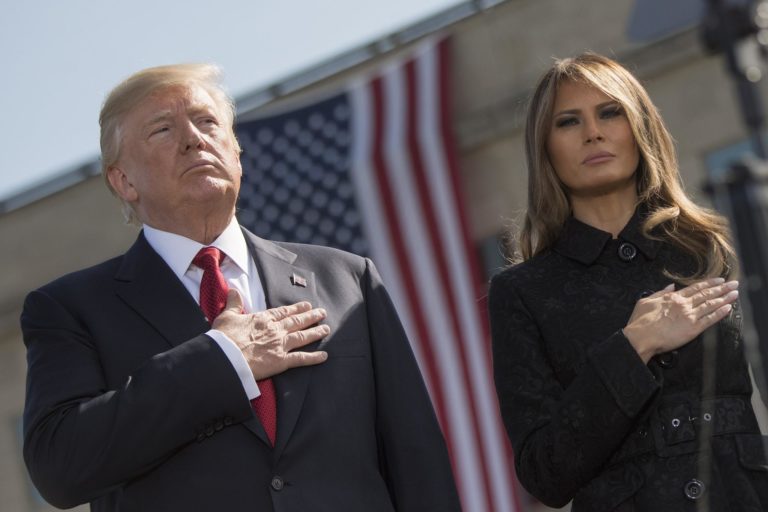
Trump Optimistic About Iran Nuclear Deal

0


Key Takeaways:

  • President Donald Trump says he believes Iran is serious about signing a nuclear deal.
  • A top Iranian adviser says Tehran is ready to agree to limit uranium enrichment for civilian use.
  • Iran wants all sanctions lifted as part of the deal.
  • The deal aims to prevent Iran from building nuclear weapons.

Introduction President Donald Trump recently expressed confidence that Iran is ready to sign a nuclear deal. This deal would limit Iran’s ability to produce nuclear weapons. A top adviser to Iran’s Supreme Leader also announced that Tehran is prepared to accept the terms of the agreement.

The deal would require Iran to enrich uranium only to levels needed for civilian use, such as generating electricity. In return, Iran wants all sanctions lifted. Sanctions are economic penalties imposed by other countries to limit Iran’s activities.


Iran’s Stance on the Deal Ali Shamkhani, a close adviser to Supreme Leader Ayatollah Ali Khamenei, shared Iran’s position. He said Iran is ready to sign the deal at any moment. Shamkhani explained that Iran would agree to enrichment levels suitable for peaceful purposes. This means Iran would not produce uranium enriched enough to build nuclear weapons.

Iran has always denied wanting nuclear weapons. However, many countries, including the United States and its allies, have concerns about Iran’s nuclear program.


Trump’s Optimism President Trump stated that he believes Iran is serious about reaching an agreement. He thinks the deal could help reduce tensions in the region. Trump has been a key player in U.S.-Iran relations, including pulling out of a previous nuclear deal in 2018.

If the deal goes through, it could improve relations between Iran and the U.S. It could also prevent Iran from developing nuclear weapons, which is a major concern for many countries.


What’s Next? For the deal to happen, all sides must agree on the terms. This includes Iran, the U.S., and other countries involved in the negotiations. Iran is pushing for all sanctions to be lifted, which could help its economy.

The world will be watching closely to see if Iran and the U.S. can reach an agreement. If successful, it could be a major step toward peace and stability in the Middle East.


This potential deal is a significant development in international relations. It shows that even after years of tension, countries can work together to find solutions. Stay tuned for more updates as this story unfolds.

Missouri Senate Advances Abortion Ban and Rolls Back Sick Leave Law

0

Key Takeaways

  • Missouri senators voted to move forward with a controversial abortion ban amendment that now heads to voters for approval.
  • Republicans used a rarely invoked rule to cut off debate and push the bill through, causing tension among lawmakers.
  • A measure to repeal the state’s paid sick leave law, approved by voters in November, also passed.
  • Abortion-rights activists protested in the Senate gallery, leading to a temporary evacuation of the area.
  • The abortion ban includes exceptions for medical emergencies, fetal anomalies, and survivors of rape and incest but has been criticized for misleading ballot language.
  • Opponents argue the ban would reinstate unconstitutional abortion regulations struck down by a judge.

Abortion Ban on the Ballot

In a tense and dramatic session, Missouri senators moved forward with an abortion ban amendment. The measure now goes to voters, who will decide whether it becomes law.

The proposed ban seeks to remove the state’s constitutional right to abortion but includes exceptions for medical emergencies, fatal fetal anomalies, and survivors of rape and incest within the first 12 weeks of pregnancy.

However, critics argue the amendment’s language is confusing. The ballot description does not explicitly mention that it would ban abortions, leading Democrats to accuse Republicans of trying to deceive voters.

The amendment also includes a severability clause, which could allow the rape and incest exceptions to be challenged in court as discriminatory under the 14th Amendment.

What’s Next?

If voters approve the amendment, it would bring back several strict regulations on abortion providers, known as TRAP laws, which a Missouri judge recently ruled unconstitutional.

Abortion-rights advocates have already sued the state over these regulations, arguing they unfairly target abortion clinics and limit access to care.


Paid Sick Leave Law Repealed

In another controversial move, the Senate voted to repeal the paid sick leave law approved by 58% of voters in November. The law, which went into effect in May, guaranteed paid sick leave for over 700,000 Missouri workers who previously lacked this benefit.

Republicans pushed the repeal, arguing that the law would harm small businesses and destroy jobs. However, Democrats and advocates for the law criticized the move, saying it goes against the will of voters and will hurt workers who need time off for illness or family care.

The repeal also removes a requirement that the minimum wage be adjusted for inflation, a policy that has been in place since 2007.

What Do Advocates Say?

Advocates for paid sick leave say they will not give up the fight. They are considering putting the issue back on the ballot as a constitutional amendment, which would make it harder for lawmakers to overturn in the future.


Protests Disrupt Senate Proceedings

The tension in the Senate was not just among lawmakers. As the abortion ban advanced, abortion-rights activists in the Senate gallery began shouting protests. The gallery was temporarily cleared, including reporters, while security restored order.

Despite the disruption, the Senate continued its work and adjourned for the year a few hours later.


Republican Divisions Exposed

The debate over the abortion ban revealed deep divisions within the Republican Party. Some conservative senators refused to support the bill because it included exceptions for rape and incest, which they opposed.

One Republican, Sen. Mike Cierpiot, accused a prominent anti-abortion group, Missouri Right to Life, of prioritizing political power over compromise. He criticized the group for creating unnecessary conflicts within the party.

Other Republicans, like Sen. Mary Elizabeth Coleman, expressed frustration with the group’s tactics. “They didn’t endorse me, but I don’t really care,” Coleman said. “What I care about is that they didn’t endorse Gov. Kehoe.”

These fractures within the GOP highlight the challenges Republicans face in balancing their base’s demands with broader public opinion.


Voters Weigh In

While the abortion ban is now in the hands of voters, the issue remains highly polarizing. A 2022 poll found that most Missourians support abortion exceptions for survivors of rape and incest, even as the state moved quickly to ban abortion after Roe v. Wade was overturned.

Planned Parenthood and other abortion-rights groups have already taken legal action to challenge Missouri’s abortion laws, arguing they are unfair and unconstitutional.

Meanwhile, the paid sick leave repeal has sparked outrage among voters who supported the measure. Advocates warn that repealing such a popular law could backfire on lawmakers in future elections.


What’s Next for Missouri?

The abortion ban and paid sick leave repeal are just the latest in a series of high-stakes battles in Missouri’s legislature. As the state heads into an election year, these issues are likely to remain hot topics for voters and candidates alike.

Whether the abortion ban passes or fails, the debate over reproductive rights and workers’ rights will continue to shape Missouri’s political landscape for years to come.


This story highlights the ongoing struggles in Missouri’s legislature, where lawmakers are increasingly at odds over issues that deeply affect the lives of their constituents. Stay tuned for more updates as these developments unfold.

Harvard Fights Back After Losing $2B in Federal Funds

Key Takeaways:

  • Harvard allocates $250 million for research after losing $2 billion in federal funds.
  • The cuts came due to alleged antisemitism and race-based practices.
  • University refuses compliance with Trump administration demands.
  • President Alan Garber takes a 25% pay cut; 100 senior faculty pledge 10% of salaries.
  • Harvard secures a $750 million loan and seeks alternative funding.

Harvard University is taking bold steps to address a significant financial blow after losing over $2 billion in federal funding. This drastic cut by the Trump administration was in response to accusations of allowing antisemitism and using race-based practices on campus. Unwilling to comply with federal demands, Harvard is now channeling $250 million from its central funds to support research activities.

President Alan Garber has set an example by voluntarily reducing his salary by 25%, while 100 senior faculty members have pledged 10% of their earnings to cushion the financial impact. This solidarity reflects the university’s commitment to resilience and academic continuity.

Harvard’s financial strategy includes a $750 million loan and exploring alternative funding sources. These moves highlight the institution’s determination to navigate the crisis without compromising its academic mission.

The situation underscores the broader implications of federal funding cuts on academic freedom, as Harvard stands firm against external pressures, prioritizing its values and long-term goals.

Supreme Court Justice Sonia Sotomayor Stirs Controversy with Heated Exchange

0

Key Takeaways:

  • Justice Sonia Sotomayor showed her demanding side during a recent Supreme Court hearing.
  • She was reprimanded by Chief Justice John Roberts for interrupting a lawyer.
  • Sotomayor has a history of supporting liberal causes and making partisan comments.
  • Her actions have sparked debates about judicial neutrality and activism.

Introduction: In a recent Supreme Court hearing, Justice Sonia Sotomayor made headlines with her intense questioning and interruptions. This incident, along with her past activism, has raised questions about her judicial neutrality.

Heated Exchange During Hearing: Justice Sotomayor was at the center of attention due to her assertive questioning during a hearing on federal judges’ authority. She repeatedly interrupted a lawyer representing the Trump administration, prompting Chief Justice John Roberts to intervene. This exchange occurred during a case challenging President Trump’s interpretation of birthright citizenship.

Sotomayor argued against the executive branch’s constitutional authority, suggesting that Trump’s order on birthright citizenship could violate Supreme Court precedents. Her questioning style revealed her strong stance on the issue.

A History of Activism: Justice Sotomayor is known for her liberal views and activism. She has publicly supported causes like abortion rights, encouraging law students to advocate for change. Recently, she spoke at a leftist conference, urging lawyers to stand up for justice, which some saw as a call to action against the Trump administration.

Implications of Her Actions: Sotomayor’s behavior has sparked debate about judicial neutrality. Critics argue that her actions and comments blur the line between judging and activism, potentially undermining the Court’s impartiality. With significant cases approaching, her stance could impact public trust in the judiciary.

Conclusion: Justice Sonia Sotomayor’s recent conduct has reignited discussions about judicial impartiality. As the Court tackles key cases, her approach raises important questions about the role of judges in maintaining political neutrality.

Tiffany Trump Welcomes Baby Boy

Key Takeaways:

  • Tiffany Trump announces the birth of her first child, a baby boy.
  • The baby’s name is Alexander Trump Boulos.
  • Tiffany is married to Michael Boulos, a businessman.
  • They shared the news on social media with joy.

A Joyful Announcement

Tiffany Trump, the daughter of former President Donald Trump, happily announced the arrival of her first child. Her baby boy, Alexander Trump Boulos, brings immense joy to the family. Tiffany shared her excitement on social media, expressing her love beyond words.


A Beautiful Wedding

Tiffany and her husband, Michael Boulos, a Nigerian-Lebanese businessman, tied the knot in November 2021. The ceremony was held in Greece, surrounded by family and close friends. This new chapter in their lives is filled with happiness.


Family Ties

Tiffany, known for her fashion sense and legal career, is the youngest daughter of Donald Trump. Her wedding in 2021 was a grand event, reflecting her love for elegance. Michael, the heir to a Nigerianfamily business, brings a global perspective to their union.


Public Reaction

Fans and followers have flooded social media with congratulations. The news has brought joy to many, celebrating the new addition to the Trump family. Tiffany and Michael are basking in the happiness of parenthood.


Tiffany Trump’s announcement has delighted her supporters, showcasing the happiness of welcoming Alexander. The family is cherished, and this new beginning is filled with love and well wishes.

Iran Near Nuclear Deal as Tensions Ease?

0

Key Takeaways:

  • Iran may soon agree to a nuclear deal limiting its uranium enrichment.
  • Trump says a deal is close, but critics remain skeptical.
  • Iran faces economic and military challenges, weakening its position.

Iran is inching closer to a new nuclear deal with the U.S., according to recent reports.Former President Donald Trump says progress is being made, with Iran agreeing to terms that would prevent it from making nuclear weapons. In exchange, sanctions on Iran could be lifted.

The deal would limit Iran’s uranium enrichment to levels needed for civilian use, such as generating electricity, rather than producing weapons. This is a key demand of the U.S. and other countries trying to prevent Iran from becoming a nuclear power.


A New Nuclear Deal on the Horizon?

Ali Shamkhani, a top nuclear adviser to Iran’s Supreme Leader, recently signaled Tehran’s willingness to sign the agreement. He said, “If the Americans act as they say, for sure we can have better relations.”

However, Shamkhani expressed frustration with Trump’s tough approach, saying, “It’s all barbed wire” instead of the “olive branch” of peace Trump has offered.

The U.S. and Iran have been in talks for months, with the latest negotiations in Oman described as “encouraging” but “difficult.”


What’s in the Deal?

The proposed deal would restrict Iran’s uranium enrichment to levels suitable for energy production, not weapons. In return, the U.S. and other countries would lift sanctions that have crippled Iran’s economy.

But not everyone is optimistic. Some U.S. senators argue that past deals, like the one under Barack Obama, only gave Iran time to pursue its nuclear ambitions. They fear this new agreement could do the same.


Economic Pressure and Military Challenges

Iran is in a tough spot. Its economy is struggling, and recent strikes by Israel have weakened its allies in the Middle East. For example, Hezbollah in Lebanon and the Assad regime in Syria, both supported by Iran, have suffered major losses.

These challenges have put Iran under immense pressure to reach a deal. The country needs economic relief, and its leaders may see this agreement as a way to stabilize the situation.


A Road to Better Relations?

Trump remains hopeful, saying, “I want them to succeed. I want them to end up being a great country, frankly, but they can’t have a nuclear weapon.”

If the deal goes through, it could mark a turning point in U.S.-Iran relations. However, Skeptics warn that Iran might still try to build nuclear weapons in secret.

For now, the world waits to see if this deal will bring peace—or if it’s just another delay tactic.


Stay tuned for more updates as this story unfolds!

Dems Block Trump Impeachment Push

Key Takeaways:

  • Rep. Shri Thanedar, a Michigan Democrat, introduced impeachment articles against President Trump.
  • He accused Trump of abusing power, violating the Constitution, and acting like a tyrant.
  • Thanedar pushed fellow Democrats to support the move but faced resistance.
  • He planned to bring the resolution to the House floor but backed down at the last minute.

A Bold Move Against Trump

Rep. Shri Thanedar, a 70-year-old Democrat from Michigan, made headlines last month by introducing seven articles of impeachment against President Donald Trump. These articles alleged serious wrongdoing, including a sweeping abuse of power, disregard for the Constitution, and actions that threaten democracy. Thanedar argued that Trump’s behavior was so severe it demanded immediate action.

On Tuesday, Thanedar urged his fellow lawmakers to stand with him, saying, “It’s never the wrong time to stand up for our Constitution.” However, his call to action didn’t get the response he hoped for. Many Democrats seemed hesitant or even opposed to his plan.


Why Did Thanedar Push for Impeachment?

Thanedar’s move was surprising, especially since he’s currently facing challenges in his own primary race. Some critics questioned the timing of his impeachment push, suggesting it might be an attempt to gain attention for his campaign.

However, Thanedar made it clear he believes Trump’s actions are a threat to American democracy. He pointed to what he calls Trump’s misuse of power, disregard for the law, and behavior that he claims is unbefitting of a president.


A Sudden Retreat

Despite his strong words, Thanedar’s momentum quickly stalled. He had planned to bring the impeachment resolution to the House floor for debate on Wednesday. This would have been a significant step, forcing lawmakers to take a public stance on the issue.

But at the last minute, Thanedar changed his mind. He decided not to move forward with the resolution. Reportedly, he faced heavy pushback from other Democrats who convinced him it wasn’t the right time for such a move.


Why Did Democrats Push Back?

So why did Thanedar’s own party members oppose his impeachment push? Several reasons may have played a role:

  1. Timing Concerns: With elections on the horizon, some Democrats may have worried that impeachment talk could distract from other important issues or alienate swing voters.
  2. Political Risks: Impeachment is a highly divisive topic. Even if the House voted to impeach Trump, the Senate would likely acquitted him, as it did in previous impeachments.
  3. Priorities: Democrats may feel other issues, like the economy, healthcare, or education, should take center stage heading into the elections.
  4. Lack of Support: It’s possible many Democrats simply didn’t agree with Thanedar’s arguments or didn’t see enough evidence to justify impeachment.

What’s Next for Thanedar?

Thanedar’s decision to back down likely spares him from further embarrassment in the short term. If he had gone ahead and lost the vote, it could have made him look isolated and out of step with his party. However, his reversal may also disappoint some of his supporters who wanted bold action.

The move highlights the challenges Thanedar faces as he seeks to keep his seat in Congress. He’s already facing primary challenges, and his impeachment push may not have helped his case.


A Sign of Deeper Divisions

Thanedar’s failed impeachment attempt reflects broader tensions within the Democratic Party. Some members, like Thanedar, want to take aggressive action against Trump, citing his controversial behavior and policies. Others prefer a more cautious approach, focusing on winning elections and advancing their agenda through legislation.

The debate over impeachment isn’t new. Democrats have been divided on how to handle Trump since he took office. But with the 2024 elections approaching, these tensions may grow even more heated.


Conclusion

Rep. Shri Thanedar’s impeachment push against President Trump was a bold move, but it ultimately failed to gain traction. His decision to back down highlights the challenges of navigating political Battles in a divided Congress.

For now, it seems impeachment won’t be a major focus for Democrats. But as the elections draw closer, debates over Trump’s actions and legacy are likely to intensity. Stay tuned for more updates on this developing story!

Grocery Prices See Largest Drop in Years, Eggs Lead the Fall

Grocery Prices See Largest Drop in Years, Eggs Lead the Fall

  • Grocery prices dropped significantly in April, the largest decline since 2020.
  • Eggs saw a 12% price drop, the biggest in over 40 years.
  • Egg prices were driven by increased imports and higher U.S. production.
  • Other foods like meats and cereals also became more affordable.
  • Secretary of Agriculture predicts further price decreases.
  • Trump’s policies played a role in stabilizing egg prices.

Grocery Prices Drop Sharply, Eggs See Biggest Plunge in Decades

April brought welcome news for shoppers as grocery prices dropped more than they have in years. The decline, the largest since 2020, was led by eggs, which became 12% more affordable—their biggest monthly fall since 1984.

Eggs Make History with Sharp Price Drop

Eggs, often a staple in many households, saw their price drop significantly. A dozen eggs, which had skyrocketed in recent years, became more budget-friendly, bringing relief to many families. This shift marks a turning point after months of high prices.

Trump’s Policies Impact Egg Prices

President Trump’s initiatives to boost egg imports and support farmers contributed to the price drop. Importing eggs from countries like South Korea and increasing domestic production helped stabilize the market. Efforts to battle bird flu and investigate pricing practices also played a role.

Secretary of Agriculture Predicts Further Declines

Secretary of Agriculture Brooke Rollins noted that while egg prices have started to fall in some regions, the trend will soon spread nationwide. This prediction aligns with current market trends, suggesting more relief for consumers.

Broader Economic Implications

The drop in grocery prices reflects broader economic changes, potentially signaling broader inflation trends. As staple items become more affordable, households may find budgeting easier, offering hope for economic recovery.

April’s significant drop in grocery prices, led by eggs, offers hope for consumers. With policies targeting production and supply, the trend suggests ongoing relief. As markets adjust, shoppers may continue to see lower prices, impacting household budgets and economic outlooks positively.

Ben & Jerry’s Co-Founder Removed From Senate Hearing After Pro-Palestinian Protest

Ben & Jerry’s Co-Founder Removed From Senate Hearing After Pro-Palestinian Protest

Key Takeaways:

  • Ben Cohen, co-founder of Ben & Jerry’s, was removed by Capitol Police during a Senate hearing.
  • Cohen protested alongside anti-Israel demonstrators who interrupted HHS Secretary Robert F. Kennedy Jr.
  • He criticized Israel’s actions in Gaza, accusing it of starving civilians.
  • Seven people were arrested, including Cohen, for resisting arrest and obstructing the hearing.

Ben & Jerry’s Co-Founder Kicked Out of Senate Hearing

Ben Cohen, the co-founder of Ben & Jerry’s ice cream, was escorted out of a Senate hearing on Wednesday after he joined anti-Israel protesters. The disruption happened during a session where Health and Human Services Secretary Robert F. Kennedy Jr. was set to speak.

Cohen stood up during the hearing and shouted criticisms of Israel’s actions in Gaza. He accused Israel of starving people by blocking access to food, water, and medicine. Capitol Police quickly grabbed him by the arm and forced him to leave the room.

Before the hearing, Cohen had already made headlines. He spoke at a pro-Palestinian press conference outside the U.S. Capitol, where he introduced Rep. Rashida Tlaib (D-MI). During his speech, Cohen said, “You’re killing poor kids in Gaza and paying for it by cutting Medicaid for kids here.”


What Happened at the Hearing?

Footage from the hearing shows Cohen standing up and being removed by police. He later reposted videos and messages on social media, claiming he was among the protesters who were escorted out. NBC News’ Frank Thorp captured photos of two officers guiding Cohen out of the room.

The protest was part of a larger demonstration against Israel’s policies in Gaza. Protesters accuse Israel of causing a humanitarian crisis by restricting aid and supplies to the region.


arrests Made at the Scene

Seven people were arrested during the protest, including Cohen. They were charged with resisting arrest and obstructing the hearing. Capitol Police also cited them for “crowding, obstructing, and incommoding,” which is a legal term for blocking access or causing disturbances in public spaces.

The U.S. Capitol Police did not comment on the incident when asked for details.


Why This Matters

Ben Cohen’s actions are significant because of his high profile as a businessman and activist. He has long been involved in political causes, often using his platform to advocate for social justice. His involvement in the pro-Palestinian protest highlights the growing debate over U.S. policy in the Middle East.

Cohen and Rep. Rashida Tlaib, who also spoke at the press conference, called for the U.S. to stop supporting Israel’s actions in Gaza. They argued that American aid should instead be used to provide food and medical care to people in the region.


Responses to the Protest

Supporters of Cohen and the protesters praise their efforts to bring attention to the crisis in Gaza. They argue that peaceful protests are a necessary way to push for change when governments are slow to act.

On the other hand, critics argue that disrupting official hearings is counterproductive and disrespectful. They say it undermines the democratic process and distracts from finding solutions to complex issues.


A Long History of Activism

Ben Cohen is no stranger to activism. As the co-founder of Ben & Jerry’s, he has used the company as a platform for social causes. From environmental issues to racial justice, Cohen has always been vocal about his beliefs.

His involvement in the pro-Palestinian movement reflects his commitment to human rights and his willingness to take a stand, even if it means facing criticism or legal consequences.


The Bigger Picture

The protest during the Senate hearing is part of a larger debate about U.S. foreign policy and its impact on global conflicts. Advocates like Cohen and Tlaib argue that the U.S. should use its influence to push for peace and human rights in Gaza.

Others, however, defend Israel’s actions as necessary for national security and argue that the situation is more complex than critics acknowledge.

As the conflict continues, protests like this one show that the issue remains deeply divisive, both in the U.S. and around the world.


Conclusion

Ben Cohen’s removal from the Senate hearing has sparked widespread attention and debate. While some praise his activism, others question the tactics used to draw attention to the cause.

One thing is clear: the situation in Gaza remains a pressing issue, and voices like Cohen’s are unlikely to stay silent. As the debate continues, the world will be watching to see how governments and activists respond.