69.5 F
San Francisco
Friday, March 20, 2026
Home Blog Page 95

Why Did DOJ Release a Fake Epstein Video?

0

Key Takeaways:

• A 12-second clip in Justice Department files showed what looked like Epstein trying to hang himself.
• Experts quickly proved the clip was a fake Epstein video made with CGI in 2020.
• It first appeared on YouTube in October 2020 from user chadchaddington5164.
• The DOJ quietly removed the clip, leaving many questions unanswered.
• The incident has sparked new doubts about government transparency.

The mystery of the fake Epstein video

Last Monday night, people saw a short clip in the Justice Department’s release of files on Jeffrey Epstein. It looked like Epstein in his New York jail cell at 4:29 am on the day he died. In the clip, a man who looked like Epstein knelt on the floor in an orange jumpsuit. He had a uniform draped around his neck. It seemed he tried to strangle himself.

But soon experts showed it was a fake Epstein video. They proved it used computer graphics. In fact, the same clip first appeared online in October 2020. It came from a YouTube user named chadchaddington5164. Investigators and journalists asked why the DOJ had it. Then they asked why the DOJ released a known fake.

How the fake Epstein video was uncovered

Drop Site News broke the story. They have critics in Washington. They work with entrepreneur Luke Igel and engineer Riley Walz. Together, they dug into the new DOJ data dump. They found the 12-second clip buried in a large zip file.

Independent journalist Tara Palmeri spoke out. She hosts a politics podcast. She said the DOJ seemed to treat the files like a joke. Other reporters shared her view. They noted the clip’s lighting and shadows looked off. The man’s head moved in a stiff way.

Soon after, digital experts ran the clip through software. They saw clear signs of CGI creation. The pixel patterns did not match typical jail camera footage. Moreover, the uniforms in the video looked overly bright. Those colors rarely appear under real jail lights. The scientists concluded it was a computer recreation, not real footage.

Why the DOJ released the clip remains unknown. Some think it slipped through by mistake. Others worry it could be a ploy to distract from missing evidence. Either way, people feel let down.

What questions remain

The fake Epstein video raised more questions than it answered. Why did the DOJ keep a fake clip among real documents? How did it end up in the public download? Who is responsible for vetting the data?

Critics say this error will hurt trust in the Justice Department. If obvious mistakes go unchecked, how can the public rely on the rest of the files? The department promised regular updates on key evidence. Yet now many doubt the rest of the content.

Epstein died while awaiting trial for sex-trafficking charges in 2019. His death was ruled a suicide by hanging. But odd incidents from that night keep fueling conspiracy theories. Even Epstein’s own brother said it looked more like a homicide.

Now observers worry the fake Epstein video will only fan the flames. They say the public might ignore future releases, believing them flawed or tampered with.

Reactions from experts

Digital forensics teams and AI analysts reacted quickly. They told reporters the clip had telltale signs of digital creation. One expert said the uniform’s folds looked too smooth. Another noted the shadows did not align with real ceiling lights.

A law professor commented on the case. She said that government agencies must maintain strict data controls. She warned that any mix-up can undermine real evidence. She also stressed the need for clear procedures when releasing files online.

An anonymous DOJ official claimed it was a simple oversight. He said the team had thousands of files to sort. He admitted they did not expect anyone to dig deep for hidden videos.

However, this explanation did not ease the doubts. Many wonder how a known fake survived the review process. Others fear worse mistakes may hide in plain sight.

Impact on public trust

Trust in government data has been shaky for years. Misinformation and hacks have made people wary. Social media often hosts fake or doctored clips. If the DOJ cannot stop a fake Epstein video, will it stop other errors?

Advocacy groups demanded a full audit of the released files. They want an official statement on how the clip entered the system. They also called for clear rules to prevent similar issues. Some urged the DOJ to appoint an independent watchdog.

Meanwhile, politicians on both sides used the mistake to score points. Some blasted the department’s competence. Others accused political opponents of planting the clip to discredit the DOJ. The debate grew heated on social media platforms.

Yet the core issue remains unresolved. People still await answers on why a 12-second CGI clip slipped into the official record.

What this means going forward

The fake Epstein video fiasco shows the need for better data checks. As more evidence hits the internet, humans and machines must review it. Agencies should use experts in digital forensics before public release.

Transparency matters most. If the DOJ admits the mistake and fixes it, people may regain some trust. But ignoring the error will only deepen doubts.

Also, law enforcement bodies should explain their data-handling steps. They must answer why they stored an obvious fake clip. They must show how they will guard against similar missteps.

Only then can the public feel confident the rest of the Epstein files hold real value.

Final thoughts

The discovery of a fake Epstein video in DOJ files surprised many. It cast a shadow over the entire evidence release. People deserve clarity and honesty from their government. Now the department faces pressure to explain and improve its processes.

Until then, questions swirl around the fake Epstein video. Why did it reach public release? Who overlooked it? And what else might go unnoticed in the vast troves of data? The answers will shape how future files reach the public eye.

Frequently Asked Questions

What exactly is the fake Epstein video?

A 12-second clip shows a CGI version of Epstein attempting to hang himself. It first appeared online in October 2020.

How was the video proven fake?

Forensic experts spotted digital artifacts, odd lighting, and uniform folds. They traced it back to a YouTube upload by chadchaddington5164.

Why would the Justice Department include a fake clip?

The department has not given a clear reason. Some say it was a simple oversight, while others suspect distraction tactics.

What happens now with the Epstein files?

Advocates call for a full audit of all released documents. The DOJ may revise its review process to avoid future errors.

Krugman Warns of Economic Uncertainty under Trump

0

Key Takeaways:

  • Nobel laureate Paul Krugman warns of deep economic uncertainty under Trump.
  • Shifting tariffs keep businesses from making long-term plans.
  • A K-shaped economy benefits only the wealthy.
  • Many Americans feel the job market has “frozen.”

Economic Uncertainty Grips Businesses

Paul Krugman says nobody knows what will happen next in the U.S. economy under President Trump. He argues that constantly changing policies, especially tariffs, create massive economic uncertainty. Because of this, companies hesitate to invest in new projects or hire more staff. After all, who wants to sign long-term contracts when the rules can change overnight?

Krugman explained that if businesses hire workers today under one set of tariffs, they could face a totally different scenario tomorrow. For example, the Supreme Court might rule existing tariffs illegal. Alternatively, the administration could target new countries with higher duties. In either case, firms worry that their cost forecasts will collapse. As a result, they freeze hiring and delay expansion.

The Role of Tariffs in Economic Uncertainty

Tariffs have become the poster child for economic uncertainty. First, they impose extra costs on imported goods. Next, they can trigger retaliation from other nations. Finally, they shift without warning. At one moment, a company may rely on a stable tariff schedule. Soon after, it might face new duties on key materials. Therefore, managers hold off on ordering supplies or signing supplier deals.

Because of this uncertainty, small businesses feel the pinch even more. They lack the buffers that large corporations have. When tariffs jiggle costs by a few percentage points, a small factory can see its profit margins vanish. Thus, smaller firms often opt to wait and watch, rather than expand their workforce.

Understanding the K-Shaped Economy

Krugman links this economic uncertainty to a growing K-shaped economy. In a K-shaped scenario, economic gains flow mainly to those at the top. Meanwhile, the rest of the population struggles or stagnates. Over the last few years, those with high incomes saw their wealth climb. Yet middle-class and low-income families barely budged.

Why is this happening? According to Krugman, the proximate cause is a weak job market. Employers have avoided mass layoffs, but they also refuse to hire aggressively. As a result, job openings remain low. Those without work find it hard to break in. Meanwhile, those already employed enjoy stable wages. This split leads to rising inequality and a widening wealth gap.

Pessimism in the Job Market

Several surveys back Krugman’s argument. For instance, a recent Gallup poll shows fewer people feel it’s easy to find a new job. Likewise, the Conference Board and other research groups report similar results. Since 2024, Americans have grown more pessimistic about their career chances.

By contrast, in 2023 and early 2024, workers described the labor market as “hot.” Companies raced to fill positions and offered signing bonuses. Today, that energy has vanished. Instead, many job seekers describe the market as “frozen.” They face longer wait times for interviews and more rejections. Consequently, students and recent graduates worry about finding their first roles.

What This Means for Workers

With economic uncertainty hanging over the market, workers must adapt. First, they can sharpen skills that stay in demand, such as digital literacy or communication. Next, they might explore sectors less affected by tariffs, like local services or healthcare. Finally, they should build an emergency fund to cover living costs during job searches.

Employers also play a role. By offering clear guidance about hiring plans, they can ease worker concerns. Even small commitments, like hiring for a short-term project, can signal confidence. Such steps help break the cycle of hesitation driven by policy swings.

Looking Ahead

So, what comes next? Krugman admits that nobody really knows. Economic uncertainty will likely remain as long as policies shift without warning. If the administration maintains its current approach, businesses will keep delaying decisions. However, if the White House or Congress stabilizes trade rules, confidence might return.

On the legal front, the Supreme Court’s rulings on tariffs could change the game. A decision to strike down key tariffs would remove some uncertainty. Still, the possibility of future disputes might keep firms wary. Ultimately, only clearer and more consistent rules can thaw the job market and calm fears.

In the meantime, Americans face a challenging landscape. The economy may look strong on paper in some sectors. Yet the lag in hiring tells another story. Workers without jobs remain on the sidelines, waiting for a clearer signal. As Krugman points out, until that signal arrives, economic uncertainty will hold steady.

Frequently Asked Questions

What did Paul Krugman mean by economic uncertainty under Trump?

Krugman referred to the constant changes in tariffs and other policies that make it hard for businesses to plan. These shifts force companies to delay hiring and investments.

How do tariffs create economic uncertainty?

Tariffs raise import costs and can prompt retaliation. When they change without notice, businesses cannot predict expenses, so they halt expansion.

What is a K-shaped economy?

A K-shaped economy describes a split where the top earners see rising incomes while everyone else sees little or no growth. It often follows a weak job market.

Why are Americans pessimistic about the job market?

Surveys show fewer job openings and more difficulty landing interviews. Shifting policies and frozen hiring plans make workers feel the market is less welcoming.

CNN Debate Erupts Over Wrongful Deportation

0

Key Takeaways

• Maria Cardona challenged Penny Nance on CNN over wrongful deportation
• A Baltimore mother in ICE custody claims U.S. citizenship
• Nance cited violent crimes by undocumented migrants to justify mistakes
• Cardona warned careless detentions threaten all citizens
• The clash underscores urgent calls to reform immigration enforcement

Why a Wrongful Deportation Terrifies Citizens

The CNN panel turned tense when Maria Cardona confronted Penny Nance over a possible wrongful deportation. They discussed the case of Dulce Consuelo Díaz Morales, a Baltimore mother held by ICE despite proof of her U.S. birth. Cardona insisted this mistake shows deep flaws in the immigration system.

The Case That Ignited Tensions

Dulce Consuelo Díaz Morales sat in ICE custody after officers doubted her citizenship. Her attorney presented her birth certificate to prove she was born in Maryland. However, officials still questioned her status. This situation alarmed many viewers. It revealed how a simple document could fail to protect a citizen.

Justifying Deportations with Fear

Penny Nance, CEO of Concerned Women for America, argued that a large crackdown will inevitably include mistakes. She cited two tragic cases: Jocelyn Nungaray and Laken Riley. Both young women died after attacks by undocumented migrants. Nance insisted these deaths show how dangerous current border gaps remain. Therefore, she said a few errors must be accepted to protect the many.

Cardona’s Strong Response

Maria Cardona refused to let Nance’s argument stand. She said the panel was not debating border security or crime. “This woman is a U.S. citizen,” Cardona said. She reminded the audience that Díaz Morales’s lawyer showed her birth certificate. Cardona asked what proof officials still needed. She called this incident a clear example of wrongful deportation.

The Legal and Human Impact

Wrongful deportation can upend lives in many ways. Families lose a loved one at home. Workers lose income and face uncertain legal costs. Citizens lose trust in the system meant to protect them. Moreover, naturalized citizens worry they may face similar treatment. Cardona, herself a naturalized citizen, said this case terrifies her. She asked how many more might suffer such harm.

Policy Gaps and Enforcement Pressures

ICE faces huge pressure to meet enforcement targets set by the administration. Agents work under strict quotas to detain and remove as many people as possible. However, rushed operations risk misidentifying citizens as noncitizens. As a result, wrongful deportation can occur. Critics say the focus on numbers must shift to accuracy and respect for due process.

Voices Calling for Reform

Across political lines, officials and advocates have called for policy changes. Some propose stronger review steps before removal orders. For example, independent judges could verify citizenship claims. Others want clearer training for ICE officers on document handling. Moreover, community groups urge better communication between local officials and federal agents. They argue these changes would reduce errors and build public trust.

Public Reaction and Social Media Uproar

After the CNN segment, viewers took to social media to express outrage. Many used the hashtag wrongful deportation to share stories. Some recounted family members held in custody despite documentation. Others warned of a chilling effect on immigrant communities. They said fear of similar mistakes might stop people from reporting crimes or seeking help.

Possible Solutions on the Table

Lawmakers have started drafting bills to address wrongful deportation. One idea requires ICE to verify citizenship claims with multiple records. Another suggests real-time access to birth registries for ICE agents. Advocates also propose an independent review board for disputed cases. These measures aim to ensure no citizen faces removal without thorough proof.

The Role of Judges and Legal Advocates

Immigration judges play a key role in preventing wrongful deportation. They must examine evidence closely and allow advocates to present birth records. Legal aid organizations have ramped up efforts to assist detained individuals with documentation. They offer free counsel and help obtain necessary papers. Their work proves vital in protecting citizens from mistaken removal.

Moving Forward: Balancing Security and Rights

Balancing border security with individual rights remains a complex task. Policymakers must design systems that prevent illegal entries and safeguard citizens. Therefore, any new enforcement plan should include strict safeguards against wrongful deportation. Open dialogues between lawmakers, advocacy groups, and law enforcement can lead to fairer practices.

Why This Debate Matters to You

Even if you or your family did not face deportation, this issue touches everyone. It shapes how the government treats all residents. Moreover, it affects trust in public institutions. If a citizen can be wrongfully deported, no one feels fully secure. Consequently, fixing these mistakes is vital for a just society.

Charting a Responsible Path Ahead

Both sides of the debate agree on one point: mistakes must be reduced. Cardona and Nance differ on priorities, but they see the need for better systems. Lawmakers now face intense public pressure to act. As reform bills move through committee, voters will watch for real change. Effective policy will close gaps without compromising lawful governance.

Conclusion

The CNN clash over wrongful deportation highlights urgent flaws in current immigration enforcement. While some defend strict measures, others warn of human costs. Ultimately, preventing such errors requires careful policy design, better training, and clear legal pathways. As the debate continues, all citizens hope for solutions that protect both national security and individual rights.

FAQs

What steps can prevent a wrongful deportation?

Stronger verification processes, access to birth registries, and independent reviews can help. Legal aid support and better ICE training also reduce mistakes.

How common are these mistakes?

Exact numbers vary, but reports of citizens detained or deported by mistake appear regularly. Advocacy groups track and challenge these cases.

What should I do if a family member faces this issue?

Gather all citizenship documents immediately. Contact an immigration attorney or local legal aid group for help.

Could this debate change U.S. immigration policy?

Yes. The public outcry and legislative proposals may lead to new laws that safeguard against wrongful deportation.

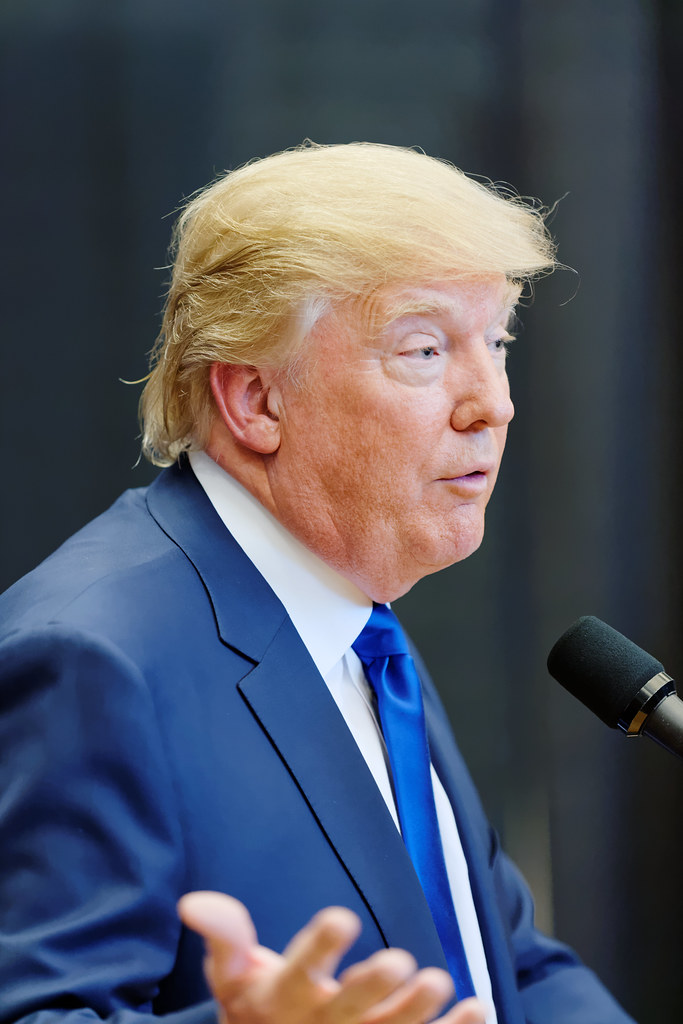
Trump TV host career: Will He Ditch the Presidency?

0

Key Takeaways

  • President Trump asked followers if he should leave office to become a TV host.
  • His comment came after he agreed to host the Kennedy Center Honors.
  • He praised legends like Sylvester Stallone, KISS, George Strait, and Gloria Gaynor.
  • The Kennedy Center’s planned renaming to “Trump Kennedy Center” faces legal challenges.

Trump TV host career takes center stage

Last Tuesday, President Trump stirred fresh headlines. He floated the idea of quitting the White House to become a TV star. His question sparked big reactions online and beyond.

What a Trump TV host career could look like

Trump made his remarks on his platform. He wrote, “Tell me what you think of my ‘Master of Ceremony’ abilities. If really good, would you like me to leave the Presidency in order to make ‘hosting’ a full time job?” He signed off by praising the honorees for the evening’s Kennedy Center Honors: Sylvester Stallone, Michael Crawford, KISS, George Strait, and Gloria Gaynor.

He added that this hosting gig came “at the request of the board, and just about everybody else in America.” Therefore, many wondered if he was serious. In addition, social media lit up with guesses and jokes.

Hosting the Kennedy Center Honors

The Kennedy Center Honors ceremony is one of America’s top arts events. Each year it celebrates legends in music, theater, and dance. Trump’s taking on this role surprised many. However, he recently named several new board members to the center’s Board of Trustees. Following his picks, the board voted to rename the venue the “Trump Kennedy Center.” Meanwhile, opponents filed lawsuits to block the change. They argue the renaming breaks the center’s founding rules.

First, he made the decision public. Then, he tapped into his flair for showmanship. As a result, the event gained extra buzz. Many fans noted his past reality TV fame. For example, his run on a popular business competition show gave him some on-camera flair. Now, he might aim for a full-time broadcast gig.

Why the idea grabbed attention

Trump’s career shift idea grabbed headlines for three main reasons. First, presidents rarely speak of such sudden exits. Second, hosting a formal ceremony is unusual for a sitting leader. Third, the legal fight over the center’s name added drama. Moreover, his question tapped into a bigger chat about post-presidency plans.

In the past, some presidents wrote books or made speeches after office. However, few took on a TV desk or stage. If Trump pursued a TV career, it could reshape political media. Therefore, analysts and fans debated whether networks would hire a former president.

His followers weighed in

On Truth Social, reactions poured in. Some supporters cheered the idea. They argued he’d boost ratings and have fun. Others saw it as a joke. They felt he would stay in office until 2024. Critics, however, called it a stunt to distract from legal and political challenges. In addition, some noted that real TV hosting takes skill and time.

One user wrote, “He’d break all viewership records.” Meanwhile, another user joked, “Who needs late-night hosts when we have a president?” Thus, engagement soared. The White House press team declined to comment on the move. They said the post was personal and not policy.

Link to the Kennedy Center controversy

Trump’s Kennedy Center board picks triggered a split vote. After the renaming decision, lawsuits claimed the vote was illegal. Plaintiffs argue the center’s charter bans renaming for a living person. Therefore, the “Trump Kennedy Center” slate now faces court hurdles. As a result, the event’s official name remains up in the air.

If the courts block the renaming, critics say the hosting stunt loses part of its punch. However, if the change holds, the idea of a “Trump TV host” takes on real weight. He could command a stage that bears his name. Moreover, the move could inspire new conflicts over politics, art, and law.

Could a Trump TV host job work?

Television demands a mix of charisma, timing, and planning. In contrast, politics relies on speeches and policy. Yet, Trump’s bold style fits both worlds. He often uses short, punchy lines that grab attention. Plus, his large social media following makes him a ready-made audience draw.

However, running a show every week would test his stamina. Moreover, live TV can bring surprises. He would face editors, producers, and sponsors. Meanwhile, networks might demand editorial control he may resist. Still, his name alone could attract huge ad deals.

Furthermore, some argue Trump already mastered live events. His rallies fill arenas. He commands the stage with confidence. Therefore, he could adapt to a TV set. Yet, the critics say he could turn every episode into a political rally. That mix might alienate some viewers.

Comparing to other public figures

In history, public figures have switched careers. For example, after office, Ronald Reagan and Donald Trump both moved from acting into politics. Now, Trump could flip that script again. Moreover, world leaders rarely step into entertainment. One lone example is when Barack Obama contributed to a Netflix series. Yet, he did not host it.

Meanwhile, other presidents found work on speaking circuits. They appear at corporate events, universities, and conferences. Their speeches can pay millions. Yet hosting a TV series could bring even bigger paychecks. Therefore, the idea holds a financial appeal too.

What happens next?

For now, Trump remains in office. The 2024 campaign beckons. However, his post shows he is testing whether fans want a Trump TV host role. In the short term, he will host Tuesday’s Honors. After that, he may drop more hints. Or he might sweep it under the rug. Only time will tell.

In addition, the courts may unlock the Kennedy Center’s name fight soon. A ruling could come before the next ceremony. Moreover, legal experts say a clear decision will set a new arts law precedent. Meanwhile, audiences will watch to see if Trump’s hosting night is smooth or rocky.

Therefore, his fans and critics face two unfolding stories. One is the live ceremony. The other is the big question: Could a Trump TV host career actually happen?

Frequently Asked Questions

What exactly did Trump propose?

He asked followers if he should leave the presidency to make hosting his full-time job. He did this after agreeing to host the Kennedy Center Honors.

Who will he honor at the ceremony?

The 2023 honorees are Sylvester Stallone, Michael Crawford, KISS, George Strait, and Gloria Gaynor.

Is the Kennedy Center really renamed?

The board voted to rename it “Trump Kennedy Center,” but lawsuits claim this change violates its charter.

How likely is a TV career after his term?

It depends on network interest, his popularity, and the outcomes of his legal and political battles. Trials will show if a Trump TV host role is truly in his future.

Epstein Files Revive Trump Debate on CNN Morning

0


Key Takeaways

  • CNN host Audie Cornish halted Penny Nance’s defense of Trump on air.
  • The Department of Justice released new documents, called Epstein files.
  • These Epstein files mention President Trump many times.
  • Nance insisted Trump has nothing to fear from the Epstein files.
  • CNN plans to interview a survivor later to share their side.

Epstein Files: What You Need to Know

The Department of Justice recently released a batch of documents in the case against Jeffrey Epstein and Ghislaine Maxwell. These documents, known as the Epstein files, were made public because of a law that President Trump signed. In the files, Trump’s name comes up often. However, no formal charges accuse him of wrongdoing.

A key moment happened on CNN This Morning. Penny Nance, the CEO of Concerned Women for America, appeared on the show. She argued that Trump has been cleared by the Epstein files. Yet survivor voices and the files themselves tell a more complex story.

Penny Nance’s Main Points

Penny Nance spoke passionately. She said:

• Trump signed the law that forces the release of the Epstein files.
• As an assault survivor, she respects the need for justice.
• She spoke to Alex Acosta about giving victims their due.

Acosta, a former U.S. attorney in Miami, made a deal with Epstein in 2008. Epstein pleaded guilty to two counts of solicitation of prostitution. In return, he received immunity from federal charges. Later, Trump nominated Acosta as labor secretary. Yet Acosta resigned in 2019 after harsh criticism of that plea deal.

CNN Morning Clash Over Epstein Files

During the interview, Audie Cornish pushed back. “Hold up,” she said. “Victims speak out again and again.” Their voices have raised doubts about the claims Nance made from the Epstein files. Cornish reminded viewers that survivors will appear later to share their own views.

Nance responded that the victims will get justice in time. She blamed Acosta for the deal in Florida. She also said Trump fired Acosta when the deal’s flaws became clear. “It should have happened sooner,” she admitted. “But President Trump acted once he saw the truth.”

Despite these points, the new Epstein files include allegations and mentions that raise questions. For instance, Virginia Giuffre said Trump never flirted with her. Yet other entries hint at connections between powerful figures and Epstein’s network. These details will likely spark more debate.

Why the Epstein files Matter

First, the files shed light on Epstein’s inner circle. They name people who visited his homes or flew on his jets. Second, they reveal the Justice Department’s internal discussions. Lawyers and agents debate how to handle evidence and victims’ stories. Third, they allow survivors to see how their cases were treated. Many of them feel they were not taken seriously.

Above all, the Epstein files remind us that influence and power can affect justice. Even a plea deal can seem unfair when crimes are so serious. Moreover, the files may guide future reforms in how prosecutors handle sex trafficking cases.

Next Steps in the Epstein Investigation

As more documents come out, the public will learn new facts. Many attorneys plan to review the evidence closely. They want to know whether any laws were bent or ignored. Meanwhile, survivors hope the files will bring them some closure.

CNN’s decision to feature a survivor later today shows the network’s commitment to balance. Viewers will hear firsthand accounts rather than rely solely on political spin. This approach could reveal gaps between official records and lived experiences.

In addition, Congress may take interest. Lawmakers already hold hearings on sex trafficking and prosecutorial power. The Epstein files could prompt questions about oversight and accountability in the Justice Department.

Finally, the president’s critics and supporters will use the files to shape their narratives. Some will claim vindication, while others will highlight unanswered questions. In either case, the Epstein files will remain a central topic in news reports and social media discussions.

What This Means for Trump’s Image

Even though Trump has not been accused of criminal behavior in the Epstein files, his image can suffer. Repeated mentions of his name in those documents fuel gossip and suspicion. Therefore, public perception may hinge on how clearly these files explain his role—or lack of one.

Furthermore, Trump’s own statements on the matter affect opinions. If he addresses the files directly, people may judge his tone and transparency. On the other hand, silence or deflection can leave room for doubt.

Ultimately, reputation rests on both facts and feelings. The Epstein files offer cold hard records. Yet they cannot fully erase the emotional impact on victims or the public’s sense of trust in powerful people.

Balancing Justice and Transparency

Justice demands that victims speak their truth. Transparency requires that official records stay open to public view. Thus, the Epstein files serve both aims. They let survivors see what the Justice Department wrote about their cases. They also allow citizens to check how legal decisions were made.

However, releasing documents alone does not guarantee fairness. Readers must examine content carefully and consider context. Additionally, editors must protect private information and avoid sensationalism.

In that sense, CNN’s move to bring survivors on air complements the files. It merges raw evidence with personal testimony. Together, they form a clearer picture of what happened and who was involved.

Looking Ahead

As more Epstein files are published, expect further debates. News outlets will highlight new names and allegations. Experts will analyze legal strategies and reforms. Survivors will continue sharing how the system treated them.

Above all, this saga underscores that no one is above scrutiny—even former presidents and high-profile attorneys. By keeping these records in the public eye, justice may be better served for everyone.

Frequently Asked Questions

What exactly are the Epstein files?

The Epstein files are documents released by the Department of Justice in the sex trafficking case against Jeffrey Epstein and Ghislaine Maxwell. They include emails, memos, witness statements, and internal discussions.

Why did Audie Cornish interrupt Penny Nance on CNN?

Audie Cornish felt Nance’s statements did not reflect victims’ concerns. She wanted to ensure survivor voices were heard and to address gaps in Nance’s defense of Trump.

Do the Epstein files accuse President Trump of a crime?

No charges accuse Trump of criminal conduct in these files. His name appears in records, but no formal accusations tie him to Epstein’s crimes.

What happens after releasing the Epstein files?

Legal teams will review the documents for any overlooked evidence. Survivors will continue to share their stories. Lawmakers may propose reforms to ensure justice in sex trafficking cases.

Exposing Black Sun Militia’s Chilling Plot

0

Key Takeaways

• A neo-Nazi group called Black Sun Militia plotted attacks on Jews, migrants, banks and tech firms.
• The leader, Vincent Weidlich, was arrested in Brazil days before the planned strike on October 16, 2024.
• He led a secret life as an AI and neuroscience researcher under a fake name.
• Splinter cells in Hungary tried small-scale attacks after his arrest.
• The case highlights the danger of encrypted chats and the need for global cooperation.

In October 2024, an encrypted Signal chat named Black Sun Militia drew nearly 150 members.
Its leader urged lone wolves to act and inspire others.
They shared violent instructions against Jews and mosques.
They even listed chemicals to burn skin.
Their goal was to spread fear and chaos across Western democracies.

How Black Sun Militia Planned Global Attacks

The group’s target list named many sites.
First, all synagogues, Jewish schools and community centers.
Next, every Israeli embassy and consulate.
Then, all mosques and migrant camps.
They added big banks, finance firms and pharma companies.
They also named tech giants, media outlets and government buildings.
They believed strikes on these sites would weaken Western societies.
In addition, they hoped anger would fuel more attacks.

Sudden Arrest in Brazil

However, days before the planned October 16 attack, the Black Sun Militia leader disappeared.
Members worried the group might end without him.
One wrote that if he was dead, the militia would die too.
On October 14, Brazilian authorities arrested him.
His name was Vincent Weidlich.
He faced terrorism and genocide-incitement charges.
A court ordered him to forensic psychiatric care indefinitely.
Officials keep his trial details secret by court order.

The Leader’s Double Life

Weidlich led a strange double life.
He held a business degree from a London university.
Then he shifted to AI and brain science research.
He formed Synthetic Intelligence Labs in Sheffield and Palo Alto.
He used the pseudonym Vincent Jorgsson for papers.
On Discord, he built a global research community.
He even posted a TikTok video about connecting rat brains to computers.
Meanwhile, few research partners knew his violent agenda.
Police found bomb chemicals at his home.
They also saw a Russian land deal on his phone.
He had plans to build an off-grid lab in Russia.

Splinter Cells and Continuing Threat

After his arrest, the main chat collapsed into chaos.
Some argued the movement should die without a leader.
Others urged members to act on their own.
A Hungarian branch formed with a separate Signal group.
They warned of attacks on October 23, the 1956 uprising anniversary.
Hungarian police detained six youths with airsoft and fake weapons.
Authorities tied the warning to a U.S. Secret Service alert.
The suspects claimed no link to the original plot.
Still, this split shows extremist networks can rebrand quickly.

What This Means for Online Security

The Black Sun Militia case shows how tech can aid evil plans.
Encrypted apps and gaming chats hide real threats.
Extremists can blend with legitimate research communities.
They share ideas under the cover of science.
Law enforcement needs digital tools to decode encrypted traffic.
They also rely on tips from journalists and activists.
Swift data sharing across countries proved crucial here.
Brazil, Sweden, Hungary and the U.S. cooperated to stop the plot.
Families and educators should learn warning signs of radicalization.

Lessons for the Future

First, watch for strange double lives. A friendly expert may hide a dark side.
Second, monitor encrypted chat risks. Small groups can plan big attacks.
Third, share intelligence across borders quickly and carefully.
Fourth, support safe reporting. Journalists and citizens can tip off authorities.
Fifth, educate youth on spotting hate messages online and speaking up.

FAQs

What enabled authorities to stop the plot?

Tips from infiltrating journalists, along with cross-border police work, led to the leader’s arrest before October 16.

Why did the group target Jews, migrants and big institutions?

They followed a white-supremacist theory blaming these groups for controlling governments and media.

What happened to the Hungarian splinter cell?

Hungarian police detained six suspects with fake weapons after a U.S. warning about an Oct 23 attack.

Could similar plots happen again?

Yes. Extremists can form new encrypted groups quickly, so public awareness and global cooperation must stay strong.

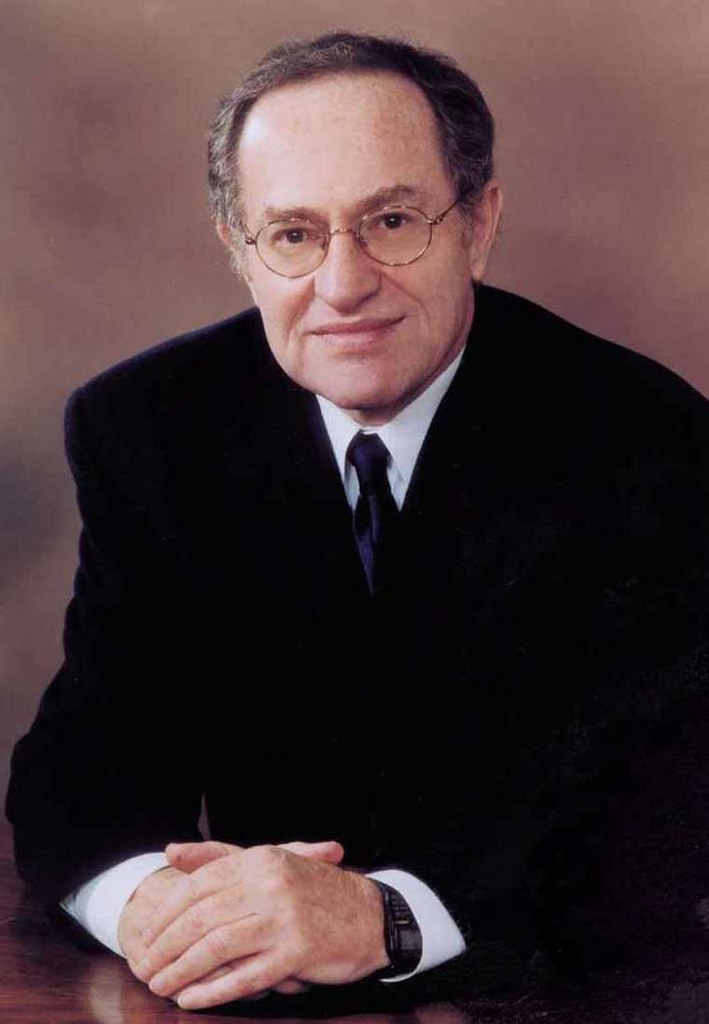
Alan Dershowitz Slams Epstein Survivor Maria Farmer

0

Key Takeaways

• Alan Dershowitz fiercely criticized Maria Farmer’s credibility after new documents surfaced.
• He called her a “nutcase” and questioned her past accusations.
• Dershowitz slammed the media for giving Farmer repeated airtime.
• He argued for more transparency about all involved in the Epstein case.

Alan Dershowitz Slams Maria Farmer Claims

In a heated interview, Alan Dershowitz strongly attacked Maria Farmer’s character. He reacted to recent news that showed Farmer had reported Jeffrey Epstein years before his arrest. Despite this, Dershowitz insisted she remained unreliable.

Why Alan Dershowitz Rejects Farmer’s Credibility

Alan Dershowitz began by objecting to the idea that Maria Farmer was “vindicated.” He said the release of old files did not prove her claims true. Instead, he labeled her a “complete and total nut job.” He pointed out that she once denied the Holocaust and made wild accusations against Jews. Moreover, he noted the FBI did not act on her report in 1996, which he found telling.

Dershowitz went on to say that just because a document exists, it does not make a story accurate. He added that Farmer’s habit of seeing things that never happened made her “non-credible.” He warned viewers not to accept every new claim simply because it shows up in old files.

Alan Dershowitz Challenges Media Coverage

Next, Dershowitz turned his fire on the news media. He criticized outlets like CNN for featuring Farmer daily. He accused them of giving airtime to someone he considered mentally unstable. According to him, this kind of coverage misleads the public.

He also called out Newsmax’s host for falling into the same trap. After Greta Van Susteren admitted she had interviewed Farmer, Dershowitz joked that he, too, was once duped. He pointed out how easily false stories can spread when the media fails to fact-check.

The Debate Over Survivor Claims and Transparency

Furthermore, Alan Dershowitz broadened his argument to include other accusers. He stressed that real victims do exist in the Epstein case, but he worried some stories might be exaggerated for money or attention. He challenged the idea that doubting any claim makes someone a “victim shamer.”

He said survivors often demand transparency from those they accuse. However, they resist any clear look at individuals who may have helped Epstein recruit girls. Dershowitz urged equal scrutiny for everyone involved, whether accusers or alleged accomplices.

How Alan Dershowitz Sees Civil Liberties at Stake

During the interview, Dershowitz complained that no civil-liberties group defended his right to question survivors. He wondered where organizations like the ACLU were when free speech seemed threatened. According to him, people should have the liberty to doubt claims without being vilified.

He maintained that open debate is essential. Without it, he argued, real truths might never come out. By refusing to question every witness, society risks allowing false memories and rumors to stand as fact.

The Impact on Public Perception

Because Alan Dershowitz is a well-known figure, his statements carry weight. His harsh words toward Maria Farmer sparked fresh debate online. Some praised him for defending critical thinking. Others accused him of attacking survivors to protect powerful people.

In any case, his remarks highlight how complex-and charged-the Epstein saga remains. Even years after Epstein’s arrest, new files and interviews can still ignite fierce arguments. The public sees two sides: those who call for more belief in survivors and those who worry about false claims.

What Happens Next?

Finally, the exchange between Alan Dershowitz and the media leaves many questions. Will news outlets rethink their vetting process? Might civil rights groups step in to defend free speech around controversial topics? And will Maria Farmer respond again to these accusations? Only time will tell.

Frequently Asked Questions

What did Alan Dershowitz say about Maria Farmer?

He called her a “complete and total nut job,” questioned her mental health, and doubted her past claims against Jeffrey Epstein.

Why did Dershowitz criticize the media?

He believed the media gave too much attention to an allegedly unreliable witness without proper fact-checking.

Does Alan Dershowitz doubt all Epstein survivors?

No. He acknowledged real victims exist but argued some claims deserve deeper scrutiny.

What is Dershowitz’s main concern?

He wants open debate and transparency for both accusers and those accused of assisting Jeffrey Epstein.

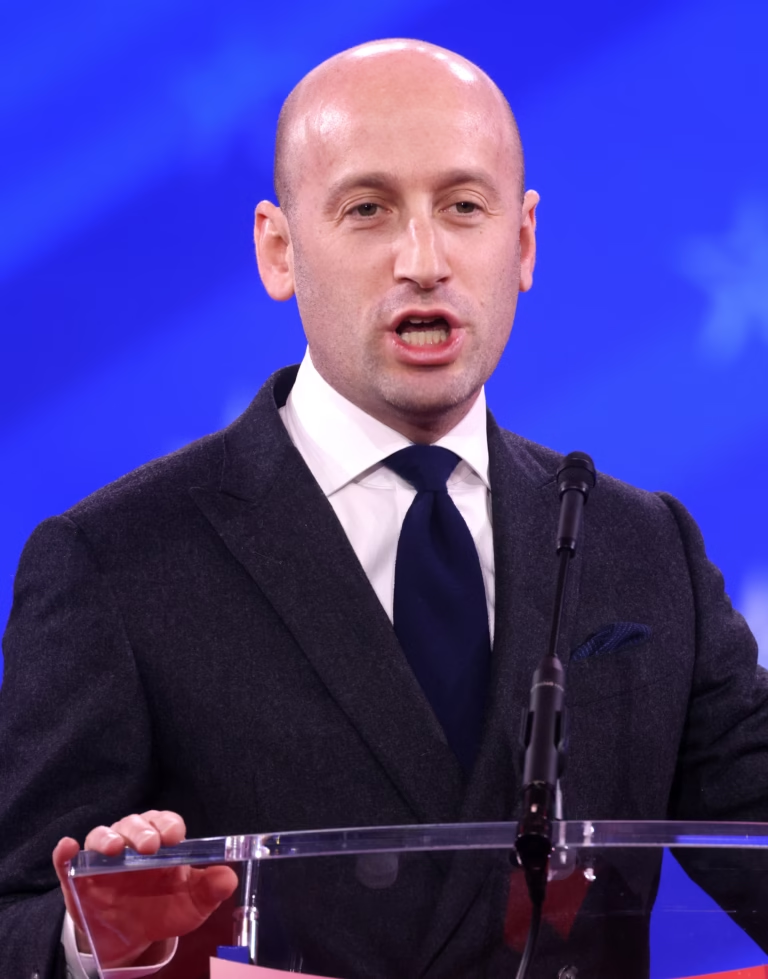
Stephen Miller’s Push to End Birthright Citizenship

0

Key Takeaways:

  • Stephen Miller targets children of immigrants amid a mass deportation drive.
  • The White House asks the Supreme Court to end birthright citizenship.
  • Economic data shows immigrant children often succeed across generations.
  • Critics warn this fight mirrors early 20th-century immigrant quotas.
  • The outcome could redefine who becomes a U.S. citizen.

Introduction

Stephen Miller, a top Trump aide, has stepped up his attacks on immigrant families. He argues that many newcomers take more from America than they give. Yet research shows that most immigrant children thrive and contribute strongly. As the administration heads to the Supreme Court, Miller’s stance could reshape the nation’s founding promise.

What is birthright citizenship?

Birthright citizenship means that anyone born on U.S. soil gains citizenship automatically. It comes from the 14th Amendment. This rule applies even if a child’s parents are in the country illegally. For more than a century, birthright citizenship welcomed immigrants and their families. It ensured that children born here could fully belong and pursue dreams.

Why birthright citizenship matters

First, it offers legal protection and equal rights to all born here. Second, it promotes integration and social stability. Third, it boosts the economy by allowing all citizens to work without barriers. Without this right, many children could live in legal limbo, without access to basic services and education.

Stephen Miller’s Views on Immigrants

Stephen Miller insists millions of immigrants cost the nation more than they add. He singles out Somali arrivals as a warning. He claims each generation fails to assimilate and uses public aid at high rates. However, data contradicts his claims. Immigrant families often rise above challenges and help drive economic growth.

Miller’s rhetoric sharpens as the Supreme Court hears the case on birthright citizenship. He calls mass migration a “great lie” and writes on social media that immigrants “recreate conditions of their broken homelands.” In his view, immigrants remain forever tied to their original cultures and threats.

Impact on Immigrant Children

Many children of immigrants learn English quickly and excel in school. For example, Asian and Hispanic communities show strong gains in education and income by the second generation. These children often become doctors, teachers, and business owners. Therefore, the idea that immigrant kids fail generation after generation does not hold up.

Moreover, immigrant families add cultural richness and fill critical roles in healthcare, technology, and agriculture. If birthright citizenship ends, these children may face legal hurdles that stop them from working or studying. In turn, the labor market and economy could suffer.

Historical Echoes

The debate over birthright citizenship echoes early 20th-century rules that barred many Europeans and Asians. The 1924 National Origins Act set strict quotas based on national origin. It aimed to keep out groups deemed undesirable. Historians say that move hurt the U.S. economy and led to social tension.

Similarly, critics warn that removing birthright citizenship could revive old biases and reopen wounds. Instead of fixing concerns about immigration, it may create new divisions. History shows that open paths to citizenship help the nation grow stronger and more united.

The Legal Battle

The Trump administration has asked the Supreme Court to uphold a plan ending birthright citizenship. Their argument rests on the idea that the 14th Amendment does not clearly cover children of undocumented parents. However, most legal scholars believe the text and past rulings support birthright citizenship.

As the case moves forward, both sides will present evidence on the amendment’s meaning. Plaintiffs will argue that changing this rule should come from Congress, not an executive order. On the other hand, the administration will push its broad interpretation to achieve its goal faster.

Community Responses

Immigrant rights groups have rallied against attempts to end birthright citizenship. On city streets, protesters hold signs that read “Citizenship is a Right” and “Stop the Hate.” Faith leaders, business owners, and educators have joined forces to speak out.

They argue that ending birthright citizenship would harm children who know no other home. Parents fear their kids could become second-class residents. In turn, local economies that depend on a diverse workforce could lose vital talent.

What Comes Next?

The Supreme Court will likely hear oral arguments next term. Until then, the policy fight will stay in the spotlight. Meanwhile, immigrant communities are preparing for both outcomes. Some groups plan legal actions. Others focus on voter registration drives to shape future Congress decisions.

Ultimately, the battle over birthright citizenship could reshape American identity. Will the nation uphold a century-old promise or take a new path? The answer could affect millions of lives for generations.

Frequently Asked Questions

What exactly is birthright citizenship?

Birthright citizenship means anyone born in the country is automatically a citizen. It comes from the 14th Amendment. It applies regardless of parents’ immigration status.

Why does Stephen Miller oppose birthright citizenship?

Miller argues it leads to high welfare use and poor assimilation. He believes it encourages mass migration that harms American society. Critics say his claims lack solid evidence.

How have immigrant children performed over generations?

Studies show most immigrant children learn English, attend college, and earn more than their parents. Their success spans various communities, proving strong integration.

Could ending birthright citizenship happen quickly?

The administration tries to use an executive order, but many say only Congress can change this rule. Legal challenges are likely to delay any move.

How Trump Tariffs Hit Your Wallet This Christmas

0

Key Takeaways

  • Trump tariffs raise prices on everyday items like food and gifts.
  • Grandparents on fixed incomes struggle to afford holiday groceries.
  • Farmers face higher costs and fewer markets, passing costs to consumers.
  • Little political opposition means tariffs will stick around for now.

President Trump’s tariffs act like hidden tax hikes. Instead of paying directly, shoppers see higher prices at the grocery store. As holiday season approaches, these costs add extra stress to family budgets.

Opinion editor Dion Lefler explains that even Americans buying only domestic products feel the pinch. He points out that tariffs sneak into every corner of the store. Therefore, no one escapes the impact, especially seniors on fixed incomes.

Why Trump Tariffs Make Groceries More Expensive

Retiree Debbie Collins described how she stretches her budget under these stealth taxes. First, she shops at discount stores. Next, she buys generic brands and clips coupons. She even stockpiles items on sale. However, despite these tricks, her grocery bill keeps limbing.

Collins lives on a state pension after 36 years in public service. She says, “My food costs are higher than ever. Holiday gifts for my two grandchildren add pressure. I must choose what I can actually afford.” Indeed, Trump tariffs

may sound abstract in Washington. Still, they turn every grocery trip into a tougher challenge back home.

Farmers Bear the Brunt of Trump Tariffs

Meanwhile, Kansas farmers face harm on both ends. Nick Levendofsky, executive director of the Kansas Farmers Union, warns that Trump tariffs destroy key markets. Other countries retaliate by shutting out U.S. goods. As a result, farmers lose buyers overseas.

Moreover, tariffs raise the cost of farm essentials. Equipment, fertilizer, fuel, and packaging all grow pricier. When farmers pay more, those costs trickle down to consumers. Consequently, families see higher grocery bills at the checkout line.

Political Stalemate Keeps Trump Tariffs in Place

Sadly, relief seems distant. In Kansas, only one U.S. House member dares oppose these policies. The other three support the tariff train. Therefore, grandparents like Debbie Collins will likely feel the squeeze for years. Dion Lefler predicts that families will keep paying higher prices through at least three more Christmas seasons.

Despite repeated criticism, President Trump blames his predecessor and denies his trade war’s real harm. He even points to minor drops in some items, such as eggs. Yet experts note those drops stemmed from bird flu outbreaks, not tariff wisdom.

What You Can Do Now

Although you can’t control national policy, you can manage your holiday budget:

  • Shop sales and use digital coupons.
  • Compare prices on store apps before you buy.
  • Plan meals around seasonal fruits and vegetables.
  • Consider homemade gifts or shared experiences instead of store-bought toys.

By taking these steps, you may soften the blow of Trump tariffs on your holiday spending.

FAQs

What exactly are Trump tariffs?

Trump tariffs are taxes on imported goods. They increase the cost of items coming from other countries, but the extra charges often show up on U.S. store shelves.

How do Trump tariffs affect grocery prices?

Tariffs raise costs for farmers and suppliers. These higher expenses move through the supply chain, pushing grocery prices up. Consumers then pay more at checkout.

Why are farmers worried about Trump tariffs?

Farmers lose export markets when other nations retaliate. At the same time, they pay more for equipment, fertilizer, and packaging. Both factors squeeze farm incomes.

Can shoppers avoid the impact of Trump tariffs?

While you can’t eliminate the extra costs, you can limit them. Shop store brands, use coupons, and buy seasonal produce. Planning and price comparisons help stretch your dollars.

Inside the MAGA Split at AmericaFest

0

Key Takeaways

• A major MAGA split emerged over whether to welcome Nazis and white supremacists.
• The debate broke open at Turning Point USA’s AmericaFest in Arizona.
• Donald Trump’s absence highlights shifting power within the MAGA movement.
• Experts say the once tight-knit coalition now faces an identity crisis.

A major MAGA split shook the conservative movement over the weekend. At AmericaFest in Arizona, pro-Trump activists argued fiercely over one simple question: should they welcome Nazis and avowed racists? This argument opened a deep divide in a coalition built on loyalty to Donald Trump.

What Happened at AmericaFest?

AmericaFest drew thousands of MAGA supporters to Phoenix for speeches, rallies, and networking. However, the event revealed more than just campaign chatter. A group of followers argued that the movement should embrace all who call themselves MAGA, even if they hold extremist views. Others said welcoming Nazis and white supremacists would destroy the movement’s reputation.

Moreover, heated exchanges broke out among MAGA stalwarts, podcasters, and elected officials. Some insisted the only rule was loyalty to Trump’s vision. Meanwhile, others argued that defending hateful ideologies crossed a line. As a result, the so-called MAGA split became impossible to ignore.

The Core of the MAGA Split

At its heart, the MAGA split centers on ideology versus personality. For years, the movement avoided official policy platforms. Instead, followers pledged fealty to Trump above all else. However, when asked whether hateful extremists should join their ranks, some leaders hesitated.

On one side, the “anything-goes” camp argued that any true MAGA supporter deserves a spot at the table. On the other side, the “no-hate” faction insisted that grouping with Nazis undermines the movement’s credibility. This fight over basic principles shows how fragile a cult of personality can be without clear policy.

Why Trump Is Missing from the Debate

It’s striking that Donald Trump barely featured in this debate. Although he founded the movement, he stayed silent at AmericaFest. Some legal experts say Trump’s power is waning, even among his closest allies.

Furthermore, Trump’s absence highlights how the movement is shifting focus from its founder to its future direction. Many influencers and local politicians feel free to challenge each other on core issues. As a result, the MAGA split reveals a leadership gap where Trump once stood unchallenged.

What This Means for the Future

The fallout from this MAGA split could reshape the Republican Party. If the no-Nazis faction gains influence, MAGA might push for clearer policy positions. That could attract moderate conservatives worried about extremist ties.

On the other hand, if the anything-goes camp prevails, mainstream GOP leaders might distance themselves to avoid political fallout. This split could force a reckoning on how the party handles bigotry and extremist rhetoric.

As the debate continues, the movement faces a choice. It can redefine itself with clear boundaries. Or it can remain bound by personal loyalty, even at the risk of public backlash.

How the Movement Reacted

After AmericaFest, social media lit up with reaction. Supporters of the no-Nazis side praised calls for a cleaner image. They shared messages urging MAGA leaders to reject hate outright.

Meanwhile, hardliners defended their right to accept any Trump supporter, no matter how extreme. They warned that excluding anyone weakens the movement’s unity. This tug-of-war shows how challenging unity can be when ideology clashes with personality cults.

Legal experts say the debate signals a breakdown in MAGA’s once unshakeable bond. They note that without Trump’s guiding presence, internal fights become more likely. Therefore, the movement must decide whether it stands for specific values or solely for an individual.

What Comes Next?

In the weeks ahead, GOP leaders will watch the MAGA split closely. They may weigh in to protect the party’s image ahead of upcoming elections. Some candidates might embrace a no-Nazis stance to win over swing voters. Others could double down on absolute loyalty, regardless of the cost.

Moreover, activists outside the movement will gain leverage by highlighting extremist ties. This pressure might push the GOP to adopt clearer hate-group policies. As a result, the MAGA split could trigger wider changes across the Republican Party.

However, only time will tell which side wins. The core question remains urgent: can a movement built on one leader’s cult maintain unity when extremes demand entry?

FAQs

What sparked the MAGA split at AmericaFest?

The debate over whether to welcome Nazis and white supremacists sparked the split. Heated arguments at the event exposed deep disagreements.

Why is Donald Trump absent from this fight?

Trump’s influence appears to be waning. As a result, his silence lets other leaders challenge each other on core issues.

How could this split affect the Republican Party?

If the no-Nazis faction wins, the party may adopt clearer anti-hate policies. If not, mainstream leaders might distance themselves to avoid backlash.

What does this mean for MAGA’s future?

The movement must choose between personal loyalty and clear values. Its direction will shape GOP unity and public perception going forward.