67.1 F
San Francisco
Friday, March 20, 2026
Home Blog Page 96

Health Care Crisis Hits West Virginians

Key Takeaways

• Millions of dollars in health care subsidies will expire on January 1, leaving 67,000 West Virginians at risk.
• Many families face doubled or tripled monthly premiums for Affordable Care Act plans.
• Medicaid cuts in the proposed “Big Beautiful Bill” could harm rural hospitals and local economies.
• Federal leaders can still restore subsidies and protect affordable health care in West Virginia.

A Health Care Crisis in West Virginia

Christmas should be about family, faith, and joy. Instead, many West Virginia households worry that they’ll lose health care on January 1. Congress left town without extending Affordable Care Act subsidies. As a result, these cost-saving measures for about 67,000 people will run out. At the same time, threats like the so-called “Big Beautiful Bill” could cut Medicaid funding more than ever before.

Families are already seeing their market premiums double or triple. Older adults who rely on ACA plans until they join Medicare face bills as high as a mortgage payment. Parents who saved all year for Christmas are now using that money just to keep their children covered. Because Congress adjourned without action, there is no immediate fix. Households must choose to pay more than they can or go without health care coverage.

Why This Health Care Problem Matters

West Virginia has one of the highest rates of residents who depend on Medicaid. We also have many older adults, rural families, and workers with physically hard jobs. These people need reliable, affordable health care to stay healthy, work, and care for their loved ones. When coverage disappears, rural hospitals lose patients and money. Local businesses feel the strain. Entire communities become less stable.

Moreover, health care isn’t just a policy debate. It is the insulin a grandmother uses every day. It is a cancer screening that catches a disease early. It is a doctor’s visit for a child without fear of bankruptcy. In the coldest months, our state’s most vulnerable feel this crisis most.

How We Got Here

Last year, Congress approved enhanced ACA subsidies to help families afford insurance. These measures kept premiums low for thousands of West Virginians. Then Congress failed to renew the subsidies before leaving for the holidays. At the same time, some lawmakers pushed a bill called the “Big Beautiful Bill.” This plan would make the largest cuts to Medicaid ever seen. While that bill has not yet passed, it shows how deep the threat to our health care system runs.

Because policy decisions created this crisis, policy choices can also fix it. Lawmakers can return from their break and extend the subsidies. They can protect Medicaid from drastic cuts. They can reject proposals that would leave more families uninsured.

What Needs to Happen Next

First, Congress must restore the enhanced subsidies. That step would protect 67,000 people from sudden price hikes on January 1. It would stop premiums from doubling or tripling overnight. Second, federal leaders should defend Medicaid funding. Cuts in the “Big Beautiful Bill” would harm rural hospitals and local jobs. Third, lawmakers must remember the human impact behind each line of legislation.

Meanwhile, West Virginians can lift their voices. Patients, caregivers, nurses, faith leaders, and advocates have shown their power in past health care battles. They can share their stories again. They can call and write their representatives. Their voices can remind lawmakers that health care is not a partisan issue. It is a basic need.

Holding On to Hope

This holiday season feels anxious for many families. Yet it also brings clarity. West Virginians deserve better. We deserve health care that is affordable, reliable, and treated as the essential foundation it is. This moment calls on all of us to stand up for fair policy choices in the new year. Congress can still act. When it does, families will breathe easier. Hospitals will stay open. Communities will grow stronger.

As we celebrate Christmas, let us care for our neighbors in word and in action. Our lawmakers must do the same. Otherwise, the gift of health care will remain out of reach for too many.

Frequently Asked Questions

What happens if the ACA subsidies expire?

If enhanced subsidies expire on January 1, many West Virginians will face much higher insurance premiums. Some families may find plans too expensive and go without coverage.

Who benefits from Medicaid cuts in the “Big Beautiful Bill”?

The proposed cuts would not benefit most people. Instead, they would reduce funding for rural hospitals, hurt low-income residents, and weaken the overall health care system.

Can Congress still extend the subsidies?

Yes. Lawmakers can return from the holiday break and vote to restore the enhanced subsidies. This action would protect thousands of families from sudden price hikes.

How can West Virginians make a difference?

Residents can share personal stories, contact their representatives, and join local advocacy groups. Speaking up shows lawmakers that health care matters to every community.
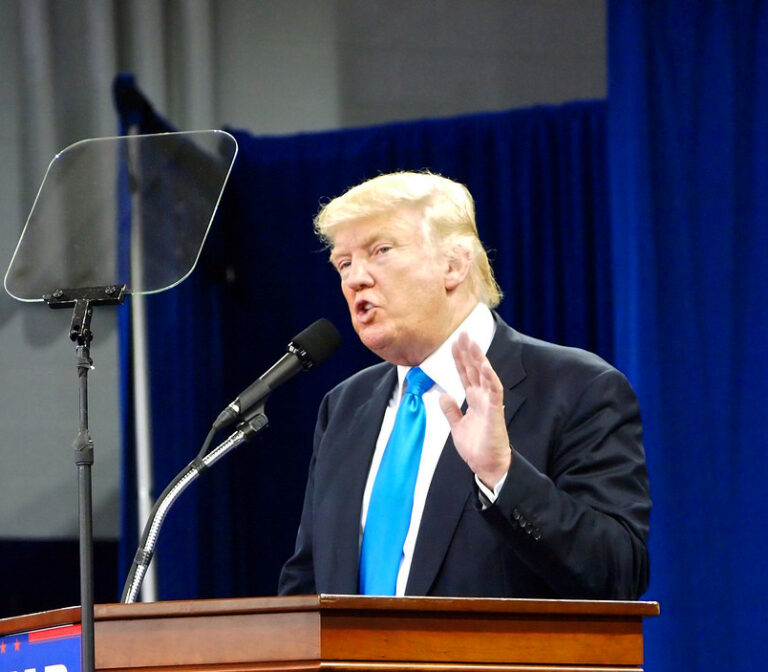

Unpacking Trump Corruption

Key Takeaways:

• President Trump once promised to clean up government but now faces massive allegations of Trump corruption.
• A New York Times report shows he and his allies raised nearly two billion dollars after winning a second term.
• More than half of the big donors saw direct benefits from Trump’s actions in office.
• This pattern shows how Trump corruption reached into regulations, pardons, and legal decisions.
• Voters who believed the “drain the swamp” promise now see an even deeper swamp.

President Trump campaigned in 2016 on the idea of draining the swamp. Yet now claims of Trump corruption dominate the news. He told voters he would clean up Washington. However, recent reports expose a giant network of favors and money. This story shows how promise turned into a costly reality.

Inside Trump Corruption Schemes

A recent investigation by the New York Times tracked almost two billion dollars that Trump and his allies collected after his second term win. This finding shocked many. It hints at a new level of Trump corruption that has few parallels in modern history. Moreover, it raises questions about who benefits when a president uses power to help donors.

Massive Fundraising Revealed

The Times studied public campaign filings and new documents. It also spoke with dozens of insiders. They found Trump-directed fundraising that dwarfs past efforts by any incumbent who cannot seek another term. Nearly half of the money came from just 346 donors giving at least 250,000 dollars each. Their generosity unlocked special access and favorable treatment.

For example, donors enjoyed:

• Meetings with top officials.
• Announcements of relaxed regulations in their industries.
• Grants, loans, or government contracts.
• Legal cases dropped or delayed.
• Pardons or clemency for key individuals.

Such perks show a clear exchange. In other words, donors gave money and then reaped significant rewards. This pattern underlines the scale of Trump corruption.

Winners of the Trump Corruption Network

Of the 346 major donors, at least 197 saw direct benefits. In other words, more than half profited from Trump’s policies or actions. Some donors came from real estate, oil, or defense industries. Others worked in finance or tech. Each found a way to cash in on White House decisions.

Here are some common benefits:

• Relaxed environmental rules for big polluters.
• New government contracts for major corporations.
• Dropped investigations in key markets.
• Special tax breaks or custom regulations.
• Personal meetings that shaped policy.

In each case, money flowed from donor to campaign and then from government back to donor. This cycle highlights how Trump corruption spread beyond campaign ads and speeches.

The Impact on Voters

Many Americans believed the swamp would dry up under Trump. Instead, the swamp got deeper and murkier. Voters now face a tough question: if politics works by trading money for favors, where do the people stand? Moreover, small businesses and everyday citizens see bigger players win while they lose influence.

For instance:

• Local companies lose bids to big donors.
• Environmental projects stall under new rules.
• Legal fairness feels distant when cases get dropped.
• Public trust in elections and institutions takes a hit.

As a result, faith in democracy erodes. Citizens wonder if their votes matter when wealth drives politics.

Moving Forward

Understanding Trump corruption matters for future elections. Voters must grasp how money and power mix in politics. They can demand stronger rules to limit large donations. They can support candidates who promise transparency. They can push for public funding of campaigns.

Here are steps voters can take:

• Learn where campaign money comes from.
• Vote for stricter limits on donations.
• Back reforms in campaign finance laws.
• Hold elected officials accountable for conflicts of interest.

By acting, voters can help restore fairness to the system. Otherwise, money will keep buying access and influence.

FAQs

What is the scale of Trump corruption in fundraising?

A major report says Trump and his allies raised nearly two billion dollars in one year. Over half of that came from 346 donors who each gave at least a quarter million dollars.

How did donors benefit from Trump corruption?

Many donors received favors like relaxed regulations, dropped legal cases, government contracts, tax breaks, and even pardons for associates.

Why does this matter for voters?

When big money drives policy, regular citizens lose influence. It undermines trust in democracy and can lead to unfair rules that favor the wealthy.

What can be done to reduce corruption?

Voters can support stricter donation limits, push for campaign finance reform, demand transparent reporting, and hold leaders accountable for conflicts of interest.

Food Prices: Stephen Moore’s Grocery Store Dilemma

0


Key Takeaways

  • Conservative economist Stephen Moore says his wife fumes over rising food prices.
  • Moore maintains the economy is improving while voters feel the pinch at the checkout.
  • He clarifies that President Trump aims to slow inflation, not instantly cut prices.
  • The gap between big-picture data and daily expenses fuels public frustration.

Food Prices Spark Anger at the Grocery Store

Conservative economist Stephen Moore, known for advising former President Trump, faced tough questions about food prices. On a recent talk show, viewers pressed him to explain why groceries feel so expensive. Moore admitted his own wife leaves the store angry about skyrocketing meat costs. Meanwhile, he insists the economy is on the right track. This clash between what statistics say and what shoppers feel drives heated debate today.

Why Food Prices Matter

Food prices grab headlines because everyone visits the grocery store. When people see steak jump from twelve to twenty-five dollars, they notice. Moreover, these costs hit low and middle-income families hardest. Rising food prices can force households to cut back on other needs like healthcare or education. Consequently, eating healthy becomes a luxury for many. As a result, food prices not only shape dinner plates but also budget choices across America.

The Grocery Store Reality

Stephen Moore shared a home example to highlight the cost surge. He said his wife buys groceries regularly and comes home furious. She points out that basic items now cost twice as much. For instance, a commodity like steak once sold for around twelve dollars. Today, shoppers pay twenty to twenty-five dollars for the same cut. In turn, these spikes create stress on family budgets. People feel worse when they watch news reports praising economic growth.

Balancing Big Picture with Daily Costs

Moore argues that big-picture numbers differ from personal experiences. National reports show growth in jobs and GDP. However, average consumers track prices on store shelves. When headlines praise wage increases, shoppers see them wiped out by inflation. Therefore, people question if the economy truly improves. Moreover, survey data reveals that many believe things are growing worse. To close this gap, leaders need to translate macro improvements into real savings.

What Moore Means by Inflation Rate

During the interview, Moore said President Trump will bring down the rate of inflation. He explained that inflation measures the speed of price increases. Slowing that rate still allows prices to rise, but at a gentler pace. For example, if food prices climb ten percent one year and five percent the next, the rate has dropped. Yet shoppers still feel the bite of higher costs. This nuance is often lost in political slogans, leaving consumers confused about what to expect.

Expert Views and Public Feelings

Economists highlight multiple factors behind high food prices. Supply chain delays, labor shortages and extreme weather all push costs upward. Additionally, energy price jumps raise transportation expenses. Together, these forces make supplying goods more expensive. On the other hand, many voters view political promises for immediate relief. They want to see shelves stocked at pre-inflation rates. This mismatch between economic theory and daily reality intensifies voter frustration.

The Path Ahead for Food Prices

Looking forward, experts predict modest relief in food costs. As supply chains heal and production stabilizes, prices may grow more slowly. Moreover, new farming technologies could cut long-term expenses. Yet, any downward shift will likely be gradual. In the short term, shoppers might still face high grocery bills. Politicians and economists will need clear communication on what “slowing inflation” truly means. Doing so can rebuild trust and help households plan their budgets with confidence.

Conclusion

Stephen Moore’s admission about his wife’s grocery store anger highlights a core issue. Even when data points to economic progress, rising food prices sting families. Bridging the gap between national indicators and checkout reality remains crucial. Clear messaging on inflation versus immediate price cuts can ease public worries. As America navigates supply chain pressures and political promises, understanding why costs persist will help voters feel heard.

Frequently Asked Questions

Why are food prices so high right now?

Food prices rose due to supply chain disruptions, labor shortages, weather challenges and higher energy costs. All these factors combined to push grocery bills upward.

What did Stephen Moore say about food prices?

Moore shared that his wife often returns furious about price hikes. He acknowledged the pain but argued the economy overall is improving.

How does slowing inflation affect food prices?

Slowing inflation means prices still rise, but at a slower rate. Consumers continue to pay more over time, just not as much more as before.

Will food prices drop under the Trump administration?

Trump said he would slow inflation rather than force immediate price cuts. Any real relief may arrive gradually as economic factors stabilize.

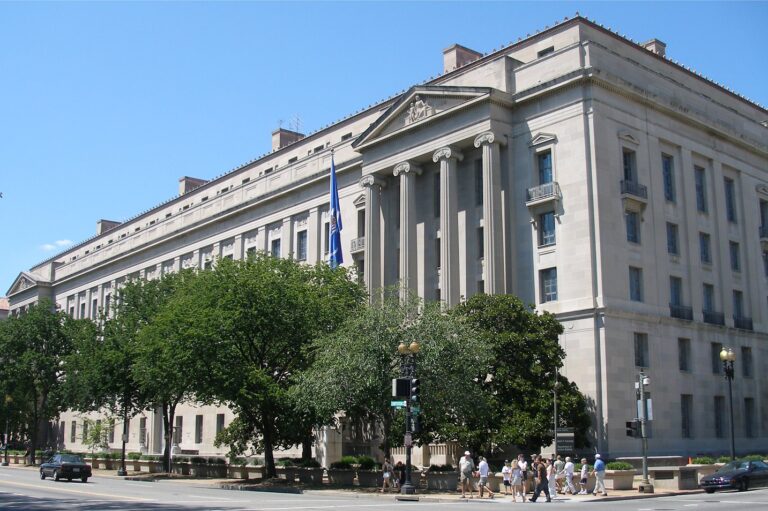
Lawmakers to Sue DOJ Over Epstein Files Delay

0

Key Takeaways

  • A Virginia Democrat plans legal action over delayed Epstein files.
  • The Justice Department released documents without full context.
  • Lawmakers say piecemeal releases breach a clear deadline.
  • They aim to force timely and complete disclosure.

Why This Matter Matters

Rep. Suhas Subramanyam warns that lawmakers will sue the Department of Justice for stalling the release of the Epstein files. He says the agency failed to meet a lawful deadline. Moreover, lawmakers can’t understand the documents without full context. As a result, they believe the DOJ is hiding key information.

Background on the Epstein Files

The Epstein files contain court records and evidence linked to Jeffrey Epstein’s crimes. Previously, the Justice Department released some documents. However, it held back key sections until a recent overnight drop. Then the DOJ claimed one letter in those files was fake. That letter falsely linked a former U.S. president to both Epstein and Larry Nassar.

Legal Deadline and Piecemeal Releases

Congress set a firm deadline for releasing all Epstein files. That deadline passed last Friday, says Subramanyam. Yet the DOJ only gave small batches of records. This piecemeal approach leaves big gaps. Consequently, experts and the public can’t see the full picture.

Subramanyam argues the DOJ broke the law. He says the agency must hand over every document in one go. Otherwise, investigators and journalists can’t trace how these crimes unfolded.

Why Context Matters

When documents arrive in fragments, readers miss vital connections. For example, a single letter may refer to other evidence not yet public. Moreover, without that context, people draw wrong conclusions. In this case, a letter linking a former president to convicted abusers raised false alarms. Then the DOJ had to admit it was fake.

By delaying full disclosure, critics say the DOJ lets rumors spread. They fear the agency may protect powerful figures. Yet the law demands full release with no excuses.

Lawmakers’ Plan for Legal Action

Subramanyam and his allies promise to file a lawsuit soon. They aim to force the DOJ to comply with the law. The claim will allege the agency acted unlawfully by missing the deadline. It will demand an order to release all remaining Epstein files immediately.

Meanwhile, other members of Congress have also warned of potential lawsuits. They argue that transparency is a cornerstone of justice. Therefore, the DOJ must not pick and choose what to share.

The DOJ’s Response

So far, the Justice Department says it follows the law. It claims the letter about a president was false and misleading. Therefore, officials redacted it from the files and issued a statement. They insist they will release every valid document as soon as they clear sensitive information.

However, critics view this explanation as a delay tactic. They point out that most redactions could happen before the deadline. Thus, they see no good reason for weeks of piecemeal sharing.

Implications for Public Trust

When powerful agencies stall transparency, public trust erodes. People wonder if the DOJ shields some individuals from scrutiny. Moreover, victims of abuse feel justice is out of reach. Then faith in the legal system weakens.

On the other hand, the DOJ must protect privacy and national security. It redacts names of innocent bystanders and secret sources. Yet Congress set rules to balance these needs with the public’s right to know.

What Comes Next

Lawmakers plan to file formal notices of intent to sue. After that, they will ask a court to force the DOJ’s hand. If a judge agrees, the department must deliver all remaining Epstein files. Failure to obey could lead to court fines or other penalties.

At the same time, advocacy groups push for more open records laws. They argue that federal rules must ensure no similar delays happen again. Meanwhile, journalists prepare to review the newly released files. They hope to uncover fresh evidence in Epstein’s network and operations.

Conclusion

The fight over the Epstein files underscores a broader clash. On one side stands the demand for full transparency and accountability. On the other, the agency responsible for sorting through sensitive material. Ultimately, the courts will decide if the DOJ must meet its deadline. Until then, lawmakers vow to press on.

Frequently Asked Questions

Why are the Epstein files important?

They document Jeffrey Epstein’s crimes and potential co-conspirators. Full access helps researchers and journalists trace evidence and hold all parties accountable.

What deadline did the DOJ miss?

Congress set a deadline last Friday for releasing every document. The Justice Department only provided parts of the record afterward, prompting lawmakers’ ire.

Could other agencies face similar lawsuits?

Yes. Any federal department that misses a congressional deadline for releasing approved records could face legal action. This case may set an important precedent.

How soon could a court rule on the lawsuit?

After filing, the court will review arguments and may set a fast timeline. A decision could come in weeks or months, depending on court schedules and DOJ responses.

New Lakanwal Indictment Adds Two Gun Charges

0

Key Takeaways:

• Federal prosecutors filed a new Lakanwal indictment adding two firearms felonies.
• Rahmanullah Lakanwal now faces five federal charges in Sarah Beckstrom’s death.
• The additional counts involve transporting and selling guns overseas.
• Beckstrom died and Andrew Wolfe was wounded in a Thanksgiving shooting.
• The case could affect international gun trafficking laws and military safety.

New Lakanwal Indictment Sparks Fresh Developments

Prosecutors have expanded the case against Rahmanullah Lakanwal with a new Lakanwal indictment. Now, he faces five federal felonies. Originally, Lakanwal was charged with first-degree murder, illegal firearm possession, and assault with intent to kill. However, the latest filing adds two more counts for transporting and selling weapons internationally.

New Lakanwal Indictment Details

In the new indictment, officials say Lakanwal shipped rifles and pistols across borders. They also claim he sold guns to buyers outside the United States. These two counts carry serious penalties. Moreover, they bring a broader focus on global weapon trafficking.

Lakanwal now stands accused of:

• First-degree murder
• Illegal possession of a firearm
• Assault with intent to kill
• Transporting firearms internationally
• Selling firearms internationally

Why This Case Matters

This case shines a light on how illegal weapons can cross borders. It also raises questions about how the military screens recruits. In addition, the shooting hit close to home for National Guard families. Finally, it tests federal and international laws on gun control.

The Victims and the Shooting

Specialist Sarah Beckstrom from West Virginia died in the shooting. Staff Sergeant Andrew Wolfe was injured but survived. Both were deployed in Washington, D.C., under President Trump’s surge in National Guard troops. The attack happened just before Thanksgiving, catching many by surprise.

How the Shooting Unfolded

Beckstrom and Wolfe were on patrol near a local market. Suddenly, Lakanwal opened fire. Beckstrom fell, and Wolfe took cover. Witnesses called for help, and first responders arrived quickly. Despite efforts to save her, Beckstrom did not survive.

Who Is Rahmanullah Lakanwal?

Lakanwal is a 29-year-old Afghan national. He joined the National Guard after moving to the U.S. He trained with his unit in West Virginia before deploying to the capital. Prosecutors believe he had access to military firearms and used them against his fellow soldiers.

What Prosecutors Allege

In court papers, prosecutors say Lakanwal purchased weapons legally at first. Then he trafficked the guns overseas. Later, he used one of them in the shooting. They argue this pattern shows planning and intent. Therefore, they added the international trafficking counts in the new Lakanwal indictment.

Defense Response

Lakanwal’s lawyers have not yet issued a detailed response. However, they may challenge the trafficking evidence. They could argue the charges lack solid proof. Yet, facing five federal counts, the defense has a tough road ahead.

Court Timeline and Next Steps

Lakanwal’s arraignment on the new Lakanwal indictment will happen soon. He remains in custody without bail. At the hearing, judges will set trial dates and discuss evidence rulings. Discovery and witness lists must be shared before the trial.

Potential Penalties

If convicted on all five counts, Lakanwal faces decades in prison. First-degree murder alone carries life or even the death penalty in some cases. The firearms trafficking felonies add up to 20 more years. In addition, he could face fines and asset forfeiture.

Impact on Military Policy

This case may prompt the National Guard to review its vetting process. Moreover, it could spark new rules on how and when guard members carry weapons. The department might tighten background checks for dual nationals or recent immigrants.

Broader Implications for Gun Laws

The new Lakanwal indictment highlights loopholes in international gun control. It shows how weapons can travel from legal U.S. sales to illegal markets abroad. Lawmakers may push for tighter export rules. In addition, they could seek better information sharing between nations.

Community Reaction

West Virginia guard members expressed shock and sadness. They praised Beckstrom’s service and Chelsea’s sacrifice. Families of service members worry about safety overseas. Meanwhile, some activist groups call for stricter gun laws to prevent similar cases.

What to Watch Next

In the coming months, watch for:
• Pretrial motions arguing over evidence.
• Expert testimony on gun trafficking.
• Possible plea deals if Lakanwal seeks to reduce charges.
• Congressional hearings on military firearm policies.

This case remains in the headlines. As the trial unfolds, new details about the Lakanwal indictment and the shooting will emerge. People across the country will follow closely, hoping for justice for Specialist Beckstrom and healing for Sergeant Wolfe.

Frequently Asked Questions

What is the new Lakanwal indictment about?

Federal prosecutors added two counts for transporting and selling firearms internationally, bringing his total to five charges.

Who were the victims in this case?

National Guard Specialist Sarah Beckstrom died, and Staff Sergeant Andrew Wolfe was injured in the shooting.

What penalties does Lakanwal face?

He could face life in prison for murder plus up to 20 years for the gun trafficking charges, along with fines.

How might this case affect gun laws?

It could lead to tighter international gun export rules and stricter military firearm policies.

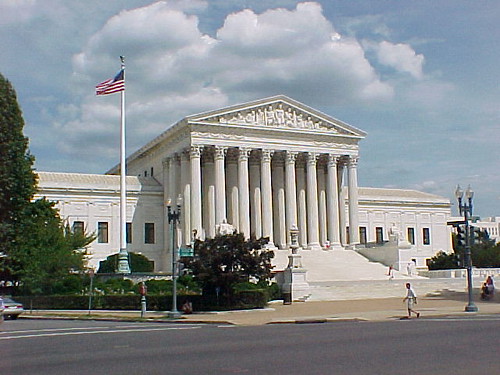
Supreme Court Blocks Trump’s National Guard Plan

0

Key Takeaways

  • The Supreme Court refused to pause a lower court’s ban on sending troops to Chicago.
  • Three conservative justices joined three liberals to block Trump’s order.
  • The Court said Trump probably cannot win when the case goes forward.
  • Experts praised the ruling for limiting presidential power over states.
  • The decision focuses on a law meant for times when the U.S. military alone can’t enforce federal law.

What the Supreme Court Decided

In a rare split, the Supreme Court denied President Trump’s request to federalize the National Guard for Chicago. The justices refused to pause a decision from a lower court. That decision stopped Trump from using a specific law to send Guard troops. By blocking his move, the Court signaled he likely lacks legal ground.

Chief Justice Roberts joined with Justices Kagan and Sotomayor and three conservatives. They ruled the administration is unlikely to win when courts fully review the case. Therefore, Trump cannot use that law to deploy Guard forces in Illinois right now.

Why the National Guard Ruling Matters

This ruling marks a big check on executive power. It underlines that a president cannot bypass strict requirements in old laws. Moreover, it shows the justices worry about federal overreach into state affairs. As a result, cities and states gain stronger protection from troops arriving without clear legal backing.

Legal experts on social media praised the decision. They said it upholds the rule of law and avoids a dangerous precedent. In fact, a conservative attorney hailed the Court for following sound logic. A state attorney general noted it confirms Trump broke the law by ordering Guard troops. Consequently, this case will shape future battles over when the president can call the Guard.

How Trump Tried to Federalize the National Guard

Instead of using the Insurrection Act, Trump relied on a law from the early 1900s. That law lets the president use Guard troops only if “regular forces” cannot enforce federal laws. Legal scholars say “regular forces” refers to the U.S. military, once called “the regulars.” Yet, Trump never proved that the military was too weak or busy.

Furthermore, the president did not invoke the Insurrection Act. That law offers broader powers in rebellions or emergencies. By choosing the stricter law, Trump set high hurdles for himself. The Court agreed those hurdles were not met. It also noted he lacks inherent power to send troops just to protect federal property.

Reactions from Legal Experts

Conservative attorney Gregg Nunziata wrote that the decision followed solid logic. He praised the Court for sticking to the Society for the Rule of Law Institute’s brief. New Jersey’s attorney general said the Court validated their stance. He felt proud to stand with colleagues who fought the unlawful deployment.

American Immigration Council senior fellow Aaron Reichlin-Melnick called the ruling “hugely consequential.” He credited a law professor’s brief for clarifying the “regular forces” phrase. Before that brief, courts avoided the issue. Now, the Supreme Court agreed the phrase limits presidential power.

What Happens Next in Court

Since the stay was denied, the lower court’s ban remains in effect. Trump’s team must now argue the merits of the case. They will need to prove the U.S. military truly could not handle law enforcement in Chicago. Otherwise, the president cannot use that old law again.

Meanwhile, states and cities will watch closely. Any future attempt to federalize Guard troops faces a tough climb. Indeed, this decision sets a high bar for proving a military shortfall. If Trump loses on the merits, the ruling could block similar moves by future presidents.

Implications for Federal and State Power

This case highlights the tension between federal authority and state sovereignty. Governors ordinarily control their National Guard unless federalized. By restricting when the president can override them, the Court protects local control.

Moreover, the decision discourages presidents from picking the easiest legal path. They must choose the correct law and meet its conditions. Otherwise, courts will check their power swiftly. As a result, the balance between national security and state rights stays more secure.

Key Points from the Majority Opinion

The majority opinion focused on two main ideas. First, the law’s text requires a genuine inability of regular forces. Second, the president cannot claim broad power to deploy military for all federal laws. The Court stressed that allowing unchecked use of troops would upset the balance of power.

Additionally, the justices noted existing laws cover most emergencies. If needed, the Insurrection Act and other statutes grant needed authority. The president must use those tools rather than stretch old laws beyond their scope.

What Critics Say

Some critics argue the decision weakens the president’s ability to act in emergencies. They fear a slow response when states face unrest. However, supporters counter that Congress can update laws if more flexibility is needed. This case underlines the need for clear rules on using force within U.S. borders.

How the Ruling Affects Future Deployments

State leaders can take comfort that they retain Guard troops unless strict standards apply. Future presidents will hesitate before using that early 20th-century law. Instead, they will likely turn to more modern statutes. In the end, this decision promotes careful legal review before deploying armed forces on American soil.

Conclusion

By blocking Trump’s bid to federalize the National Guard, the Supreme Court reinforced limits on executive power. It stressed that presidents must use the proper law and meet its conditions. Legal experts hailed the ruling for protecting state rights and the rule of law. Going forward, both federal and state leaders will navigate these rules to maintain order without overstepping legal bounds.

FAQs

What conditions must a president meet to federalize the National Guard under the contested law?

The president must show regular U.S. military forces cannot execute federal laws. He must prove this inability before sending National Guard troops.

Why didn’t Trump use the Insurrection Act?

Trump chose the older law with stricter prerequisites. He may have thought it fit his goals better. However, it set a high legal bar he could not clear.

Can future presidents still send Guard troops to states?

Yes, but they must meet legal requirements. They can use the Insurrection Act or prove regular forces are insufficient, depending on the situation.

What does this decision mean for state governors?

Governors retain primary control over their Guard troops. They gain reassurance that federal deployment cannot happen without clear legal grounds.

Georgia’s Senate Showdown: Health Care Deciding Factor

Key Takeaways

• Sen. Jon Ossoff makes health care and the economy his top issues.
• Republican challengers push loyalty to Donald Trump and attacks on “wokeness.”
• About 190,000 Georgians will lose ACA coverage soon; over 400,000 face high premiums.
• Two-thirds of Americans now say health care is a human right.
• Georgia voters can decide the future of health care at the ballot box.

In Georgia, Sen. Jon Ossoff plans to defend his seat by focusing on health care and the economy. His Republican rivals, however, have chosen to spotlight loyalty to Donald Trump and warnings about “wokeness.” This clash could shape the next election.

Why health care shapes voters’ choices

Sen. Ossoff sees health care as more than a policy debate. He calls it a personal lifeline for millions of Georgians. With Republicans in Washington refusing to extend subsidies, nearly 190,000 residents will lose their Affordable Care Act plans next year. Experts warn that up to 400,000 Georgians could become uninsured if premiums double or triple.

Families already feel the pain. A single mother of four recently told Ossoff that her medication costs $20,000 per dose. She needs four doses a year, and her premiums will jump 500 percent. A woman in her 60s, fighting breast cancer, may have to quit her ACA plan mid-treatment because she can’t afford $500 monthly premiums.

These stories hit hard. Voters know neighbors or family members who face similar struggles. Thus, health care is a key issue for many Georgians.

How insurance costs hurt families

Rising costs matter in every part of Georgia. In cities and small towns, working parents and seniors face tough decisions. They choose between rent, groceries, or paying for prescriptions. Some skip check-ups. Others delay care until emergencies force them to visit hospitals.

Moreover, state Medicaid cutbacks will push even more people off coverage. Two Republican congressmen who support those cuts now challenge Ossoff’s Senate seat. Their stance illustrates a stark choice: fund medical care for vulnerable families or cut costs and offer tax breaks to the wealthy.

Republicans and health care priorities

Republican leaders argue that the nation cannot afford ACA subsidies or Medicaid expansions. They point to a growing federal deficit. Yet, they backed a massive tax cut that benefits the richest Americans. Their budget decisions show clear priorities. They choose to boost tax refunds for the wealthy over keeping health care affordable.

President Trump promised since 2015 to deliver a better, cheaper plan than Obamacare. However, no real proposal ever emerged. The GOP has not fully embraced health care as a right. Instead, it stays on defense, fighting to roll back existing coverage.

By contrast, surveys show that 66 percent of Americans view health care as a human right. Most agree the government must play a major role, even if they differ on how much. This broad consensus puts Republicans out of step with the public on a vital issue.

The path forward for health care reform

Obamacare is not perfect. Like all big programs, it needs fixes. Some parts are outdated or underfunded. But abandoning subsidies without a solid replacement hurts millions. Reform should focus on lowering costs, improving coverage, and making care easier to access.

Both parties could work together on solutions. Yet, that requires accepting that health care is a basic right. If Republicans make that shift, they could join Democrats in crafting a plan. Such an effort might include public options, targeted subsidies, or smarter spending on hospitals and drugs.

For now, the battle in Georgia shows how health care can drive politics. Voters hear real stories of uninsured patients, struggling parents, and seniors who skip critical treatments. These experiences matter more than slogans. They guide decisions at the polls.

The upcoming election offers a chance to settle the debate. Georgians can vote for leaders who protect and expand health care access. Or they can choose those who favor cutting costs over covering families. The stakes could not be higher for public health and economic security.

Frequently Asked Questions

What happens if ACA subsidies end?

Without subsidies, many Georgians will face huge premium hikes. Hundreds of thousands could lose their plans and go uninsured.

Why do Republicans cut Medicaid but cut taxes for the wealthy?

They argue to reduce government spending and stimulate the economy. Critics say their choices show a preference for tax breaks over social programs.

How can health care reform reach a middle ground?

Parties could agree on measures that mix public and private roles. Ideas include expanding public options, capping drug prices, and offering targeted subsidies.

Why is voting important for health care policy?

Elected officials decide budgets, laws, and program funding. Voters can support candidates who promise to protect and improve health care coverage.

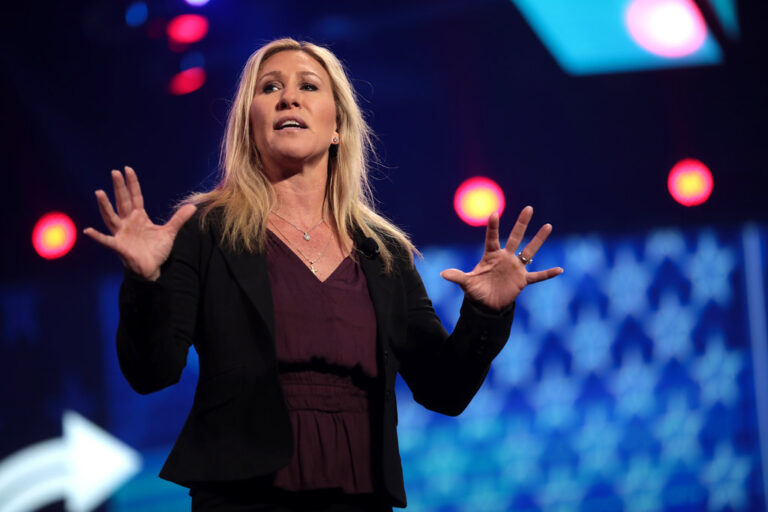
Greene Rages Over Delayed Epstein Files Release

Key takeaways

• Rep. Marjorie Taylor Greene blasts officials for hiding Epstein files too long
• Greene says Trump called her a traitor for pushing the files’ release
• New Epstein files describe young girls held in horse-stall–like cells
• Files include letter from Epstein to Nassar praising Trump’s taste
• Greene plans to leave Congress and may challenge Speaker Johnson

Rep. Marjorie Taylor Greene criticized Trump administration officials for keeping the Epstein files secret for years. She said hiding the documents protected abusers and hurt survivors. Greene backed a bill that finally forced the Justice Department to share the long‐withheld records.

Revealing the New Epstein files

The newly released Epstein files contain shocking details. A survivor described a cell that looked like a horse stall. She said she felt trapped and terrified as men watched her. Fellow young girls labored under cruel conditions to earn better cells. Moreover, another document shows a handwritten letter from Epstein to Larry Nassar. In it, Epstein claims Trump “shares our love of young, nubile girls.” This claim shocked many and fueled Greene’s anger.

Greene’s Sharp Criticism

Greene responded to a social media summary of the files. She quoted an influencer who highlighted a survivor’s story of abuse. Then Greene wrote, “This is horrifying. Trump called me a traitor for fighting him to release the Epstein files.” She added, “Only evil people would hide this and protect those who participated. I pray for these women.” Her strong words showed how deeply she felt about the files.

Why Greene Broke From Trump

Greene once stood as a staunch Trump ally. However, she has grown increasingly critical of him. She called him a traitor for opposing transparency on the trafficking case. As a result, Greene began distancing herself from the MAGA movement. She took on party leaders who delayed the files’ release. Consequently, she earned praise from survivors and critics alike.

Inside the Epstein Files Fight

Greene championed the Epstein Files Transparency Act. She argued survivors deserved the truth more than politicians needed to protect reputations. Initially, the Justice Department resisted. They said releasing the files could harm ongoing investigations. Yet after months of pressure, the department yielded. Now the public sees raw, unfiltered accounts of Epstein’s network.

Political Fallout and Future Moves

Greene plans to exit Congress early next year. Meanwhile, she may call for a vote to oust Speaker Mike Johnson. Some observers believe she will use the Epstein files fight to rally support. Others say she wants to cement her legacy as a transparency crusader. Either way, her next steps could shake up her party.

Survivor Voices Amplified

The Epstein files show more than abuse. They highlight systemic failures. Survivors say no one listened when they cried for help. They allege some staff ignored signs of danger. Now, with these documents public, survivors feel heard. Greene said she stands with them. In addition, activists hope these disclosures will lead to new reforms.

Reactions From Across the Spectrum

Releasing the Epstein files sparked heated reactions. Some lawmakers praised Greene’s push. They called her a champion for survivors. Others accused her of political theater. They claimed she used the issue to attack her own party. Nonetheless, many agree the files demand accountability.

Looking Ahead for Justice

Now that the Epstein files are out, new questions arise. Will more evidence lead to fresh inquiries? Can survivors get the justice they seek? Experts say transparency is the first step. Moreover, they argue it’s crucial to prevent future abuse. As a result, proposals for stricter oversight of high-profile suspects grow louder.

What’s Next for Greene and Congress

Greene owes her recent spotlight to the Epstein files fight. She hopes her actions will inspire others. Meanwhile, she readies her exit strategy. If she indeed moves against the House speaker, turmoil could follow. However, her focus remains on the victims. She vows to keep pushing until every document sees the light.

Frequently Asked Questions

Why did Greene fight for the Epstein files release

She believed hiding the records harmed survivors. She argued the public deserved the full truth.

What shocking details appear in the new Epstein files

One survivor said she was held in a stall-like cell. Another described girls performing to earn better conditions. A letter from Epstein to Nassar also emerged.

How did Trump respond to Greene’s push

Greene says Trump called her a traitor. He resisted efforts to make the files public.

Could these files lead to new investigations

Experts think so. Transparency may reveal new leads and prompt fresh probes.

CECOT prison Controversy on 60 Minutes

0

Key Takeaways

• CBS News pulled a “60 Minutes” story about deportations to CECOT prison.
• The segment alleged the Trump administration paid El Salvador to jail people without due process.
• A Democratic analyst says this move hides a U.S.-backed human rights scandal.
• Critics argue the story exposes outsourced torture funded by American money.

CBS News surprised many by canceling a “60 Minutes” segment. The report focused on the Trump administration’s plan to send people to CECOT prison in El Salvador. Those facing deportation were labeled “terrorists” under a revived wartime rule. Yet independent checks found many had no criminal record. The segment claimed the United States paid millions to El Salvador for this. It warned that conditions there are known to be harsh, even torturous. When CBS News Editor-in-Chief said the piece needed more work, critics saw a cover-up. They argue the decision hides a shocking policy and prevents public debate.

What Happened with the CECOT prison Segment

First, CBS News gathered interviews, data, and photos for the segment. Producers spoke with experts on human rights and former detainees. They discovered that nearly half of those sent to CECOT prison had no criminal past. Only a small share had ever been convicted of violent acts. Next, the team reached out to Trump officials for on-camera comment. However, they could not secure an interview. As a result, Editor-in-Chief said the story was “not ready.” She insisted they needed a voice from the Trump side to balance it.

Meanwhile, a well-known Democratic analyst reacted strongly. He called the cancellation “a lie about something horrific.” He wrote an essay accusing CBS News of shielding the U.S. government. According to his piece, American money and authority made the policy possible. He warned that Washington was outsourcing torture with “deliberate deniability.” As he saw it, this is not just a foreign scandal. It is a story about official U.S. policy.

Why the CECOT prison Story Matters

First, the plan involved sending migrants and asylum seekers to a prison known for abuse. Many detainees reported beatings, extreme overcrowding, and poor medical care. Independent groups have documented these conditions as torturous. If true, they amount to a human rights violation with U.S. backing. Moreover, the people sent there were often labeled terrorists without evidence. They had little chance to defend themselves in court.

Second, U.S. law requires due process when labeling someone a threat. This process was bypassed under a wartime authority that lacks standard checks. Thus, innocent people faced severe treatment. Third, if the U.S. did pay El Salvador to detain them, taxpayers funded it. That raises questions about government transparency. Finally, public debate matters. Citizens deserve to know how their leaders treat vulnerable groups. By blocking the story, CBS News risked leaving these issues in the dark.

Political Reactions and Next Steps

In response to the cancellation, critics voiced concern. A former Biden campaign adviser called the move a cover-up. He urged CBS News to release the full findings. Meanwhile, advocates for migrants demanded a congressional inquiry. They want lawmakers to investigate U.S. funding for CECOT prison. Some Democrats in Congress have expressed interest. They aim to hold hearings on human rights and asylum policy.

At the same time, supporters of the Trump administration defended the story’s removal. They argued that without an official interview, the piece was unbalanced. They claimed it risked unfairly harming the former president’s reputation. However, opponents point out that the facts and independent investigations exist. They want the public to see documents and witness accounts already gathered. Additionally, watchdog groups plan to submit Freedom of Information requests. They seek emails, contracts, and memos about payments to El Salvador.

What Comes Next

First, CBS News must decide whether to finish the segment. They could add an on-camera statement from a Trump official. Or they might rely on written responses. Either way, viewers expect transparency. Second, Congress may push for answers. If hearings occur, more details could emerge under oath. Third, advocacy groups will continue reporting on CECOT prison. They may interview former detainees and publish their testimonies.

Furthermore, legal challenges could arise. Families of those deported might sue over alleged rights violations. If courts find the policy unlawful, it could halt future deportations to CECOT prison. Finally, public opinion could shift. Once people learn about these claims, they might pressure networks and politicians. As a result, the debate over U.S. asylum policy could take a dramatic turn.

Conclusion

The decision to spike the “60 Minutes” story on CECOT prison highlights deep concerns. Critics say it shields a U.S.-backed operation that may amount to outsourced torture. They insist the public deserves a full account of how American money and authority affect vulnerable people. As calls for transparency grow, CBS News and lawmakers face mounting pressure. Ultimately, the truth about CECOT prison could change how the country views its role in human rights abroad.

FAQs

What exactly did the canceled segment reveal?

The unbroadcast report claimed that many deportees had no criminal histories. It detailed how the U.S. paid El Salvador millions to detain them. It also described harsh conditions in CECOT prison.

Why do critics call it “outsourced torture”?

They argue that by funding CECOT prison, the U.S. funded a facility known for abuse. They claim this avoids direct responsibility and shields policymakers from scrutiny.

Could CBS News air the story later?

Yes. If they secure an on-camera interview or additional evidence, they might release the segment.

What role might Congress play?

Lawmakers could hold hearings, subpoena documents, and call witnesses. They aim to uncover the full scope of U.S. involvement with CECOT prison.

Why DOJ Hides Epstein Co-Conspirators’ Names

0

Key Takeaways

• The Department of Justice redacted Epstein co-conspirators’ names in new documents.
• Reporter Julie K. Brown shared a heavily blacked-out 2019 FBI email.
• Redactions aim to protect victims and preserve ongoing probes.
• The Epstein Files Transparency Act allows these protective edits.
• Critics worry hidden names shield powerful figures from scrutiny.

Understanding Epstein co-conspirators Redactions

In July 2019, FBI agents exchanged an email labeled “Co-conspirators.” Yet, the message makes no clear mention of who these people are. Instead, the Department of Justice covered every name with thick black bars. Reporter Julie K. Brown revealed this email after the DOJ released new documents. Now, many wonder why those names remain secret.

Email Reveals Redacted Epstein co-conspirators

An FBI agent in New York asked, “When you get a chance can you give me an update on the status of the 10 co-conspirators?” That line appears on the newly released screen. However, neither the sender nor the recipients show their names. The body of the email simply reads:
“Contact was made with [redacted], [redacted] and [redacted].”
It also notes attempts to reach Jean-Luc Brunel, a known Epstein co-conspirator who later died in a French prison. Outside experts see this email as proof the DOJ pursued multiple suspects beyond Jeffrey Epstein.

Why DOJ Redacted Epstein co-conspirators’ Names

The Epstein Files Transparency Act, passed late in 2022, forces the DOJ to publish many files from the Epstein case. However, it also lets them hide certain details. The law allows redactions to protect victims’ privacy. It also ensures that ongoing investigations do not collapse if a suspect’s name becomes public too soon. In short, the DOJ uses these rules to shield both victims and active probes.

Yet, critics find fault in these broad redactions. Former President Trump complained about pictures of “highly respected” people with Epstein. He said those images could “ruin a reputation.” Some legal experts worry that the DOJ could use the transparency law as cover to keep powerful names hidden indefinitely.

What This Means for the Epstein Investigation

First, the redacted email shows investigators tracked more people connected to Epstein. They followed leads on at least ten co-conspirators. This effort could mean more arrests are possible.

Second, the heavy black bars highlight a tension between openness and secrecy. On one hand, transparency builds trust in public institutions. On the other hand, protecting victims and evidence remains vital. If law enforcement shares too much too soon, witnesses may fear coming forward.

Finally, the debate over these redactions could shape future laws about public records. If Congress hears that the DOJ misused its powers, lawmakers might strengthen or weaken the rules. In any case, the names of those Epstein co-conspirators may surface if legal pressure forces the DOJ to lift the redactions.

Questions People Ask

Why did the DOJ redact Epstein co-conspirators’ names?

The law allows the DOJ to hide names to protect victims and keep active investigations safe.

Could the redacted names include high-profile figures?

It’s possible. Some observers believe the hidden names might tie to prominent people who mingled with Epstein.

Will the DOJ ever reveal the hidden names?

The names could emerge if a court orders the DOJ to unredact them or if the investigation concludes.

How does the Epstein Files Transparency Act affect this case?

The act mandates document releases but also grants the DOJ leeway to make redactions in sensitive cases.