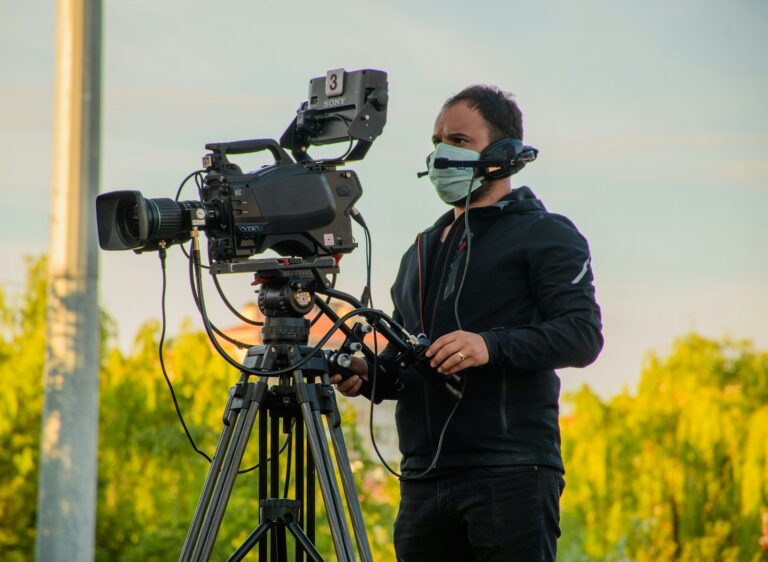
Project Casting offers an exciting chance to work on a film set in Nashville. This film seeks non-union male background actors for concert scenes and behind-the-scenes crew roles. The project gives fresh opportunities for anyone seeking on-set experience. The casting crew welcomes aspiring entertainment professionals who want to gain production skills.
About the Film
I Can Only Imagine Two is an emotional sequel that builds on the success of the first film. The story dives deeper into personal and spiritual journeys. It follows the experiences behind the music. Although plot details remain secret, the film promises heartfelt storytelling and inspiration. The movie focuses on faith and community. It uses real-life inspiration to tell its tale.
The Production Setting
The film shoots in the city of Nashville. Nashville is known for its rich musical and film history. The scenes include a vibrant concert atmosphere. The film uses a small group of around 40 individuals. This choice creates an intimate yet authentic set. The production relies on local talent and hires only people from the area. Working on this film can become a stepping stone in your entertainment journey.
Casting Job Details
Casting non-union talent makes this project accessible. This film calls for young men who are eager to act as concert attendees and crew members behind the live show scenes. These roles help recreate the energy of a real concert. You will be part of a team that works together to make each scene lively and realistic. The roles are perfect for beginners who want a real taste of movie production. It also helps those who want to build up their stage resume.
Who Does the Casting
Jenny Alison Casting handles the casting calls. This trusted casting company works on major films and local projects throughout the southern United States. Jenny Alison Casting has a strong reputation for maintaining professionalism on set. Their team values diversity and local talent. They work hard to find the best and most authentic talent in the region. This film promises to show new faces and returning talent from the previous film.
How to Apply
If you are interested in applying, visit the official casting website on Project Casting. The simple application process asks you to submit your headshot and contact details. You must also share some basic information that confirms you meet the criteria. After you apply, you may get contacted by the casting team. They send final call times one day before the shoot begins. Make sure you check your email regularly if you are selected.
Filming Dates and Schedule
Filming will start soon, but the exact dates have not been set yet. You must be available for a full day of shooting. The shoot day includes morning, afternoon, and evening hours. Casting may send call times the day before the shoot. It is important to be flexible and ready to work all day. The team depends on everyone to be punctual and focused.
A Chance to Break Into Entertainment
This opportunity is ideal for actors who are new to the film industry. It gives a first-hand look at how film sets operate. The film offers guidance and on-set direction. It also provides a fun environment where you can learn and grow. Even if you are not a seasoned actor, this role can help build your production credentials. The experience may also open doors for future roles and projects.
The Live Concert Atmosphere
The film balances live music surroundings with story-driven scenes. Background performers help create a lively concert vibe during shooting. The director aims to capture the fun and energy of a real live show. The background actors are crucial in making this feel authentic. When you step into the scene, your energy helps shape the live environment. This live setting is a feature that makes the film unique.
Tips for Audition Success
Auditioning for a film set can feel challenging, but preparation helps. First, be punctual for your audition. Arrive early to avoid any delays. Next, show flexibility. Production call times can change quickly. Also, dress appropriately. Wear clean, casual clothing that suits the scene of a lively concert or behind-the-scenes role. It helps to have layered options so you are ready for all weather conditions. Follow on-set directions carefully. The director and assistant directors guide your actions and expressions on set. Staying focused is key. Finally, bring positive energy to every audition and scene. Expressing enthusiasm can help you leave a strong impression on the casting team.
Networking on Set
Working on set is not only about acting. It is also a great chance to meet industry professionals. Use this opportunity to network with crew and fellow talent members. These connections might help you get future roles. Meeting the production team can provide insights into other parts of the film industry. Being friendly and professional can lead to long-lasting relationships. Always respect your peers and crew members. A positive attitude looks good on paper and in person.
A Valuable Learning Experience
Every film set is a school of life for aspiring entertainment professionals. Being part of I Can Only Imagine Two means experiencing film production firsthand. You will learn how a film team works together to bring a project to life. This behind-the-scenes exposure adds value to your resume. It strengthens your understanding of the entertainment world. It not only builds your acting skills but also teaches reliability and teamwork. This chance can be the first step in your long career on screen.
What Casting Companies Look For
Casting companies search for reliable and enthusiastic talent. They appreciate actors who stand out with their energy and presence. Every performer is encouraged to be on time and dress the part. Casting teams look for passion and the ability to follow directions. These qualities reflect well on you during the audition process. They also signal that you will be a dependable member of the larger film team. Many talented individuals start their careers with roles like these.
Local Talent Has An Edge
Since the film is shot in Nashville, local talent takes center stage. Casting chooses talent from the area to support the local industry. Local actors understand Nashville culture and add extra authenticity to the production. This focus also gives new actors a chance to shine on their home turf. The film benefits by creating a true local flavor in its background scenes. Audiences enjoy authenticity and realism that comes from local communities. This aspect makes the project even more appealing to aspiring actors.
What You Can Expect on Set
When you join the cast, expect a warm and supportive environment on set. Everyone works together to create a positive atmosphere. The production team values clear communication and teamwork. Crew members and actors listen to each other. You will learn how to adjust your performance following instructions. During live concert scenes, your job is to help create an energetic space. The directors will work closely with you to get the best look. You will feel the real buzz of a live show. This supportive vibe makes even long days on set enjoyable.
Building a Future in Film
Getting involved with this film can be a stepping stone in your acting career. The experience may lead to other opportunities in the future. Many actors start with small roles that build their experience. This film is a chance to shine and make your mark. Casting helps discover fresh faces who might become tomorrow’s stars. Do not hesitate to apply if you are ready to take a chance. The film industry rewards talent and determination. Every role, no matter how small, is a key part of building your future.
How to Prepare for Your Role
Preparation is important for any film role. Research the film’s background to understand its themes and style. Watch the first film to get a feel for the storyline. Think about how you can contribute authentically to the concert scenes. Practice following cues and working with groups. Rehearsing with friends can boost your confidence. Keep a positive attitude and be ready to learn. Preparation makes a big difference during auditions. It also helps ease any stage fright you might have.
Maintaining Energy on Long Shoot Days
Long shooting days require energy and stamina. Plan ahead for meals and rest breaks. Ensure you have a good set of comfortable clothes. Stay hydrated throughout the day. Bring snacks if allowed to keep your energy up. Listen to the directions from the crew to make sure you perform your best. Small breaks can help you reset and stay energized. The focus is on creating an authentic live concert space. Maintaining energy benefits both your performance and your overall experience. Use every moment on set as a chance to improve and learn.
The Role of a Background Actor
Even if you are not the main star, your role is very important. Background actors help set the scene for dynamic concert environments. They add life and energy to the film. Their presence makes the story more believable. This role may seem small, yet it can lead to larger parts in future projects. Many casting directors notice fresh talent when it comes from a supportive background role. Giving your best performance in these roles can open more doors in the film industry.
A Fun Opportunity to Experience Film
This film is not only about work but also about fun. Every actor gets to enjoy the creative process. The set feels welcoming and full of energy. You will create lasting memories with your fellow cast members. Enjoy the thrill of performing in a real film production. Seeing the behind-the-scenes magic adds excitement to the day. Each day on set offers something new to learn. Every moment helps you grow as an actor and team member.
Standing Out in the Casting Process
If you want to make a lasting impression in your audition, aim high. Be enthusiastic and true to yourself. Smile and let your personality shine through. The casting team values authenticity over perfection. They want to see your natural energy and passion. Follow every instruction the casting director gives. Your positive approach will help you stand out from other candidates. Being genuine and yourself is the best way to succeed. Every good impression counts toward your film journey.
Why Nashville Makes a Difference
Nashville is not just any film location; it has a unique vibe. The city mixes music and film naturally. The local feel comes through in every scene. This setting enriches the film and the performances. When you work in Nashville, you tap into its creative energy. The city supports a rich history of music that adds depth to every project. Casting local actors strengthens this bond between the film and its location. This is one more reason to be excited about joining the set.
A Step Toward Career Growth
Starting with a background role is a smart move. It gives you a first look at how film production works. You gain valuable experience that you can include on your resume. Every day on set teaches you something new about the movie business. This role can be a key stepping stone on your acting path. It builds up your experience and connects you with professionals. Successful actors often begin with smaller roles that open up future opportunities.
A Reminder on Professionalism
Professionalism is a must for every actor. The film team depends on reliability and positive energy. You need to be ready for long and unpredictable days on set. Show up with enthusiasm and be prepared to work hard. Clean, appropriate attire and punctuality can make a big difference. Since the call times can change, flexibility is important. Remember that every role, even the background ones, matters a lot. Your dedication will not go unnoticed by the crew and casting team.
Commit to the Experience
This project is more than just a job. It is a chance to be part of a story that touches hearts and inspires people. Even though the details remain under wraps, the emotional tone of the film promises to resonate deeply with the audience. Commit to giving your best effort, and you may find surprising opportunities. This production provides a platform for you to showcase your skills. In the end, every role helps build the film’s powerful narrative of faith and community.
Final Thoughts
I Can Only Imagine Two brings a wonderful opportunity to join a film set in one of the most dynamic cities in the country. You will work with a dedicated local team and learn the ins and outs of film production. The project is designed to offer a professional and inspiring set experience for everyone involved. It focuses on authenticity, live music scenes, and strong community ties.
If you are a non-union actor living in Nashville, do not miss the chance to become a part of this film. Use Project Casting to apply and share your talent. Every casting call is a step toward a brighter future in the entertainment industry. The film invites you to grow, learn, and connect with industry professionals. Remember that every shot on camera adds to your growing experience.
Take Action Today
Do not wait if you have ever wanted to step into a film set and gain real-world experience. The casting call is open now for roles in live concert scenes and behind-the-scenes positions. Visit the casting page and complete your application. Use this time to prepare your headshot, update your resume, and follow all guidelines provided. This chance can change your future and help you break into a promising career. Embrace the opportunity and let your talent shine under the bright lights of Nashville.
This film is a journey filled with music, life lessons, and community spirit. Every background actor builds the world of the film by contributing to its high-energy scenes. It is a perfect starting point for anyone serious about their acting journey. The film may lead to more inspiring projects, and your performance will count. So take a deep breath, prepare well, and step into a world that values creativity and heart.
There is much to learn and enjoy on this film set. Work hard, stay positive, and make the most out of every moment. The experience you gain today might be the key that unlocks tomorrow. Enjoy the process, meet new friends, learn new skills, and always give your best effort. This is your time to shine, to be part of something inspiring, and to join a production that celebrates faith, community, and the magic of live performance.
Apply now and become a part of a film that is set to touch hearts and leave a lasting impact. The chance to work with a skilled team in Nashville awaits you. Step up and join a community that is dedicated to making great movies. There is never a wrong time to begin your journey in the film industry. Let this casting opportunity be your first step toward a promising future in entertainment.Check the full story on https://projectcasting.com/blog/casting-calls-acting-auditions/i-can-only-imagine-2-now-casting-crew-concertgoers-in-nashville