55.1 F
San Francisco
Wednesday, May 13, 2026
Home Blog Page 963

Federal Appeals Court Blocks Biden Climate Funding Order

0

Key Takeaways:

  • A federal appeals court has paused a lower court’s ruling on climate funding.
  • The case involves billions in grants for green programs started under Biden.
  • The pause allows time to review the legal arguments.
  • Climate groups are fighting to keep the funds.

The D.C. Court of Appeals has stepped in to pause a ruling by U.S. District Judge Tanya Chutkan regarding climate funding. This move puts a temporary hold on billions of dollars in green grants tied to President Joe Biden’s climate initiative.

The case began when Judge Chutkan ruled that Citibank must release funds for climate programs that were previously pulled back by President Donald Trump’s administration. However, the appeals court wants more time to review the decision before it goes forward.

What Happened? Judge Chutkan’s ruling had stopped the Environmental Protection Agency (EPA) and its administrator, Lee Zeldin, from canceling or suspending the grants. These grants, totaling $14 million, were awarded to nonprofit climate groups in 2022.

But the appeals court felt that Judge Chutkan’s decision didn’t meet the required legal standards for issuing such an injunction. Now, the court is asking for more time to carefully consider the case before making a final decision.

A Controversial Program The grants were part of Biden’s climate plan, which aimed to support green initiatives across the country. However, the program has faced criticism. Administrator Lee Zeldin compared the grants to “gold bars being tossed off the Titanic,” suggesting that the money was being wasted. He also claimed the program was plagued by fraud.

Judge Chutkan, however, saw no evidence of fraud and ruled in favor of the climate groups. She stated that the funds were essential for their work and should not be taken away without justification.

Who’s Fighting for the Funds? The legal battle is being led by three nonprofit groups: the Climate United Fund, the Coalition for Green Capital, and Power Forward Communities. These organizations believe the funds are crucial for their efforts to combat climate change.

Their lawsuit against the EPA and Citibank aims to ensure the $14 million is released so they can continue their work. These groups argue that pulling back the funds would harm their ability to address environmental issues.

What’s Next? For now, the appeals court’s decision means the funds are on hold. The court will review the case to decide whether Judge Chutkan’s ruling was correct. If the appeals court sides with her decision, the funds will be released. If not, the grants could be canceled permanently.

This case highlights the ongoing political and legal battles over climate funding. It also shows how complex and controversial decisions about government money can be, especially when it comes to environmental programs.

As the court reviews the case, the nonprofit groups and supporters of the climate initiative are waiting anxiously. They hope the funds will be restored so they can continue their work toward a greener future.

In the meantime, the decision by the appeals court serves as a reminder of how the legal system can sometimes slow down progress, even when it comes to critical issues like climate change. Stay tuned for updates as this story continues to unfold.

Menendez Brothers Seek Reduced Sentences 35 Years After Murdering Parents

0

Key Takeaways:

  • Erik and Lyle Menendez, infamous for murdering their parents in 1989, are seeking reduced sentences in a Los Angeles court.
  • The brothers aim to have their life-without-parole sentences shortened, potentially allowing them to go free after 35 years.
  • Supporters argue they are reformed and deserve a second chance, while prosecutors insist they have not atoned for their crimes.
  • The case gained renewed attention after a Netflix series sparked public interest.
  • A two-day hearing begins Thursday to decide their fate.

The Menendez Brothers: A Case of Murder, Money, and Controversy

Erik and Lyle Menendez, two of America’s most notorious murderers, are back in the spotlight. This week, they’ll appear in a Los Angeles courtroom to ask a judge to reduce their life sentences for the brutal killings of their parents, Jose and Kitty Menendez, over three decades ago.

The brothers were convicted in the 1990s of murdering their wealthy parents with shotguns in their Beverly Hills home. Prosecutors argued at the time that the brothers killed their parents to inherit their $14 million fortune. The case shocked the nation, not only because of the brutal nature of the crime but also because of the brothers’ changing stories about what happened.

Initially, the brothers claimed their parents were victims of a mafia hit. But later, during their trials, they said they acted in self-defense, accusing their father of emotional, physical, and sexual abuse. They claimed they feared Jose Menendez would kill them if they didn’t strike first.


A Campaign for Freedom

Over the years, the brothers have built a network of supporters who believe they deserve a second chance. Their campaign gained momentum after a popular Netflix documentary series, Monsters: The Lyle and Erik Menendez Story, reignited public interest in the case.

Supporters argue that Erik, 54, and Lyle, 57, have been model prisoners, behaving well behind bars and showing signs of rehabilitation. They also point to a former Los Angeles prosecutor who recently supported reducing their sentences.

However, not everyone is on their side. Los Angeles District Attorney Nathan Hochman believes the brothers have not taken full responsibility for their crimes. He accuses them of continuing to lie about the murders and shows no remorse.


The Prosecution’s Case: Premeditation and Deception

Prosecutors argue that the brothers planned the murders in advance, even setting up alibis to avoid suspicion. After the killings, they allegedly tried to cover their tracks by persuading others to lie for them.

Hochman also points out the brutal nature of the crime: Jose and Kitty Menendez were shot multiple times, including in the knees, indicating premeditation and a desire to inflict suffering.

The district attorney believes these factors, along with the brothers’ refusal to fully admit to their crimes, make them unfit for parole.


The Upcoming Hearing

The brothers’ hearing is set to begin on Thursday and could last up to two days. Their lawyers will argue that they have changed and deserve a chance at freedom. However, Judge Michael Jesic has already rejected one effort by the prosecution to drop the resentencing motion, signaling that the hearing will move forward.

The Menendez case has always been controversial. While some believe the brothers were victims of abuse who acted in desperation, others see them as calculated killers who got what they deserved.


What’s Next?

The outcome of this hearing could change the course of the brothers’ lives. If the judge rules in their favor, they might one day leave prison and start new lives. If not, they could spend the rest of their days behind bars.

As the case unfolds, the debate over justice, rehabilitation, and second chances will likely spark even more discussion. For now, all eyes are on Los Angeles as the Menendez brothers take another step in their fight for freedom.


The case of the Menendez brothers remains a stark reminder of how crime, family dysfunction, and the pursuit of forgiveness can captivate and divide society. As the hearing approaches, the nation waits to see if the brothers will get another chance—or if their past will forever define their future.

Peace Activists Protest Military Spending, Call for Social Services Funding

0

Key Takeaways:

  • Dozens of peace activists protested outside the Lower Manhattan IRS Office on Tax Day.
  • They called for redirecting federal funds from military spending to social services like healthcare and education.
  • The Trump administration has cut jobs and funding for key agencies, including Health and Human Services, Education, and the EPA.
  • Activists highlighted the U.S. military budget, which is the largest in the world, and its role in global conflicts.

Activists Speak Out Against Military Spending

On Tax Day, as millions rushed to file their taxes, a group of peace activists gathered outside the Lower Manhattan IRS Office. They were there to protest the massive amount of taxpayer money going toward military spending, while social services like healthcare and education face deep cuts.

Groups like Brooklyn for Peace, the War Resisters League, and Move the Money-NYC joined the demonstration. They called for a shift in federal spending priorities, arguing that taxes should fund programs that improve people’s lives, not fuel endless wars.

Federal Budget Cuts Hit Hard

In recent months, the Trump administration has made drastic cuts, affecting over 200,000 public workers. Agencies like the Department of Health and Human Services, the Department of Education, and the Environmental Protection Agency have been hit the hardest. These cuts have left many Americans worried about the future of vital services.

Tom Gogin, from Move the Money NYC, explained, “Our taxes should pay for things like schools, healthcare, and housing. These are the things that help people live decently. But instead, too much of our money is spent on bombs, drones, and guns. It’s stealing from us.”

The Cost of War

The U.S. spends more on its military than any other country. For the 2025 fiscal year, the military budget is $895 billion, and President Trump has proposed a $1 trillion military budget for 2026. Activists argue that this money comes at the expense of social programs that benefit everyday Americans.

The U.S. military budget also funds conflicts abroad. For example, in the last year alone, the U.S. sent over $17.9 billion to Israel, which activists say has contributed to violence against Palestinians in Gaza.

Tax Resistance as a Form of Protest

For some activists, refusing to pay taxes is a way to protest military spending. Alice Sturn Sutter, a nurse who has been resisting war taxes since the 1980s, said, “We’re paying for genocide in Palestine and building prisons. It’s horrible, and we’re all part of it as taxpayers. Withholding taxes is a way to take responsibility and protest.”

Ruth Benn, another activist, has refused to pay her federal taxes for decades. She admitted that the amount she withholds may seem small, but she believes widespread tax resistance could challenge the military-industrial complex.

Why Tax Day Matters

The War Resisters League estimates that 50% of income taxes in the 2026 fiscal year will go toward military spending and interest on past military debts. Activists say Tax Day is a powerful moment to question where our money goes.

Benn said, “If more people refuse to pay taxes for war, it could make a difference. They don’t want people thinking about this. They want us to pay without questioning.”

The Fight Continues

As the protest outside the IRS Office showed, activists are determined to keep pushing for change. They believe that by redirecting funds from the military to social services, the U.S. can build a more just and peaceful society.

For now, the fight continues. Whether through protests, tax resistance, or advocating for policy change, these activists are making their voices heard.

Support Independent Journalism

The Indypendent is a reader-funded news organization. To support our work, you can make a donation or subscribe to our newsletter. Follow us for more stories like this.

HubSpot in 2025: A Closer Look at Features, Pricing, and More

Key Takeaways:

  • HubSpot updates for 2025 focus on enhanced CRM and marketing tools.
  • Pricing remains competitive, with tiers for businesses of all sizes.
  • Pros include user-friendly interface and integrations.
  • Cons involve steep learning curves and costs for advanced features.
  • Experts praise its versatility and customer support.

What is HubSpot?

HubSpot is a top choice for businesses looking to manage their customer relationships, marketing, and sales. It’s like a central hub that helps companies keep track of everything in one place. Now, with the latest 2025 updates, HubSpot has even more features to make business life easier.


New Features in 2025

HubSpot has rolled out some exciting features for 2025, making it even more powerful for businesses. Here’s what’s new:

  1. AI-Powered Tools: HubSpot now has more AI tools to help with tasks like writing emails or predicting sales. These tools are designed to save time and make work easier.
  2. Improved Integration: It now works better with other apps like Google Workspace and Zoom. This means you can use all your favorite tools without switching back and forth.
  3. Enhanced Security: Keeping your data safe is crucial. HubSpot has added new security features to protect your information better than ever before.
  4. Simplified User Interface: The platform is now more intuitive, making it easier for new users to get started and for everyone to find what they need quickly.
  5. Advanced Analytics: Get deeper insights into your business performance with more detailed analytics. This helps you make better decisions based on real data.

Pricing: What’s Changed?

HubSpot offers different pricing plans to suit all kinds of businesses, from small start-ups to big companies. Here’s a quick breakdown of what you can expect to pay:

  1. Starter Plan: Around $50 per month. It’s perfect for small businesses just starting out. You get basic features like email marketing and contact management.
  2. Professional Plan: About $1,600 per month. This plan is for growing businesses that need more advanced tools like SEO and social media management.
  3. Enterprise Plan: Starts at $10,000 per month. If you’re running a large business, this plan offers everything you need, including custom workflows and advanced security.

Prices may vary based on specific features and how many users you have. It’s best to check HubSpot’s website for the most accurate pricing.


Pros: Why HubSpot Stands Out

So, why should you consider HubSpot for your business? Here are some top reasons:

  1. User-Friendly: Even if you’re not tech-savvy, HubSpot is easy to navigate. The interface is clean and straightforward.
  2. All-in-One Platform: You can manage your website, marketing, sales, and customer service all in one place. This saves time and reduces the hassle of juggling multiple tools.
  3. Great Integration: HubSpot works well with over 1,000 popular business apps. This makes it easy to incorporate into your existing workflow.
  4. Excellent Customer Support: HubSpot offers 24/7 support, plus a wealth of online resources like tutorials and forums. You’re never stuck without help.
  5. Scalable: Whether you’re just starting out or growing fast, HubSpot can grow with you. It’s flexible enough to meet the needs of businesses of all sizes.

Cons: What to Watch Out For

While HubSpot is a great tool, it’s not perfect. Here are some things to consider:

  1. Expensive for Advanced Features: If you want high-end features like custom workflows or advanced analytics, be ready to pay more.
  2. Steep Learning Curve for Some Features: While the basics are easy, some of the more advanced features can take time to learn. This might be overwhelming for new users.
  3. Limited Customization: Some users find the design options for landing pages and emails a bit limited. If you want a lot of customization, this might not be the best choice.
  4. Can Be Slow at Times: A few users have mentioned that the platform can be slow, especially when dealing with large amounts of data.

What Experts and Users Are Saying

Experts and users who’ve tried HubSpot have a lot to say about it. Many praise its versatility and how it simplifies business operations. One expert noted, “HubSpot is a must-have for any business looking to streamline their operations and boost efficiency. It’s packed with features that cater to different needs.”

However, some users feel that the pricing for advanced features is too high. A small business owner shared, “HubSpot is great, but the cost for premium features is steep. It’s worth it if you can afford it, but it’s a big investment for smaller businesses.”


Conclusion: Is HubSpot Right for You?

HubSpot continues to be a top choice for businesses in 2025, thanks to its powerful features, user-friendly interface, and excellent customer support. Whether you’re running a small startup or managing a large enterprise, HubSpot has something to offer.

If you’re considering making the switch, look into the different pricing plans and see which one fits your needs best. Don’t forget to check out the free demo to get a firsthand look at what HubSpot can do for your business.

In the end, HubSpot is a solid investment for any business looking to grow and thrive in today’s competitive market. With its constant updates and commitment to innovation, it’s a tool that will keep your business ahead of the game.

Media’s Power Play in NYC Mayoral Race

0

Key Takeaways:

  • Media endorsements heavily influenced the 2021 NYC mayoral race.
  • The New York Post and The New York Times played major roles in shaping voter perceptions.
  • Andrew Cuomo faces intense criticism from the Post in the current primary.
  • Jessica Tisch could gain media favor if she enters the race.
  • The influence of local media in the 2023 election remains uncertain.

How the Media Shapes the NYC Mayoral Race

Every election, politicians and voters closely watch the media. In New York City, two major newspapers, the New York Post and The New York Times, play significant roles in shaping public opinion. This was evident in the 2021 mayoral race and could happen again in 2023.


The 2021 Race: A Surprise Turnaround

In 2021, Eric Adams and Kathryn Garcia were two major candidates in the Democratic primary. Early polls showed Adams trailing behind Andrew Yang, with Garcia far behind. Yet, by election day, Adams and Garcia emerged as the top contenders. The New York Post heavily supported Adams, focusing on his tough-on-crime stance. The New York Times backed Garcia, highlighting her technocratic approach. Their endorsements made a significant difference: Adams won the primary, and Garcia narrowly lost.


The Role of The New York Post

The Post is known for its strong opinions. In 2021, it relentlessly criticized Andrew Yang, helping Adams gain momentum. Fast-forward to 2023, and the Post is targeting Andrew Cuomo, a Democratic frontrunner.

The Post has harshly criticized Cuomo, calling him a liar and focusing on scandals like his handling of nursing homes during the pandemic. The attacks have been so intense that Cuomo reportedly wants to meet with Rupert Murdoch, the Post’s owner, to improve his relationship with the newspaper.


The Post’s Strategy in 2023

While the Post has criticized Cuomo and other candidates like Zohran Mamdani, it seems to be holding back on endorsing anyone in the Democratic primary. Instead, it’s focusing on attacking candidates it doesn’t like.

Mamdani, a democratic socialist, has been a frequent target. The Post accused him of antisemitism and criticized his plan for free buses as “something out of the Politburo,” a reference to the Soviet Union’s ruling body. This kind of rhetoric is meant to scare voters away from progressive candidates.


The New York Times: A Changing Influence

Unlike the Post, The New York Times announced in 2021 that it would no longer endorse candidates in local races. This decision came after years of influential endorsements. For example, its support for Kathryn Garcia nearly made her mayor in 2021, and Manhattan DA Alvin Bragg won his race partly because of the Times’ backing.

However, the Times has shifted its focus to lifestyle content. Local politics, once a staple of the paper, now takes a backseat. The only local columnist left is Ginia Bellafante, who writes about city life on weekends.


The Rise of Jessica Tisch

One person who could benefit from the Times’ attention is Jessica Tisch, the NYPD commissioner. Tisch comes from a wealthy family and has already received positive coverage in the Times. If she decides to run for mayor, she could gain even more favorable media attention.

The Post has also praised Tisch, calling her a public servant with a “sterling record.” For the wealthy and powerful, this kind of coverage is invaluable in a political race.


The Media’s Role in 2023

As the 2023 primary approaches, questions remain about how much influence the Post and the Times will have. The Post seems to be saving its energy for the general election, when it’s likely to support Mayor Adams or Republican candidate Curtis Sliwa. The Times, now more focused on lifestyle content, may not have the same impact it once did.


What’s Next?

The media’s role in elections remains crucial. While the Post and the Times are still major players, their influence may fade as more people get their news online. However, for now, both newspapers continue to shape the narrative of the NYC mayoral race.

As Theodore Hamm will explore next, other media outlets may also play a significant role in the 2023 primary. Stay tuned for more updates on how the press will influence the race.

Harvard Rejects Trump Admin’s Campus Antisemitism Rules

0

Key Takeaways:

  • Harvard University refuses to comply with the Trump administration’s demands to address antisemitism on campus.
  • The Department of Education asked for reforms, including changes to disciplinary processes and student screenings.
  • Harvard cites concerns over academic freedom as the reason for their refusal.

Introduction

Harvard University recently made headlines when it stood its ground against the Trump administration’s demands to tackle antisemitism on campus. The showdown highlights a clash between addressing discrimination and preserving academic freedom.

Harvard’s Decision to Stand Firm

Harvard decided not to comply with the Trump administration’s request. They believe the proposed changes could undermine academic freedom, which they consider crucial for fostering diverse ideas and critical thinking.

The Government’s Demands

The Department of Education proposed several reforms:

  • Adjusting Disciplinary Processes: The government wanted Harvard to revise how it handles antisemitism cases, potentially leading to stricter penalties for offenders.
  • Screening International Students: The plan included vetting international students for “hostile” views, raising concerns about diversity and inclusivity.
  • Auditing Programs: The administration suggested monitoring programs with a history of antisemitism, aiming to identify and address problematic content.

The Implications of Harvard’s Move

Harvard’s decision brings to light a broader debate about balancing campus safety and free speech.Universities are often seen as spaces for open debate and diverse perspectives, but addressing antisemitism is equally important.

Harvard’s stance may influence other universities facing similar demands. It underscores the challenge institutions face in fostering an inclusive environment while protecting academic freedom.

Conclusion

Harvard’s refusal to comply with the Trump administration’s demands reflects its commitment to academic freedom. As the situation unfolds, it may set a precedent for other universities and spark discussions on how to address discrimination without stifling open dialogue. The implications of this decision could be far-reaching, impacting policies and debates nationwide.

Trump’s New Deals: Law Firms Face Hefty Price Tags

0

Key Takeaways:

  • Nine major law firms have signed agreements with President Trump’s administration.
  • Four of these firms will pay $125 million each, a significant increase from earlier deals.
  • These agreements aim to address executive orders targeting the legal profession.

President Trump recently announced new deals with major law firms, and the cost of compliance just went up. Nine firms have now signed agreements, with four of them committing to $125 million each. This is a big jump from earlier deals that required firms to do $100 million in pro bono work.

A New Price Tag for Compliance

The legal profession is under scrutiny, and law firms are stepping up to meet the administration’s demands. Just a few weeks ago, firms agreed to $100 million in pro bono work. Now, the price tag has risen to $125 million for some. This means firms are paying more to avoid penalties or legal challenges tied to executive orders.

What Do These Agreements Mean?

The agreements are part of a broader effort to align law firms with the administration’s goals. By committing to pro bono work, firms are addressing issues like access to justice and supporting underserved communities. However, critics wonder if this is a fair solution or just a way for firms to avoid legal trouble.

A Bigger Burden on Law Firms

Law firms are feeling the pressure. The $125 million figure is a hefty sum, even for large firms. This could mean bigger costs for clients or cuts elsewhere. However, some firms see this as a way to maintain good relationships with the administration and avoid legal battles.

What’s Next?

As more details emerge, people are asking questions. Is this a fair way to hold firms accountable? Will it actually help those in need? The answers remain unclear, but one thing is certain: the cost of compliance is rising, and law firms are paying attention.

This new wave of agreements shows that President Trump’s administration is serious about holding law firms accountable. With higher costs and stricter terms, firms are being pushed to step up their efforts. Whether this will lead to real change remains to be seen, but one thing is clear—the price of compliance just got a lot higher.

Trump Administration Considers 50% Funding Cut to State Department

0

Key Takeaways:

  • The Trump administration might cut nearly half of the State Department’s budget next year.
  • This plan is part of broader efforts to reduce federal spending across agencies.
  • The proposed cuts could affect embassy staff, foreign aid, and diplomatic programs.
  • Officials are currently reviewing the plan, but no final decisions have been made.

The Trump administration is considering a significant reduction in the State Department’s funding for the next fiscal year, according to internal documents. If approved, nearly 50% of the department’s budget could be cut. This plan is being taken seriously by top officials as the White House pushes for major budget reductions across federal agencies.

What’s the Plan?

The proposed cuts are part of a downsizing effort that could impact various programs and departments within the State Department. This includes reducing staff at U.S. embassies overseas, cutting back on foreign aid, and scaling down diplomatic initiatives. The goal, according to sources, is to streamline operations and reduce costs.

However, critics argue that such deep cuts could harm U.S. relations with other countries and weaken its global influence. Diplomats and foreign policy experts warn that reducing the State Department’s budget could make it harder to address international crises, promote American interests abroad, and support global stability.

Why Is This Happening?

The White House has been urging all federal agencies to submit plans for significant budget cuts. This is part of a broader effort to reduce government spending and prioritize certain areas, such as defense and border security. The State Department, which handles diplomacy and international relations, is not immune to these cuts.

Some officials believe that the department can operate more efficiently with fewer resources. They argue that reducing bureaucracy and streamlining programs could lead to better results. On the other hand, many experts fear that cutting the budget too deeply could have long-term consequences for U.S. foreign policy and national security.

Who Would Be Affected?

If the budget cuts go through, the impact could be widespread. Embassy staff around the world might face layoffs or reduced roles, which could weaken the U.S.’s ability to engage with foreign governments and protect American citizens abroad. Foreign aid programs, which provide assistance to developing countries, could also be scaled back, potentially harming global development efforts and diplomatic relationships.

Additionally, programs aimed at promoting democracy, human rights, and cultural exchanges could see significant reductions. These initiatives are often seen as vital to building positive relationships with other nations and advancing U.S. values worldwide.

What Happens Next?

The proposed cuts are still in the planning stages, and no final decisions have been made. Department leaders are reviewing the plan to determine how to implement the reductions while minimizing negative impacts. However, the mere consideration of such drastic cuts has already sparked concern among diplomats, lawmakers, and foreign policy experts.

Lawmakers in Congress will play a crucial role in determining whether these cuts become a reality. They will review the administration’s budget proposal and decide whether to approve or reject it. If the cuts are approved, they could go into effect as early as next fiscal year.

Should You Care?

The State Department plays a critical role in representing U.S. interests abroad and addressing global challenges, such as climate change, pandemics, and international conflicts. Cutting its budget could have far-reaching consequences that affect not just foreign policy but also national security and global stability.

For example, reducing foreign aid could lead to increased poverty and instability in developing countries, which could, in turn, create new security threats for the U.S. Similarly, weakening the State Department’s ability to engage diplomatically could make it harder to resolve conflicts peacefully and promote American values.

A Closer Look at the Implications

The State Department’s budget is a small fraction of the overall federal budget, but its impact is significant. It funds everything from embassy operations to humanitarian aid. Cutting this funding could have ripple effects that are felt for years to come.

For instance, programs aimed at promoting democracy and human rights are often seen as essential to building stable, prosperous societies. If these programs are cut, authoritarian regimes could fill the void, leading to increased oppression and instability.

Additionally, reducing the State Department’s budget could limit its ability to respond to global crises. Whether it’s helping Americans stranded abroad during a natural disaster or negotiating peace agreements, the department plays a vital role in maintaining global stability. Without adequate funding, it may struggle to fulfill these responsibilities.

What Are the Arguments For and Against the Cuts?

Proponents of the cuts argue that the federal government needs to reduce spending to address the growing national debt. They believe that the State Department can operate more efficiently with fewer resources and that some programs are unnecessary or ineffective.

Critics, however, argue that cutting the department’s budget is short-sighted. They believe that diplomacy and foreign aid are essential investments in global stability and U.S. security. Without these investments, they warn, the world could become a more dangerous and unpredictable place.

How Can This Impact You?

While the State Department’s work may seem far removed from everyday life, its efforts have a direct impact on Americans. From protecting U.S. citizens abroad to promoting trade and economic opportunities, the department’s work touches many aspects of American life.

For example, if the U.S. reduces its diplomatic presence overseas, it could become harder for American businesses to operate internationally. This could lead to fewer economic opportunities and potentially higher prices for goods.

Additionally, a weaker State Department could struggle to advocate for U.S. interests in international organizations, such as the United Nations. This could reduce America’s influence on the global stage and make it harder to address challenges like climate change and pandemics.

What Can Be Done?

As the administration considers these cuts, lawmakers, diplomats, and the public will have opportunities to weigh in. If you’re concerned about the potential impact of these cuts, you can contact your elected representatives to share your thoughts.

It’s also important to stay informed about how these changes could affect U.S. foreign policy and global stability. By understanding the role of the State Department and the potential consequences of budget cuts, you can make informed decisions and engage in meaningful discussions about the future of U.S. diplomacy.

Conclusion

The proposed 50% cut to the State Department’s budget is a significant move that could have far-reaching implications. While the administration argues that the cuts are necessary to reduce government spending, critics warn that they could weaken U.S. diplomacy and global influence. As the debate continues, it’s essential to consider both the potential benefits and drawbacks of this plan and how it could shape the future of U.S. foreign policy.

In the coming months, lawmakers will carefully review the administration’s budget proposal and decide whether to move forward with these cuts. Their decision will have a lasting impact on the State Department’s ability to carry out its mission and represent U.S. interests worldwide.

Trump’s Approval Plummets Among Independents in 2024

0

Key Takeaways:

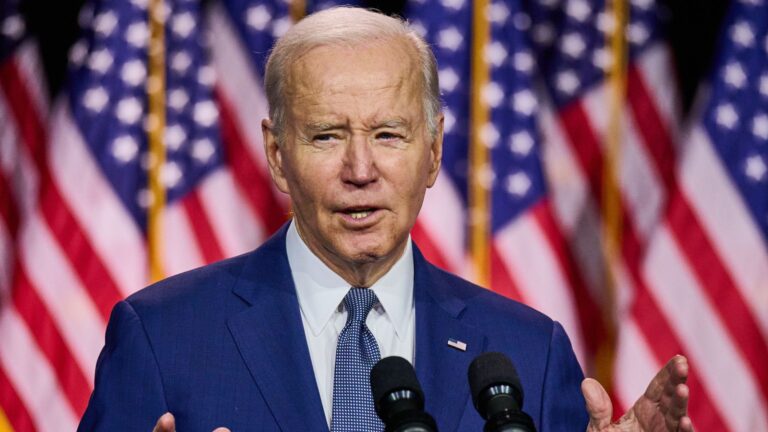
  • Trump narrowly lost Independents to Harris in 2024 (43% to 46%).
  • His approval rating with Independents dropped from +1 to -22 in under three months.
  • This is the sharpest decline in presidential history at this stage.
  • Economic concerns are a major factor, with ratings falling from +1 to -29.
  • Independents are increasingly dissatisfied with Trump’s policies and communication.

Introduction: The 2024 election saw a significant shift in Independent voter preferences, with Vice President Kamala Harris edging out Donald Trump. What’s more striking is Trump’s rapid decline in approval ratings among this crucial voter group. This article explores the reasons behind this sharp drop and its implications.

Trump’s Approval Rating Plummets: Donald Trump’s approval rating among Independents has seen a dramatic fall. Starting from a positive +1, it plunged to -22 in just three months—the worst decline ever recorded for a president at this juncture. This shift indicates a growing dissatisfaction that could impact future political landscapes.

Economic Concerns Drive the Drop: The economy plays a pivotal role in this decline. Trump’s economic approval ratings have nosedived from +1 to -29. This stark drop suggests Independents are losing confidence in his economic policies, a critical factor in their voting decisions.

Why Independents Are Turning Away: Independents are increasingly disenchanted with Trump’s approach and rhetoric. His policies and communication style, which once resonated, now seem out of touch. This alienation is driving Independents to seek alternatives, signaling a broader shift in political allegiance.

Conclusion: Trump’s falling approval among Independents highlights a significant challenge for his presidency. With dissatisfaction growing, particularly on economic issues, the political landscape may continue to shift. This trend underscores the importance of Independent voters in shaping future elections.

GOP States Push to Ban Soda and Candy in Food Stamp Programs

0

Key Takeaways:

  • Arkansas submits a waiver to ban soda and candy from SNAP benefits.
  • Other GOP-led states may follow to promote healthy eating.
  • Changes aim to help low-income families make better food choices.
  • USDA approval is needed before any updates take effect.

States Take Action to Make Food Stamps Healthier

In a move to encourage healthier eating, some Republican-led states are proposing changes to food stamp programs. These changes would remove unhealthy options like soda and candy from the list of items people can buy with their benefits.

Arkansas recently took the first step by asking the U.S. Department of Agriculture (USDA) for permission to change its Supplemental Nutrition Assistance Program (SNAP). If approved, SNAP users in Arkansas would no longer be able to purchase sugary drinks and sweets with their benefits.

Other GOP-led states are considering similar measures to help low-income families make healthier choices. These changes are part of a larger effort to fight obesity and related health problems.


What is SNAP?

SNAP, also known as food stamps, is a government program that helps low-income families afford groceries. Millions of Americans rely on SNAP to put food on the table. The program allows users to buy eligible food items using a special card.

Currently, SNAP does not restrict what foods can be purchased, as long as they are meant for eating at home. This means items like candy, soda, and other unhealthy snacks are allowed.


What’s Changing?

Arkansas and other states want to limit SNAP purchases to healthier options. The proposed changes would ban sugary drinks and candy, but still allow other treats like chips or cookies. The goal is to steer people toward better food choices without completely removing all indulgences.

This idea isn’t entirely new. Some stores already promote healthier options for SNAP users by offering discounts on fruits and vegetables. Now, states want to take it a step further by restricting certain unhealthy items.


Why Are States Making This Change?

The main reason behind this push is to improve public health. Obesity and diabetes are major concerns in many low-income communities. These health issues are often linked to diets high in sugar and unhealthy snacks.

State leaders believe that by limiting what can be bought with SNAP benefits, they can help families make better food choices. They argue that this will lead to healthier lifestyles and reduced healthcare costs over time.

However, some critics worry about limiting people’s choices. They argue that SNAP users should have the freedom to decide what to buy, just like everyone else.


What Happens Next?

For Arkansas’ plan to go into effect, it needs approval from the USDA. The USDA has strict rules about what changes can be made to SNAP. States typically can’t make major changes without federal permission.

Other GOP-led states are waiting to see how Arkansas’ request goes. If approved, they may also submit similar proposals.

The USDA will review Arkansas’ waiver request before making a decision. If approved, the changes could set a precedent for other states to follow.


How Will This Affect SNAP Users?

If the changes are approved, SNAP users in Arkansas would no longer be able to buy soda or candy with their benefits. They would still be able to purchase other groceries, including junk food like chips or cookies.

Supporters of the plan say this will help families focus on buying healthier foods. Critics, however, argue that it doesn’t address the root causes of poor nutrition, such as limited access to affordable healthy food in some communities.


The Future of Food Stamps

This move by GOP-led states is part of a growing conversation about how to improve nutrition for low-income families. While some people support restricting unhealthy items, others believe it’s not the right approach.

Whatever the outcome, one thing is clear: the goal of these changes is to help people lead healthier lives. As more states consider similar proposals, the impact on SNAP users could be significant.

Only time will tell if these changes will be approved and how they will affect the millions of Americans who rely on food stamps to feed their families.