54 F
San Francisco
Monday, May 11, 2026
Home Blog Page 967

Fired Professor Sues Over Vaccine Mandate

0

Key Takeaways:

  • Russell Stewart, a former ethics professor, was fired for refusing the Covid-19 vaccine.
  • He is suing Governor Tim Walz and Lake Superior College.
  • The lawsuit claims his termination violated his free speech and due process rights.

Ethics Professor Fired for Vaccine Stance

In a dramatic turn of events, Russell Stewart, a former ethics professor at Lake Superior College in Minnesota, has filed a lawsuit against Governor Tim Walz and the college. Stewart was let go in March 2022 after refusing to comply with the state’s Covid-19 vaccine mandate for government employees. He also shared his views on the mandate with his students, which may have contributed to his termination.


Background of the Case

Stewart, who taught ethics, found himself at the center of a dilemma when the vaccine mandate was introduced. As an employee of a taxpayer-funded institution, he was required to get vaccinated. However, Stewart declined, citing personal reasons and his right to make decisions about his health.

During this time, Stewart openly discussed his stance on the mandate in class, which some perceived as inappropriate. The college administration took notice, leading to his dismissal.


The Lawsuit: What’s at Stake?

Stewart’s lawsuit argues that his termination was unjust. He claims the state violated his right to free speech and fair treatment. His legal team asserts that expressing opinions, even in a classroom, is protected under the First Amendment.

This case highlights the tension between public health policies and individual rights. The outcome could set a precedent for similar situations nationwide.


Public Reaction and Debate

The situation has sparked debate. Supporters of Stewart argue that personal freedom is crucial, even during a pandemic. They believe employees should have the right to choose without fear of losing their jobs.

On the other hand, proponents of the mandate emphasize public health, stating that vaccinations are essential for community safety. They argue that such mandates are legal and necessary during health crises.


What’s Next?

As the legal battle unfolds, Stewart’s case is gaining attention. The court’s decision could influence how similar situations are handled in the future. It also raises questions about how much authority governments should have over personal health choices.

Stewart hopes to clear his name and secure compensation for lost income and emotional distress. He also aims to challenge the mandate’s constitutionality.


Conclusion

Russell Stewart’s case is a complex mix of ethics, law, and public health. As the legal process continues, the nation watches to see how the balance between individual rights and collective safety is upheld. The outcome could shape future policies on personal choice and public health.

Whitmer Meets Trump Again for Manufacturing Push

0

Key Takeaways:

  • Governor Gretchen Whitmer meets President Trump to discuss tariffs and manufacturing.
  • Whitmer emphasizes growing American manufacturing and national defense.
  • She was once critical of Trump’s tariffs but is now seeking collaboration.

Whitmer and Trump Meet Again: What’s at Stake?

Michigan Governor Gretchen Whitmer recently met with President Trump for the second time this month. This meeting comes as Michigan faces challenges with tariffs and manufacturing. Whitmer spoke near the White House, sharing her plans to boost manufacturing and strengthen national defense.

Why This Meeting Matters

Manufacturing is crucial for Michigan, providing many jobs. Tariffs, which are taxes on imported goods, can affect these jobs. Whitmer and Trump’s discussion could impact Michigan’s economy and workers.

What’s on the Agenda?

Whitmer focused on three main areas in her speech:

  1. Supporting American Manufacturing: She wants to help U.S. factories compete globally.
  2. Investing in Technology: She aims to enhance security and defense through innovation.
  3. Fair Trade Deals: She seeks agreements that benefit American workers.

A Changing Stance

Whitmer once criticized Trump’s tariffs but has been quieter recently. This shift suggests she may now seek cooperation to aid Michigan.

What’s Next?

This meeting could shape future policies and Whitmer’s approach to working with Trump. The outcome might influence Michigan’s economy and jobs. Stay tuned for updates on this developing story.

Consumer Price Inflation Eases in March Amid Trade Tensions

0

Key Takeaways:

  • Consumer prices dropped 0.1% in March, lowering the annual inflation rate to 2.4%.
  • Core inflation, excluding food and energy, stands at 2.8% annually.
  • President Trump’s tariffs may influence future prices as trade tensions rise.

In March, the U.S. saw a surprising dip in consumer price inflation, a key indicator of economic health. This change came as President Trump prepared new tariffs, signaling potential shifts in trade policies.

Understanding the Numbers

The Bureau of Labor Statistics revealed that the Consumer Price Index (CPI), which tracks the cost of common goods and services, fell by 0.1% in March. This adjustment brought the annual inflation rate down to 2.4%, a drop from February’s 2.8%. Core inflation, which excludes volatile food and energy costs, remained stable at 2.8% for the year, indicating underlying price stability.

The Impact of Trade Policies

President Trump’s plans to impose tariffs on U.S. trading partners could affect inflation. Tariffs often lead to higher import costs, which may be passed on to consumers. While March’s data shows a dip, the future may tell a different story as these policies take effect.

Consumer Spending and the Economy

Despite the dip, everyday expenses for many consumers haven’t decreased significantly. Housing, healthcare, and transportation costs continued to rise. These sectors play a crucial role in shaping inflation trends, highlighting the complexity of economic factors at play.

What’s Next?

Experts are watching closely as trade dynamics unfold. The balance between inflation control and economic growth remains a challenge. The figures from March offer a snapshot, but the evolving trade landscape will be key in determining future trends.

In conclusion, while inflation eased in March, the influence of trade policies and ongoing economic shifts will likely shape the coming months. As the situation develops, understanding these changes will be essential for consumers and businesses alike.

Trump’s Tariff Boost: Billionaires Gain

0

Key Takeaways:

  • Trump paused tariffs for 90 days, except for China.
  • He claims this move earned money for his wealthy friends.
  • The pause aims to support the economy during the holiday season.
  • Critics worry about the impact on regular consumers.

What Are Tariffs?

Imagine you buy a smartphone that’s made in another country. The government can add a tax on it, making it pricier. This tax is a tariff. Governments use tariffs to protect local industries by making imported goods costlier. However, tariffs can lead to higher prices for consumers and trade wars with other countries.

Trump’s Announcement and Claims

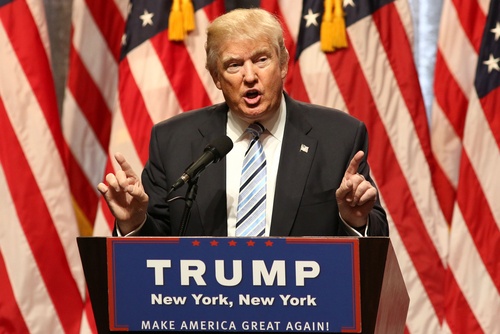
Recently, Donald Trump announced a 90-day pause on tariffs for many countries, except China. During an Oval Office meeting, he proudly stated that his billionaire friends profited from his aggressive tariff policies. Trump believes these tariffs boosted American industries and created jobs, benefiting the economy.

Why the Pause?

Trump’s decision to pause tariffs aims to support the economy, especially during the holiday shopping season. Holidays are a busy time for retailers, and tariff pauses could prevent price hikes on imported goods like toys and electronics, making holiday shopping more affordable for consumers.

Critics’ Concerns and Consumer Impact

While Trump highlights the benefits to billionaires, critics argue that tariffs have hurt everyday people. Tariffs often increase prices for consumers, which can lead to inflation. Critics worry that Trump’s policies have triggered trade wars, with countries imposing their own tariffs on U.S. goods. This back-and-forth can slow economic growth.

What’s Next?

The tariff pause might be a strategic move ahead of the holiday season to gain public favor. However, without a long-term trade deal, the future remains uncertain. If Trump resumes tariffs after the pause, it could renew trade tensions and affect the economy in 2024.

Conclusion

President Trump’s decision to pause tariffs and its impact is a complex issue with varying viewpoints. While some see it as a smart move to support the economy, others fear it may not solve underlying trade issues. This situation highlights the delicate balance between economic strategies and their effects on everyday life.

Whitmer Denies Endorsement of Trump After Oval Office Visit

0

Key Takeaways:

  • Michigan Governor Gretchen Whitmer visited the Oval Office to meet with President Donald Trump.
  • Whitmer said her visit was not an endorsement of Trump or his policies.
  • She faced criticism for her appearance, despite clarifying her stance.
  • Whitmer mentioned understanding some motivations behind Trump’s tariff plans.
  • The meeting has sparked debate about her political strategy.

Whitmer’s Visit Sparks Controversy

Michigan Governor Gretchen Whitmer made headlines after meeting with President Donald Trump at the White House. Whitmer, a Democrat, faced backlash for her visit, with many questioning her reasons for meeting with the Republican president. In response, Whitmer clarified that her visit was not an endorsement of Trump or his policies.


Why the Backlash?

Whitmer’s meeting with Trump raised eyebrows because the two leaders are on opposite sides of the political spectrum. Trump has been a polarizing figure, and his policies have often clashed with Democratic values. Whitmer, known for her progressive stance, has openly criticized Trump on issues like healthcare and the economy.

Her visit to the Oval Office led to speculation about her political motives. Some critics accused her of cozying up to Trump for political gain. Others wondered if she was trying to secure federal support for Michigan, which has faced challenges like economic recovery and infrastructure needs.

Whitmer’s office has not provided detailed comments on the meeting. However, the governor has made it clear that her visit was not a sign of support for Trump.


What Did Whitmer Say?

During her White House visit, Whitmer delivered a speech in which she mentioned understanding some of the motivations behind Trump’s global tariff plans. Tariffs are taxes imposed on imported goods, and Trump has used them as a tool in trade negotiations. While Whitmer acknowledged some reasoning behind the tariffs, she did not explicitly endorse them or Trump’s approach.

Her comments were interpreted by some as an attempt to find common ground with the president. However, critics argue that even minor praise for Trump’s policies could be seen as a validation of his administration.


The Politics of the Meeting

The meeting between Whitmer and Trump has been analyzed by political experts. Some believe Whitmer’s visit was a strategic move to secure federal funding or support for Michigan. Others see it as a way to boost her national profile ahead of future elections.

Whitmer has been a prominent figure in Democratic politics, and her meeting with Trump has raised questions about her stance on bipartisanship. While some applaud her willingness to work across the aisle, others worry it could hurt her reputation among Democratic voters.


Whitmer’s History with Trump

Whitmer has been a vocal critic of Trump throughout his presidency. She has disagreed with his policies on healthcare, immigration, and climate change. In 2020, she even served as a co-chair for Joe Biden’s presidential campaign, helping him win Michigan in the election.

Given her history of opposing Trump, her visit to the Oval Office was unexpected. Whitmer’s office has emphasized that the meeting was focused on issues important to Michigan, such as infrastructure and economic development.


The Bigger Picture

Whitmer’s visit to the White House highlights the challenges of bipartisanship in modern politics. While some leaders believe in working with opponents to achieve common goals, others argue that compromising with political rivals can alienate supporters.

For Whitmer, the meeting with Trump has created a balancing act. She must reassure her Democratic base while addressing the needs of her state. As Michigan faces ongoing challenges like economic recovery and infrastructure upgrades, Whitmer’s ability to work with federal leaders could play a crucial role in her state’s future.


Conclusion

Gretchen Whitmer’s visit to the Oval Office has sparked debate about her political strategy and stance on President Trump. While she has made it clear that her visit was not an endorsement, the optics of the meeting have led to criticism from some quarters.

As Whitmer navigates the complexities of state and national politics, her actions will continue to be closely watched. Whether her meeting with Trump will help or hurt her political career remains to be seen.

Trump Applauds Michigan Governor at White House

0

Key Takeaways:

  • President Trump praised Governor Gretchen Whitmer during a White House meeting.
  • Topics discussed included an ice storm, investments in a military base, invasive fish, and tariffs.
  • This was their second meeting, highlighting bipartisanship efforts.

Trump Applauds Michigan Governor in White House Meeting

In a recent White House meeting, President Donald Trump commended Michigan Governor Gretchen Whitmer for her efforts, reflecting a rare moment of bipartisanship in today’s political landscape. Their discussion covered various Michigan issues, showcasing cooperation between state and federal levels.

Ice Storm Strikes Northern Michigan

A severe ice storm in northern Michigan was a key topic. This storm has caused significant damage, disrupting daily life and highlighting the need for federal aid. Governor Whitmer emphasized the importance of support for affected residents.

Investments in Selfridge Air National Guard Base

The meeting also touched on investments in the Selfridge Base near Detroit. This base is crucial for national security and local jobs. Upgrading it could boost both defense capabilities and the economy.

Invasive Fish Threaten Great Lakes

Another critical issue was invasive fish species threatening the Great Lakes. These species harm the ecosystem and fishing industry. Whitmer stressed the need for federal action to protect this vital resource.

Tariffs Take Center Stage

Tariffs were a hot topic, reflecting current trade debates. Whitmer and Trump discussed their impact on Michigan’s economy, seeking solutions to balance trade and industry needs.

Bipartisanship in Action

This meeting highlighted rare bipartisan cooperation, important for addressing national issues. Whitmer’s approach shows that collaboration can lead to progress despite political differences.

Looking Ahead

The meeting underscored the value of federal-state collaboration. Future efforts may focus on continued teamwork, leveraging such partnerships to tackle challenges and create opportunities for Michigan and beyond.

This encounter between Trump and Whitmer illustrates the power of bipartisanship, offering hope for future cooperative efforts in addressing pressing issues.

US Inflation Slows Down More Than Expected in March

0

Key Takeaways:

  • US inflation cooled down in March, with the Consumer Price Index (CPI) rising 2.4% over the past year.
  • This is lower than the expected 2.6% increase and February’s 2.8% growth.
  • Core CPI, which excludes food and energy prices, rose 2.8%, missing the 3% forecast.

What Happened?

The latest data on US inflation shows that price increases slowed down in March. This is the first time the numbers reflect the effects of President Trump’s trade policies, including tariffs on imported goods.

The CPI, which measures how much consumers pay for things like housing, food, and clothes, rose by 2.4% over the past year. Analysts expected a bigger increase of 2.6%, so this was a surprise. It also dropped from February’s higher rate of 2.8%.

Core CPI, which ignores food and energy costs because they can change a lot, also came in lower than expected. It rose by 2.8%, while experts thought it would hit 3%.


Why Does This Matter?

Inflation is a key indicator of how the economy is doing. When prices rise too fast, it can be bad for people and businesses. But when inflation is under control, it often means things are stable.

So, what’s causing this slowdown? One big reason could be the tariffs introduced by the Trump administration. Tariffs are like taxes on imported goods, which can make those goods more expensive for consumers. However, if prices didn’t rise as much as expected, it might mean that companies absorbed some of the extra costs instead of passing them on to consumers.

Another reason could be that people are spending less. If demand for goods and services drops, businesses might lower prices to encourage sales.


What Does This Mean for You?

For everyday people, slower inflation can be good news. It means the money in your pocket goes further. Prices for things like groceries, gas, and clothes aren’t rising as fast, so you might feel less strain on your wallet.

For businesses, it’s a mixed bag. If prices aren’t rising much, companies might not be able to increase wages as much. On the flip side, if they’re not passing on tariff costs to consumers, it could mean they’re finding ways to cut costs elsewhere.


What’s Next?

This report could influence the Federal Reserve’s decision on interest rates. The Fed aims to keep inflation around 2%, so seeing it cool down might mean they hold off on raising rates. Lower interest rates can make borrowing money cheaper, which is good for the economy.

However, it’s too early to say if this trend will continue. Trade tensions and global economic challenges could still push prices up in the future.


What’s the Big Picture?

The data shows that inflation is under control, which is a positive sign for the economy. While tariffs and global trade issues are still a concern, it seems their impact on prices has been limited so far.

For now, consumers can enjoy the relief of slower price increases. But as the trade situation continues to unfold, it’s worth keeping an eye on how it affects your wallet.

Stock Market Takes a Dive Amid Trade War Uncertainty

0

Key Takeaways:

  • U.S. stocks are dropping sharply, giving up most of the gains made the day before.
  • The market dip is linked to ongoing concerns about President Donald Trump’s trade war.
  • Despite a temporary pause on some tariffs, uncertainty remains, causing investor anxiety.
  • The S&P 500 fell 5% in midday trading, while the Dow Jones Industrial Average dropped over 1,700 points.

The U.S. stock market is seeing a major downturn today, with stocks falling sharply after yesterday’s historic rise. This sudden drop is causing confusion and concern among investors, as the ongoing trade war between the U.S. and other countries continues to create uncertainty.

What’s Happening

On Wednesday, the stock market experienced a massive surge after President Trump announced a pause on many of his tariffs worldwide. This temporary delay in tariffs was seen as a positive sign, and investors responded by driving the market up. For example, the S&P 500 jumped by 9.5%, and the Dow Jones Industrial Average saw significant gains.

However, today tells a different story. As of midday, the S&P 500 has fallen by 5%, and the Dow Jones Industrial Average is down by 1,724 points. This sharp drop erases much of the progress made yesterday. The reason for this sudden shift? Investors are still worried about the overall impact of the trade war on the economy.

The Numbers

The stock market’s performance today is a clear indication of the fear and uncertainty among investors. The S&P 500, which measures the performance of 500 large U.S. companies, is down by 5%. This is a significant drop, especially after the gains seen just a day before.

The Dow Jones Industrial Average, which tracks 30 major U.S. companies, is also suffering. It’s down by 1,724 points, or 4.2%, as of 12:40 p.m. This kind of volatility is unsettling for investors and highlights the fragility of the market right now.

Why It’s Happening

The main reason for this uncertainty is President Trump’s trade war, which has been ongoing for months. The U.S. has imposed tariffs, or taxes, on goods imported from other countries, particularly China. In response, those countries have imposed their own tariffs on U.S. goods.

While Trump’s decision to pause some tariffs was seen as a step in the right direction, it didn’t eliminate the overall uncertainty. Investors are still concerned about how this trade war will affect the economy, businesses, and ultimately, their investments.

The Bigger Picture

Trade wars can have far-reaching consequences. When countries impose tariffs on each other’s goods, it can lead to higher prices for consumers, reduced profits for businesses, and slower economic growth. While some industries may benefit from tariffs in the short term, the long-term effects are often negative.

In this case, the trade war has created a lot of confusion. Investors don’t know how long the tariffs will last or how severe their impact will be. This uncertainty makes it hard for businesses to plan for the future, and it’s causing investors to question whether the stock market will continue to grow.

What’s Next

The market’s performance today shows just how sensitive it is to news about the trade war. Even though Trump’s decision to pause some tariffs was positive, it wasn’t enough to ease all concerns. Investors are waiting to see if the U.S. and its trading partners can reach a lasting agreement.

In the meantime, the market is likely to remain volatile. This means there could be more days of significant gains or losses, as investors react to every piece of news related to the trade war.

How Does This Affect You?

Even if you’re not an investor, the stock market’s performance can have an impact on your life. For example, if the market continues to drop, it could affect retirement accounts, pensions, and the overall health of the economy.

Additionally, if the trade war leads to higher prices for goods, you may notice it when you go shopping. Tariffs can make imported goods more expensive, which could affect everything from electronics to clothing.

What’s a Trade War, Anyway?

If you’re not familiar with trade wars, here’s a quick explanation. A trade war happens when countries impose tariffs or other trade barriers on each other’s goods. It’s like a fight over money and trade.

Imagine two countries disagreeing over how much they should charge for goods imported from each other. When one country raises its tariffs, the other country often retaliates by doing the same. This back-and-forth can lead to higher prices, reduced trade, and slower economic growth.

In this case, the U.S. is involved in a trade war with several countries, including China. The U.S. has imposed tariffs on Chinese goods, and China has responded by imposing its own tariffs on U.S. goods.

Why Should You Care?

The trade war is important because it can affect the economy, businesses, and your wallet. If the trade war continues, it could lead to slower economic growth, higher unemployment, and higher prices for goods.

As an individual, you might not be able to control the outcome of the trade war, but it’s important to understand how it could impact you. If you’re planning to buy something expensive, like a car or electronics, you might want to pay attention to how the trade war affects prices.

The Bottom Line

Today’s stock market drop is a reminder of how uncertain things are right now. The trade war is creating anxiety for investors, and that anxiety is leading to market volatility. While yesterday’s gains were exciting, today’s losses show just how quickly things can change.

As the trade war continues, one thing is clear: the stock market will likely remain volatile. Investors will continue to watch the news closely, hoping for signs of a resolution. Until then, the market will likely remain on edge.

In the meantime, it’s important to stay informed and understand how global events like the trade war can impact your finances. Whether you’re an investor or just someone who likes to stay in the loop, keeping an eye on the news can help you make better decisions.

Ohio Libraries Win Big: Funding Restored and Set to Increase

0

Key Takeaways:

  • Ohio lawmakers reversed proposed cuts to public library funding.
  • Libraries will see increased funding next year.
  • The Public Library Fund will continue, but funding amounts will be decided by lawmakers.
  • Librarians played a big role in protecting library funding.

Ohio lawmakers have decided to reverse proposed cuts to public library funding, announcing that libraries across the state will actually receive more money next year. This is great news for library lovers and communities that rely on these vital resources.

What Changed?

In recent months, there were concerns that public libraries in Ohio might face budget cuts. However, after hearing from librarians and community supporters, lawmakers changed their minds. Instead of cutting funding, they agreed to keep the Public Library Fund alive and even promised to increase funding in the future.

One thing that will change is how the funding amount is decided. Instead of tying it to a fixed percentage of state revenue, lawmakers will now decide the exact amount each year. This means libraries will have to wait and see how much they’ll get, but the promise of an increase is a positive step forward.


Librarians Speak Up

Librarians across Ohio played a key role in this victory. They worked hard to convince lawmakers why libraries are so important. They highlighted how libraries provide free access to books, internet, and educational programs for people of all ages.

“Libraries are the heart of our communities,” said one librarian. “We’re not just about books. We’re about learning, growing, and connecting people.”

Their efforts paid off. Lawmakers listened, and now libraries will continue to thrive.


What This Means for Ohio Communities

For Ohio residents, this decision means libraries will remain a vital resource. Families will still have access to free books, kids can keep attending storytime and summer reading programs, and students can use library computers and Wi-Fi for homework.

Libraries also serve as community hubs, hosting events, workshops, and meetings. By increasing funding, lawmakers are investing in the future of these important spaces.


Looking Ahead

Next year, libraries will receive more funding than before. While the exact amount hasn’t been finalized, the promise of an increase is a big win. Lawmakers will work on the budget in the coming months, and library supporters will be keeping a close eye on the process.

For now, library fans can celebrate this victory. Thanks to the hard work of librarians and the support of lawmakers, Ohio’s libraries are here to stay—and they’re getting even better.


In short, this is a win-win for Ohio libraries and the people who rely on them. With funding secured and more money on the way, libraries will continue to serve as lifelines for learning, creativity, and connection in communities across the state.

New Mexico Deploys National Guard to Fight Crime and Opooid Crisis

0

Key Takeaways

  • New Mexico declares a state of emergency due to rising crime and opioid crisis.
  • 60 to 70 National Guard troops will assist Albuquerque police starting mid-May.
  • The governor says the deployment helps officers focus on community safety.
  • ACLU warns the move could lead to profiling and harm vulnerable groups.

New Mexico’s Crisis: What You Need to Know

What’s Happening in New Mexico? New Mexico is facing serious problems with crime and opioid addiction. These issues are putting a lot of pressure on local police. To address this, Governor Michelle Lujan Grisham has declared a state of emergency.

Starting in mid-May, 60 to 70 National Guard troops will be sent to Albuquerque. Their job will be to help the police with tasks that don’t require law enforcement powers. This way, officers can focus more on keeping the community safe.


Why Is the National Guard Being Deployed?

The Governor’s Plan Governor Lujan Grisham says the National Guard will handle duties like:

  • Managing traffic.
  • Helping with crowd control.
  • Assisting at police stations.

This will free up police officers to deal with more serious crimes and work on building trust with the community. The governor believes this will make Albuquerque safer for everyone.


Concerns About the Deployment

The ACLU’s Warning While the governor’s plan aims to help, not everyone agrees it’s the best solution. The ACLU of New Mexico has expressed concerns. They worry that having the National Guard involved could lead to:

  • Increased profiling of certain groups.
  • More criminalization of people who are already vulnerable, like those struggling with addiction.

The ACLU is asking for clear rules to ensure the National Guard doesn’t overstep its role. They want to protect the rights of all residents, especially those who are already at risk.


What’s Next for Albuquerque?

The Road Ahead The deployment of the National Guard is just the beginning. Governor Lujan Grisham and local leaders will closely watch how this plan works. They’ll look at whether it helps reduce crime and improves safety without harming vulnerable populations.

Meanwhile, community groups and organizations are preparing to support those affected by the opioid crisis. They’re pushing for more resources to help people recover from addiction and rebuild their lives.


Conclusion

New Mexico is taking bold steps to tackle its crime and opioid problems. The National Guard’s deployment is meant to support police and make the community safer. However, concerns about profiling and fairness remain.

As the situation unfolds, it’s important to keep an eye on how these changes affect both safety and people’s rights. The goal is to find a balance that helps everyone in Albuquerque.