54 F
San Francisco
Monday, May 11, 2026
Home Blog Page 969

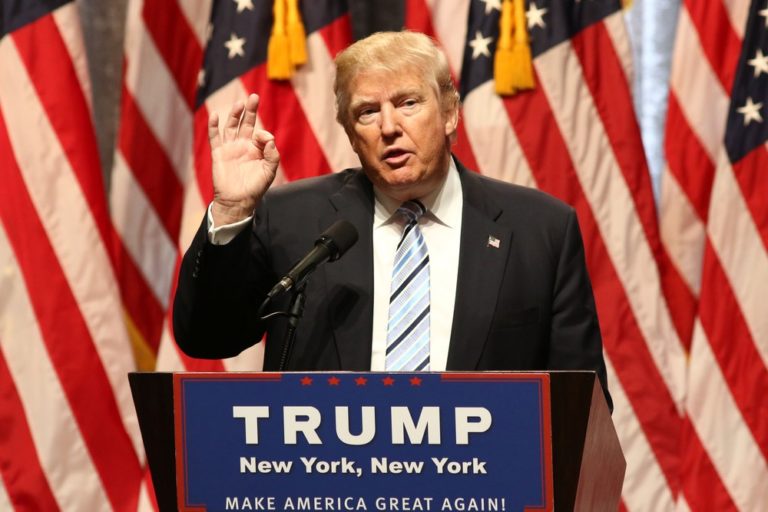
Trump’s Trade War Intensifies: Tariffs Explained

0

Key Takeaways:

  • China faces a 145% tariff rate on its goods imported to the U.S.
  • A 10% tariff was imposed on other countries like the EU, Japan, and Vietnam, paused until July 9.
  • New tariffs target autos, metals, and potentially pharmaceuticals and semiconductors.
  • Canada and Mexico have exemptions for certain goods under USMCA.
  • Retaliation includes China’s 84% on U.S. goods and Canada’s tariffs on steel.
  • Trump threatens more tariffs on Venezuelan and Russian oil, and closes duty-free exemptions for Chinese parcels.

Trump’s Tariffs: How New Trade Policies Are Impacting the World Economy

President Trump has recently escalated his trade policies, imposing significant tariffs that are impacting global trade dynamics. His focus remains strong on China, with other countries also feeling the effects. Here’s a breakdown of the key developments:

  • China’s Steep Tariff Increase: The latest tariffs on Chinese goods add up to an unprecedented 145% rate. This includes a new 125% tariff effective this month, compounded by earlier tariffs related to the fentanyl supply chain. These measures are part of a broader response to what the U.S. views as China’s unfair trade practices.
  • Global Tariffs: A Broad Impact: Beyond China, a 10% tariff was introduced for countries like the EU, Japan, and Vietnam. Initially set to rise, this increase has been paused until July 9. Notably, Canada and Mexico are exempt, reflecting their strategic importance as neighbors and partners under agreements like the USMCA.
  • Sector-Specific Tariffs: Autos and metals have been particularly targeted, with a 25% tariff on imported vehicles set to extend to parts. Steel and aluminum tariffs remain at 25%, affecting industries reliant on these materials.
  • Exemptions and Considerations: While several sectors like pharmaceuticals, semiconductors, and lumber have exemptions, the administration is evaluating potential future tariffs. This creates uncertainty for businesses and consumers alike.
  • Retaliation from Trading Partners: China and Canada have responded with their own tariffs. China imposed an 84% tariff on U.S. goods, while Canada targeted American steel. The EU, while considering tariffs, has opted to pause its measures temporarily.
  • Future Threats and Considerations: Beyond current tariffs, Trump is exploring additional measures. Closing duty-free exemptions for Chinese imports could raise costs for goods like electronics and clothing. Potential tariffs on Venezuelan and Russian oil indicate a broader strategy to influence global trade patterns.

Conclusion:

President Trump’s tariff policies are reshaping global trade, with significant impacts on industries and consumers worldwide. As tensions rise, businesses and nations are forced to adapt to a rapidly changing economic landscape. The uncertainty surrounding these tariffs underscores the complex and evolving nature of international trade dynamics.

Judge Blocks Trump’s Deportation Plan for Thousands of Migrants

0

Key Takeaways:

  • A federal judge may stop Trump’s plan to deport migrants from Cuba, Haiti, Nicaragua, and Venezuela.
  • The decision affects about 520,000 people who fled hardship and are living in the U.S.
  • Judge Indira Talwani ruled to let migrants stay and pursue immigration benefits.
  • Trump’s plan to end the humanitarian program on April 24 is blocked.
  • Many migrants are in South Florida, sponsored by relatives.

A Crucial Decision for Migrants

In a significant move, a federal judge in Boston, Indira Talwani, has indicated she will likely block President Trump’s plan to deport thousands of migrants from Cuba, Haiti, Nicaragua, and Venezuela. These migrants were granted protected status and have been living in the U.S. This decision, reported by the Miami Herald, brings relief to many families facing deportation.

Background of the Plan

President Trump announced the plan last month, aiming to end a humanitarian program by April 24. This program allowed migrants fleeing hardship to stay in the U.S. with parole status. The decision by Judge Talwani, appointed by former President Obama, prevents the Department of Homeland Security from revoking this status, letting migrants continue their pursuit of immigration benefits.

Impact on the Migrant Community

About 520,000 migrants are affected, many living in South Florida. They were sponsored by relatives and are working with permits, avoiding the challenges of seeking entry through the U.S.-Mexico border. This decision means they can remain in the country, continuing their lives without immediate fear of deportation.

Trump’s Reaction to Judicial Decisions

President Trump has criticized federal judges who block his policies. He accused them of hindering his ability to govern, particularly after a judge stopped deportations of individuals accused of gang ties without due process. Trump’s comments reflect his frustration with legal setbacks.

Legal Battles and Mixed Outcomes

Trump’s track record in court on deportation policies has been mixed. The Supreme Court allowed him to proceed with deporting alleged gang members but emphasized the need for due process. Another case involved a mistakenly deported father, showing the complexity of these issues.

Public Reaction and Implications

The ruling has sparked mixed reactions. Advocates for immigrants see it as a victory, while others criticize the judge’s interference. This case highlights ongoing debates about immigration and judicial authority.

Looking Ahead

This decision is a temporary win for the migrants, but the legal battle is far from over. Future court decisions will determine their long-term fate. For now, thousands can continue their lives in the U.S., hoping for a permanent solution.

This case underscores the delicate balance of power between the judiciary and the executive branch, shaping the lives of many. As the situation evolves, the nation watches closely, understanding that the outcome will influence immigration policies for years to come.

Inflation Takes a Breath: What It Means for You

0

Key Takeaways:

  • Inflation: Prices rose 2.4% in the past year, less than expected.
  • Monthly Change: Prices dipped 0.1% last month, surprising experts.
  • Future Risk: Trump’s tariff threats could push prices back up.

What Just Happened with Inflation?

Inflation, or the rate at which prices rise, was a hot topic this week. New numbers show that prices didn’t rise as much as many experts thought they would. In fact, prices actually went down a tiny bit last month. Compared to the same time last year, however, things still cost about 2.4% more.

This news might sound surprising, especially since inflation has been a big talking point in the economy. But here’s the thing: inflation isn’t always bad. A little bit of inflation can be a sign of a growing economy. Too much, though, can make life harder for people who are trying to make ends meet.

So, what does this mean for you? If prices aren’t rising too fast, it could mean that things like groceries, gas, and clothes might stay affordable for a while longer. But there’s a catch.


Why Did Prices Rise Less Than Expected?

One reason prices didn’t rise as much as expected is because of how the economy is performing. When people have jobs and are confident about the future, they spend money. That spending can drive up prices. Right now, it seems like spending is steady, but not out of control.

Another factor could be the things we buy every day. If the cost of food, housing, and energy doesn’t jump too high, it can keep overall inflation in check. These are big parts of the budget for most families, so when they don’t rise quickly, it helps keep inflation from skyrocketing.

But experts warn that this calm might not last.


The Future of Prices: Will Tariffs Cause Inflation to Spike?

One thing that could change the game is President Trump’s tariff threats. Tariffs are like taxes on imported goods. When the U.S. imposes tariffs on things like electronics, clothes, or even food from other countries, it makes those items more expensive for consumers.

Imagine you want to buy a new phone or a pair of shoes. If those items are imported, tariffs could make them cost more. That’s because companies might pass the extra cost of the tariff on to you, the buyer.

The fear is that if tariffs go up, prices for many everyday items could rise quickly. This could erase the progress we’ve made in keeping inflation under control.

So, while things look okay right now, the future is uncertain.


How Will This Affect You?

If inflation stays low, it’s good news for your wallet. Your money goes further, and you can buy more with the same amount of cash. It’s also good for people borrowing money, like for a house or a car, because interest rates might stay lower.

But if tariffs cause prices to rise again, it could get more expensive to buy the things you need and want. This is why many experts are keeping an eye on what happens next with trade policies.


What’s Next?

For now, it’s a waiting game. Economists will keep watching the numbers to see if inflation stays under control or if tariffs cause prices to jump. In the meantime, it’s a good idea to keep an eye on your own budget and see how these changes might affect you.

One thing is for sure: inflation and tariffs are two factors that could shape the economy in the coming months. Whether prices stay steady or rise again, it’s something everyone should be paying attention to.


Let us know in the comments how you think inflation and tariffs might affect your life. Stay tuned for more updates on this story!

Divided We Stood: Moving Forward After COVID-19

0

Key Takeaways:

  • Americans had differing views on COVID-19 responses.
  • Public health measures were a major point of contention.
  • discussions between opposing sides aim to find common ground.
  • Moving forward requires understanding different perspectives.

Introduction: The COVID-19 pandemic caused significant divisions among Americans. People disagreed on measures like masks, remote learning, and business closures. Now, efforts are made to bridge these gaps.

Supporters of Public Health Measures: Many believed rules like masks and distancing were crucial. They thought these steps saved lives and slowed the virus spread. Supporters often saw these measures as necessary sacrifices for public safety.

Opponents of Public Health Measures: Others felt rules went too far, harming jobs and education. They believed personal freedom was compromised, and some thought the risks were exaggerated. These divergent views highlight how experiences shaped opinions differently.

Finding Common Ground: Judy Woodruff’s discussion with two opposing individuals aimed to find common ground. Both sides shared a desire for community well-being. Open dialogue can help understand each other’s fears and hopes.

Moving Forward: Looking ahead, experts suggest balance and flexibility in health policies. Involving communities in decision-making and clear communication can rebuild trust and unity.

Lessons Learned: The pandemic taught us about resilience and the importance of empathy. Moving forward requires valuing diverse perspectives to foster a stronger society.

Conclusion: While the pandemic divided us, it also showed our strength. Embracing our differences and working together can guide us toward a united future.

New Files Reveal Secrets of JFK, RFK, and MLK Assassinations

0


Key Takeaways:

  • Files about the assassinations of Robert F. Kennedy, Martin Luther King Jr., and John F. Kennedy are set to be released soon.
  • Director of National Intelligence Tulsi Gabbard announced that thousands of records are being scanned and prepared for release.
  • President Donald Trump ordered the unredacted release of these files earlier this year.
  • Conspiracy theories have long surrounded these assassinations due to delayed releases of related documents.

What’s Happening Now

The U.S. government is finally sharing long-hidden files about three of America’s most tragic events: the assassinations of President John F. Kennedy, Senator Robert F. Kennedy, and civil rights leader Martin Luther King Jr. Director of National Intelligence Tulsi Gabbard revealed on Thursday that these files are being scanned and will be released in the coming days.

The move comes after President Donald Trump signed an executive order in January, demanding the release of unredacted records related to these assassinations. While some documents have been shared over the years, many remained classified, leaving the public with unanswered questions.


Why Are These Files Important?

The assassination of President John F. Kennedy in 1963 shocked the nation. Lee Harvey Oswald was identified as the lone gunman, but many Americans suspect a larger conspiracy. Similarly, the murders of Robert F. Kennedy in 1968 and Martin Luther King Jr. in 1968 have sparked endless speculation.

For decades, the CIA and FBI have held back thousands of documents related to these events. The delayed release of these files has only fueled conspiracy theories, leaving many wondering what the government is hiding.


What Do We Know So Far?

In March, the National Archives released the final batch of files related to JFK’s assassination. These documents included information about Oswald’s activities, but many questions remain unanswered.

The Warren Commission, established to investigate JFK’s death, concluded that Oswald acted alone. However, theories about government involvement or other conspirators persist.

Robert F. Kennedy, JFK’s younger brother, was assassinated in 1968 while running for president. His killer, Sirhan Sirhan, was caught at the scene, but some believe there was a second shooter.

Martin Luther King Jr., a prominent civil rights leader, was killed in Memphis, Tennessee, in 1968. James Earl Ray admitted to the crime but later claimed he was part of a larger plot.


Who Is Working on This?

Director Gabbard shared that over 100 people have been working around the clock to prepare the files for release. “These records have been sitting in boxes and storage for decades,” she explained. “They’ve never been scanned or seen before. We’ll have them ready in the next few days.”

The team is racing to meet President Trump’s deadline for releasing the unredacted files. This effort marks a significant step toward transparency, as the government finally shares information that could shed light on these tragic events.


What Happens Next?

The release of these files is expected to draw widespread attention. Historians, researchers, and conspiracy theorists will pour over the documents, searching for clues.

While some hope the records will finally answer lingering questions, others remain skeptical. They believe the government may have redacted or withheld critical information.

One thing is certain: the release of these files is a momentous occasion in American history. It could bring closure to families and supporters of the victims or reignite debates about what really happened.


Why This Matters

The assassinations of JFK, RFK, and MLK were defining moments in U.S. history. They shaped the nation’s political and social landscape, leaving behind unanswered questions that have haunted Americans for decades.

The upcoming release of these files is a chance for the government to build trust with the public. It also offers an opportunity to revisit the past and uncover the truth, no matter how painful it may be.

As we await the release, one question looms large: will these files finally provide the answers everyone has been searching for? Only time will tell.

CDC Cuts Cruise Ship Inspectors Amid Outbreak Threat

0

Key Takeaways:

  • The CDC has laid off all its cruise ship inspectors, which could make it harder to prevent outbreaks on ships.
  • These inspectors are paid for by cruise companies, not taxpayers.
  • The U.S. is dealing with a record number of norovirus cases, including outbreaks on cruise ships.
  • A small team of 12 U.S. Public Health Service officers is still working, but CDC staff are worried about their ability to do the job.

The Centers for Disease Control and Prevention (CDC) recently made a surprising move: it laid off all its cruise ship inspectors. These inspectors play a crucial role in keeping people safe from diseases like norovirus, which have been spreading rapidly on cruise ships lately.

But here’s the twist: these inspectors aren’t paid for by taxpayers. Instead, their salaries come from fees charged to cruise companies. So why were they let go? CDC officials are confused and concerned about what this means for public health.

A Smaller Team Remains on Duty

While the CDC’s cruise ship inspectors are gone, a smaller group of 12 U.S. Public Health Service officers is still working. These officers are part of a special team that helps respond to health emergencies. However, CDC officials say this small group won’t be enough to handle the workload.

Inspectors were already stretched thin last year, struggling to conduct nearly 200 inspections. Now, with only one epidemiologist left—and that person is still in training—it’s unclear how they’ll manage. “None of the civilian staff are there to support them,” said Erik Svendsen, a former CDC official. “I don’t know how long they’ll be able to sustain their mission alone.”

The Timing Couldn’t Be Worse

The layoffs happened at a particularly bad time. The U.S. is dealing with a record number of norovirus cases, driven by a new strain of the virus. Outbreaks on cruise ships have been especially common, with at least a dozen reported so far this year.

CDC staff were in the middle of responding to two outbreaks when the inspectors were let go. This raises concerns about whether the remaining team can handle future health crises.

HHS Claims Operations Will Continue

Despite the layoffs, the Department of Health and Human Services (HHS) insists that the CDC’s Vessel Sanitation Program will keep running. “Critical programs will continue under Secretary Kennedy’s vision to streamline HHS,” said an HHS spokesperson.

But CDC insiders are skeptical. They point out that the program was already struggling before the layoffs. Now, with only one trainee epidemiologist left, they’re worried about the future of disease prevention on cruise ships.

What’s Next for Cruise Ship Safety?

The CDC’s cruise ship inspection program was designed to keep passengers and crew safe. Inspectors would visit ships to check for cleanliness and help prevent the spread of diseases. Without them, it’s unclear how effective the remaining team can be.

As cruise ships continue to sail, the risk of disease outbreaks remains high. With fewer people to monitor these ships, it’s possible that problems could go unnoticed until they spiral out of control.

The layoffs are part of larger cuts ordered by HHS Secretary Robert F. Kennedy Jr., who wants to streamline the department. While the goal is to improve efficiency, some CDC staff worry that public health is being put at risk.

For now, the CDC’s Vessel Sanitation Program is still operational, but the loss of experienced inspectors has left many questioning whether it can continue to protect the public effectively. Only time will tell if the smaller team can handle the job—or if cruise ship safety will suffer as a result of these cuts.

New Law Bars Judges from Nationwide Injunctions

0


Key Takeaways:

  • The House passed a law stopping federal district judges from issuing nationwide injunctions.
  • Critics argue this targets judges who have blocked some of Trump’s executive orders.
  • The law requires cases to go directly to appeals courts, skipping trial courts.
  • Legal experts warn this undermines judicial checks on the executive branch.
  • Concerns about attacks on the judiciary and democratic accountability are rising.

The U.S. House of Representatives recently passed a law that changes how federal courts handle cases, especially those involving presidential executive orders. This law stops federal district court judges from issuing nationwide injunctions, which are rulings that can block a policy or action across the entire country. The move has sparked debate among legal experts and politicians, who see it as part of a larger effort to limit the judiciary’s power.

How Trial Courts Work

Trial courts, like federal district courts, are where most legal battles begin. These courts are crucial because they hear evidence, testimony, and arguments from both sides. District court judges decide what evidence is admissible and whether it supports the claims made. Juries or judges in these courts determine the facts of a case and apply the law to those facts to reach a decision. This process ensures that the legal system is grounded in evidence and reality.

The Impact of Skipping Trial Courts

Under the new law, cases will go directly to appeals courts, bypassing the trial courts. Appeals courts primarily focus on legal interpretation rather than gathering evidence. They review decisions made by lower courts to ensure they followed the law correctly. However, without the detailed fact-finding process of trial courts, appeals courts may not have a complete understanding of the case.

Critics argue that this change could limit the judiciary’s ability to hold the executive branch accountable. They believe it shuts down one of the few remaining checks on presidential power. Without the ability to issue nationwide injunctions, judges may struggle to stop policies they find unlawful.

A Broader Attack on the Judiciary

Legal experts and former government officials, like Andrew Weissmann, warn that this law is just the start of a larger campaign against the judiciary. They point out that judges from both political parties, even those appointed by President Trump, have ruled against his administration. These rulings often cite violations of fundamental rights and constitutional protections, such as due process and freedom of speech.

Weissmann predicts that this attack on the judiciary will not stop with this law. He expects increased pressure on judges, prosecutors, and others who challenge the administration. This could weaken public trust in the courts and reduce their ability to act as an independent check on power.

Conclusion

The new law reflects a growing tension between the judiciary and the executive branch. Critics see it as an attempt to limit the courts’ ability to hold the president accountable. As this debate continues, it raises important questions about the role of the judiciary in a democracy and the balance of power in the U.S. government. The outcome could have lasting impacts on how laws are interpreted and enforced in the country.

Kavanaugh Steps In: Ohio Ballot Initiative on Hold

0

Key Takeaways:

  • U.S. Supreme Court Justice Brett Kavanaugh has issued an administrative stay on an Ohio ballot initiative aimed at ending qualified immunity.
  • Qualified immunity protects government officials, like police officers, from being sued unless they clearly violate someone’s constitutional rights.
  • Ohio voters supported the ballot measure, but officials blocked it, citing questionable legal grounds.
  • Kavanaugh’s stay pauses a prior court ruling, keeping the measure off the November ballot for now.

What’s Happening?

In a move that has sparked debate, U.S. Supreme Court Justice Brett Kavanaugh recently stepped into a legal battle over an Ohio ballot initiative. This initiative, supported by many Ohio voters, aimed to remove qualified immunity for government officials, including law enforcement. But now, its fate is uncertain after Kavanaugh’s decision.

What Is Qualified Immunity?

Qualified immunity is a legal concept that shields government officials—like police officers or public employees—from being sued for damages unless two conditions are met:

  1. They violated someone’s constitutional rights.
  2. They acted with malicious intent or knowingly broke the law.

In simpler terms, qualified immunity makes it harder for people to sue government workers unless the workers clearly did something wrong. Critics argue this protection can prevent accountability, while supporters say it’s necessary to protect public employees from unfair lawsuits.


How Did This Ballot Measure Come About?

Ohio voters showed strong support for the ballot measure, signing enough petitions to get it on the November ballot. If passed, it would have removed qualified immunity from Ohio state law, making it easier to hold government officials accountable for misconduct.

However, state officials blocked the initiative, claiming it violated certain legal standards. Legal experts, including Slate’s Mark Joseph Stern, argue these grounds are “highly questionable” and may even violate free speech rights.


Kavanaugh’s Administrative Stay

On Thursday, Justice Brett Kavanaugh intervened by issuing an administrative stay on the ballot measure. This means the initiative is temporarily blocked from moving forward. Kavanaugh’s order states that the prior ruling by the 6th Circuit Court of Appeals is “hereby stayed pending further order of the undersigned or of the Court.”

What’s Next?

This stay doesn’t settle the issue permanently. It simply pauses the process while the Supreme Court decides whether to take up the case. If the Court agrees to hear it, they’ll weigh in on whether Ohio officials acted legally by blocking the initiative.

For now, the ballot measure won’t appear on the November ballot. Supporters of the initiative are likely disappointed, while opponents may see this as a temporary victory.


Why Does This Matter?

This case raises important questions about accountability, free speech, and the role of courts in shaping state laws. Here are a few key points to consider:

  1. /accountability vs. Protection/
  2. Supporters of ending qualified immunity argue it’s a necessary step to hold government officials accountable for misconduct. They say the current system makes it too hard to seek justice when rights are violated.
  3. Opponents, including many in law enforcement, argue qualified immunity is essential to protect public workers from frivolous lawsuits while they perform their duties in good faith.
  4. /voter Rights and Free Speech/
  5. By blocking the ballot measure, Ohio officials are being accused of overstepping their authority and potentially violating free speech rights. The 6th Circuit Court of Appeals initially ruled against the officials, but Kavanaugh’s stay has put that decision on hold.
  6. /state vs. Federal Power/
  7. This case also touches on the balance of power between state and federal governments. Should Ohio voters be allowed to decide on this issue, or is it something the federal courts should handle?

What Do People Think?

Reactions to Kavanaugh’s decision have been mixed. Supporters of the ballot measure believe this is an attempt to silence voters and avoid accountability. They argue that the people of Ohio should have the right to shape their own laws, especially when it comes to issues as important as police conduct.

On the other hand, opponents of the initiative believe qualified immunity is a necessary protection for law enforcement and other government employees. They argue that removing it could lead to a flood of lawsuits, making it harder for public workers to do their jobs effectively.


The Bigger Picture

This case is part of a larger national conversation about police reform and accountability. Across the U.S., there are ongoing debates about how to balance protecting public employees while ensuring they’re held accountable for misconduct.

If the Supreme Court ultimately decides to hear the case, their ruling could set a precedent for other states considering similar measures. For now, Ohio voters will have to wait and see how this plays out.


Final Thoughts

Justice Kavanaugh’s administrative stay has added a new twist to the Ohio ballot initiative saga. While the stay doesn’t resolve the issue permanently, it highlights the high stakes involved. Whether you support ending qualified immunity or defend it as a necessary protection, one thing is clear: this case could have far-reaching implications for accountability, free speech, and the balance of power in our legal system.

Stay tuned for updates as this story continues to unfold.

Rep. Greene Profits Amid Trump Tariff Market Chaos

0

Key Takeaways:

  • Rep. Marjorie Taylor Greene bought stocks during a market drop caused by Trump’s tariffs.
  • She invested in companies like Dell and Lululemon, which were heavily affected.
  • Some of her investments have started to recover.
  • There’s no evidence she used insider info, but concerns have sparked calls for an investigation.
  • This isn’t her first time facing questions over stock trades.

How She Did It

Rep. Marjorie Taylor Greene made some smart stock moves during a tough time in the market. When President Trump announced tariffs, stocks dropped, causing panic. While others sold, Greene bought stocks in companies like Lululemon, Dell, Amazon, and Restoration Hardware. These companies had lost around 40% value, but Greene saw an opportunity. Dell, for instance, was down over 50% but later rose 9%. Her timing was good, as markets rebounded after Trump paused some tariffs.

The Concerns

Some people are worried about how Greene knew when to buy. Trump had suggested buying stocks during tough times before. Even though there’s no proof she did anything wrong, Democrats want to investigate if Trump’s team shared insider info. Insider trading, using secret information, is illegal. This isn’t the first time Greene has faced questions about her stock trades.

Her History

Earlier this year, Greene bought Tesla stocks while on a committee linked to Elon Musk’s task force. A report noted she was one of the top Congress members making timely stock trades. She denies any wrongdoing, saying her trades were misunderstood.

What’s Next

The situation highlights the need for transparency among leaders. As Greene’s actions are scrutinized, it’s a reminder of the ethical expectations in public office. Whether this leads to changes in stock trade rules for officials remains to be seen.

In conclusion, while Greene’s stock moves are legal, they raise questions about ethical practices. The situation underscores the importance of trust in public figures and the need for clear boundaries in their financial dealings.

Dominican Republic Nightclub Tragedy: 220 Dead in Collapse

0

Key Takeaways:

  • At least 220 people died, 189 survivors rescued.
  • Over 300 rescuers, with sniffer dogs, searched for survivors.
  • The nightclub in Santo Domingo collapsed during a concert.
  • Funerals began amid national mourning.
  • An investigation commission has been set up.

The Collapse and Rescue Efforts

In Santo Domingo, a tragic incident unfolded when the rooftop of a nightclub collapsed, leaving at least 220 dead and over 500 injured. The Jet Set club, a popular spot, was hosting a concert by the renowned singer Rubby Perez, attracting between 500 to 1,000 attendees. The sudden collapse occurred early Tuesday, shocking the bustling nightlife scene.

Rescue teams, including 300 workers and sniffer dogs, tirelessly searched for survivors. The operation shifted to recovering bodies Wednesday night, indicating dwindling hopes of finding more survivors. The site’s devastation resembled an earthquake’s aftermath, with debris scattered everywhere.

The Victims’ Funerals

As rescue efforts transitioned, families began mourning their loved ones. Funerals commenced, with many seeking closure. Jose Santana, who lost four family members, shared the emotional toll of searching through hospitals and clinics, only to find their loved ones had passed.

A temporary morgue listed victims, including international citizens and notable figures. The Health Minister assured thorough identification, emphasizing that no stone would be left unturned.

The Investigation Begins

Authorities announced an investigation into the collapse, involving international experts. The probe aims to determine the cause and prevent future tragedies. The national commission will explore structural issues and safety standards, crucial for public safety.

Remembering Rubby Perez

Rubby Perez, the 69-year-old singer who perished, was honored at a memorial. His daughter, Zulinka, remembered him with a heartfelt lyric. Fans reflected on his impact, noting his rise from poverty to fame. His music remains a cherished legacy in the Dominican Republic.

Conclusion

The nightclub collapse has deeply affected the Dominican Republic, prompting national mourning and a thorough investigation. The tragedy underscores safety concerns in public spaces. As the nation grieves, the memory of Rubby Perez and other victims will endure, reminding us of life’s fragility.