63.8 F
San Francisco
Friday, March 20, 2026
Home Blog Page 97

CECOT prison Controversy on 60 Minutes

0

Key Takeaways

• CBS News pulled a “60 Minutes” story about deportations to CECOT prison.
• The segment alleged the Trump administration paid El Salvador to jail people without due process.
• A Democratic analyst says this move hides a U.S.-backed human rights scandal.
• Critics argue the story exposes outsourced torture funded by American money.

CBS News surprised many by canceling a “60 Minutes” segment. The report focused on the Trump administration’s plan to send people to CECOT prison in El Salvador. Those facing deportation were labeled “terrorists” under a revived wartime rule. Yet independent checks found many had no criminal record. The segment claimed the United States paid millions to El Salvador for this. It warned that conditions there are known to be harsh, even torturous. When CBS News Editor-in-Chief said the piece needed more work, critics saw a cover-up. They argue the decision hides a shocking policy and prevents public debate.

What Happened with the CECOT prison Segment

First, CBS News gathered interviews, data, and photos for the segment. Producers spoke with experts on human rights and former detainees. They discovered that nearly half of those sent to CECOT prison had no criminal past. Only a small share had ever been convicted of violent acts. Next, the team reached out to Trump officials for on-camera comment. However, they could not secure an interview. As a result, Editor-in-Chief said the story was “not ready.” She insisted they needed a voice from the Trump side to balance it.

Meanwhile, a well-known Democratic analyst reacted strongly. He called the cancellation “a lie about something horrific.” He wrote an essay accusing CBS News of shielding the U.S. government. According to his piece, American money and authority made the policy possible. He warned that Washington was outsourcing torture with “deliberate deniability.” As he saw it, this is not just a foreign scandal. It is a story about official U.S. policy.

Why the CECOT prison Story Matters

First, the plan involved sending migrants and asylum seekers to a prison known for abuse. Many detainees reported beatings, extreme overcrowding, and poor medical care. Independent groups have documented these conditions as torturous. If true, they amount to a human rights violation with U.S. backing. Moreover, the people sent there were often labeled terrorists without evidence. They had little chance to defend themselves in court.

Second, U.S. law requires due process when labeling someone a threat. This process was bypassed under a wartime authority that lacks standard checks. Thus, innocent people faced severe treatment. Third, if the U.S. did pay El Salvador to detain them, taxpayers funded it. That raises questions about government transparency. Finally, public debate matters. Citizens deserve to know how their leaders treat vulnerable groups. By blocking the story, CBS News risked leaving these issues in the dark.

Political Reactions and Next Steps

In response to the cancellation, critics voiced concern. A former Biden campaign adviser called the move a cover-up. He urged CBS News to release the full findings. Meanwhile, advocates for migrants demanded a congressional inquiry. They want lawmakers to investigate U.S. funding for CECOT prison. Some Democrats in Congress have expressed interest. They aim to hold hearings on human rights and asylum policy.

At the same time, supporters of the Trump administration defended the story’s removal. They argued that without an official interview, the piece was unbalanced. They claimed it risked unfairly harming the former president’s reputation. However, opponents point out that the facts and independent investigations exist. They want the public to see documents and witness accounts already gathered. Additionally, watchdog groups plan to submit Freedom of Information requests. They seek emails, contracts, and memos about payments to El Salvador.

What Comes Next

First, CBS News must decide whether to finish the segment. They could add an on-camera statement from a Trump official. Or they might rely on written responses. Either way, viewers expect transparency. Second, Congress may push for answers. If hearings occur, more details could emerge under oath. Third, advocacy groups will continue reporting on CECOT prison. They may interview former detainees and publish their testimonies.

Furthermore, legal challenges could arise. Families of those deported might sue over alleged rights violations. If courts find the policy unlawful, it could halt future deportations to CECOT prison. Finally, public opinion could shift. Once people learn about these claims, they might pressure networks and politicians. As a result, the debate over U.S. asylum policy could take a dramatic turn.

Conclusion

The decision to spike the “60 Minutes” story on CECOT prison highlights deep concerns. Critics say it shields a U.S.-backed operation that may amount to outsourced torture. They insist the public deserves a full account of how American money and authority affect vulnerable people. As calls for transparency grow, CBS News and lawmakers face mounting pressure. Ultimately, the truth about CECOT prison could change how the country views its role in human rights abroad.

FAQs

What exactly did the canceled segment reveal?

The unbroadcast report claimed that many deportees had no criminal histories. It detailed how the U.S. paid El Salvador millions to detain them. It also described harsh conditions in CECOT prison.

Why do critics call it “outsourced torture”?

They argue that by funding CECOT prison, the U.S. funded a facility known for abuse. They claim this avoids direct responsibility and shields policymakers from scrutiny.

Could CBS News air the story later?

Yes. If they secure an on-camera interview or additional evidence, they might release the segment.

What role might Congress play?

Lawmakers could hold hearings, subpoena documents, and call witnesses. They aim to uncover the full scope of U.S. involvement with CECOT prison.
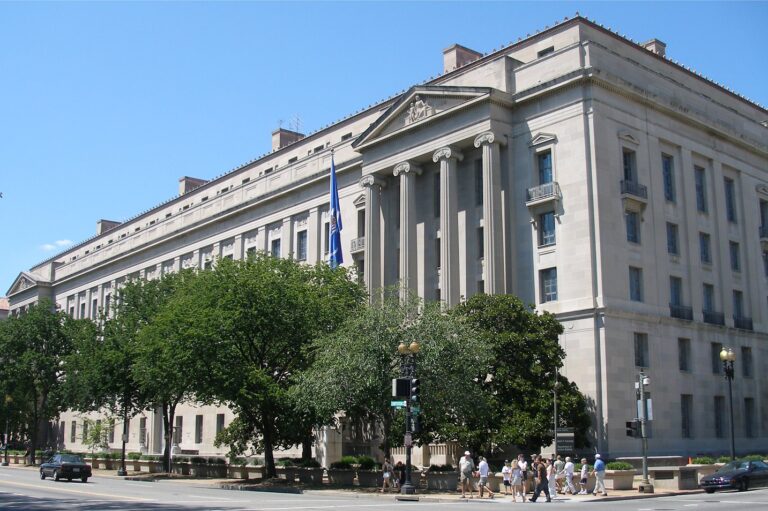
Why DOJ Hides Epstein Co-Conspirators’ Names

0

Key Takeaways

• The Department of Justice redacted Epstein co-conspirators’ names in new documents.
• Reporter Julie K. Brown shared a heavily blacked-out 2019 FBI email.
• Redactions aim to protect victims and preserve ongoing probes.
• The Epstein Files Transparency Act allows these protective edits.
• Critics worry hidden names shield powerful figures from scrutiny.

Understanding Epstein co-conspirators Redactions

In July 2019, FBI agents exchanged an email labeled “Co-conspirators.” Yet, the message makes no clear mention of who these people are. Instead, the Department of Justice covered every name with thick black bars. Reporter Julie K. Brown revealed this email after the DOJ released new documents. Now, many wonder why those names remain secret.

Email Reveals Redacted Epstein co-conspirators

An FBI agent in New York asked, “When you get a chance can you give me an update on the status of the 10 co-conspirators?” That line appears on the newly released screen. However, neither the sender nor the recipients show their names. The body of the email simply reads:
“Contact was made with [redacted], [redacted] and [redacted].”
It also notes attempts to reach Jean-Luc Brunel, a known Epstein co-conspirator who later died in a French prison. Outside experts see this email as proof the DOJ pursued multiple suspects beyond Jeffrey Epstein.

Why DOJ Redacted Epstein co-conspirators’ Names

The Epstein Files Transparency Act, passed late in 2022, forces the DOJ to publish many files from the Epstein case. However, it also lets them hide certain details. The law allows redactions to protect victims’ privacy. It also ensures that ongoing investigations do not collapse if a suspect’s name becomes public too soon. In short, the DOJ uses these rules to shield both victims and active probes.

Yet, critics find fault in these broad redactions. Former President Trump complained about pictures of “highly respected” people with Epstein. He said those images could “ruin a reputation.” Some legal experts worry that the DOJ could use the transparency law as cover to keep powerful names hidden indefinitely.

What This Means for the Epstein Investigation

First, the redacted email shows investigators tracked more people connected to Epstein. They followed leads on at least ten co-conspirators. This effort could mean more arrests are possible.

Second, the heavy black bars highlight a tension between openness and secrecy. On one hand, transparency builds trust in public institutions. On the other hand, protecting victims and evidence remains vital. If law enforcement shares too much too soon, witnesses may fear coming forward.

Finally, the debate over these redactions could shape future laws about public records. If Congress hears that the DOJ misused its powers, lawmakers might strengthen or weaken the rules. In any case, the names of those Epstein co-conspirators may surface if legal pressure forces the DOJ to lift the redactions.

Questions People Ask

Why did the DOJ redact Epstein co-conspirators’ names?

The law allows the DOJ to hide names to protect victims and keep active investigations safe.

Could the redacted names include high-profile figures?

It’s possible. Some observers believe the hidden names might tie to prominent people who mingled with Epstein.

Will the DOJ ever reveal the hidden names?

The names could emerge if a court orders the DOJ to unredact them or if the investigation concludes.

How does the Epstein Files Transparency Act affect this case?

The act mandates document releases but also grants the DOJ leeway to make redactions in sensitive cases.

JD Vance’s Navy SEAL Training Sparks Online Mockery

0

Key Takeaways

  • JD Vance completed a 90-minute Navy SEAL training session and shared photos online.
  • Journalist Edith Olmsted called the exercise a “cosplaying adventure.”
  • Vance poked fun at himself by posting a meme edit of his log-carrying photo.
  • Critics say the stunt won’t win over MAGA supporters or boost slipping poll numbers.
  • Recent surveys show Vance’s support among Republicans has dropped from 54.6% to under 47%.

JD Vance Joins Navy SEAL Training and Faces Jokes

JD Vance stirred chatter after he bragged online about joining a Navy SEAL workout. He said he spent 90 minutes at Base Coronado in California doing SEAL drills. Immediately, he promised to post photos. However, skeptics saw it as a bid for attention rather than real skill building.

Why JD Vance Shared SEAL Training Photos

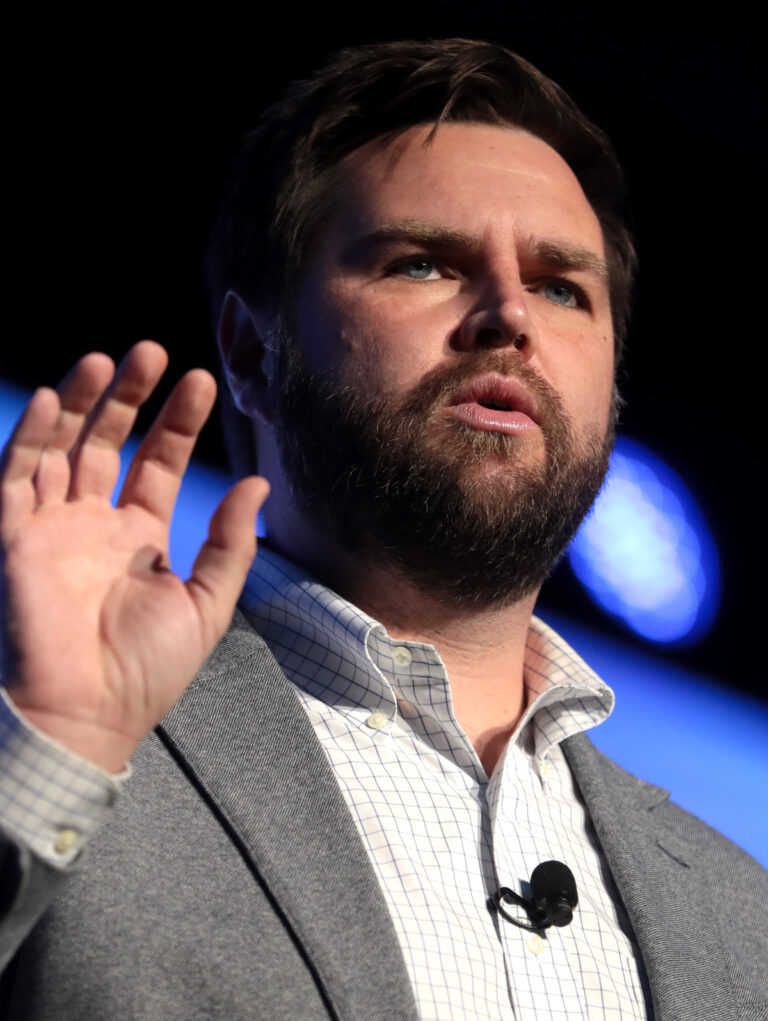
First, JD Vance used social media to show off his workout with elite troops. Next, he hinted at a link to a friend’s endorsement or slipping polls. Then, he teased followers: “I’ll post some photos when I get them.” In the end, he delivered. He shared seven snaps of himself running, carrying a heavy log, and climbing a cargo net.

JD Vance’s SEAL Experience Unfolds

In the first image, Vance jogs in workout gear across a sandy area. In another, he hoists a thick log on his shoulders. Later, he scales a cargo net that towers several feet high. Each photo shows him sweating under the sun. He wears a serious look, but the scene felt staged to critics.

Social Media Reaction

Almost immediately, users flooded comments with jokes and memes. Many mocked his running form and log lift. One fan even created a meme version with Vance’s face swapped for a popular “Chad” character. JD Vance later reposted that edited photo, captioning it “Fixed it.” This show of humor did little to calm skeptics.

Critics Weigh In

Journalist Edith Olmsted slammed the event as a “recent cosplaying adventure.” She suggested the timing had more to do with politics than genuine training. According to her, Vance might hope to woo the “manosphere” or shore up his MAGA support. However, Olmsted argued that dressing up as a SEAL won’t make him a real war hero.

Poll Numbers and Political Impact

Meanwhile, poll data revealed trouble for Vance. A recent survey showed less than 47 percent of Republicans named him their first choice. That’s down from 54.6 percent in September. In addition, some GOP voters called the SEAL session a stunt. They worry his focus on showy events could harm real campaign work.

How the Stunt Shapes Vance’s Image

Moreover, JD Vance’s attempt to appear tough may backfire. On one hand, he gains attention and media coverage. On the other, he risks looking insecure or desperate. Furthermore, critics say real leadership comes from policy plans, not military cosplay. In effect, he might alienate moderate voters who want serious discussion on key issues.

Will Vance’s SEAL Photos Change Minds?

Ultimately, a few photos can’t erase doubts about a candidate’s platform. While the Navy SEAL drill grabbed headlines, it didn’t boost his poll numbers. Also, many voters remain focused on inflation, healthcare, and foreign policy. As a result, Vance must do more than post photos to win hearts.

Final Thoughts on JD Vance’s Stunt

In the end, JD Vance’s SEAL training session was a bold move. It showed he’s willing to step outside his comfort zone. Yet, critics say it reads as a calculated PR stunt. For now, polls will tell if the gambit pays off. Most likely, voters will judge him on more than just a short workout.

Frequently Asked Questions

What exactly did JD Vance do with the Navy SEALs?

He took part in a 90-minute training session that included jogging, heavy log carrying, and climbing a cargo net.

Why did Edith Olmsted call it a “cosplaying adventure”?

She argued that Vance’s SEAL session was a staged stunt meant to boost his image, not genuine military training.

Did the SEAL photos help Vance’s poll numbers?

No. His support among Republicans dropped from 54.6 percent to under 47 percent after the photos circulated.

How did people react to Vance’s meme repost?

Social media users both mocked and praised his humor. Some saw it as self-aware, others viewed it as another attempt at attention.

New Files Reveal DOJ Misled on Vindictive Prosecution

0

Key Takeaways

• Newly released court files show the Justice Department misled a judge in the Abrego case
• Evidence ties Deputy Attorney General Blanche’s office to decisions on charges
• Kilmar Abrego Garcia was wrongfully deported and later hit with new gang-related counts
• Defense calls the new charges “vindictive prosecution” and seeks dismissal
• A judge’s sealed ruling may confirm political motives behind the case

Vindictive Prosecution Claims Grow in Abrego Case

Kilmar Abrego Garcia spent years building a life with his family in Maryland. However, early this year he was illegally sent back to a notorious Salvadoran prison. A judge had specifically barred his deportation to that country. After months of protest, the government brought him back. Yet they immediately filed gang-related charges against him. Now his lawyers argue those charges are an example of vindictive prosecution.

Background of the Abrego Case

First, Abrego lived peacefully for years in the United States. He worked, paid taxes, and raised a family. Then he faced deportation despite a court order blocking removal to El Salvador. The case drew public outcry. Finally, the administration returned him to the U.S. without dropping the original deportation order. Instead, prosecutors added new charges. Today, Abrego’s team argues those charges are unfair and driven by politics.

What the New Files Show

Recently, defense lawyers found a redacting error in a sealed court filing. This mistake revealed Judge Crenshaw’s private decision from December. It confirmed that Aakash Singh, a key deputy under Deputy Attorney General Blanche, helped lead the decision to prosecute Abrego. Until now, the government claimed only the local U.S. Attorney made the call. Instead, the files show the Justice Department’s top ranks took part.

Moreover, emails released this week suggest Blanche’s office drove the case from the start. The U.S. Attorney, McGuire, had told the court he acted alone and without any political motive. However, the newly released messages say otherwise. In fact, they document back-and-forth discussions between Blanche’s staff and McGuire’s office.

Vindictive Prosecution Evidence Uncovered

In legal terms, vindictive prosecution happens when officials add charges simply to punish someone. Here, Abrego’s team says prosecutors waited until he returned to U.S. soil. Then, they slapped him with more serious charges. They argue this move was meant to penalize him for challenging his deportation. As a result, the case stands as a key test of whether courts will block such tactics.

Judge Crenshaw’s sealed ruling might also explain why a local prosecutor quit rather than handle the case. The judge appears to have found the Justice Department’s actions troubling. Now, the defense wants to use that ruling to drop the new counts. If a court agrees that vindictive prosecution took place, Abrego’s charges could fall.

Why Vindictive Prosecution Matters

Vindictive prosecution undermines trust in the justice system. It can punish people without real evidence. Instead, officials might add charges just to make an example. In Abrego’s case, critics say political leaders wanted revenge for his fight against illegal deportation.

Therefore, proving vindictive prosecution is vital. If courts reject such claims, officials could keep using harsh tactics. Yet if judges step in, they send a clear message: no one stands above fair play. As a result, this case could shape rules on how prosecutors handle politically sensitive deportation fights.

Reactions and Next Steps

Aaron Reichlin-Melnick, a legal expert, pointed out how serious this error looks for the Justice Department. He argues the files strengthen Abrego’s bid to dismiss the charges. Meanwhile, the administration has yet to publicly explain the new disclosures.

Next, Abrego’s lawyers will ask Judge Crenshaw to review the unredacted ruling. They will push hard to remove all the gang-related counts. If the judge agrees that prosecutors acted vindictively, the case could collapse. Otherwise, Abrego faces trial on charges he says were meant as political payback.

What Happens If Charges Are Dropped

If a court finds vindictive prosecution, Abrego’s new charges will likely end. Moreover, such a ruling would raise questions about other cases where politics may have tainted decisions. On the other hand, if the judge rejects the argument, Abrego would face trial. He would then need to prove in court that he did not join a gang as charged. In either scenario, the case will shape future deportation fights and prosecutorial conduct.

Conclusion

The newly revealed files expose a tug-of-war between immigration rights and political power. For Abrego, vindictive prosecution claims could free him from harsh charges. At the same time, the justice system faces a test: will it police its own leaders when they overreach? As the legal drama unfolds, all eyes remain on Judge Crenshaw’s next move.

FAQs

What is vindictive prosecution?

Vindictive prosecution happens when prosecutors add or increase charges mainly to punish someone for past legal actions, rather than for new evidence.

Why does this case matter?

This case could set a precedent on whether courts will stop officials from using criminal charges as political revenge.

Who is Deputy Attorney General Blanche?

Deputy Attorney General Blanche is a high-ranking Justice Department official whose office is now tied to decisions in the Abrego case.

What could happen next?

Abrego’s lawyers will seek to have the new charges dropped. A judge’s decision on vindictive prosecution will decide his fate.

GOP Islamophobia on the Rise

0

Key Takeaways

  • An analyst warns about rising Islamophobia in the Republican Party.
  • Rep. Randy Fine and Sen. Tommy Tuberville push anti-Muslim claims.
  • Some GOP members propose stripping citizenship and deporting Muslims.
  • Muslim voters in Florida and beyond could influence future elections.
  • Experts say this hate speech could hurt the party’s reputation and unity.

An analyst recently called out a worrying trend: rising Islamophobia in the Republican Party. Over the past months, several GOP lawmakers have made harsh statements against Muslims. This shift echoes past attempts to ban Muslim visitors. Yet, today’s rhetoric goes further, even questioning full citizenship rights for Muslims.

What Fuels GOP Islamophobia

First, some leaders argue that mainstream Islam poses a threat to America. Rep. Randy Fine of Florida said on national TV, “Mainstream Islam is a threat to the United States.” Meanwhile, Sen. Tommy Tuberville from Alabama labeled Islam “a cult” and claimed its followers want to conquer the country.

Moreover, this hostility shows up in actions. Fine has hinted at a resolution to remove Rep. Ilhan Omar from Congress in 2026. He told reporters, “I don’t think she should be a citizen, let alone a member of Congress.” Such talk marks a new low in public debate, fueling Islamophobia at the highest levels.

How Lawmakers Lead the Islamophobia Wave

Rep. Randy Fine

• Posts the word “Muslim” over 50 times on social media since November.
• Promotes his cable news interviews denouncing Islam.
• Plans to strip citizenship from a sitting Congress member.

Sen. Tommy Tuberville

• Calls Islam a “cult” on the Senate floor.
• Claims Muslim Americans want to overpower U.S. laws.
• Considers a run for governor with anti-Muslim messaging.

These elected officials use Islamophobia to rally a base. They frame themselves as patriots defending the nation. However, this fear-driven approach risks dividing communities and ignoring real challenges.

Impact on Muslim Communities and Voters

In Florida’s Sixth District, where Fine serves, a large Muslim population votes. Randa Fahmy, a former Bush administration official, says Fine’s remarks could backfire. She notes that Muslims in his district have voted for both Bush and Trump. “If I were him, I’d worry about saying what he says,” she added.

Furthermore, Muslim Americans form a growing voting bloc in key states. Their turnout could decide tight races. As a result, candidates who embrace Islamophobia may face stronger opposition at the polls.

Broader Consequences for the GOP

First, rising Islamophobia can alienate moderate voters. People who value fairness and inclusion may turn away from a party seen as hateful. Second, it risks legal challenges. Denying citizenship or deporting Muslims would clash with the Constitution. Therefore, these proposals may never survive court review.

Additionally, it undermines U.S. standing abroad. America often criticizes nations for religious persecution. Yet, harsh anti-Muslim rhetoric at home weakens those diplomatic efforts. Consequently, the nation’s moral authority takes a hit.

Voices Against the Hate

Not all Republicans support this wave of hate. Some party members condemn Islamophobia and call for unity. They stress that faith and politics can coexist without fear. They point out that Muslim Americans serve in all branches of government. They also remind colleagues that diversity fuels American strength.

Moreover, civil rights groups and interfaith coalitions speak out. They organize rallies, write letters, and meet with lawmakers. Their goal is to push back on hateful speech and defend Muslim rights. Through education and dialogue, they aim to reduce fear and build trust.

Moving Forward: What Can Change?

First, voters can hold elected officials accountable. They can ask candidates to pledge against religious bigotry. They can support leaders who promote inclusion over fear. Second, communities can foster interfaith events. By building personal ties, people learn that Muslims share common hopes and fears.

Third, media literacy can help. Teaching young people to spot hate speech online reduces its impact. Finally, party leaders can set clear rules. They can declare that Islamophobia has no place in their platform. By enforcing civil discourse, they protect America’s promise of religious freedom.

Ultimately, fighting Islamophobia takes all of us. When fear wins, hate speech spreads. Yet, through action and unity, we can turn the tide. America’s strength lies in its diversity. It thrives when every citizen, regardless of faith, feels safe and valued.

Frequently Asked Questions

What is Islamophobia?

Islamophobia means fear or hatred of Muslims. It can involve negative speech, discrimination, or violence against people who follow Islam.

Why do some GOP leaders push anti-Muslim ideas?

Some use fear to gain political support. They claim Islam threatens U.S. security or culture. This approach can rally certain voters.

How might rising Islamophobia affect elections?

It could motivate Muslim and moderate voters to turn out in strong numbers. Candidates who avoid hate may win key districts and swing states.

What can communities do to fight Islamophobia?

They can host interfaith events, promote education, and support policies that protect religious freedom. Strong relationships across differences build trust.

Fake Epstein Letter Claims Trump Favored Young Girls?

Key Takeaways

• The Department of Justice says a letter from Jeffrey Epstein to Larry Nassar is fake
• The alleged note claimed President Trump liked “young” girls
• FBI analysis found the handwriting did not match Epstein’s
• Released documents may not always hold true allegations

Inside the Fake Epstein Letter

A bundle of newly released court papers sparked a furor this week. Among them, a note between two notorious offenders grabbed headlines. At first glance, the message seemed to link former President Trump to a disturbing preference. However, officials quickly called this a fake Epstein letter. Below, we explain how the story unfolded and why it matters.

The Mystery of the Fake Epstein Letter

First, let’s set the scene. The Justice Department shared thousands of pages tied to a high-profile case. Then, someone noticed a note from Jeffrey Epstein to Larry Nassar. The letter hinted that Trump enjoyed the company of underage girls. Naturally, the claim caused outrage. Yet, the agency dug deeper. It found strong signs the note was forged.

Why the Department of Justice Flagged the Letter

Next, the Justice Department sprang into action. Agents alerted the FBI once the note reached the prison mailroom. Officials said the letter arrived alongside valid legal mail. Still, they had doubts. As a result, the FBI began a handwriting study. Within hours, agents declared this a fake Epstein letter. The agency stressed that a release does not equal truth.

What the Fake Epstein Letter Said

In the alleged note, Epstein wrote that he had “taken the short route home.” He also mentioned shared devotion to helping “young ladies.” Most shockingly, he implied Trump shared the same wish. He wrote that their bond included “love and caring for young ladies.” Given Epstein’s dark past, the line set off alarms. Yet, it never made it past correctional officers.

Investigating the Fake Epstein Letter

Then came the key step: handwriting analysis. Forensic experts compared the note to Epstein’s genuine letters. They looked at letter shape, slant, spacing, and pressure patterns. Each detail failed to match. Consequently, experts deemed the message a forgery. They pointed out inconsistent loops and odd stroke endings. In their words, the writing does not appear to match Jeffrey Epstein’s.

Impact on Trump and Public Trust

Meanwhile, the story rippled through media outlets. Some early reports treated the note as fact. Yet, once labeled a fake Epstein letter, many outlets updated their stories. Still, skeptics ask why it reached the public at all. In response, the DOJ reminded everyone that document dumps can include errors. Indeed, not every claim within a court file is checked first. Therefore, readers need caution and critical thought.

Why Documents Can Mislead

In addition, legal filings often carry unvetted statements. Lawyers may attach hearsay or raw tips. Courts then order these papers made public. Still, judges do not fact-check each line. Thus, sensational claims may slip through. As a result, a note might accuse powerful figures of wrongdoing. However, the claim could lack evidence. This fake Epstein letter is a perfect example.

Lessons for Readers and Reporters

First, always ask: Has the claim been verified? Next, look for official statements. Then, check if experts back the evidence. In this case, the FBI’s reversal stopped the rumor. Finally, treat every court document as a starting point, not a conclusion.

Reactions and Ongoing Questions

Some people wonder why someone faked the note. Was it to smear Trump, distract from real files, or test the system? Others point to past reports of Trump’s odd comments about young women. Yet, none of those claims came via handwritten notes in prison. Still, the timing and content fueled a media frenzy. Now, the DOJ insists it will keep releasing materials it must by law. Meanwhile, they’ll vet incoming mail more closely.

Responding to False Claims

When unverified claims go public, they spread fast. Social media users often share sensational lines without checking sources. Then, fact-checkers scramble to set the record straight. In this case, the FBI’s quick move helped curb the rumor’s reach. But some damage may remain. After all, once people hear a shocking claim, it can stick in their minds. That is why speedy clarification is vital.

The Future of Document Releases

Looking ahead, the DOJ must balance transparency and accuracy. On one hand, the public has a right to see case files. On the other, raw materials can mislead. Therefore, agencies might add disclaimers up front. Such notes would state that content has not been verified. Also, media outlets may refine how they cover mass releases. They could wait for official confirmation before reporting hot items.

Conclusion

In summary, the fake Epstein letter episode shows the risks of unvetted documents. Even high-profile releases can carry fictions. Fortunately, the DOJ and FBI moved fast to debunk the claim. Still, it reminds us to pause and verify before spreading shocking news.

FAQs

How did the FBI decide the note was fake?

Forensic experts compared writing samples. They found mismatched loops, strokes, and spacing. These differences proved it was a forgery.

Why did the DOJ release unverified documents?

Court rules require public access to filings. Judges do not fact-check every statement before release.

What did the fake Epstein letter claim about Trump?

It suggested Trump preferred “young” ladies and shared that interest with Epstein. The claim proved baseless.

Can we trust all leaked or released legal materials?

No. Some claims remain unverified. Always seek official confirmations and expert analysis.

Ohio’s New Law Threatens Voting Rights: What You Need to Know

Key Takeaways

• Ohio’s governor signed Senate Bill 293 into law amid strong criticism.
• The new law removes the four-day grace period for mail ballots.
• It adds strict proof-of-citizenship rules and bans drop boxes.
• Online voter registration and registration drives now face big hurdles.
• Critics warn these changes will hurt voting rights across Ohio.

Ohio Voting Rights Under Attack

Ohio’s new law changes many voting rules. It will make it harder for some people to cast a ballot. Supporters say this protects election security. However, opponents call it a voter suppression measure. The battle over voting rights is heating up as Ohio prepares for the 2026 midterms.

What Changed in Senate Bill 293

Senate Bill 293 raced through the state legislature with only one public hearing. Then Gov. Mike DeWine signed it into law. The measure rewrites rules on mail voting, registration, provisional ballots and citizen petitions. Most of the new limits take effect in 2026.

How the Law Changes Voting Rights and Ballots

The law removes the four-day grace period for mail ballots. Previously, ballots postmarked by Election Day but arriving up to four days later still counted. Now any ballot arriving after Election Day will be tossed out. This change could cost voters their voice if the postal service delays their mail.

Moreover, the new law forces people to prove citizenship with official documents. Voters must show a birth certificate, U.S. passport or naturalization papers. Millions of Ohioans do not have these on hand. As a result, many valid citizens could lose their voting rights for lack of paperwork.

Also, the law bans all drop boxes for absentee ballots. Drop boxes made it easy and secure for some to return ballots without relying on the mail. Without them, voters must mail ballots or deliver them in person to a board of elections.

In addition, online voter registration goes away. Citizens can no longer register through the state’s website. Local registration drives face strict rules and fees. This will make it harder for groups to help people sign up to vote.

Finally, the law expands provisional voting and mass voter purges. Minor errors on a registration form can lead to provisional ballots that may never count. Boards of elections must remove voters more often based on address changes or other data. Critics say this risks large-scale disenfranchisement.

Why Critics Call It Voter Suppression

Critics argue the law targets groups that lean Democratic. Young people, people of color, low-income voters and women are most at risk. These groups often use mail-in voting and drop boxes more. Therefore, they could lose the chance to have their votes counted.

Furthermore, the law combines parts of another stalled anti-voter bill. Lawmakers slipped in rules that would also make citizen petitions harder. They hiked filing fees and added burdensome steps for grassroots campaigns. This move could stifle direct democracy in Ohio.

Critics point out that Ohio’s elections were once called a “gold standard.” The state ran smooth, secure elections and counted ballots accurately. However, lawmakers now ignore data showing low fraud and high public trust in mail voting. Instead, they choose new hurdles over evidence.

How the Law Could Affect Ohioans

If your absentee ballot arrives one minute after polls close, it won’t count. If you lack a passport or birth certificate, you cannot update your registration. If you make a small typo on a form, your ballot may go provisional. As a result, fewer people might dare to vote.

Moreover, community groups that once registered thousands of new voters will struggle. They need to follow new proof-of-citizenship rules and pay extra fees. Therefore, those who rely on help will face more barriers.

Finally, the ban on drop boxes could create long lines at election offices. Busy voters without reliable mail service may give up trying to vote. This change could especially hurt rural areas and neighborhoods with limited public transit.

What Comes Next for Ohio Voting Rights

Opponents of the law are already planning to file lawsuits. They argue the law violates state and federal rights to vote. Meanwhile, the governor says he signed it to avoid chaos if the U.S. Supreme Court rules on late-arriving ballots.

However, some believe he caved to pressure from national figures rather than defend Ohio’s system. Voters and advocacy groups vow to keep fighting for fair access. They hope courts or future lawmakers will roll back these restrictions.

In the meantime, Ohioans should know the new rules before the 2026 election. Check your registration status early. Request your absentee ballot in time to meet stricter deadlines. And prepare to show proper proof of citizenship if you update your info.

Conclusion

Senate Bill 293 reshapes Ohio’s voting rights landscape. What once allowed a four-day grace period now demands ballots arrive by Election Day. What once welcomed online registration now relies only on paper forms. These changes may seem small to some. Yet, for many Ohioans, they could decide whether their vote counts at all.

The fight over voting rights in Ohio highlights a broader national debate. Election security must balance access and fairness. When new laws impose barriers based on unproven claims, they risk silencing voices. As the next election approaches, Ohio voters will need to navigate these hurdles to make sure their voices are heard.

Frequently Asked Questions

How can I register to vote under the new law?

You must complete a paper form and mail or deliver it in person. Online registration is no longer available. If you update your registration, you’ll need to prove citizenship with an official document.

What happens if my mail ballot arrives late?

Under the new rules, any absentee ballot received after Election Day is invalid. Be sure to send or drop off your ballot early enough to beat postal or mail delays.

Do I need to provide proof of citizenship now?

Yes. If you register for the first time or update your information, you must show a birth certificate, U.S. passport, naturalization papers or similar document. Without this, your registration may not count.

Are there any efforts to challenge the law?

Yes. Voting rights groups and civil rights lawyers are preparing lawsuits. They argue the law violates state and federal election protections. The courts will decide if parts of the law can be blocked or overturned.

Trump’s Surprising Move on Semiconductor Tariffs

0

Key Takeaways

  • President Trump decided not to raise semiconductor tariffs on China for now.
  • China leads in making chips, which could hurt U.S. tech firms.
  • Trump’s move follows earlier tariff battles that upset American farmers.
  • Experts worry this pause might weaken U.S. power in future tech races.
  • The path forward for U.S.-China trade remains uncertain and tense.

Trump’s Pause on Semiconductor Tariffs

President Trump shocked many by choosing not to boost semiconductor tariffs on China. His team said it would wait at least 18 months before adding new fees. However, China still dominates chip production. As a result, U.S. tech companies might fall behind.

Why Semiconductor Tariffs Matter

Semiconductor tariffs shape how fast America can lead in AI, phones, cars, and more. Chips power our computers, phones, and cars. Therefore, if China keeps making more chips cheaply, U.S. firms could lose big deals. Moreover, without higher tariffs, China faces less cost pressure to share its tech secrets.

How This Move Affects American Businesses

American chip designers and tech firms worry they will pay the price. For example, smaller U.S. chip startups may struggle to compete with China’s giant factories. Furthermore, some farmers who backed Trump felt the pain when China stopped buying their soybeans. Now, tech leaders fear a repeat of that backlash.

Tense History of U.S.-China Trade

First, Trump slapped tariffs on a range of Chinese goods earlier this year. Then, China responded by cutting soy purchases from U.S. farmers. This fight hit rural communities hard. Finally, both sides agreed to lower a few rates. Yet, trust remains low.

As a result, traders and farmers watched for signs of a new tariff spurt. Instead, Trump chose to “punt” on semiconductor tariffs. He left the decision for later, even though experts warn that delay could cost the U.S. its lead in key tech fields.

The Future of Semiconductor Tariffs

Experts say global chip shortages taught everyone a lesson. Without strong U.S. production, we rely too much on China and Taiwan. Therefore, boosting domestic manufacturing seems vital. However, higher semiconductor tariffs risk raising prices on phones and cars for American shoppers.

Sara Schuman, a former trade official, said the administration aims to target all big chip players, not just China. She noted that by holding off on new tariffs, Trump can claim to be fair. Yet, critics argue that fairness costs U.S. firms market edge.

Key Risks of Delaying Action

First, China may keep growing its share of global chip output. Second, U.S. innovation could slow without strong trade barriers. Third, American workers in chip factories might see fewer jobs as investments shift abroad.

On the other hand, some argue that too many tariffs only drive China to work harder on self-reliance. They point out that China has poured billions into building its own fab plants. Consequently, extra U.S. tariffs might push Chinese leaders to hit back even harder in other areas.

A Balancing Act in Trade Policy

Trump is trying to walk a tightrope. He wants to show toughness on China, while also helping U.S. businesses that rely on imported chips. Likewise, he must avoid repeating the backlash from farmers when China cut off soy purchases.

In simple terms, Trump’s team is saying: “We’ll give the global market a chance. Then, if China keeps taking over chip making, we’ll hit them with higher semiconductor tariffs.” This strategy hopes to buy time for U.S. chip factories to ramp up.

How American Tech Firms Respond

Several leading tech companies have asked for clearer rules. They want to know if and when the new semiconductor tariffs will arrive. Without clarity, they cannot plan big investments in new plants or research labs.

Moreover, smaller companies feel left out. They note that large firms can handle price hikes, but startups need stable costs to innovate. If semiconductor tariffs rise suddenly, many could fold.

Possible Next Steps in Trade Talks

First, the White House could set benchmarks. For instance, if China builds X number of new chip plants by a certain date, tariffs stay low. If not, they go up. Second, the U.S. could join allies like Japan and South Korea in a chip alliance. That way, China feels more isolated.

However, adding allies adds complexity. Each partner has its own goals and worries about trade barriers. Therefore, reaching a unified front may take months or years.

What Comes Next for U.S.-China Relations

At its core, this fight is about more than chips. It’s about global leadership in tech, jobs, and security. If the U.S. loses its edge in semiconductors, future tools like autonomous cars and advanced AI could rely on Chinese-made chips.

On the flip side, high tariffs risk slowing down innovation. American companies might delay new products if their chip costs spike. Therefore, the U.S. must balance protection with growth.

In the end, Trump’s pause on semiconductor tariffs highlights a deeper truth: trade wars have real costs. They can unite allies or split markets. They can also reshape global tech landscapes for decades.

Frequently Asked Questions

What are semiconductor tariffs?

Semiconductor tariffs are extra taxes placed on chips imported from another country. They raise prices to protect local makers.

Why did Trump delay higher semiconductor tariffs?

He wants to give U.S. and global markets time to adjust. Also, he aims to avoid sudden price hikes that hurt American buyers.

Could delaying tariffs hurt U.S. tech leadership?

Yes. If China keeps growing its chip production without added costs, U.S. firms may lose ground in AI and other tech fields.

How might this move affect prices for consumers?

If tariffs rise later, prices for phones, cars, and gadgets could jump. However, keeping tariffs low now helps keep these items more affordable.

Court Blocks National Guard in Illinois

0

Key Takeaways

  • The Supreme Court ruled that the government lacks power to federalize the National Guard in Illinois.
  • Three justices dissented in a rare split decision.
  • The ruling blocks Guard deployment at the Broadview ICE detention center.
  • It could affect troop deployments in other cities.

On Tuesday, the Supreme Court dealt a setback to the Trump administration by stopping a plan to send the National Guard to Illinois. At this early legal stage, the court said the administration could not identify a clear law that lets the military enforce state rules. This decision raises fresh questions about how far the federal government can go.

The Supreme Court Decision Explained

In its unsigned order, the court noted the administration “failed to identify a source of authority” for using the National Guard in Illinois. The ruling pointed out that the Guard can usually serve under state control, but federalizing it carries different rules. Therefore, the court paused the deployment until the legal questions get settled in lower courts.

Three Justices Dissent

Justices Alito, Thomas, and Gorsuch strongly disagreed with the majority. They argued the administration has authority to use federal troops when needed. Their dissent highlights deep disagreement about dividing power between states and the federal government. However, the dissent did not stop the order from taking effect.

Why the National Guard Order Came Up

Last month, the president ordered Guard troops to help secure ICE agents near a detention center in Broadview. The goal was to protect agents enforcing immigration laws. Yet critics said this step bypassed state rights and the usual chain of command for the Guard. Now, the Supreme Court has put that plan on hold.

Impact on ICE Operations

With this ruling, the Guard cannot deploy at the Broadview ICE detention center. ICE must rely on local police or its own officers for security. This shift could slow down some operations until lower courts weigh in. It also sets a boundary on using military forces to back up immigration agents.

Possible Effects in Other Cities

Moreover, lawyers challenging similar orders in other cities now have this ruling to cite. They can argue the federal government again lacks clear authority. Therefore, cities like Detroit or New Orleans may see new legal battles. This decision may ripple across the nation as more cases move forward.

How Lower Courts May React

Once a case returns to a lower court, judges will review legal documents and hear arguments. They will decide if the administration really showed proper authority under federal law. Depending on that outcome, the Supreme Court might step in again. This process could drag on for months or years.

Why This Matters for Federal Power

This ruling shines a spotlight on limits of presidential power. It shows that even in tense security matters, the courts demand clear legal backing. When the government wants the military to act inside a state, it must point to a specific law or constitutional rule. Otherwise, judges may block it.

Reactions Around the Country

Legal experts said this decision marks a rare check on the Trump administration by the Supreme Court. Some state officials welcomed the ruling as a victory for state sovereignty. Meanwhile, immigration advocates said they fear disruptions in enforcement. Both sides are watching closely to see what comes next.

What Comes Next

Now, the case will head back to district court for more hearings. The administration can still offer new legal reasons. Opponents will push back by citing the Supreme Court’s warning. If lower courts disagree, the issue may return to the high court for a final word.

Looking Ahead for National Guard Use

In the months ahead, officials must think twice before sending the National Guard under federal orders. They may turn to new laws or ask Congress to pass clearer rules. Otherwise, they risk facing more legal defeats at the high court. This case may trigger broader debates on military roles at home.

Conclusion

The Supreme Court’s decision to block the National Guard in Illinois signals fresh limits on federal reach. It underscores the need for clear legal authority whenever the military enforces the law inside a state. As the case moves through lower courts, it may define how and when the Guard can serve under federal control.

FAQs

What does this ruling mean for future troop deployments?

This decision shows the Supreme Court expects clear legal backing when the National Guard acts inside a state. Future deployments will likely face similar scrutiny unless Congress spells out authority.

Could other states challenge Guard deployments now?

Yes. States and cities can use this ruling to argue the federal government lacks power. Similar cases may emerge in courts across the country.

What happens if lower courts disagree with this order?

If lower courts side with the administration, the case could return to the Supreme Court. The high court may then issue a more detailed ruling on federal power.

How might Congress respond to this decision?

Congress could draft new laws clarifying when the National Guard can serve under federal orders. Lawmakers may hold hearings to address concerns about military roles in civilian settings.

Why DOJ Failed on Epstein Files

0


Key Takeaways:

  • A top strategist says the Justice Department never took Epstein’s case seriously.
  • Critics point to hundreds of victims and almost zero accountability.
  • Newly released Epstein files include a letter hinting at Trump’s link.
  • Advocates call for more transparency and justice for survivors.

DOJ Criticism over Epstein Files

A Democratic strategist slammed the Department of Justice for dropping the ball on the Epstein files. Mike Nellis called out the DOJ on social media. He said that under several presidents, the agency ignored hundreds of documented victims. He argued that not holding anyone accountable is outrageous. He called it a devastating failure of the rule of law.

In his post, Nellis stressed that Trump or other leaders cannot hide from this failure. He wrote that the FBI and prosecutors never took the case seriously. Moreover, he said the lack of charges shows a broken system. Thus, advocates and survivors feel betrayed and demand action.

Handwriting Analysis in Epstein Files

Recently, the DOJ released a batch of Epstein files. Among them was a request for handwriting analysis of a letter. The letter, dated August 13, 2019, arrived three days after Epstein died. It went to Larry Nassar, the disgraced former gymnastics doctor. In it, Epstein allegedly claimed that Donald Trump shared his “love of young, nubile girls.”

However, the letter was never delivered. Officials marked it “return to sender” and asked an expert to verify the handwriting. This request now appears among the newly released records. Yet, the DOJ still has not confirmed who wrote that letter. As a result, people question why such a critical file took so long to see the light of day.

The Scope of Epstein’s Crimes

Jeffrey Epstein ran an extensive sex trafficking network for over a decade. He recruited underage girls from vulnerable backgrounds. He used his wealth and status to lure victims with promises of money or jobs. Then he groomed and abused them at his mansion, his Palm Beach home, and his private island. He often enlisted accomplices like Ghislaine Maxwell to help him.

Despite clear evidence of dozens of victims, Epstein largely evaded justice for years. He once did a plea deal in Florida that let him avoid serious prison time. Even then, his network remained intact. Prosecutors only charged him federally in 2019 after new evidence surfaced. Sadly, he died in jail days later, ending any chance of a full trial.

Survivors have waited for justice ever since. They faced public shame and legal hurdles. Many rallies and lawsuits followed, but the core players stayed free. Now, advocates want the newly released files to shed light on possible accomplices and enablers.

Why These Epstein Files Matter

These Epstein files matter for many reasons. First, they could expose new names or links to powerful figures. Second, they help survivors see how the system treated their claims. Third, they show the DOJ’s priorities and how politics may have interfered. Last, they serve as a warning that the rule of law must apply to everyone.

Furthermore, public trust in law enforcement depends on transparency. When high-profile cases stay sealed or delayed, people lose faith. In turn, they think justice only applies to the wealthy or well connected. By releasing these files, the DOJ can begin to rebuild trust.

Moreover, uncovering the full story may bring healing to survivors. They deserve answers about what happened and why. Also, they need to know who protected Epstein and profited from his crimes. So far, much of this remains hidden in the Epstein files.

What Comes Next

Many hope this release marks a new chapter of openness. First, experts will review the files for clues about Epstein’s network. Next, survivors’ lawyers will look for evidence to support more lawsuits. Then, Congress may hold hearings on the DOJ’s failures. Finally, prosecutors could open fresh investigations into people named in the files.

Still, it will take time. Handwriting experts must finish their work. Prosecutors need solid evidence to charge anyone. Yet, advocates say this is only the start. They demand regular updates and full cooperation from the DOJ. Only then will survivors feel that justice might finally arrive.

In addition, the public can pressure officials to move faster. Social media posts and petitions can keep the spotlight on this case. Meanwhile, watchdog groups will continue to file requests for more documents. As a result, we may see more revelations in the coming months.

For now, the Epstein files raise serious questions. How deep did his network run? Who looked the other way? And why did key documents sit hidden for years? Answering these will define our nation’s commitment to justice.

Frequently Asked Questions

What are the Epstein files?

The Epstein files are documents released by the DOJ about Jeffrey Epstein’s alleged crimes and the investigation into them. They include emails, memos, reports, and requests like handwriting analysis.

Why is the DOJ under scrutiny for these files?

Critics say the DOJ never prioritized Epstein’s case despite hundreds of victims. They argue that the agency delayed or hid key documents, hindering accountability.

Who is Mike Nellis and what did he say?

Mike Nellis is a Democratic strategist and chief strategy officer of Authentic. He posted on social media that the DOJ’s handling of the Epstein files was a failure of the rule of law.

What could we learn from the newly released documents?

The documents may reveal new names, links to powerful figures, and internal discussions. They could help survivors, support new charges, and restore public trust.