52.3 F
San Francisco
Monday, May 11, 2026
Home Blog Page 973

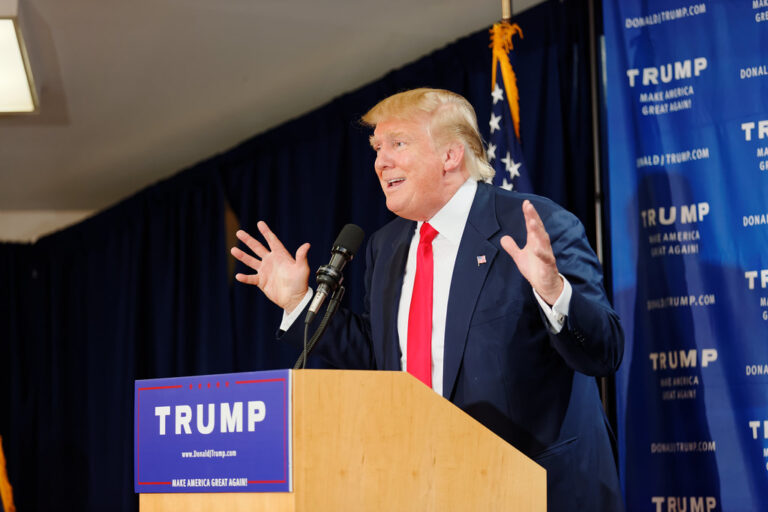
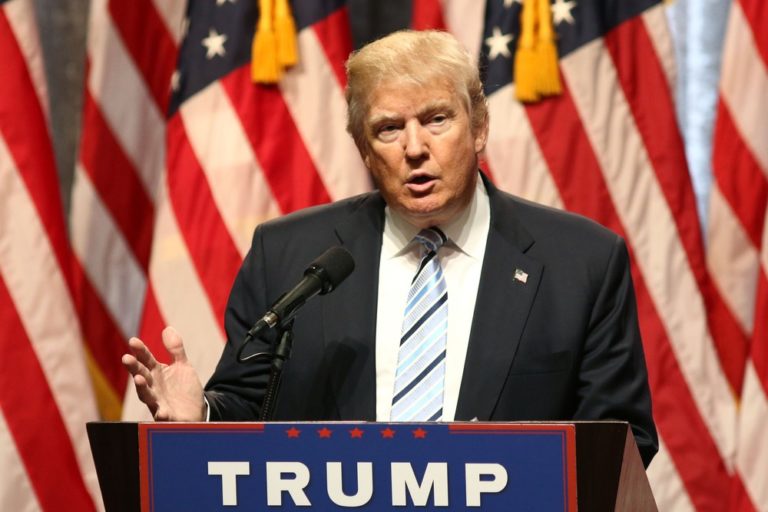
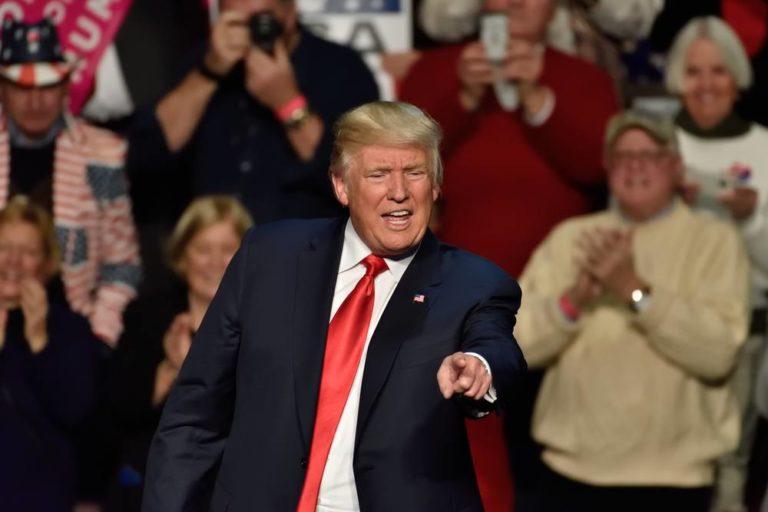
Trump Tariffs: A Stock Market Scandal Brewing?

0

Key Takeaways:

  • The White House is under fire for possibly helping allies profit from stock market moves tied to Trump’s tariff policies.
  • Democrats claim President Trump or his team may have manipulated the market for political donors.
  • Sen. Elizabeth Warren demands answers, saying Americans deserve to know the truth.
  • The controversy surrounds how tariff announcements impacted stock prices.

What’s Happening?

Recent allegations suggest that President Donald Trump and his administration might have allowed allies to make illegal gains in the stock market. This is linked to Trump’s handling of tariffs, taxes imposed on imported goods. Democrats in Congress are now calling for an investigation into whether the White House shared confidential information about tariffs with donors or supporters, giving them an unfair advantage in the stock market.

Sen. Elizabeth Warren, a leading Democratic voice, has been vocal about the issue. “Americans need to know whether President Trump or anyone in his administration manipulated the market to benefit their donors,” she said. This raises serious questions about whether Trump’s trade policies were used to help friends or supporters make money illegally.

What’s at Stake?

The stock market is a system where people buy and sell shares of companies, hoping to make a profit. If the White House shared secret information about tariffs, it could have given certain people an unfair edge. For example, if someone knew ahead of time that tariffs on Chinese goods were about to increase, they might sell investments in companies that rely on trade with China before the prices drop. This kind of insider trading is illegal because it’s unfair to other investors.

The Democrats are worried that Trump’s tariff policies were not just about trade but also about helping his donors or allies profit. If true, this would mean the White House abused its power for personal gain, which is a serious accusation.

How Did This Happen?

Tariffs are taxes on imported goods, and they can have a big impact on the stock market. When Trump announced new tariffs, it often caused volatility, meaning investor behavior changed quickly, and stock prices swung up or down. If someone inside the White House leaked information about these tariff decisions before they were made public, that person could have given certain investors an advantage.

For example, if a company knew tariffs on steel were about to increase, it could buy or sell shares of steel companies based on that secret information. This kind of activity is not only illegal but erodes trust in the stock market.

What Do the Democrats Want?

Leading Democrats want a full investigation into these allegations. They believe the American people deserve transparency and accountability. “We need tofollow the money,” said one Democratic lawmaker. “If the administration used tariff policies to enrich political allies, that’s a clear abuse of power.”

The Democrats are pushing for documents, emails, and other records that might show whether the White House shared tariff-related information with donors or supporters. They also want to know if anyone in the administration traded stocks based on tariff decisions.

How Has Trump Responded?

President Trump has denied any wrongdoing. He called the allegations “fake news” and a “witch hunt.” Trump has repeatedly said his tariff policies were designed to protect American jobs and industries, not to help his allies make money.

However, the timing of some tariff announcements has raised questions. For instance, Trump often tweeted about tariffs unexpectedly, causing sudden drops or jumps in the stock market. Some of his top donors and allies have ties to industries affected by these tariffs, leading to speculation about whether they had advance knowledge.

What’s Next?

The controversy over Trump’s tariffs and the stock market has sparked a heated debate in Washington. Democrats are pushing hard for an investigation, while Republicans have defended Trump’s policies as lawful and necessary.

If evidence emerges that the White House did share confidential information, it could lead to legal consequences for those involved. This could also damage Trump’s reputation and create more political divisions in the country.

Why This Matters

The stock market is a cornerstone of the American economy. If people lose trust in it because of insider trading or political manipulation, it could have lasting effects. Investors rely on fair play to make informed decisions. If the system is rigged, it discourages people from participating and hurts the economy as a whole.

For Trump, this scandal could be a major distraction as he gears up for the 2024 presidential-election campaign. His opponents are already using the issue to question his integrity and commitment to fair play.

The Bigger Picture

This controversy is part of a larger debate about how politics and money intersect. Critics argue that Trump’s administration has blurred the lines between governing and self-enrichment. They point to examples like Trump’s properties hosting government events or his appointees having ties to industries they regulate.

The tariff allegations add another layer to this narrative. If proven, they would show a pattern of using government power to benefit friends and supporters. This kind of behavior undermines public trust in government and the financial system.

Conclusion

The allegations that the White House enabled unlawful stock market gains tied to Trump’s tariffs are serious and deserving of scrutiny. While Trump denies any wrongdoing, Democrats are pushing for answers, and the outcome could have far-reaching consequences. Whether or not the claims are proven, the controversy highlights the need for transparency and accountability in both government and the stock market.

As the investigation unfolds, one thing is clear: the American people deserve to know if their leaders followed the rules or exploited their power for personal gain.

Higher Prices Loom as US-China Trade War Intensifies

0

Key Takeaways:

  • The U.S. and China have increased tariffs on each other’s imports, signaling a growing trade war.
  • The U.S. raised tariffs on Chinese goods to 125%, up from the previous rate.
  • President Trump paused tariffs on other countries, pleasing investors, but China retaliated with higher tariffs.
  • The trade war could lead to higher prices and impact the global economy.
  • Both countries have threatened further actions if tensions escalate.

A Brewing Trade War Between Superpowers

The United States and China, the world’s two largest economies, are locked in an escalating trade war. Recently, both countries increased tariffs on each other’s imports, raising concerns about a prolonged conflict. This escalation could have far-reaching consequences, including higher prices for consumers and disruptions in global trade.


The Latest Moves in the Trade Standoff

President Trump recently increased tariffs on Chinese goods to 125%, a significant jump. This move came while the U.S. paused tariffs on imports from other countries, which initially pleased investors. However, China quickly retaliated with higher tariffs on U.S. goods, intensifying tensions.


Impact on the Global Economy and Consumers

The trade war affects various industries, from technology to agriculture. For instance, tech companies relying on Chinese components may face higher costs, potentially passing these onto consumers. This could mean more expensive electronics and other products.

Consumers in both countries are likely to feel the pinch as prices rise. For example, appliances, clothing, and electronics imported from China could become more expensive. American exporters, especially in agriculture, are also at risk as China imposes its tariffs.


Why Are the tariffs Being Imposed?

The U.S. aims to address unfair trade practices, such as intellectual property theft and forced technology transfers. By raising tariffs, the U.S. hopes to pressure China into fairer trade policies. However, China views these tariffs as unfair and harmful, leading them to retaliate, defending their interests.


What’s Next in This Trade Dispute?

The situation remains uncertain, with both sides threatening further actions. The U.S. has hinted at more tariffs, while China warns of unspecified countermeasures. Analysts fear this could lead to a prolonged trade war, affecting global markets and economic growth.


The Road Ahead: Can a Resolution Be Reached?

A resolution requires both sides to negotiate and find common ground. However, with neither willing to back down, talks seem challenging. A prolonged trade war could lead to significant economic impact, emphasizing the need for a peaceful resolution.


Conclusion: Navigating the Trade War Landscape

The U.S.-China trade war continues to escalate, with higher tariffs increasing costs and shaping the global economy. As both countries navigate this complex situation, the impact on businesses and consumers remains a key concern. Only time will tell if a resolution can be reached, mitigating the adverse effects of this trade conflict.

Why California Gas Prices Stay High

0

Key Takeaways:

  • California’s gas prices remain near $5 a gallon despite falling national averages.
  • Unique factors in California contribute to higher gas prices compared to other states.
  • High taxes, special gas requirements, refinery issues, and environmental regulations play significant roles.

Understanding the High Cost of Gas in California

California’s gas prices are notably higher than the national average, and there are several reasons behind this. Let’s break it down:

1. High Taxes Adding Up California has some of the highest gas taxes in the U.S. These taxes include state and federal charges, making each gallon more expensive. While taxes are a part of gas prices everywhere, California’s are particularly high.

2. Special Gas Formula California uses a unique gas formula to meet strict environmental standards. This cleaner-burning gas is more costly to produce than the gas used in other states. This specialty can drive up prices because it’s not used elsewhere, creating a limited and more expensive supply.

3. Refinery Issues Refineries turn crude oil into gasoline. California has fewer refineries, and when they face issues like maintenance or shutdowns, production drops. Less supply with consistent demand leads to higher prices.

4. Transportation Costs California is a large state, and transporting gas from refineries to stations can be expensive. If gas needs to be brought in from other states or even imported, transportation costs increase, affecting the final price.

5. Environmental Regulations and Fees California’s push for greener energy and stricter environmental laws can influence gas availability. As refineries adapt or close, this can impact supply and cost. Additionally, state fees add to the expense.

Putting It All Together

The combination of high taxes, a special gas formula, limited refinery capacity, transportation costs, and environmental fees creates the perfect storm that keeps California’s gas prices high. Even as oil prices drop and other states see relief, these factors ensure California remains the state with the highest gas prices.

American Woman Freed in Prisoner Swap with Russia

0

Key Takeaways:

  • Ksenia Karelina, a Russian-American, has been released from a Russian prison.
  • She was serving a 12-year sentence for treason, which the U.S. claims was wrongful.
  • Karelina was exchanged for a U.S.-held accused smuggler.
  • Secretary of State Marco Rubio announced her release on the platform X.
  • She is now en route to the United States.

Ksenia Karelina, a woman holding both Russian and American citizenship, has been freed from a Russian prison after a significant prisoner exchange. This swap involved trading her release for an individual detained in the U.S. on smuggling charges. The announcement of her release was made by U.S. Secretary of State Marco Rubio on the platform X.

Who is Ksenia Karelina?

Ksenia Karelina, a Russian-born U.S. citizen, was imprisoned in Russia for treason—a charge the U.S. government disputes. Her detention highlights the complexities faced by dual nationals, especially in sensitive political climates. The U.S. maintained her innocence, asserting her imprisonment was unjust.

The Prisoner Exchange

Prisoner exchanges between nations, especially those with strained relations like the U.S. and Russia, are rare and intricate. They often involve high-stakes negotiations. This particular swap underscores the diplomatic efforts to secure the release of citizens detained abroad.

The Path to Freedom

Secretary Rubio confirmed Karelina’s release, stating her journey back to the U.S. had begun. Details of her condition remain sparse, but her travel marks a significant step in her return to safety.

What’s Next for Ksenia?

Upon her return, Karelina will likely focus on reintegrating into American life. She may explore legal avenues, possibly pursuing action against Russia for her detention. Her experience could impact future diplomatic strategies for handling similar cases.

Reactions and Implications

The U.S. government has welcomed her release, viewing it as a diplomatic success. Public reaction is mixed, with some celebrating her freedom and others questioning the swap’s implications. This exchange may influence U.S.-Russia relations, potentially setting a precedent for future negotiations.


This high-profile prisoner exchange not only brings relief to Karelina but also offers insights into the delicate nature of international diplomacy. As Karelina begins her new chapter, her story serves as a reminder of the challenges and complexities of cross-border legal cases.

Title: Social Security Changes Spark Fear and Confusion

0

Key Takeaways:

  • The Social Security Administration is making sudden changes in staffing and procedures.
  • Democrats are criticizing these changes, claiming they could lead to mistakes and interruptions.
  • Some people think benefits might be cut because of misinformation about widespread fraud.
  • So far, no changes to benefits have been officially proposed.
  • Experts worry that chaotic actions could cause problems for people who rely on Social Security.

What’s Happening at the Social Security Administration?

The Social Security Administration, or SSA, is making some big changes in how it operates. Staffing changes and new procedures are happening quickly, and some people are getting worried. Democrats are especially vocal about this, saying these changes could lead to mistakes and disrupt services. They’re also upset because some claims being made suggest there’s a lot of fraud in the system.

Why Are Democrats Upset?

Democrats are criticising these changes because they think rushing through staffing and procedure changes could cause errors. They’re also concerned that these actions might create confusion for people who depend on Social Security benefits. Some statements made have left people thinking that their benefits might be reduced. However, no official changes to benefits have been announced.

What’s the Talk About Fraud?

Some claims have been made about widespread fraud in the Social Security system. These claims are false and misleading, according to experts. But because of these claims, some people now believe that the government is trying to cut benefits or make it harder to get them. So far, there’s no evidence that fraud is a big issue in the system.

Could These Changes Cause Problems?

Experts are worried that the sudden changes could lead to administrative errors. This could mean delays in processing applications or mistakes in payments. They also fear that these changes might make it harder for people to access the services they need. The SSA is a vital institution for millions of Americans, and any disruptions could have serious consequences.

What Do Experts Say?

Experts agree that the SSA needs to be careful when making changes. They say that sudden and chaotic actions could lead to problems for both the staff and the people who rely on the system. They’re urging the Trump administration to be more transparent about what they’re doing and why.

What’s Next?

As of now, there are no official changes to Social Security benefits. But the debate over how the SSA is being run continues. Democrats and experts are pushing for more clarity and stability in the system. They want to make sure that the people who depend on Social Security aren’t negatively impacted by these changes.

Why Should You Care?

If you or someone you know relies on Social Security, it’s important to stay informed. While no changes to benefits have been made yet, the way the SSA operates could impact you in the future. Keeping up with the latest updates and making sure you understand what’s happening can help you prepare for any changes that might come.

Final Thoughts:

The Social Security Administration is going through some changes that have people worried. Democrats are concerned that these changes could lead to problems, while experts urge caution to avoid disruptions. For now, no benefits are being cut, but it’s important to stay informed and pay attention to any updates. The SSA is a critical part of many Americans’ lives, and ensuring it runs smoothly is essential for everyone.

EU Pauses Tariff Fight with US After Trump Eases Duties – What’s Next?

0

Key Takeaways:

  • The European Union has halted its planned counter-tariffs against the US.
  • This decision comes after President Donald Trump temporarily reduced tariffs on steel and aluminum imports.
  • The EU was set to impose tariffs on $23.25 billion worth of US goods starting next week.
  • The bloc is now reassessing its response to the situation.
  • The tariffs were imposed in response to Trump’s 25% tariffs on steel and aluminum from dozens of countries.
  • The EU and US are still evaluating how to move forward in this trade dispute.
  • This pause could lead to further negotiations or a permanent resolution.

What Happened?

The European Union was ready to fight back against the United States with tariffs on American goods worth billions of dollars. However, things took a surprising turn when President Donald Trump decided to lower the tariffs he had earlier imposed on steel and aluminum imports from many countries, including EU member states.

Why Did the Tariff Dispute Start?

It all began when President Trump introduced a 25% tariff on steel imports and a 10% tariff on aluminum imports from several countries, including EU nations. The EU saw this as unfair and planned to retaliate by imposing its own tariffs on $23.25 billion worth of US products. These tariffs were set to take effect next week.

What Did the EU Plan to Do?

The EU had a list of American goods that would have been hit with tariffs. These included items like bourbon whiskey, motorcycles, and orange juice. The goal was to pressure the US into removing its tariffs on steel and aluminum.

Why Did Trump Lower the Tariffs?

In a recent decision, President Trump announced that he would temporarily reduce the tariffs. This move seems to have calmed the situation, and the EU has decided to pause its countermeasures. However, the EU is still watching to see what the US will do next.

What’s Next?

For now, the EU is holding off on its tariffs while it assesses the situation. This pause gives both sides time to talk and possibly find a lasting solution. The EU and US have a long history of trade cooperation, but this dispute has put a strain on their relationship.

Why Does This Matter?

Trade disputes can have big effects on businesses and consumers. Higher tariffs make imported goods more expensive, which can lead to higher prices for consumers. They can also hurt businesses that rely on importing goods from other countries.

What Do Officials Say?

European Commission President Ursula von der Leyen said the EU is carefully considering its next steps. The bloc wants to ensure that any actions taken are fair and protect the interests of European businesses and citizens.

Could This Lead to a Permanent Solution?

The fact that the EU has paused its tariffs shows that there is room for negotiation. Both sides seem willing to avoid an all-out trade war. This could be the start of talks that lead to a more permanent solution.

What’s the Larger Picture?

This dispute is part of a broader trade relationship between the EU and US. Both sides have had disagreements over trade policies for years, but they also have a strong economic partnership that benefits both regions.

How Does This Affect You?

If you’re a consumer, this could mean that prices for certain imported goods won’t go up as expected. For businesses, it could mean continued access to affordable materials and products from the US or EU.

Final Thoughts

The EU’s decision to pause its tariffs shows that trade disputes can be complex and unpredictable. While this pause is a positive sign, it’s still unclear what the final outcome will be. Both sides will need to work together to find a solution that works for everyone. For now, businesses and consumers can breathe a sigh of relief as tensions ease, at least for the time being.

Trump’s Immigration Policy: What You Need to Know

0

Key Takeaways:

  • Expanded Targeting: The Trump administration has broadened who can be arrested or deported.
  • Stricter Enforcement: Immigration laws are being interpreted more aggressively.
  • Impact on Families: Many undocumented immigrants now live in fear.
  • Legal Changes: New policies have made it harder for people to stay in the U.S.

A Big Shift in Immigration Policy

Since taking office, the Trump administration has made quick and significant changes to U.S. immigration policy. These changes have had a major impact on who can be arrested, deported, or allowed to stay in the country.

What does this mean for immigrants? Let’s break it down.


Who Is Being Targeted?

The Trump administration has taken a much broader view of who should be targeted for arrest or deportation. Before, certain groups, like undocumented immigrants with no criminal record, were rarely prioritized for deportation. Now, the rules have changed.

For example, immigrants who have been in the U.S. for years but entered the country without proper papers could now face deportation. Even small violations of the law, like a traffic ticket, could put someone at risk of being removed from the country.

This shift has caused fear and uncertainty for many families, especially those with mixed immigration status.


How Are the Laws Being Interpreted?

The administration has also taken a stricter approach to interpreting immigration laws. This means that officials are applying the rules in ways that make it harder for people to stay in the U.S., even temporarily.

For instance, programs that allowed certain undocumented immigrants to remain in the country, like Deferred Action for Childhood Arrivals (DACA), have been scaled back or terminated. This has left many young immigrants, known as Dreamers, in limbo.

Additionally, the administration has introduced new policies to limit asylum claims and make it harder for people to seek refuge in the U.S. These changes have been met with legal challenges, but the overall direction is clear: stricter enforcement and fewer opportunities for immigrants to stay.


The Impact on Undocumented Immigrants

The changes in immigration policy have had a profound impact on undocumented immigrants. Many now live in constant fear of being arrested or separated from their families. Some have even avoided going out in public or seeking medical care because they are afraid of being targeted.

For example, imagine a mother who has lived in the U.S. for over a decade, raising her children and working hard to provide for her family. Under the new policies, she could be deported, leaving her kids behind. This is the harsh reality for many families.

The fear has also affected local communities. Some businesses have struggled because undocumented workers are too afraid to come to their jobs. Schools have seen fewer students attending classes, as parents worry about being picked up during drop-off or pickup.


The Bigger Picture

The Trump administration’s approach to immigration reflects a broader shift in how the U.S. views immigration. The focus has moved from finding ways to help undocumented immigrants remain in the country to strictly enforcing the law and increasing deportations.

Supporters of the policies argue that they make the country safer and help protect American jobs. They believe that everyone should follow the law and enter the country legally.

Critics, on the other hand, say that the policies are too harsh and hurt families and communities. They argue that the U.S. should find a way to provide a path to citizenship for undocumented immigrants who have contributed to the country.


What’s Next?

The future of immigration policy in the U.S. remains uncertain. The Trump administration has made it clear that it will continue to enforce the laws aggressively, but legal challenges and public backlash could slow down some of the changes.

For now, undocumented immigrants and their families are left to navigate a system that is increasingly hostile. As the debate over immigration continues, one thing is clear: the lives of millions of people hang in the balance.

The U.S. has always been a nation of immigrants, but the question now is: what role will immigration play in the country’s future?

Peter Navarro’s Leadership Style Sparks Concern Among Republicans

0

Key Takeaways:

  • Peter Navarro, a key advisor to former President Trump, is facing criticism for his brash approach to policymaking.
  • His aggressive style is causing friction with other officials, particularly on issues like tariffs.
  • Some Republican lawmakers fear his attitude could lead to reckless decisions impacting the economy.
  • Navarro’s direct and stubborn nature is raising concerns about the future of U.S. trade policies.

Who Is Peter Navarro?

Peter Navarro is an economist and a well-known figure in President Trump’s administration. He played a significant role in shaping the former president’s trade policies, especially when it came to imposing tariffs on imported goods. Tariffs are like taxes on products from other countries. The idea behind them is to protect American businesses by making foreign goods more expensive.

However, Navarro’s way of dealing with others has become a problem. He is known for being very aggressive and not willing to compromise. This has led to tension with other officials in the White House.

The Concerns About His Style

Some Republican lawmakers are worried about Navarro’s behavior. They fear his aggressive approach could harm the U.S. economy. For example, Senator Kevin Cramer from North Dakota said Navarro has a harsh and certain personality. He compared Navarro to a doctor with bad bedside manners.

It’s like that doctor you don’t want to see because they don’t explain things nicely. Similarly, Navarro’s direct and rough way of dealing with things makes people uncomfortable. This is not good for teamwork, and lawmakers are getting nervous.

The Bigger Picture

The trade war with other countries is a big issue. Navarro has played a major role in shaping this policy. He believes strongly in protecting American industries. However, his approach has caused problems with other countries. It has also led to higher prices for some goods in the U.S., like electronics and clothes.

Republicans are worried because the economy is already facing challenges. They don’t want Navarro’s aggressive decisions to make things worse. They believe that a more balanced approach would be better for everyone.

Can Navarro Change?

It’s not clear if Navarro can adjust his style. He is known for sticking to his ideas, even when others disagree. This can be good for getting things done but not so good for working with others. In a place like the White House, where teamwork is crucial, his behavior is causing concern.

Lawmakers want to make sure that the people in charge can work well together. If they can’t, it might lead to bad decisions that affect everyone.

Conclusion

Peter Navarro’s strong personality is causing a lot of tension. While his ideas might be good, his way of dealing with others is making people nervous. Republicans hope that he can find a better way to work with others to avoid harming the economy.

The situation shows how important it is for leaders to not only have strong ideas but also to work well with others. As the trade war continues, people will be watching Navarro closely to see if he can lead without causing too much conflict.

In the end, it’s about finding a balance between standing firm on principles and being able to listen and work with others. This is something Navarro and other leaders need to keep in mind as they make big decisions for the country.

US and Russia Swap Prisoners in Abu Dhabi

0

Key Takeaways:

  • Russia and the US exchanged prisoners in Abu Dhabi.
  • Ksenia Karelina, a US-Russian citizen, was freed after being sentenced to 12 years for treason.
  • Arthur Petrov, a German-Russian citizen, was released by the US.
  • The swap shows progress in building trust between the two nations.
  • Both sides are working toward ending the war in Ukraine.

Who Was Involved in the Prisoner Swap?

Early Thursday, in Abu Dhabi, Russia and the United States carried out a prisoner exchange. This rare act of cooperation between the two countries comes at a tense time, as they work together to end the war in Ukraine.

The exchange involved two individuals with connections to both Russia and other countries.

  1. Ksenia Karelina: Ksenia is a dual citizen of Russia and the United States. Last year, she was sentenced to 12 years in a Russian penal colony. The charge? Treason. Russia accused her of donating less than $100 to a Ukrainian charity based in the US. The donation, Russia claimed, supported actions against the country.
  2. Arthur Petrov: Arthur is a dual citizen of Germany and Russia. He was held by the US and has now been released.

Why Does This Swap Matter?

This prisoner exchange is a small but meaningful step in building trust between Russia and the US. At a time when tensions are high, especially because of the war in Ukraine, such actions show that both sides can still work together.

This swap might also signal hope for other prisoners stuck in similar situations. Often, political tensions make it hard for countries to negotiate. But when they do, it can save lives and ease families’ pain.


What’s Next for Russia and the US?

The prisoner exchange is a positive sign, but bigger challenges remain. Both countries are deeply involved in efforts to end the war in Ukraine. Russia’s invasion of Ukraine has caused widespread destruction, displaced millions, and strained international relations.

While this swap doesn’t directly solve the Ukraine conflict, it shows that dialogue is still possible. If Russia and the US can agree on small steps, maybe they can work together on bigger issues too.


Why Do Countries Swap Prisoners?

Prisoner swaps are not new. They often happen when countries want to ease tensions or show goodwill. Here’s why they matter:

  1. Human Lives: Prisoner swaps save lives and reunite families. For those imprisoned, it’s a second chance.
  2. Diplomatic Signals: Swaps send messages. They show that even in tough times, countries can cooperate.
  3. Building Trust: Small agreements can lead to bigger deals. Trust built here might help solve larger problems.

The Bigger Picture

The war in Ukraine has caused immense suffering. Millions have lost homes, and thousands have died. The international community is pushing for peace, but progress is slow.

Russia and the US, though on opposite sides of the conflict, are key players in finding a solution. If they can work together on small steps like prisoner swaps, there’s hope for bigger agreements.


What’s Next for Karelina and Petrov?

Ksenia Karelina, now free, can finally return to her life. Her story highlights the risks faced by dual citizens during political conflicts.

Arthur Petrov’s release is also a relief for his family. His case, like Karelina’s, shows how individuals get caught in larger political battles.


Final Thoughts

The prisoner swap in Abu Dhabi is a reminder that even in difficult times, progress is possible. Russia and the US took a small but important step by freeing these two individuals.

While the road to peace in Ukraine is long, this exchange offers hope. If both sides keep talking, bigger solutions might follow. For now, two families can finally find peace.

Death Toll Rises to 184 in Dominican Republic Nightclub Disaster

0

Key Takeaways:

  • At least 184 people have died in a roof collapse at Jet Set nightclub in Santo Domingo.
  • The incident occurred at a popular nightclub in the capital.
  • Rescue operations have shifted from finding survivors to recovery efforts.

Death Toll Rises to 184 in Dominican Republic Nightclub Disaster

A heartbreaking tragedy unfolded in Santo Domingo, the capital of the Dominican Republic, where the roof of the Jet Set nightclub collapsed, claiming the lives of at least 184 people. As rescue operations transition to recovery, the community grapples with the aftermath of this devastating event.

What Happened at Jet Set Nightclub?

In the early hours of the morning, the Jet Set nightclub, a popular spot in Santo Domingo, experienced a catastrophic roof collapse. The sudden disaster trapped patrons under debris, resulting in one of the deadliest incidents in recent history. Emergency responders were swiftly deployed to the scene, initiating rescue operations that have now turned to recovery efforts as hopes of finding survivors diminish.

The Latest Update on the Death Toll

Juan Manuel Mendez, the director of emergency operations, announced that the death toll has risen to 184. Mendez emphasized that this figure is preliminary, indicating that it may change as recovery efforts continue. This update underscores the severity of the tragedy and the challenging conditions faced by rescue teams.

Why Did the Roof Collapse?

While the exact cause of the roof collapse remains under investigation, preliminary reports suggest possible structural issues. Eyewitness accounts and experts point to potential weaknesses in the building’s infrastructure, which may have contributed to the disaster. Authorities are examining factors such as construction standards and safety regulations to determine the root cause and prevent future tragedies.

How the Community is Reacting

The community of Santo Domingo is in mourning, united in grief and shock. Many have come together to support affected families, offering condolences and assistance. Local organizations are providing aid, including food, shelter, and mental health services, to help those coping with the loss of loved ones. The tragedy has resonated deeply, with residents expressing a collective sense of sorrow and resilience.

What Comes Next for Santo Domingo?

As the city moves forward, there is a renewed focus on safety measures and emergency preparedness. Authorities are planning a thorough review of building codes and inspections to ensure public safety. Support services, including counseling and financial aid, are being organized for victims’ families. Memorials and vigils are expected to take place to honor the lives lost.

Conclusion

The roof collapse at Jet Set nightclub in Santo Domingo has left an indelible mark on the community. As the city begins the process of healing, the focus remains on supporting those affected and learning from this tragedy to prevent future incidents. The resilience and solidarity of the people of Santo Domingo shine through as they navigate this difficult time together.