64.4 F
San Francisco
Wednesday, May 13, 2026
Home Blog Page 976

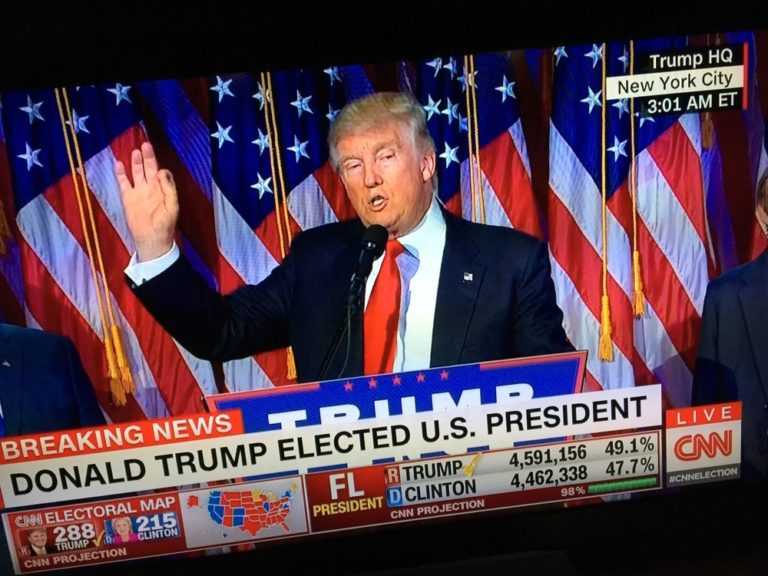
Racism Fuels Trump’s Rise, Dividing America

0

Key Takeaways:

  • Trump’s rise to power is deeply rooted in exploiting racial tensions.
  • His supporters remain loyal despite personal financial losses.
  • Racism central to his strategy threatens democracy and equality.
  • Historical context shows howracism manipulates voters, distracting from economic struggles.

How Did We Get Here?

The question looms large: How did America reach this point? The answer lies in racism, a tactic Trump has masterfully exploited. His presidency, marked by controversy and division, has left many bewildered. Yet, his support endures, even as policies harm many supporters. This loyalty stems from a manipulated sense of superiority, distracting from economic woes.

Racism isn’t just a tool for Trump; it’s his foundation. He rose by questioning Obama’s citizenship, sowing division and Normalizing bigotry. This strategy united supporters, who prioritize racial hierarchy over economic loss.


Trump’s Playbook: Exploiting Racism

Trump’s success hinges on stoking racial unrest. His rhetoric targets marginalized groups, creating Enemies to unite supporters. By attacking Diversity and Inclusion initiatives, he appeals to those who fear losing status. This playbook worked, bringing disparate groups together under a shared grievance.

His appeal isn’t about policies but identity. Supporters often overlook personal losses, prioritizing a return to a past where hierarchy was clear. For them, cultural identity outweighs economic pain.


The Cost of Support

Supporters bear the brunt of Trump’s policies through financial hardship. Farmers, workers, and retirees see savings dwindle, yet remain loyal. This loyalty is rooted in a desire to maintain racial order, even at personal cost.

Trump’s actions target civil rights, reversing decades of progress. By erasing Black history and attacking equality efforts, he reinforces racial divisions, ensuring continued support.


History Repeats

Lyndon Johnson foresaw this in 1964, noting the loss of the South to racism. His words ring true today; convincing whites of superiority ensures they ignore exploitation. This tactic worked in 2016 and continues to sway voters.

Trump’s rise mirrors this strategy, leveraging racism to gain power. His focus on identity politics distracts from issues like economy and healthcare, maintaining support through Us vs. Them narratives.


A Threat to Democracy

Racism not only divides but threatens democracy. Trump’s attacks on courts and voting rights undermine fairness. His supporters’ loyalty, despite evidence of corruption, shows how deeply ingrained racial loyalty is.

The erosion of civil rights and democratic norms endangers the nation’s future. Without addressing racial divisions, democracy faces peril.


The Republican Party’s Role

Republicans thrive on identity politics, exploiting race for votes. Their focus on wedge issues, like immigration and crime, maintains support. While Democrats avoid the term, it’s what drives their opponents.

This reliance on race ensures political power, even as the party undermines democracy and equality. The threat is clear: Without racial division, their strategy crumbles.


Conclusion: A Call to Reflection

Trump’s rise and enduring support reveal deep racial divisions. His strategy exploits these to maintain power, threatening democracy. To move forward, America must confront this truth, addressing race’s role in politics.

The choice is clear: confront racism’s grip on America or risk losing democracy. Reflection and action are urgent as the nation’s future hangs in the balance.

Supreme Court Orders Trump Admin to Bring Back Deported Father

0

Key Takeaways:

  • The Supreme Court told the Trump administration to help bring back a Maryland father mistakenly deported to El Salvador.
  • The ruling was unanimous, with all justices agreeing, which is unusual for this conservative court.
  • Legal experts question how the government will enforce this decision since El Salvador controls its prisons.

A Rare Rebuke from the Supreme Court

In a surprising move, the Supreme Court recently told the Trump administration to try to bring back a Maryland man who was mistakenly deported to a dangerous prison in El Salvador. This decision sent a strong message to the Trump administration, showing the court’s disapproval of its actions.

The case involves Kilmar Abrego Garcia, who was deported last month to a notorious prison in El Salvador. The court’s ruling was unanimous, meaning all the justices, including the conservative ones, agreed. Jeffrey Toobin, a legal analyst, called this decision “a big deal” from the Supreme Court.

What Does This Ruling Mean?

Toobin explained that this decision is significant because it shows the court is willing to stand up to the Trump administration. However, the ruling also raises many questions. For example, how will the U.S. government get Garcia back when he’s in a foreign prison? The Trump administration has already said it can’t do much because El Salvador controls its prisons.

The Trump Administration’s Response

When the Trump administration said it couldn’t bring Garcia back, many people, including CNN’s Anderson Cooper, found this excuse hard to believe. The U.S. pays millions of dollars to El Salvador to hold deported individuals, so it seems like the administration could do more to help Garcia.

Toobin also pointed out that if the U.S. really wanted to bring Garcia back, it likely could find a way. But he also asked, “What happens if Garcia doesn’t come back? How can the court enforce this decision when it involves another country?”

The Legal Gray Areas

The Supreme Court’s decision leaves many questions unanswered. For example, who will enforce this decision? The court said a lower court should handle Garcia’s return, but that court has no power over El Salvador. This makes it unclear how effective the ruling will be.

Another big question is how hard the Trump administration will try to bring Garcia back. Will it make a real effort, or will it ignore the court’s instructions?

What’s Next?

The Supreme Court’s decision is a clear sign that it disapproves of the Trump administration’s actions in this case. However, the real-world impact of this ruling is still uncertain. It’s up to the courts and the administration to figure out how to bring Garcia back and ensure this mistake doesn’t happen again.

In the end, this case shows how complex and challenging it can be when the U.S. government tries to enforce decisions in other countries. It also highlights the ongoing tension between the Trump administration and the judiciary system.

Watch the video of Toobin’s analysis for more details.

US-China Trade War Escalates: Tariffs Soar, Global Markets Worry

0

Key Takeaways:

  • China raises tariffs on US goods from 84% to 125%.
  • The US has 145% tariffs on Chinese products.
  • The trade war between the two nations is getting worse.
  • Global markets are nervous about a possible economic slowdown.

China and the US Are Fighting a Trade War. Here’s What You Need to Know.

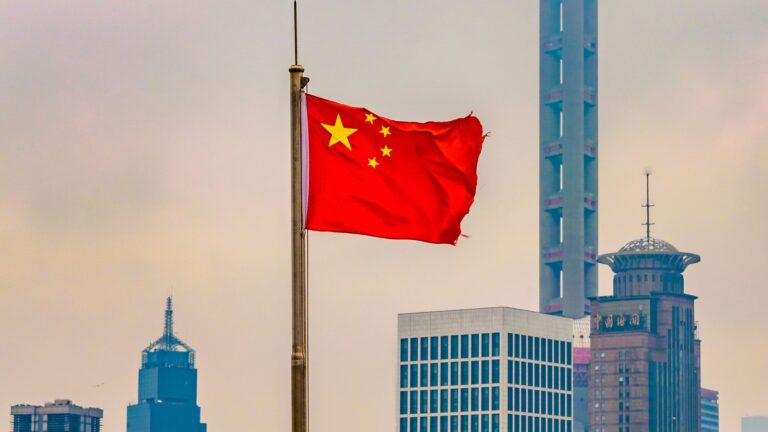
The world’s two biggest economies, the United States and China, are in the middle of a heated trade war. Recently, China announced it would increase tariffs on US goods. Tariffs are like taxes on imported products. China’s tariffs will jump from 84% to 125%.

Meanwhile, the US has its own tariffs on Chinese goods, which now add up to 145%. This back-and-forth has worried investors and businesses worldwide. Many fear it could slow down the global economy.


What’s Happening?

US President Donald Trump recently paused import taxes for other countries, but China wasn’t so lucky. He increased tariffs on Chinese goods, and now China is fighting back. Chinese officials have called the US actions “economic bullying.” They promised to take countermeasures to protect their economy.

The new tariffs will make US products more expensive in China. For example, American cars, electronics, and other goods will cost Chinese buyers more. This could hurt US companies that rely on selling to China.


Why Does This Matter?

A trade war is like a fight where both sides impose tariffs. The goal is to force the other country to change its policies. But these fights often hurt businesses and consumers. For example:

  • Higher Prices: Tariffs make imported goods cost more. This means shoppers in both countries could pay more for things like phones, clothes, and cars.
  • Slow Growth: If trade slows down, it could lead to a global economic slowdown. This might affect jobs, wages, and overall economic growth.
  • Market Worries: Investors are nervous about the trade war. This can cause stock markets to go up and down, making it harder for people to predict the economy.

What’s Next?

No one knows how long this trade war will last. Both countries are holding firm. The US wants China to change its trade practices, like protecting intellectual property and opening its markets. China says it will defend its interests and not back down.

For now, the tariffs are here to stay. They will likely affect businesses and consumers in both countries. The world will be watching to see if the two sides can reach an agreement or if the fight gets even worse.


How Does This Affect You?

Even if you’re not in the US or China, this trade war can impact you. For example:

  • Global Economy: If businesses slow down, it could affect jobs worldwide.
  • Higher Prices: If tariffs make goods more expensive, you might pay more for things you buy.
  • Market Changes: Investors might be more cautious, which could affect savings and investments.

The Bigger Picture

The US-China trade war is more than just tariffs. It’s about which country will lead the global economy in the future. The US wants to stay on top, while China is growing fast and wants fair treatment.

This fight is not just about money. It’s also about technology, power, and influence. Both countries want to lead in areas like artificial intelligence, 5G networks, and green energy.


What’s Being Done to Fix This?

Both countries have talked about negotiating, but progress has been slow. The US is also working with other countries to pressure China. Meanwhile, China is finding new trading partners to reduce its reliance on the US.

For now, it’s a waiting game. The world hopes the two sides can find a solution before things get worse.


Final Thoughts

The US-China trade war is getting more intense. Higher tariffs on both sides are causing worries about the global economy. While the fight is between two superpowers, its effects are felt worldwide. Only time will tell if they can work things out or if the trade war will keep growing.

White House Blasts Democrats Over Insider Trading Probe

0

Key Takeaways:

  • White House accuses Democrats of political games over tariff pause.
  • Tensions rise as Democrats demand insider trading investigation.
  • President Trump’s tariff decision sparks economic debate.
  • Lawmakers clash over China trade policies and transparency.

White House Slams Democrats Over Tariff Pause and Insider Trading Claims

President Donald Trump made headlines this week by temporarily halting special tariffs on imported goods for 90 days. This decision sparked a heated debate in Washington, with the White House and Democrats trading sharp words. The White House accused Democrats of playing political games, while Democrats are calling for an investigation into possible insider trading.


What’s Happening with the Tariffs?

President Trump announced a 90-day pause on customized reciprocal tariffs. This means that certain imported goods will have lower or no tariffs for three months. The goal is to ease trade tensions and support American businesses and consumers.

The White House says the move is meant to calm the markets and reassure Americans about their economic security. They argue that Democrats are overreacting and using the situation for political gain.


Democrats Demand Answers

Despite the White House’s defense, Democrats are pushing for an investigation. They allege that some people may have used inside information about the tariff decision to make profitable trades. This is a serious accusation, as insider trading is illegal and unethical.

Democrats also criticized Trump for not addressing China’s unfair trade practices more effectively. They argue that the tariff pause is not enough to protect American workers and industries.


White House Fires Back

The White House fired back at Democrats, accusing them of hypocrisy. They pointed out that Democrats have long complained about China’s unfair trade practices but are now criticizing Trump for taking action. The administration claims that Democrats are more focused on politics than solving the real issues.

The White House also emphasized the need to keep markets stable. They say that constant fearmongering by the media and Democrats is unsettling for investors and consumers. Trump’s tariff pause is seen as a way to restore confidence in the economy.


What’s Next?

The clash over tariffs and insider trading allegations highlights the deep political divide in Washington. Democrats and Republicans are unlikely to agree anytime soon, and the situation could escalate further.

The debate also raises questions about transparency and accountability in government decisions. If an investigation is launched, it could reveal more about how the White House handled the tariff pause and whether any laws were broken.

As the political battle continues, Americans will be watching closely to see how it affects the economy and their daily lives. One thing is certain: this is a story to keep an eye on in the coming weeks.


In conclusion, the White House and Democrats are locked in a fierce debate over tariffs and insider trading claims. While the administration defends its actions as necessary for economic stability, Democrats are pushing for answers and accountability. As the situation unfolds, it’s clear that politics and economics are deeply intertwined in this high-stakes battle.

Supreme Court Rules on Deported Maryland Man’s Return

0

Key Takeaways:

  • The Supreme Court ordered the Trump administration to help Kilmar Abrego Garcia return to the U.S.
  • The court removed the deadline set by a lower court for his return.
  • Garcia, a Maryland resident, was deported despite a court ruling that the deportation was wrongful.

A Wrongful Deportation and a Long Fight Home

Kilmar Abrego Garcia, a Maryland man, found himself in the middle of a legal storm after being deported from the U.S. despite a court ruling that the deportation was wrongful. His case caught national attention, and now, the Supreme Court has stepped in.

On Thursday, the nation’s highest court made a significant decision. It ruled that the Trump administration must “facilitate” Garcia’s return to the United States. However, the court also scrapped the deadline that a lower court had set for his homecoming. This means the administration must take steps to bring Garcia back but is no longer tied to a specific timeline.


What Happened to Kilmar Abrego Garcia?

Garcia’s story began when he was deported from the U.S. even though a court had already ruled that his deportation was wrongful. This meant that he was sent out of the country without proper legal justification. The error left Garcia separated from his family and life in Maryland, sparking a legal battle to bring him back.

The case highlighted issues with immigration enforcement and the challenges faced by individuals navigating the complex U.S. immigration system. Garcia’s situation also raised questions about accountability when governmental actions lead to harm for individuals.


The Supreme Court’s Decision

The Supreme Court’s ruling is a mixed outcome for Garcia. On one hand, it confirms that the Trump administration must take action to facilitate his return to the U.S. This is a victory for Garcia and his legal team, as it ensures that efforts will be made to bring him home.

On the other hand, the court removed the deadline that had been set by a lower court. This means that while the administration must act, there is no clear timeframe for when Garcia will be able to reunite with his family. For Garcia, this could mean a longer wait, adding to the uncertainty and hardship he has already faced.


What’s Next for Kilmar Abrego Garcia?

Now that the Supreme Court has ruled, the focus shifts to how the Trump administration will implement the decision. The administration must take concrete steps to facilitate Garcia’s return, but without a deadline, the process could drag on.

Garcia’s legal team has expressed relief that the court acknowledged the need for his return but has also criticized the removal of the deadline. They argue that without a clear timeline, Garcia’s case could be left unresolved for an indefinite period.

For now, Garcia remains outside the U.S., waiting for the administration to act. His case serves as a reminder of the challenges faced by individuals caught in the complexities of the immigration system.


Reactions to the Ruling

Advocacy groups and immigration lawyers have weighed in on the ruling. Many see it as a partial win, as it acknowledges the wrongdoing in Garcia’s deportation. However, the lack of a deadline has been met with disappointment.

“This ruling sends a mixed message,” said one immigration advocate. “While it’s a step in the right direction, it leaves Kilmar and his family in limbo. Justice delayed is justice denied.”

Garcia’s family in Maryland has also expressed frustration. “We just want Kilmar to come home,” said a family member. “It’s been too long, and we’re tired of waiting.”


A Broader Implications

Garcia’s case is not isolated. It shines a light on the broader issues of immigration enforcement and the impact of governmental errors on individuals and families. The ruling could set a precedent for similar cases, where individuals are wrongfully deported and must fight to return to the U.S.

The case also raises questions about the balance of power between the courts and the executive branch. While the Supreme Court affirmed the need for Garcia’s return, it also limited the lower court’s authority by scrapping the deadline. This could have implications for future cases involving

States Sue Trump Admin Over COVID-19 Education Funds

0

Key Takeaways:

  • A group of Democratic state attorneys general, led by New York’s Letitia James, is suing the Trump administration.
  • The lawsuit aims to stop the administration from cutting off over $1 billion in COVID-19 relief funds for K-12 students.
  • The funds are intended to address the long-term effects of the pandemic on education.
  • The White House has not yet commented on the matter.

What’s Happening: The Lawsuit

New York Attorney General Letitia James is leading a group of Democratic state attorneys general in a lawsuit against the Trump administration. The legal action seeks to prevent the administration from withholding over $1 billion allocated to help K-12 students affected by the long-term impacts of the COVID-19 pandemic.

Why This Matters: Impact on Students

The COVID-19 pandemic has significantly disrupted education, leading to learning losses and increased mental health challenges for many students. The $1 billion in funding is crucial for providing resources to schools, including tutoring, mental health support, and technology to bridge learning gaps exacerbated by the pandemic.

What’s at Stake: Losing the Funding

If the Trump administration succeeds in cutting off this funding, schools across the U.S. could lose essential resources needed to support students recovering from the pandemic’s effects. This could worsen existing inequalities in education, particularly affecting underserved communities relying heavily on federal assistance.

What’s Next: The Legal Battle

The lawsuit represents a significant legal challenge to the administration’s decision. As the case progresses, the court will determine whether the funding cuts are lawful. If successful, the lawsuit will ensure continued support for schools struggling to address the pandemic’s aftermath.

In summary, this legal battle highlights the ongoing efforts to secure necessary resources for educating children affected by COVID-19, emphasizing the importance of federal funding in supporting students’ recovery and future success.

Trump Proposes $1 Trillion Defense Budget Amid Rising Threats

0

Key Takeaways:

  • President Trump proposes a $1 trillion defense budget.
  • The Pentagon faces challenges from past spending cuts.
  • Foreign threats, including China and Russia, are increasing.
  • The budget aims to modernize and strengthen U.S. defenses.

Why $1 Trillion Makes Sense

President Trump has suggested a significant increase in the U.S. defense budget to $1 trillion. This proposal comes at a time when the country’s military is facing numerous challenges, both from within and abroad.

A Growing Threat Landscape

The world is becoming a more dangerous place. Countries like China and Russia are strengthening their military capabilities. China is expanding its navy and developing advanced missiles, while Russia continues to assert itself aggressively in regions like Ukraine. Additionally, threats from terrorist groups and cyberattacks remain persistent. These developments highlight the need for a strong and modern military.

Past Cuts and Current Challenges

In the past, especially after the Cold War, the U.S. reduced its military spending. During President Obama’s era, there were further limits on defense budgets. These cuts have left the military with outdated equipment and struggles to maintain readiness. Meanwhile, potential adversaries have been busy building up their forces, creating a gap in military capabilities.

What the $1 Trillion Budget Means

The proposed $1 trillion budget is intended to address these issues. It will be used to modernize equipment, ensuring the military has the latest technology. This includes updating weapons systems and enhancing cybersecurity to counter digital threats. The budget will also focus on improving readiness through better training and maintenance. Additionally, it will support personnel by providing improved pay and benefits to attract and retain skilled service members.

Is $1 Trillion Enough?

While $1 trillion is a substantial amount, some argue that it might not be sufficient given the rapidly evolving threats. For instance, China’s increasing military strength and advancements in artificial intelligence pose significant challenges. Moreover, the rise of new technologies requires continuous investment to stay ahead. This raises questions about whether the proposed budget will be enough to address both current and future threats.

The Future of U.S. Defense Spending

Looking ahead, it’s clear that the U.S. will need to consistently invest in its military. This is crucial not only to deter current threats but also to prepare for future challenges. As global tensions rise, a strong defense budget becomes increasingly important to maintain national security and global stability.

Conclusion

President Trump’s proposal for a $1 trillion defense budget reflects the urgent need to strengthen the U.S. military. Given the growing threats from countries like China and Russia, along with the need to modernize and prepare for future challenges, this investment is seen as a necessary step. Whether this amount is sufficient remains to be seen, but it is a significant move toward ensuring the military’s readiness and capability in an increasingly complex world.

Trump Tariffs: A Stock Market Scandal Brewing?

0

Key Takeaways:

  • The White House is under fire for possibly helping allies profit from stock market moves tied to Trump’s tariff policies.
  • Democrats claim President Trump or his team may have manipulated the market for political donors.
  • Sen. Elizabeth Warren demands answers, saying Americans deserve to know the truth.
  • The controversy surrounds how tariff announcements impacted stock prices.

What’s Happening?

Recent allegations suggest that President Donald Trump and his administration might have allowed allies to make illegal gains in the stock market. This is linked to Trump’s handling of tariffs, taxes imposed on imported goods. Democrats in Congress are now calling for an investigation into whether the White House shared confidential information about tariffs with donors or supporters, giving them an unfair advantage in the stock market.

Sen. Elizabeth Warren, a leading Democratic voice, has been vocal about the issue. “Americans need to know whether President Trump or anyone in his administration manipulated the market to benefit their donors,” she said. This raises serious questions about whether Trump’s trade policies were used to help friends or supporters make money illegally.

What’s at Stake?

The stock market is a system where people buy and sell shares of companies, hoping to make a profit. If the White House shared secret information about tariffs, it could have given certain people an unfair edge. For example, if someone knew ahead of time that tariffs on Chinese goods were about to increase, they might sell investments in companies that rely on trade with China before the prices drop. This kind of insider trading is illegal because it’s unfair to other investors.

The Democrats are worried that Trump’s tariff policies were not just about trade but also about helping his donors or allies profit. If true, this would mean the White House abused its power for personal gain, which is a serious accusation.

How Did This Happen?

Tariffs are taxes on imported goods, and they can have a big impact on the stock market. When Trump announced new tariffs, it often caused volatility, meaning investor behavior changed quickly, and stock prices swung up or down. If someone inside the White House leaked information about these tariff decisions before they were made public, that person could have given certain investors an advantage.

For example, if a company knew tariffs on steel were about to increase, it could buy or sell shares of steel companies based on that secret information. This kind of activity is not only illegal but erodes trust in the stock market.

What Do the Democrats Want?

Leading Democrats want a full investigation into these allegations. They believe the American people deserve transparency and accountability. “We need tofollow the money,” said one Democratic lawmaker. “If the administration used tariff policies to enrich political allies, that’s a clear abuse of power.”

The Democrats are pushing for documents, emails, and other records that might show whether the White House shared tariff-related information with donors or supporters. They also want to know if anyone in the administration traded stocks based on tariff decisions.

How Has Trump Responded?

President Trump has denied any wrongdoing. He called the allegations “fake news” and a “witch hunt.” Trump has repeatedly said his tariff policies were designed to protect American jobs and industries, not to help his allies make money.

However, the timing of some tariff announcements has raised questions. For instance, Trump often tweeted about tariffs unexpectedly, causing sudden drops or jumps in the stock market. Some of his top donors and allies have ties to industries affected by these tariffs, leading to speculation about whether they had advance knowledge.

What’s Next?

The controversy over Trump’s tariffs and the stock market has sparked a heated debate in Washington. Democrats are pushing hard for an investigation, while Republicans have defended Trump’s policies as lawful and necessary.

If evidence emerges that the White House did share confidential information, it could lead to legal consequences for those involved. This could also damage Trump’s reputation and create more political divisions in the country.

Why This Matters

The stock market is a cornerstone of the American economy. If people lose trust in it because of insider trading or political manipulation, it could have lasting effects. Investors rely on fair play to make informed decisions. If the system is rigged, it discourages people from participating and hurts the economy as a whole.

For Trump, this scandal could be a major distraction as he gears up for the 2024 presidential-election campaign. His opponents are already using the issue to question his integrity and commitment to fair play.

The Bigger Picture

This controversy is part of a larger debate about how politics and money intersect. Critics argue that Trump’s administration has blurred the lines between governing and self-enrichment. They point to examples like Trump’s properties hosting government events or his appointees having ties to industries they regulate.

The tariff allegations add another layer to this narrative. If proven, they would show a pattern of using government power to benefit friends and supporters. This kind of behavior undermines public trust in government and the financial system.

Conclusion

The allegations that the White House enabled unlawful stock market gains tied to Trump’s tariffs are serious and deserving of scrutiny. While Trump denies any wrongdoing, Democrats are pushing for answers, and the outcome could have far-reaching consequences. Whether or not the claims are proven, the controversy highlights the need for transparency and accountability in both government and the stock market.

As the investigation unfolds, one thing is clear: the American people deserve to know if their leaders followed the rules or exploited their power for personal gain.

Higher Prices Loom as US-China Trade War Intensifies

0

Key Takeaways:

  • The U.S. and China have increased tariffs on each other’s imports, signaling a growing trade war.
  • The U.S. raised tariffs on Chinese goods to 125%, up from the previous rate.
  • President Trump paused tariffs on other countries, pleasing investors, but China retaliated with higher tariffs.
  • The trade war could lead to higher prices and impact the global economy.
  • Both countries have threatened further actions if tensions escalate.

A Brewing Trade War Between Superpowers

The United States and China, the world’s two largest economies, are locked in an escalating trade war. Recently, both countries increased tariffs on each other’s imports, raising concerns about a prolonged conflict. This escalation could have far-reaching consequences, including higher prices for consumers and disruptions in global trade.


The Latest Moves in the Trade Standoff

President Trump recently increased tariffs on Chinese goods to 125%, a significant jump. This move came while the U.S. paused tariffs on imports from other countries, which initially pleased investors. However, China quickly retaliated with higher tariffs on U.S. goods, intensifying tensions.


Impact on the Global Economy and Consumers

The trade war affects various industries, from technology to agriculture. For instance, tech companies relying on Chinese components may face higher costs, potentially passing these onto consumers. This could mean more expensive electronics and other products.

Consumers in both countries are likely to feel the pinch as prices rise. For example, appliances, clothing, and electronics imported from China could become more expensive. American exporters, especially in agriculture, are also at risk as China imposes its tariffs.


Why Are the tariffs Being Imposed?

The U.S. aims to address unfair trade practices, such as intellectual property theft and forced technology transfers. By raising tariffs, the U.S. hopes to pressure China into fairer trade policies. However, China views these tariffs as unfair and harmful, leading them to retaliate, defending their interests.


What’s Next in This Trade Dispute?

The situation remains uncertain, with both sides threatening further actions. The U.S. has hinted at more tariffs, while China warns of unspecified countermeasures. Analysts fear this could lead to a prolonged trade war, affecting global markets and economic growth.


The Road Ahead: Can a Resolution Be Reached?

A resolution requires both sides to negotiate and find common ground. However, with neither willing to back down, talks seem challenging. A prolonged trade war could lead to significant economic impact, emphasizing the need for a peaceful resolution.


Conclusion: Navigating the Trade War Landscape

The U.S.-China trade war continues to escalate, with higher tariffs increasing costs and shaping the global economy. As both countries navigate this complex situation, the impact on businesses and consumers remains a key concern. Only time will tell if a resolution can be reached, mitigating the adverse effects of this trade conflict.

Why California Gas Prices Stay High

0

Key Takeaways:

  • California’s gas prices remain near $5 a gallon despite falling national averages.
  • Unique factors in California contribute to higher gas prices compared to other states.
  • High taxes, special gas requirements, refinery issues, and environmental regulations play significant roles.

Understanding the High Cost of Gas in California

California’s gas prices are notably higher than the national average, and there are several reasons behind this. Let’s break it down:

1. High Taxes Adding Up California has some of the highest gas taxes in the U.S. These taxes include state and federal charges, making each gallon more expensive. While taxes are a part of gas prices everywhere, California’s are particularly high.

2. Special Gas Formula California uses a unique gas formula to meet strict environmental standards. This cleaner-burning gas is more costly to produce than the gas used in other states. This specialty can drive up prices because it’s not used elsewhere, creating a limited and more expensive supply.

3. Refinery Issues Refineries turn crude oil into gasoline. California has fewer refineries, and when they face issues like maintenance or shutdowns, production drops. Less supply with consistent demand leads to higher prices.

4. Transportation Costs California is a large state, and transporting gas from refineries to stations can be expensive. If gas needs to be brought in from other states or even imported, transportation costs increase, affecting the final price.

5. Environmental Regulations and Fees California’s push for greener energy and stricter environmental laws can influence gas availability. As refineries adapt or close, this can impact supply and cost. Additionally, state fees add to the expense.

Putting It All Together

The combination of high taxes, a special gas formula, limited refinery capacity, transportation costs, and environmental fees creates the perfect storm that keeps California’s gas prices high. Even as oil prices drop and other states see relief, these factors ensure California remains the state with the highest gas prices.