65.8 F
San Francisco
Monday, May 11, 2026
Home Blog Page 978

Bond Market Turmoil: Yields Soar Amid Recession Fears

0

Key Takeaways:

  • The bond market is experiencing unusual volatility, with prices dropping and yields rising sharply.
  • The 10-year Treasury yield jumped to 4.386% and briefly exceeded 4.5%, a level not seen recently.
  • This trend is surprising because bonds are typically seen as a safe haven during economic uncertainty.
  • Rising yields suggest growing fears of a recession and shifting investor confidence.

What’s Happening in the Bond Market?

Wall Street is buzzing, but it’s not the stock market making headlines this time. Instead, it’s the bond market that’s capturing attention. Bonds, often considered a safer bet during tough economic times, are experiencing significant turmoil. Prices are tumbling, and yields are soaring.

The 10-year Treasury yield, a key indicator in the bond market, has surged. It climbed 12 basis points to reach 4.386%. At one point, it even surpassed 4.5%. This sharp increase is unusual, especially as fears of a recession grow. Investors typically flock to bonds during uncertain times, but the opposite seems to be happening now.


Why Are Bond Yields Rising?

Bond yields rise when prices fall, and right now, bond prices are dropping. But why is this happening during a time when many experts are warning of a potential recession?

  1. Recession Fears: The economy is showing signs of slowing down, and investors are worried. However, instead of turning to bonds for safety, they seem to be reassessing their strategies. This shift is causing bond prices to drop and yields to spike.
  2. Inflation Concerns: Even though inflation has cooled down in some areas, there are still concerns that prices could rise again. Higher inflation erodes the value of fixed-income investments like bonds, making them less attractive.
  3. Economic Uncertainty: The markets are reacting to mixed signals from the economy. While some sectors are holding strong, others are weakening. This unpredictability is causing investors to act cautiously.
  4. Central Bank Policies: The actions of central banks, such as the Federal Reserve, are also influencing bond markets. Interest rate changes and monetary policy decisions can have a direct impact on bond yields.

What Does This Mean for the Economy?

The bond market is often seen as a barometer for the economy. The current volatility in yields suggests that investors are nervous about the future. Here’s what this could mean:

  1. Higher Interest Rates: Rising bond yields often lead to higher interest rates on loans, mortgages, and other debts. This can make borrowing more expensive for both consumers and businesses.
  2. Impact on Stocks: The stock market is closely watching the bond market. If bond yields continue to rise, it could affect stock prices, especially for companies that rely heavily on borrowing.
  3. Recession Concerns: While the economy isn’t in a recession yet, the bond market’s behavior is signaling that investors are preparing for a potential downturn.
  4. Shift in Investor Strategy: Investors are moving away from bonds and possibly toward other assets that are perceived as safer or more stable. This shift could have far-reaching effects on financial markets.

How Does This Affect You?

While the bond market might seem like a distant concern, its movements can have real-world impacts. Here’s how it could affect you:

  1. Mortgages and Loans: If bond yields continue to rise, interest rates on mortgages, car loans, and credit cards could go up. This means borrowing money could become more expensive.
  2. Savings and Investments: If you’re saving for the future or investing in bonds, the current volatility could affect your returns. Higher yields might offer better returns, but they also come with risks.
  3. Economic Confidence: The bond market’s turmoil could influence consumer and business confidence. If people and companies feel uncertain about the economy, they might spend and invest less.

What’s Next?

The bond market’s recent behavior is just one piece of a larger puzzle. As the economy continues to evolve, it’s important to stay informed. Whether you’re an investor, a borrower, or simply someone keeping an eye on the economy, understanding these trends can help you navigate the changes ahead.

For now, the focus remains on the bond market and its potential signals about the economy’s future. Only time will tell if this volatility is a temporary blip or a sign of bigger changes to come.

Tragedy Strikes: Nightclub Roof Collapse Claims Lives in the Dominican Republic

0

Key Takeaways:

  • A nightclub roof collapsed in the Dominican Republic, causing multiple fatalities.
  • Notable victims include merengue singer Rubby Pérez and baseball player Octavio Dotel.
  • The incident has sparked concerns over safety standards and regulations.

Tragedy Strikes: Nightclub Roof Collapse Claims Lives in the Dominican Republic

A devastating incident unfolded in the Dominican Republic on Tuesday when the roof of a nightclub collapsed, resulting in a tragic loss of life. This heartbreaking event has sent shockwaves through the community and beyond, raising questions about safety measures in public venues.


What Happened?

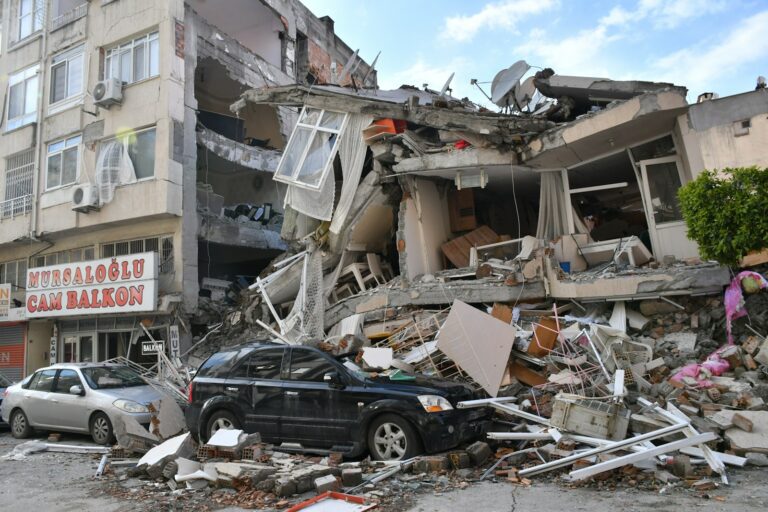
In the early hours of Tuesday, the roof of a bustling nightclub in the Dominican Republic gave way, trapping patrons under debris. The collapse occurred during a peak hour, when the club was filled with people enjoying music and dance. Emergency services rushed to the scene, working tirelessly to rescue those trapped. Despite their efforts, the incident claimed the lives of at least 60 individuals, leaving many injured.

Authorities are investigating the cause of the collapse, suspecting structural weaknesses as a potential factor. The nightclub, a popular spot for nightlife enthusiasts, has come under scrutiny regarding its safety standards. This tragedy has highlighted the importance of stringent building codes and regular inspections.


Who Was Affected?

Among the victims were notable figures whose lives were cut short in this tragedy. Rubby Pérez, a celebrated merengue singer known for his vibrant performances, was remembered fondly by fans and colleagues alike. His music brought joy to many, making his loss deeply felt in the entertainment community.

Also lost was Octavio Dotel, a former MLB player whose career spanned over two decades. Dotel, a native of the Dominican Republic, was revered for his talent and dedication to the sport. His unexpected passing has saddened fans and former teammates, who recall his significant contributions to the game.

The loss of these individuals, along with numerous others, has left families and friends in mourning, grappling with the sudden and tragic loss of loved ones.


Reaction and Investigation

The incident has provoked widespread grief and outrage, with many calling for accountability. Officials have pledged a thorough investigation to determine the cause of the collapse and to ensure that those responsible are held accountable. This response aims to prevent future tragedies and bring closure to the affected families.

As the community mourns, the nation unites in offering support and condolences. The government has declared a period of mourning, with flags flying at half-mast in honor of the victims.


Safety Concerns

This tragic event has intensified discussions on safety regulations and building codes. Experts emphasize the need for regular structural inspections and adherence to safety standards to prevent such disasters. The nightclub collapse serves as a stark reminder of the importance of prioritizing public safety.

Local authorities have announced plans to review safety protocols across entertainment venues, ensuring compliance with regulations to protect patrons.


Conclusion

The collapse of the nightclub roof in the Dominican Republic is a harrowing reminder of the importance of safety and the need for accountability. As the investigation unfolds, the community seeks answers and justice for the victims and their families. This tragedy underscores the need for improved safety measures to prevent such incidents in the future. Our thoughts are with those affected, remembering the lives lost and the memories they leaves behind.

Trump Administration Freezes Over $1 Billion in University Funding

0

Key Takeaways:

  • The Trump administration has halted over $1 billion in funding for Cornell and $790 million for Northwestern due to civil rights probes.
  • These funds come from federal departments like Health, Education, Agriculture, and Defense.
  • The freeze impacts grants and contracts vital for research, student aid, and projects.

What’s Happening?

The Trump administration has paused funding for two major universities, Cornell and Northwestern, as part of a civil rights investigation. Cornell faces a freeze of over $1 billion, while Northwestern’s is $790 million. This funding comes from key federal departments, essential for various university operations.

Why It Matters

Federal funding is crucial for universities, supporting scholarships, research, and community services. Cornell uses these funds for cutting-edge research, while Northwestern supports medical and engineering advancements. This freeze could hinder projects and student support, affecting the academic community.

What’s Next?

The investigation’s details remain unclear, but universities must comply with civil rights standards. They might need to adjust policies or face prolonged funding issues. Possible outcomes include resuming funds after compliance or losing them, which could reshape their programs.

Impact on Students and Staff

This freeze could affect financial aid, scholarships, and research opportunities for students. Faculty and staff might face job uncertainty, while researchers could see project delays, impacting innovation and academic progression.

Public Reaction

The community is divided. Some support the administration’s investigation, while others criticize it as a political move. There are concerns about academic freedom and the broader implications for higher education funding.

Conclusion

The funding freeze on Cornell and Northwestern highlights federal oversight’s significance. The situation remains uncertain, emphasizing the challenges universities face in balancing compliance with their core missions. As the investigation unfolds, the academic community waits anxiously for the outcome.

Trump’s Tariffs: A $6 Trillion Crash and Rising

0


Key Takeaways:

  • Global markets nosedive into bear territory following Trump’s tariffs.
  • The White House shifts focus to Trump’s golf victory amid economic turmoil.
  • Over $6 trillion lost in market value, with consumers facing an $8 trillion tax hike.
  • Tariffs fund tax cuts for the wealthy, widening economic inequality.
  • Trump’s tariff plan, created with AI, ignores crucial economic factors.
  • International leaders criticize the tariffs as harmful and ill-conceived.
  • Fox News distracts with trivial coverage while the economy reels.

Introduction: The global economy is facing a significant setback as Trump’s tariffs trigger a market meltdown. While the world grapples with economic uncertainty, Trump’s focus on golf highlights a concerning disconnect from pressing issues. This article delves into the implications of these policies and the criticism they’ve garnered.

The Market Crash and Trump’s Response: The recent market crash, resulting in over $6 trillion in losses, has left investors jittery. As the economy teeters, Trump’s golf outings have raised eyebrows, suggesting a lack of urgency in addressing the crisis. His administration’s communication strategy seems misaligned with the severity of the situation.

Understanding the Tariffs: The tariffs imposed on everyday goods will cost consumers $8 trillion over a decade, funding tax cuts for the wealthy. This regressive policy shifts the economic burden to the average consumer, criticized for its potential to exacerbate inequality.

The AI-Driven Tariff Plan: Trump’s tariff strategy, reportedly generated by AI, lacks depth, ignoring key economic factors like currency fluctuations and labor costs. This simplistic approach has drawn criticism from economists and leaders worldwide, who view it as an unconsidered attack on global trade.

International Criticism and Fox News’ Spin: World leaders have condemned the tariffs, warning of dire economic consequences. Meanwhile, Fox News focuses on trivial matters, diverting attention from the economic fallout. This media strategy contrasts sharply with the harsh realities faced by global markets.

Economic Impact on the Service Sector: The service sector, a significant contributor to the U.S. surplus, is now under threat. Trump’s policies ignore the intricacies of international trade, risking long-term economic stability and investor confidence.

Conclusion: Trump’s tariff policies, crafted without thorough analysis, pose significant risks to the global economy. As the situation worsens, the focus remains on the administration’s response and the potential long-term consequences of these actions. The world watches anxiously, hoping for a more informed and strategic approach to economic policy.

House Republicans Clashed with Editorial Board Over Budget

0

Key Takeaways:

  • The WSJ editorial board criticizes far-right House Republicans for blocking the Senate’s budget framework, potentially hindering Trump’s agenda.
  • The board also opposes Trump’s new tariffs, viewing them as detrimental.
  • Republicans are divided on implementing tax cuts, energy deregulation, and border security.
  • The House is concerned about the Senate’s spending cuts, while the board argues that the Senate sets a floor, not a ceiling.
  • House Republicans face a choice: pass the budget or risk higher taxes and political fallout.

Editorial Board Criticizes House Republicans Over Budget Stalemate

Understanding the Conflict

A recent editorial in a conservative publication strongly criticized far-right House Republicans for their stance on blocking the Senate’s budget framework. This criticism highlights a deeper conflict within the Republican party, where internal disagreements might derail key aspects of President Trump’s agenda, such as tax cuts and deregulation.

Why the Budget Matters

The budget framework is a critical step towards advancing Trump’s policies. Passing it allows the Senate to use a special process called reconciliation, which requires only 51 votes instead of the usual 60. This process is crucial for bypassing Democratic opposition, especially in the Senate, where Democrats could block legislation.

House Republicans’ Concerns

Some House Republicans are unhappy with the Senate’s budget plan, arguing it doesn’t cut spending enough. They want deeper cuts, particularly in areas like Medicaid, which they believe is essential for reducing the national debt.

Senate’s Perspective

The Senate, however, maintains that their budget sets a minimum for spending cuts, not a maximum. This approach allows flexibility as the budget moves through the legislative process. The Senate believes this strategy is necessary to comply with its complex rules and ensure the budget can pass without Democratic support.

Editorial Board Weighs In

The editorial board argues that House Republicans are misunderstanding how the budget process works. By blocking the Senate’s framework, they might prevent any spending cuts from happening at all. This could lead to a worst-case scenario: no spending restraint and a significant tax increase.

Impact of Inaction

If House Republicans refuse to compromise, the consequences could be severe. Without a budget agreement, the government might shut down, and key parts of Trump’s agenda could stall. Additionally, without the reconciliation process, tax cuts and other priorities might never reach the President’s desk.

A Call for Action

The editorial board urges House Republicans to act. They have a clear choice: pass the budget framework and start working on the details of their spending cuts, or continue to block it and risk political fallout. The board warns that further delays could lead to political self-harm, benefiting Democrats and undermining Republican goals.

Conclusion

The clash between House Republicans and the Senate over the budget framework highlights the challenges of governing, even for a party with control of both chambers. The editorial board’s critique serves as a stark reminder that internal unity is crucial for achieving legislative success. For now, the fate of Trump’s agenda and the Republican Party’s ability to govern hang in the balance.

GOP Budget Sparks Heated Debates as Deficit Soars

0

Key Takeaways:

  • Republicans are divided over a budget that could increase the deficit by $5.8 trillion.
  • The debt could reach 214% of GDP by 2054, raising concerns.
  • Internal conflicts arise as some Republicans struggle with President Trump’s deficit increases.
  • House Speaker Mike Johnson pushes for a quick budget passage using reconciliation.
  • The budget slashes public services and imposes tariffs, impacting low-income families.
  • Tensions within the GOP could lose crucial votes, risking the budget’s passage.
  • Johnson urges lawmakers to stay in town to finalize the budget, delaying a recess.

Introduction

The Republican Party, known for advocating lower national debt, faces internal turmoil over a controversial budget proposal. This plan could add $5.8 trillion to the deficit, pushing the debt to 214% of GDP by 2054. The situation is tense, with members struggling to support President Trump’s approach, which contrasts with their traditional stance.

The Budget’s Impact

Reports indicate the budget could drastically increase the national deficit, alarming fiscal conservatives. Such a rise would significantly outpace the economy’s growth, potentially destabilizing the nation’s financial health.

Internal Conflicts

Speaker Johnson faces opposition from some Republicans who prefer a conference to iron out differences between House and Senate budgets. Johnson, however, is pushing for a swift passage, aiming to bypass lengthy negotiations through reconciliation.

The Rushed Process

Johnson’s haste to pass the budget is causing friction. Some lawmakers feel the rapid process undermines thorough discussion, essential for such a significant financial plan. This rush highlights the pressure to meet deadlines and maintain party unity.

Budget Details and Criticisms

The budget proposes cuts to public services and civil service reforms, which are met with criticism. Sweeping tariffs are expected to burden low-income families, offsetting any tax cuts they might receive. This has drawn criticism from advocacy groups concerned about economic equality.

Potential Consequences

The internal conflict, including a heated exchange over voting rights for new mothers, could cost the GOP vital votes. With only a four-vote margin, any defection risks the budget’s failure. Johnson and Trump are working to maintain unity, emphasizing the need for cohesion.

Conclusion

The GOP’s challenge in passing this budget reflects deeper ideological divisions. As deadlines loom, the party’s ability to unite will determine the budget’s fate and its impact on the nation’s economy. The situation remains fluid, with all eyes on the next moves in this high-stakes political battle.

Law Firms Stand Up to Trump: A Fight for Rights

0

Key Takeaways:

  • President Trump targeted two law firms, Jenner & Block and WilmerHale, with executive orders.
  • The firms are fighting back, claiming the orders are unconstitutional.
  • Legal experts praise their stand against the administration.

Trump Targets Top Law Firms

In a bold move, President Trump recently issued executive orders targeting two prominent law firms, Jenner & Block and WilmerHale. The orders aim to restrict their operations, citing national security concerns. These firms have been involved in high-profile cases linked to Trump, including the Russia investigation led by Robert Mueller.

Why Were These Firms Targeted?

Jenner & Block faced scrutiny due to its connection with Andrew Weissmann, a key prosecutor in Mueller’s team. Weissmann, who worked on the investigation into Trump’s 2016 campaign ties to Russia, has ties to the firm. Similarly, WilmerHale was Mueller’s former employer before he led the Russia probe, making it a target as well.

Firms Push Back with Legal Action

Both firms are not backing down. They filed legal motions to block the executive orders permanently, arguing these orders violate the First Amendment and are acts of retaliation. Jenner & Block called the move a clear breach of free speech rights, criticising other firms that complied with Trump’s demands. WilmerHale echoed this, stating the orders target them for representing Trump’s political opponents and challenging his immigration policies.

Legal Community Shows Support

Legal experts are rallying behind the firms. National security attorney Mark Zaid praised their courage, while former federal prosecutor Barb McQuade highlighted their defense of the legal profession against what she called lawless orders. Their support underscores the broader implications for the legal system and democracy.

Understanding the Impact

The executive orders could severely impact the firms’ operations. If upheld, they might lose government contracts and face regulatory hurdles. This could set a concerning precedent, allowing the targeting of businesses based on political disputes.

Conclusion

The battle between Trump and these law firms is a significant test of constitutional rights and administrative power. As the legal community watches closely, the outcome may shape future interactions between the executive branch and the legal profession. The firms’ stand highlights the importance of resisting overreach and defending democratic principles.

Trump’s Tariffs Spark Global Backlash and GOP Criticism

0

Key Takeaways:

  • President Trump’s new tariffs on nearly 100 countries are now in effect.
  • A former Republican congressman called Trump’s trade strategy “bad” and said it will raise prices for Americans.
  • China and other countries are pushing back against the tariffs, with China calling them “bullying.”
  • Trump claims world leaders are trying to negotiate exemptions, but critics say the tariffs are confusing and harmful.

The Tariffs Take Effect

President Donald Trump’s new tariffs, which target nearly 100 countries, officially went into effect on Tuesday. These tariffs, which include a massive 104% duty on some Chinese imports, are part of Trump’s so-called “reciprocal tariffs” plan. The idea, according to Trump, is to make other countries pay more for selling goods to the U.S.

At a recent fundraiser for the National Republican Congressional Committee, Trump bragged that world leaders are “kissing my a–” to avoid his tariffs. However, not everyone is impressed with his approach.


A Former GOP Lawmaker Speaks Out

Charlie Dent, a former Republican congressman, criticized Trump’s trade strategy on CNN. Dent called the tariffs “bad” and said they make no sense. “The privileged few want to be protected at the expense of the many,” Dent said. “He wants to raise prices, and that’s what’s going to happen.”

Dent explained that tariffs on imported goods like steel or shrimp will ultimately make these items more expensive for American consumers. He also doubts Trump’s claim that world leaders are lining up to negotiate. “One of those calls probably wasn’t from President Xi [Jinping] of China,” Dent said, pointing out that Xi leads an authoritarian regime and can withstand economic pain.


China’s Strong Response

China’s foreign minister, Lin Jian, denounced Trump’s tariffs as “bullying” and promised to protect China’s rights and interests. While China is open to negotiations, it’s clear they won’t back down easily.

Dent agrees that China can handle the pressure. “He can take a lot of pain,” Dent said of Xi.


Other Countries React

While China is taking a tough stance, other countries like Vietnam are hoping to reach a deal to drop the tariffs. However, it’s unclear what the White House really wants.

“They have two objectives,” Dent said. “One is to raise tariff rates to collect money and supposedly bring back manufacturing. The other is to get to zero tariffs altogether. But I think they want to keep the rates high so companies and countries will beg for exemptions.”

Dent called the policy “a bad rule” because it requires so many exemptions. “Anytime you have a policy that needs so many exemptions, you have a bad rule,” he said.


The Uncertain Future of Trade

The impact of Trump’s tariffs is still unclear. While some countries are willing to negotiate, others are pushing back hard. China, in particular, has made it clear that it won’t be bullied.

Dent remains skeptical of Trump’s strategy. “I’m very cynical about this,” he said. “There are a lot of ways for people to raise money off of this, but it’s going to hurt American consumers and businesses in the long run.”

As the trade war continues, one thing is certain: the world is watching closely to see what happens next.


What do you think about Trump’s tariffs? Let us know in the comments!

Judge Rules in Favor of AP in Press Access Battle: A Win for Free Press

0

Key Takeaways:

  • A judge ruled in favor of the Associated Press (AP) in a lawsuit over limited access to presidential events.
  • The AP had faced restricted access to events like Air Force One and the Oval Office.
  • The judge stated that excluding the AP from press pools violates the First Amendment.
  • This ruling highlights the importance of press access in covering government activities.

What Happened?

In a significant decision, District Court Judge Trevor McFadden recently ruled in favor of the Associated Press (AP) in a lawsuit they filed earlier this year. The AP had been facing restricted access to key presidential events and locations, such as Air Force One and the Oval Office. The judge agreed with the AP, stating that their exclusion from certain press pools and spaces is a violation of the First Amendment.

The Ruling Explained

Judge McFadden’s decision emphasized that denying the AP access to these events is not in line with the principles of the First Amendment, which protects freedom of the press. The judge’s ruling is a clear message that press access is a fundamental right in a democratic society. This ruling not only affects the AP but also sets a precedent for other news organizations covering the government.

Why This Matters

Press access is crucial for transparency and accountability in government. Journalists play a vital role in informing the public about important events and decisions made by those in power. By ensuring that news organizations like the AP have access to these events, the public gains a clearer understanding of what is happening within the government.

The Bigger Picture

This case highlights the ongoing challenges news organizations face in accessing information and resources necessary to report on government activities. The ruling is a reminder of the importance of a free press in holding those in power accountable and ensuring that the public is well-informed.

What’s Next?

The ruling is a significant win for the AP and for press freedom. However, it also underscores the continued need for vigilance in protecting the rights of journalists to access and report on government activities. As the government continues to evolve, so too will the role of the press in ensuring transparency and accountability.

Conclusion

Judge McFadden’s ruling is a victory for the AP and for the principles of a free press. It serves as a reminder of the importance of press access in a democratic society and sets a precedent for future cases involving press freedom. This decision ensures that journalists can continue to do their job effectively, keeping the public informed and holding those in power accountable.

Will China Ban US Films Soon?

Rising tensions between the United States and China may change American film access to Chinese cinemas. Hollywood faces uncertainty as China might ban US films. This change would hurt the movie industry around the world. As the situation develops, many people worry about the future of popular films.

Political disputes affect films now more than ever. The film sector depends on global markets and trade. The United States and China enjoy a long history of trade conflicts. In recent days this struggle may hit cinemas hard. China could ban US movies to fight back against American tariffs.

Tariffs and trade fights push China to act. American tariffs on Chinese goods may rise. This move could cause China to retaliate in many ways. Influential voices on Chinese social media say their leaders are serious. They mention reducing or banning US films entirely. These words come after China warned that it would fight against US trade pressure. The posts appear to be true signs of major policy review.

China holds vast power in world cinema. China is the second largest movie market after the United States. Recently, the box office in China earned billions of dollars. Experts expect a big jump in revenue during the next year. Many studios now risk losing millions in earnings if their films are blocked. Upcoming movies such as Mission Impossible and a new Superman film face great danger. With China limiting imports, Hollywood may lose a vital source of revenue.

How the Chinese film market works is very different from other countries. China shows only a limited number of foreign films each year. There is a quota that allows just thirty-four films to enter Chinese cinemas. The films follow fixed rules that share box office earnings. Sometimes, China buys the rights to films with a fixed fee. The government controls every step of this process. This control means that for a foreign film to show, many rules must be obeyed.

One must understand how this system works to see the real danger to Hollywood. Normally, a studio shares its earnings when a film shows in China. For some movies, local companies pay a fixed fee instead. The government runs two agencies to decide which film enters the market. This setup gives authorities the power to block films that do not fit their plans. That control may soon lead to more censorship on films from the United States.

A ban on American films could alter Hollywood forever. American movies have a long history in global cinema. A ban would hurt Hollywood in many ways. US studios could lose hundreds of millions of dollars in revenue. Movies that promise big action and fun stories could see smaller audiences. Future blockbusters currently planned may miss their chance to shine in China’s big market.

Political tension is not new for Hollywood. Tensions have affected the movie business for many years. In the past, similar measures have hurt other film markets. In 2017, a dispute between China and South Korea led to the banning of Korean music and movies. In those times, Korean culture found it hard to reach audiences in China. Today, US films face a similar risk. This risk teaches filmmakers to be cautious with political news.

The possibility of a ban is not just simple talk. Many experts say the idea is gaining traction. Posts on social networks come from real insiders with inside information. These messages appear shortly after strong statements from the Chinese government. Although no official statement has been made, the warning posts seem to support the possibility of action. Policy makers in China may soon decide on protecting their interests. This decision could come swiftly if pressures do not ease.

This news causes major worry among Hollywood executives. They are unsure how to plan their next steps. Some studios think about creating new strategies to reach audiences. Future films may have to change direction to meet new market needs. They might target other countries with large movie audiences. Filmmakers can make plans based on current trends. In these times, every decision counts for filmmakers and the industry at large.

Filmmakers must think hard about the consequences now. They should not ignore the risks of a ban. Business managers, directors, and actors must prepare for a change. They need to diversify the markets where they show their films. Alternative markets such as India and South Korea grow strong every year. Also, many European countries show good potential in cinema. By spreading out their releases, studios can reduce the danger of losing the Chinese market.

This shift in movie watching affects more than just the studios. It affects fans who love American films. Moviegoers in China may lose access to stories they enjoy. Many people in China have become fans of Hollywood films. These films bring different cultures and ideas to audiences. When foreign films vanish, local creativity might suffer. The change can reduce the variety of movies available in Chinese cinemas. For now, this prospect causes worry both for fans and filmmakers alike.

Many experts believe that politics will continue to mix with entertainment. Film is a global business that does not exist in a vacuum. Decisions in Washington and Beijing now affect movie releases around the world. Trade policies, tariffs, and political messages will soon shape the way films are enjoyed in many countries. These changes might start with a ban on American films in China. In time, other alliances and deals could also shift.

Actors and film crew members face potential job challenges because of these moves. Big names in Hollywood rely on global audiences for support. A ban in China can lead to a drop in international box office numbers. This loss can reduce earnings that support many film projects. Studios with global ambitions will have to rethink how they produce films. They might lower budgets to adjust to new rules. These changes raise big questions about the future path for US film companies.

Several major films that fans wait for may lose their chance to shine. Future releases like Mission Impossible and a new Superman film are at risk. The thought of losing Chinese audiences makes many feel uneasy. Big releases depend on global interest and markets. Even a small drop in international earnings can hurt overall numbers. The loss of revenue may lead studios to cut back on some productions. It may also lead to lower investments in creative projects. In making decisions, every film producer now weighs this new risk.

Transitioning into new strategies is not an easy task for Hollywood. The film industry must reconsider many established norms. Market professionals suggest exploring new partnerships abroad. They could work with local companies in other big film markets. This strategy may help balance the loss if American films are banned in China. New trade deals could also ease tensions in the future. By working with different countries, Hollywood can offset losses from one region. Through these changes, studios hope to find new paths for their movies.

This growing tension has created discussions among movie lovers, industry experts, and media professionals. Some worry this move will start a trend of more censorship on global screens. Others believe that artists will find new ways to share their stories even in tough times. They say good art can overcome political blocks. While the debate continues, policy makers may soon set a final course of action. Everyone watches closely for any new signs from Beijing.

Student filmmakers and young movie fans study this situation with keen interest. They see it as a lesson that trade policy can affect creative work deeply. Politics and art have always been intertwined in many parts of our lives. This clash among nations reminds us that culture and commerce meet in unexpected ways. The current challenges may even inspire young people to think about a career in films. There is hope that new ideas will arise from these challenging times.

For now, film fans remain hopeful that problems can be solved. Industry talks often show that change is always possible. Film makers have faced hard situations before and found new ways forward. They might even bring more exciting ideas to the silver screen. Many believe that the global love for great stories will win this battle. A ban on US films in China may be reborn over time through diplomatic talks and new trade deals.

The future for American films in China hangs in the balance as tensions continue to rise. Now more than ever, everyone in the film world stays alert. Movie creators, business people, and fans hope that lessons from history guide future choices. As the debate over tariffs and films intensifies, both countries remain on edge. New policies may soon be announced and change the cinema world forever. Until then, every unfolding day holds its own challenges and opportunities.

Ultimately, the coming months will show the real impact on Hollywood. Films connect people across borders and cultures. Changes in trade talks remind us that art and politics will always meet. No matter what happens, good stories will find ways to be told. We must pay close attention to global news and adapt when needed. In our connected world, every decision can influence millions of lives.

This situation creates not just business risks but effects on culture, dreams, and creativity. The movie industry has always been a blend of art and business. Now, tensions create a mix that may redefine global cinema. Every filmmaker, actor, and fan waits to see how the words of political leaders play out at the box office. While tomorrow remains uncertain, the hope for great cinema keeps everyone optimistic.

We look forward to more updates in the coming weeks and months. As the trade disputes continue, both studios and fans stand ready for any news. The global film industry prepares for a new era of challenges and changes. Young people and cinema lovers are encouraged to learn more about how politics shapes art. In a world where each market matters, every change counts. Everyone hopes that fair and thoughtful decisions will help all parties involved.

This article tells a story about culture, trade, and the ever-changing world of movies. Each word reflects concern and hope in a complicated era. The potential ban on American films in China is a sign of bigger global shifts. It remains a reminder that even art is never far from the events in our world.

We hope that this explanation helps all readers understand the challenges that Hollywood faces now. We use simple words and clear ideas to bring news closer to everyone. Stay tuned as more information comes in and new steps are taken by both sides. The future of films still holds a promise of innovation, creativity, and unity in our global community. Check the full story on https://projectcasting.com/blog/news/will-china-ban-hollywood-films-over-trump-tariffs