63.8 F
San Francisco
Friday, March 20, 2026
Home Blog Page 98

Why DOJ Failed on Epstein Files

0


Key Takeaways:

  • A top strategist says the Justice Department never took Epstein’s case seriously.
  • Critics point to hundreds of victims and almost zero accountability.
  • Newly released Epstein files include a letter hinting at Trump’s link.
  • Advocates call for more transparency and justice for survivors.

DOJ Criticism over Epstein Files

A Democratic strategist slammed the Department of Justice for dropping the ball on the Epstein files. Mike Nellis called out the DOJ on social media. He said that under several presidents, the agency ignored hundreds of documented victims. He argued that not holding anyone accountable is outrageous. He called it a devastating failure of the rule of law.

In his post, Nellis stressed that Trump or other leaders cannot hide from this failure. He wrote that the FBI and prosecutors never took the case seriously. Moreover, he said the lack of charges shows a broken system. Thus, advocates and survivors feel betrayed and demand action.

Handwriting Analysis in Epstein Files

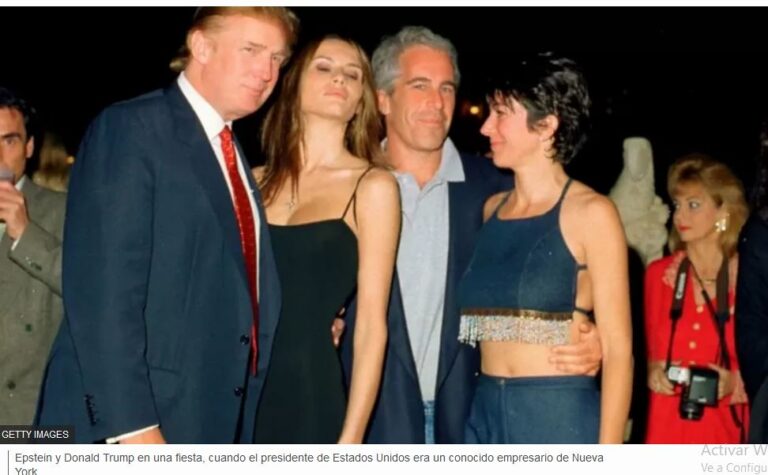
Recently, the DOJ released a batch of Epstein files. Among them was a request for handwriting analysis of a letter. The letter, dated August 13, 2019, arrived three days after Epstein died. It went to Larry Nassar, the disgraced former gymnastics doctor. In it, Epstein allegedly claimed that Donald Trump shared his “love of young, nubile girls.”

However, the letter was never delivered. Officials marked it “return to sender” and asked an expert to verify the handwriting. This request now appears among the newly released records. Yet, the DOJ still has not confirmed who wrote that letter. As a result, people question why such a critical file took so long to see the light of day.

The Scope of Epstein’s Crimes

Jeffrey Epstein ran an extensive sex trafficking network for over a decade. He recruited underage girls from vulnerable backgrounds. He used his wealth and status to lure victims with promises of money or jobs. Then he groomed and abused them at his mansion, his Palm Beach home, and his private island. He often enlisted accomplices like Ghislaine Maxwell to help him.

Despite clear evidence of dozens of victims, Epstein largely evaded justice for years. He once did a plea deal in Florida that let him avoid serious prison time. Even then, his network remained intact. Prosecutors only charged him federally in 2019 after new evidence surfaced. Sadly, he died in jail days later, ending any chance of a full trial.

Survivors have waited for justice ever since. They faced public shame and legal hurdles. Many rallies and lawsuits followed, but the core players stayed free. Now, advocates want the newly released files to shed light on possible accomplices and enablers.

Why These Epstein Files Matter

These Epstein files matter for many reasons. First, they could expose new names or links to powerful figures. Second, they help survivors see how the system treated their claims. Third, they show the DOJ’s priorities and how politics may have interfered. Last, they serve as a warning that the rule of law must apply to everyone.

Furthermore, public trust in law enforcement depends on transparency. When high-profile cases stay sealed or delayed, people lose faith. In turn, they think justice only applies to the wealthy or well connected. By releasing these files, the DOJ can begin to rebuild trust.

Moreover, uncovering the full story may bring healing to survivors. They deserve answers about what happened and why. Also, they need to know who protected Epstein and profited from his crimes. So far, much of this remains hidden in the Epstein files.

What Comes Next

Many hope this release marks a new chapter of openness. First, experts will review the files for clues about Epstein’s network. Next, survivors’ lawyers will look for evidence to support more lawsuits. Then, Congress may hold hearings on the DOJ’s failures. Finally, prosecutors could open fresh investigations into people named in the files.

Still, it will take time. Handwriting experts must finish their work. Prosecutors need solid evidence to charge anyone. Yet, advocates say this is only the start. They demand regular updates and full cooperation from the DOJ. Only then will survivors feel that justice might finally arrive.

In addition, the public can pressure officials to move faster. Social media posts and petitions can keep the spotlight on this case. Meanwhile, watchdog groups will continue to file requests for more documents. As a result, we may see more revelations in the coming months.

For now, the Epstein files raise serious questions. How deep did his network run? Who looked the other way? And why did key documents sit hidden for years? Answering these will define our nation’s commitment to justice.

Frequently Asked Questions

What are the Epstein files?

The Epstein files are documents released by the DOJ about Jeffrey Epstein’s alleged crimes and the investigation into them. They include emails, memos, reports, and requests like handwriting analysis.

Why is the DOJ under scrutiny for these files?

Critics say the DOJ never prioritized Epstein’s case despite hundreds of victims. They argue that the agency delayed or hid key documents, hindering accountability.

Who is Mike Nellis and what did he say?

Mike Nellis is a Democratic strategist and chief strategy officer of Authentic. He posted on social media that the DOJ’s handling of the Epstein files was a failure of the rule of law.

What could we learn from the newly released documents?

The documents may reveal new names, links to powerful figures, and internal discussions. They could help survivors, support new charges, and restore public trust.

Trump’s Drug Price Cap: A Risk to Patients?

0


Key Takeaways:

  • Economists warn that a drug price cap could disrupt the U.S. health care system.
  • Trump’s plan, called TrumpRX, aims to limit what patients pay for medications.
  • Experts say price setting may raise costs elsewhere in the supply chain.
  • Critics fear the cap could slow drug development and reduce access to new treatments.

Understanding Trump’s Drug Price Cap

President Trump unveiled a new plan last week named TrumpRX. It includes a government drug price cap to lower what patients pay at the pharmacy. Under the proposal, nine drug makers would invest $150 billion. Meanwhile, shoppers would buy lower-priced medicines directly from manufacturers. Initially, the idea sounds simple. Often, patients feel they pay too much out of pocket. However, economists say a drug price cap might backfire. They point out that someone must still cover the full manufacturing and research costs. Thus, a cap on patient costs does not lower the overall price of drugs.

Why a Drug Price Cap Seems Simple

First, the cap directly limits what patients pay in co-pays or coinsurance. Next, the promise of cheaper meds wins public attention. Also, steering buyers to factory-direct sales could cut out middlemen fees. Furthermore, the $150 billion investment seems to sweeten the deal. Therefore, the plan looks like a win for consumers and drug makers alike. Yet, simple fixes can bring complex problems. Economists stress that capping part of the cost does not reduce the total bill. Consequently, the idea could leave gaps that other players fill with higher charges.

Hidden Costs of a Drug Price Cap

Experts told Fox News that price controls often shift costs to other areas. For instance, insurers might raise premiums to cover drug expenses. Meanwhile, distributors could hike fees to offset lost revenue. Furthermore, pharmacies might charge higher service costs. As a result, the public may still pay more overall. In addition, limiting patient payments does not touch the costs tied to research and development. Drug companies invest billions to create new treatments. Therefore, critics fear the cap will slow innovation. They warn that fewer new drugs will reach patients over time.

Voices Against Price Setting

Michael Baker oversees health care policy at a major think tank. He notes that government price setting only trims patient bills. Yet, someone must pay the rest of the tab. He adds that it does not lower development costs. Consequently, patients “will experience far less of the crown jewel of the U.S. health care system.” Even groups that support Trump oppose the plan’s core feature. At the Heritage Foundation, Ed Haislmaier explains that initial price limits harm innovation. He highlights that some other countries saw reduced research when they capped new drug prices. Fortunately, he says, the U.S. has avoided such strict controls—until now.

What Patients Might Lose

The United States leads in drug discovery and new therapies. Yet a strict drug price cap could shrink that lead. Without the promise of solid profits, companies may cut clinical trials. Consequently, patients may wait longer for new cures. In some cases, rare diseases could lack treatments altogether. In addition, fewer research jobs could harm local economies. Meanwhile, health care quality might slip if advanced drugs disappear. Therefore, while patients save on co-pays, they could lose access to life-saving therapies. That trade-off worries many experts and patient advocates alike.

Potential Upsides and Trade-Offs

Of course, the plan could bring short-term relief. Some patients might afford treatments they once skipped. In fact, lower out-of-pocket costs could boost adherence. Better adherence often leads to healthier outcomes. Yet, a drug price cap alone may not solve deeper cost issues. Experts suggest that profiling high list prices and rebates needs reform. Furthermore, improving drug approval times could cut development budgets. By contrast, setting price ceilings might discourage efficiency. Thus, experts urge a balanced approach that tackles the root causes of high costs.

What Comes Next?

The White House faces a choice between quick relief and long-term health care stability. Lawmakers may push back on price controls that risk innovation. Alternatively, they could demand broader reforms in patents and competition rules. Meanwhile, patient groups will press for lower costs without stifling new drugs. In addition, insurers and pharmacies will lobby to protect their revenue streams. Ultimately, any policy must weigh immediate savings against future breakthroughs. Furthermore, clear data on supply chain impacts will shape the debate. Therefore, the coming months will be critical for U.S. drug policy.

Key Takeaways Revisited

Overall, the proposed drug price cap aims to help patients pay less at the counter. However, critics warn it may raise costs elsewhere and harm drug innovation. As the debate heats up, voters and experts will focus on trade-offs. In the end, the U.S. must balance affordable care with ongoing medical breakthroughs.

Frequently Asked Questions

What exactly is a drug price cap?

A drug price cap limits what patients pay for medicine, such as co-pays or coinsurance. The overall drug cost still exists, and someone must cover that balance.

Could a cap really hurt new drug research?

Yes. Drug developers rely on profits from new treatments to fund future research. Lower potential earnings may lead companies to cut research budgets.

Are there other ways to lower drug costs?

Experts recommend improving competition, speeding up approvals, and increasing pricing transparency. Tackling these areas can reduce costs without stifling innovation.

How soon might patients feel changes from this plan?

If approved, new rules and investments could take months to roll out. Yet supply chain shifts may show price effects sooner in insurance premiums or pharmacy fees.

Susie Wiles Retribution: Behind the Vanity Fair Scoop

0

Key Takeaways

  • Former Clinton adviser Sidney Blumenthal suggests Susie Wiles used her Vanity Fair interview as retribution.
  • Blumenthal argues Wiles misled President Trump and avoided real pushback on policies.
  • Wiles may be positioning herself as a helpless bystander at the White House circus.
  • Trump still trusts Wiles, despite her “quiet qualms” and shocking disclosures.

Susie Wiles Faces Fresh Questions After Interview

Susie Wiles stunned Washington when her detailed interview hit Vanity Fair last week. Immediately, former adviser Sidney Blumenthal accused her of planning a sneaky move. He suggested her disclosures were not innocent. Instead, they were a form of retribution against President Trump. In fact, readers now wonder if Wiles aims to play both sides to protect herself. Meanwhile, Trump insists he still trusts her completely.

Susie Wiles’ Role in Trump’s Team

As chief of staff, Susie Wiles runs White House operations. She organizes meetings, filters information and advises the president. However, Blumenthal notes she often shrugs off tough issues. He claims she avoids real decisions and shifts blame to others. Moreover, Wiles admitted “quiet qualms” about some Trump policies. Yet she held back on voicing any real objections. Therefore, critics argue she acts more like an enabler than a protector.

Could the Interview Be Retribution?

Blumenthal wrote that Wiles may have plotted her Vanity Fair chat as payback. First, he points out she lied to Trump during her talks with writer Molly Whipple. While inside a meeting, she said the matter was not urgent. Then she slipped away to talk with the journalist. Blumenthal highlights that her trick earned her a candid platform. He asks if this stunt was her only way to strike back in a place she cannot openly challenge the president. Furthermore, Wiles may have sought to expose her own helplessness under Trump’s rule.

How Wiles’ Moves Misled the President

During the interview process, Susie Wiles downplayed the impact on Trump. She told him that the meeting was not about him, so he signed off. Yet she fully knew how explosive her remarks would be. By misleading the president, she created room for a bombshell story. As a result, Trump faced fresh embarrassment. Despite this, he publicly declared his trust in Wiles, leaving many to wonder if he truly knows her playbook.

Learned Helplessness or Calculated Play?

Blumenthal described Wiles as a “manifestation of learned helplessness.” He believes she has swung between fear of losing her job and desire to stay close to power. Consequently, she never fully challenged Trump’s controversial choices. At the same time, she used her interviews to air private doubts. This dual approach may have served as her own form of revenge. Ultimately, she balanced conflicting aims: to survive in her role and to expose the limits she faces under Trump’s dominance.

What’s Next for Susie Wiles?

Despite the uproar, Susie Wiles remains chief of staff. She still manages White House affairs with close ties to Trump. Yet the controversy may change her influence behind the scenes. Therefore, some lawmakers and insiders are watching for signs of her removal or demotion. However, Trump’s public support makes a shake-up unlikely—at least for now. In fact, her next moves may determine whether she stays an insider or becomes a scapegoat.

Conclusion

Susie Wiles’ Vanity Fair interview thrust her into the spotlight for all the wrong reasons. Sidney Blumenthal argues her actions were more than careless leaks. He labels them calculated retribution for limits she endures in Trump’s world. As the drama unfolds, one thing is clear: Susie Wiles will continue to face tough questions about loyalty, power and survival in the White House circus.

FAQs

Who suggested the interview was retribution against President Trump?

Sidney Blumenthal, a former senior adviser to Bill and Hillary Clinton, wrote an opinion piece calling Susie Wiles’ interview a form of retribution.

How did Susie Wiles mislead President Trump?

During a meeting, she told him her talk with the Vanity Fair writer was not urgent. Then she left to give an in-depth interview he never expected.

Why does Blumenthal call Wiles a “manifestation of learned helplessness”?

He believes she knows she cannot challenge Trump but still seeks small ways to push back, leaving her stuck between two roles.

Will Susie Wiles lose her job over this controversy?

Although questions swirl, Trump’s public support makes her dismissal unlikely in the near term. However, her future influence may be at risk.

Immigration Crackdown Forces Teens into Caregiving

Key takeaways

• Teens step into adult roles after ICE arrests
• Critics note many teens are U.S. citizens
• Stephen Miller’s wife draws fierce backlash
• Communities call for empathy amid family splits

A recent report reveals how the immigration crackdown leaves teens caring for siblings. ICE arrests removed parents who earned money and provided stability. As a result, many teenagers juggle adult chores and jobs. They face stress, school struggles, and emotional pain. Meanwhile, public reaction has ignited a heated debate.

Families Torn Apart by Immigration Crackdown

The immigration crackdown led to sudden family ruptures. Parents working in neighborhoods felt safe until ICE agents stepped in. They lost jobs and homes in minutes. Teens then took on housework, cooking, and bills. They also comfort younger brothers and sisters. This shift left many teens exhausted and anxious.

Inside a Los Angeles kitchen, a teen stirs soup instead of doing homework. In Chicago, a high school student fills out tax forms. These scenes repeat across the country. Without a parent’s guidance, teens face risks. They must rely on friends, teachers, or community groups. Often though, such help is limited.

Harsh Response from Miller on Social Media

Recently, Katie Miller, spouse of Trump adviser Stephen Miller, reacted online. She wrote, “They can also just self-deport and go with their parents. What kind of parent just abandons their children?” Her comment downplayed the trauma of sudden detentions. She seemed to blame parents for their own family crisis.

However, critics quickly pointed out flaws in her view. Many teens at the heart of this story were born in the United States. They hold American citizenship, which means they cannot self-deport. No policy lets a citizen child leave the country with their undocumented parent. The idea itself shows a deep misunderstanding of the law.

Social Media Rallies Against Her View

Online critics debated her words fiercely. One user wrote, “Parents are just taken from streets. It’s kidnapping by ICE, not abandonment.” Another asked, “You call this ‘abandonment’? Those parents never planned this.” A third user noted, “Those kids are citizens. They can’t just go anywhere.”

Others saw a lack of empathy. Trumputin said, “They came to work and provide. They stay to support families.” DeeBunker wondered, “Who cheers on family splits yet loves kids and parenthood?” Dingo Johnson urged her to focus on new Epstein revelations. He said, “Tweet about children’s safety if you care so much.” These messages showed strong public backlash.

How Teens Cope

Despite these challenges, many teens find ways to cope. They lean on friends, teachers, and local charities. Some schools offer after-care programs for children. In churches and community centers, teens find mentors. Volunteers may help with chores or schoolwork. This support helps prevent teens from dropping out or risking burnout.

Local legal groups also step in. They guide families on rights and legal steps. They explain what happens in court and in detention centers. They may help reunite parents and children faster. Still, legal help remains scarce in many regions. A pressing need exists for more funds and volunteers.

Why Empathy Matters

Empathy can ease suffering on many levels. When community members show kindness, teens feel less alone. Simple actions—meals, tutoring, or a friendly chat—can brighten a teen’s day. Moreover, empathy builds stronger communities. It lets families navigate tough times together. In the end, caring neighbors can reduce stress and fear.

Policy, Not Blame

Blaming parents ignores the core issue. The immigration crackdown created this chaos. Policymakers decide who faces arrest or detention. They set rules that affect families directly. Thus, it makes more sense to push for balanced policies. Such rules could protect children and secure borders. Right now, the system leaves many families in limbo.

Moving Forward

To support these teens, communities must act. First, local leaders can fund youth programs. After-school sites can run free tutoring and meals. Second, schools can train staff to spot signs of stress. Counselors should know how to guide teens through anxiety. Third, legal aid groups need more volunteers and resources.

In addition, elected officials must address policy flaws. They should seek humane solutions that protect kids. Lawmakers can draft bills to ease family separations. They can boost support for families waiting for hearings. Above all, they must remember that policies affect real lives.

In the meantime, social media debates will continue. Voices like Katie Miller’s show that many misunderstand the problem. Yet, growing public outcry also shows rising empathy. People from all walks of life care about family unity. They call for fair treatment and basic human compassion.

The Bigger Picture

This story highlights a clash in priorities. On one side, strict enforcement. On the other, human costs that ripple through communities. Teens stuck in the middle become unpaid caretakers. They bear burdens meant for adults. In the long run, society pays a price when young people lose stability.

Moreover, the mental health toll on teens is clear. Depression, anxiety, and sleep loss rise in these households. School performance often drops as worries mount. Without help, some teens may turn to harmful coping methods. This risk underlines the need for timely support.

A Call to Action

Everyone can help mend broken families. You can volunteer at a local youth center. You can offer your time for chores or homework help. You can donate to legal groups fighting for humane policies. Even a simple message of support can lift a teen’s spirit.

Furthermore, you can speak up for common-sense reforms. Contact your elected representative. Ask them to protect children and families. Share your views on social media with facts and empathy. When public pressure grows, policy can shift in kinder directions.

In this debate, teens deserve a voice. They should not suffer in silence under an unforgiving system. By listening, learning, and acting, we can help them rebuild hope. After all, a community that cares is always stronger.

Frequently Asked Questions

How does the immigration crackdown affect teens?

The crackdown often detains parents, leaving teens to care for siblings. They balance chores, school, and work with little support.

Can detained parents take their citizen kids abroad?

No. U.S. citizen kids cannot self-deport or travel with detained parents. They must stay in the country.

What can local communities do to help?

Communities can offer tutoring, meals, mentoring, and legal aid. They can also fund youth programs and train school staff.

Why did Katie Miller’s comment spark outrage?

Her suggestion that families “self-deport” ignored U.S. citizenship laws. Critics saw her words as lacking empathy for children.

Trump’s Drip on Epstein Files Mirrors Church Cover-Up

0

Key Takeaways

• Jack O’Donnell says Trump knew what was in the Epstein files all along.
• O’Donnell compares Trump’s drip release to the Catholic Church’s cover-up.
• Victims wait longer when information unfolds slowly.
• The slow release strategy may harm survivors more than help them.

What’s Behind the Epstein Files Delay

On Tuesday, the Justice Department released a fresh batch of long-awaited Epstein files. These documents show President Trump rode Jeffrey Epstein’s plane at least eight times. They also reveal emails and notes that pose political risks for Trump.

Jack O’Donnell, once the president of Trump Plaza, spoke with CNN’s Erin Burnett on “OutFront.” He called the drip-drip-drip release of the files “ridiculous.” He added that Trump must already know the full content, so why drag it out?

However, O’Donnell offered a more pointed critique. He said that this slow reveal reminded him of how the Catholic Church handled sexual abuse claims. He warned that this tactic hurts survivors by prolonging their pain.

Why the Epstein Files Matter

The term Epstein files refers to every report, email, note and picture tied to the FBI’s probe of Jeffrey Epstein. These records are vital because they shed light on his crimes and those around him.

First, they give victims a clearer view of how the abuse happened. They also show who moved in Epstein’s circle. Since Donald Trump once called Epstein a “terrific guy,” these documents may reshape public opinion about their link.

Second, the files influence politics. Every new detail can sway voters and shift media coverage. Therefore, both parties watch each release closely.

Finally, these records build pressure for justice. When the public reads names and dates, demand grows for new investigations. In this way, the Epstein files keep the issue alive.

Inside the Epstein Files Release Strategy

The Justice Department opted for a phased release instead of a full dump. Each round drops a handful of documents, then hush. Then it repeats. This slow drip has one clear goal: keep the story alive in the headlines.

Meanwhile, victims wait and re-live trauma as new facts emerge. They see pieces of their past unveiled bit by bit. According to O’Donnell, that approach is “egregious” and almost intentional. He insisted the process treats survivors poorly.

Unlike a full release, this approach lets officials handle or redact things quietly. It also gives them time to spin each revelation. Each new report draws fresh media attention, but it may delay transparency.

Comparison to the Catholic Church Case

O’Donnell’s comparison to the Catholic Church cover-up feels powerful. For decades, the Church hid evidence of sexual abuse by priests. It shuffled accused staff from parish to parish. It also silenced victims with threats and secrecy.

If the Church had come clean early, it would have faced consequences fast. Instead, it took years for survivors to find justice. Many endured life-long pain as details emerged slowly.

O’Donnell sees the same pattern in these Epstein files. Rather than full disclosure, he argues the government is choosing partial leaks. He believes officials fear the political fallout. In his view, that fear outweighs the survivors’ needs.

Impact on Victims

Survivors of Epstein’s crimes deserve real answers, not slow reveals. They need closure, an end to public scrutiny, and legal steps forward.

However, each new document can reopen old wounds. It can also trigger fresh anxiety as more names arise and more details spill out. Victims report feeling “stuck in the past” with each new release.

Additionally, the piecemeal approach can spread misinformation. When readers see a few emails, they jump to conclusions. They fill gaps with rumors or biased claims. Overall, that hurts victims more than a full and prompt disclosure would.

What Comes Next

The Justice Department plans more releases of the Epstein files over coming months. Each wave will likely include names, flight logs, photos and notes.

Supporters of full transparency call for a single public dump of the entire archive. They believe hiding anything undermines trust in the system. Critics say a full release could harm ongoing investigations or privacy rights.

Yet victims and their advocates stress one point. They want the process to end. They want clarity and closure. If the Epstein files come fully into view, survivors hope the public will rally behind fresh action.

In addition, Congress might step in. Lawmakers could demand a clear timeline or even override any further delays. They could also probe why releases take so long.

Ultimately, how these documents reshape the Epstein story depends on two things: how fast they roll out and how the public reacts to each new detail.

FAQs

Why did the Justice Department release the Epstein files bit by bit?

Officials say the phased approach lets them handle redactions and protect privacy. Critics argue it drags out survivors’ pain and hides full truth.

How many times was Trump on Epstein’s plane?

Documents show President Trump flew on Epstein’s plane at least eight times. Emails within the files confirm several of these trips.

What comparison did Jack O’Donnell make with the Catholic Church?

He said the slow leak of Epstein files reminds him of how the Church hid sexual abuse claims. He believes both choices stretched victims’ suffering.

Could Congress force a full Epstein files release?

Yes. Lawmakers can demand a timeline or open hearings. They may push for a complete release to ensure prompt transparency.

Judge Threats Surge After Trump Criticism

0

Key takeaways:

  • Judges across party lines report receiving dangerous threats after ruling against Trump.
  • Some faced “swatting” calls and direct threats to their families.
  • Political leaders and influencers have fueled a toxic environment.
  • Judges now upgrade home security, change routines, and carry weapons.

Judge Threats Shake the Courts

Across the country, judges have faced a wave of threats. Many came from supporters of President Trump’s MAGA movement. Transition words like however and moreover help explain how judges feel unsafe now. They warn that heated rhetoric fuels these judge threats.

Judges, both those appointed by Trump and others, spoke with NBC News. They said that attacks by high-profile influencers changed their work life. In many cases, judges learned that threats could reach their loved ones too. Therefore, they have taken steps to protect themselves.

How Judge Threats Affect Court Security

Judges once expected respect for their rulings. Now threats to their safety have become routine. For example, some received late-night calls with violent warnings. In addition, several were swatted, a prank that sends armed teams to a home under false emergency reports.

These judge threats do more than scare officials. They disrupt court schedules and force judges to alter daily routines. In one case, a judge started taking a different route to work every day. A bodyguard now checks mail and cars before the judge arrives.

Real Cases of Harassment

One senior judge, appointed in 1981, faced the worst of these threats. He said, “I’m not a gun nut,” but admitted he now carries a weapon. He blamed the harsh language from top officials for stirring this anger.

Another judge and his daughter began getting unwanted pizza deliveries. This tactic aimed to unnerve the family. He ruled against the administration’s deportation attempt. Soon after, U.S. Marshals warned him about threats on his life.

Moreover, several judges described anonymous threats that referenced their children and home addresses. Such actions have left judges afraid for their loved ones. Consequently, many have enhanced door locks and installed security cameras.

Political Rhetoric and Risk

Political leaders often attack judges when they lose court battles. White House officials called rulings against deportations a “judicial coup.” This harsh term encouraged supporters to lash out.

Furthermore, social media posts by influencers spread these attacks rapidly. They share the judge’s name and court address. Then followers flood them with hateful messages. As a result, judges see a direct link between political speech and real threats.

A Trump-appointed judge commented, “This is a world none of us thought we’d be living in.” He added that the tone from the government has changed courtrooms into public battlefields. Therefore, judges face hostility even before issuing decisions.

Judges Respond with Safety Measures

Faced with constant danger, judges have adjusted their lives. They upgraded home security systems and added alarm protocols. In some districts, judges share safety tips and coordinate routes to work.

Also, the U.S. Marshals Service now offers more regular check-ins. Judges can call in at any time to report suspicious activity. Meanwhile, courthouses have increased security screenings for visitors and staff.

In addition to these steps, some judges carry concealed firearms. They say this move gives them peace of mind. Others rely on private security details, especially after high-profile rulings. Clearly, the landscape for judicial safety has shifted dramatically.

Protecting Judges from Threats

Courts are exploring new ways to shield judges and their families. They discuss providing safe housing and anonymous email addresses. Moreover, they urge leaders to use calmer language in public debates. They argue that words have power and can push people over the edge.

Legal groups also push for stronger laws against harassing public officials. They want tougher penalties for those who threaten judges. By doing so, they hope to discourage would-be attackers.

In the meantime, judges ask the public for understanding. They request respect for the legal process and its officers. After all, a fair trial depends on impartial judges feeling safe to do their duty.

Conclusion

In recent months, judge threats have become a serious problem. Political attacks and social media rage put judges at risk. However, courts and law enforcement are fighting back. They improve security, offer new support, and call for calmer rhetoric. Ultimately, the rule of law depends on judges feeling secure enough to make fair decisions.

Frequently Asked Questions

What are judge threats?

Judge threats involve any attempt to intimidate or harm judges through words, actions, or hoaxes. They range from online abuse to swatting calls.

Why have judge threats increased?

Judge threats rose due to heated political rhetoric and social media. Influential figures often criticize judges, leading supporters to act out.

How do judges protect themselves?

Judges upgrade home security, change travel routes, and work with U.S. Marshals. Some carry concealed weapons or hire private guards.

How can the public support judicial safety?

People can use respectful language when discussing court cases. They should also report any threats to authorities and back stronger laws against harassment.

Inside the Epstein-Nassar Fake Letter Scandal

0


Key Takeaways

• The Justice Department says the letter is almost certainly a fake letter.
• Handwriting does not match any known samples of Epstein’s writing.
• The letter was postmarked after Epstein died in his cell.
• Many online users suspect the DOJ timed its statement to protect the White House.

A letter surfaced this week that claimed to come from Jeffrey Epstein. It seemed to show Epstein talking with Larry Nassar about President Trump’s liking of young girls. Soon after, the Justice Department called it a fake letter. They said the handwriting was wrong and the date was off. This sparked strong reactions online. Many people still wonder what really happened and why the timing feels odd.

Background of the Claimed Letter

In the files released by the Justice Department, reporters found what looked like a 2019 note. It was addressed from Epstein to Nassar. In the note, Epstein supposedly mentioned that President Trump and he shared a liking for young girls. If true, this would link two high-profile offenders to the president.

However, the letter was never heard of until these files became public. The letter’s stamp showed a date just days after Epstein’s death. This raised immediate questions about its authenticity.

Why Experts Think It’s a Fake Letter

First, the Justice Department studied the handwriting. They compared it to known samples of Epstein’s writing. They found the script did not match. Next, the postmark date was a red flag. Epstein died on one date, but the letter’s stamp showed a later date. Finally, they noted the paper and ink looked different from other documents linked to Epstein.

Therefore, the DOJ announced that this was almost certainly a fake letter. They even said an unnamed expert agreed the handwriting “appears” off. Still, critics point out the DOJ had already shared these doubts years ago. The Associated Press flagged the letter based on prison records back then.

Public Reactions and Doubts

Almost immediately, people took to social media. Some agreed with the DOJ and said the letter was fake. Others felt the DOJ statement was suspicious. They thought the timing might hide something about President Trump.

Attorney and commentator Damin Toell wrote that the DOJ added nothing new. He said they simply repeated past claims and one unnamed expert’s opinion. Meanwhile, The Daily Beast’s Roger Sollenberger argued that the White House might sow confusion. He suggested the release aimed to discredit honest journalists.

Democratic strategist Mike Nellis went further. He claimed the DOJ knowingly released the letter to give Trump supporters a talking point. In his view, the goal was to distract from other troubling files. Podcast host Gavin Aronsen called the move a “smooth operation.” He pointed out that files were released late and then vetted on the fly.

Media consultant David Clinch added that the whole process looked like a shell game. He argued that the DOJ should have vetted all files before making them public. Either they bungled the job or they wanted to mislead the public. In either case, he said it felt illegal because files missed their release deadline.

Key Concerns Raised by Commenters

• Timing: Why did the DOJ wait until after the letter went public to question its authenticity?
• Transparency: Were all files checked before release?
• Motive: Was the fake letter used as a distraction from other revelations?
• Trust: Can we believe future documents from the DOJ?

Why This Matters

First, credibility is on the line. When a government agency releases files, the public expects an honest review. If documents go out unverified, trust erodes. Second, the story touches on powerful names. Epstein and Nassar are both notorious offenders. Adding President Trump’s name raises the stakes even more.

Third, the incident shows how rumors can spread fast online. Social media users eagerly share shocking claims. Even with doubts, a single post can shape public opinion. Finally, it highlights the need for careful journalism. Reporters must confirm facts before reporting. Otherwise, they risk feeding false stories and fueling distrust.

How to Spot a Fake Letter

• Check handwriting against known samples.
• Verify postmark dates and stamps.
• Look for official seals or signatures.
• Cross-check with credible sources.
• Watch for sudden document releases without context.

Lessons for Readers

Always pause before sharing sensational claims. Ask these questions:
• Who verified this document?
• What proof supports its authenticity?
• Could there be a motive to mislead?
• Where did the document come from originally?

By seeking answers, you help slow the spread of false news.

The Road Ahead

The Justice Department still has many files to release. Critics will watch closely for accuracy and timing. Journalists will keep digging for real evidence. In the end, only a clear record and honest review can restore trust.

Conclusion

The Epstein-Nassar fake letter saga highlights the challenges of releasing court documents. It shows how easy it is for a questionable note to cause an uproar. While the DOJ calls the note fake, many remain skeptical. They fear the release was more about politics than truth. As more files emerge, the public will judge how well the government balances transparency with accuracy.

Frequently Asked Questions

What made the DOJ call it a fake letter?

They found the handwriting didn’t match Epstein’s known samples. Also, the postmark dated after Epstein’s death.

Why do people suspect political motives?

The letter linked Epstein, Nassar, and President Trump. Its quick discrediting seemed timed to protect Trump.

How can I tell if a leaked document is real?

Compare handwriting, check dates, look for official marks, and seek multiple sources.

Will all released files be verified first?

Officials say they will, but critics remain unsure. Ongoing oversight and reporting will test their claims.

Trump Stain: Robinson’s Claim on Jan 6 Rioters

0

Key Takeaways

  • Emerald Robinson says President Trump left Jan. 6 rioters unprotected in prison.
  • She claims Ryan Samsel was “tortured” by federal guards after his arrest.
  • Robinson warns of a lasting Trump stain on the presidency if no action is taken.
  • She urges former Attorney General Pam Bondi to secure large settlements fast.

Trump Stain Hits the Presidency

Emerald Robinson opened her show with a strong statement. She said President Trump failed the Jan. 6 rioters. She described this as a Trump stain on the presidency. Robinson focused on Ryan Samsel, who she said faced abuse in jail. She noted that Trump once promised to help anyone pardoned for Jan. 6. Yet she argued his team has not kept that promise.

Now, Robinson says that silence is a big problem. She warned it will haunt Trump’s legacy. Therefore, she urged quick legal action. In fact, she said the clock is ticking on any claims for damages. Without a settlement, she insisted, the stain will grow.

What Happened to Ryan Samsel?

Robinson pointed to Ryan Samsel as a key example. She said he faced “torture” in federal prison after his Jan. 6 arrest. According to her, prison guards mistreated him badly. She went on to call it outright abuse by the federal government. Therefore, she argued that Samsel has a clear right to seek restitution.

Robinson claimed that SARS-Cov2 was not the only threat in prison. Instead, she said federal guards beat him and left him with lasting scars. She warned that, without action, many others could face the same fate. For instance, she noted there are 699 similar cases.

Robinson’s Challenge to Trump’s Team

During her show, Robinson made her challenge clear. She said federal prosecutors under Trump’s administration should step in now. She pointed out that former Attorney General Pam Bondi has only two weeks left. After that, the statute of limitations will block any claims for Ryan and hundreds more.

She insisted this inaction gives another Trump stain on the presidency. Moreover, she accused Bondi of siding with what she called the deep state. Robinson demanded that Trump push Bondi to negotiate big settlements. She even suggested payments of up to fourteen million dollars for some rioters.

Why the Jan 6 Rioters Seek Justice

Robinson argued the Jan. 6 defendants believed they acted out of loyalty to Trump. She said many rioters felt the 2020 election was rigged. In her view, they joined the rally to protect democracy. Yet after their arrest, she claims the system turned against them.

She also noted recent news from Georgia showing alleged election fraud. She used that to bolster the rioters’ beliefs. Therefore, Robinson said it is only fair that they get proper legal help now. She believes this is not about politics but about righting wrongs.

Impact on Trump’s Legacy

Robinson fears a deep impact on Trump’s reputation if he does not move. She said the stain will last for years to come. Even staunch Trump supporters might question his loyalty to his own backers. She warned that future historians could judge him harshly for this moment.

As she put it, “People will slam Bondi, but the stain will land on the president.” In her opinion, Trump must pressure his former attorney general immediately. Otherwise, the stain on his presidency will appear as a sign of neglect.

What Comes Next?

Robinson called for a swift response from Trump’s circle. She said a public demand for restitution would solve the issue. Moreover, she suggested the White House should issue a direct order. That, she claimed, would show Trump still cares.

However, if no action follows, Robinson promised she would keep the pressure rising. She plans more shows focused on these cases. In her view, letting the statute of limitations pass would be a grave error.

Ultimately, Robinson said both Trump and his supporters must decide what comes first: political caution or justice for Jan. 6 rioters.

Frequently Asked Questions

What does Emerald Robinson claim about Jan. 6 rioters?

She claims that federal prison guards abused rioters like Ryan Samsel. She argues President Trump must act to secure large settlements.

Why is the term Trump stain on the presidency used?

Robinson uses it to describe lasting damage to Trump’s reputation. She believes ignoring rioter claims will reflect poorly on his leadership.

Who is Ryan Samsel and why is his case important?

Ryan Samsel was arrested on Jan. 6 and held in federal prison. Robinson highlights his alleged mistreatment as proof of serious injustice.

What could happen if no action is taken?

If Trump’s team does nothing, the statute of limitations will expire. Then injured rioters could lose the chance to file claims.

Inside ICE Videos Viral Push in Trump’s White House

0

Key Takeaways

  • ICE’s public affairs team shifted from routine bulletins to flashy social clips.
  • Trump aides urged ICE to churn out videos for quick viral hits.
  • Content creators filmed raids day and night, then raced to edit and post.
  • Critics warn the approach veers into propaganda and fear-mongering.
  • Unlicensed music in the videos sparked copyright disputes.

ICE videos Spark a New Era of Government Media

During Trump’s second term, ICE videos changed dramatically. The agency moved from modest press releases to attention-grabbing clips. Officers invited camera crews on raids, filming arrests in homes and on the street. Then they rushed back to edit and post the footage. This new style aimed to grab public attention on social media. Moreover, it matched a broader White House push to flood feeds with dramatic content.

Why ICE videos Became a Viral Strategy

Leaked team chats revealed top officials prodding ICE videos nonstop. One aide urged staff to “flood the airwaves.” Another demanded “cinematic scenes” to highlight deportations as heroic acts. As a result, the public affairs squad raced to produce short clips that might go viral. They tracked likes and shares as measures of success. In essence, the focus shifted from informing to entertaining.

Turning Raids into Social Clips

Initially, ICE’s media shop issued public service announcements few people saw. However, as immigration enforcement ramped up, so did video demand. Staffers tagged along on home raids and border sweeps, capturing every dramatic moment. They then edited chase scenes, handcuff placements, and tactical unrolls into punchy social posts. ICE videos portrayed these operations as high-stakes adventures rather than serious law enforcement.

A Small Squad, Big Expectations

Insiders said the “digital engagement” team felt understaffed. They joked about their tiny size amid huge video demands. To fill gaps, ICE hired outsiders: a MAGA women’s lifestyle influencer, an L.A. wedding videographer, and even a Canadian actor. This eclectic mix joined to film raids and edit content around the clock. Despite limited numbers, they pumped out posts daily.

Meme-Making and Propaganda Concerns

Critics argue ICE videos cross into propaganda. Former DHS press secretary David Lapan warned this approach ditches a “professional and buttoned-up” image. He said government messages should present facts, not hype life-or-death operations like memes. Instead, these videos stoke fear and oversimplify complex immigration issues.

Unlicensed Music and Copyright Woes

Moreover, ICE videos used tracks from popular artists without permission. Staff dismissed copyright concerns in chat messages. As a result, singers like Sabrina Carpenter and even trademark holders like Pokémon raised legal alarms. This risky tactic exposed ICE to potential lawsuits over unlicensed music.

White House and ICE Coordination

Internal communications show close coordination with the White House. Trump aides monitored video calendars and suggested edits for shock value. One recommended slow-motion arrest scenes. Another asked for captions praising border security. ICE staff tweaked edits to satisfy these demands, framing deportations as patriotic acts. The goal was clear: use ICE videos to drum up public support for mass removals.

Staff Reactions and Morale Issues

Some ICE employees felt uneasy about the new focus. They questioned turning enforcement into entertainment. One officer texted, “Raids are not marketing stunts.” Others worried about the dignity of detainees filmed in distress. Yet fear of punishment kept most silent. Leadership rewarded viral wins with praise, pressuring staff to chase clicks.

Public Response and Backlash

Once released, ICE videos split viewers. Supporters cheered decisive action and shared clips widely. Critics condemned the glamorization of human suffering and decried the fear tactics. Activists demanded investigations into propaganda use. Meanwhile, artists threatened legal action over song misuse. The controversy made headlines nationwide.

Ethical and Legal Implications

This media push raises major questions. First, ethics demand respect for human dignity—raids are no spectacle. Second, copyright law protects creative works; unlicensed music can cost millions. Third, blending marketing tactics with law enforcement blurs crucial lines. Experts stress the need for clear guidelines on government use of social media.

Lessons for Government Communications

Going forward, agencies must balance outreach with ethics. They should hire trained public affairs professionals. In addition, they need strict rules on music licensing and detainee privacy. Agencies should focus on transparency, not sensationalism. Above all, they must respect the limits of government messaging.

What This Means for Immigration Policy

Beyond media tactics, ICE videos shaped public opinion. They framed deportations as essential to American safety. Some lawmakers cited viral clips as proof of policy success. Meanwhile, immigrant rights groups highlighted human costs and family separations. Visuals drove debates more than data, showing how social media can sway emotions over facts.

A Shift in White House Strategy

This case reflects a larger shift in political messaging. Instead of TV briefings, officials target TikTok and Instagram. They seek fast, flashy clips to reach younger audiences. However, this method demands constant content and risks oversimplification. Seasoned communicators fear truth will give way to clickbait.

Balancing Transparency and Sensationalism

Trust is vital for government credibility. Transparency builds that trust, while sensationalism erodes it. When agencies treat raids like reality TV, people lose faith in public institutions. To restore confidence, officials must plan content for clarity and respect. They should vet stories with ethicists and legal teams before posting.

Looking Ahead

Social media will remain key for government outreach. Yet each post must pass ethical and legal checks. Agencies need in-house music licensing experts. They should set clear filming guidelines, especially around vulnerable populations. Training on responsible storytelling is essential. Ultimately, public interest must come before virality.

Conclusion

The ICE videos saga shows how power and social media collide. Under Trump, ICE raced to film raids as viral hits. They used dramatic visuals, unlicensed music, and unconventional hires. Critics call it propaganda and fear-mongering. Supporters argue it boosted border security views. Moving forward, government communications must balance transparency, ethics, and public trust.

Frequently Asked Questions

How did ICE create these viral videos?

They embedded camera crews in raids, edited dramatic scenes, and posted them swiftly.

What legal risks did ICE face with music use?

By using songs without permission, ICE risked copyright infringement claims and costly fines.

Why do critics call ICE videos propaganda?

They say the clips hype serious operations, stoke fear, and oversimplify complex immigration issues.

What can other agencies learn from this episode?

They need trained communicators, clear licensing rules, and ethical standards to guide social media use.

Georgia Voter Fraud Sparks Fresh Trump Feud

Key Takeaways

• A Truth Social post claimed “Georgia voter fraud” stole the 2020 election.
• Former President Trump urged jailing Georgia’s governor and election officials.
• The claim centers on unsigned tabulator tapes for 315,000 ballots.
• State officials say it was a clerical error, not fraud, and did not change results.
• Experts call the “Georgia voter fraud” story baseless and dangerous.

Georgia voter fraud Allegation Reignites Political Tensions
Former President Donald Trump reposted a long message on Truth Social. The post claimed massive “Georgia voter fraud” in the 2020 election. It accused Governor Brian Kemp, Secretary of State Brad Raffensperger, and poll worker Ruby Freeman of crimes. Trump also asked when they would be jailed.

Trump’s post sparked a new clash within the Republican Party. Supporters say it proves the election was stolen. Critics say it spreads lies and undermines trust in democracy. As a result, Georgia’s leaders face pressure on both sides.

Trump’s Calls for Arrests Stir Controversy

In the original post, user @Joshua2024 wrote that Georgia’s election board revealed ballots were counted twice. The post claimed this was not a mistake but “intentional human intervention.” It labeled this as “MASSIVE VOTER FRAUD” that cost Trump the state.

The post went on to accuse top officials of taking bribes. It demanded the arrests of Kemp, Raffensperger, and poll worker Ruby Freeman. It even suggested that Freeman should repay money given by Rudy Giuliani. Trump reshared the post, adding, “Thank you Joshua. Total Crooks!!!”

So far, no court or official has found proof of any such scheme. Despite these fiery claims, local election leaders and nonpartisan experts reject allegations of widespread “Georgia voter fraud.”

What Really Happened with the Fulton County Tabulator Tapes?

Earlier this month, an attorney for Fulton County admitted some tabulator tapes were not signed in line with state law. These tapes record vote counts and serve as checks. They covered about 315,000 early votes.

However, state officials clarify that unsigned receipts are not proof of ballots being counted twice. Rather, they call it a clerical slip at the end of a long day. They add no legal votes were lost, altered, or duplicated.

Secretary of State Brad Raffensperger stated, “Georgia has the most secure elections in the country. All voters were verified with photo ID and lawfully cast their ballots. A clerical error at the end of the day does not erase valid, legal votes.”

In short, the unsigned tabulator tapes matter for procedure. They do not imply fraud or change the election outcome.

Experts Reject Georgia voter fraud Claims

Several legal and election experts have called the reposted claims “hogwash” and “irresponsible.” For example, Anthony Michael Kreis, a constitutional law professor, said on X that endorsing calls for Kemp and Raffensperger’s arrest is “unfathomably stupid.”

Likewise, nonpartisan fact‐checking groups have found no evidence that any ballots were counted twice. They note former President Trump’s own Department of Justice found no proof of major fraud in 2020.

Moreover, Georgia’s repeated audits and hand recounts confirmed the original results. They showed no irregularities that would favor one party. In fact, Georgia’s two runoff Senate races in early 2021 ran under similar procedures without major glitches.

Why the “Georgia voter fraud” narrative persists

Despite multiple records and reports debunking the theory, the “Georgia voter fraud” narrative lives on. There are a few reasons:
• Deep mistrust: Some voters still doubt official election results.
• Political gain: Accusing opponents of fraud can rally a base.
• Social media echo chambers: Claims spread quickly online, even when false.

Consequently, even minor errors become proof for those seeking to challenge the system. This trend risks eroding faith in future elections.

Political Fallout and Future Outlook

The resurfaced “Georgia voter fraud” allegations fuel a split in the Republican Party. On one side stand Trump loyalists who demand action. On the other stand establishment figures who see the claims as harmful.

Governor Kemp and Secretary Raffensperger now face fresh attacks. They both defended the election’s integrity in 2020 and fought post-election lawsuits. Yet Trump’s influence means any criticism from him carries weight among GOP voters.

Looking ahead, two developments could shape the debate:
First, Georgia will hold its next primary and general elections for state and local offices. How election officials manage audits and vote counts may ease or deepen skepticism.
Second, courts could again be asked to weigh in if any lawsuit arises from these new allegations. Judges have already tossed dozens of 2020 claims for lack of evidence. Any new case would likely follow that path unless fresh proof appears.

Ultimately, the ongoing fight over “Georgia voter fraud” reflects a larger national struggle. It shows how contested facts and social media can drive political divisions. Unless both sides agree on basic procedures, doubts will linger and voters may stay distrustful.

FAQs

Can unsigned tabulator tapes prove Georgia voter fraud?

No. Unsigned tapes show a procedural error. They are not evidence that ballots were counted twice or that fraud occurred.

Did Governor Kemp or Secretary Raffensperger admit to any wrongdoing?

No. Both have denied any wrongdoing. They say Georgia’s election system is secure and that no valid votes were lost or duplicated.

Has any court found proof of Georgia voter fraud in 2020?

No court has validated claims of widespread fraud in Georgia’s 2020 election. Multiple lawsuits were dismissed for lack of evidence.

Why do Georgia voter fraud claims keep resurfacing?

Mistrust of election results, political motives, and social media sharing help these claims persist, even after they’re debunked.