57.8 F
San Francisco
Thursday, May 14, 2026
Home Blog Page 984

Will China Ban US Films Soon?

Rising tensions between the United States and China may change American film access to Chinese cinemas. Hollywood faces uncertainty as China might ban US films. This change would hurt the movie industry around the world. As the situation develops, many people worry about the future of popular films.

Political disputes affect films now more than ever. The film sector depends on global markets and trade. The United States and China enjoy a long history of trade conflicts. In recent days this struggle may hit cinemas hard. China could ban US movies to fight back against American tariffs.

Tariffs and trade fights push China to act. American tariffs on Chinese goods may rise. This move could cause China to retaliate in many ways. Influential voices on Chinese social media say their leaders are serious. They mention reducing or banning US films entirely. These words come after China warned that it would fight against US trade pressure. The posts appear to be true signs of major policy review.

China holds vast power in world cinema. China is the second largest movie market after the United States. Recently, the box office in China earned billions of dollars. Experts expect a big jump in revenue during the next year. Many studios now risk losing millions in earnings if their films are blocked. Upcoming movies such as Mission Impossible and a new Superman film face great danger. With China limiting imports, Hollywood may lose a vital source of revenue.

How the Chinese film market works is very different from other countries. China shows only a limited number of foreign films each year. There is a quota that allows just thirty-four films to enter Chinese cinemas. The films follow fixed rules that share box office earnings. Sometimes, China buys the rights to films with a fixed fee. The government controls every step of this process. This control means that for a foreign film to show, many rules must be obeyed.

One must understand how this system works to see the real danger to Hollywood. Normally, a studio shares its earnings when a film shows in China. For some movies, local companies pay a fixed fee instead. The government runs two agencies to decide which film enters the market. This setup gives authorities the power to block films that do not fit their plans. That control may soon lead to more censorship on films from the United States.

A ban on American films could alter Hollywood forever. American movies have a long history in global cinema. A ban would hurt Hollywood in many ways. US studios could lose hundreds of millions of dollars in revenue. Movies that promise big action and fun stories could see smaller audiences. Future blockbusters currently planned may miss their chance to shine in China’s big market.

Political tension is not new for Hollywood. Tensions have affected the movie business for many years. In the past, similar measures have hurt other film markets. In 2017, a dispute between China and South Korea led to the banning of Korean music and movies. In those times, Korean culture found it hard to reach audiences in China. Today, US films face a similar risk. This risk teaches filmmakers to be cautious with political news.

The possibility of a ban is not just simple talk. Many experts say the idea is gaining traction. Posts on social networks come from real insiders with inside information. These messages appear shortly after strong statements from the Chinese government. Although no official statement has been made, the warning posts seem to support the possibility of action. Policy makers in China may soon decide on protecting their interests. This decision could come swiftly if pressures do not ease.

This news causes major worry among Hollywood executives. They are unsure how to plan their next steps. Some studios think about creating new strategies to reach audiences. Future films may have to change direction to meet new market needs. They might target other countries with large movie audiences. Filmmakers can make plans based on current trends. In these times, every decision counts for filmmakers and the industry at large.

Filmmakers must think hard about the consequences now. They should not ignore the risks of a ban. Business managers, directors, and actors must prepare for a change. They need to diversify the markets where they show their films. Alternative markets such as India and South Korea grow strong every year. Also, many European countries show good potential in cinema. By spreading out their releases, studios can reduce the danger of losing the Chinese market.

This shift in movie watching affects more than just the studios. It affects fans who love American films. Moviegoers in China may lose access to stories they enjoy. Many people in China have become fans of Hollywood films. These films bring different cultures and ideas to audiences. When foreign films vanish, local creativity might suffer. The change can reduce the variety of movies available in Chinese cinemas. For now, this prospect causes worry both for fans and filmmakers alike.

Many experts believe that politics will continue to mix with entertainment. Film is a global business that does not exist in a vacuum. Decisions in Washington and Beijing now affect movie releases around the world. Trade policies, tariffs, and political messages will soon shape the way films are enjoyed in many countries. These changes might start with a ban on American films in China. In time, other alliances and deals could also shift.

Actors and film crew members face potential job challenges because of these moves. Big names in Hollywood rely on global audiences for support. A ban in China can lead to a drop in international box office numbers. This loss can reduce earnings that support many film projects. Studios with global ambitions will have to rethink how they produce films. They might lower budgets to adjust to new rules. These changes raise big questions about the future path for US film companies.

Several major films that fans wait for may lose their chance to shine. Future releases like Mission Impossible and a new Superman film are at risk. The thought of losing Chinese audiences makes many feel uneasy. Big releases depend on global interest and markets. Even a small drop in international earnings can hurt overall numbers. The loss of revenue may lead studios to cut back on some productions. It may also lead to lower investments in creative projects. In making decisions, every film producer now weighs this new risk.

Transitioning into new strategies is not an easy task for Hollywood. The film industry must reconsider many established norms. Market professionals suggest exploring new partnerships abroad. They could work with local companies in other big film markets. This strategy may help balance the loss if American films are banned in China. New trade deals could also ease tensions in the future. By working with different countries, Hollywood can offset losses from one region. Through these changes, studios hope to find new paths for their movies.

This growing tension has created discussions among movie lovers, industry experts, and media professionals. Some worry this move will start a trend of more censorship on global screens. Others believe that artists will find new ways to share their stories even in tough times. They say good art can overcome political blocks. While the debate continues, policy makers may soon set a final course of action. Everyone watches closely for any new signs from Beijing.

Student filmmakers and young movie fans study this situation with keen interest. They see it as a lesson that trade policy can affect creative work deeply. Politics and art have always been intertwined in many parts of our lives. This clash among nations reminds us that culture and commerce meet in unexpected ways. The current challenges may even inspire young people to think about a career in films. There is hope that new ideas will arise from these challenging times.

For now, film fans remain hopeful that problems can be solved. Industry talks often show that change is always possible. Film makers have faced hard situations before and found new ways forward. They might even bring more exciting ideas to the silver screen. Many believe that the global love for great stories will win this battle. A ban on US films in China may be reborn over time through diplomatic talks and new trade deals.

The future for American films in China hangs in the balance as tensions continue to rise. Now more than ever, everyone in the film world stays alert. Movie creators, business people, and fans hope that lessons from history guide future choices. As the debate over tariffs and films intensifies, both countries remain on edge. New policies may soon be announced and change the cinema world forever. Until then, every unfolding day holds its own challenges and opportunities.

Ultimately, the coming months will show the real impact on Hollywood. Films connect people across borders and cultures. Changes in trade talks remind us that art and politics will always meet. No matter what happens, good stories will find ways to be told. We must pay close attention to global news and adapt when needed. In our connected world, every decision can influence millions of lives.

This situation creates not just business risks but effects on culture, dreams, and creativity. The movie industry has always been a blend of art and business. Now, tensions create a mix that may redefine global cinema. Every filmmaker, actor, and fan waits to see how the words of political leaders play out at the box office. While tomorrow remains uncertain, the hope for great cinema keeps everyone optimistic.

We look forward to more updates in the coming weeks and months. As the trade disputes continue, both studios and fans stand ready for any news. The global film industry prepares for a new era of challenges and changes. Young people and cinema lovers are encouraged to learn more about how politics shapes art. In a world where each market matters, every change counts. Everyone hopes that fair and thoughtful decisions will help all parties involved.

This article tells a story about culture, trade, and the ever-changing world of movies. Each word reflects concern and hope in a complicated era. The potential ban on American films in China is a sign of bigger global shifts. It remains a reminder that even art is never far from the events in our world.

We hope that this explanation helps all readers understand the challenges that Hollywood faces now. We use simple words and clear ideas to bring news closer to everyone. Stay tuned as more information comes in and new steps are taken by both sides. The future of films still holds a promise of innovation, creativity, and unity in our global community. Check the full story on https://projectcasting.com/blog/news/will-china-ban-hollywood-films-over-trump-tariffs
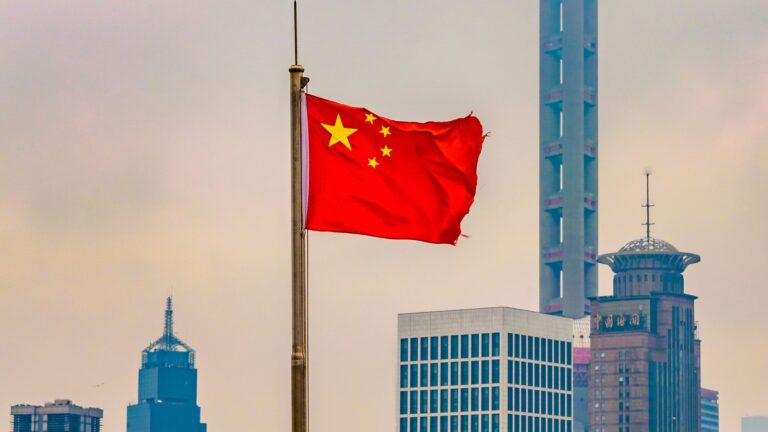

Trump’s Trade Threats: China Fights Back, Consumers Feel Pain

0
  • Trump escalates trade war with China, threatening higher tariffs.
  • China responds with tariffs and strong statements, warning against unilateralism.
  • American consumers face significant price hikes on imported goods.

Tensions Rise in Trump-China Trade War

The trade dispute between the U.S. and China is heating up, with President Trump threatening additional tariffs on Chinese goods, prompting a swift and firm response from Beijing. This escalation could lead to higher costs for American consumers, affecting everyday purchases from electronics to clothing.

How Bad Will It Get?

The situation is severe, with prices on imported goods expected to rise sharply. For instance, an item that cost $10 last week could now cost around $18.50, reflecting the impact of increased tariffs. This sudden price surge is alarming, making everyday items more expensive for consumers.

Why Is This Happening?

The trade war, ongoing for years, stems from concerns over intellectual property rights and unfair trade practices. Trump aims to protect American interests, but the tariffs imposed on Chinese goods are leading to retaliatory measures from China, creating a cycle of escalating tensions.

China’s Firm Response

China has made it clear it will defend its interests, calling Trump’s actions unilateral and bully-like. By imposing their own tariffs, China is signaling its determination to withstand U.S. pressure, adding to the strain on global trade.

Trump’s Venezuelan Oil Threat Adds Pressure

Trump further intensified the situation by threatening tariffs on countries importing Venezuelan oil. As China is a major importer, this could push tariffs to unprecedented levels, further hiking prices and complicating trade relations.

Understanding Tariffs and Their Impact

Tariffs are taxes on imported goods, paid by consumers through higher prices. They aim to protect domestic industries but can lead to price increases and trade retaliation. This cycle of tariffs is causing concern as everyday items become more costly.

Consumers Bear the Brunt

The immediate impact is on consumers, who face higher prices on imported goods. This could slow down the economy as people spend more on necessities, leaving less for other purchases, affecting overall economic growth.

Looking Ahead

As tensions between the U.S. and China continue to rise, the impact on the global economy is a growing concern. With no resolution in sight, consumers and businesses alike are bracing for further changes in trade policies and potential economic fallout.

In conclusion, the trade war between the U.S. and China is intensifying, with both sides imposing tariffs that hit consumers hard. The situation remains uncertain, leaving the world watching as these two economic giants navigate their way through escalating tensions.

US Academics Consider Moving Abroad Amid Trump Policies

0

Key Takeaways:

  • Many US researchers are thinking about moving to other countries due to concerns about academic freedom and funding under President Donald Trump.
  • Over 75% of scientists are considering leaving the US because of Trump’s policies, according to a recent survey.
  • Universities are facing funding cuts and pressures to limit certain types of protests, which has created a lot of fear and uncertainty.
  • European and Canadian universities are trying to attract these researchers, but some worry about the impact on young scientists and the future of US research.

A Growing Trend in US Universities

Imagine walking through a university campus and hearing professors and students talking about leaving the country. This is what’s happening in many US universities and research labs these days. The reason? President Donald Trump’s policies. Many researchers feel that the current administration is threatening academic freedom and cutting funding for important research projects.

JP Flores, a genetics student at the University of North Carolina, says, “Everybody is talking about it.” People are worried about the future of science in the US.


Why Are Researchers Leaving?

One well-known example is Jason Stanley, a philosophy professor at Yale University. Stanley, who studies fascism, recently announced that he’s moving to Canada. He says he made the decision quickly after Columbia University faced funding cuts and pressure to control pro-Palestinian protests. Stanley believes the US is becoming authoritarian under Trump, and he doesn’t want to stay.

Stanley’s move has brought attention to a growing trend. Many researchers feel that the Trump administration is making it harder to do their work freely. With funding cuts and political pressures, some scientists are scared about what’s next.


The Impact on Young Scientists

The situation is especially tough for young researchers. Daniella Fodera, a PhD student at Columbia, had her research grant canceled. She says, “People are just so scared.” Fodera is now looking for positions in Europe to continue her work on uterine fibroids, a common health issue for women.

Karen Sfanos, who runs a lab at Johns Hopkins University, describes the situation as “surreal.” She says, “We just don’t know what’s going to happen with funding.” This uncertainty is hitting young scientists the hardest. Many are struggling to find stable positions, and some are even considering leaving science altogether.


Universities Are Cutting Back

The uncertainty has led many universities to take drastic steps. Some have announced hiring freezes or reduced the number of graduate student positions. Fodera says, “That’s definitely messing up the academic pipeline.” This means fewer opportunities for young researchers to grow and succeed.


A Brain Drain in the Making

The US has long been a leader in scientific research, but this could change soon. Many researchers are thinking about moving abroad, and European and Canadian universities are welcoming them with open arms. For example, some scientists with dual citizenship or family ties in countries like Germany or France are already planning to leave.

Gwen Nichols, a leader in blood cancer research, warns that this could hurt the US in the long run. She says, “We’ll lose our dominance as the biopharmaceutical innovation leader of the world.” This could mean fewer breakthroughs in medicine and technology in the future.


A Generational Loss for Science

One young climate researcher, who didn’t want to be named, has started the process of getting EU citizenship. She says her colleagues in Europe understand her situation and are very supportive. However, she worries about scientists who don’t have the resources to move abroad. Many of these researchers might decide to leave science altogether.

She calls this a “generational loss for science across all disciplines.” The US could lose talented young scientists who might have made important discoveries in the future.


The Future of US Research

The situation is unclear, but one thing is certain: the US research field is facing a crisis. Funding cuts, political pressures, and the fear of losing academic freedom are pushing researchers to consider leaving the country.

As more scientists think about moving abroad, the US risks losing its reputation as a global leader in research. The next few years will be critical in determining whether the country can retain its top talent or face a major brain drain.


This story highlights the challenges faced by US researchers under the current administration and the difficult decisions they must make about their futures. The US could lose its edge in science if these trends continue, and the impacts could be felt for years to come.

Government Cuts $51 Million in International Projects: Shea Butter, Mangoes Hit

0

Key Takeaways:

  • $51 million in funds cut from the U.S. African Development Foundation.
  • Money was spent on marketing shea butter and pineapple juice, and building mango drying facilities.
  • Projects aimed to boost income for African farmers and businesses.

Government Cuts $51 Million in International Projects

In a recent move, the Department of Government Efficiency (DOGE) announced cuts totaling $51 million from the U.S. African Development Foundation. This decision has sparked curiosity about where the money was being spent.

The funds were used for various projects, including marketing shea butter in Burkina Faso and building mango drying facilities in Ivory Coast. These initiatives aimed to support African farmers and businesses, helping them enter global markets and improve their income.


Why These Projects?

Shea butter and mangoes are significant exports in these regions. Shea butter, for instance, is a key product in Burkina Faso’s economy, known for its use in cosmetics. Mangoes are a major fruit export, but their short shelf life poses challenges. The drying facilities help preserve mangoes, allowing sales beyond the harvest season.

The U.S. African Development Foundation supports small businesses and farmers in Africa, aiming to drive economic growth through these initiatives. The $51 million cut affects several projects, each with unique goals.


Shea Butter Marketing: $229,296

In Burkina Faso, $229,296 was allocated to market 100% organic shea butter. This effort aimed to connect local producers with global markets, potentially increasing their income and improving living standards.


Mango Drying Facilities: $246,217

In Ivory Coast, $246,217 funded mango drying facilities. This project helped farmers process mangoes, reducing waste and tapping into the global dried fruit market, which is growing.


Pineapple Juice Production: $100,000

Another $100,000 went to pineapple juice production in Ghana. This initiative supported farmers in producing high-quality juice for both local and international markets.


What’s Next?

DOGE’s decision to cut funding leaves many wondering about the future of these projects. Supporters argue that such projects are vital for economic growth and job creation in Africa. Critics believe the funds could be better spent elsewhere.

The announcement raises questions about how the U.S. will continue supporting African economies. As DOGE reviews its budget, the impact of these cuts on farmers and businesses remains to be seen.


Conclusion

The $51 million cut by DOGE highlights a shift in priorities, affecting projects that supported African farmers and businesses. While the future is uncertain, understanding the reasons behind these decisions is key to grasping their potential impact on global markets and local economies.

US Supreme Court Allows Trump to Deport Alleged Gang Members

0

Key Takeaways:

  • The US Supreme Court permitted President Trump to use a rare 1798 law for quick deportations.
  • Targeted individuals are Venezuelans suspected of being in the Tren de Aragua gang.
  • A lower court had temporarily blocked the deportations but was overturned.

Understanding the Alien Enemies Act

The Alien Enemies Act, created in 1798, is a rarely used law that allows the president to deport immigrants during wartime. Recently, President Trump invoked this law to deport Venezuelans accused of gang activities, specifically the Tren de Araga gang. The president claims these individuals are involved in hostile actions against the US, though details are sparse.

The Ruling’s Impact

Initially, a lower court blocked these deportations on March 15, concerned about due process and the law’s application. However, the Supreme Court overruled this, allowing deportations to proceed. This decision highlights the use of old laws in modern contexts, raising questions about immigration policies and national security.

What’s Next?

Reactions are mixed. Advocacy groups express concern over due process, while others support stronger immigration control. The broader implications for immigration policy and the use of such laws remain uncertain. As the situation evolves, it’s crucial to consider the balance between security and individual rights in the US. The upcoming months may see more legal challenges, shaping future immigration enforcement.

Al Jazeera Shines as a Global News Leader

1


Key Takeaways:

  • Al Jazeera is one of the most well-known international news agencies.
  • It covers events in the Middle East, like the Gulf and Iraq Wars.
  • The agency provides news in six languages, reaching a wide audience.
  • The Israel-Hamas conflict has brought global attention back to the Middle East.
  • Al Jazeera is funded by Qatar and has become a major player in global news.
  • The agency is known for its independent reporting, even when it faces criticism.
  • Al Jazeera plans to expand its reach even further in the coming years.

A Global News Leader

Over the past 30 years, Al Jazeera has become a household name in international news. Founded in Qatar, this news agency has grown into a trusted source of information for millions of people worldwide. Its coverage of major events in the Middle East, such as the Gulf and Iraq Wars, has helped it gain a reputation for bold and insightful reporting.

What makes Al Jazeera unique is its ability to reach a diverse audience. It produces content in six languages, including Arabic, English, and Spanish. This allows people from different parts of the world to stay informed about what’s happening in the Middle East and beyond.

In recent years, Al Jazeera’s importance has grown even more. The ongoing Israel-Hamas conflict has brought the Middle East back into the global spotlight. As a result, people from all over the world are turning to Al Jazeera for updates on this critical region.


Focusing on the Middle East

Al Jazeera’s focus on the Middle East has been a key part of its success. The agency has provided in-depth coverage of major conflicts, such as the Gulf and Iraq Wars. Its reporters have risked their lives to bring stories from the front lines, giving viewers a glimpse into the realities of war.

One of the reasons Al Jazeera stands out is its ability to cover stories that other news agencies might ignore. For example, during the Iraq War, Al Jazeera was one of the few agencies that provided live coverage from Baghdad. This allowed viewers to see the war from a different perspective, one that was not always shown by Western media.


Why Al Jazeera Matters

So, why does Al Jazeera matter? For one, it provides a different viewpoint on global events. While many Western news agencies focus on stories from a Western perspective, Al Jazeera offers a Middle Eastern perspective. This helps to balance the narrative and gives viewers a more complete understanding of the issues.

Another reason Al Jazeera is important is its commitment to independent reporting. The agency has faced criticism and even bans in some countries for its coverage of sensitive topics. However, it has remained steadfast in its mission to provide accurate and unbiased news.


The Future of Al Jazeera

As the world becomes more connected, Al Jazeera is looking to expand its reach even further. The agency plans to invest in new technology and hire more reporters to cover stories from around the globe. Additionally, it is exploring new platforms, such as social media and online streaming, to reach younger audiences.

Despite the challenges it faces, Al Jazeera remains committed to its mission of providing high-quality news to the world. With its strong reputation and dedication to independent reporting, there is no doubt that Al Jazeera will continue to be a major player in the world of journalism.


Al Jazeera’s journey from a small Qatari news agency to a global powerhouse is a testament to its hard work and dedication. By focusing on the Middle East and providing a unique perspective on global events, Al Jazeera has become a trusted source of news for millions. As the world continues to change, Al Jazeera is ready to adapt and remain a leader in the ever-evolving world of journalism.

Trump’s Economic Promises Put to the Test: Did Voters Really Agree?

0


  • Key Takeaways:
  • Trump’s early policies, especially his economic strategies, sparked debates.
  • Some supporters feel the president’s actions don’t align with their expectations.
  • The tarif-driven market instability concerns many GOP voters.
  • Voters believed Trump would improve their economic situation.
  • Now, there’s confusion about whether this is happening.

Trump’s Economic Promises Put to the Test: Did Voters Really Agree?

Donald Trump’s presidency started with plenty of drama and debates. The White House has faced a lot of questions about its policies, but they’ve often responded by saying, “This is what the American people wanted.” Now, some of Trump’s supporters and Republican voters are pushing back. They’re saying, “No, we didn’t agree to this.”

Why Did Trump Win?

In November 2023, many voters chose Trump because they believed he could solve their financial struggles. He promised to lower taxes, create jobs, and make the economy better. People were hopeful that Trump’s business experience would help the country grow.

The Challenges of Tariffs

One of Trump’s big moves was imposing tariffs on imported goods. The idea was to protect American industries. But this led to rising prices on items like food, cars, and clothes. The stock market dropped significantly because of these tariffs, worrying investors and everyday people.

Supporters Start to Doubt

Some Trump supporters and Republican voters are now feeling uneasy. They’re wondering if his policies are helping or hurting the economy. They thought Trump’s plans would mean better jobs and more money in their pockets, but instead, they’re seeing higher costs and market instability.

What Did Voters Expect?

When Trump was elected, many believed he would:

  1. Lower Taxes: Make it easier for businesses and families to keep more of their money.
  2. Create Jobs: Bring back manufacturing jobs and boost employment.
  3. Strengthen the Economy: Make America’s economy the best it’s ever been.

The Reality So Far

So far, Trump’s policies haven’t always matched what voters expected. The tariffs have caused confusion and worry, and some people feel like their financial situation isn’t getting better. They’re starting to question whether Trump’s choices are right for the country.

What’s Next?

As Trump’s term continues, all eyes will be on the economy. Will he stick to his current strategies, or will he change course? Voters will be watching closely to see if their hopes for a better economy become reality.

The next few months will be crucial in showing whether Trump’s economic plans will help the country or cause more problems. One thing is sure—people are paying attention, and they want to see real results.

House Republicans Struggle to Pass Budget Blueprint

0

Key Takeaways:

  • House Republicans face a tough vote on a budget plan this week.
  • They don’t have enough votes to approve the changes made by the Senate.
  • Democrats are united against the plan, leaving little room for GOP defections.
  • Some Republicans oppose the blueprint, saying it doesn’t cut spending enough.

House Republicans Face Uphill Battle Over Budget Blueprint

The U.S. House of Representatives is gearing up for a major vote this week on a budget plan. This plan is meant to carry out President Trump’s agenda. But there’s a problem: House Republicans don’t have enough support to pass it. Here’s what’s happening.

A Slim Margin for Error

House Republicans are in a tricky spot. They need nearly all of their members to vote yes, but some are already saying no. Democrats are united against the plan, so Republicans can only afford to lose a few votes. The current count shows more Republicans opposing the plan than the allowed number.

The budget blueprint in question was changed by the Senate. House Republicans don’t like these changes. They claim the plan no longer guarantees deep cuts to spending, which was a key promise.

Why This Matters

A budget blueprint is like a roadmap for how the government spends money. This particular plan is tied to President Trump’s goals, which includeCutting spending and prioritizing certain programs. If the House can’t agree on this blueprint, it could delay or even derail efforts to implement Trump’s agenda.

House Republicans are under pressure to pass this plan. They campaigned on cutting spending and balancing the budget. But internal disagreements are making it hard to unite.

The Republican Split

Some House Republicans are openly saying they can’t support the Senate’s changes. They argue the blueprint doesn’t go far enough in reducing spending. These Representatives want steeper cuts to shrink the federal deficit.

Others worry about the political backlash. If they vote for a plan that doesn’t deliver on their promises, they might face criticism from voters in the next election.

Democrats’ Role

Democrats are firmly against the plan. They argue it cuts spending too much and harms important programs. With their united opposition, Republicans need almost all their members to vote yes.

This has left House Republicans scrambling. They’re trying to convince their colleagues to support the plan. But time is running out.

The Uncertain Outcome

The vote is scheduled for this week, but the result is far from certain. If the blueprint fails, it could throw Congress into chaos. Lawmakers might have to go back to the drawing board or find a new way forward.

This is a major test for House Republicans. Can they unite and pass the blueprint, or will their divisions sink it?

The Bigger Picture

This budget fight is just one example of the challenges Republicans face in controlling Congress. While they have a majority in the House, their slim margin leaves little room for error.

The outcome of this vote will set the tone for the rest of the year. If Republicans succeed, they’ll gain momentum. If they fail, it could embolden Democrats and make it harder to pass other priorities.

What’s Next?

For now, all eyes are on the House vote. Will Republicans find a way to pass the budget blueprint, or will their divisions derail it? Stay tuned for updates as this story unfolds.

Musk’s Silent Message: Friedman Clip Reflects Trump Policy Discomfort

0

Key Takeaways:

  • Elon Musk shares a 1980 Milton Friedman video on free trade.
  • The video critiques protectionist policies indirectly.
  • It signals Musk’s stance against Trump’s economic strategies.

Elon Musk, known for his direct communication, recently took a subtler approach to express his views on economic policies. On Monday morning, Musk shared a grainy video clip without any commentary, leaving his 218 million followers to decipher its meaning. The clip featured Milton Friedman, a renowned economist, discussing the benefits of free trade using a pencil as an example. This move wasn’t just a random post; it was a strategic message reflecting Musk’s discomfort with President Trump’s protectionist policies.

Who is Milton Friedman?

Milton Friedman was a champion of free-market economics, advocating for minimal government intervention. His 1980 clip, which Musk shared, uses a pencil to illustrate the power of global trade. Friedman explains how no single person knows how to make a pencil; instead, it’s produced through international collaboration, with each part sourced from different countries. This example highlights the efficiency and innovation driven by free trade.

Why the Pencil Matters

The pencil example is a simple yet powerful metaphor. It shows how global cooperation leads to affordable, high-quality products. If a pencil required a single country’s resources, it would be costlier and less accessible. Friedman’s argument emphasizes that free trade benefits consumers and fosters economic growth, a message that resonates with Musk’s business ethos.

Musk’s Move and Its Implications

By sharing Friedman’s video, Musk is signaling his opposition to protectionist policies. These policies, often associated with Trump’s administration, involve tariffs and trade barriers to protect domestic industries. Musk suggests that such measures can stifle innovation and increase costs, aligning with Friedman’s perspective.

Reactions to Musk’s Post

The response to Musk’s post was mixed. Supporters praised his stance on free markets, while critics argued that globalization has downsides, such as job losses in certain sectors. This debate reflects broader discussions on trade policies and their impacts on the economy and society.

Conclusion: A Larger Conversation

Musk’s silent message via Friedman’s clip has sparked a conversation about economic policies. As debates over globalization and protectionism continue, figures like Musk will likely remain influential voices. Their perspectives shape public opinion and policy discussions, highlighting the complex balance between economic growth and social welfare.

Trump Wins Supreme Court Battle on Venezuelan Deportations

0

Key Takeaways:

• The Supreme Court ruled 5-4 in favor of President Trump, allowing the use of a 1798 law to deport Venezuelan nationals.

• The decision targets members of the Tren de Aragua gang, aiming to enhance national security.

• This marks a significant victory for Trump’s immigration policies, highlighting the balance between security and rights.

Breaking News: Supreme Court Backs Trump on Venezuelan Deportations

In a close 5-4 decision, the Supreme Court recently granted President Trump’s request, enabling the administration to deport Venezuelan nationals using a law from 1798. This law, originally created for wartime immigration issues, gives the president authority during emergencies. The ruling targets individuals linked to the Tren de Aragua gang, aiming to strengthen national security.

Understanding the 1798 Law

The 1798 law in question dates back to a time when the country needed swift actions in emergencies. It allows the president to deport individuals without the usual legal processes, particularly during crises. Critics argue this bypasses due process, raising concerns about individual rights.

The Tren de Aragua Gang and National Security

The Tren de Aragua gang is notorious for its criminal activities, including drug trafficking and violence. The U.S. sees their presence as a threat to national security. Deporting gang members is intended to protect public safety, but civil rights groups worry about broader implications for all immigrants.

A Victory for Trump’s Immigration Agenda

This ruling is a win for Trump’s immigration policies, which focus on stricter border control. While supporters see it as a step toward safer communities, opponents fear it sets a precedent for future deportations without proper legal oversight.

Balancing National Security and Individual Rights

The decision sparks debate over national security versus human rights. Supporters emphasize public safety, while critics highlight the need for due process. This case underscores the complexity of immigration issues in the U.S.

What’s Next?

This ruling may set a precedent, influencing future immigration policies. It affects not only Venezuelans but potentially other groups. The administration’s next steps and reactions from rights groups will be closely watched.

Conclusion

The Supreme Court’s decision is a significant move in Trump’s immigration strategy. While it addresses security concerns, it also raises questions about justice and fairness. As the situation unfolds, the balance between safety and rights remains a critical issue.

Stay tuned for updates as this story develops.