53 F
San Francisco
Thursday, May 14, 2026
Home Blog Page 988

Transportation Secretary Sean Duffy: Unsafe Subways Will Lose Federal Funding

0

Key Takeaways:

  • Secretary of Transportation Sean Duffy threatens to cut federal funds to cities with unsafe public transit systems.
  • Duffy singled out New York’s subway system, blaming Governor Kathy Hochul for failing to address safety issues.
  • New York officials claim subway crime has dropped due to increased police presence.
  • Duffy insists cities must prioritize safety and efficiency to receive federal transportation funding.

Federal Funds on the Line: What You Need to Know

Secretary of Transportation Sean Duffy recently appeared on Fox News, where he made a bold statement about the future of federal funding for public transportation. Duffy warned that cities with unsafe or poorly managed transit systems could lose out on federal money. He specifically called out New York’s struggling subway system, placing blame on Democratic Governor Kathy Hochul.

Duffy’s comments came after a series of violent incidents in New York’s subway system, including shootings and assaults. He criticized what he sees as a lack of progress in making the subways safer for riders.


Subway Safety in the Spotlight

Duffy argued that while Democratic mayors like Eric Adams encourage people to use public transit, they fail to make it safe. He said, “Transit across America is dangerous. These liberal mayors want everyone out of cars and into trains, but they make the trains unsafe, so no one really wants to ride them.”

He also pointed out that while some people feel safe riding the subway during the day, nighttime trips can feel risky, even for men. “If it’s in the morning or at night, even big men don’t want to ride the subway,” Duffy added.


New York’s Response to Rising Crime

New York officials have tried to address the safety concerns. As of April 2024, the city has increased police presence in the subway system. Mayor Eric Adams and NYPD Transit Chief Joseph Gulotta claim these efforts have led to historic lows in subway crime. Adams even invited Duffy to see the improvements firsthand, taking him on a tour of the city’s public transportation system.

Despite these claims, Duffy remains unconvinced. He believes the real problem lies with Governor Hochul’s handling of the Metropolitan Transportation Authority (MTA). “This is really a failure of the governor of New York,” he said.


The Fight Over Funding and Accountability

Duffy made it clear that federal funding for transit systems will depend on how cities manage their money and prioritize safety. He criticized Hochul for not focusing enough on security and efficiency. “They have homelessness and crazy people that live and reside inside of subways. So it’s unacceptable,” he said.

He also suggested that New York needs to do more to eliminate fraud, waste, and abuse in its transit system. “We need to send DOGE into the MTA and actually look at how they spend their money,” Duffy said, referring to a popular cryptocurrency often used as a meme.


Hochul’s Plan to Fix the Subway System

Governor Hochul has proposed new initiatives to protect subway riders and workers. These include stationing 750 NYPD officers throughout the city and adding 300 more in train cars. While these steps aim to address safety concerns, Duffy says they don’t go far enough.

“Our position is, if you don’t clean up your act, we’re not going to invest in you,” Duffy said. “We’ll make those investments as taxpayers if you do it well and have beautiful trains that are on time, that are safe. But if you don’t, we’re going to pull the money and put it somewhere else.”


The Bottom Line: Safety First

For cities like New York, the stakes are high. If they can’t show improvement in safety and efficiency, they risk losing critical federal funding for their transit systems. While New York officials insist they’re making progress, Duffy and others remain skeptical.

Only time will tell if New York can turn its subway system around and secure the federal funds it needs. One thing is certain: the debate over transit safety and funding is far from over. Stay tuned for more updates as this story unfolds.
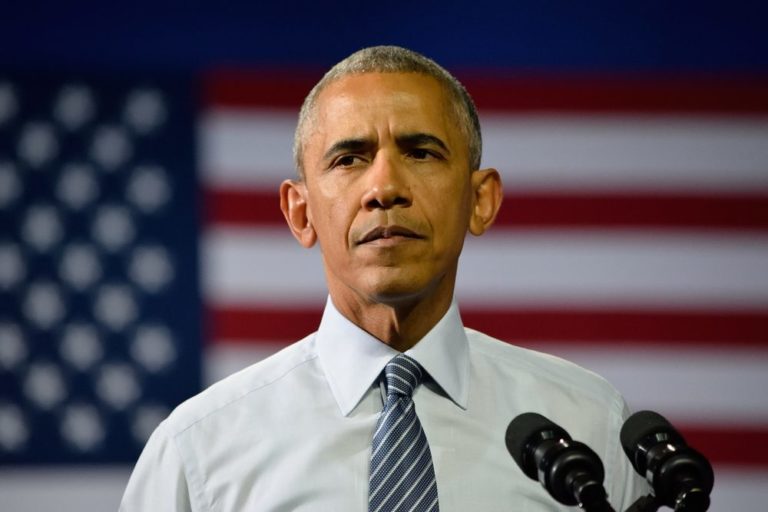
Obama’s Call for Sacrifice Sparks Credibility Questions

0

Key Takeaways:

  • Senior Fellow Victor Davis Hanson claims Obama’s call for personal sacrifice contradicts his lavish lifestyle.
  • Hanson argues that Obama’s message of resistance to President Trump’s policies lacks credibility.
  • The critique highlights a growing divide between Democratic leaders and their supporters.

Obama’s Call for Sacrifice Sparks Credibility Questions

At a recent event at Hamilton College, former President Barack Obama urged young Americans to resist President Donald Trump’s policies, even if it requires personal sacrifice. However, his message has faced criticism from some, with some questioning whether his own lifestyle aligns with the values he’s promoting.

During an appearance on “Jesse Watters Primetime,” Hoover Institution Senior Fellow Victor Davis Hanson accused Obama of hypocrisy. Hanson pointed out the contrast between Obama’s calls for sacrifice and his own affluent lifestyle. “He’s telling young people to give up things when he’s living in mansions and flying on private jets,” Hanson said. “That’s a tough message to sell.”


Obama’s Speech at Hamilton College

Obama’s remarks at Hamilton College were part of a broader push to encourage activism among young people. He said: “When you’re advocating for social justice or free speech, it’s easy to say you’re for something. But now, you might actually have to do something and possibly sacrifice a little bit.”

While Obama’s speech was meant to inspire, critics argue that it rings hollow given his own privileged position. Hanson criticized Obama for lecturing others about sacrifice while enjoying a life of luxury. “Why doesn’t he sell one of his mansions if he’s so serious about this?” Hanson asked.


The Hypocrisy of Elites

Hanson also criticized Obama’s approach to engaging with voters during his recent public appearances. “He flew in from one of his four mansions on a private jet and told young black men they didn’t know what was good for them,” Hanson said. “He told them to listen more to him and Michelle Obama. That’s not a message voters respond to.”

Hanson believes this disconnect has hurt Obama’s public image. “He had a bad campaign. He’s becoming a caricature of himself,” Hanson said. “When he talks about sacrifice, it’s hard to take him seriously.”


The Democratic Party’s Leadership Crisis

Hanson also weighed in on the broader challenges facing the Democratic Party. He suggested that the party lacks direction and is unwilling to embrace centrist policies. “The only one who comes close to a moderate is [Pennsylvania Sen. John] Fetterman, but even he’s not ideologically centrist,” Hanson said.

Hanson’s comments reflect a growing criticism of Democratic leadership. Many believe the party is out of touch with everyday Americans, and figures like Obama are seen as part of the problem rather than the solution.


The New Normal: Sacrifice for Some, Luxury for Others

Obama’s call for resistance and sacrifice has sparked a larger conversation about the role of leadership in times of crisis. While his message may resonate with some, others question whether he and other Democratic leaders are willing to practice what they preach.

For many Americans, the idea of sacrifice is personal. It means making hard choices about jobs, families, and resources. But when leaders like Obama preach sacrifice while enjoying lives of luxury, it erodes trust.


A Party in Search of Direction

The Democratic Party is at a crossroads. With figures like Obama and other prominent leaders struggling to connect with voters, the party is facing an identity crisis. Hanson’s critique of Obama’s hypocrisy is just one example of a larger issue: the gap between the party’s elite and its base.

As the 2024 election approaches, Democrats will need to address these concerns if they hope to rebuild trust with voters. For now, the party’s leadership continues to grapple with the same challenges that cost them support in recent elections.


The Bottom Line

Barack Obama’s call for resistance and sacrifice has reignited debates about leadership, credibility, and the role of elites in politics. While his message may inspire some, it has also raised questions about whether Democratic leaders are willing to lead by example.

For voters, the issue is simple: if leaders like Obama want them to sacrifice, they should be willing to do the same. Until then, many will remain skeptical of their calls to action.

Nationwide Protests Against Trump’s Health Care Cuts Spark Outrage Across America

0

Key Takeaways:

  • Opponents of President Trump are organizing protests in all 50 states on Saturday.
  • The protests, called “Hands Off!,” aim to fight cuts to federal health care programs and government worker rights.
  • Groups like Indivisible and MoveOn are leading the movement.
  • The message is appealing to a wide range of Americans, including people with different political views.

Protests Across America: A Fight for Health Care and Workers’ Rights

This Saturday, people from all 50 states will come together to protest against President Trump’s recent actions. These actions include cutting federal health care programs and targeting government workers. The protests, named “Hands Off!,” are being organized by groups like Indivisible and MoveOn. These groups have led similar movements in the past, fighting for issues like abortion rights, gun control, and racial justice.

The protests are not just about politics. They are about standing up for programs that millions of Americans rely on. Health care cuts could hurt families, seniors, and people with low incomes. Government workers are also feeling the impact, as their jobs and benefits are being threatened.


Why Are People Protesting?

The main goal of the protests is to send a clear message: stop cutting vital programs and services. Many Americans believe these cuts are unfair and will hurt the most vulnerable people. For example, reducing health care funding could make it harder for people to afford doctor visits, medications, and other essential services.

Government workers are also in the spotlight. Many of them work hard to serve the public, but they are facing job losses, reduced pay, and fewer benefits. Protesters argue that these workers deserve respect and fair treatment, not cuts that make their lives harder.

The protests are not just for Democrats or Republicans. Organizers say the message appeals to anyone who cares about fairness and protecting important services. This includes independents, liberals, and even some conservatives who disagree with the president’s approach.


Who Is Behind the Protests?

The “Hands Off!” movement is being led by well-known activist groups. Indivisible and MoveOn have a history of organizing large protests. They were key players in the resistance against President Trump during his first term in office. They also fought for issues like reproductive rights, gun safety, and racial equality.

These groups are good at bringing people together. They use social media, community meetings, and local events to spread their message. They also provide tools and resources to help people organize and participate in protests.


What Do Protesters Want?

Protesters have a simple but powerful message: stop attacking health care and government workers. They want President Trump and lawmakers to focus on solving problems, not creating new ones. For example, instead of cutting health care funding, they want investments in programs that make health care more affordable and accessible.

Protesters also want to protect government workers. They believe these workers are essential to the country’s well-being. From teachers and nurses to scientists and public safety officers, government workers play a critical role in keeping society running smoothly.


How Can You Get Involved?

If you’re concerned about health care cuts or government worker rights, you can join the protests. Events are happening in all 50 states, so there’s likely one near you. You can find more information online by searching for “Hands Off!” protests in your area.

Even if you can’t attend a protest, you can still make your voice heard. Share your thoughts on social media, write to your elected officials, or talk to friends and family about why these issues matter. Every voice counts, and together, people can make a difference.


The Bigger Picture

The “Hands Off!” protests are part of a larger movement. They reflect a growing frustration with policies that hurt everyday Americans. By standing together, protesters hope to send a powerful message to President Trump and lawmakers: prioritize people over politics.

Health care and government workers are not just political issues. They are about real lives and real families. The protests are a reminder that when people come together, they can fight for change and protect what matters most.

Arctic Thaw: How Warming is Reshaping U.S. Military Strategy

0

Key Takeaways:

  • The Arctic is warming faster than any other region on Earth.
  • Operation Ice Camp brings U.S. military and allies to the Arctic every two years.
  • Rising temperatures make the Arctic more accessible, raising concerns about borders and peace.
  • A $37 million sea wall protects the U.S. Naval Academy from rising tides.

As the world grapples with global warming, the Arctic is changing faster than anywhere else. This transformation is not just about melting ice—it’s about how it’s reshaping military strategy and raising questions about security.

What is Operation Ice Camp?

Every other winter, the U.S. military, along with its allies, gathers in the Arctic for a training exercise called Operation Ice Camp. The goal is to prepare for challenges in one of the coldest and most remote regions on Earth. As the Arctic warms, new opportunities—and dangers—are emerging.

The Arctic is becoming more accessible. Melting ice is opening up new shipping routes and revealing resources like oil, gas, and minerals. This has sparked interest from countries like Russia, China, and the United States. However, it also raises concerns about borders and peace. Who controls these new routes and resources? How will nations prevent conflicts?

Operation Ice Camp is a way for the U.S. and its allies to practice working together in this harsh environment. Soldiers train in subzero temperatures, learn to move across ice, and test equipment designed for extreme cold. The exercises also send a message: the Arctic is a region where the U.S. and its partners are ready to act.

Rising Seas and the Naval Academy’s New Sea Wall

While the Arctic is getting attention, rising sea levels are causing problems closer to home. The U.S. Naval Academy in Maryland is a prime example. In recent years, the academy has been flooded 30 to 40 times annually due to higher tides.

To fight back, the academy completed a $37 million sea wall project last year. The wall is designed to protect the base from flooding caused by rising seas. It’s a significant investment, but it’s necessary. The academy is not just a military base—it’s a historic site and a symbol of U.S. defense.

The project shows how climate change is forcing the military to adapt. From building sea walls to training in the Arctic, the U.S. is preparing for a world where the environment is as much a challenge as any enemy.

Why Does This Matter?

The Arctic’s melting ice and rising sea levels are not just environmental issues—they’re security concerns. As the Arctic becomes more accessible, countries are starting to take notice. Russia has already built military bases in the region, and China is exploring new trade routes. The U.S. and its allies are responding to ensure they are not left behind.

At the same time, rising seas threaten military bases and coastal cities.Protecting these areas is crucial for national security and safety. The Naval Academy’s sea wall is one example of how the military is taking action.

What’s Next?

The future of the Arctic—and the U.S. military’s role in it—is uncertain. One thing is clear: the warming Arctic is creating new challenges and opportunities. As the ice melts, the U.S. and its allies will need to balance cooperation with competition.

Meanwhile, rising seas will continue to threaten coastal areas. The Naval Academy’s sea wall is just one step in a long process of adapting to climate change.

In the end, the U.S. military is preparing for a world shaped by warming temperatures. From the Arctic to the coastlines, the changing environment is reshaping how the military trains, operates, and protects its bases. As the planet continues to warm, this trend will only grow more important.

Rep. Jamie Raskin Challenges Elon Musk Over Election Influence During National Protests

0

Introduction: In a powerful speech delivered during the Hands Off protests in Washington, D.C., Rep. Jamie Raskin addressed the growing concern over Elon Musk’s alleged attempts to influence elections. These protests, gaining momentum across the nation, highlight the public’s stance against what they perceive as undue interference in democracy.

Key Takeaways:

  • Rep. Jamie Raskin criticized Elon Musk for attempting to sway elections through financial incentives.
  • The Hands Off protests have drawn significant attention, emphasizing public resistance to election interference.
  • Legal actions, including multiple injunctions, are being taken against such practices.
  • The protests underscore a collective demand for election integrity and fairness.

Rep. Raskin’s Speech: Rep. Raskin’s message was clear and direct, targeting Elon Musk’s tactics. He emphasized that democracy should not be for sale, pointing out Musk’s alleged use of financial incentives to influence voters. Raskin applauded the resilience of the American people, particularly in Wisconsin, where collective action defeated what he described as billionaire-backed power grabs.

The Issue with Musk’s Actions: Musk’s strategies, while potentially exploiting legal loopholes, have sparked widespread criticism. Critics argue that offering incentives for voting aligns with efforts to buy influence, undermining democratic integrity. This perception has led to legal challenges, with 39 judges from various administrations issuing injunctions against such practices.

Significance of the Hands Off Protests: The Hands Off protests stand out for their national reach and size, marking a significant moment in the fight for election integrity. They reflect a broader movement against the influence of wealth in politics, highlighting the power of grassroots activism in shaping public discourse.

Conclusion: As the Hands Off protests continue, Rep. Jamie Raskin’s message serves as a reminder of the ongoing struggle to protect democracy. The involvement of high-profile figures like Raskin underscores the urgency of addressing election interference. We invite readers to share their thoughts on this critical issue.

Barack Obama Opens Up About His Marriage to Michelle

0

Key Takeaways:

  • Barack Obama shared candid details about his marriage to Michelle Obama.
  • He opened up about relationship challenges during a talk at Hamilton College.
  • The former president emphasized the importance of communication and support in their marriage.
  • He mentioned seeking advice from trusted friends and family.

Barack Obama recently shared personal insights about his marriage to Michelle Obama during a public talk. The former president spoke at Hamilton College, offering a rare glimpse into their relationship.

The Challenges They’ve Faced

Obama revealed that their marriage, like many others, has faced challenges. He shared that there have been times when they went to bed angry. This shows that even one of America’s most admired couples deals with disagreements.

Despite these hurdles, the Obamas have found ways to navigate through tough times. Obama emphasized the importance of communication and not letting issues fester.

The Role of Their Support System

Obama highlighted the importance of friends and family who offer support and advice. He mentioned reaching out to trusted individuals when needed, underscoring the value of a strong support network in maintaining a healthy marriage.

A Lasting Relationship

The Obamas’ ability to communicate openly and seek help has contributed to the strength of their relationship. Their marriage serves as an example of resilience and commitment.

By sharing these personal experiences, Obama continues to be an inspiration, proving that relationships thrive on effort and understanding.

New Details Emerge in Gaza Emergency Workers’ Killing Investigation

0

Key Takeaways:

  • The Israeli military has updated its account of the killing of 15 emergency workers near Gaza City.
  • The bodies were found in a shallow grave and identified with the help of UN and Palestinian Red Crescent officials.
  • One man is still missing, and investigators are working to uncover the full truth.
  • The incident has sparked international concern and calls for clarity.

What Happened Near Rafah

On March 23, tragedy struck near the southern Gaza city of Rafah. Fifteen emergency workers, including paramedics and responders, were killed. Their bodies were later found in a shallow grave. A week after the incident, officials from the United Nations and the Palestinian Red Crescent discovered the remains. However, one man is still unaccounted for, leaving his family and loved ones in anguish.

The Israeli military initially reported on the incident but has now provided new details. While investigators are still piecing together the evidence, the updated information sheds more light on what happened.


New Details from the Investigation

The Israeli military has revised its earlier account of the killings. This change suggests that the circumstances surrounding the deaths may be more complex than initially thought. However, officials emphasize that the investigation is ongoing, and no final conclusions have been reached.

The discovery of the bodies in a shallow grave has raised questions about the events leading up to their deaths. Investigators are working tirelessly to examine evidence and speak to witnesses. The process is meticulous, as accuracy is crucial in such sensitive cases.


How the Bodies Were Found

The bodies were found by a team from the United Nations and the Palestinian Red Crescent. These organizations played a critical role in identifying the victims and ensuring their remains were treated with dignity. The shallow grave where they were buried has become a focal point of the investigation.

The process of identifying the bodies was likely challenging, given the conditions. Forensic experts and medical professionals would have worked closely with officials to confirm the identities of the victims. This step is vital for bringing closure to the families affected.


A Man Still Missing

While 15 bodies have been recovered, one man remains unaccounted for. His disappearance has added another layer of complexity to the case. Investigators are likely exploring all possibilities, from whether he was also killed to whether he might still be alive.

For the family of the missing man, the uncertainty must be unbearable. They, like the families of the victims, deserve answers. The investigation must continue until every question is addressed.


The Importance of Transparency

The Israeli military’s decision to update its account is a step toward transparency. In cases like this, clarity is essential to ensure justice and accountability. However, the revised details also highlight the need for a thorough and impartial investigation.

International organizations and human rights groups are closely following the case. They are calling for a fair and transparent process that leaves no stone unturned. The world is watching, and the outcome of this investigation could have significant implications.


What’s Next in the Investigation

The investigation into the killings is still underway. Investigators are examining evidence, speaking to witnesses, and piecing together the events of March 23. The process is likely slow and painstaking, but accuracy is paramount.

As the probe continues, more details may come to light. The Israeli military has pledged to provide updates as new information becomes available. For now, the focus remains on uncovering the truth and ensuring that those responsible are held accountable.


A Call for Justice

The killing of 15 emergency workers has touched hearts around the world. These individuals were on the front lines, helping others in a time of crisis. Their deaths are a tragic reminder of the human cost of conflict.

For the families of the victims, justice is the ultimate goal. They deserve to know what happened to their loved ones and to see those responsible brought to account. The international community must continue to advocate for a fair and transparent investigation.


Closing Thoughts

The updated details from the Israeli military add new layers to this tragic story. While the investigation is ongoing, one thing is clear: the killing of 15 emergency workers near Rafah has left a lasting impact. The world must continue to demand clarity and accountability as the truth unfolds.

For now, the focus remains on supporting the families of the victims and ensuring that justice is served. The missing man’s fate must also be resolved, bringing closure to all those affected.

As the investigation moves forward, one thing is certain—truth and transparency are the only paths to healing and justice.

Female Fencer’s Brave Stand Sparks Calls for Fairness in Women’s Sports

Key Takeaways

  • Stephanie Turner, an American female fencer, refused to compete against a male transgender athlete, drawing comparisons to Rosa Parks.
  • Turner was disqualified for her stand, but her courage has sparked debates about fairness in women’s sports.
  • Science supports the idea that males, even if they identify as female, have physical advantages that make competitions unfair.
  • Female athletes should have the right to say “no” to competing against males, just as they have the right to say “no” in other areas of life.
  • The #MeToo movement’s “No means NO” principle should extend to women’s sports to protect female athletes.

Stephanie Turner: The Rosa Parks of Women’s Sports

Stephanie Turner, a brave American fencer, made headlines recently for taking a bold stand against what she believes is unfair. At a fencing tournament, she refused to compete against a male transgender athlete who identifies as a woman. Her decision was simple yet powerful: she knelt down and would not participate.

For her courage, Turner was given a “black card,” which means she was disqualified and kicked out of the tournament. But while other female athletes chose to compete against the male athlete, Turner stood firm in her belief that women’s sports should only be for biological females.

This act of courage has drawn comparisons to Rosa Parks, the civil rights icon who refused to give up her seat on a bus to protest racism. Just as Parks fought for the rights and dignity of Black Americans, Turner is fighting for the rights, dignity, and fairness of female athletes.


Why This Matters: Science and Fairness

The debate over transgender athletes in women’s sports is heating up. At the heart of the issue is science. Scientists agree that there are only two biological genders: male and female. A person born male has physical advantages, such as larger muscles and higher testosterone levels, that cannot be fully undone by surgery or hormones.

These physical differences give male athletes an unfair edge in sports, even if they identify as female. For example, a male fencer who transitions to female may still have stronger muscles and bones, making it harder for biological females to compete fairly.

Turner’s protest highlights this unfairness. She believes that no male, regardless of how they identify, should be allowed to compete in women’s sports. Her stance is gaining support from many who agree that female athletes deserve a fair playing field.


“No Means NO”: The #MeToo Connection

The #MeToo movement taught us that women have the right to say “no” to things they are not comfortable with, especially when it comes to their bodies. If a woman can say “no” to a man in one situation, why shouldn’t she be able to say “no” to competing against a man in sports?

For Turner and many others, this is a matter of choice and safety. Female athletes should not be forced to compete against males, especially when there’s a risk of injury from stronger opponents. Just as the #MeToo movement fights for women’s rights in one area, this movement is fighting for women’s rights in another.

Imagine if your daughter was an athlete. Wouldn’t you want her to have the right to say “no” to competing against someone who has a genetic advantage? Wouldn’t you want her to be safe and respected on the field? That’s exactly what Turner is fighting for.


A Call to Action for Female Athletes

Turner’s courage is inspiring, but she shouldn’t have to stand alone. Every female athlete deserves the right to say “no” to competing against males. If enough women take a stand, the rules can change.

Imagine if every female athlete at the tournament where Turner competed had joined her in taking a knee. That would send a powerful message: women’s sports are for women only.

This kind of collective action is the only way to stop the madness of allowing males to compete in women’s sports. If female athletes unite and refuse to play against men, the rules will have to change.


What Comes Next?

Turner’s bravery has already made a big impact. Many are calling her a hero and comparing her to Rosa Parks, who also fought for what was right. Just as Parks was honored for her courage, Turner deserves recognition too.

Some are even suggesting that President Trump should award her the Presidential Medal of Freedom, the highest honor a civilian can receive. After all, she is standing up for the rights and dignity of female athletes across America.

In the end, Turner’s story is about fairness, courage, and the power of saying “no.” Her act of kneeling may have gotten her disqualified from one tournament, but it could inspire a movement that changes women’s sports forever.

Let’s hope her courage inspires millions of female athletes to take a stand. Together, they can ensure that women’s sports remain fair, safe, and proud.

Trump Portrait Controversy Sparks Debate and Business Backlash

0

Key Takeaways:

  • A portrait of Donald Trump in Colorado’s capitol was removed after he called it “purposefully distorted.”
  • The artist, Sarah Boardman, says Trump’s comments have harmed her business.
  • Boardman claims she painted the portrait accurately without bias.
  • The controversy highlights the impact of public figures’ opinions on artists.

The Portrait in Question

A portrait of former U.S. President Donald Trump was recently removed from Colorado’s state capitol building. This happened after Trump criticized the painting, calling it “purposefully distorted” and unflattering. The portrait had been on display since 2019, alongside other presidents, including Barack Obama and George W. Bush, who were also painted by the same artist, Sarah Boardman.

Trump shared his thoughts on his social media platform, Truth Social, on March 24. He said, “Nobody likes a bad picture or painting of themselves, but the one in Colorado, in the State Capitol… along with all other Presidents, was purposefully distorted.” He also accused Boardman of losing her talent with age.

Colorado’s Democrat-controlled legislature quickly responded by removing the painting from the capitol’s rotunda and placing it in storage.


The Artist’s Response

Sarah Boardman, the British-born artist behind the portraits of Trump, Obama, and Bush, has defended her work. In a statement on her website, she said, “I completed the work accurately, without ‘purposeful distortion,’ political bias, or any attempt to caricature the subject, actual or implied.”

Boardman, who has over 41 years of experience, explained that for six years, the portrait of Trump received overwhelmingly positive reviews. However, since Trump’s comments, her business has suffered. She added, “The additional allegations that I ‘purposefully distorted’ the portrait… are now directly and negatively impacting my business.”

She emphasized that everyone, including Trump, has the right to express their opinions. However, she believes his words have unfairly hurt her reputation and business.


The Impact of Trump’s Words

Boardman’s story shows how quickly public figures’ opinions can affect someone’s livelihood. While Trump’s criticism led to the painting’s removal, it also sparked a wider conversation about art, perception, and fairness.

The artist has painted several high-profile figures, including Obama and Bush. Her work on Obama was particularly praised, which Trump himself noted. He said, “The artist also did President Obama, and he looks wonderful, but the one on me is truly the worst.”

This comparison has led some to wonder if Trump’s reaction was fair or if it reflects a broader issue with how public figures treat artists.


A Bigger Issue

The controversy raises questions about how artists should be treated when their work is criticized by public figures. While everyone has the right to their opinion, harsh words from influential people can have serious consequences for artists’ careers.

Boardman’s situation is a reminder of the delicate balance between free speech and the impact of words on individuals and their professions. As the debate continues, it’s important to consider the responsibility that comes with public statements, especially from those in powerful positions.

Trump’s Tariffs Spark Market Meltdown

0

Key Takeaways:

  • The Dow Jones Industrial Average and the S&P 500 saw significant drops following new tariffs announced by President Trump.
  • These tariffs could lead to higher prices for everyday items like food, clothes, and electronics.
  • Economist Paul Krugman warns that unpredictable trade policies and other factors may push the U.S. into a recession.
  • Krugman compares the tariffs to the Smoot-Hawley Act of 1930, which worsened the Great Depression.
  • The instability of Trump’s policies, including potential job cuts and Medicaid changes, adds to economic uncertainty.
  • The U.S. dollar’s role as a global reserve currency might be at risk due to erratic policies.

Trump’s Tariffs and Their Impact

On April 4, the stock market experienced a significant decline due to President Trump’s announcement of steep new tariffs. These tariffs target various goods imported into the U.S., leading economists to warn of higher prices for consumers.

Higher Prices for Everyday Items

The tariffs are expected to affect a wide range of products. Consumers may face increased costs for fruits, vegetables, computers, vacuum cleaners, clothes, and cars. This could strain household budgets, as everyday essentials become more expensive.

Paul Krugman’s Warning

Renowned economist Paul Krugman expressed concerns about the tariffs’ impact on the economy. During an interview, Krugman highlighted the unpredictability of Trump’s trade policies as a significant factor contributing to economic instability. He compared Trump’s tariffs to the Smoot-Hawley Tariff Act of 1930, which exacerbated the Great Depression. Krugman emphasized that the current tariffs are much higher and more complex, posing a substantial risk to the economy.

Unpredictable Policies and Economic Instability

Krugman pointed out that the unpredictability of Trump’s policies creates uncertainty for businesses and investors. This uncertainty can hinder investment and spending, increasing the risk of a recession. Krugman also mentioned other factors, such as potential job cuts and changes to Medicaid, which add to the economic instability.

Risk to the U.S. Dollar

The U.S. dollar’s status as a global reserve currency is under threat due to the unpredictability of Trump’s policies. If the dollar loses this status, it could lead to economic challenges, as other countries may reduce their holdings of U.S. currency.

Conclusion

The tariffs announced by President Trump have caused significant concern among economists and investors. The potential for higher prices, coupled with the unpredictability of policy decisions, poses a considerable risk to the U.S. economy. As the situation continues to unfold, the impact on both the economy and individual consumers remains uncertain.