53 F
San Francisco
Thursday, May 14, 2026
Home Blog Page 990

Over 900 Federal Workers Earn More Than the President in 2024

0

Key Takeaways:

  • 956 federal employees earned more than the President’s $400,000 salary in 2024.
  • The President’s salary has stayed the same since 2001.
  • Most high earners are doctors at the Veterans Health Administration.
  • One doctor earned a record $519,246, topping even Dr. Anthony Fauci’s past records.
  • These earners are spread across 48 states, with California leading.
  • This number has grown rapidly since 2019, raising concerns about salary trends.

Over 900 Federal Workers Earn More Than the President in 2024

In 2024, a staggering 956 federal employees outearned the President of the United States, who makes $400,000 annually. This number, the highest since records began in 2010, highlights a growing trend in federal salaries.

Who Makes More Than the President?

The majority of these high earners are medical officers at the Veterans Health Administration, with 939 exceeding the President’s salary. Four dentists also made the list. Notably, Micah Nix, an ER doctor at the Indian Health Service, and an unnamed Bureau of Prisons employee also earned more than $400,000.

High Earners at NIH

At the National Institutes of Health, 15 doctors surpassed the President’s salary. Gary Gibbons, director of the National Heart, Lung, and Blood Institute, earned a record $519,246. This surpasses Dr. Anthony Fauci’s 2022 record of $480,654.

Where These Employees Work

These high earners are spread across 48 states. California leads with 162, followed by Florida and North Carolina. Maryland is home to five of the top six earners.

Rapid Growth in High Earners

From just three in 2019, the number of federal employees outearning the President jumped to 956 in 2024. This growth outpaces inflation, prompting questions about future trends.

Is This a Concern?

While these professionals play crucial roles, the rapid increase in salaries raises questions about when other professions might join their ranks.

Conclusion

The significant rise in federal salaries reflects the importance of these roles but also sparks concerns about equity and budget management. As salaries continue to climb, the future of federal pay structures remains uncertain.
EU’s New Tech Rules: A Threat to Apple and Google?

0

The European Union’s new competition rules are causing trouble for two of America’s biggest tech companies, Apple and Google. These rules, part of the Digital Markets Act and Digital Services Act, aim to promote fairness but might end up harming the very companies that drive innovation.

Here’s what you need to know:

  • EU rules are forcing Apple and Google to open up their systems, which could hurt user privacy and security.
  • Apple fears that making its ecosystem more open could expose user data to risks.
  • Google worries that sharing its search data could let sensitive info fall into the wrong hands.
  • These rules might stifle innovation, as companies focus more on obeying regulations than improving their products.
  • Small businesses could lose out if Google’s ad platform becomes less effective.

EU Rules: What’s the Big Deal?

The EU’s new rules target big tech companies, calling them “gatekeepers.” These rules aim to make the market fairer by forcing companies like Apple and Google to treat competitors equally and open up their platforms for interoperability.

But Apple and Google say these rules could have serious side effects. For Apple, opening up its ecosystem might make iPhones and iPads less secure. For Google, sharing search data could leak sensitive user information.

Apple’s Privacy Concerns

Apple is known for its strong focus on privacy. The company argues that making its ecosystem more open could create security risks. For example, apps might get access to unencrypted notification content, which could expose sensitive user data.

Imagine your phone’s notifications, which might include personal info, being sent unencrypted to third-party servers. That’s a big security risk. Also, Apple would have to share Wi-Fi network details, which could reveal where you are or what you’re doing.

Google’s Data Dilemma

Google faces its own challenges. The EU wants Google to share its search data and index. This could expose user secrets and Google’s own trade secrets. If this data gets out, it might end up in the hands of bad actors or even Chinese companies.

Innovation Under Threat

These rules could slow down innovation. Instead of developing new features, companies might spend their time and money trying to comply with EU regulations. Apple, for instance, might struggle to improve its products if it’s too busy meeting EU demands.

Small Businesses at Risk

Ironically, these rules could hurt small businesses. Many rely on Google’s ad platform to reach customers. If Google can’t prioritize its own services or tailor ads, small businesses might lose visibility.

A Lose-Lose Situation

The EU’s rules might backfire. By targeting American tech giants, Europe could actually help Chinese companies grow stronger. If Apple and Google are weakened, companies like Huawei or Tencent might fill the gap. That’s not good for competition or innovation.

Can the U.S. and EU Find a Solution?

As tensions rise between the U.S. and EU, there’s hope for a resolution. Both sides might agree to scale back the most harmful parts of these rules. This way, consumers can still enjoy great products, and businesses can keep innovating.

In the end, the goal should be to protect privacy, promote competition, and keep innovation alive. If the EU and U.S. can work together, everyone wins.

Booker Warns: Trump’s Policies Hurt Everyday Americans

0

Key Takeaways:

  • Cory Booker criticize’s Trump’s policies for damaging the economy and harming ordinary Americans.
  • Many Americans face financial struggles due to decreased retirement savings and rising inflation.
  • Trump’s tax cuts mainly benefit the wealthy, while services like Medicaid are being cut for the vulnerable.
  • Booker highlights the real-life struggles of families affected by these policies.

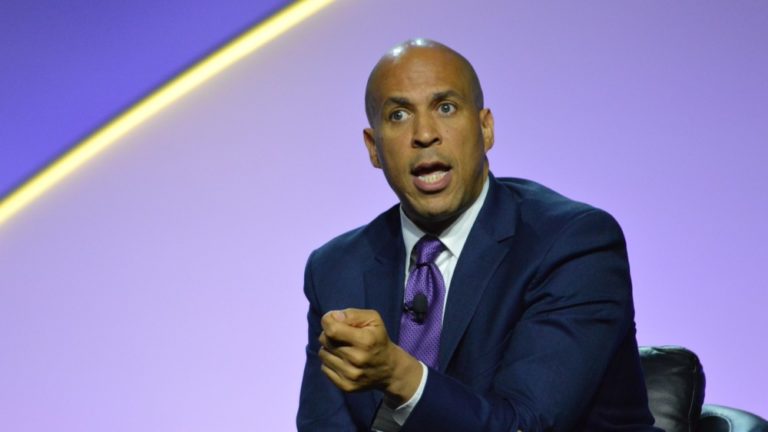
Cory Booker, a U.S. Senator, recently appeared on ABC’s This Week to discuss the impacts of President Trump’s policies on American citizens. His message was clear: Trump’s actions are causing significant harm to many Americans.

Economic Hardship for Many

Booker emphasized the financial struggles many Americans are facing. People who saved for retirement now see their savings shrink due to poor economic management. Those living paycheck to paycheck are hit by rising prices, making their daily lives harder. Booker pointed out that Trump promised to lower inflation but failed, leaving families bracing for higher monthly bills.

Tax Cuts for the Wealthy, Cuts for the Vulnerable

The Trump administration’s tax cuts, which mainly benefit the wealthy, are set to be extended. This move will increase the national deficit by trillions. To offset this, services like Medicaid are being cut. Booker shared stories from a town hall where families reliant on these services expressed their fears. Even a small 5% cut could cause chaos for these families.

Impact on Disabled and Elderly

Parents of disabled children and those caring for elderly relatives voiced their concerns. They face losing vital support, adding more stress to their lives. Booker questioned why the administration is choosing to cut essential services to fund more tax cuts for the rich.

A Call for Change

Booker believes Trump’s first 100 days are the worst in a century for a U.S. president. He stressed that these policies aren’t what voters wanted, even if Trump did hint at them during his campaign. The focus should be on the people, not politics.

Booker has been instrumental in improving Senate Democrats’ messaging, making their arguments more effective. His ability to highlight real-life issues has made him a key figure in the Democratic Party.

Conclusion

Cory Booker’s interview sheds light on the real-life struggles caused by Trump’s policies. As the midterm elections approach, Booker’s voice reminds us of the importance of considering how political decisions affect everyday people. The focus remains on the challenges Americans face and the need for policies that support all, not just the wealthy.

Trump’s Economic Woes: Americans Turn Away Fast

0

Key Takeaways:

  • President Donald Trump faces growing disapproval over his handling of the economy.
  • The S&P 500 stock market index has dropped 15% since Trump took office.
  • This drop is the worst for any president inheriting a strong economy since 1957.
  • Trump’s approval rating has turned sharply negative, faster than any president in history.

The American economy, once a cornerstone of President Donald Trump’s campaign promises, is now causing him big trouble. According to CNN’s Harry Enten, a data analyst, Trump’s handling of the economy has led to a rapid decline in public support. The numbers are shocking, and they suggest voters are losing faith in Trump’s leadership faster than ever before.

Stock Market Struggles Raise Red Flags

One of the clearest signs of trouble is the stock market. The S&P 500, a key measure of stock market health, has dropped 15% since Trump became president. This decline is unusual because Trump inherited a strong economy—unlike many previous presidents who took office during recessions.

Enten compared Trump’s record to past presidents and found some striking differences. For example, George W. Bush saw a similar drop in the S&P 500 during his first term, but Bush took office just after the dot-com bubble burst, a period of economic instability. Trump, on the other hand, inherited a booming economy but still managed to oversee a significant decline.

Fears of a Recession Grow

The recent stock market sell-off follows Trump’s announcement of new tariffs, which have spooked investors. Wall Street analysts are now warning of a potential recession on the horizon. A recession would be bad news for Trump, as economic uncertainty often leads to political backlash.

Voters are already noticing the economic concerns, and their approval of Trump’s leadership is plummeting. At this point in his first term, Trump had a positive approval rating, with a +5 point margin. Now, just two months into his second term, his approval rating is underwater by -12 points. This is the worst performance for any president at this stage in their term.

A Quick Fall from Grace

Trump’s economic struggles have led to a historic drop in public support. According to Enten, no president in recorded history has seen their approval rating turn negative this quickly. For example, President Jimmy Carter, who faced a severe recession during his term, didn’t see his approval rating drop until 11 months into his presidency. Trump, on the other hand, hit negative territory in just two months.

The speed of this decline is stunning. Trump campaigned on a promise of economic prosperity, and voters initially believed in his vision. However, the reality of the situation has been far from the “boom” Trump promised. Instead, many Americans are now worried about their financial futures.

What’s Next for Trump?

The economy is a critical issue for any president, and Trump’s struggles in this area could have serious consequences. If the stock market continues to fall and a recession materializes, Trump’s already shaky approval ratings could drop even further.

Historically, presidents who fail to deliver on economic promises often face significant challenges in winning reelection. For Trump, the clock is ticking. He needs to turn things around quickly if he hopes to regain the trust of voters. For now, though, the numbers paint a grim picture.

The situation is dire, and Trump’s ability to recover will depend on his handling of the economy in the coming months. One thing is certain: Americans are watching closely, and they expect results.

Can Trump Run for a Third Term? Legal Hurdles Explained

0

Key Takeaways:

  • The U.S. Attorney General says it would be very hard for Donald Trump to legally run for a third term.
  • The Constitution limits presidents to two terms, and changing that would require a lot of support.
  • Trump has hinted at trying to run for a third term, but most legal experts say it’s unlikely.
  • The Trump administration is facing many legal challenges as it tries to push through its policies.
  • The administration recently won a big legal battle over funding for diversity programs.

The Two-Term Rule: Why Trump’s Third Term Is Unlikely

The U.S. Attorney General, Pam Bondi, recently said it would be very difficult for Donald Trump to legally run for a third term as president. The Constitution, which is the supreme law of the land, currently limits presidents to two terms. This rule was put in place in 1947, after Franklin Roosevelt served four terms in the White House.

Bondi, who supports Trump, said she wishes he could stay president longer but believes he will likely finish after his current term. She explained that changing the Constitution to allow a third term would be extremely challenging. It’s not just about passing a law; it requires a lot of support from Congress and the states.


How Hard Is It to Change the Constitution?

To change the Constitution, two-thirds of both the House and Senate must agree, and then three-quarters of the states must approve it. This process is very rare and difficult, which is why legal experts say it’s almost impossible for Trump to run for a third term.

Bondi also mentioned that Trump has talked about finding “methods” to make a third term possible, but most legal experts agree that the only way to do it is by changing the Constitution.


Why Trump’s Third Term Talk Sounds Far-Fetched

When Trump first talked about running for a third term, many people thought it was unrealistic. However, in March, he told NBC News he was “not joking” about the idea. He claimed there were ways to make it happen, but he didn’t specify what those methods were.

Most legal experts and political analysts agree with Bondi: the only way for Trump to run for a third term is through a constitutional amendment, and that’s just not going to happen anytime soon.


Bondi also discussed the legal challenges the Trump administration is facing. She said over 170 lawsuits have been filed against the administration as it tries to implement its policies. She called this a “constitutional crisis” and promised to keep fighting these cases in court.

One recent legal victory for the administration came when the Supreme Court sided with Trump on a dispute over funding for diversity programs. The court allowed the administration to freeze $64 million meant for teacher training and professional development. Bondi called this a “great win” for the administration.


A High-Profile Death Penalty Case

Bondi also defended the administration’s decision to seek the death penalty in a high-profile murder case. The case involves a man charged with killing a health insurance executive on a New York sidewalk. Bondi said the president has made it clear that the death penalty should be sought “when possible.” She described this case as one where the death penalty is appropriate.


What’s Next for Trump?

While the idea of a third term seems unlikely, Trump’s early talk about running again has sparked a lot of debate. Bondi’s comments, as a top lawyer in the administration, reflect the legal challenges Trump would face if he tried to run again.

For now, Trump will have to focus on his current term and the policies he wants to implement. His administration is busy fighting lawsuits and pushing through its agenda, but the legal battle over a third term seems like a long shot.


Conclusion

The U.S. Attorney General has made it clear that it would be very hard for Donald Trump to run for a third term. The Constitution is a major hurdle, and changing it would require an enormous amount of support. While Trump has hinted at finding ways to make it happen, most legal experts say it’s just not realistic.

For now, Trump’s administration is focused on its current term and fighting legal battles over its policies. Whether or not he tries to run for a third term, one thing is clear: the legal challenges would be huge.

Understanding Trump’s Surprising Tariff Policy: Why the Heard and McDonald Islands?

0

Key Takeaways:

  • Former President Donald Trump’s tariff policies have raised eyebrows after targeting the Heard and McDonald Islands, which don’t export to the U.S.
  • The islands, inhabited mostly by penguins, face a 10% tariff despite having no significant trade with America.
  • Questions about the policy’s logic have sparked confusion and debate.

Unexpected Tariffs on a Remote Region

During a recent appearance on Face the Nation, Brennan, a political commentator, highlighted an unusual aspect of Trump’s trade policies. She pointed out how the Heard and McDonald Islands, a remote archipelago in the Southern Ocean, are facing a 10% tariff. This has left many people scratching their heads.

“Why are the Heard and McDonald Islands, which don’t export to the United States and are quite literally inhabited by penguins, why do they face 10% tariffs?” Brennan asked.

The islands are mostly icy, uninhabited by humans, and have no significant trade relationship with the U.S. This makes the tariffs seem puzzling. Brennan’s question sparked a wave of curiosity about how such a decision was made.

What Was the Reason Behind This Policy?

When Brennan asked her guest, Lutnick, about this, he explained that Trump’s administration aimed to close what they called “ridiculous loopholes.” According to Lutnick, Trump wanted to prevent any part of the world from becoming a route for other countries, like China, to bypass U.S. trade rules.

“So he ended those loopholes, these ridiculous loopholes,” Lutnick said.

The idea was to ensure no country could use distant territories or small islands to ship goods into the U.S. without following the rules. However, Brennan and others have questioned how islands like Heard and McDonald fit into this strategy.

Is This Policy Effective?

Critics argue that targeting such remote and insignificant regions doesn’t make much sense. For instance, the Heard and McDonald Islands have no factories,ports, or infrastructure to support trade. Imposing tariffs there seems unnecessary.

Brennan mocked the policy, suggesting it might have been generated by AI. “Why are they even on the list?” she wondered.

The situation has raised broader questions about the logic behind some of Trump’s trade decisions. While the goal of closing loopholes might be valid, critics say targeting uninhabited islands doesn’t seem practical.

What’s Next for U.S. Trade Policies?

As the U.S. continues to navigate complex trade relationships with countries like China, policies like these highlight the challenges of creating rules that apply to every corner of the globe. While the intention might be to level the playing field, the execution often leads to confusion and criticism.

The Heard and McDonald Islands tariff debate is just one example of how trade policies can sometimes seem out of touch with reality. As new leaders take charge, including the new head of USAID, who has expressed skepticism about foreign aid, the direction of U.S. trade and diplomacy remains uncertain.

Conclusion

The curious case of the Heard and McDonald Islands shines a light on the complexities of U.S. trade policies. While the goal of preventing loopholes is clear, the execution sometimes raises more questions than answers. As global trade continues to evolve, leaders will need to balance broad policies with common sense to avoid confusing and unnecessary measures.

Masculinity Crisis: Impact on Working-Class Men

0

Key Takeaways:

  • The economic decline of working-class men is linked to outsourced jobs.
  • Job loss has led to a crisis in masculinity for these men.
  • Both men and women are negatively affected by this crisis.
  • Solutions are needed to address this issue for societal well-being.

In a recent discussion, a pressing issue affecting working-class men came to light, highlighting both economic and spiritual challenges. The outsourcing of physically demanding jobs has not only led to financial struggles but also a crisis in masculinity. This situation impacts not just men but also women, creating a ripple effect throughout society. Understanding this issue is crucial for finding solutions that benefit everyone.


The Economic Impact

The outsourcing of jobs has significantly affected working-class men who rely on physical labor. These jobs, which were once a source of pride and income, have moved abroad, leading to economic decline. Many men now struggle to support themselves and their families, which can be demoralizing and stressful. This economic downturn isn’t just about money; it’s about losing a sense of purpose and identity.


The Spiritual and Masculinity Crisis

Losing these job opportunities has deeply affected many men’s sense of self-worth. Work often defines a man’s identity, providing purpose and confidence. Without these roles, many feel lost and unsure of their place in society. This crisis in masculinity can lead to broader societal issues, as men struggle to cope with their new reality.


Impact on Both Men and Women

The effects of this crisis aren’t confined to men. Women, too, feel the consequences, as strained relationships and societal instability ensue. When men face challenges, it can affect their partners and families, creating a wider social impact. It’s essential to recognize that supporting men also benefits women and the community.


The Way Forward

Addressing this crisis requires comprehensive solutions. Revitalizing industries that offer physical work can help restore men’s economic stability and sense of purpose. Additionally, fostering open conversations about masculinity can encourage men to seek support and redefine their roles in a changing world. By working together, society can find ways to uplift both men and women, ensuring a brighter future for all.


In conclusion, the crisis facing working-class men is multifaceted, affecting economic, spiritual, and social aspects of their lives. Acknowledging this issue and seeking solutions are vital steps toward fostering a healthier, more balanced society where everyone can thrive.

Trump Urged to Intervene in GOP Senate Battle

0

Key Takeaways:

  • Republican leaders ask Trump to endorse Cornyn for Senate.
  • Primary challenges from Paxton and Hunt could weaken GOP.
  • A tough primary might risk losing the seat to Democrat Colin Allred.

Introduction: In an effort to maintain control of the Senate, Republican leaders are seeking Donald Trump’s help. Senator John Cornyn of Texas is facing potential challenges in the primary election, and GOP officials believe Trump’s endorsement could secure Cornyn’s nomination without a costly battle.

The Main Story: The Republican Party is urging Trump to support Cornyn to avoid a tough primary fight. A challenging race could drain resources needed for other elections and might leave the party with a weakened candidate for the general election.

Potential Challengers and Risks: Two notable figures, Texas Attorney General Ken Paxton and Representative Wesley Hunt, are considering challenging Cornyn. Hunt claims he’s the only candidate who can win both the primary and general election. A competitive primary could result in a nominee who is perceived as vulnerable, increasing the chances of losing the seat to Democrat Colin Allred, who is likely to run again after his previous loss.

The Importance of Trump’s Involvement: Trump’s endorsement is crucial. His support could deter challengers and unify the party. However, some conservatives argue that Cornyn has lost the support of the GOP base, citing his votes on issues like certifying the 2020 election and gun safety legislation. They claim that Cornyn’s actions have alienated the base, making him vulnerable in a primary.

Conclusion: The Republican Party’s leadership is focused on retaining their Senate majority. With potential challenges and the risk of a weakened nominee, Trump’s involvement is seen as key to ensuring Cornyn’s success and maintaining their hold on the Senate. The outcome of this primary battle could significantly impact the 2024 elections and the balance of power in Washington.

Trump’s Economic Woes Spell Trouble for GOP

0

Key Takeaways:

  • Trump’s economic approval ratings are lagging, which could hurt the GOP.
  • An analyst warns that a weak economy often spells trouble for the party in power.
  • Tariffs and potential recession could lead to GOP losses in traditionally safe states.

Economic Challenges and Political Fallout

The economy has always played a crucial role in shaping the political landscape, and the current situation for President Trump and the Republican Party is no exception. With economic approval ratings dipping below Trump’s personal ratings, the GOP is facing a significant challenge. Analysts warn that the economy’s performance could determine the party’s fate in upcoming elections.

Historically, the economy’s health often dictates the political party’s success. If the economy thrives, the ruling party typically benefits. Conversely, economic downturns can lead to political upheaval. Given this, the GOP’s reliance on a strong economy for political success is evident.

Tariffs and Their Impact

The recent tariffs imposed by the Trump administration have introduced a new layer of complexity. While intended to protect American industries, these tariffs could backfire by triggering a recession. Economists caution that such measures might lead to increased prices and economic instability, further eroding public confidence in Trump’s leadership.

Analysts highlight the potential consequences of a recession. Beyond a drop in Trump’s approval ratings, the GOP could face broader electoral losses. States traditionally considered safe for Republicans might become competitive, jeopardizing seats in the Senate and beyond.

Potential Risks for the GOP

The impact of economic downturns on political parties is well-documented. Even dominant parties have suffered significant defeats during economic crises. The GOP’s vulnerability is heightened by the current economic climate. Tariffs could exacerbate these challenges, leading to political fallout.

States like Kansas, Iowa, and Texas, typically reliable for the GOP, might become battlegrounds if the economy falters. The combination of economic dissatisfaction and increased Democratic turnout could reshape the political map, potentially altering Senate control.

Conclusion

The GOP faces a critical juncture as economic indicators flash warning signs. The administration’s policies, particularly tariffs, pose significant risks. As the economy’s performance becomes increasingly uncertain, the GOP must navigate these challenges carefully to mitigate potential electoral consequences. The coming years will reveal whether the party can withstand the economic headwinds or face a political storm.

Musk and Trump Clash Over Tariffs: A Heated Exchange

0

Key Takeaways:

  • Elon Musk speaks out against Trump’s tariffs, advocating for zero tariffs.
  • Michael Steele accuses Musk of being complicit in the tariff situation.
  • Steele criticizes Musk for only speaking up now that his businesses are affected.
  • The stock market is struggling due to tariff impacts.
  • Trump continues with his usual activities despite the economic concerns.

Introduction: In a recent video, Elon Musk expressed his disagreement with Donald Trump’s tariffs, suggesting a move towards zero tariffs between Europe and the U.S. However, his comments were met with strong criticism from MSNBC host Michael Steele, who accused Musk of being part of the problem due to his past support for Trump.

A Call for Zero Tariffs: Musk stated his hope for a tariff-free trade zone between the U.S. and Europe, advising Trump to consider this approach. His remarks came as the stock market faced challenges, partly due to the effects of the tariffs.

Steele’s Stern Response: Michael Steele was quick to respond, calling out Musk for his complicity in enabling Trump’s policies. Steele highlighted that Musk’s support for Trump made him accountable for the current situation. He criticized Musk for speaking up only when his businesses began to feel the pinch of tariffs.

The Bigger Picture: Steele’s comments reflect a broader frustration with those who supported Trump but are now facing the consequences of his decisions. He emphasized the need for accountability and the importance of addressing the real-world impacts of these policies.

Ongoing Implications: The critique of Musk extends to other business leaders who have backed Trump but are now experiencing the repercussions of his actions. Steele’s analogy to the opioid crisis underscores the idea that complicity in such issues can have lasting effects.

Conclusion: The debate over tariffs continues to heat up, with even former allies like Elon Musk beginning to speak out against Trump’s policies. As the situation unfolds, the conversation around accountability and the impact of these decisions remains crucial.