58.4 F
San Francisco
Thursday, May 14, 2026
Home Blog Page 994

Trump Backs Remote Voting for New Parents Amid GOP Clash

0

Key Takeaways:

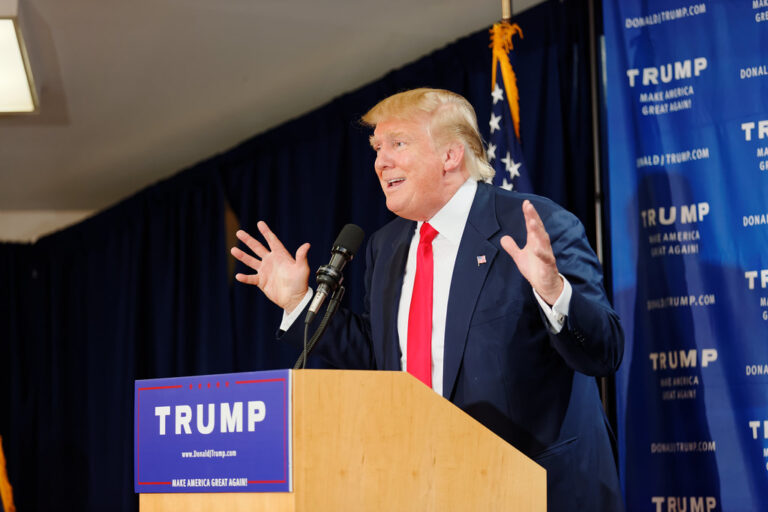
  • Trump supports letting new parents in Congress vote remotely, opposing House Speaker Mike Johnson.
  • The proposal, led by Rep. Anna Paulina Luna, aims to allow proxy voting for new parents.
  • Johnson halted House votes this week in response to Luna’s push for rule changes.
  • This clash highlights internal GOP divisions and Trump’s influence within the party.

Introduction

A heated debate within the Republican Party has intensified as President Donald Trump openly supports a proposal allowing new parents in Congress to vote remotely. This stance puts him at odds with House Speaker Mike Johnson, who opposes such a change. Trump’s support for Rep. Anna Paulina Luna’s initiative has brought attention to the internal GOP conflict, emphasizing the party’s struggle with modernizing its policies.

The Problem: Voting Barriers for New Parents

New parents in Congress often face a tough choice: caring for their newborn or participating in crucial votes. Current rules require members to be present or use a proxy, which can be inconvenient. This issue particularly affects Representatives with young children, as they juggle family responsibilities with legislative duties. The lack of a remote voting option can exclude their voices in important decisions.

The Proposal: A New Way to Vote

Rep. Anna Paulina Luna, a Florida Republican who gave birth two years ago, introduced a petition to change the rules. She seeks to allow new parents to vote remotely, ensuring they can contribute without neglecting their families. Luna’s initiative gained momentum, highlighting the need for more family-friendly policies in Congress.

House Speaker’s Stance: Johnson’s Opposition

House Speaker Mike Johnson has been firm against proxy voting, believing it undermines in-person participation. In response to Luna’s petition, Johnson canceled all House votes for the week, signaling his resistance to the proposed change. His actions reflect a traditional view of Congressional operations, prioritizing in-person attendance over flexibility.

Trump’s Support: A Significant Endorsement

President Trump, known for his influence within the GOP, has publicly backed Luna’s proposal. During a discussion on Air Force One, Trump expressed support for remote voting for new parents, emphasizing the importance of supporting working parents. His endorsement is significant, as it could sway opinions within the party and apply pressure on lawmakers.

The Fallout: Internal GOP Conflict

The conflict has sparked tension within the Republican Party, with some members supporting Luna’s push for change while others align with Johnson’s traditional stance. This divide reflects broader challenges in adapting to modern work-life balance expectations. The debate not only affects voting rules but also touches on the party’s image and appeal to younger voters.

Broader Implications: A Changing Landscape

The debate over remote voting for new parents is part of a larger conversation about modernizing Congress. As more young families join politics, the need for flexible policies grows. This issue could influence public perception of the GOP’s stance on family and work issues, potentially affecting future elections and policy directions.

Conclusion: A Polarizing Issue

The clash between Trump and Johnson over remote voting for new parents underscores the GOP’s internal struggles. While Trump’s support for Luna’s proposal highlights his alignment with modernizing policies, Johnson’s resistance reflects a more traditional approach. The outcome of this debate will not only affect Congressional procedures but also shape the party’s identity and appeal moving forward.
Trump’s Tariffs Spark Wall Street Chaos: Markets in Free Fall?

0

Key Takeaways

  • President Trump’s new tariffs shocked financial markets, causing widespread fear among investors.
  • Wall Street experts describe the situation as unprecedented, with anxiety levels reaching new highs.
  • Investors are reducing their risks, and hopes of a market recovery are fading.
  • Economists warn of a 60% chance of a global recession, adding to the uncertainty.

Wall Street in Panic Mode

President Donald Trump’s decision to impose new tariffs sent shockwaves through financial markets on Thursday. Wall Street, the heart of America’s financial system, is now in turmoil. Money managers, brokers, and bankers are scrambling to make sense of the sudden changes.

Experts at the Wall Street Journal called the situation “unprecedented shock,” meaning something never seen before. Many fear that the huge economic gains made since the pandemic might be coming to an end.


Investors Lose Hope

Stephen Solaka, a managing partner at Belmont Capital Group, shared his concerns. “We’re in a macro world that I’ve never seen now,” he said. Normally, investors believe in “buying the dip,” hoping markets will recover. But this time, things feel different.

Solaka noticed that his clients are more anxious than ever before. Unlike in the past, they don’t believe the market will bounce back. “We’ve seen a lot of clients look to derisk,” he explained. This means investors are moving their money to safer options to avoid losses.

Danny Kirsch, head of options at Piper Sandler, agreed. “It was pretty shocking,” he said. “The bull argument keeps shrinking.” A “bull argument” refers to reasons why markets might go up. With these reasons fading, optimism is disappearing.


A Nightmare for Investors

Dan Ives, an analyst at Wedbush Securities, described the moment Trump announced the tariffs as “worse than the worst case.” “This is going to be an all-time panic moment,” he said. Ives even admitted he “almost couldn’t breathe” due to the intensity of the situation.

Callie Cox, a strategist at Ritholtz Wealth Management, added, “We’ve been the frog in boiling water here, getting used to the dramatic nature of these announcements. Today is a day where investors are just beaten into acceptance.”

This means investors have slowly become used to shocking news, but this time, they feel defeated.


A Global Recession Looms

The chaos on Wall Street comes as economists at JPMorgan Chase raised their estimate of a global recession to 60%. A recession is a period of economic decline, often leading to job losses and market crashes.

If a recession happens, it could wipe out the progress made since the pandemic. This adds another layer of fear for investors and everyday people.


The Bigger Picture

Trump’s tariffs are not just causing short-term panic. They could have long-term effects on the economy. When countries impose tariffs, it can lead to trade wars, making goods more expensive and slowing down economic growth.

Wall Street’s response shows that investors are losing confidence. They’re no longer betting on a quick recovery. Instead, they’re preparing for the worst.


What’s Next?

As the situation unfolds, one thing is clear: uncertainty is the new normal. Investors will be closely watching Trump’s next moves and how the global economy responds.

For now, the markets are in free fall, and no one knows when they’ll hit the bottom.

Trump Ordered to Pay £626,000 After Lawsuit Dismissed

0

Key Takeaways:

  • Donald Trump must pay £626,000 in legal fees after losing a lawsuit in England.
  • The lawsuit Against Orbis Business Intelligence was dismissed in 2024.
  • Trump accused Orbis and its founder, Christopher Steele, of misusing his personal data.

What Happened?

Donald Trump, the former U.S. President, has been ordered to pay a significant amount of money after a court case he brought in England was dismissed. The court told him to pay £626,000 in legal fees to Orbis Business Intelligence, a consulting firm. This firm was founded by Christopher Steele, who wrote a controversial dossier about Trump.

The Lawsuit Details

In 2022, Trump sued Orbis, claiming that the company had misused his personal data. The dossier, made public years ago, alleged that Trump had links with Russia. It suggested these ties could compromise Trump, something he strongly denies. The dossier also included claims about Trump’s personal behavior, which he has dismissed as false.

Judge Karen Steyn dismissed Trump’s lawsuit in 2024, stating there were no strong reasons to continue the case. As a result, Trump was ordered to pay Orbis’s legal costs. Initially, he was told to pay £290,000. Later, the total amount increased to £626,000 after further court hearings.

What’s Next for Trump?

During a hearing in January, Trump was given 28 days to pay the initial £290,000. If he didn’t, his lawyers would not be allowed to speak in court about the remaining fees. Trump missed this deadline, and in April, Judge Jason Rowley announced the final payment of £626,058.98. Due to missing the deadline, Trump’s lawyers couldn’t participate in the hearing that determined the total amount.

This case highlights the ongoing legal battles Trump faces. It also shows the potential financial consequences of pursuing lawsuits that courts ultimately dismiss. Trump continues to deny the allegations made in the dossier, maintaining that they are part of a political smear campaign against him.

Implications of the Case

This outcome might affect Trump’s legal strategies in the future. It also draws attention to the costs associated with pursuing legal action, especially when cases are dismissed. The decision reinforces the importance of having strong grounds before filing lawsuits, as unsuccessful cases can lead to significant financial penalties.

In conclusion, the dismissal of Trump’s lawsuit and the subsequent order to pay legal fees underscore the legal challenges he faces. This case is another chapter in a series of legal issues that continue to make headlines.

Trump Meets Far-Right Figure, Sparks Controversy

0

On Wednesday, April 2, President Donald Trump met with Laura Loomer, a controversial far-right figure, in the Oval Office. Loomer, known for her conspiracy theories, urged Trump to fire certain National Security Council (NSC) staff members she believed were disloyal. This meeting has sparked significant concern and debate, with some staff members reportedly being fired afterward.

Key Takeaways:

  • President Trump met with Laura Loomer, a far-right conspiracy theorist, in the Oval Office.
  • Loomer pressed Trump to fire NSC staff she deemed disloyal, and Trump may act on her recommendations.
  • Loomer has made controversial statements, including 9/11 conspiracy theories.
  • The meeting and its aftermath have caused strong reactions on social media.

Who is Laura Loomer? Laura Loomer is a self-described Islamophobe and conspiracy theorist. She has gained attention for her extreme views, including claims that the 9/11 attacks were an inside job and racist remarks about Vice President Kamala Harris. Her controversial statements have alienated even some far-right supporters.

What Happened in the Meeting? During the meeting, Loomer presented Trump with documents accusing several NSC staff members of disloyalty. She reportedly criticized these individuals in front of their supervisor, National Security Adviser Michael Waltz, who was also present. This approach is highly unusual, as such discussions typically occur behind closed doors.

Reactions to the Meeting The meeting has drawn strong reactions from various quarters. Critics have expressed concern about the influence of conspiracy theorists on national security decisions. Some have highlighted the potential dangers of such decisions, while others have criticized Trump for entertaining such extreme views.

The Aftermath Following the meeting, reports emerged that three NSC staffers were fired. This has raised eyebrows, as the firings appear to be linked to Loomer’s recommendations. The incident has added to concerns about the stability and decision-making within the Trump administration.

Conclusion This meeting underscores the challenges facing the Trump administration, particularly in its approach to national security. The involvement of figures like Laura Loomer in key decisions has sparked fears about the direction of U.S. policy and the vetting process for advisors. As reactions continue to pour in, this incident remains a significant talking point in American politics.

Trump’s New Tariffs Spark Fears of Economic Backfire

0

Key Takeaways:

  • Trump’s new tariffs on imported goods could harm the U.S. economy.
  • The tariffs may weaken American manufacturing, not strengthen it.
  • U.S. exports could drop due to retaliation from other countries.
  • Global trade systems might collapse, similar to the 1930s.
  • China could gain more influence on the world stage.

The Trump administration has announced a new wave of tariffs on imported goods, aiming to boost American manufacturing. However, critics, including the Wall Street Journal editorial board, warn that this plan could backfire and hurt the U.S. economy instead. Let’s break down what this means and why experts are concerned.

Higher Costs for Consumers and Businesses

Tariffs are like taxes on imported goods. When the U.S. imposes tariffs, other countries often retaliate by raising their own tariffs on American products. This leads to a trade war, where prices for everyday items like cars, electronics, and clothing could go up.

For example, imagine buying a new smartphone or a pair of sneakers. If tariffs make these items more expensive, consumers might buy less, which could slow down the economy. Businesses, especially small ones, could struggle to afford imported materials, leading to layoffs or higher prices for their products.

“Mr. Trump’s tariff barrage is unknowable—not least because we don’t know how countries will react,” the Wall Street Journal wrote. If other countries retaliate, global trade could shrink, leading to slower growth or even a recession.


Weakening American Manufacturing

While the goal of the tariffs is to help American manufacturing, the opposite might happen. U.S. factories often rely on imported parts and materials. If those become more expensive, production costs rise, and companies might struggle to compete with foreign rivals.

For instance, car manufacturers in the U.S. import steel and aluminum. Tariffs on these materials could make cars more expensive to produce, leading to higher prices for consumers or lower profits for automakers. Some factories might even close if they can’t afford the extra costs.


U.S. Exports Could Drop

Another problem is that U.S. exports might suffer. When other countries retaliate with their own tariffs, American products become more expensive in their markets. This could hurt industries like agriculture and tech, which rely heavily on international sales.

The Wall Street Journal pointed to an example from Trump’s first term: when the U.S. imposed tariffs on Chinese goods, China stopped buying American soybeans. Instead, they turned to Brazil, which saw a “soybean bonanza.” Similarly, other countries might find alternative suppliers, hurting U.S. farmers and manufacturers.


Global Trade Systems Could Collapse

The worst-case scenario is that the global trading system could fall apart, much like it did during the Great Depression of the 1930s. Back then, countries imposed heavy tariffs on each other’s goods, leading to a sharp decline in global trade. This made the economic crisis even worse.

If Trump’s tariffs lead to a similar situation, the world could see a rise in “beggar-thy-neighbor” policies, where countries try to protect their own economies at the expense of others. This would hurt everyone in the long run.


China Could Gain Influence

Ironically, Trump’s tariffs might help China, one of the countries he’s targeting. In his first term, Trump withdrew from a major trade deal called the Trans-Pacific Partnership, which was designed to exclude China. Since then, China has signed its own trade deals with many of those countries.

Now, China is making deals with other nations, including Japan and South Korea, which were once strong U.S. allies. Even European countries might turn to China for trade partnerships. This could weaken America’s leadership on the world stage and give China more power.


Corruption in Washington

A less obvious consequence of the tariffs is the potential for corruption in Washington. While Trump says there will be no exemptions from the tariffs, the Wall Street Journal predicts that politicians might start granting exceptions to businesses that donate to their campaigns.

“This is far from a comprehensive list,” the journal wrote, “but we offer them as food for thought as Mr. Trump builds his new protectionist world.” The idea of “Buy Another Yacht Day for the swamp” suggests that politicians might use the tariffs as a way to collect money from businesses seeking exemptions.


Conclusion

Trump’s tariffs are meant to help American manufacturing, but experts warn they could have the opposite effect. Higher costs for consumers, weaker manufacturing, lost exports, a collapsing global trade system, and China’s rise are all potential consequences.

As the Wall Street Journal put it, “Remaking the world economy has large consequences, and they may not all add up to what Mr. Trump advertises as a new ‘golden age.’” Only time will tell if these predictions come true, but for now, the signs are worrying.

What do you think about Trump’s tariffs? Let us know your thoughts in the comments!

Trump’s Pardon to Crypto Firm Sparks Debate

0

Key Takeaways:

  • Trump pardons cryptocurrency company BitMEX and its executives after a guilty plea.
  • This is the first-known corporate pardon in U.S. history, raising concerns.
  • Experts warn of leniency toward corporate crimes, especially in crypto.
  • Public advocates fear this sets a dangerous precedent for accountability.

Trump’s Unprecedented Pardon to a Crypto Giant

In a move that’s causing waves in legal and financial circles, former President Donald Trump made history by pardoning a cryptocurrency company and its executives. This decision, while legal, has sparked debates about fairness and accountability in corporate America.


A First in U.S. History

Trump’s pardon of HDR Global Trading, owner of BitMEX, along with its top executives, marks a first. No U.S. president has ever pardoned a corporation before. This move not only surprised many but also raised questions about its implications.

HDR Global and its executives pleaded guilty to violating the Bank Secrecy Act. They failed to implement proper anti-money laundering measures, leading to a $100 million fine and probation for the executives. Despite this, Trump’s pardon sparing them further consequences.


Why It Matters

Legal experts are concerned. This pardon could signal a shift in how corporate crimes are handled. It suggests that even serious violations might be overlooked, especially in the rapidly growing crypto sector.

Professor Bernadette Meyler of Stanford Law highlighted the novelty of this move. She noted that while corporations have gained personhood in some legal areas, pardons were not part of that. This sets a new and worrying trend.

Kimberly Wehle, a pardons expert, fears this sends a message that crypto companies are above the law under Trump. She warns that BitMEX and similar firms might continue risky practices without fear of repercussions.


A Pattern of Leniency

Trump’s pardon isn’t an isolated incident. His administration has been criticized for being soft on corporate crime. Over 100 investigations were dropped in his first months, benefiting donors and allies. Companies like SpaceX and major banksfalls into this category.

Public Citizen, a consumer advocacy group, points out the dangers. They argue that Trump’s approach invites corporate misconduct, putting consumers and workers at risk. This could lead to more scams, discrimination, and environmental harm.


The Bigger Picture

This pardon reflects Trump’s broader legal philosophy. It suggests that powerful corporations and executives have undue influence. Critics see this as favoritism, undermining the rule of law and public trust.

As corporate crimes grow, so do concerns about accountability. If companies escape punishment, it may discourage others from following the law. This could erode confidence in the justice system.


Looking Ahead

The future implications of this pardon are still unclear. It could influence how future presidents handle corporate accountability. For now, it’s a significant moment in the debate over corporate power and justice.

With the crypto industry booming, how these issues are handled will be crucial. Proper regulations and accountability are essential to protect consumers and maintain trust in the financial system.


Conclusion

Trump’s pardon of BitMEX is a landmark decision with far-reaching consequences. It challenges traditional views on corporate accountability and raises questions about the fairness of the justice system. As the crypto industry evolves, this case will be a key reference point in discussions about regulation and accountability.

Erin Burnett Exposes Flaws in Trump’s Tariff Math

0

Key Takeaways:

  • CNN’s Erin Burnett criticized Trump’s tariff plan, calling it mathematically flawed.
  • Trump claimed other countries have high tariffs on U.S. goods, but Burnett says the numbers don’t add up.
  • Burnett used Vietnam as an example, showing how Trump’s calculations were misleading.
  • She argued that Trump confused trade deficits with tariffs, which she called a misunderstanding of capitalism.

Erin Burnett Breaks Down Trump’s Tariff Claims

CNN host Erin Burnett recently took a close look at President Donald Trump’s new tariff plan and found some big problems. During her show, she explained why Trump’s numbers don’t make sense and how his approach to tariffs could be misleading.

Burnett started by showing a chart of the stock market, which was mostly red, indicating a bad day for investors. She said Trump’s math on tariffs was confusing and incorrect.


What Trump Said vs. What’s True

Trump claimed that other countries, like Vietnam, are charging the U.S. very high tariffs. For example, he said Vietnam has a 90% tariff on American goods. But Burnett said this isn’t true.

The Real Numbers:

  • Vietnam’s average tariff rate is actually around 9%, not 90%.
  • Burnett explained that Trump’s team got the 90% number by dividing the U.S. trade deficit with Vietnam ($23.5 billion) by the value of Vietnam’s exports to the U.S.
  • This math doesn’t make sense because a trade deficit is not the same as a tariff.

The Bottom Line

Burnett made it clear that Trump’s approach isn’t just confusing—it’s wrong. She said, “If the U.S. buys more from a country than it sells to that country, Trump is calling that a tariff. But that’s not a tariff. That’s capitalism.”

In simpler terms, just because the U.S. imports more from Vietnam doesn’t mean Vietnam is charging high tariffs. It means Americans are buying more Vietnamese goods, which is how trade works.


Why This Matters

Burnett’s analysis shows that Trump’s tariff plan is based on incorrect math. This could lead to bad economic decisions that hurt American businesses and consumers.

She ended her segment by urging viewers to pay attention to the facts and not the misleading charts.


Watch the Full Breakdown

To see Burnett’s full explanation and how she exposed the flaws in Trump’s tariff math, watch the video here.


This story highlights the importance of understanding trade policies and ensuring that leaders are held accountable for the numbers they present. As the debate over tariffs continues, it’s crucial to focus on the facts rather than misleading claims.

Judge Considers Contempt for Trump Officials in Deportation Case

0

Key Takeaways:

  • A U.S. District Judge is considering holding Trump administration officials in contempt.
  • The case involves Venezuelan immigrants wrongly deported to El Salvador.
  • The judge questioned who made the decision and if the government can fix the issue.
  • Legal experts believe the judge is close to taking action against officials.

What Happened?

A U.S. District Judge, James E. Boasberg, recently raised eyebrows with some tough questions. These questions suggest he might hold some Trump administration officials in contempt of court. Contempt of court happens when someone disobeys a court order, and it can lead to serious consequences.

The case involves Venezuelan immigrants who were detained and flown to El Salvador. This happened even though Judge Boasberg had ordered that they should not be deported. The judge has been overseeing this lawsuit and has expressed frustration with the administration’s handling of the situation.

Why It Matters

Judge Boasberg’s questions show he’s serious about getting answers. He asked who exactly made the decision to ignore his order and deport the immigrants anyway. He also wondered if the government could bring the detainees back to fix the situation.

A legal expert, Ryan Goodman, thinks the judge is ready to act. Goodman believes Judge Boasberg is likely to hold officials in contempt and is now focusing on who was responsible for the decision. He also thinks the judge wants to know if the government can undo the harm by returning the immigrants.

What’s Next?

If Judge Boasberg finds probable cause for contempt, the government might get a chance to fix the issue. This could mean bringing the immigrants back or taking other steps to comply with the court’s orders. However, if the government doesn’t cooperate, officials could face serious consequences, including fines or even jail time.

A Deeper Look

This case is part of a larger pattern. The Trump administration has been criticized for ignoring court orders and pushing aggressive immigration policies. Judge Boasberg’s actions show that courts are still committed to holding the government accountable.

The judge’s decision could set an important precedent. It would show that even high-ranking officials are not above the law. If he holds them in contempt, it would send a strong message that disobeying court orders has real consequences.

Conclusion

Judge Boasberg’s tough questions suggest he’s ready to take action. Legal experts think he’s likely to hold Trump administration officials in contempt. Whether the government can fix the issue remains to be seen. For now, all eyes are on the judge as he decides how to handle this serious case.

AI Tools for Students: Boosting Schoolwork with Tech

Key Takeaways:

  1. AI tools are gaining popularity among students for schoolwork.
  2. They assist with writing, research, and studying.
  3. Tools include summarization, essay help, and exam prep.
  4. Integration with learning platforms enhances efficiency.
  5. Benefits are clear, but limitations exist.
  6. Experts advise responsible use.

AI in Education: A New Era

In recent years, education has seen a surge in AI tools designed to aid students. These tools are transforming how students approach schoolwork, offering assistance in writing, research, and studying. While incredibly helpful, it’s important to consider both the benefits and limitations.


How AI Tools Work for Students

AI tools for students are diverse, ranging from summarization tools that condense long texts into key points to essay helpers that suggest improvements. These tools act like digital study buddies, making complex tasks manageable.


The Benefits of AI Tools

  • Efficiency: AI tools save time by quickly summarizing notes and suggesting study strategies.
  • Personalization: They tailor advice to individual learning styles, enhancing understanding.
  • Accessibility: Available anytime, these tools offer constant support.

Limitations and Concerns

While AI is helpful, it’s not a replacement for human effort. Over-reliance can hinder critical thinking. Additionally, AI may occasionally provide incorrect information, requiring users to verify facts.


Expert Advice on Using AI Responsibly

Experts suggest using AI as a supplement to traditional learning, not a replacement. Balancing AI use with manual practice ensures a well-rounded education.


The Future of AI in Education

Looking ahead, AI could revolutionize education by offering personalized learning paths and real-time feedback. However, ethical use and proper guidance are essential to maximize benefits.


Conclusion

AI tools offer exciting possibilities for students, enhancing study efficiency and understanding. By using them wisely, students can leverage these tools to achieve academic success while maintaining critical thinking skills. The future of education is bright with AI, promising even more innovative solutions for learners.

Instagram Unveils AI-Powered Content Creation Tools: Here’s What You Need to Know

0

Key Takeaways:

  • Instagram introduces AI tools for creating content.
  • Users can generate videos and photos using new AI features.
  • The rollout starts this week, with global availability soon.

Instagram has announced the launch of groundbreaking AI-powered content creation tools, set to revolutionize how users generate and share content. This update introduces innovative features like text-to-video and photo enhancement, making content creation more accessible and efficient.

What Are These AI Tools?

The new AI tools allow users to transform text into video content and enhance photos with advanced editing capabilities. For instance, users can input a description, and the AI will generate a short video. Photos can be refined with options for lighting, color, and even object removal, ensuring high-quality visuals without professional editing skills.

Why Is Instagram Rolling This Out?

In a competitive landscape, Instagram aims to stay ahead by offering tools that simplify content creation. With the rise of short-form videos, these AI features cater to both casual users and creators, helping them produce engaging content effortlessly.

How Will This Change Content Creation?

These tools empower users to create polished content quickly. Creators can focus on storytelling and ideas rather than technical editing, potentially raising the bar for quality expectations on the platform.

When Will These Tools Be Available?

The rollout begins this week in selected regions, with a global release planned for the coming months. Users can expect the tools to appear in the app’s creation menu, following Instagram’s tradition of phased feature releases.

User Reactions and Concerns

Excitement abounds among creators anticipating easier workflows. However, concerns loom about the authenticity of AI-generated content and potential misuse, such as deepfakes. Instagram has assured users of ongoing efforts to maintain trust and safety.

Conclusion

Instagram’s AI-powered tools mark a significant step in content creation, offering users powerful yet simple tools. As the platform evolves, staying attuned to user needs and concerns will be crucial. This update underscores Instagram’s commitment to innovation, setting the stage for future advancements in social media.