59.5 F
San Francisco
Sunday, June 14, 2026
Home Blog Page 997

Scott Pelley: Paramount Meddling in 60 Minutes’ Freedom

0

Introduction: In a surprising turn of events, Scott Pelley, a prominent anchor of 60 Minutes, has publicly accused Paramount, the show’s parent company, of interfering with the program’s editorial independence. This accusation emerges as Paramount seeks to merge with Skydance Media, a move that requires approval from the Trump administration. The situation has led to the departure of Bill Owens, the show’s executive producer, who felt his journalistic independence was compromised.

The Accusations Unfold: Scott Pelley revealed on a recent broadcast that Paramount’s involvement in 60 Minutes’ content has intensified. He mentioned that while no stories have been blocked, the oversight has made it difficult to maintain the independence crucial for honest journalism. This interference is linked to Paramount’s merger efforts, suggesting that the company is under pressure to avoid controversies that might jeopardize the deal.

Impact on the Show: Bill Owens, who joined as Executive Producer in 2019, resigned after feeling constrained in his role. He emphasized that he could no longer run the show as he had before, pointing to upper management’s increased control over editorial decisions. This departure highlights the tension between maintaining journalistic integrity and corporate interests.

Legal Challenges: Adding to the turmoil, a $20 billion defamation lawsuit against 60 Minutes alleges that an interview with Kamala Harris was edited to portray her favorably.CBS and Owens have denied these claims, while Paramount aims to settle the case to smooth the path for their merger. This legal battle underscores the pressures Paramount faces in managing its public image and regulatory approvals.

Feedback from the Team: Lesley Stahl, another correspondent from 60 Minutes, corroborated the claims of interference, noting that such intrusions undermined the team’s judgment and independence. Her comments add weight to the growing concern about Paramount’s influence on the show’s content.

Current Developments: Paramount has not publicly addressed these concerns, leaving many questions unanswered. The situation remains fluid as the company navigates the merger, legal issues, and internal conflicts.

Conclusion: The allegations by Scott Pelley and the resignation of Bill Owens bring to light the challenges faced by media organizations in balancing corporate goals with journalistic integrity. As the situation unfolds, the outcome remains uncertain, leaving the future of 60 Minutes’ editorial independence in question. Stay tuned for further updates on this evolving story.

Trump’s Tariffs Trigger Stockpiling: Companies Rush to Beat Trade Wars

0

Key Takeaways:

  • Companies are stockpiling goods in the U.S. to avoid tariffs imposed by Trump.
  • Industries like cosmetics, watches, and pharmaceuticals are increasing exports.
  • Stockpiling is a short-term solution with its own risks.
  • Trump’s unpredictable policies complicate business strategies.
  • Global trade is facing uncertainty due to ongoing tariff threats.

The Rush to Stockpile

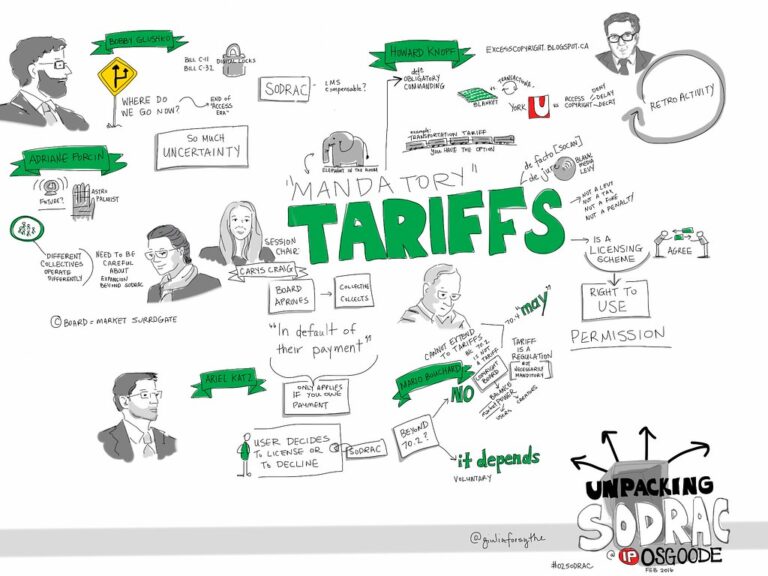
The Trump administration’s unpredictable tariff policies have led businesses to stockpile goods in the U.S. to avoid potential trade war consequences. This strategy, while common, is challenging due to the ever-changing landscape of tariffs. Companies across various sectors are accelerating their supply chains to ensure they have enough stock before new tariffs hit.

Different Industries, Same Strategy

Clarins, a French cosmetics firm, increased its stock in the U.S. to three months’ worth, valued at $2 million. Swiss watch exports to the U.S. rose by nearly 14% in March, while Ireland’s pharmaceutical exports to the U.S. surged to almost $14.8 billion in February. Fermob, a French furniture maker, boosted production and shipped 30% more stock to the U.S. This surge has benefited transport firms like Lufthansa Cargo, which saw increased demand for U.S.-bound shipments.

The Risks of Stockpiling

While stockpiling provides temporary relief, it’s not a long-term solution. Analysts warn of potential issues like inventory becoming obsolete, especially in fast-paced industries like electronics. Financing stockpiles and managing inventory risks add to the challenges. Companies must weigh the costs and benefits carefully to avoid new risks.

Finding a Balance

Fermob’s approach to moderate stockpiling highlights the need for balance. Having local warehouses helps manage risks but requires careful planning. It’s too early to tell if stockpiling will be beneficial in the long run, as tariffs and trade policies remain uncertain.

Conclusion

The rush to stockpile reflects the uncertainty companies face due to Trump’s tariff policies. While it provides a temporary solution, it’s fraught with risks. As the global trade landscape continues to shift, businesses must adapt strategically to navigate these choppy waters. The impact of these strategies on global trade remains to be seen.

New Pope Election: Cardinals Face Daunting Task

0

Key Takeaways:

  • Cardinals from around the world gather to elect the next Pope after Pope Francis’s death.
  • The conclave is unpredictable, with many Cardinals from outside Europe.
  • Key candidates include Italian Cardinal Pietro Parolin and Filipino Cardinal Luis Antonio Tagle.
  • The selection process is secretive, held in the Sistine Chapel with strict rules.
  • The next Pope must address global challenges and unify the Church.

Introduction

Imagine a secret election where 135 leaders, known as Cardinals, gather in a historic chapel to choose the next leader of the world’s 1.4 billion Catholics. This is the conclave, a process shrouded in tradition and secrecy. Following Pope Francis’s death, Cardinals from every corner of the globe are assembling at the Vatican to select his successor. With the world watching, this election is filled with uncertainty and promise.

The Selection Process

The conclave is a centuries-old tradition where Cardinals gather to elect a new Pope. This time, the process is particularly unpredictable. Many Cardinals are from outside Europe, and some have never met, adding to the mystery. Spanish Cardinal Jose Cobo hinted at surprises, noting that past conclaves were more predictable. Now, with a global pool of candidates, the outcome is anybody’s guess.

The process itself is steeped in tradition. Cardinals will gather in the Sistine Chapel, famous for Michelangelo’s stunning ceiling. Voting occurs twice a day, with each ballot burned after results are announced. If no candidate secures a two-thirds majority by the end of the day, the process repeats the next day. This secrecy and tradition add to the intrigue, making each conclave unique.

Possible Candidates

While it’s impossible to predict the outcome, several Cardinals stand out as potential contenders. Italian Cardinal Pietro Parolin, who served as Pope Francis’s second-in-command, is a favorite. Known for his diplomatic skills, Parolin is seen as a safe choice to maintain stability amidst global turmoil.

Another strong candidate is Filipino Cardinal Luis Antonio Tagle, who has gained recognition for his compassionate approach and progressive views. As the Catholic Church seeks to expand its global influence, a Pope from Asia could signify a new era of diversity.

Additionally, Ghanaian Cardinal Peter Turkson is admired for his commitment to social justice, reflecting Pope Francis’s legacy of championing the poor. These candidates represent different regions and styles, highlighting the Church’s global reach and the challenges it faces.

Challenges Ahead

The next Pope will face significant challenges. The Catholic Church is divided, with conservative and progressive factions pulling in different directions. Issues like social justice, climate change, and internal Church reforms require strong leadership. The Cardinals seek a leader capable of uniting these divergent voices, someone who can navigate these complexities with wisdom and compassion.

Cardinal Dieudonne Nzapalainga of the Central African Republic emphasized the need for a courageous leader, one who can steady the Church amidst global storms. This leadership is crucial as the Church confronts internal and external pressures, striving to remain relevant in a rapidly changing world.

What’s Next

The Cardinals will meet daily to discuss and vote, with the conclave expected to begin soon after the mourning period ends on May 4. While predictions are tricky, one thing is clear: the next Pope will play a pivotal role in shaping the Church’s future.

As the Cardinals deliberate, the world watches with bated breath. The election is not just about choosing a leader; it’s about the direction the Church will take. Whether the next Pope comes from Europe, Asia, Africa, or the Americas, the hope is that they will lead with compassion, wisdom, and strength, guiding the Church through uncertain times.

Conclusion

The conclave is a significant moment for the Catholic Church, filled with hope and uncertainty. As Cardinals gather to elect the next Pope, the world awaits a leader who can bridge divisions and inspire a global flock. The process is as much about tradition as it is about looking forward, ensuring the Church remains relevant and compassionate in a changing world. The next Pope’s election is not just an event; it’s a new chapter in the Church’s enduring story.

Republicans Race to Pass Trump’s Policy Bill

0

Key Takeaways:

  • Republicans are speeding to finalize a major policy bill by Memorial Day.
  • Disputes over spending cuts and Medicaid changes are causing internal conflicts.
  • Some lawmakers oppose rushing the bill, fearing it may weaken the final product.
  • Senate Republicans are waiting to see how the House’s proposal fares.
  • The bill’s success is crucial for Trump’s domestic agenda and the party’s image.

Republicans in a Rush to Pass Trump’s Policy Bill

Republicans are working against the clock to push through a significant domestic policy bill, aiming to finalize it by Memorial Day. This effort is part of President Trump’s agenda, but it’s encountering some bumps along the way. Key issues like spending cuts and changes to safety-net programs are causing debates within the party.

Spending Cuts Spark Debate

Deep spending cuts are a major point of contention. Some Republicans argue that the proposed $1.5 trillion in cuts isn’t enough, and that without more significant reductions, the bill might not achieve its intended impact. For instance, Representative Tim Burchett feels that starting with $1.5 trillion is a losing strategy because it might not lead to real change. He criticized his colleagues for being hesitant to make tough decisions on cutting spending.

Other lawmakers share this concern. An anonymous House Republican mentioned that without substantial cuts, many members might question the bill’s purpose. This resistance could lead to a lack of support when voting on the final product, making it harder to reach the needed 218 votes in the House.

Rush or Quality: A Delicate Balance

The timeline for passing the bill is another point of argument. Speaker Mike Johnson wants it done by Memorial Day, but not everyone agrees. Representative Chip Roy believes rushing the process could harm the quality of the bill. He thinks taking the time to ensure the legislation is solid is more important than meeting a quick deadline.

Roy is also skeptical about using potential tariff revenues to offset spending. He argues that Congress can’t rely on these revenues since they aren’t guaranteed. This stance adds another layer of complexity to the negotiations.

The Senate’s Wait-and-See Approach

While the House is in a hurry, the Senate is taking a more cautious approach. Senate Republicans are waiting to see how the House’s proposal shapes up and whether it aligns with what can pass the Senate with 51 votes. This strategy allows them to avoid getting stuck on proposals that might not gain enough support.

Pressure Mounts for Passage

The success of this bill is crucial for both President Trump’s agenda and the Republican Party’s image. Failure to pass it could cast doubt on their ability to govern effectively, especially heading into the next election. Lawmakers feel the weight of balancing immediate political gains with long-term financial responsibilities, making this a high-stakes effort.

Conclusion: A Crucial Legislative Challenge

As Republicans strive to meet their Memorial Day deadline, they face tough decisions on spending cuts, Medicaid changes, and the legislative process. The outcome will significantly impact Trump’s domestic policies and the party’s standing. Whether they can overcome their internal differences and pass a meaningful bill remains to be seen, but the pressure is on to deliver.

US Strikes Yemen: Over 800 Targets Hit in Operation Rough Rider

0


Key Takeaways:

  • The U.S. has struck over 800 targets in Yemen since mid-March.
  • Operation Rough Rider aims to protect shipping in the Red Sea and Gulf of Aden.
  • Hundreds of Huthi rebels, including leaders, have been killed.
  • Recent strikes in Sanaa caused casualties and destruction.
  • Despite U.S. efforts, Huthis continue attacks on U.S. vessels and Israel.
  • The U.S. accuses Iran of aiding the Huthis.

Operation Rough Rider: A Comprehensive Strike

The U.S. military launched Operation Rough Rider in mid-March to target Huthi rebels in Yemen. This operation has involved over 800 strikes, targeting key rebel sites. The main goal is to ensure safe passage for ships in the Red Sea and Gulf of Aden and to reestablish U.S. influence in the region. The strikes have destroyed command centers, air defenses, and weapon factories, significantly impacting the Huthis’ capabilities.


Casualties and Destruction in Sanaa

Recent U.S. strikes in the capital city of Sanaa have caused notable casualties and destruction. At least eight people were killed, and several were injured. Photos from the scene show destroyed homes and cars, with rescuers gathering remains. These attacks bring the death toll since March 15 to 228, adding to the ongoing human toll of the conflict.


Huthi Attacks Continue Despite Setbacks

Despite the U.S. strikes, the Huthis persist in attacking U.S. vessels and Israel. They began targeting shipping lanes in late 2023, affecting traffic through the Suez Canal, a crucial global trade route. This has forced ships to take longer, costlier routes around Africa.


US Claims Success in Reducing Huthi Capabilities

The U.S. reports success in weakening Huthi attacks. CENTCOM notes a 69% drop in ballistic missile launches and a 55% decrease in drone attacks. These statistics suggest that the strikes have been effective in reducing Huthi aggression.


Iran’s Alleged Support for Huthis

The U.S. accuses Iran of aiding the Huthis. They believe that without Iranian support, the rebels wouldn’t sustain their attacks. This accusation points to deeper regional tensions between the U.S. and Iran.


Controversy in Washington Over Signal App

A controversy emerged when senior officials mistakenly discussed strikes on the messaging app Signal, including Defense Secretary Pete Hegseth. This slip-up, revealed by The Atlantic, has drawn criticism and political fallout.


Humanitarian Impact and Ongoing Operations

The conflict in Yemen continues to affect civilians severely, with the Sanaa strikes adding to the humanitarian crisis. The U.S. has vowed to continue operations until shipping safety is ensured. The situation remains tense as all sides assess next steps.


What’s Next?

As the U.S. persists with Operation Rough Rider, the conflict’s future remains uncertain. The goal is to restore maritime safety and deterrence, but challenges ahead include ongoing Huthi resistance and potential broader regional implications.

Trump’s First 100 Days: Economic Crisis and Controversy

0

Key Takeaways:

  • Donald Trump’s first 100 days in office were marked by economic turmoil, according to a CNN analyst.
  • His policies, including tariffs, have led to rising prices, shortages, and fears of a recession.
  • The U.S. economy has suffered significant losses, with trillions of dollars wiped off stock markets.
  • Experts warn that Trump’s actions could damage America’s reputation as a financial safe haven.
  • The president’s decision to play golf during the crisis has sparked criticism over his response to public suffering.

A Look Back at Trump’s First 100 Days

Donald Trump’s first 100 days in office were anything but smooth. According to a CNN analyst, Trump promised voters a return to a pre-pandemic America, but instead, he delivered an economic crisis. The analyst argues that Trump’s policies have made life harder for Americans, spiking prices and causing chaos for businesses.

So, how did things go so wrong? The analyst points out that Trump’s actions were not accidental. Instead, they were deliberate choices, like imposing tariffs, which have hurt the economy. These decisions have led to widespread consequences, from stock market losses to companies cutting back on hiring.


Economic Chaos and Its Impact

The U.S. economy, once the envy of the world, is now on shaky ground. Here’s how Trump’s policies have affected everyday Americans and businesses:

  • Rising Prices: Trump’s tariffs have made imported goods more expensive, leading to higher prices for consumers. This has hit families hard, especially those struggling with inflation.
  • Shortages and Recession Fears: Small businesses and CEOs are dealing with supply chain disruptions. Some companies have even stopped selling products made in China due to tariffs. This has raised fears of a potential recession.
  • Stock Market Plummet: Trillions of dollars have been lost in the stock market. Major companies are cutting back on flights, and some have even lowered their profit expectations for the year.
  • Global Concerns: The International Monetary Fund has reduced its growth forecast for the U.S., and the Federal Reserve reports that some businesses have stopped hiring altogether.

Trump’s Gamble on Tariffs

Trump’s strategy to impose tariffs is based on his belief that other countries have taken advantage of the U.S. for too long. He aims to force foreign markets to open up to American products and bring back jobs to the U.S. His vision is to revitalize industrial regions that have suffered due to globalization.

However, this gamble is risky. The CEO of Walmart has warned that Trump’s policies could severely disrupt supply chains by this summer. While Trump claims that many countries are eager to sign favorable deals, the reality is far from certain. Millions of American jobs hang in the balance.


The President’s Controversial Response

As the economy struggles, Trump’s response has drawn criticism. Instead of addressing the crisis, he chose to go golfing. This move has been seen as indifferent to the suffering of Americans.

The analyst describes Trump as having a “brittle temper” and an over-inflated sense of his abilities. His leadership has pushed the country to the brink, with no clear end to the chaos in sight.


The Road Ahead

The analyst warns that things may get worse before they get better. Trump’s policies have created massive shockwaves in the economy, and the pressure to show results is growing. His vision of himself as an economic mastermind suggests that even tougher times may lie ahead.

For now, Americans are left wondering if Trump’s gamble will pay off or further damage the economy. One thing is certain: the next few months will be crucial in determining the direction of the U.S. economy.

Judges Under Fire: When Those Sworn to Justice Cross the Line

0


Key Takeaways:

  • Three judges in different states allegedly helped criminals and hindered law enforcement.
  • Their actions were not mistakes but deliberate choices.
  • These decisions have raised questions about trust in the justice system.
  • The public and legal community are calling for accountability.

Introduction

Imagine if the people meant to uphold the law were the ones breaking it. Recently, judges in New Mexico, Massachusetts, and Wisconsin have faced accusations of aiding criminals and obstructing justice. These weren’t mistakes. They were intentional acts that have shocked many.

Judges and Their Alleged Actions

Judge Joel M. Cano of New Mexico Judge Cano stands accused of helping criminals avoid consequences. Instead of upholding the law, he allegedly made decisions that let offenders go free. This not only undermined police efforts but also put the community at risk. When someone in a position of power chooses to side with criminals, it erodes trust in the system meant to protect us.

Judge Shelley Richmond of Massachusetts In Massachusetts, Judge Richmond is accused of obstructing law enforcement. By supposedly ignoring the law, she allowed criminals to escape justice. This not only hindered police work but also sent a dangerous message that some are above the law. Her choices have left many questioning her judgment and commitment to justice.

Judge Hannah Dugan of Wisconsin Judge Dugan is accused of disregarding her duties and aiding criminals. Her actions allegedly disrupted legal processes, making it harder for law enforcement to do their jobs. When a judge doesn’t do what’s right, it can create chaos in the system and make people lose faith in the courts.

The Bigger Picture

These actions by the judges are not just isolated incidents. They highlight a larger issue: the need for accountability within the judicial system. When those in power abuse their positions, it jeopardizes public trust and the fairness of the law. The legal system relies on trust, and when that’s broken, it can have serious consequences.

The public and legal community are calling for accountability. If judges can’t fulfill their duties honestly, they undermine the very system they swore to protect. Transparency and fairness are crucial for justice to prevail.

Conclusion

The actions of Judges Cano, Richmond, and Dugan have sparked outrage and concern. Their alleged decisions to aid criminals and obstruct law enforcement raise serious questions about the integrity of the justice system. The public expects judges to uphold the law, not break it. When they fail, it’s a reminder of how important it is to hold those in power accountable.

The consequences of their actions could be far-reaching. If judges don’t act with integrity, the public’s trust in the legal system may erode. This story is a call for transparency and a reminder that no one should be above the law—not even those who wear the robe.

Vancouver Tragedy: Family Sought Help Before Fatal Crash

0

Key Takeaways:

  • A driver, Kai-Ji Adam Lo, is accused of killing 11 at a Vancouver block party.
  • His family sought help for him just hours before the incident.
  • He faces eight second-degree murder charges.
  • The event occurred at the Lapu Lapu Day festival, celebrating cultural heritage.
  • Lo lost his brother last year, adding to his troubled background.

Introduction

Vancouver experienced a devastating tragedy when Kai-Ji Adam Lo allegedly drove into a crowd at the Lapu Lapu Day festival, killing 11 and injuring many. His family had attempted to get him help hours before, highlighting a pressing need for mental health support.

Family’s Efforts to Get Help

Lo’s family recognized his distress and sought assistance, underscoring the challenges of accessing timely help. This incident reflects the broader issue of mental health access and the tragic consequences of untreated struggles.

Suspect’s Background

Kai-Ji Adam Lo, a Vancouver resident, faced previous trauma with the loss of his brother. This history may provide context to his mental state, though it doesn’t excuse the horrific act.

Charges and Legal Proceedings

Facing eight charges of second-degree murder, Lo’s case will likely explore his mental health. Legal proceedings may shed light on how such tragedies can be prevented.

The Festival and Its Significance

The Lapu Lapu Day festival celebrates cultural heritage and community unity. This year’s event turned tragic, leaving a scar on the vibrant neighborhood.

Community Reacts

The community is in mourning, expressing shock and grief. Events like these remind us of the importance of supporting one another and addressing mental health openly.

Conclusion

This tragedy serves as a stark reminder of the need for improved mental health resources. It highlights the importance of community support and the delicate balance between seeking help and preventing harm.

The incident at the Lapu Lapu Day festival in Vancouver is a heartbreaking reminder of the complexities surrounding mental health and the need for accessible support systems. As the community mourns, the focus shifts to healing and understanding how such events can be mitigated in the future.

CNN’s Unintentional Public Service: A Look at Media Accountability

0

Key Takeaways:

  • Media credibility is under question, with some blaming right-wing rhetoric.
  • CNN’s Abby Phillip claims media issues stem from external factors, not internal actions.
  • Decades of data suggest media’s own practices contribute to credibility erosion.
  • Phillip’s stance is seen as evasive, highlighting the need for media accountability.

Introduction

In recent times, CNN anchor Abby Phillip stirred discussion by suggesting that media credibility issues mainly result from right-wing rhetoric. This perspective, while heartfelt, overlooks the media’s role in its declining trust.

The Claim

Abby Phillip’s assertion that right-wing rhetoric is the primary cause of media credibility issues is a viewpoint that’s gaining attention. It’s important to explore whether this stance holds up against historical data and public perception.

The Reality

Years of research indicate that media credibility isn’t just threatened by external rhetoric. Factors such as perceived bias, inaccuracies, and a lack of transparency contribute significantly. Public trust is built on reliability and fairness, elements the media must uphold.

The Irony

Ironically, Phillip’s argument exemplifies the evasion of accountability. By attributing credibility issues to external factors, the media misses opportunities to reflect on its practices. Acknowledging internal shortcomings is crucial for fostering public trust.

The Unintentional Public Service

CNN’s unintended highlighting of media issues through Phillip’s comments serves as a public service. It sparks necessary discussions on accountability and transparency, essential for a trustworthy press.

Public Reaction and Implications

The public’s reaction to Phillip’s comments underscores a broader desire for media accountability. When the media shuns responsibility, it reinforces perceptions of bias and distrust. Open dialogue about media practices is vital for maintaining credibility.

Conclusion

In conclusion, while Phillip’s comments may deflect blame, they emphasize the media’s need for introspection. True accountability and transparency are key to restoring public trust. This unintentional spotlight on media challenges is a critical reminder of the importance of ethical journalism.

Chemical Abortion Risks: New Data Reveals Higher Complications

0

Key Takeaways:

  • Chemical abortion’s serious side effects are 22 times higher than FDA reports.
  • These complications include hospitalization and blood transfusions.
  • The FDA’s original data underestimated risks.
  • Underreporting contributes to lower recorded side effects.
  • The pro-life movement emphasizes health risks to women.
  • New data suggests chemical abortion isn’t as safe as believed.
  • Policymakers may need to reassess abortion regulations.

Understanding Chemical Abortion

Chemical abortion, involving medications to end pregnancy, is presented as a safe option. However, recent data uncovers higher health risks for women.

Serious Side Effects Revealed

The report shows serious adverse events occur 22 times more than stated by the FDA. These include severe bleeding, infections, and emotional distress, sometimes requiring hospital care.

Why Side Effects Are Underreported

Underreporting stems from a voluntary system and lack of follow-up. Many cases go unreported, leading to misleadingly low numbers.

Pro-Life Perspective on Health Risks

The pro-life movement has long warned of abortion’s Risks to women, now supported by this report, highlighting physical and emotional harm.

Implications for the Future

This data may lead to stricter regulations and better informed consent, ensuring women know the risks.

Conclusion

The findings challenge the perception of chemical abortion’s safety, urging a reevaluation of policies to protect women’s health and consider their well-being.