63.2 F
San Francisco
Thursday, May 14, 2026
Home Blog Page 998

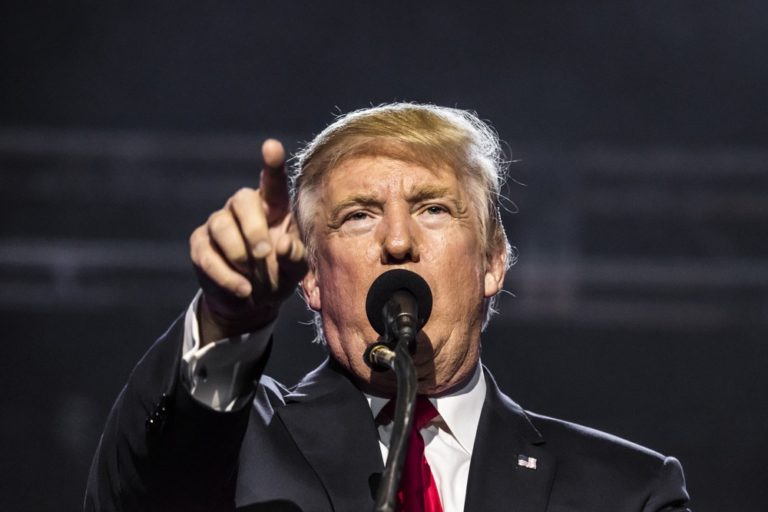
Former Ryan Adviser Warns Trump: Economy Could Make or Break His Political Future

0

Key Takeaways:

  • Brendan Buck, a former adviser to ex-House Speaker Paul Ryan, says Trump was elected because people were worried about the cost of living.
  • Buck warns that if the economy doesn’t improve, Trump will face major political problems.
  • He believes Trump was handed a strong economy but made mistakes like starting a trade war, which caused uncertainty.
  • Buck thinks Trump cares deeply about his legacy and popularity, which could push him to change course if the economy struggles.

Trump’s Economic Record Under Fire

Brendan Buck, a former top aide to Paul Ryan, recently shared his thoughts on Donald Trump’s political future. He appeared on MSNBC and made it clear that Trump’s success depends heavily on the economy.

Buck said, “People elected Trump because they were worried about the cost of living.” He added that if things don’t get better, especially with growing concerns about the economy, Trump could be in trouble. “If the economy starts going south, he’s got big political issues,” Buck warned.


The Economy: Trump’s Biggest Challenge

When Trump was elected, Buck claims the economy was in a good place. “It was ready to take off,” he said. However, he believes Trump made things worse by starting a trade war and creating uncertainty.

Buck criticized Trump’s decisions, saying, “It was bad during the Biden administration, but we were ready to go in a really good direction. And he couldn’t help himself with this trade war and lots of uncertainty… that will catch up to him very, very quickly.”


Does Trump Care About the Economy?

The host asked Buck if Trump truly cares about these economic challenges. His response was clear: “I think he cares a lot.”

Buck explained that Trump is deeply focused on his legacy and being popular. “I think Donald Trump cares about his legacy more than just about anything. And I think he loves being popular,” he said.

Buck also pointed out that Trump has changed direction in the past when things didn’t go well. “We have seen him react to things that are very unpopular and change direction. That’s really the only guardrail we have with him right now,” he added.


The Final Word: Economy Will Decide Trump’s Fate

Buck made it clear that if the economy continues to struggle, Trump will have to pay attention. “And if the economy continues to show signs of suffering and the market continues to suffer, yeah, I think that’ll get his attention,” he said.

In short, Buck believes Trump’s political future depends on how well he handles the economy. If things go south, Trump could face serious problems. But if the economy improves, he might avoid those issues.

For now, one thing is clear: the economy is Trump’s biggest challenge—and it could make or break his political career.

Trump’s Search for UN Ambassador Hits Roadblocks

0

Key Takeaways:

  • Donald Trump asked Rep. Elise Stefanik to stay in Congress, ending her chance to become UN Ambassador.
  • Trump’s team is now struggling to find a replacement, with potential candidates saying no.
  • The Senate may block Trump’s next choice due to a small Republican majority.
  • Democrats are likely to delay or block the nomination process.

Donald Trump is facing challenges in finding a new nominee to serve as his ambassador to the United Nations. Recently, he asked Rep. Elise Stefanik, a key ally, to stay in Congress instead of taking the role. This decision has left Trump’s team scrambling to find a suitable replacement.

Why Elise Stefanik Stayed in Congress

Trump announced his decision on his social media platform, saying Stefanik is too important to his mission to leave Congress. Her departure could weaken Republican numbers in the House, where they already have a slim majority.

Potential Candidates Say No

Trump’s team has reached out to several loyalists to fill the UN ambassador role, but so far, no one has accepted. Richard Grenell, a former special envoy with UN experience, and Morgan Ortagus, a former State Department spokesperson, have both turned down the offer.

Senate Obstacles Ahead

One name being considered is Sen. Bill Hagerty, a Republican from Tennessee. However, his nomination could face the same challenges Stefanik’s did. With a narrow Republican majority in the Senate, replacing Hagerty could put the party at risk of losing his seat.

Democrats Plan to Fight Back

Even if Trump quickly picks a new nominee, Democrats in the Senate are likely to cause delays. They are upset with Trump’s efforts to reduce parts of the federal government, including foreign aid programs. Some Democrats may use procedural tactics to slow down or block the nomination.

The Search Continues

For now, Trump’s team is still searching for the right candidate. Advisors are suggesting various names, but nothing is certain yet. The situation remains fluid as Trump tries to find someone willing and able to take on the role.

This ongoing drama highlights the difficulties Trump faces in filling key positions as he navigates a divided government and opposition from Democrats. Stay tuned for updates as this story unfolds.

Rubio’s Visa Remarks Stir Debate

0

Key Takeaways:

  • Marco Rubio suggests denying visas to students involved in certain activities.
  • MSNBC host Ayman Mohyeldin criticizes Rubio’s comments as hypocritical.
  • Rubio’s stance contrasts with his previous defense of free speech.
  • Trump administration’s policies face scrutiny over potential contradictions.

Rubio’s Visa Policy Comments

Marco Rubio recently shared his thoughts on visa policies for international students. He suggested that students who engage in activities like protesting or vandalism should have their visas revoked. Rubio emphasized that such behaviors, including lying on visa applications, could lead to severe consequences.

Mohyeldin’s Response and Hypocrisy

Ayman Mohyeldin from MSNBC pointed out the lack of evidence against a specific student Rubio mentioned. He highlighted Rubio’s previous advocacy for free speech, especially on college campuses, where Rubio warned about the dangers of restrictive speech codes. Mohyeldin found it hypocritical for Rubio to now support restrictive visa policies based on similar activities.

Broader Policy Concerns

Mohyeldin also drew attention to the Trump administration’s stance, where the DOJ argued that certain student activities interfered with Biden’s foreign policy—a position Trump openly opposed. This contradiction raises questions about the consistency and fairness of the administration’s approach.

Impact on Free Speech and Students

Rubio’s comments have sparked concerns about the chilling effect on free speech. International students might feel pressured to avoid any form of activism for fear of losing their visas. This could create a restrictive environment for students wanting to express their opinions.

Conclusion

Rubio’s remarks and the subsequent criticism highlight a complex debate about free speech, immigration policies, and the rights of international students in the U.S. As the discussion continues, the balance between maintaining order and preserving free expression remains a key challenge.

Trump’s Team in Crisis: Will Top Adviser Get Fired?

0

Key Takeaways:

  • National Security Adviser Mike Waltz is under fire after accidentally letting a journalist join a private chat about a military operation.
  • White House officials discussed removing Waltz during a meeting with Trump.
  • Vice President J.D. Vance publicly supports Waltz, but insiders say his job remains at risk.
  • Some fear Trump may look weak if he fires Waltz to calm the situation.

White House in Turmoil as Adviser Faces Uncertain Future

The White House is dealing with a growing crisis after a top Trump official accidentally let a journalist listen in on a private chat about a military operation in Yemen. National Security Adviser Mike Waltz is now at the center of the storm, with some insiders predicting his ouster is near.

What Happened?

Earlier this week, Waltz invited Jeffery Goldberg, the editor-in-chief of The Atlantic, to a private Signal chat room where officials were discussing a military strike on Houthi rebels in Yemen. The journalist wasn’t supposed to be there, and the slip-up caused a huge embarrassment for the administration.

Democrats are demanding accountability, especially after Defense Secretary Pete Heghseth also shared details about the operation before it happened. However, Waltz appears to be the main target for criticism, both from outside and within the White House.

The Meeting That Could Change Everything

On Wednesday, White House Chief of Staff Susie Wiles and Vice President J.D. Vance met with Trump in the Oval Office. The topic? Whether to fire Waltz. Sources say the idea of letting Waltz go was discussed, but there’s concern that Trump might look weak if he gives in to pressure.

Despite the backlash, Waltz still has his job—for now. Insiders claim administration officials are waiting for the right moment to let him go, hoping to avoid fueling the media storm.

“He’ll Be Gone in a Couple of Weeks”

One source close to the situation said, “They’ll stick by him for now, but he’ll be gone in a couple of weeks.” This suggests that Waltz’s time in the White House may be running out, even though nothing has been officially announced.

Vance Stands by Waltz

After the meeting, Vice President J.D. Vance came to Waltz’s defense. Speaking to reporters, Vance said, “If you think you’re going to force the president of the United States to fire anybody, you’ve got another thing coming. We are standing behind our entire national security team.”

However, Politico reports that Waltz’s standing in the White House has worsened. Behind the scenes, many colleagues feel he has lost their trust and handled the situation poorly.

Why This Matters

The incident has raised questions about how the White House handles sensitive information and how it responds to mistakes. If Waltz is fired, it could signal a broader shake-up in Trump’s team. For now, all eyes are on whether Trump will stand by his national security adviser or cave to pressure.

Stay tuned for updates as this story continues to unfold.

Noem’s travels: taxpayer concerns arise

0

Key Takeaways:

  • Kristi Noem, former South Dakota Governor and current DHS Secretary, used taxpayer funds for personal trips.
  • Trips included visits to Mar-a-Lago, Paris, and a bear hunting trip in Canada.
  • Total taxpayer-funded travel costs exceeded $640,000 over six years.
  • Some trips lacked clear connections to state business, sparking Republican criticism.
  • Noem’s spokesperson defends her, stating she covered political or personal trips with her own funds.

Introduction: Kristi Noem, a prominent Republican and former Governor of South Dakota, now serving as the Secretary of Homeland Security, is facing scrutiny over her travel expenses. Recent revelations indicate that some of her trips were funded by taxpayers, raising questions about the use of public money.

Expensive Travels Unveiled: Details from a lawsuit filed by The Dakota Scout reveal that Noem’s travel expenses during her governorship were substantial. Over six years, South Dakota taxpayers covered over $640,000 in travel costs. Notable trips include a $7,555 visit to Paris for a speech at a right-wing event and a bear hunting expedition in Canada with her niece. Additionally, a dental trip to Houston, shared on Instagram, cost $2,200.

Republican Reactions: Fellow Republicans expressed concern over the expenses. Former Governor Dennis Daugaard and State Senator Taffy Howard criticized the spending, with Howard noting it seemed excessive. Their comments highlight a growing unease within the party about financial transparency.

Defense and Controversy: Noem’s spokesperson defended the expenditures, emphasizing that personal or political trips were covered by her own funds. However, some journeys lacked a clear link to state affairs, which has drawn criticism. Additionally, her recent trip to El Salvador, where she posed with caged prisoners, has added to the controversy.

Implications: The debate surrounding Noem’s travel expenses underscores broader discussions on the use of taxpayer funds by public officials. As questions linger, Noem’s actions continue to attract attention, potentially impacting her political future.

This story highlights the importance of transparency in public office and the scrutiny that comes with taxpayer-funded expenditures.

Orange County Recovers Millions in Improper Spending Scandal

0

Key Takeaways:

  • Former Orange County Elections Supervisor Glen Gilzean is accused of improperly spending $9.3 million in taxpayer funds.
  • Officials have recovered $3.2 million, but millions remain unaccounted for.
  • Gilzean, appointed by Gov. Ron DeSantis, spent half of his office’s annual budget in just three months.
  • The county froze his spending after discovering questionable payments, but Gilzean ignored the freeze.
  • A new supervisor is now working to recover the missing money.

A Spending Spree Raises Red Flags

In Orange County, Florida, a financial scandal is unfolding. Glen Gilzean, the former Elections Supervisor, is at the center of it. Officials say he improperly spent $9.3 million in county funds during his time in office. While $3.2 million has been recovered, a significant amount is still missing.

Gilzean’s spending first came under scrutiny in December when county leaders froze his spending after Comptroller Phil Diamond uncovered $5 million in payments that didn’t seem right. These payments included $2.1 million to Valencia College for scholarships, which Diamond argued had nothing to do with election work and should have been returned to the county.

Instead of obeying the spending freeze, Gilzean sped up his spending. In just one week, he wrote over 200 checks totaling $4.3 million. He claimed these were for “legitimate election expenses,” but officials are skeptical. By the end of three months, Gilzean had spent half of his office’s annual budget, leaving the elections office so strapped for cash that it had to use money from other county funds just to pay employees.

Diamond also accused Gilzean of breaking a state law that limits how much non-reelection-seeking officials can spend in a month without county approval.


Gilzean Fights Back with a Lawsuit

Gilzean didn’t go down without a fight. He sued the county to lift the spending freeze, spending $41,500 in taxpayer money on attorneys’ fees in the process. However, the lawsuit wasn’t resolved before Gilzean’s term ended in January.


New Leadership Works to Recover the Money

Karen Castor Dentel, the new Elections Supervisor, has made it a priority to get the county’s money back. So far, Valencia College has returned its $2.1 million scholarship funding. The Central Florida Foundation also gave back $864,500 of the $1.1 million it received for voter engagement efforts.

But there’s still a long way to go. Millions of dollars remain unaccounted for, and it’s unclear if all of it will ever be recovered.


Gilzean Claims Innocence

Gilzean denies any wrongdoing. In an interview with Spectrum News 13, he said, “They illegally withheld funds from an independent constitutional office for some politically motivated witch-hunt.” He argues that he was simply doing his job and carrying out the mission of the elections office.


The Debate Continues

The case highlights a bigger issue: how to protect taxpayer money from being misused. While Gilzean insists he acted within his authority, county leaders say his actions crossed the line. The court of public opinion will ultimately decide whether Gilzean overstepped his bounds.

In the meantime, the scandal serves as a reminder of the importance of transparency and accountability in government spending. As one watchdog group noted, the easiest way to protect taxpayer money is to spend less of it.

Nichols Slams Vance Over Defense Leak Scandal: ‘Intelligent but Dishonest’

0

Key Takeaways:

  • Tom Nichols criticizes J.D. Vance for downplaying the Signal leak scandal.
  • Nichols accuses Vance of being dishonest despite his intelligence.
  • The leak involves the Secretary of Defense sharing classified info on an unsecure app.
  • This could endanger U.S. service members.
  • Vance’s dismissal of the issue misleads the public, Nichols argues.

Nichols’ MSNBC Appearance and Vance’s Response

Tom Nichols, a staff writer for The Atlantic and former Senate aide, recently appeared on MSNBC to discuss J.D. Vance’s response to the Signal attack plans scandal. Vance had downplayed the incident, shifting blame to the media. Nichols, however, offered a starkly different perspective, highlighting Vance’s strategic dishonesty.

The Severity of the Leak

Nichols emphasized that the leak was not just a casual chat but a serious breach. The Secretary of Defense shared highly classified information via Signal, an unsecure platform, with a group whose members were not all verified. This act, Nichols stressed, was not just a minor oversight but a significant security failure with severe implications.

Nichols’ Criticism of Vance

Nichols directly criticized Vance, asserting that his downplaying of the leak was intentional. Vance’s intelligence, Nichols noted, made his dishonesty more egregious. By framing the leak as a simple chat, Vance aimed to diminish its severity, avoiding public scrutiny of the real issue: a major security breach endangering U.S. troops.

The Bigger Picture

The incident reflects broader issues in transparency and accountability within government. Nichols argued that such lapses in security protocol can have fatal consequences, making it crucial to address them honestly and promptly, rather than dismissing them for political gain.

Nichols’ Call for Accountability

In his MSNBC appearance, Nichols also called for Pete Hegseth, a figure associated with the leak, to step down. This, Nichols believes, is a necessary step toward accountability in a scandal that demands serious attention and action.


Nichols’ comments underscore the importance of transparency and accountability in handling sensitive information. His critique of Vance highlights the need for honesty in addressing security breaches that could compromise national safety.

Social Security’s Big Tech Upgrade: What You Need to Know

Key Takeaways:

  • The Department of Government Efficiency (DOGE) is moving Social Security’s systems from an old programming language called COBOL to a newer one like Java.
  • This big change has to happen fast, in just a few months, which could be risky.
  • Over 65 million people get Social Security benefits, and this upgrade could affect their payments if something goes wrong.
  • Elon Musk’s team member, Steve Davis, is leading this project.
  • Experts warn that rushing this could cause major problems.

A Quick Intro to the Problem

Imagine you’re playing your favorite video game, but it’s really slow and keeps crashing. That’s kind of what’s happening with the Social Security Administration’s (SSA) old computer systems. They’re using a programming language called COBOL, which is super old—like from the 1950s! Now, the Department of Government Efficiency (DOGE) wants to update these systems to something newer, like Java, which is much faster and more reliable. But here’s the catch: they want to do this really fast, in just a few months.

While updating old systems is a good idea, doing it too quickly could mess things up. If something goes wrong, millions of people who depend on Social Security might not get their payments on time. That’s a big deal because over 65 million Americans rely on these benefits.


What’s COBOL, Anyway?

COBOL is one of the first programming languages used for business. It’s been around for over 60 years! Back then, computers were huge and not very powerful, so COBOL was created to make it easier for businesses to write programs for things like payroll and accounting.

But now, COBOL is showing its age. It’s hard to find programmers who know how to use it, and it doesn’t work well with modern systems. Think of it like an old flip phone. It worked great back in the day, but now we have smartphones that can do so much more.

That’s why the SSA wants to switch to a newer language like Java. Java is faster, easier to maintain, and more programmers know how to use it. But switching from COBOL to Java isn’t just about rewriting code. It’s like translating a book from one language to another, making sure nothing gets lost in the process.


The Tight Deadline: A Recipe for Disaster?

The DOGE wants to finish this migration in just a few months. That’s a really tight schedule, especially for something as big as the SSA’s systems. Experts say that rushing this process could lead to mistakes. For example, if the new system isn’t tested properly, it might not work when it goes live.

Here’s what could happen if things go wrong:

  • Payments might be delayed or incorrect.
  • People might not be able to apply for benefits online.
  • The whole system could crash, causing chaos for millions of Americans.

Steve Davis, who works with Elon Musk, is in charge of this project. While he’s known for getting things done quickly, even he might find this deadline challenging. Rushing a project this big is like trying to build a house in a week. You might get it done, but it might not be safe to live in.


Why This Matters to You

If you’re 15, you might not be thinking about Social Security right now, but this affects your parents, grandparents, and even you in the future. Social Security provides benefits to retirees, disabled people, and families who’ve lost a breadwinner. If the system fails, it could cause financial problems for millions of families.

Imagine your grandparent, who depends on their Social Security check every month, suddenly not getting it because of a computer glitch. That’s a scary thought. That’s why it’s so important to get this migration right, even if it takes a little more time.


What’s Next?

The DOGE and the SSA have a tough road ahead. They need to balance the need for modern systems with the risk of disrupting payments. Here’s what they should do:

  1. Take It Slow: Rushing this migration is too risky. They need to give the team enough time to do the job right.
  2. Test Everything: Before switching to the new system, they should test it thoroughly to make sure it works.
  3. Have a Backup Plan: If something goes wrong, they need a way to go back to the old system until the new one is fixed.

The Bottom Line

Updating the SSA’s systems is a good idea, but rushing it could cause big problems. Millions of Americans depend on Social Security, and they deserve a system that works reliably. Let’s hope the team takes the time to get it right. After all, when it comes to people’s benefits, there’s no room for error.

Zelenskyy’s Bold Move: Turning a Failed Meeting into Strategic Success

0

Key Takeaways:

  • Ukrainian President Volodymyr Zelenskyy’s tense Oval Office meeting with U.S. President Donald Trump may have been a strategic success.
  • Europe stepped up to support Ukraine after the meeting, committing billions to defense and military aid.
  • Zelenskyy might have intentionally pushed for a failed meeting to shift Ukraine’s reliance from the U.S. to Europe.
  • Russia’s weakening position and Europe’s growing military strength could change the game for Ukraine.

A Tense Meeting in the Oval Office

On February 28, 2025, Ukrainian President Volodymyr Zelenskyy met with U.S. President Donald Trump in the Oval Office. The meeting was supposed to pave the way for a massive $500 billion minerals deal. Instead, it turned into a heated argument. Zelenskyy left the White House, hat-in-hand, while U.S. officials and analysts questioned his approach. Many believed he had alienated the U.S. and hurt Ukraine’s chances of getting security guarantees.

But what if this meeting wasn’t a failure? What if Zelenskyy had planned it this way all along?


Europe Steps Up After the U.S. Steps Back

In the days following the meeting, Europe showed surprising unity and strength. The UK, led by Prime Minister Rishi Sunak, took charge of rallying support for Ukraine. The EU proposed an $840 billion defense package, and France even considered extending its nuclear shield to other European countries. Nations across Europe opened their military supplies and wallets to help Ukraine.

Meanwhile, the U.S. paused its military aid and intelligence sharing with Ukraine. But this pause was short-lived. Aid and intelligence support resumed, and the U.S. even proposed a ceasefire agreement. This happened without Ukraine signing away its mineral wealth or apologizing, as some had feared.


Was Zelenskyy’s Meeting a Strategic Success?

The initial analysis of the meeting labeled it a failure. But looking closer, it’s clear Zelenskyy might have achieved exactly what he wanted. The meeting was a test of U.S. support, and the results were clear: the U.S. under Trump was unreliable.

Zelenskyy’s bold approach may have been designed to push Europe into taking a stronger role. And it worked. Europe’s response was swift and decisive, proving it could stand on its own without relying on the U.S.


The Case for Zelenskyy’s Success

This interpretation rests on three key points:

  1. Zelenskyy knew the U.S. was unreliable. Relations between Zelenskyy and Trump were strained even before the meeting. In 2019, the infamous phone call about Hunter Biden created tension. Trump’s 2024 campaign criticizing U.S. aid to Ukraine and his friendly rhetoric toward Russia made it clear where his priorities lay. After taking office, Trump cut foreign aid, including to Ukraine. Zelenskyy had every reason to doubt U.S. support.
  2. Europe is stronger than it seems. Many analysts underestimate Europe’s military potential. Just like the U.S. rapidly transformed its military before World War II, Europe has the capacity to do the same. Europe’s economy is strong, and it has already shown resilience in addressing energy challenges caused by the war. With unity and determination, Europe could become a powerful military force.
  3. Russia is weaker than it appears. Russia’s invasion of Ukraine has been costly. With an estimated 800,000 casualties so far, Russia’s losses are already higher than those suffered during its ten-year war in Afghanistan. A prolonged conflict could destabilize Putin’s regime, especially if economic and demographic challenges grow.

Historical Lessons and Modern Strategy

History shows that nations can rapidly strengthen their military capabilities. The U.S. transformed its army in just two years before entering World War II. Europe today has a strong foundation to build on, and its leaders are increasingly united in their support for Ukraine.

Similarly, Russia’s long-term prospects look bleak. The Soviet Union collapsed after its costly war in Afghanistan, and Russia’s current losses in Ukraine could have a similar impact. A prolonged war would strain Russia’s economy and population, making it harder for Putin to maintain power.


A Shift in Global Power Dynamics

Zelenskyy’s strategy may have been to create a dramatic moment that would force Europe to act. For decades, Europe relied on the U.S. for security, but Trump’s actions made it clear that this reliance was no longer wise. The failed meeting was the wake-up call Europe needed.

This shift reflects a broader change in global power dynamics. The U.S. is no longer the only dominant force, and Europe is stepping into a leadership role. This could signal the end of the Western Liberal-Democratic order and the rise of a new global power structure.


Conclusion: A New Era for Ukraine and Europe

While it’s unlikely Zelenskyy planned for the meeting to fail, the outcome has been a success for Ukraine. Europe’s response has been stronger than expected, and Russia’s weakening position gives Ukraine hope for the future.

The U.S. and the West must adapt to this new reality. The idea of the U.S. as the “indispensable nation” is fading, and a multipolar world is emerging. For Ukraine, this means diversifying its alliances and relying on a united Europe.

In the end, Zelenskyy’s bold strategy may prove to be a turning point in the war against Russia—and in the future of global geopolitics.

GOP Divided: Tax Cuts and Green Energy Clash

0

Key Takeaways:

  • Republican lawmakers are struggling to pass President Trump’s tax bill due to internal disagreements.
  • Some GOP members want to extend the 2017 tax cuts, while others are fighting over the cap on state and local tax (SALT) deductions.
  • A group of Republicans is now defending parts of President Biden’s Inflation Reduction Act (IRA), despite initially opposing it.
  • The IRA’s clean energy projects are benefiting GOP districts, but critics call the law fiscally irresponsible.
  • The fight highlights a growing divide within the Republican Party over taxes, energy policy, and government spending.

Republicans’Tax Bill Struggles Reveal Divisions

President Trump and Republican leaders are working hard to pass a new tax bill, but internal disagreements are making it tough. The bill aims to extend the lower tax brackets from the 2017 Tax Cuts and Jobs Act (TCJA). However, challenges like the slim GOP majority in the House and the need for spending cuts to offset the $4.5 trillion cost of the tax cuts are causing tension.

Adding fuel to the fire, some Republican lawmakers from high-tax states like New York and New Jersey are pushing to repeal the cap on state and local tax (SALT) deductions. This cap was part of the TCJA and has been a sore spot for residents in these states. Now, a new issue has emerged: the Inflation Reduction Act (IRA), a climate law signed by President Biden in 2022.


GOP Lawmakers Defend Biden’s Climate Law

Despite initially opposing the IRA, 21 Republican House members are now fighting to protect parts of the law. In a letter to the House Ways & Means Committee, they warned against reforming “current energy tax credits” that benefit clean energy projects. These lawmakers, many from high-tax states, argue that repealing these credits would hurt their districts.

At first glance, this might seem strange. After all, no Republican voted for the IRA when it passed in 2022. In fact, some even called it “irresponsible legislation.” So why are they defending it now?

The answer lies in the money. Since the IRA was passed, billions of dollars in clean energy projects and tax credits have flowed into Republican districts. Data shows that 62% of the $131 billion in clean energy projects announced since August 2022 are in GOP districts. This includes projects like offshore wind farms and solar energy developments.

For example, Representative Nick LaLota of New York is backing a $3.8 billion offshore wind project near Long Island, funded by a Danish company called Orsted. This project is part of the IRA’s subsidies, even though Orsted recently abandoned similar projects in New Jersey because the state didn’t offer enough financial incentives.


Critics Call the IRA a Fiscal Time Bomb

While some Republicans are defending the IRA for bringing money to their districts, critics say the law is fiscally irresponsible. The IRA’s headline cost of $369 billion over ten years is misleading. Because of the law’s complex structure, the true cost could reach $1 trillion in its first decade and up to $4.7 trillion by 2050.

This is because the IRA’s tax credits don’t have a clear expiration date. Instead, they’re tied to a national emissions test, which creates an open-ended liability for the federal government. In other words, taxpayers could be on the hook for billions more than initially expected.

Moreover, many of the clean energy projects receiving IRA funds haven’t even started construction. Some were approved before the law was passed. Critics argue that these projects don’t need government handouts, especially when they’re backed by large corporations or foreign companies.


Energy Policy Debate Heats Up

Supporters of the IRA claim that clean energy tax credits are essential for reducing utility bills and combating climate change. However, critics argue that these subsidies are driving bad energy policies at the state level. For example, states like California, New Jersey, and New York are pushing for “net-zero” energy grids, which rely heavily on wind and solar power.

Critics say these policies are increasing energy costs and making the grid less reliable. They argue that cutting clean energy tax credits would lower utility bills by encouraging a more balanced energy mix.


Political Pressure Mounts

Some Republicans defending the IRA say they’re representing the interests of their districts, which may lean bipartisan. However, most of these lawmakers won their seats by wide margins in the 2024 election. This has led critics to accuse them of being politically spineless and putting special interests ahead of fiscal responsibility.

The situation highlights a broader problem within the Republican Party. While some members are focused on cutting taxes and shrinking government, others are more willing to compromise on spending if it benefits their constituents.


The Bigger Picture

The fight over the IRA and the tax bill reveals a deeper divide in the GOP. On one side are lawmakers focused on fiscal conservatism and energy policy reform. On the other are those willing to embrace government spending if it delivers local benefits.

As the 2024 elections approach, this division could have serious consequences. If Republicans can’t unite on key issues like taxes and energy policy, their legislative agenda could stall. Meanwhile, Democrats are likely to use this infighting to their advantage, painting Republicans as out of touch and indecisive.

In the end, the clash over the IRA and the tax bill shows how messy lawmaking can be. When politics, money, and policy collide, the result is often a complicated and contentious process.