

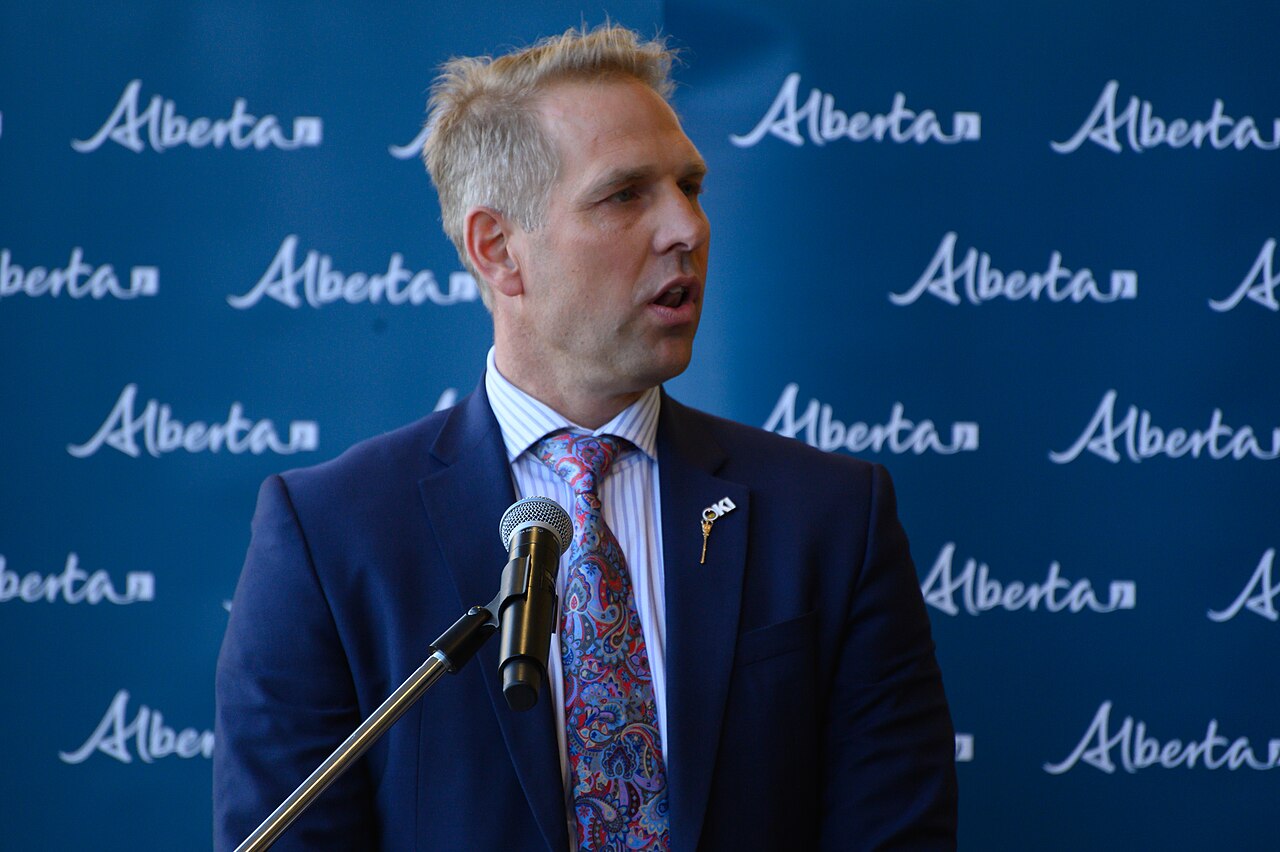

Quick Summary: Senator Jonno Duniam’s Resignation Triggers Shadow Ministry Reshuffle Amid Coalition Struggles in Tasmania
- Senator Jonno Duniam announced his resignation, citing leadership upheaval as a key factor.
- Duniam’s departure forces Opposition Leader Angus Taylor to reshuffle the shadow ministry.
- The Coalition faces historically weak support, with One Nation leading in recent polls.
- Duniam’s resignation adds pressure on Tasmanian Liberals following Senator Askew’s retirement.
- Political allies describe Duniam’s exit as a significant loss for the Liberal Party.
Source: Read original article
Senator Jonno Duniam’s decision to resign from federal politics has sent shockwaves through the Liberal Party, exposing the deep-seated issues plaguing the Coalition. Duniam, a respected frontbencher, cited the relentless leadership upheaval as a major factor in his decision, highlighting the internal crisis that continues to drain the party.
With Duniam’s departure, Opposition Leader Angus Taylor is now tasked with reshuffling the shadow ministry, a move that underscores the instability within the party ranks. This resignation comes at a particularly sensitive time, as the Coalition grapples with historically weak support, trailing behind One Nation in recent polls.
The timing of Duniam’s exit is politically awkward for the Liberals, especially in Tasmania, where the party must now navigate succession challenges following Senator Wendy Askew’s retirement. Duniam’s decision, while personal, reflects the broader struggles of a party in turmoil, struggling to maintain cohesion amid leadership challenges.
Duniam has spent 10 years in the Senate and 25 years in politics overall, and his departure comes only days after another Tasmanian Liberal senator, Wendy Askew, announced she would retire as well. Pulse Tasmania noted that Duniam beat Eric Abetz for the prized number one Senate ticket spot at the 2022 election and had only been elevated to the shadow home affairs and immigration portfolio in February this year.
Jonno Duniam’s decision to quit federal politics before the end of 2026 has landed as more than a family announcement: the sharpest new detail in today’s reporting is that the Liberal shadow home affairs spokesman says this year’s leadership upheaval “started to really wear on me,” exposing how badly the Coalition’s internal crisis is still draining one of its most highly rated frontbenchers. In a poll published on June 1 and cited in this week’s coverage, One Nation was reported at 31 per cent on the primary vote, ahead of Labor on 28 per cent and the Coalition on 20 per cent.
He previously worked for former Senate presidents Paul Calvert and Stephen Parry, for Eric Abetz, and as deputy chief of staff to former Tasmanian premier Will Hodgman. Duniam’s resignation means Taylor must reshuffle the shadow ministry later this year, and the Tasmanian Liberals will be under added pressure over succession and Senate positioning after Askew’s retirement announcement on June 11 and Duniam’s on June 14.
” He said he would leave parliament later this year, forcing another shadow ministry reshuffle for Opposition Leader Angus Taylor. ABC reported that Duniam had spoken to Taylor “a few weeks ago,” which suggests this was not a sudden move but a planned exit that is only now becoming public at a sensitive moment for the Liberals.
Even where pollsters differ, multiple reports now describe the Coalition as facing historically weak support, which is the backdrop to Duniam’s warning that this is “difficult timing” for his party. The broader unresolved question is whether the Liberals can stop the bleeding fast enough to confront One Nation’s rise before the next federal election, because Duniam’s departure has turned a private family decision into a public marker of a party still struggling to hold together.
Senator Jonno Duniam’s decision to resign from federal politics has sent shockwaves through the Liberal Party, exposing the deep-seated issues plaguing the Coalition. Duniam’s resignation means Taylor must reshuffle the shadow ministry later this year, and the Tasmanian Liberals will be under added pressure over succession and Senate positioning after Askew’s retirement announcement on June 11 and Duniam’s on June 14.
The timing of Duniam’s exit is politically awkward for the Liberals, especially in Tasmania, where the party must now navigate succession challenges following Senator Wendy Askew’s retirement. Duniam’s departure forces Opposition Leader Angus Taylor to reshuffle the shadow ministry.
The scale and speed of this development has caught many observers off guard. Each new update adds another dimension to a story that is still unfolding, and the full picture will only become clear as more verified details emerge from the people and institutions directly involved.
Analysts who have tracked this issue closely say the current moment represents a genuine turning point. The decisions made in the coming weeks are expected to set the direction for months ahead, with ripple effects likely to extend well beyond the immediate actors in the story.
For those directly affected, the practical impact is already visible. People navigating this fast-changing situation are dealing with real consequences while new information continues to reshape what is known and what remains open to interpretation.
Historical parallels offer some context, though experts caution against drawing too close a comparison. Similar situations have played out before, but the specific combination of pressures, personalities, and timing here makes this moment distinct in ways that matter for how it ultimately resolves.
The political and economic dimensions of this story are deeply intertwined. What appears as a single event on the surface is in practice the convergence of multiple pressures that have been building quietly over a longer period than most public reporting has captured.