


Quick Summary
- El Paso County saw 306 arrests from April 19-25, highlighting a volatile safety situation.
- Cadence Malkin, 21, admitted to starting two fires, marking a significant arrest.
- Officers shot Benjamin Greenfield 40 times; questions about the incident remain.
- Police emphasize visible enforcement and surveillance, raising community concerns.
- Unsolved crimes, including a homicide, overshadow the arrest count.
Crime Recap: Key Takeaways
The latest crime recap from El Paso County is a grim reminder of the complex challenges facing law enforcement and the community. With 306 arrests in just one week, the numbers alone tell a story of a region grappling with a surge in criminal activity. Yet, beneath these figures lies a deeper narrative of unresolved cases and controversial policing tactics that demand our attention.
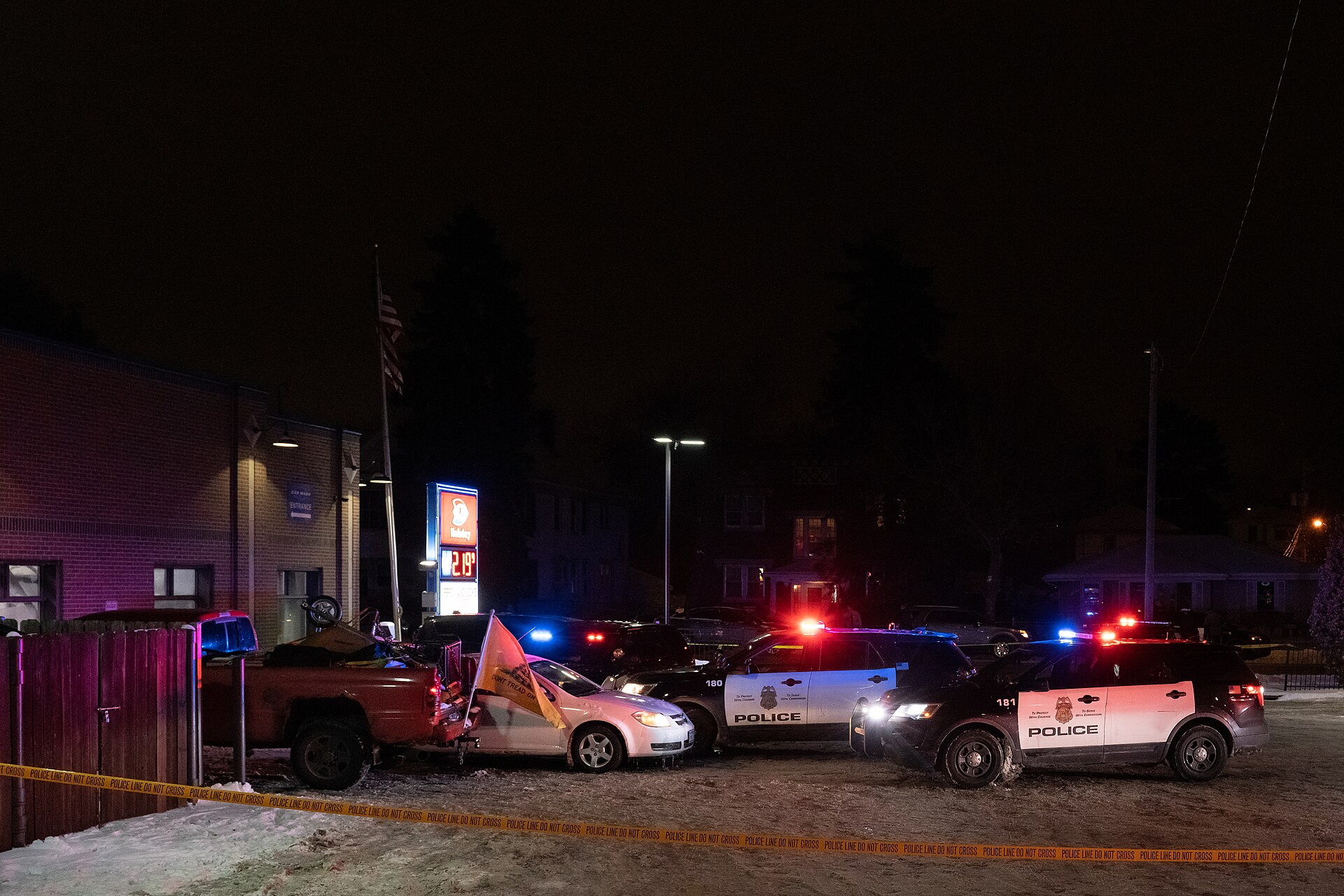
Among the arrests, the case of Cadence Malkin stands out. The 21-year-old allegedly set two fires in Palmer Park, a crime that underscores the potential for rapid fire spread in the area. Meanwhile, the shocking shooting of Benjamin Greenfield by officers raises urgent questions about the use of force. Body-camera footage reveals a rapid discharge of 40 shots in under 10 seconds, with at least one officer questioning whether Greenfield had fired at all.
This backdrop of arrests and violence is further complicated by the police’s visible enforcement strategies. Tactics like increased surveillance and drone usage suggest a shift towards more aggressive policing. However, these methods also fuel public scrutiny and concern, especially when high-profile cases remain unsolved. The unresolved homicide and other violent incidents highlight the limits of arrest numbers as a measure of public safety.
As the community awaits the next steps, the focus shifts to whether these open investigations will lead to charges or resolutions. The spotlight is on the Colorado Springs Police Department and local prosecutors to provide clarity and accountability. Until then, the story of El Paso County remains one of tension and uncertainty, with the true impact of these events yet to be fully realized.
The most serious unresolved case in that roundup was a killing in the 7400 block of North Academy Boulevard on April 19, where paramedics took a male assault victim to a hospital and he “died shortly after,” with CSPD’s homicide unit taking over and “no arrests” announced. The clearest new takeaway from the latest Colorado Springs Gazette reporting is that the newest El Paso County crime recap no longer centers on a big arrest sweep at all, but on a week in which 306 people were arrested while police also confronted a homicide, a fatal juvenile crash, and a string of suspicious fires that underscored how volatile the county’s public-safety picture remains.
In the Gazette’s most recent recap, published April 26, reporter Grace Brajkovich said law enforcement made 306 total arrests in El Paso County from April 19 through April 25, and that the Colorado Springs Police Department logged 10 blotter entries approved for public release during that span. In the standalone April 22 story, the Gazette reported firefighters first saw a “suspicious person” on a rock formation near the fires, police tracked that person with a drone, and the fires burned less than a quarter-acre before crews contained them.
The sharpest controversy in this cluster of reporting comes from the Gazette’s April 24 account of an officer-involved shooting, because it raises questions about police use of force just as the department is touting weekly arrest numbers and rapid-response tactics. shooting in the 2800 block of Powers Boulevard near Constitution Avenue.
Police said they found three people with “at least one gunshot wound, each,” but as of that reporting there was no suspect information and no arrest. Police said a crash at North Academy Boulevard and Lehman Drive happened after a vehicle traveling “at a high rate of speed” ran a red light and hit a car turning left, killing one juvenile and sending three others — “two additional juveniles and an adult” — to a hospital with serious injuries, where they were reported in stable condition.
The most vivid arrest in the recap involved 21-year-old Cadence Malkin, whom police say “immediately admitted” to starting two fires in Palmer Park on April 22. That does not appear inside the April 26 recap itself, but it is one of the strongest fresh indicators of the department’s current enforcement posture: mass contact, low-level charges for crowd activity, and expanding use of drones to close cases.
The scale and speed of this development has caught many observers off guard. Each new update adds another dimension to a story that is still unfolding, and the full picture will only become clear as more verified details emerge from the people and institutions directly involved.
Analysts who have tracked this issue closely say the current moment represents a genuine turning point. The decisions made in the coming weeks are expected to set the direction for months ahead, with ripple effects likely to extend well beyond the immediate actors in the story.
For those directly affected, the practical impact is already visible. People navigating this fast-changing situation are dealing with real consequences while new information continues to reshape what is known and what remains open to interpretation.
Historical parallels offer some context, though experts caution against drawing too close a comparison. Similar situations have played out before, but the specific combination of pressures, personalities, and timing here makes this moment distinct in ways that matter for how it ultimately resolves.
The political and economic dimensions of this story are deeply intertwined. What appears as a single event on the surface is in practice the convergence of multiple pressures that have been building quietly over a longer period than most public reporting has captured.