

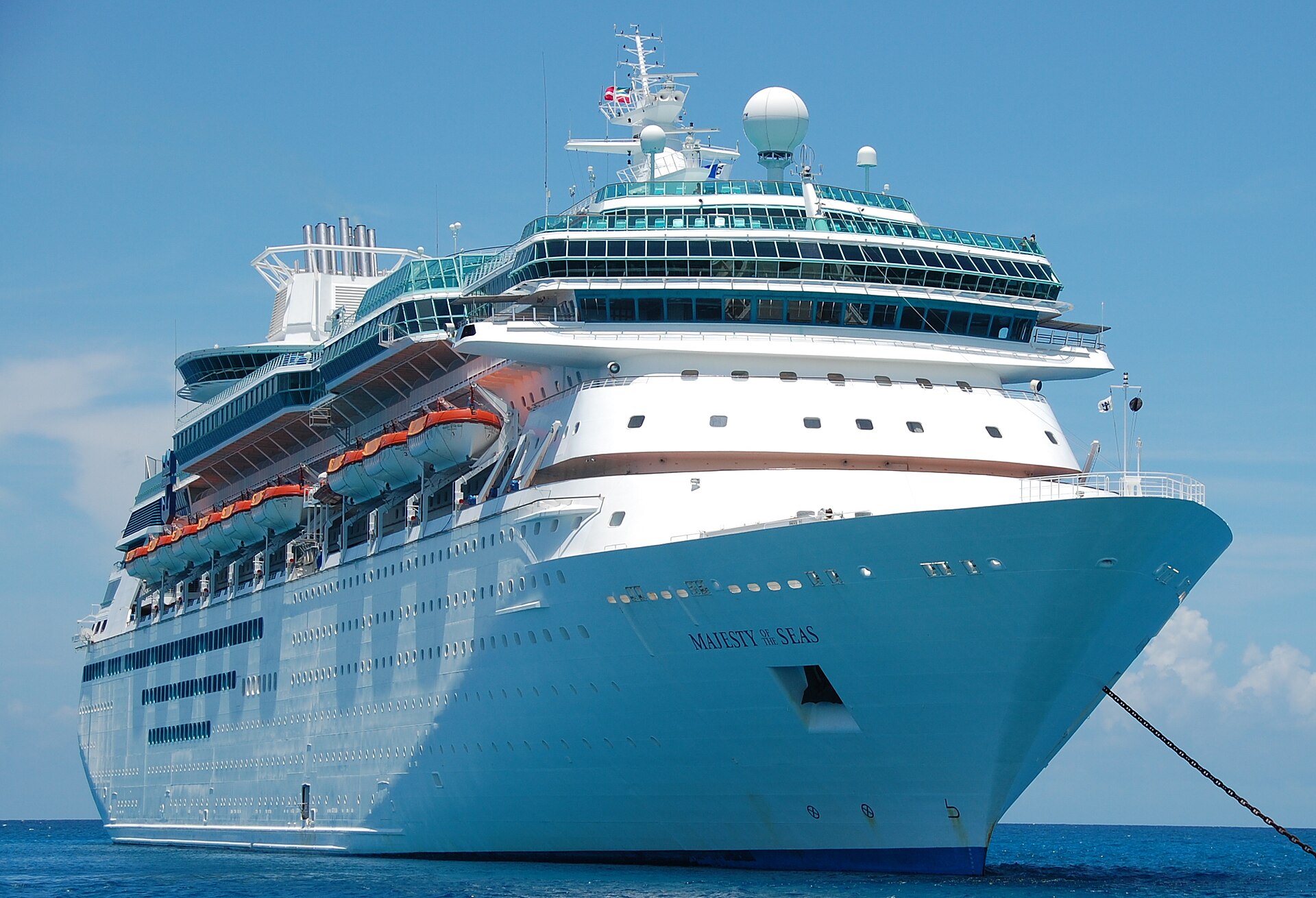

Quick Summary: Cruise Ship Incident Draws Attention to Travel Safety Concerns
- WHO confirmed 11 cases related to the MV Hondius outbreak, with a 27% fatality ratio, highlighting the virus’s severity.
- The cruise ship’s environment increased risk due to close quarters and shared spaces, yet WHO assesses global risk as low.
- WHO’s guidance recommends 42 days of monitoring for high-risk contacts, emphasizing prolonged vigilance.
- CDC monitored 41 people in the U.S. due to potential exposure, expanding the outbreak’s impact beyond the ship.
- The outbreak serves as a real-world test of international health regulations and rapid response capabilities.
Source: Read original article
The recent outbreak of the Andes virus aboard the MV Hondius cruise ship is more than just an isolated incident—it’s a critical examination of our global health security framework. With 11 confirmed cases and a concerning 27% fatality ratio, the situation has rapidly evolved from a shipboard emergency to a global health challenge.
Despite WHO’s assessment of low global risk, the cruise ship’s environment of close quarters and shared spaces has heightened the threat, prompting a 42-day monitoring recommendation for high-risk contacts. This extended vigilance period underscores the seriousness with which health authorities are treating the outbreak.
As the CDC monitors 41 individuals across the United States, the scope of the outbreak has expanded beyond the ship, testing the robustness of international health regulations and rapid response measures. This situation is a stark reminder of the vulnerabilities in our global health security system and the need for swift, coordinated action.
Ultimately, the handling of this outbreak will serve as a benchmark for future health crises. If the situation remains contained, it will validate the current protocols; if not, it will spark a debate on whether the response was timely and adequate.
WHO’s latest formal count is 11 cases, including 8 laboratory-confirmed infections, 2 probable cases, and 1 inconclusive case, with a case fatality ratio of 27%. WHO said the cruise-ship environment created extra risk because of “close living quarters, shared indoor spaces, prolonged exposure, and frequent interpersonal interactions,” even though it still assesses global risk as low and ship-related risk as moderate.
In its technical guidance dated May 8, WHO recommended active monitoring and quarantine of high-risk contacts for 42 days after last exposure, a far longer window than many travelers or governments are used to managing. On May 8, WHO issued interim technical guidance for disembarkation and onward management.
” Yet by May 14, CDC officials said 41 people across the United States were under monitoring, drawn from three groups: repatriated passengers in Nebraska and Atlanta, passengers who had left the ship earlier, and people potentially exposed during travel. David Fitter said the agency was monitoring people exposed not only on the ship but also after an infected passenger boarded a plane.
“This is a person that was infected that was on the ship and had gotten on a plane,” he said, adding that CDC was monitoring contacts from that journey. WHO said all national focal points had been informed through the International Health Regulations system and were supporting international contact tracing.
WHO has said recommendations are “dynamic” and may change as evidence emerges, while CDC has made clear that Americans under observation include travelers potentially exposed after leaving the vessel. AP had reported on May 10 that one of 17 American passengers evacuated from the Hondius tested positive while asymptomatic, and that a French passenger developed symptoms during a repatriation flight.
With 11 confirmed cases and a concerning 27% fatality ratio, the situation has rapidly evolved from a shipboard emergency to a global health challenge. WHO’s guidance recommends 42 days of monitoring for high-risk contacts, emphasizing prolonged vigilance.
Despite WHO’s assessment of low global risk, the cruise ship’s environment of close quarters and shared spaces has heightened the threat, prompting a 42-day monitoring recommendation for high-risk contacts. WHO said the cruise-ship environment created extra risk because of “close living quarters, shared indoor spaces, prolonged exposure, and frequent interpersonal interactions,” even though it still assesses global risk as low and ship-related risk as moderate.
The scale and speed of this development has caught many observers off guard. Each new update adds another dimension to a story that is still unfolding, and the full picture will only become clear as more verified details emerge from the people and institutions directly involved.
Analysts who have tracked this issue closely say the current moment represents a genuine turning point. The decisions made in the coming weeks are expected to set the direction for months ahead, with ripple effects likely to extend well beyond the immediate actors in the story.
For those directly affected, the practical impact is already visible. People navigating this fast-changing situation are dealing with real consequences while new information continues to reshape what is known and what remains open to interpretation.
Historical parallels offer some context, though experts caution against drawing too close a comparison. Similar situations have played out before, but the specific combination of pressures, personalities, and timing here makes this moment distinct in ways that matter for how it ultimately resolves.
The political and economic dimensions of this story are deeply intertwined. What appears as a single event on the surface is in practice the convergence of multiple pressures that have been building quietly over a longer period than most public reporting has captured.