


Quick Summary
- Travel And Tour World reported 200 delays and 4 cancellations at DFW, affecting major airlines.
- FAA’s status page showed only minor delays at DFW, contradicting media reports.
- FlightAware reported 254 delays and 6 cancellations, indicating moderate disruption.
- DFW was not highlighted in FAA’s national traffic report as a major trouble spot.
- Current data suggests a quick normalization of operations at DFW.
DFW Disruptions: Key Takeaways
DFW Disruptions is at the center of this developing story, and the following analysis explains what matters most right now.
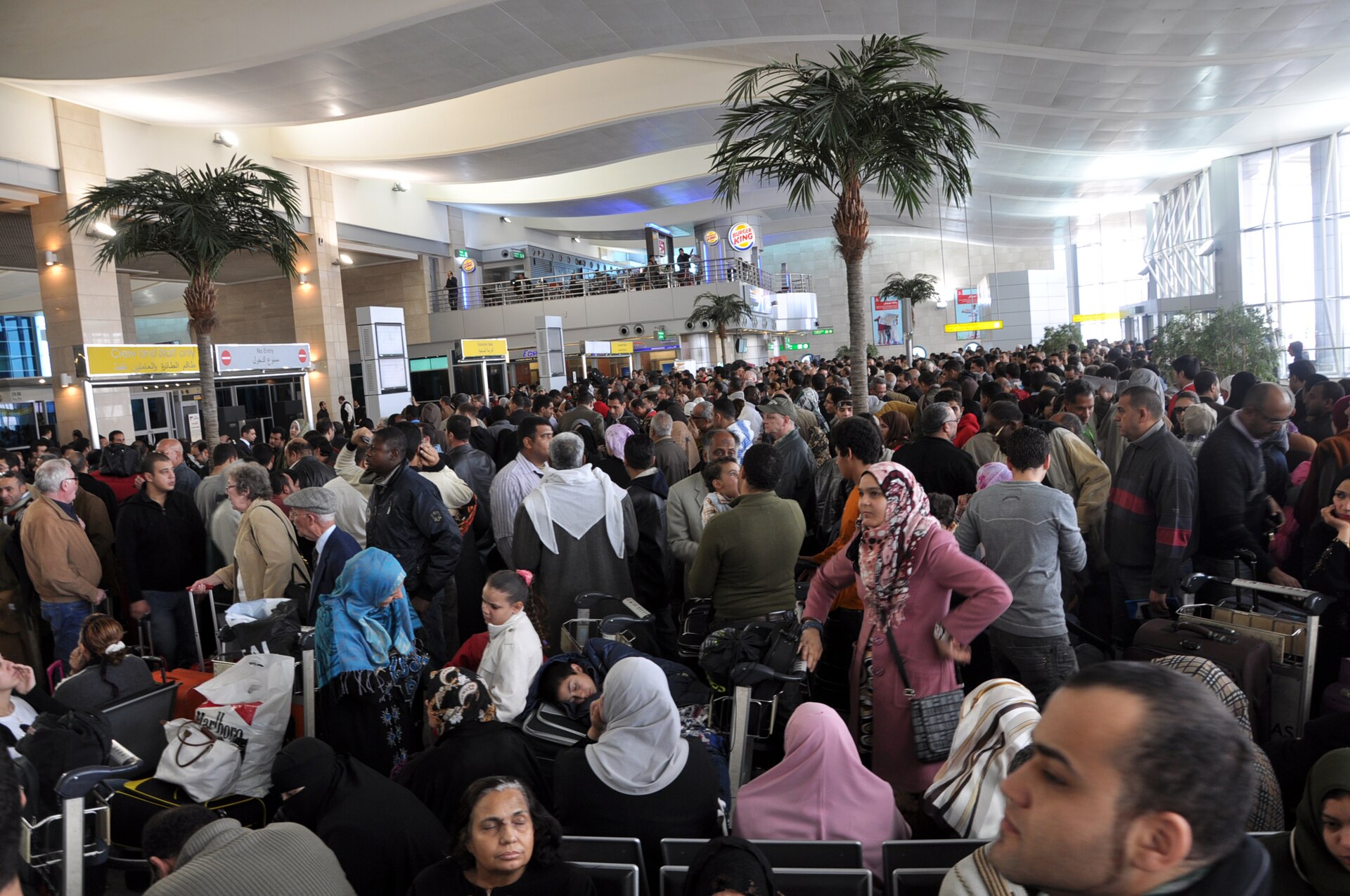
In the latest episode of travel chaos, Dallas-Fort Worth Airport (DFW) found itself at the center of a media storm. Headlines screamed of 200 delays and 4 cancellations, painting a picture of chaos at one of America’s busiest airports. But is this the full story?
As of early May 8, the FAA reported only minor delays at DFW, with most flights experiencing no more than a 15-minute wait. This stands in stark contrast to the alarming reports from outlets like Travel And Tour World. While FlightAware’s data showed 254 delays and 6 cancellations, these numbers are not unusual for a hub of DFW’s size, which handles hundreds of departures daily.
The real issue here is not just about operational hiccups but media amplification. Reports of widespread disruption can create unnecessary panic among travelers, especially when the reality is far less dramatic. The FAA’s national traffic outlook didn’t even list DFW as a major concern, focusing instead on weather issues in other cities.
As we look ahead, the focus should be on maintaining operational stability at DFW. Unless weather conditions worsen, there is no evidence of an impending crisis. The airlines and FAA must ensure that communication with passengers remains clear and accurate to prevent misinformation from spreading.
But the most concrete official line available now remains the FAA’s general warning to travelers to “check with your airline” for flight-specific impact, which is effectively an acknowledgment that airport-level statistics can obscure what matters most: whether a particular aircraft and crew are out of position. aviation, with thunderstorm risk, localized ground-delay programs, and recurring passenger anxiety around major hubs.
UTC on May 8, showed “No destination-specific delays” and only minor general delays, a sharp contrast with third-party travel headlines built around much larger disruption counts. FlightAware’s DFW cancellation-and-delay tracker showed 254 delays and 6 cancellations for the day it indexed most recently, while the Travel And Tour World-style framing cited around 200 delays and 4 cancellations.
At an airport the size of DFW, where a March 31 departure board snapshot listed 736 departures alone, the eye-catching headline number is significant for passengers but does not by itself prove a hub-wide breakdown. There is also no sign in the FAA’s national traffic outlook for Thursday, May 7, that DFW was the main national trouble spot.
If there is a real next shoe to drop, it will likely come from thunderstorms, low clouds, equipment issues, or a fresh FAA traffic management initiative, not from the 200-delay headline itself. User-level reports and travel chatter earlier this week described weather-related flow restrictions in North Texas, but the clearest verified timeline is that by Thursday, May 7, the FAA’s national report did not single out DFW, and by early Friday, May 8, the airport was showing only minor delays.
The most important development right now is that the disruption appears to have been real but short-lived, not an ongoing systemwide collapse. That matters because the central tension in this story is not just bad operations at a major hub; it is whether passengers are looking at an active crisis or yesterday’s snapshot being recirculated as breaking news.
FAA’s status page showed only minor delays at DFW, contradicting media reports.
DFW was not highlighted in FAA’s national traffic report as a major trouble spot.
The scale and speed of this development has caught many observers off guard. Each new update adds another dimension to a story that is still unfolding, and the full picture will only become clear as more verified details emerge from the people and institutions directly involved.
Analysts who have tracked this issue closely say the current moment represents a genuine turning point. The decisions made in the coming weeks are expected to set the direction for months ahead, with ripple effects likely to extend well beyond the immediate actors in the story.
For those directly affected, the practical impact is already visible. People navigating this fast-changing situation are dealing with real consequences while new information continues to reshape what is known and what remains open to interpretation.
Historical parallels offer some context, though experts caution against drawing too close a comparison. Similar situations have played out before, but the specific combination of pressures, personalities, and timing here makes this moment distinct in ways that matter for how it ultimately resolves.
The political and economic dimensions of this story are deeply intertwined. What appears as a single event on the surface is in practice the convergence of multiple pressures that have been building quietly over a longer period than most public reporting has captured.