


Quick Summary: WHO Declares International Emergency as Ebola Outbreak Worsens
- WHO declared Ebola outbreak in DR Congo a Public Health Emergency of International Concern on May 17.
- As of May 16, 8 laboratory-confirmed cases, 246 suspected cases, and 80 suspected deaths were reported in Ituri Province.
- Uganda confirmed two Ebola cases in Kampala, raising international alarm.
- The outbreak’s detection was delayed by four weeks, exacerbating community transmission.
- WHO is deploying resources and expertise to contain the outbreak and prevent regional spread.
Source: Read original article
Ebola emergency: Key Takeaways
Ebola emergency is at the center of this developing story, and the following analysis explains what matters most right now.
The World Health Organization’s declaration of the Ebola outbreak in the Democratic Republic of the Congo as a Public Health Emergency of International Concern is a stark reminder of the global health challenges we face. This decision, made on May 17, underscores the severity of the situation as the virus threatens to cross borders and escalate into a wider crisis.
With 8 confirmed cases, 246 suspected cases, and 80 suspected deaths in Ituri Province, the numbers are alarming. The outbreak’s detection was delayed by a critical four weeks, allowing the virus to spread undetected. This delay highlights significant gaps in the local health system’s ability to respond swiftly and effectively.
Uganda’s confirmation of two Ebola cases in Kampala further complicates the situation, as it indicates the virus’s potential to spread internationally. WHO’s response involves deploying additional resources and expertise to contain the outbreak and prevent further transmission.
In the face of this crisis, the focus must be on closing the surveillance gap and implementing effective outbreak control measures. The lack of approved Bundibugyo-specific vaccines or treatments makes this an urgent priority. The coming days will test the resilience of local and international health systems in preventing a regional catastrophe.
The most striking numbers in the latest WHO reporting are these: as of May 16, officials had identified 8 laboratory-confirmed cases, 246 suspected cases, and 80 suspected deaths in Ituri Province across at least Bunia, Rwampara, and Mongbwalu. WHO’s Africa office said the 8 confirmations came from 13 samples tied to a cluster of severe illness and deaths, and separately reported “a total of 80 community deaths suspected to be due to Ebola Bundibugyo” in the current Congolese outbreak.
WHO says Uganda confirmed two laboratory-confirmed cases in Kampala on May 15 and May 16, including one death, involving travelers from DRC with no apparent link to each other; a separate traveler from Ituri to Kinshasa initially raised alarm on May 16 but tested negative on confirmatory testing and is not considered a confirmed case. ” WHO’s immediate next steps are the issuance of temporary recommendations under the International Health Regulations, while affected countries are being told to intensify isolation, contact monitoring for 21 days after exposure, and travel restrictions for contacts and confirmed cases.
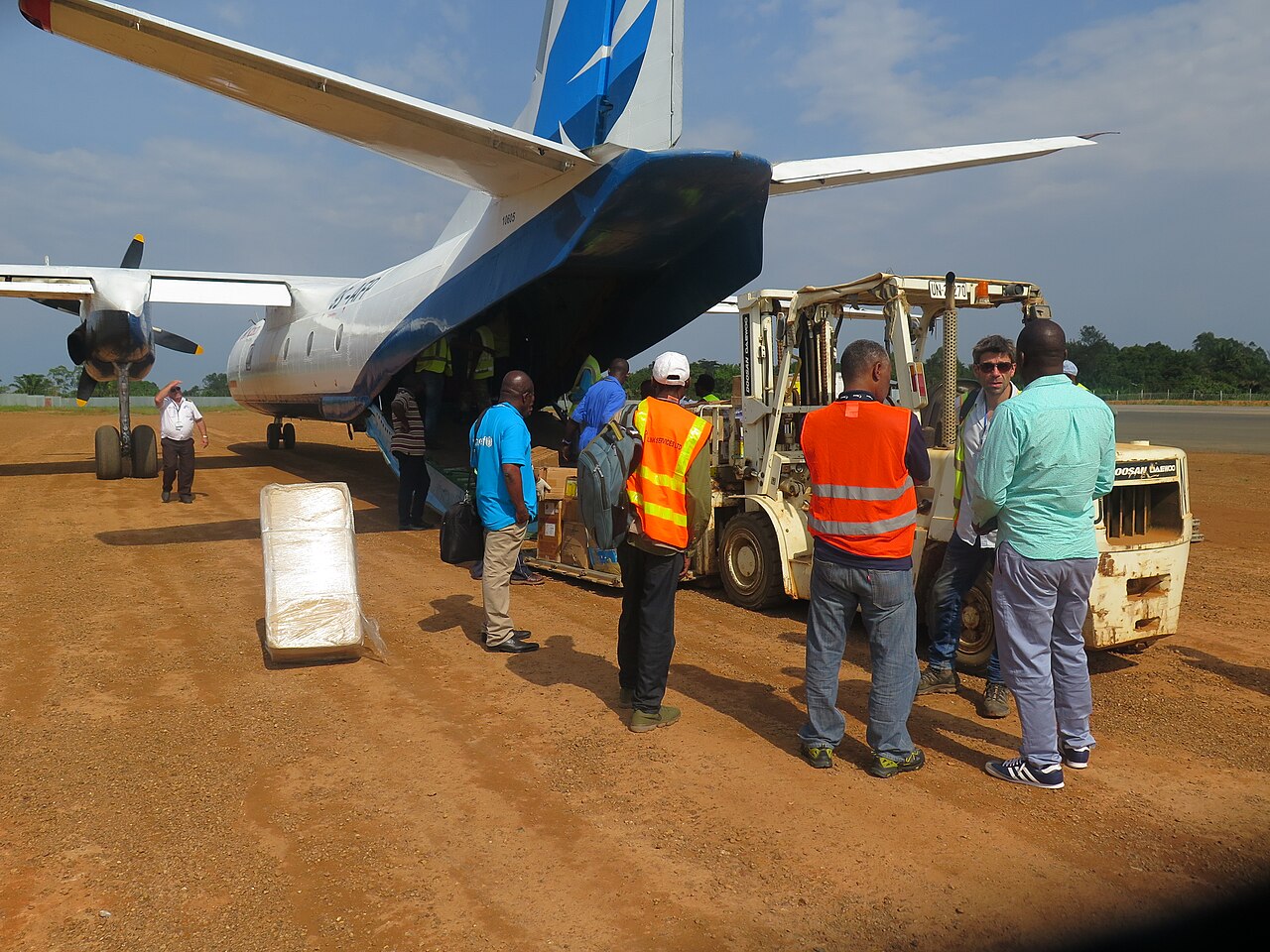
” WHO says it is airlifting 5 metric tonnes of supplies from Kinshasa to Bunia, while Congolese authorities have activated emergency coordination mechanisms and sent additional rapid-response teams into affected areas. WHO says four healthcare workers were infected and died within four days at Mongbwalu General Referral Hospital, a detail the agency says “underscores critical breaches in IPC protocols,” meaning infection prevention and control.
What happens next will hinge on whether officials can close the surveillance gap before more suspected deaths turn into confirmed chains of transmission. int) The central reason this story has escalated so fast is a dangerous detection failure.
The sharpest controversy in the response is not over whether Ebola is real, but over whether health systems failed to catch it and contain it in time. int) Key officials are now framing this as a race against mobility and geography.
With 8 confirmed cases, 246 suspected cases, and 80 suspected deaths in Ituri Province, the numbers are alarming. Uganda confirmed two Ebola cases in Kampala, raising international alarm.
This delay highlights significant gaps in the local health system’s ability to respond swiftly and effectively. WHO’s response involves deploying additional resources and expertise to contain the outbreak and prevent further transmission.
The scale and speed of this development has caught many observers off guard. Each new update adds another dimension to a story that is still unfolding, and the full picture will only become clear as more verified details emerge from the people and institutions directly involved.
Analysts who have tracked this issue closely say the current moment represents a genuine turning point. The decisions made in the coming weeks are expected to set the direction for months ahead, with ripple effects likely to extend well beyond the immediate actors in the story.
For those directly affected, the practical impact is already visible. People navigating this fast-changing situation are dealing with real consequences while new information continues to reshape what is known and what remains open to interpretation.
Historical parallels offer some context, though experts caution against drawing too close a comparison. Similar situations have played out before, but the specific combination of pressures, personalities, and timing here makes this moment distinct in ways that matter for how it ultimately resolves.
The political and economic dimensions of this story are deeply intertwined. What appears as a single event on the surface is in practice the convergence of multiple pressures that have been building quietly over a longer period than most public reporting has captured.