

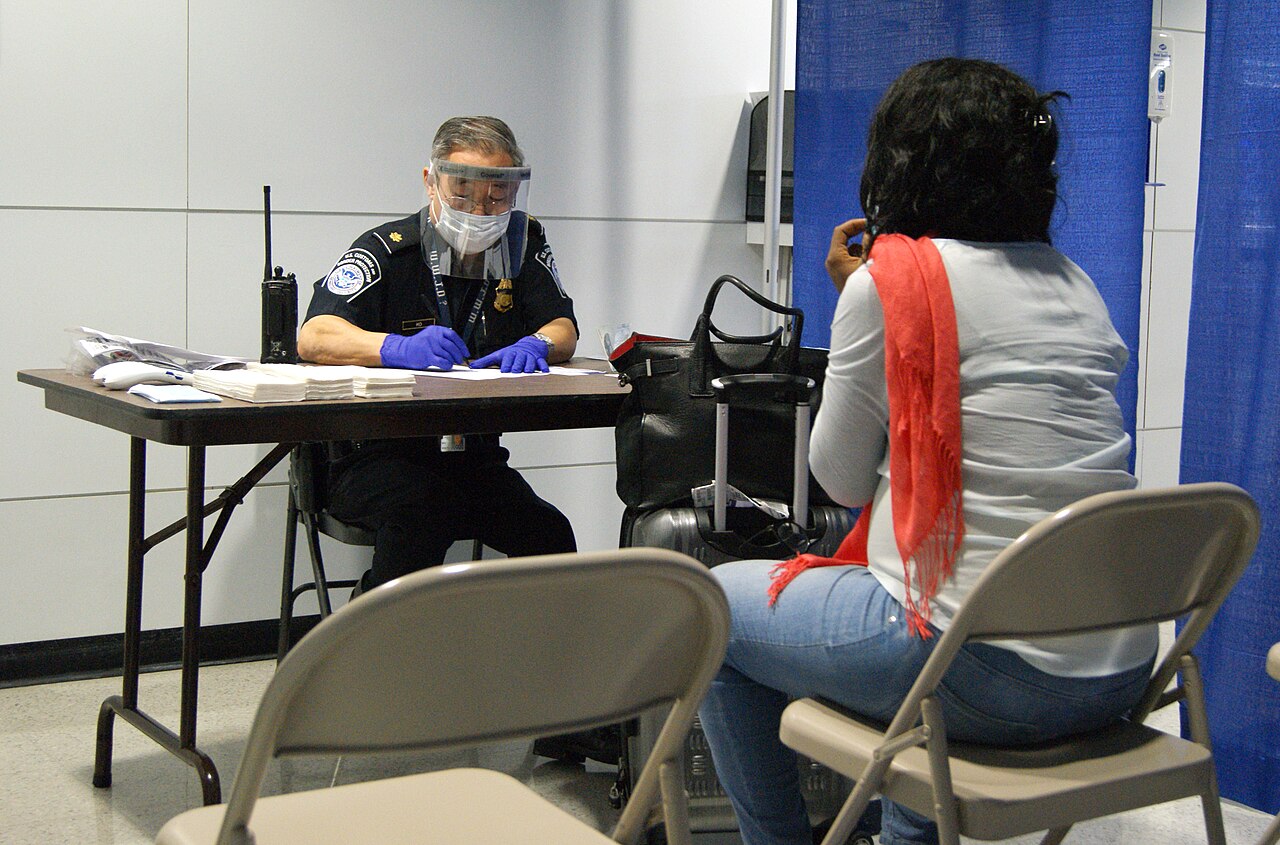

Quick Summary: CDC Added Ebola Entry Screening Expansion
- The CDC added Atlanta to its Ebola entry screening on May 22, 2026, following Washington Dulles.
- The WHO declared the Bundibugyo-strain outbreak an international emergency.
- 82 confirmed Ebola cases and seven deaths reported in the DRC, with 750 suspected cases.
- The Trump administration barred non-citizens from affected regions from entering the U.S.
- Red Cross mourns three volunteers who died after handling bodies in Congo.
Source: Read original article
Ebola screening: Key Takeaways
Ebola screening is at the center of this developing story, and the following analysis explains what matters most right now.
The U.S. has taken a decisive step in its fight against the Ebola outbreak by expanding entry screenings to Atlanta’s Hartsfield-Jackson International Airport. This move, effective from May 22, 2026, comes on the heels of similar measures at Washington Dulles, underscoring the escalating global concern over the Bundibugyo strain of Ebola.
The World Health Organization’s recent declaration of the outbreak as an international emergency has prompted swift action. With 82 confirmed cases and seven deaths in the Democratic Republic of the Congo, the stakes are high. The Trump administration’s decision to restrict entry for non-citizens from affected regions marks a significant shift from a purely health-focused response to a broader containment strategy.
Amid these developments, the Red Cross has revealed the tragic loss of three volunteers who contracted Ebola while performing humanitarian work in Congo. This highlights the grave risks faced by those on the front lines and the urgent need for effective containment measures.
As the situation unfolds, the U.S. must balance public health measures with immigration policies, ensuring that the response remains proportionate to the evolving threat. The rapid implementation of these screenings indicates a belief among officials that the outbreak could worsen, necessitating further action.
The CDC said Atlanta was chosen in part because it had “previously conducted enhanced public health entry screening” and already had procedures in place. health officials widened Ebola entry screening to Atlanta late on May 22, 2026, just days after starting it at Washington Dulles, as the Congo outbreak worsened enough for the World Health Organization to declare an international emergency and the Red Cross disclosed that three volunteers had died after handling bodies.
The World Health Organization figure cited in the latest Reuters reporting says there are 82 confirmed Ebola cases in the DRC, along with seven confirmed deaths, 177 suspected deaths, and nearly 750 suspected cases tied to the Bundibugyo strain. That strain is central to the alarm because, as the report notes, there is “no approved vaccine or treatment,” raising the stakes for border screening, case finding, and burial protocols.
The CDC describes airport checks as only one layer of a broader strategy that includes overseas exit screening, airline illness reporting, and post-arrival public-health monitoring. But the political edge comes from the travel restrictions added by the administration this week, which go beyond health monitoring and directly target non-citizen travelers with recent exposure to the affected region.
On Sunday, the WHO declared the Bundibugyo-strain outbreak an emergency of international concern. widens screening beyond Dulles and Atlanta and whether the outbreak’s suspected-case numbers start converting into more confirmed infections and deaths.
Reuters, in the version carried by Emirates 24|7, framed that move as giving Americans returning from the Democratic Republic of the Congo, Uganda, or South Sudan “a second entry point” into the United States. The Trump administration also moved this week to bar non-citizens who recently traveled to the DRC, Uganda, or South Sudan from entering the United States, turning what might have been a narrow public-health story into a broader immigration-and-containment crackdown.
Amid these developments, the Red Cross has revealed the tragic loss of three volunteers who contracted Ebola while performing humanitarian work in Congo. The WHO declared the Bundibugyo-strain outbreak an international emergency.
The Trump administration’s decision to restrict entry for non-citizens from affected regions marks a significant shift from a purely health-focused response to a broader containment strategy. must balance public health measures with immigration policies, ensuring that the response remains proportionate to the evolving threat.
That strain is central to the alarm because, as the report notes, there is “no approved vaccine or treatment,” raising the stakes for border screening, case finding, and burial protocols. On Sunday, the WHO declared the Bundibugyo-strain outbreak an emergency of international concern.
widens screening beyond Dulles and Atlanta and whether the outbreak’s suspected-case numbers start converting into more confirmed infections and deaths. Reuters, in the version carried by Emirates 24|7, framed that move as giving Americans returning from the Democratic Republic of the Congo, Uganda, or South Sudan “a second entry point” into the United States.
The scale and speed of this development has caught many observers off guard. Each new update adds another dimension to a story that is still unfolding, and the full picture will only become clear as more verified details emerge from the people and institutions directly involved.
Analysts who have tracked this issue closely say the current moment represents a genuine turning point. The decisions made in the coming weeks are expected to set the direction for months ahead, with ripple effects likely to extend well beyond the immediate actors in the story.
For those directly affected, the practical impact is already visible. People navigating this fast-changing situation are dealing with real consequences while new information continues to reshape what is known and what remains open to interpretation.
Historical parallels offer some context, though experts caution against drawing too close a comparison. Similar situations have played out before, but the specific combination of pressures, personalities, and timing here makes this moment distinct in ways that matter for how it ultimately resolves.
The political and economic dimensions of this story are deeply intertwined. What appears as a single event on the surface is in practice the convergence of multiple pressures that have been building quietly over a longer period than most public reporting has captured.