


Quick Summary: Grout Museum District to Close Bluedorn Science Imaginarium Amid Funding Cuts
- The Grout Museum District announced the closure of the Bluedorn Science Imaginarium due to financial constraints, effective October 4, 2025.
- Executive Director Margaret Moye cited a critical assessment for fiscal responsibility and the loss of levy funding as primary reasons for the closure.
- The closure is part of a strategic consolidation into the main Grout Museum building to maintain science and history programming.
- The museum’s messaging balances nostalgia for the 32-year-old institution against the need for sustainable operations.
- The district plans to integrate hands-on science offerings into the main museum rather than reopening the old site.
Source: Read original article
The Grout Museum District’s decision to close the Bluedorn Science Imaginarium is a stark reminder of the financial realities facing cultural institutions today. Executive Director Margaret Moye has made it clear: this isn’t just a routine reorganization. It’s a critical move driven by fiscal responsibility and the impending loss of levy funding.
The closure of the beloved 32-year-old science center is not just a loss of a physical space but a strategic shift to consolidate resources. Moye’s vision is to create a more accessible, inclusive, and sustainable environment by relocating the children’s science center back into the main Grout Museum building.
This restructuring highlights the tension between mission and money. While the museum strives to keep its science and history programming alive, it must also navigate the harsh landscape of disappearing public support. The decision underscores a broader trend where cultural institutions are forced to adapt to financial pressures while preserving their core missions.
Looking ahead, the Grout Museum District aims to stabilize around its remaining campuses and core community uses. The integration of hands-on science offerings into the main museum is a practical step forward, signaling a commitment to continue serving the community despite the challenges.
There is also a notable leadership detail behind the restructuring: Moye was already serving as executive director by February 19, 2025, according to Grout Museum board minutes, showing that the current executive team was in place well before the public closure announcement and had likely been working through the reorganization for months. In a June 1, 2026 KCRG profile, Moye emphasized that the district still has “very rich resources” spanning history and science, while the Sullivan Brothers Iowa Veterans Museum was highlighted as drawing 50 to 60 veterans every Wednesday for coffee, evidence that the broader district remains active even after the science-center cutback.
I did not find a newer Waterloo-Cedar Falls Courier story text matching the exact headline you gave, so the strongest current reporting available right now comes from the museum’s own restructuring announcement, board records, and June 2026 local TV coverage showing how the district is positioning the aftermath. The district said in its closure announcement that it would share “more details with the public in the coming weeks” as it “Reimagine[s] the Imag,” and as of the latest available reporting, Moye remains the executive director leading that transition.
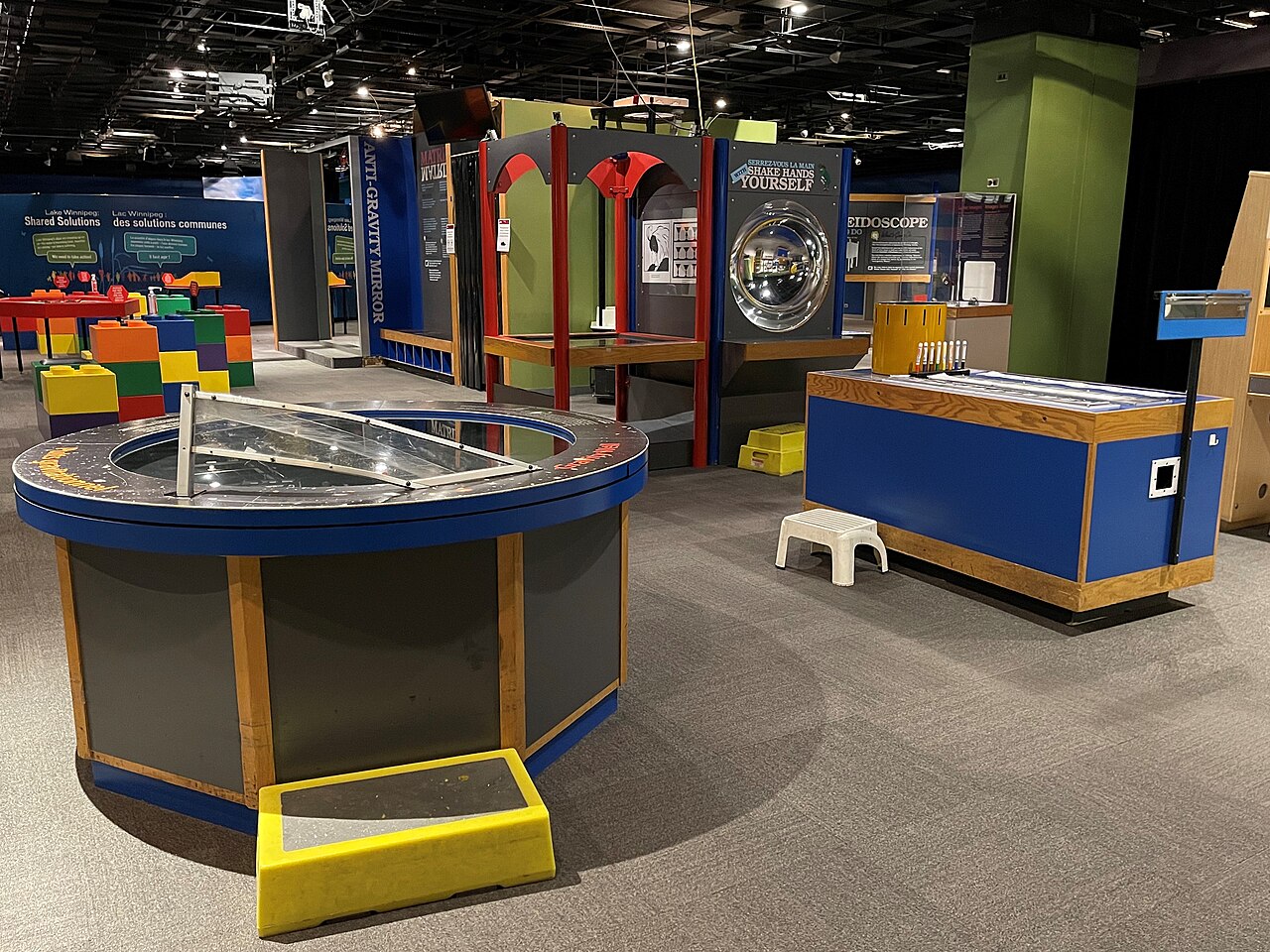
In that announcement, the district said the science center’s building and exhibits were “showing their age,” and that “the cost to maintain and improve the Imaginarium in order to meet community needs is no longer financially viable,” directly linking the move to deteriorating facilities and budget pressure. The district said outright that the closure was “coupled with the challenges of the upcoming loss of levy funding,” a phrase that indicates the dispute is not over whether the Imaginarium mattered to families, but whether the museum could keep funding a separate facility.
That tension is visible in the museum’s own messaging, which balances nostalgia for a “beloved” 32-year-old institution against the blunt conclusion that the old model no longer worked. Those board minutes also identify finance and HR leadership, with Diane Popelka listed as Director of Finance & HR, underscoring that this was not an ad hoc reaction but a board-level, staff-backed restructuring process.
The sharpest current takeaway is that the Grout Museum District’s leadership is openly framing its restructuring around financial survival, with Executive Director Margaret Moye saying the closure of the Bluedorn Science Imaginarium was driven by a “critical assessment for fiscal responsibility” and by the coming loss of levy funding, not just by routine reorganization. The most concrete development tied to the restructuring is the permanent shutdown of the Carl A.
Executive Director Margaret Moye has made it clear: this isn’t just a routine reorganization. The closure of the beloved 32-year-old science center is not just a loss of a physical space but a strategic shift to consolidate resources.
The scale and speed of this development has caught many observers off guard. Each new update adds another dimension to a story that is still unfolding, and the full picture will only become clear as more verified details emerge from the people and institutions directly involved.
Analysts who have tracked this issue closely say the current moment represents a genuine turning point. The decisions made in the coming weeks are expected to set the direction for months ahead, with ripple effects likely to extend well beyond the immediate actors in the story.
For those directly affected, the practical impact is already visible. People navigating this fast-changing situation are dealing with real consequences while new information continues to reshape what is known and what remains open to interpretation.
Historical parallels offer some context, though experts caution against drawing too close a comparison. Similar situations have played out before, but the specific combination of pressures, personalities, and timing here makes this moment distinct in ways that matter for how it ultimately resolves.
The political and economic dimensions of this story are deeply intertwined. What appears as a single event on the surface is in practice the convergence of multiple pressures that have been building quietly over a longer period than most public reporting has captured.