

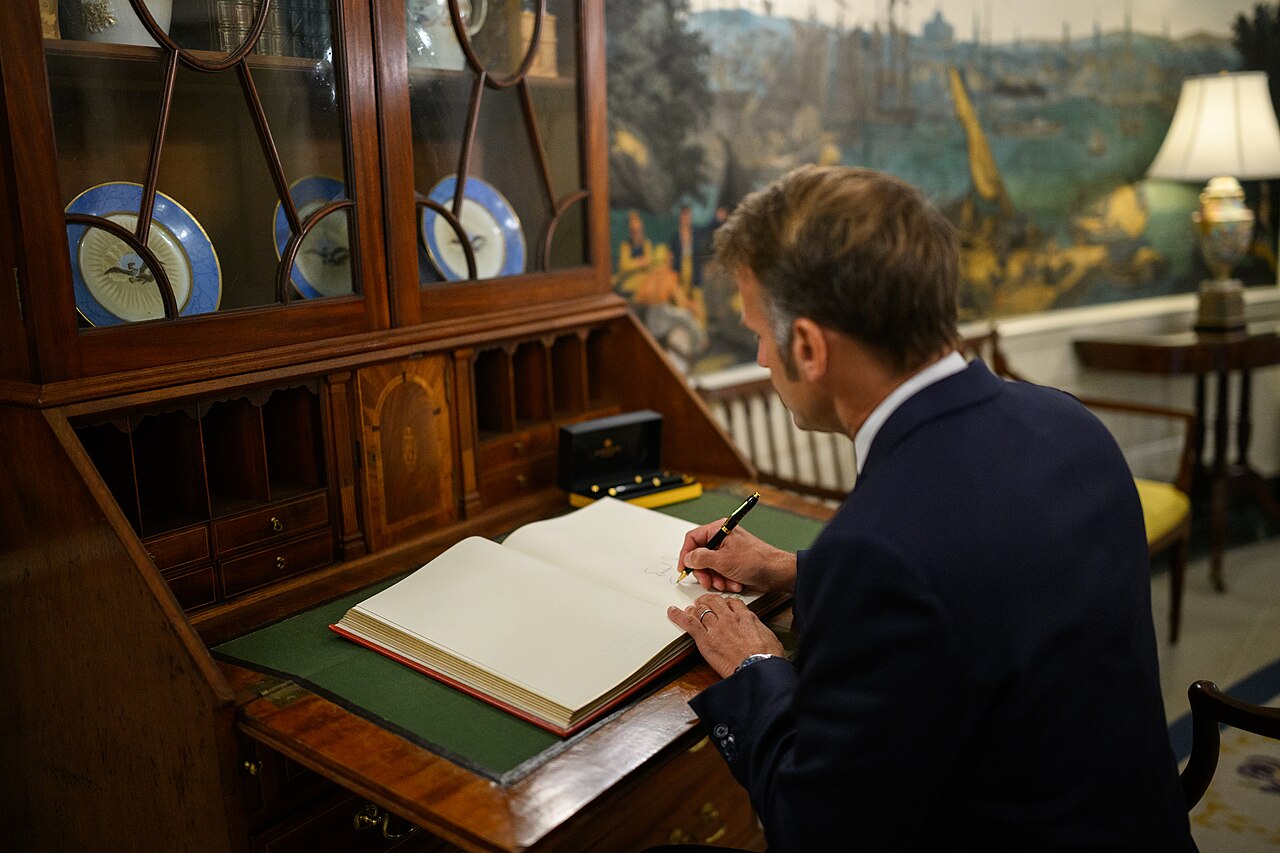

Quick Summary: Marco Rubio Pushes India-US Diplomatic Reset During New Delhi Visit
- Marco Rubio used the opening of a new US Embassy annex in New Delhi as a platform for a broader diplomatic reset.
- Rubio met with Indian Prime Minister Narendra Modi and is set to hold talks with Indian Foreign Minister Subrahmanyam Jaishankar.
- The visit aims to address the strained India-US relations caused by Trump’s tariffs and outreach to China.
- Rubio emphasized the personal relationship between Trump and Modi as crucial for long-term ties.
- The visit precedes a Quad meeting, highlighting the Indo-Pacific strategy’s focus on India.
Source: Read original article
Marco Rubio’s recent visit to India is more than just a ceremonial gesture; it’s a strategic move to mend the frayed ties between the US and India. By inaugurating a new US Embassy annex in New Delhi, Rubio signaled Washington’s intent to reset diplomatic relations that have been strained under the Trump administration.
The backdrop of Rubio’s visit is a complex web of geopolitical tensions. Trump’s tariffs on Indian exports and his diplomatic overtures to China and Pakistan have created a trust deficit with India. Rubio’s mission is to reassure New Delhi of its pivotal role in the US’s Indo-Pacific strategy, emphasizing the personal bond between Trump and Modi as a cornerstone of bilateral relations.
This diplomatic effort comes at a critical juncture, with a Quad meeting on the horizon. The US must demonstrate its commitment to India as a central player in the region, despite the economic and diplomatic challenges posed by Trump’s policies. Rubio’s invitation for Modi to visit the White House underscores the urgency of stabilizing the relationship before further geopolitical shifts occur.
Rubio’s visit is a calculated attempt to halt the deterioration of US-India relations. As he meets with key Indian officials, the focus remains on bridging the gap created by conflicting trade policies and regional alliances. The outcome of this diplomatic reset could shape the future of US-India ties in a rapidly changing global landscape.
The most important new development is not the embassy ribbon-cutting itself but the fact that Rubio used the opening of a new US Embassy annex in New Delhi on Saturday, May 23, 2026, as a stage for a broader diplomatic reset. Rubio arrived in India on Saturday, May 23, 2026, opened the new annex the same day, met Modi, and is holding talks with Jaishankar on Sunday, May 24.
The central conflict is that the Trump administration is praising India strategically while undermining goodwill economically and diplomatically. ” Those lines matter because they were delivered against a backdrop in which US-India ties are being described by major outlets as at their lowest point in more than 20 years.
There is also a notable fresh detail that gives the episode extra edge: Rubio’s India trip came just one week after he accompanied Trump on a state visit to Beijing, according to South China Morning Post, intensifying Indian concern that Washington may be recalibrating its Asian priorities. The key players are Rubio, Modi, Indian Foreign Minister Subrahmanyam Jaishankar, Trump, and US Ambassador to India Sergio Gor.
Gor appeared at the annex dedication, underscoring that the embassy event was being used as an official display of continuity and commitment, not just a construction milestone. Marco Rubio’s message in New Delhi this weekend was that Washington is trying to stop a visible slide in India-US relations, with the secretary of state publicly leaning on the “incredibly important” personal bond between Donald Trump and Narendra Modi even as tariffs, Pakistan, and Trump’s outreach to China have shaken trust between the two governments.
” The ceremony was tied to Rubio’s first official India visit, a four-day trip culminating in a Tuesday Quad meeting with India, Japan, and Australia, making the annex opening a signal that Washington wants to prove commitment with visible action after weeks of strain. That timing makes Rubio’s stop in India look less ceremonial and more corrective.
The key players are Rubio, Modi, Indian Foreign Minister Subrahmanyam Jaishankar, Trump, and US Ambassador to India Sergio Gor. Gor appeared at the annex dedication, underscoring that the embassy event was being used as an official display of continuity and commitment, not just a construction milestone.
Marco Rubio’s message in New Delhi this weekend was that Washington is trying to stop a visible slide in India-US relations, with the secretary of state publicly leaning on the “incredibly important” personal bond between Donald Trump and Narendra Modi even as tariffs, Pakistan, and Trump’s outreach to China have shaken trust between the two governments. ” The ceremony was tied to Rubio’s first official India visit, a four-day trip culminating in a Tuesday Quad meeting with India, Japan, and Australia, making the annex opening a signal that Washington wants to prove commitment with visible action after weeks of strain.
The visit precedes a Quad meeting, highlighting the Indo-Pacific strategy’s focus on India. Marco Rubio’s recent visit to India is more than just a ceremonial gesture; it’s a strategic move to mend the frayed ties between the US and India.
The scale and speed of this development has caught many observers off guard. Each new update adds another dimension to a story that is still unfolding, and the full picture will only become clear as more verified details emerge from the people and institutions directly involved.
Analysts who have tracked this issue closely say the current moment represents a genuine turning point. The decisions made in the coming weeks are expected to set the direction for months ahead, with ripple effects likely to extend well beyond the immediate actors in the story.
For those directly affected, the practical impact is already visible. People navigating this fast-changing situation are dealing with real consequences while new information continues to reshape what is known and what remains open to interpretation.
Historical parallels offer some context, though experts caution against drawing too close a comparison. Similar situations have played out before, but the specific combination of pressures, personalities, and timing here makes this moment distinct in ways that matter for how it ultimately resolves.
The political and economic dimensions of this story are deeply intertwined. What appears as a single event on the surface is in practice the convergence of multiple pressures that have been building quietly over a longer period than most public reporting has captured.