


Quick Summary
- Nick Albares announced a bid for the U.S. Senate in Louisiana.
- His campaign focuses on governance standards and accountability.
- The platform aims to engage voters concerned about political transparency.
- Albares is positioning himself as a reform-focused candidate.
- The campaign reflects broader voter concerns about trust in institutions.
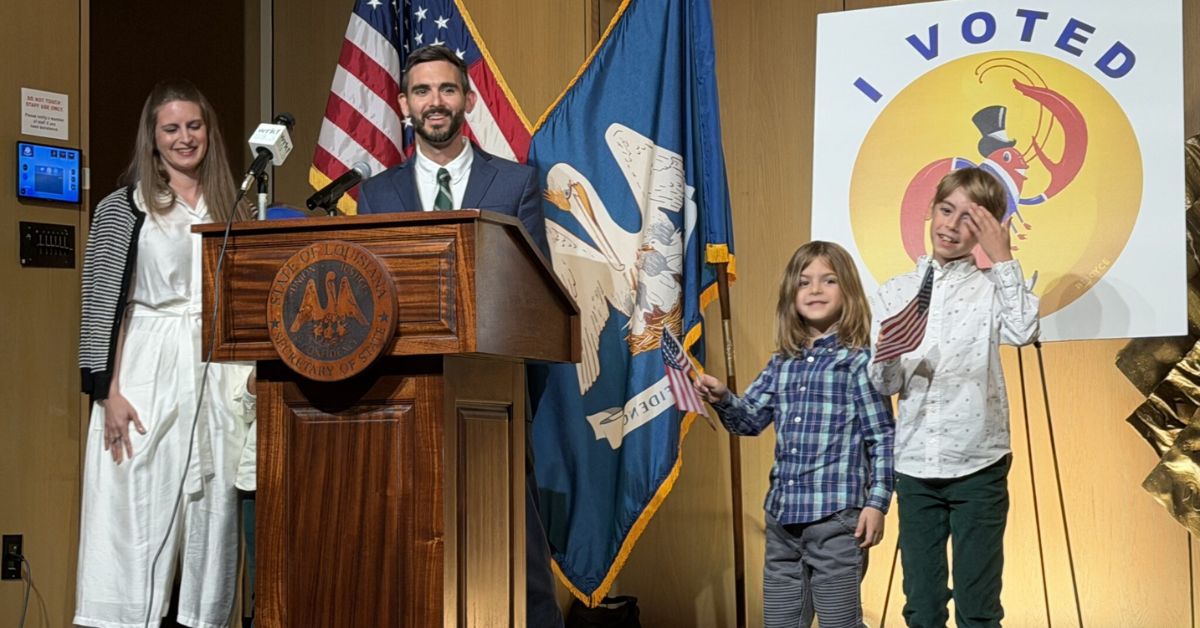
In Louisiana, Nick Albares has announced his candidacy for the U.S. Senate, positioning his campaign around governance reform and accountability. The announcement adds to the growing field of candidates ahead of the upcoming election cycle.
Albares is presenting himself as a candidate focused on strengthening public trust in political institutions. His campaign emphasizes the importance of transparency, ethical standards, and consistent engagement with voters. The approach reflects ongoing concerns among segments of the electorate about how leadership decisions are made.
During his announcement, Albares highlighted the need for leaders who prioritize responsible governance. His campaign messaging centers on addressing issues such as accountability and public confidence, which have become key themes in recent political discussions.
The candidacy comes at a time when voter sentiment in many regions shows increasing attention to institutional trust and representation. Candidates across different states have begun to highlight governance practices as part of their platforms, suggesting a broader shift in how campaigns are framed.
Albares’ strategy includes outreach efforts aimed at engaging communities directly. By focusing on local discussions and policy concerns, the campaign aims to build support among voters seeking clearer positions on governance-related issues.
As the election approaches, the race will test how strongly these themes resonate with voters in Louisiana. The outcome may provide insight into how governance-focused messaging influences electoral dynamics in the state.
Conclusion
The campaign reflects how governance and accountability have become central themes in political messaging. As candidates shape their platforms around these issues, voter response will play a key role in determining how such priorities influence election outcomes.