


Quick Summary: Omar Abdulkadir Artan Denied Diplomatic Issues
- Somali referee Omar Abdulkadir Artan was denied U.S. entry, raising diplomatic issues.
- Iraqi striker Aymen Hussein faced a seven-hour detention before being admitted.
- Team photographer Talal Salah was denied entry after a 10-hour hold and phone search.
- FIFA’s promises of participation clash with U.S. immigration policies.
- Iranian supporters face ticket revocations, highlighting broader tensions.
Source: Read original article
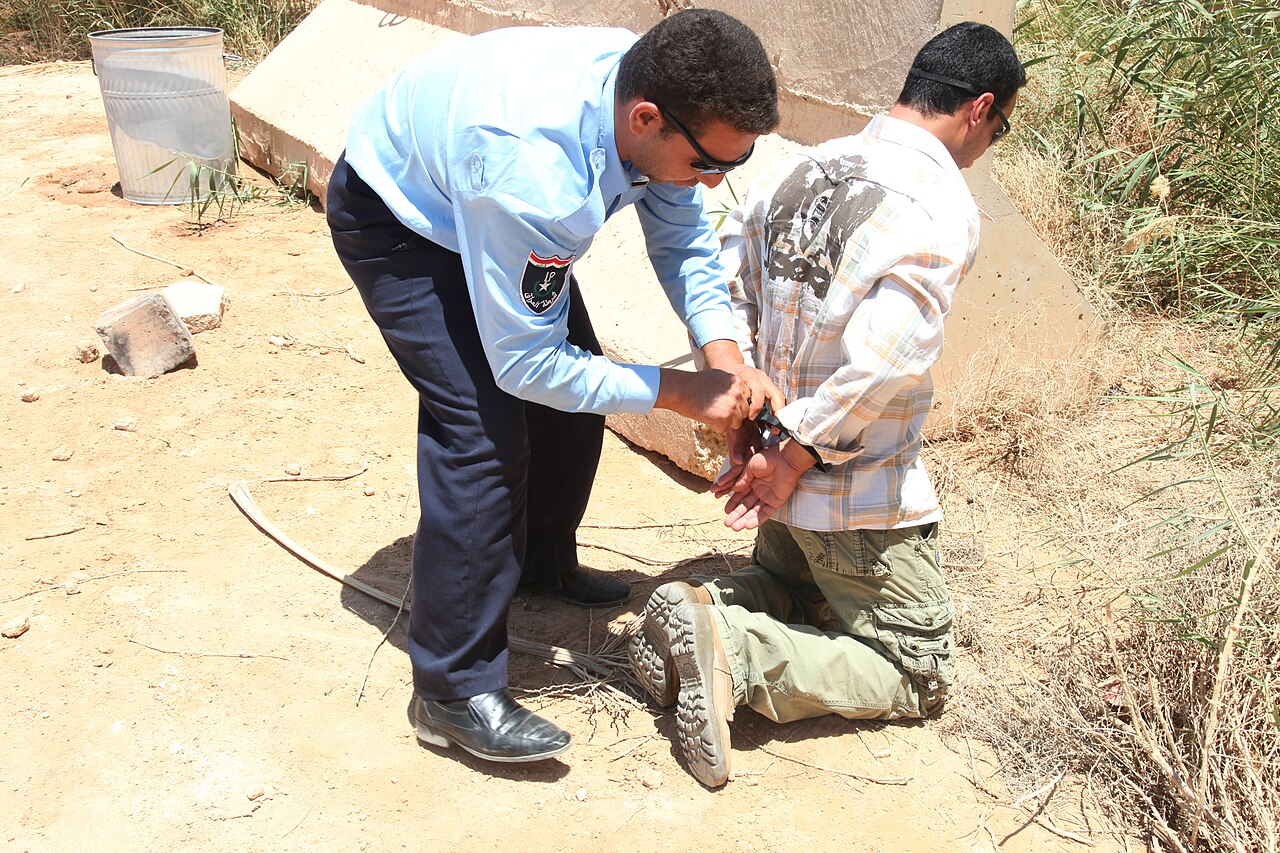
The World Cup, a global spectacle, has become embroiled in controversy as U.S. immigration policies clash with FIFA’s promises of international participation. The denial of entry to Somali referee Omar Abdulkadir Artan, who was set to make history as the first Somali official at a World Cup, highlights the diplomatic tensions.
Artan’s case is not isolated. Iraqi striker Aymen Hussein was detained for seven hours at O’Hare, while team photographer Talal Salah was held for over ten hours before being denied entry. These incidents have sparked accusations of discrimination against travelers from Muslim-majority countries.
FIFA’s stance that the host nation controls visa and entry decisions has only fueled anger, as the organization sold the tournament as a global event. The situation has escalated with reports of Iranian supporters facing ticket revocations, further straining international relations.
As the tournament opens, the question remains whether these cases are exceptions or a sign of ongoing disruptions. The credibility of the World Cup hangs in the balance as every new detention risks becoming a diplomatic incident.
government said players and staff could not stay overnight in the United States. The sharpest revelation is Artan’s case because he was not a fan or unofficial traveler but a FIFA-selected referee who was supposed to make history as the first Somali official to work a World Cup.
The Associated Press said FIFA had selected 52 referees and 88 assistant referees for the tournament, underscoring how unusual it is for one of those appointees to be blocked by the host country. The controversy widened when Iraqi striker Aymen Hussein, one of the team’s biggest names, was detained for seven hours at O’Hare before being admitted, while team photographer Talal Salah was held for more than 10 hours and then denied entry after authorities searched his phone, according to CBS Chicago and related reporting cited in the broader coverage.
The Post said the incidents have “heightened concerns” over enforcement during the tournament, and NPR’s reporting described a “chilling effect” spreading beyond athletes to supporters and delegations. AP reported that Artan, now back in Mogadishu to a hero’s welcome on Wednesday, said he still hopes to reach the next World Cup, turning his exclusion into a symbol of both national pride and grievance.
If that reporting holds, the issue is no longer who can cross the border, but whether entire national delegations can function normally once they do. authorities detained or blocked multiple World Cup-linked arrivals, including Somali referee Omar Abdulkadir Artan and two members of Iraq’s national team delegation, turning what looked like an isolated border incident into a test of how the United States will handle one of the most international events it has ever hosted.
Customs and Border Protection said he was denied entry after “additional inspection” and found inadmissible over “vetting concerns,” while FIFA said his “status will not be changed at present,” effectively ending his role in the tournament before it began. The core fight is no longer just about visas; it is about whether the Trump administration’s immigration crackdown is colliding head-on with FIFA’s promises that qualified teams, officials and supporters would be able to participate.
The sharpest revelation is Artan’s case because he was not a fan or unofficial traveler but a FIFA-selected referee who was supposed to make history as the first Somali official to work a World Cup. The controversy widened when Iraqi striker Aymen Hussein, one of the team’s biggest names, was detained for seven hours at O’Hare before being admitted, while team photographer Talal Salah was held for more than 10 hours and then denied entry after authorities searched his phone, according to CBS Chicago and related reporting cited in the broader coverage.
If that reporting holds, the issue is no longer who can cross the border, but whether entire national delegations can function normally once they do. Team photographer Talal Salah was denied entry after a 10-hour hold and phone search.
authorities detained or blocked multiple World Cup-linked arrivals, including Somali referee Omar Abdulkadir Artan and two members of Iraq’s national team delegation, turning what looked like an isolated border incident into a test of how the United States will handle one of the most international events it has ever hosted. The core fight is no longer just about visas; it is about whether the Trump administration’s immigration crackdown is colliding head-on with FIFA’s promises that qualified teams, officials and supporters would be able to participate.
Iraqi striker Aymen Hussein faced a seven-hour detention before being admitted. Iranian supporters face ticket revocations, highlighting broader tensions.
The scale and speed of this development has caught many observers off guard. Each new update adds another dimension to a story that is still unfolding, and the full picture will only become clear as more verified details emerge from the people and institutions directly involved.
Analysts who have tracked this issue closely say the current moment represents a genuine turning point. The decisions made in the coming weeks are expected to set the direction for months ahead, with ripple effects likely to extend well beyond the immediate actors in the story.
For those directly affected, the practical impact is already visible. People navigating this fast-changing situation are dealing with real consequences while new information continues to reshape what is known and what remains open to interpretation.
Historical parallels offer some context, though experts caution against drawing too close a comparison. Similar situations have played out before, but the specific combination of pressures, personalities, and timing here makes this moment distinct in ways that matter for how it ultimately resolves.
The political and economic dimensions of this story are deeply intertwined. What appears as a single event on the surface is in practice the convergence of multiple pressures that have been building quietly over a longer period than most public reporting has captured.