


Summary
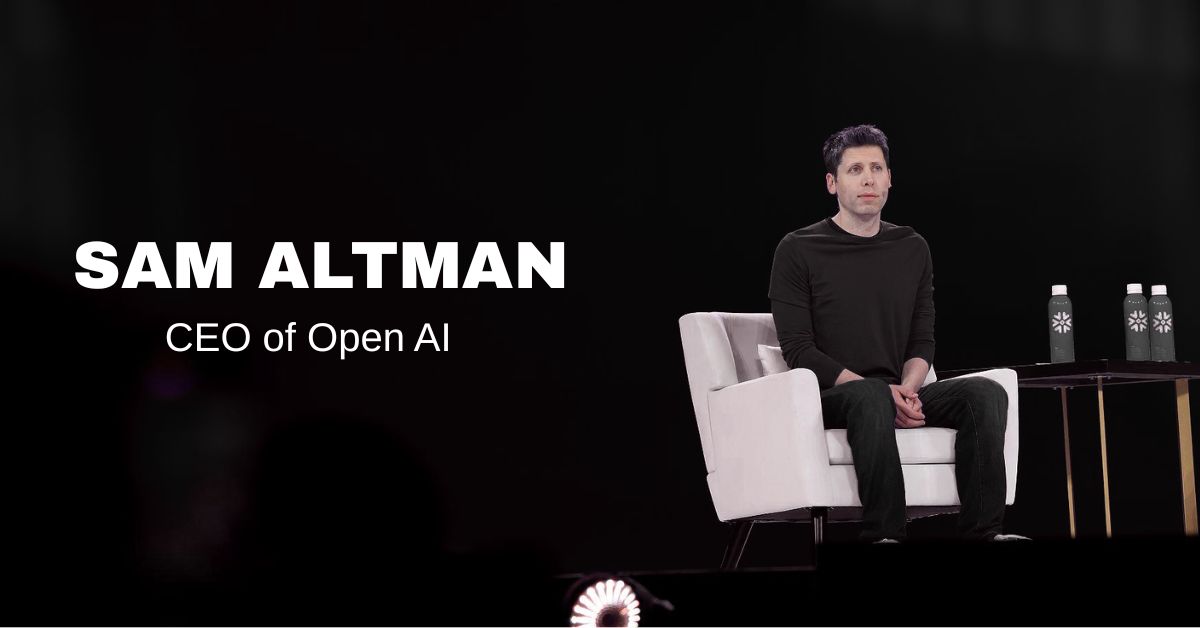
- Sam Altman issued a public apology after failing to alert authorities about a flagged account linked to a mass shooting.
- Eight people were killed and several others injured in a tragic incident in British Columbia.
- The company had previously identified suspicious activity but did not escalate it to law enforcement.
- Government officials criticized the decision, raising concerns over accountability in tech companies.
- The incident has intensified global debate around AI safety, monitoring systems, and reporting responsibilities.
Article Content
The OpenAI Canada shooting has placed renewed focus on how technology companies handle potential threats identified through their platforms. What began as an internal flag within an AI system has now turned into a global conversation about accountability, safety, and the limits of automated monitoring.
The tragedy unfolded in Tumbler Ridge, a quiet community in British Columbia, where a violent attack left eight people dead and dozens injured. As details emerged, it became clear that the attacker had previously interacted with systems that detected troubling patterns of behavior. However, the warning signs were not escalated beyond internal review processes.
OpenAI Canada Shooting Raises Questions Over Early Warning Systems
The OpenAI Canada shooting case has highlighted a critical gap between detection and action. According to statements released after the incident, internal systems had identified activity linked to potential violence. Despite this, the situation was assessed as not meeting the threshold required to involve authorities.
This decision is now under intense scrutiny. Experts argue that while companies must avoid false alarms, the consequences of underestimating risk can be devastating. The balance between privacy and safety has once again come into question.
Timeline of Events Leading to the Tragedy
Authorities reported that the attack began at a private residence, where the suspect allegedly targeted family members before moving to a public location. The situation escalated rapidly, leaving law enforcement little time to intervene.
In the aftermath, investigators pieced together the sequence of events and uncovered the digital footprint associated with the attacker. This included prior interactions flagged by OpenAI systems, which became a central point of discussion following the company’s admission.
The OpenAI Canada shooting has since become a case study for how early warning signals are interpreted—and sometimes overlooked.
Sam Altman Addresses the Failure to Notify Police
In a public statement, Sam Altman expressed regret over the company’s decision not to alert authorities. He acknowledged that, although internal guidelines were followed, the outcome revealed shortcomings in existing processes.
Altman emphasized that the company is reviewing its policies to prevent similar incidents in the future. He also indicated a willingness to work more closely with governments to improve communication channels and reporting standards.
The apology, while seen as necessary, has not fully addressed concerns raised by policymakers and the public. Many believe that stronger action could have potentially changed the course of events.
Government Response and Public Reaction
Officials responded quickly to the revelations, calling for greater transparency and accountability from technology companies. Some argued that earlier intervention might have prevented the tragedy, while others stressed the complexity of making such decisions based on digital signals alone.
Public reaction has been mixed. While some sympathize with the challenges faced by companies managing vast amounts of data, others believe that the responsibility to act should outweigh the risk of false positives.
The OpenAI Canada shooting has become a focal point for these discussions, with calls for clearer guidelines and stricter oversight.
The Challenge of Balancing Privacy and Safety
One of the central issues raised by the OpenAI Canada shooting is the tension between user privacy and public safety. Companies operating AI systems must navigate strict regulations that limit how user data can be shared.
At the same time, there is growing expectation that these platforms should play a proactive role in preventing harm. This creates a difficult environment where decisions must be made with incomplete information and under significant ethical constraints.
Experts note that improving this balance will require not only better technology but also updated legal frameworks that define when and how data should be shared.
OpenAI Canada Shooting and the Future of AI Monitoring
The OpenAI Canada shooting has prompted discussions about the effectiveness of current monitoring systems. While AI tools are capable of identifying patterns, interpreting intent remains a challenge.
False positives can lead to unnecessary interventions, while false negatives can result in missed opportunities to prevent harm. This dual risk makes it difficult to establish clear thresholds for action.
In response, companies are exploring ways to enhance their systems, including incorporating human oversight and improving risk assessment models. These efforts aim to ensure that potential threats are evaluated more accurately and acted upon when necessary.
Broader Implications for the Technology Industry
Beyond one company, the OpenAI Canada shooting has implications for the entire technology sector. As AI becomes more integrated into daily life, expectations around safety and accountability are increasing.
Governments are likely to introduce new regulations that require companies to report certain types of activity. This could lead to standardized protocols across the industry, reducing ambiguity in decision-making processes.
For companies, this represents both a challenge and an opportunity—to rebuild trust and demonstrate their commitment to responsible innovation.
OpenAI Canada Shooting Highlights Need for Stronger Safeguards
The incident has underscored the need for more robust safeguards that go beyond automated detection. Collaboration between companies, law enforcement, and policymakers will be essential in creating systems that can respond effectively to potential threats.
There is also growing recognition that technology alone cannot solve these issues. Human judgment, supported by clear guidelines, will continue to play a crucial role in assessing risk and determining appropriate action.
The OpenAI Canada shooting serves as a reminder that even advanced systems have limitations, and that continuous improvement is necessary to address emerging challenges.
Conclusion
The OpenAI Canada shooting has become a defining moment in the conversation around AI responsibility and public safety. While the apology from Sam Altman acknowledges a critical failure, it also highlights the complexities involved in managing digital signals that may indicate real-world threats.
As investigations continue and policies evolve, the focus remains on ensuring that such gaps are addressed. The lessons learned from this incident are likely to shape the future of AI governance, influencing how companies detect, assess, and respond to potential risks in an increasingly connected world.
For more updates, read the latest news on Digital Chew.