

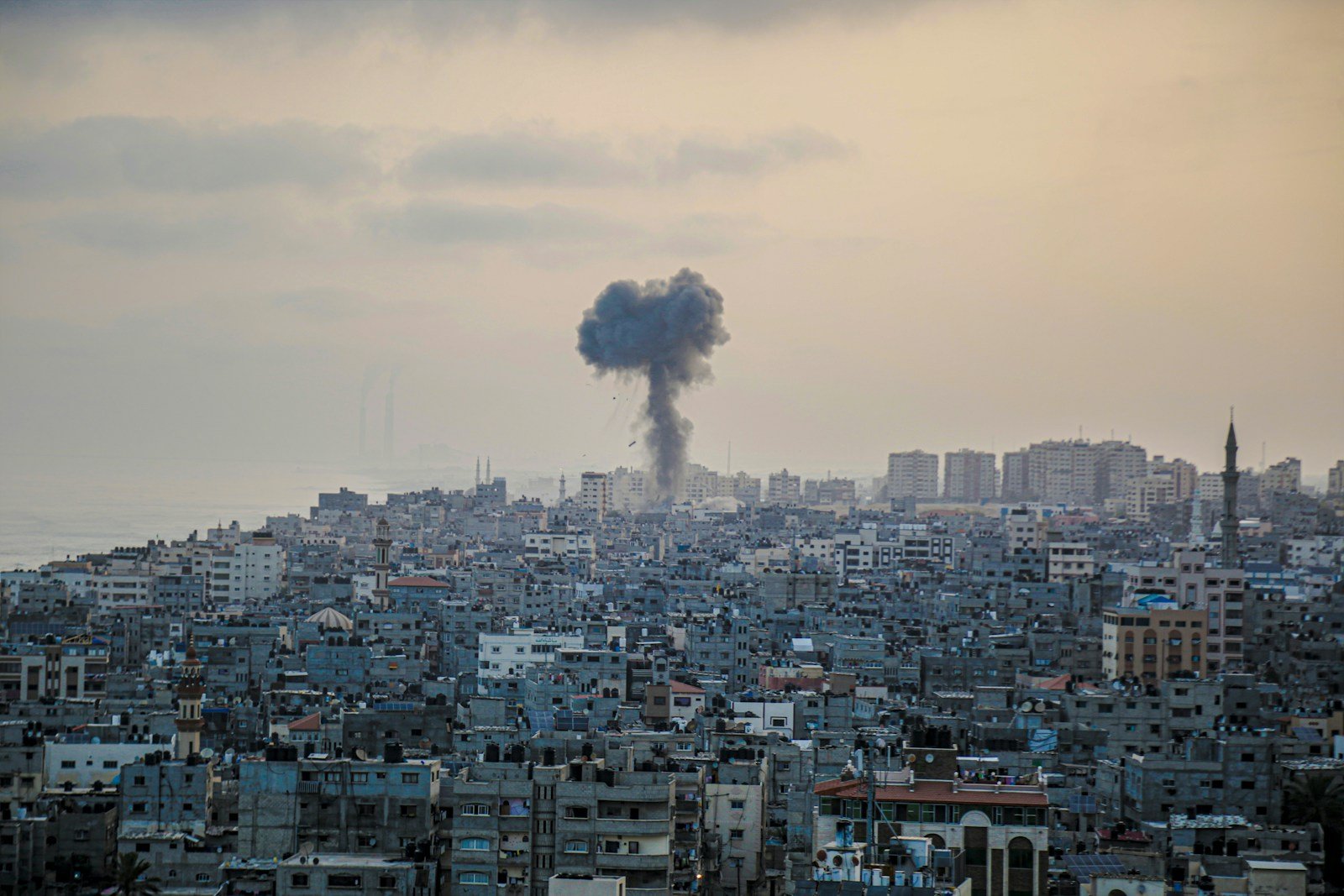

Quick Summary:Pakistan Security Concerns Intensify After Deadly Lakki Marwat Bombing
- Local police chief Azmat Ullah reported a bomb explosion in Lakki Marwat, killing at least 9 and injuring over two dozen, including police officers and a woman.
- The Associated Press confirmed 9 deaths in the Lakki Marwat bombing, while Reuters initially reported 7 fatalities, highlighting reporting discrepancies.
- The Lakki Marwat attack is suspected to be orchestrated by the Tehrik-e-Taliban Pakistan (TTP), intensifying regional security concerns.
- Pakistan has formally protested to Kabul, accusing Afghanistan’s Taliban government of harboring militants responsible for cross-border attacks.
- Despite China-brokered peace talks, violence persists, raising questions about the effectiveness of diplomatic efforts between Pakistan and Afghanistan.
Source: Read original article
A bomb explosion in Lakki Marwat, Pakistan, has once again thrust the region’s security crisis into the spotlight. The attack, which claimed at least nine lives and injured over two dozen, underscores the escalating threat posed by the Tehrik-e-Taliban Pakistan (TTP). This militant group, emboldened by the Afghan Taliban’s rise to power, continues to destabilize Pakistan’s border regions.
The Lakki Marwat bombing is not an isolated incident. Just days earlier, a suicide bombing in Bannu resulted in the deaths of 15 police officers. These attacks have prompted Pakistan to formally accuse Afghanistan’s Taliban government of providing sanctuary to TTP militants. Despite diplomatic efforts, including China-brokered peace talks, the violence shows no signs of abating.
Pakistan’s relationship with Afghanistan remains fraught with tension. Islamabad’s accusations against Kabul highlight the complex dynamics at play, as both nations grapple with the TTP’s growing influence. The militant group’s ties to the Afghan Taliban complicate efforts to stabilize the region, leaving Pakistan in a precarious position.
As Pakistan navigates this security crisis, the international community watches closely. The path forward requires coordinated efforts and sustained dialogue to address the underlying issues driving the conflict. With regional stability hanging in the balance, Pakistan must balance military action with diplomatic pressure to curb the TTP’s influence.
Local police chief Azmat Ullah said the bomb exploded in a bazaar in Lakki Marwat, killing at least 9 people and wounding “more than two dozen,” with two traffic police officers and one woman among the dead. Associated Press reported at least 9 dead in the Lakki Marwat bazaar bombing, while an early Reuters pickup cited a senior police official saying 7 people, including 2 police officials and 5 civilians, were killed.
In one incident, at least 9 people were killed and more than 24 were wounded in Lakki Marwat on May 12, 2026; in another, 15 police officers were killed in Bannu on or around May 9 or 10. According to the latest reporting, 15 police officers were killed in a suicide bombing and gun assault on a security post in nearby Bannu late Saturday, an attack Pakistan explicitly blamed on the TTP.
Azmat Ullah, the local police chief, was the key official identifying the Lakki Marwat casualties. The TTP remains the central suspected actor even without a claim of responsibility, because recent reporting says the group has intensified its campaign against Pakistani security forces in recent years and has grown more emboldened since the Afghan Taliban returned to power in Kabul in 2021.
A rickshaw bomb that killed at least nine people in Lakki Marwat on Tuesday has become the latest flashpoint in a rapidly widening security crisis on Pakistan’s Afghan border, coming just days after a separate assault in nearby Bannu killed 15 police officers and triggered a formal diplomatic protest to Kabul. Investigators will determine whether the rickshaw was remotely detonated or planted and left in the market, hospitals will update casualty numbers, and Pakistan’s government will face pressure to show a visible response after two high-casualty attacks in the same region within roughly 72 hours.
No group immediately claimed responsibility, but officials and wire services said suspicion is likely to fall on Tehrik-e-Taliban Pakistan, or TTP, the Pakistani Taliban faction that has stepped up attacks in the region. The latest reports say Pakistani authorities have long accused the Afghan Taliban government of allowing TTP fighters to use Afghan soil to launch attacks.