


Quick Summary
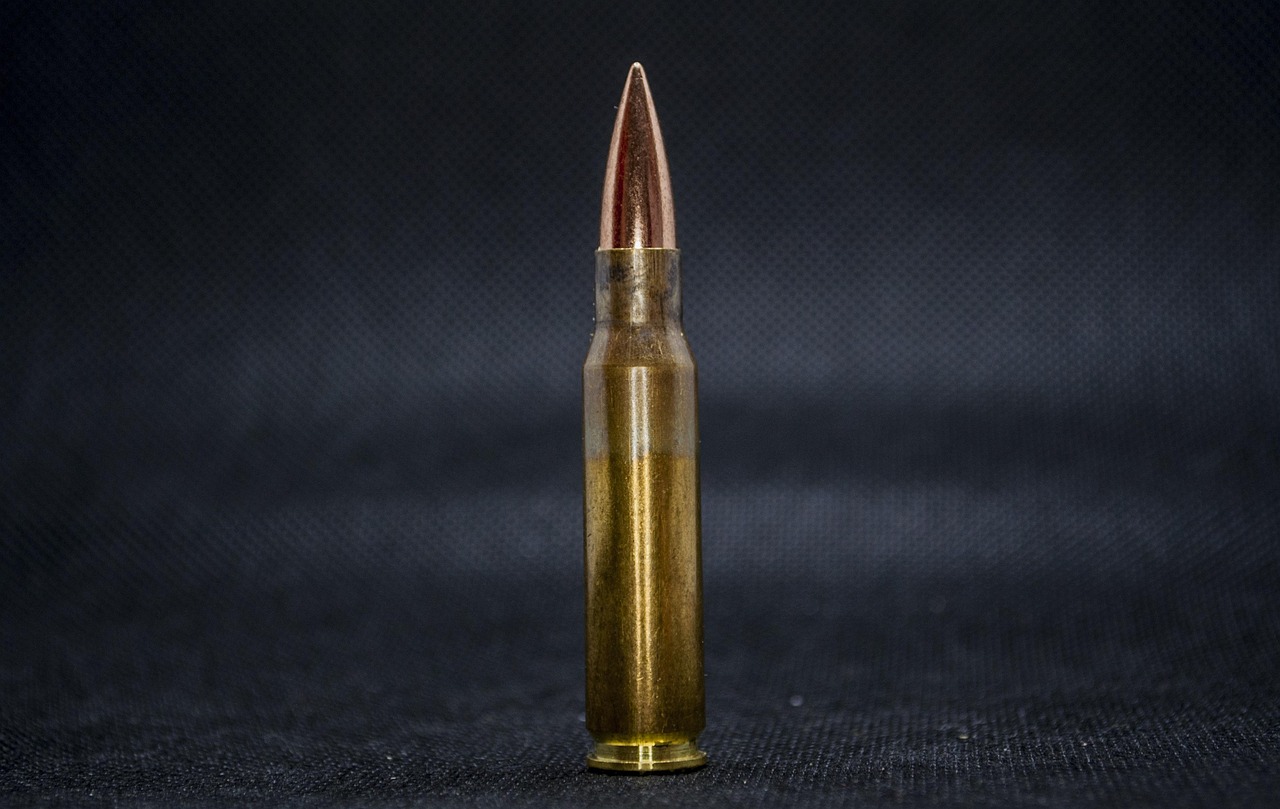
- Gunfire erupted in the Philippine Senate, intensifying the standoff over Senator Ronald dela Rosa, wanted by the ICC for crimes against humanity.
- President Marcos Jr. distanced his administration from the incident, suggesting it could be a ‘destabilization’ effort.
- The National Bureau of Investigation denied involvement, despite armed personnel being seen at the scene.
- Senate President Cayetano declared solidarity with dela Rosa, framing the situation as a defense of sovereignty.
- The Supreme Court’s decision to delay ruling on dela Rosa’s arrest petition has heightened tensions.
Philippine Senate: Key Takeaways
Gunfire ringing out within the hallowed halls of the Philippine Senate is not just another day in the country’s tumultuous political landscape. This incident, involving shots fired as tensions mount over Senator Ronald dela Rosa’s potential arrest, has escalated into a dramatic standoff, spotlighting the fraught intersection of national sovereignty and international accountability.
Senator dela Rosa, a key figure in Duterte’s controversial drug war, is wanted by the International Criminal Court (ICC) for alleged crimes against humanity. The gunfire, described as warning shots, has turned the Senate into a pressure cooker, with President Ferdinand Marcos Jr. publicly denying government involvement and speculating about a possible ‘destabilization’ effort. This narrative adds a volatile dimension to an already charged atmosphere.
In a striking contradiction, the National Bureau of Investigation (NBI) claimed its agents were not involved, despite visible armed movements within the Senate. Senate President Alan Peter Cayetano’s declaration of support for dela Rosa underscores the political stakes, framing the situation as a defense against external interference.
The Supreme Court’s decision to delay action on dela Rosa’s arrest petition only adds to the uncertainty, leaving the Senate as both a refuge and a flashpoint. The government’s response within the next 72 hours will be pivotal, determining whether the Senate remains a sanctuary or if the ICC warrant will be executed.
AP reported that the ICC warrant, originally issued confidentially in November and unsealed this week, accuses him over the killings of “no less than 32 persons” between July 2016 and the end of April 2018. Senate President Alan Peter Cayetano, speaking on a livestream from inside the building, said, “We don’t know what’s happening, everyone is locked in their rooms now, we cannot go out.
Philstar reported that the Philippine Supreme Court did not immediately grant dela Rosa’s petition to block his arrest or transfer, and instead ordered government officials to comment within 72 hours, meaning there was no temporary restraining order in place on May 13. publicly denied any government role, the NBI said its agents had been ordered to “stand down,” and allies of dela Rosa openly vowed they would not hand him over.
” The target of the standoff is Senator Ronald dela Rosa, 64, a former national police chief and chief enforcer of Rodrigo Duterte’s drug war, who is wanted by the International Criminal Court on a charge of murder as a crime against humanity. The biggest new turn is that the gunfire inside the Philippine Senate did not lead to Ronald “Bato” dela Rosa’s capture, but instead deepened a live institutional standoff in which President Ferdinand Marcos Jr.
The key conflict is now bigger than one senator: it is a confrontation between Philippine sovereignty arguments and international accountability over Duterte-era killings, with the Senate itself acting as a shield. Philstar’s latest reporting said Marcos also raised the possibility that the gunfire could be part of a “destabilization” effort, which adds a new and volatile layer to the story because it hints the presidency sees the episode not just as a security breach but as a possible political operation.
At the same time, the National Bureau of Investigation’s director, Melvin Matibag, told ABS-CBN, “Walang baril ang mga tao ko. The same reporting also underscored that the Senate had been under heavy guard all day on May 13, with police lines outside and protesters gathering, some demanding dela Rosa’s arrest.
The scale and speed of this development has caught many observers off guard. Each new update adds another dimension to a story that is still unfolding, and the full picture will only become clear as more verified details emerge from the people and institutions directly involved.
Analysts who have tracked this issue closely say the current moment represents a genuine turning point. The decisions made in the coming weeks are expected to set the direction for months ahead, with ripple effects likely to extend well beyond the immediate actors in the story.
For those directly affected, the practical impact is already visible. People navigating this fast-changing situation are dealing with real consequences while new information continues to reshape what is known and what remains open to interpretation.
Historical parallels offer some context, though experts caution against drawing too close a comparison. Similar situations have played out before, but the specific combination of pressures, personalities, and timing here makes this moment distinct in ways that matter for how it ultimately resolves.
The political and economic dimensions of this story are deeply intertwined. What appears as a single event on the surface is in practice the convergence of multiple pressures that have been building quietly over a longer period than most public reporting has captured.