

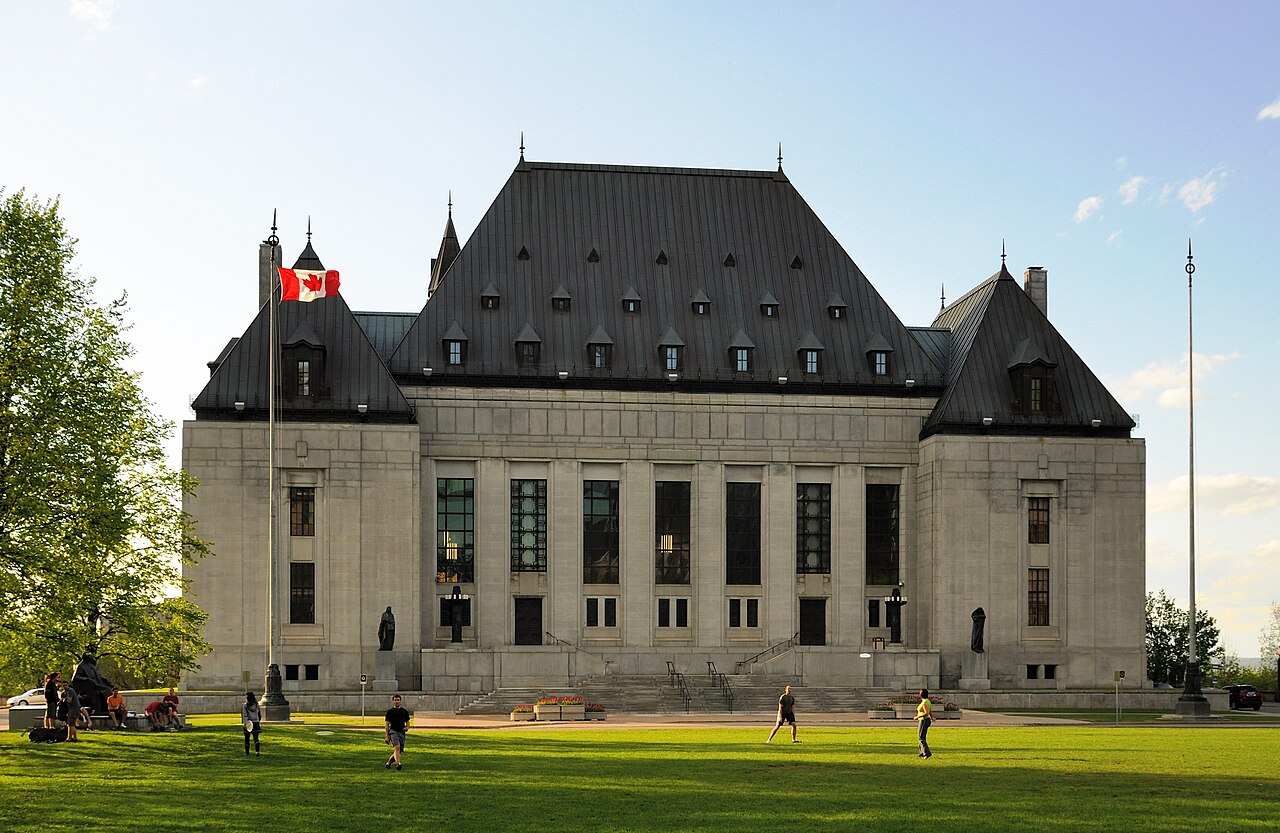

Quick Summary: Supreme Court Weighs Mail Ballot Case Ahead of 2026 Midterms
- The Supreme Court heard arguments on March 23, 2026, with a ruling expected by late June or early July, impacting the November 2026 midterm elections.
- A ruling against grace periods could force Californians to mail ballots earlier or use drop-off options to avoid rejection.
- California counted 406,000 late-arriving ballots in 2024, representing about 2.5% of votes, which could be at risk.
- 14 states plus Washington, D.C., have grace periods for mailed ballots, and 15 states have flexible deadlines for military ballots, all potentially affected.
- The case is part of Trump’s broader campaign against mail voting, despite lack of evidence for widespread fraud.
Source: Read original article
California is on edge as the Supreme Court prepares to rule on a case that could drastically alter mail-in voting procedures. With a decision expected by late June or early July, the stakes are high for the November 2026 midterm elections. The ruling could eliminate grace periods for mail ballots, forcing voters to adapt quickly to avoid having their votes discarded.
The potential impact is significant. California, which counted 406,000 late-arriving ballots in 2024, could see these votes vanish if the court mandates that ballots must be received by Election Day. This change would not only affect California but also 14 other states and Washington, D.C., which currently allow grace periods. An additional 15 states with flexible deadlines for military and overseas ballots could also be swept up in the fallout.
At the heart of the debate is a challenge driven by Republicans, including allies of Donald Trump, who argue that federal law requires ballots to be received by Election Day. This stance is part of a broader attack on mail voting, despite evidence showing minimal fraud. The court’s decision could redefine when a vote is legally cast, challenging states like California that have insulated voters from postal delays.
As the decision looms, California lawmakers and election officials are not sitting idly by. They are preparing contingency plans to educate voters and potentially rewrite guidelines to ensure compliance with any new ruling. The outcome could reshape the voting landscape, with the fairness of the process hanging in the balance.
The Supreme Court heard arguments on March 23, 2026, and multiple outlets, including AP and the Washington Post, said a final ruling is expected by late June or early July, in time to govern the November 2026 midterm elections. The biggest immediate consequence would be behavioral: Californians who have long relied on last-minute mailing could have to shift fast to earlier mailing or in-person drop-off, or risk having ballots rejected in November.
California election officials are openly bracing for what Assemblymember Gail Pellerin called a possible “bad Supreme Court decision” that could force the state to stop counting hundreds of thousands of on-time-but-late-arriving mail ballots just months before the 2026 midterms. , currently have grace periods for regular mailed ballots, and another 15 states with more flexible deadlines for military and overseas ballots could also feel the fallout.
Supreme Court ruling in a Mississippi case over whether ballots must be received, not merely postmarked, by Election Day. If the court bars states from counting ballots that arrive after Election Day, those votes could suddenly disappear from the count unless voters adapt by mailing earlier or using drop boxes.
The legal and political fight is being driven by Republicans arguing that federal law sets a single Election Day and that ballots received afterward are too late, period. AP described the dispute as part of Trump’s ongoing attack on mail balloting, despite “strong evidence to the contrary” on fraud claims.
That position has been championed by allies of President Donald Trump, whose broader campaign against mail voting continues to shape the case. UCLA law professor Rick Hasen and others told the Los Angeles Times they doubt a stricter federal receipt deadline would dramatically accelerate California’s vote count, because many ballots that create post-election delays are still legally submitted through drop boxes or arrive at county facilities on or just before Election Day.
The biggest immediate consequence would be behavioral: Californians who have long relied on last-minute mailing could have to shift fast to earlier mailing or in-person drop-off, or risk having ballots rejected in November. Quick Summary: Supreme Court Heard Impacting the November 2026 Midterm Elections The Supreme Court heard arguments on March 23, 2026, with a ruling expected by late June or early July, impacting the November 2026 midterm elections.
, have grace periods for mailed ballots, and 15 states have flexible deadlines for military ballots, all potentially affected. , currently have grace periods for regular mailed ballots, and another 15 states with more flexible deadlines for military and overseas ballots could also feel the fallout.
The case is part of Trump’s broader campaign against mail voting, despite lack of evidence for widespread fraud. The court’s decision could redefine when a vote is legally cast, challenging states like California that have insulated voters from postal delays.
AP described the dispute as part of Trump’s ongoing attack on mail balloting, despite “strong evidence to the contrary” on fraud claims. The ruling could eliminate grace periods for mail ballots, forcing voters to adapt quickly to avoid having their votes discarded.
The scale and speed of this development has caught many observers off guard. Each new update adds another dimension to a story that is still unfolding, and the full picture will only become clear as more verified details emerge from the people and institutions directly involved.
Analysts who have tracked this issue closely say the current moment represents a genuine turning point. The decisions made in the coming weeks are expected to set the direction for months ahead, with ripple effects likely to extend well beyond the immediate actors in the story.
For those directly affected, the practical impact is already visible. People navigating this fast-changing situation are dealing with real consequences while new information continues to reshape what is known and what remains open to interpretation.
Historical parallels offer some context, though experts caution against drawing too close a comparison. Similar situations have played out before, but the specific combination of pressures, personalities, and timing here makes this moment distinct in ways that matter for how it ultimately resolves.
The political and economic dimensions of this story are deeply intertwined. What appears as a single event on the surface is in practice the convergence of multiple pressures that have been building quietly over a longer period than most public reporting has captured.