


Quick Summary
- Donald Trump warns of tariffs on UK goods over digital tax dispute
- UK’s 2% digital services tax targets major US tech firms including Amazon and Google
- US signals tariffs could match or exceed the revenue impact of the tax
- The dispute adds pressure to already strained trade and diplomatic relations
- Global tax reform efforts remain uncertain as tensions between allies grow
Optimized Article Content
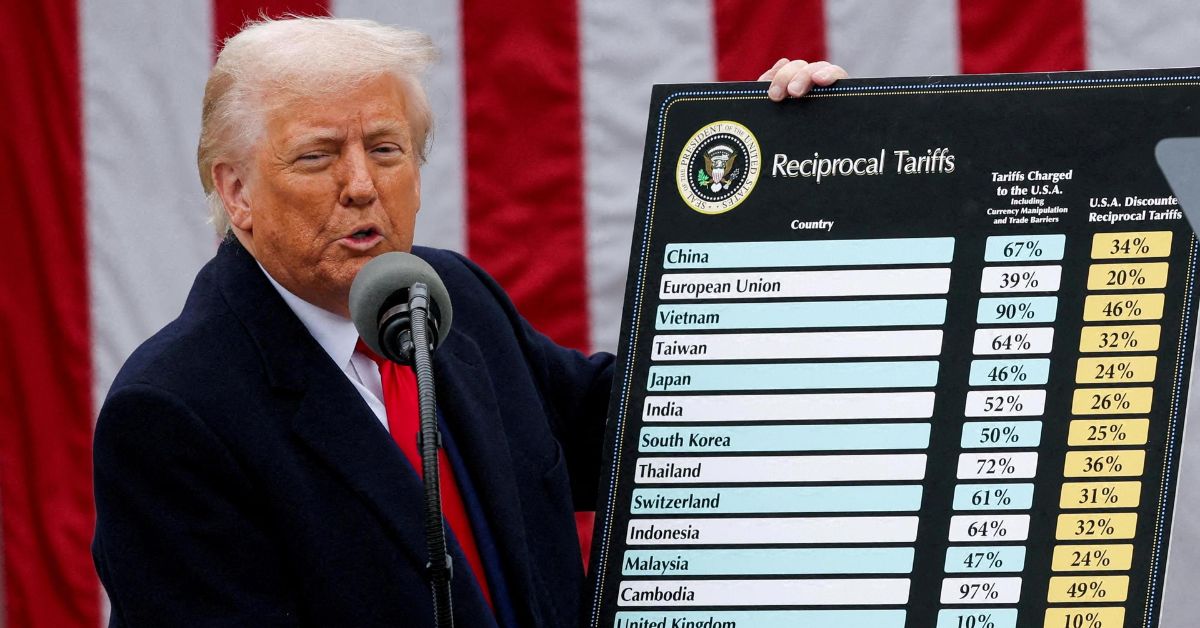
The latest escalation in transatlantic trade tensions has emerged as the Trump UK Tariff dispute intensifies, with Washington warning of possible economic retaliation against Britain’s digital tax policy.
Trump UK Tariff concerns have rapidly moved to the center of global trade discussions, highlighting a growing divide between two longstanding allies over how multinational technology companies should be taxed.
U.S. President Donald Trump has made it clear that his administration is prepared to respond forcefully if the United Kingdom continues enforcing its digital services tax, a move that primarily affects American technology giants operating in the British market.
Trump UK Tariff dispute deepens over digital tax policy
The digital services tax introduced by the United Kingdom was designed to address concerns that large multinational corporations were not paying sufficient taxes in the countries where they generate revenue. The levy imposes a 2% charge on revenues earned from UK users by companies that meet specific global and domestic thresholds.
While British officials have defended the tax as a temporary and fair measure, the Trump UK Tariff dispute underscores Washington’s view that the policy unfairly targets U.S.-based firms. American officials argue that the tax structure disproportionately impacts companies headquartered in the United States, creating what they see as an uneven playing field.
This disagreement has fueled broader concerns about trade fairness, with U.S. policymakers suggesting that unilateral tax measures could disrupt international economic cooperation.
How the Trump UK Tariff threat could impact trade
The Trump UK Tariff warning signals a potential shift toward more aggressive trade tactics. According to statements from U.S. officials, any tariffs imposed on British goods could be calibrated to match or even exceed the financial burden placed on American companies by the digital tax.
Such measures could affect a wide range of UK exports, from industrial goods to consumer products, potentially increasing costs for businesses and consumers on both sides of the Atlantic.
Economists note that the Trump UK Tariff scenario could trigger a cycle of retaliatory measures, with the UK possibly responding with its own trade barriers. This back-and-forth dynamic risks disrupting supply chains and complicating trade relationships that have historically been stable.
Pressure on major technology companies
At the center of the Trump UK Tariff debate are large technology firms that dominate the global digital economy. Companies such as Amazon, Google, and Apple have long argued that digital services taxes create additional financial burdens that ultimately get passed on to users, advertisers, and small businesses.
Industry experts say that the Trump UK Tariff conflict reflects a broader challenge facing governments worldwide: how to fairly tax digital businesses that operate across borders without triggering trade disputes.
Many of these companies rely heavily on international markets, making them particularly vulnerable to policy changes that affect multiple jurisdictions. As a result, ongoing uncertainty around taxation rules could influence investment decisions and operational strategies.
Global tax reform efforts face new challenges
The Trump UK Tariff issue also comes at a time when international efforts to establish a unified global tax framework are already facing delays. More than 140 countries have been working toward an agreement that would ensure multinational corporations pay taxes where they generate profits, along with a minimum corporate tax rate.
However, disagreements over implementation and enforcement have slowed progress. The current dispute between the U.S. and the UK adds another layer of complexity, raising questions about whether a coordinated global solution can be achieved.
The UK has previously indicated that its digital services tax is intended as a temporary measure until a broader international agreement is finalized. Yet the Trump UK Tariff warning suggests that patience in Washington may be running thin.
Broader diplomatic and economic implications
Beyond immediate trade concerns, the Trump UK Tariff conflict highlights deeper tensions in international economic policy. Relations between the United States and the United Kingdom have generally been strong, but differences over taxation, trade, and strategic priorities are becoming more visible.
Analysts point out that the Trump UK Tariff situation could influence negotiations on future trade agreements, as well as cooperation on global economic initiatives. It may also shape how other countries approach digital taxation, particularly those considering similar policies.
The dispute has implications for international alliances as well, especially as economic issues increasingly intersect with geopolitical considerations.
Businesses and consumers could feel the effects
If the Trump UK Tariff measures are implemented, businesses on both sides could face higher costs and increased uncertainty. Exporters in the UK may encounter reduced demand in the U.S. market, while American companies could see higher operational expenses in Britain.
Consumers are also likely to be affected, as companies adjust pricing to offset additional costs. This could lead to higher prices for goods and services, particularly in sectors closely tied to digital platforms.
Small businesses that rely on global supply chains or digital marketplaces may be especially vulnerable, as they often have limited ability to absorb cost increases.
Uncertain path forward in Trump UK Tariff negotiations
Despite the strong rhetoric, it remains unclear how the Trump UK Tariff dispute will ultimately be resolved. Both countries have incentives to avoid a full-scale trade conflict, given their deep economic ties and shared strategic interests.
Negotiations could focus on finding a compromise that addresses concerns on both sides, possibly through adjustments to the digital services tax or renewed efforts to finalize a global tax agreement.
However, the outcome will depend on political priorities and the willingness of both governments to engage in constructive dialogue.
Conclusion
The Trump UK Tariff dispute marks a significant moment in the evolving relationship between national tax policies and global trade dynamics. As governments grapple with the challenges of taxing digital economies, the risk of conflict between major economies continues to grow.
For now, the situation remains fluid, with potential consequences extending beyond the immediate dispute. Whether through negotiation or escalation, the resolution of the Trump UK Tariff issue will likely shape the future of international trade and digital taxation for years to come.
For more updates, read the latest news on Digital Chew.