

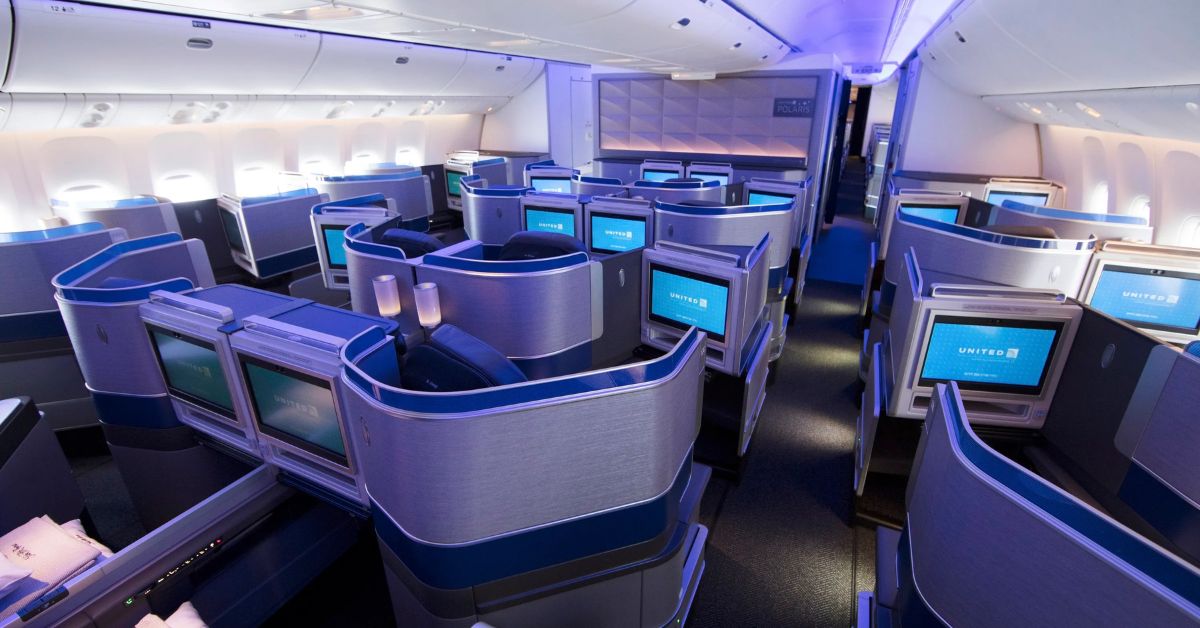

United Airlines business-class fees: Key Takeaways
United Airlines business-class fees is central to this story, and this analysis explains what matters most right now.
Quick Summary
- United Airlines business-class fees is central to this story, and this analysis explains what matters most right now.
- United Airlines has announced a significant overhaul of its business-class fare structure, introducing new fees for its cheapest options.
- Traditionally, business-class fares have provided travelers with a comprehensive package of amenities, but United is now introducing a ‘basic’ business fare.
- This strategic shift aligns with the broader trend in the airline industry toward unbundling services and offering a la carte pricing.
United Airlines Restructures Business-Class Fares
United Airlines has announced a significant overhaul of its business-class fare structure, introducing new fees for its cheapest options. This move is part of a broader strategy to offer differentiated pricing tiers within its premium cabins, aimed at catering to a wide range of passenger preferences and budgets.
Introducing No-Frills Business Class
Traditionally, business-class fares have provided travelers with a comprehensive package of amenities, but United is now introducing a ‘basic’ business fare. This option strips down some of the standard perks associated with higher-tiered tickets, such as lounge access and complimentary seat selection. By doing so, the airline is positioning itself to attract budget-conscious business travelers who are willing to forgo certain luxuries for a lower price point.
- New fees introduced for the cheapest business-class fares.
- Basic business fare excludes some traditional perks.
- Aimed at budget-conscious travelers seeking premium seating at lower costs.
Strategic Implications for United Airlines
This strategic shift aligns with the broader trend in the airline industry toward unbundling services and offering a la carte pricing. By breaking down the business-class experience into more affordable segments, United aims to increase its market share among both leisure and business travelers who might otherwise opt for economy seats due to cost constraints.
According to industry analysts, this move could pay dividends in the long term. By diversifying its pricing structure, United Airlines is likely to enhance its appeal across different demographic segments, thus potentially increasing its occupancy rates on long-haul flights.
Customer Response and Market Trends
Initial reactions from passengers have been mixed. Some travelers appreciate the flexibility and cost-saving potential of the new pricing model, while others are concerned about the erosion of value traditionally associated with business-class travel. The introduction of fees for services that were previously included could lead to dissatisfaction among loyal customers who expect a certain level of service for the price they pay.
However, this move also reflects a broader market trend where travelers are increasingly willing to customize their travel experiences based on specific needs and budgets. As more airlines adopt similar strategies, the industry may witness a shift in how premium travel is perceived and priced.
Implications for U.S. Travelers
For U.S. travelers, this change comes at a time when travel demand is rebounding post-pandemic. With more people eager to resume international travel, United’s new fare options may prove attractive to those looking to balance cost with comfort. As the airline continues to expand its route offerings, particularly on long-haul flights, the ability to choose a business-class seat at a reduced rate could entice more passengers to upgrade from economy.
For more insights on airline industry trends, visit CNBC for comprehensive coverage.
As this story develops, Digital Chew will continue to provide updates and expert analyses on the implications of United Airlines’ fare restructuring. Stay tuned for more information and analysis on the evolving landscape of air travel.
Analysts say United Airlines business-class fees now sits at the center of a broader shift, with consequences that could extend beyond the immediate headline and shape decisions in the coming weeks. They note that early signals often appear in policy language and market behavior before they are reflected in official summaries, which is why context matters as much as the headline itself.
Reporting around United Airlines business-class fees has also highlighted how quickly circumstances can change, making context and verified updates essential for readers trying to separate signal from noise. The most reliable coverage connects each new update to the timeline of prior events so audiences can understand what is genuinely new and what is part of a longer trend.
Officials and industry observers are watching United Airlines business-class fees closely, noting that the next phase of the story may depend on timing, policy responses, and cross-market reactions. Until those responses become clearer, experts recommend focusing on confirmed developments instead of speculation that can distort short-term expectations.
For audiences tracking United Airlines business-class fees, the key is to follow credible sources and focus on developments that reveal direction rather than isolated short-term swings. That approach helps readers understand not just what happened today, but why the story could carry broader implications over the coming weeks.
The latest developments connected to United Airlines business-class fees have reopened questions about strategy, risk, and timing, particularly for stakeholders who need clearer signals before making their next move. In practical terms, that means watching both official statements and real-world indicators to understand whether the current direction is likely to hold.
In recent coverage, United Airlines business-class fees has become a reference point for wider discussions about accountability, communication, and how institutions respond under pressure. Observers say this broader lens is important because the immediate event is often only one part of a larger sequence of decisions.
Beyond the immediate updates, United Airlines business-class fees is drawing attention because it links short-term events to longer-term structural trends that are still unfolding. Readers following the story closely are paying particular attention to what changes in response and what remains unresolved after each update.
As the story evolves, reporting on United Airlines business-class fees is expected to focus increasingly on measurable impacts, official follow-through, and whether early assumptions hold up. That evidence-based framing helps audiences evaluate momentum without overreacting to isolated developments.
Taken together, these updates show why United Airlines business-class fees matters now and why the next round of confirmed information will be critical to understanding the full impact. Analysts caution that the most meaningful shifts may appear gradually, making sustained coverage more useful than one-off snapshots.
Readers looking for practical clarity can treat United Airlines business-class fees as a developing story, where each official update adds context to what may happen next. Following that progression over time gives a clearer picture of direction, risk, and likely outcomes.
What Comes Next
What happens next with United Airlines business-class fees will likely depend on upcoming decisions, official statements, and how fast new information is confirmed.
For now, the most reliable approach is to follow verified updates closely and focus on the signals that could shape the next phase of this story.